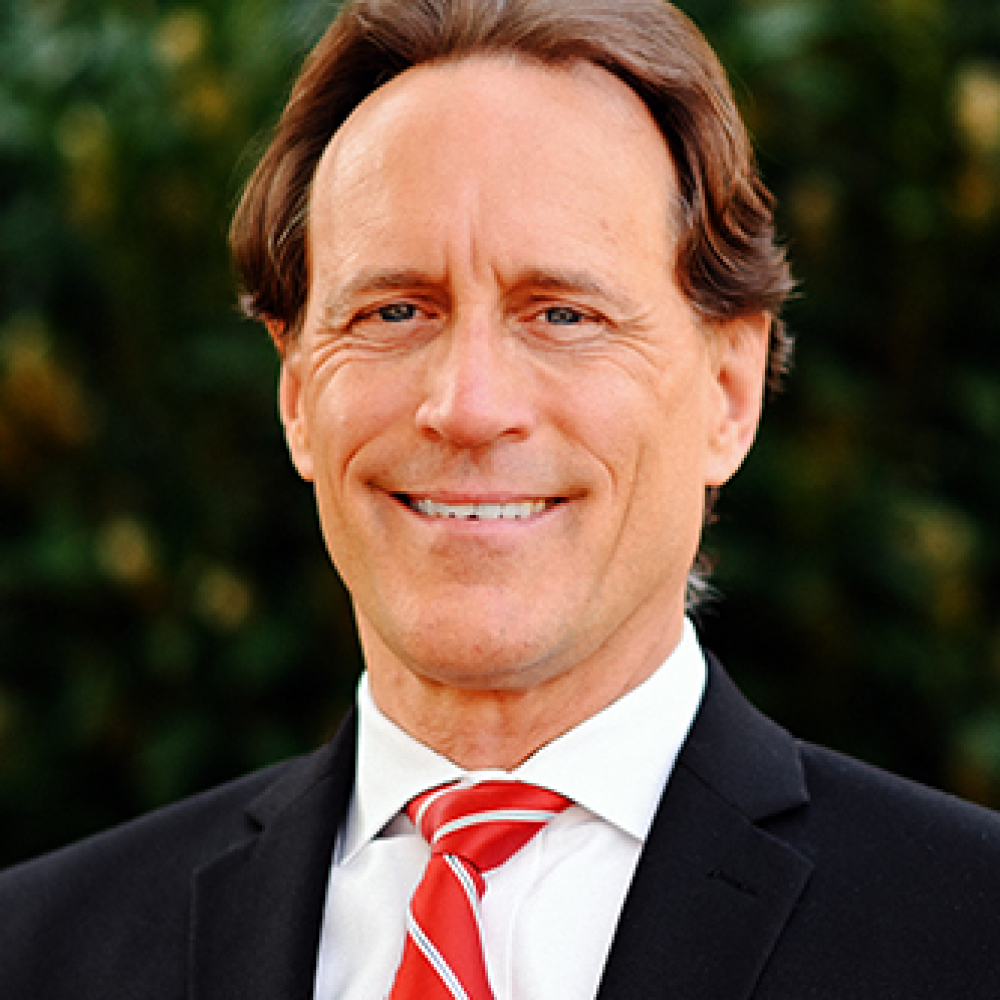
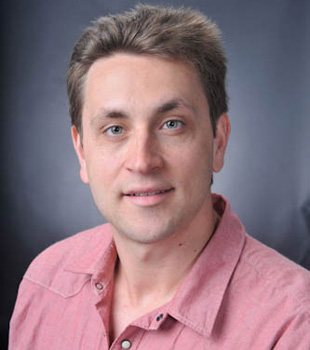
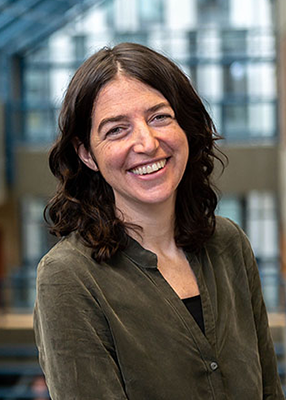
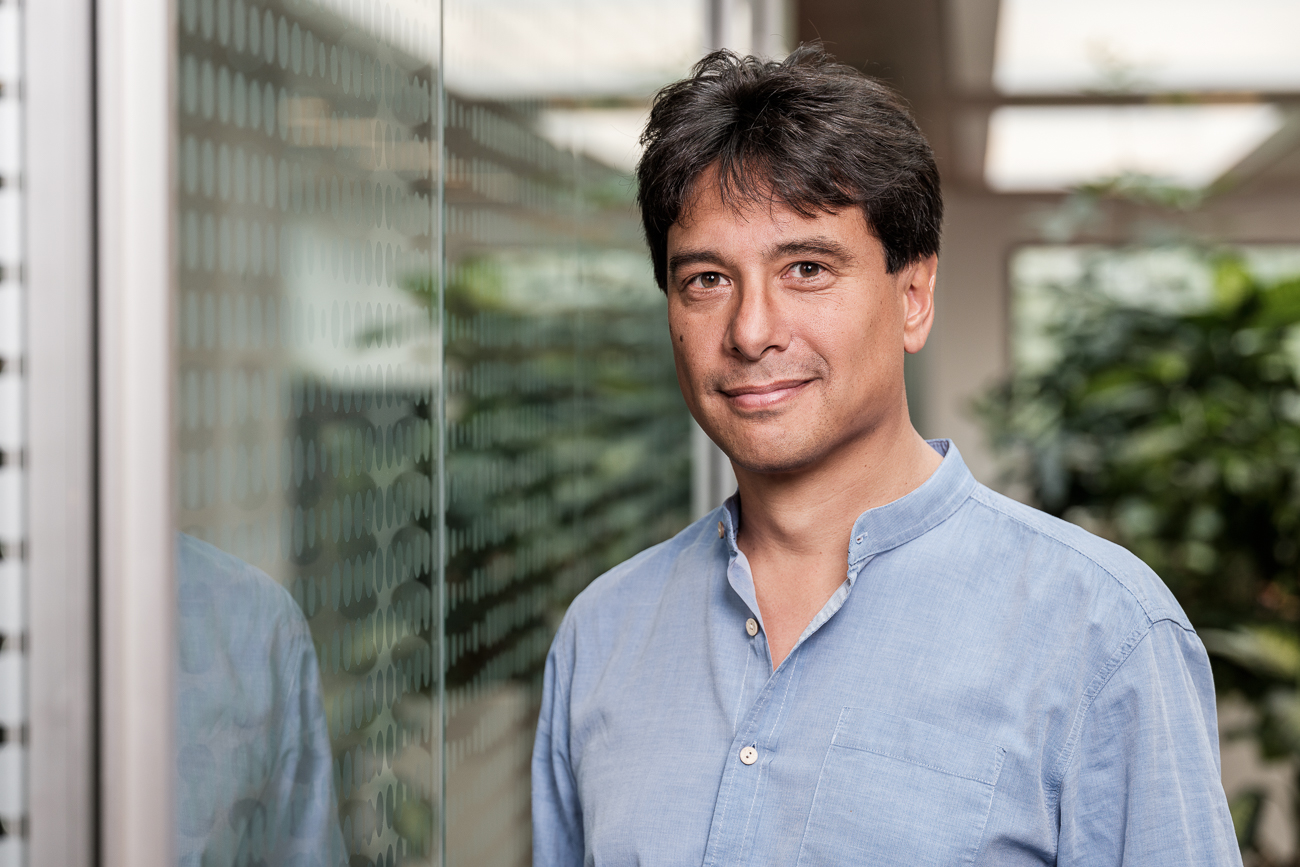
Jeffrey Schall is a Full Professor of Biology and Program Director of the Visual Neurophysiology Centre at York University. He holds the Canada Research Chair in Translating Neuroscience. His research focuses on neural mechanisms underlying behavior, integrating neurophysiological and computational approaches across multiple scales. Schall is a core member of the Centre for Vision Research and the Canada First Research Excellence Fund Connected Minds initiative. Education: PhD in Anatomy (University of Utah School of Medicine, 1986), postdoctoral training at MIT. Awards include the Troland Research Award, Sloan Foundation Fellowship, and AAAS Fellowship. He served as Vision Science Society President in 2019. Research interests include visual attention, executive control, error monitoring, and translational neuroscience applications in law. His work bridges basic science with applied studies in clinical populations like schizophrenia patients. Collaborative projects involve EEG/MEG analysis, cortical microcircuitry modeling, and neuromodulation techniques. Teaching: YU_NRSC 2100 Systems, Behavioral, and Cognitive Neuroscience. Active in interdisciplinary initiatives linking neuroscience with legal systems through scholarship and policy engagement.
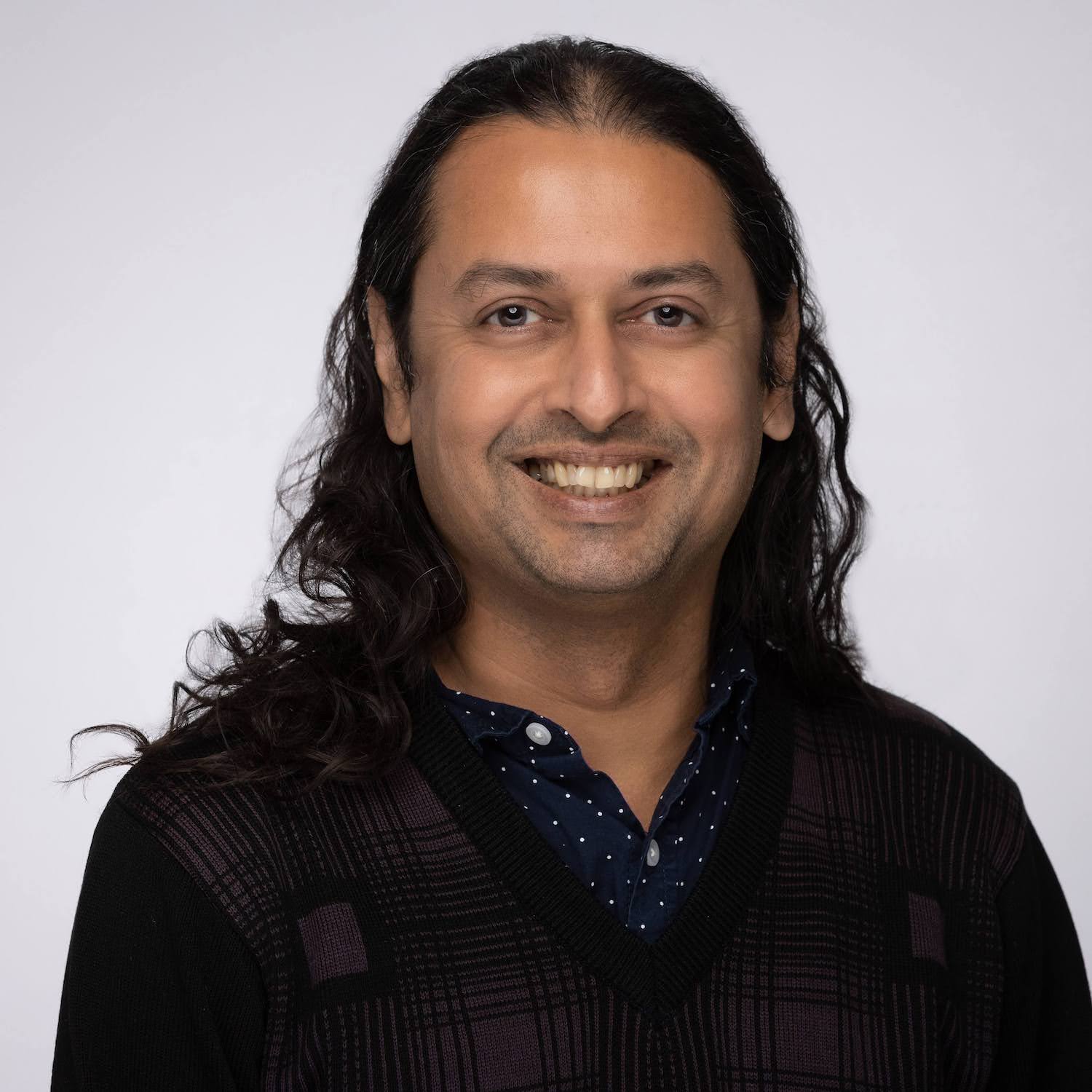
Suresh Krishna is an Associate Professor in the Department of Physiology at McGill University's Faculty of Medicine. His research focuses on the neurophysiological and computational basis of sensory processing, attention, and eye movements, with applications to brain-machine interfaces and human health. He works with human subjects, non-human primates, and open datasets using in-vivo electrophysiology, eye-tracking, and computational modeling. Research interests include visual attention mechanisms, saccadic eye movement control, neural coding of motion perception, and the interplay between attention and decision-making. His work bridges basic neuroscience with translational applications such as improving neural prosthetics and understanding perceptual disorders. Recent work highlights how neural remapping processes during saccades underlie spatial perception, and how attention modulates neural activity patterns in visual cortex. The lab's publications reveal critical insights into the temporal dynamics of attentional shifts and their neural substrates, particularly in areas MT and MST. Dr. Krishna's team also investigates auditory temporal processing in the inferior colliculus, exploring correlations between neuronal responses to sound modulation. Their findings contribute to understanding how sensory systems encode temporal information across modalities. Research is conducted in the M2B3 Lab (http://m2b3.lab.mcgill.ca), which integrates experimental and computational approaches to study brain mechanisms underlying perception and action. No specific awards are listed, but ongoing work involves major contributions to primate neurophysiology and translational neuroscience.
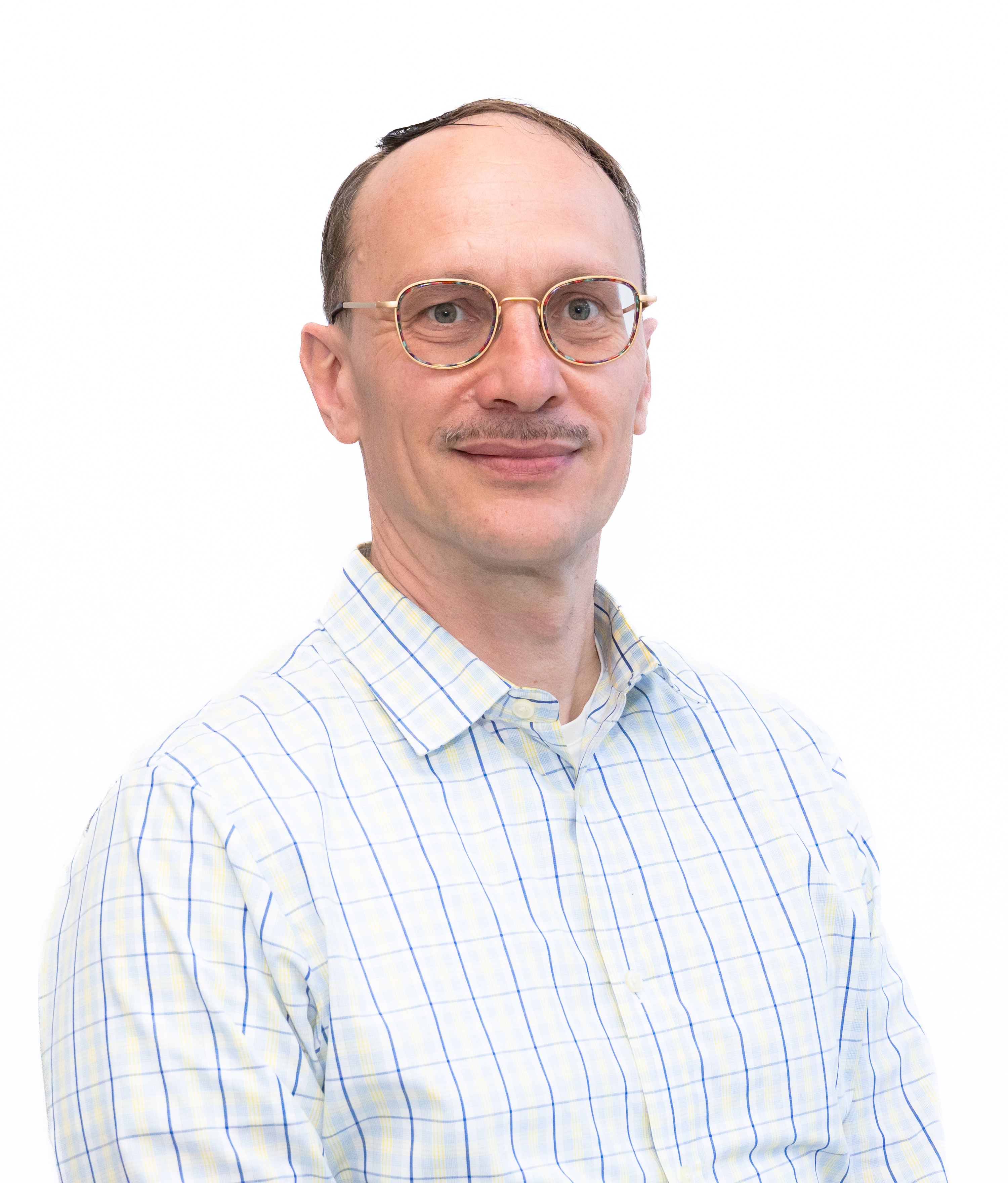
Professor Dirk Bernhardt-Walther is an academic at the University of Toronto, serving as Program Director of the Cognitive Science Program and Department of Psychology . He investigates neural and computational mechanisms underlying high-level sensory perception, focusing on real-world scenes, mid-level vision, and visual aesthetics. Education: PhD in Computation and Neural Systems (Caltech, 2006), M.Phil (University of Cambridge) Research Focus: His lab employs fMRI, MEG, EEG , and GAN-generated stimuli to study scene categorization, perceptual organization, and aesthetic processing. Recent work explores curvature perception, emotion representation in scenes, and neural dissociations between computational and subjective visual metrics. Laboratory Members: The Bernhardt-Walther Lab includes PhD students like Gaeun Son (scene perception), Charlotte Leferink (scene representation), and Dela Farzanfar (aesthetic processing), alongside postdocs and collaborators. Advising: Supervises graduate students in projects combining computational modeling, psychophysics, and neuroimaging, particularly those with backgrounds in computer science or cognitive neuroscience.
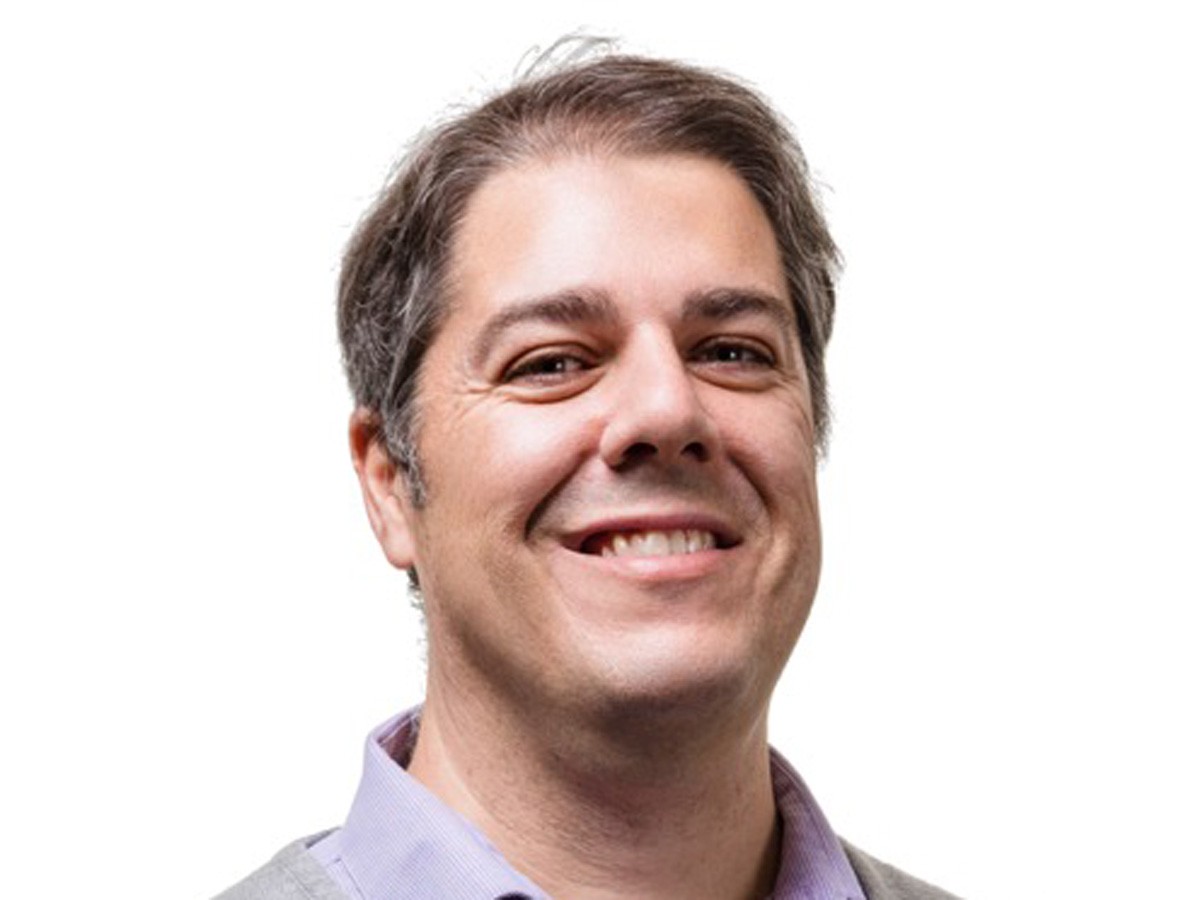
James Tung is an Associate Professor at the University of Waterloo’s Faculty of Engineering, Department of Mechanical and Mechatronics Engineering. His research focuses on assistive technology, rehabilitation engineering, and mobility solutions for individuals with disabilities. He leads the Neural and Rehabilitation Engineering (NRE) Lab, which develops wearable sensors, robotics, and machine learning tools to enhance mobility and monitor motor rehabilitation. He teaches courses including BME 355 (Physiological Systems Modelling), BME 540 (Neural and Rehabilitation Engineering), and ME/MTE engineering modules. The lab collaborates with clinical and industry partners to translate research into practical solutions, addressing real-world mobility challenges and aging demographics. His research spans real-world gait analysis, fall risk assessment, and prosthetic design, with a focus on pediatric neurodevelopmental disorders and elderly mobility. The NRE Lab emphasizes interdisciplinary work, combining biomechanics, robotics, and data science to improve healthcare outcomes. Lab Alumni: Includes researchers like Robin Murdock (Myant Inc.), Andrew Hart, and Raj Senthilkumar, contributing to prosthetics and gait analysis. Partnerships: Engages clinical and industry stakeholders for knowledge translation and commercialization. Current projects include developing smart rollators, biofeedback prosthetics, and sensor-based assessment tools to address mobility limitations in aging populations and individuals with disabilities.
Gunnar Blohm is an Assistant Professor in the Department of Biomedical and Molecular Sciences at Queen's University, affiliated with the School of Medicine and Faculty of Health Sciences. His research focuses on sensorimotor neuroscience, particularly 3D sensorimotor control, eye-hand coordination, and computational modeling of neural processes. He holds a Ph.D. from Université Catholique de Louvain and has held postdoctoral positions at York University and his alma mater. Cross-appointed to the School of Computing, Department of Psychology, and Department of Mathematics and Statistics, he is also Vice-Director of the Connected Minds initiative. His research integrates behavioral experiments, brain imaging (MEG/EEG), and patient studies to understand how sensory information is transformed into goal-directed actions. Key areas include visuomotor transformations, multisensory integration, and Bayesian processes in neural computations. Blohm leads the Computational Sensorimotor Neuroscience Lab, emphasizing collaborative projects like Neuromatch Academy and contributions to open science initiatives. Affiliated with Queen's Centre for Neuroscience Studies and Ingenuity Labs, his work bridges computational approaches with clinical applications, aiming to develop frameworks for understanding brain dysfunction and clinical tools. His recent articles explore topics like saccade dynamics, pupil responses, and generative adversarial collaborations in scientific discourse.
Bryan Tripp is an Associate Professor at the University of Waterloo, specializing in computational neuroscience, deep learning, robotics, and medical AI. He leads the BRAIN Lab, which focuses on developing neural system models that interact with the physical world through robots. His research integrates neurobiological models with advanced machine learning techniques to study visuomotor processes and robotic applications. Tripp teaches courses such as Computational Neuroscience (SYDE 552), Deep Learning (SYDE 577), and Biomedical Engineering Design Workshops (BME 461/462). His lab has achieved milestones including the OREO robotic head, the first spiking neural network model for complex action planning, and comprehensive datasets for robotic grasping. His recent work emphasizes Medical AI applications, with graduate positions available. The BRAIN Lab is affiliated with the Centre for Theoretical Neuroscience and Waterloo.AI, contributing to interdisciplinary AI research initiatives.
Frank Russo is a Professor in the Department of Psychology at Toronto Metropolitan University, where he holds the NSERC-Sonova Senior Research Chair in Auditory Cognitive Neuroscience. He leads the Science of Music Auditory Research and Technology (SMART) Lab and holds affiliate and adjunct positions at the University Health Network and the University of Toronto, respectively. Research Interests: Dr. Russo's work lies at the intersection of auditory cognitive neuroscience, music psychology, and rehabilitation. His research explores how humans perceive music and speech, particularly under challenging conditions such as hearing loss or non-native accents. He investigates the cognitive and neural mechanisms of listening effort, emotional speech processing, and the social and therapeutic benefits of music, especially through community choirs and digital interventions. Publication Trends: His recent publications emphasize objective measurement of listening effort using functional near-infrared spectroscopy (fNIRS), music-based interventions for Parkinson’s disease and dementia, vocal and emotional responses to singing, and multisensory integration in beat perception. The work is highly translational, bridging basic cognitive neuroscience with clinical and community applications. Scientific Awards and Honors: NSERC-Sonova Senior Research Chair in Auditory Cognitive Neuroscience Fellow of the Canadian Psychological Association Fellow of Massey College Fellow of the Canadian Society for Brain, Behavior and Cognitive Science Past President of the Canadian Acoustical Association Advising and Grants: Dr. Russo actively mentors students and researchers, as evidenced by his co-authorship with numerous junior colleagues. He has secured major funding through NSERC and industry partnerships, enabling the development of impactful technologies such as hearing aid algorithms, sensory substitution systems, and digital therapeutics. His SingWell project fosters collaboration across academic, clinical, and community sectors. Labs and Teams: He directs the SMART Lab at Toronto Metropolitan University, a hub for interdisciplinary research on music, hearing, and cognition. The lab collaborates extensively with KITE Research Institute, Rehabilitation Sciences at the University of Toronto, and various community organizations focused on aging, hearing loss, and neurodegenerative conditions.
Ross Otto is an Associate Professor in the Department of Psychology at McGill University. He holds an office at 2001 McGill College, 711, and can be reached via email at ross.otto@mcgill.ca. His research focuses on understanding the mechanisms underlying reflective versus reflexive decision-making, particularly how cognitive resources, stress, and contextual factors influence effort-based choices. He employs computational modeling, behavioral experiments, and neuroimaging techniques. Notable contributions include studies on stress-induced cognitive avoidance and the neural correlates of effort evaluation. His work is affiliated with the Otto Lab, and he collaborates widely across disciplines such as neuroscience and behavioral economics.
Laurie Wilcox is a Full Professor in the Department of Biology at York University, affiliated with the Faculty of Science. Her research focuses on stereopsis, binocular vision, and depth perception, particularly exploring how the visual system processes binocular disparity signals. She leads a laboratory investigating cortical systems for fine and coarse disparities, with studies on amblyopia and applied collaborations with companies like Christie Digital and IMAX. Her work bridges basic neuroscience and applied research, addressing depth perception in 2D/3D displays and VR environments. Key interests include stereoscopic volume representation, perceptual grouping, and the impact of monovision on depth judgments. Recent studies examine lightness constancy in virtual reality, depth magnitude errors in 3D displays, and neural activation patterns in object-selective visual cortex. Wilcox has published extensively on binocular vision mechanisms, including coarse stereopsis in strabismus patients and the role of motion parallax in depth perception. Her applied projects evaluate visual fidelity in stereoscopic content, compression algorithms, and ergonomic considerations for XR devices. She also investigates how environmental context (e.g., familiar size, natural scenes) modulates depth perception accuracy across real and virtual environments. Her research emphasizes translational applications, aiming to optimize display technologies through insights from human visual processing. Ongoing work explores perceptual integration of binocular and monocular cues, attention modulation by depth, and the neurophysiological underpinnings of stereoscopic vision.
Dr. Jonathan Cant is an Associate Professor at the Department of Psychology, University of Toronto Scarborough (UTSC). His research focuses on cognitive neuroscience, particularly visual perception and cognition using fMRI and behavioral techniques. Born in Hamilton, Ontario, educated at Western University (Psychology) and Harvard University (postdoctoral) Expertise: Object perception, ensemble processing, texture/shape perception, scene recognition The Cant Lab investigates high-level human visual cortex organization, with a focus on the ventral stream's role in perception. Key research includes dissociating shape and surface property processing, material properties in cognition, and object-scene interactions in neural systems. Recent publications highlight ensemble encoding of facial expressions (2025), cross-modal ensemble coding (2024), and texture-shape relationships in ventral cortex (2015). His work bridges modular/distributed cortical organization theories and explores neural substrates for 3D shape vs. material compliance. Teaching includes PSY5222 (Visual Cognitive Representation), PSYC75 (Cognitive Psychology Laboratory), and PSYC51 (Cognitive Neuroscience of Vision). The lab welcomes motivated students and researchers through direct email applications.
Dr. Lauren Emberson (she/her/hers) is an Associate Professor in the Department of Psychology at the University of British Columbia, Faculty of Arts. She directs the Baby Learning Lab, which is part of UBC's Early Development Research Group, a consortium focused on infant and child development. Prior to her position at UBC, Dr. Emberson was an Assistant Professor at Princeton University where she co-founded and co-directed the Princeton Baby and Princeton Kid Labs. Education: Postdoctoral Associate, University of Rochester (PI Aslin) Ph.D, Cornell University (PIs Amso, Goldstein, Spivey) B.Sc, University of British Columbia Dr. Emberson's research focuses on learning, perception (audition, vision, crossmodal or multisensory), language development, face/object perception, and attention in infants. She investigates these capacities using behavioral and neuroimaging techniques, particularly fNIRS (functional near infrared spectroscopy), working primarily with very young infants (birth through 1 year) and preterm/premature infants. Her work examines how infants' learning capacities contribute to rapid development of perception in ecological contexts, with implications for understanding how early life experiences affect later outcomes. Analysis of Dr. Emberson's recent publications reveals a consistent focus on infant perception, learning mechanisms, and neuroimaging methodology. Her work increasingly incorporates advanced fNIRS techniques while maintaining focus on fundamental questions about how infants learn from their environment. There's a growing emphasis on individual differences, cross-cultural comparisons, and applications to infants facing developmental challenges. Dr. Emberson serves on the editorial board of Infancy (journal of the International Congress of Infancy Studies) and is a consulting editor for the Journal of Cognitive Neuroscience . Her research has been published in top journals including PNAS, Current Biology, Psychological Science, Cognition, Developmental Science, and the Journal of Neuroscience. Dr. Emberson has secured significant research funding from prestigious organizations including the Bill and Melinda Gates Foundation, James S. McDonnell Foundation, Natural Sciences and Engineering Research Council (NSERC), Canadian Institutes of Health Research (CIHR), and the National Institutes of Health (NIH). She collaborates with clinicians at BC Women's and Children's Hospitals to understand how different early life experiences impact learning and brain development. Dr. Emberson is currently accepting graduate students into her research program. The Baby Learning Lab, under Dr. Emberson's direction, is part of UBC's Early Developmental Research Group and collaborates with multiple institutions. The lab strives to provide interactive research experiences for infants and families while advancing scientific understanding of early cognitive development. The lab acknowledges that it operates on the traditional, ancestral, and unceded territory of the xʷməθkʷəy̓əm (Musqueam) people.
Reza Farivar-Mohseni is an Associate Professor at McGill University , affiliated with the Faculty of Medicine and Health Sciences and the Department of Ophthalmology and Visual Sciences . He serves as a Scientist at the RI-MUHC (Montreal General Hospital site), contributing to the Brain Repair and Integrative Neuroscience (BRaIN) Program and the Centre for Translational Biology . Research Interests: Dr. Farivar-Mohseni’s work focuses on cortico-cortical communication, information processing in the brain, and disruptions in neurological disorders like traumatic brain injury. He specializes in advancing non-invasive brain imaging (MRI) for both fundamental and clinical applications, particularly improving concussion detection and diagnosis. Publications: His research spans high-resolution MRI, visual perception, and functional imaging. Key themes include depth-cue invariance in object recognition, gamma-band neural representations, and cortical deficits in amblyopia. Recent studies (2025–2022) address computational neuroscience, vision screening tools, and neural imaging techniques. Labs & Collaborations: He collaborates with the MGH-MRI Research Platform and works within the Centre for Translational Biology , focusing on translating imaging advancements into clinical tools.
Serge O. Dumoulin is a Professor of Perception, Cognition, and Neuroscience at Utrecht University and Vrije Universiteit Amsterdam. He leads the Computational Cognitive Neuroscience and Neuroimaging group at the Netherlands Institute for Neuroscience and serves as Director of the Spinoza Centre for Neuroimaging , a collaborative facility involving KNAW, AMC, VUMC, and VU Amsterdam. Education: M.Sc. in Biology (Utrecht University), Ph.D. in Neurology and Neurosurgery (McGill University) Research focuses on the intersection of perception, cognition, and neuroimaging, particularly the human visual system. He employs ultra-high field (7T) fMRI, computational modeling, and behavioral studies to explore neural mechanisms of visual perception, attention, and numerical cognition. His work has applications in clinical disorders and methodological advancements like the pRF method, used globally in 100+ institutions. Publications span neuroscience, neuroimaging, and cognitive processes, with a 2023 Advances in MRI Technology paper emphasizing gray-matter optimized fMRI. His 2018 Neuroimage article discusses systematic pRF variations, while a 2021 PNAS study links divisive normalization to visual hierarchy. Awards: Ammodo KNAW Award (2015), NWO Vidi/Vici grants, Neuroimage Editors' Choice Award (2013) Teaching includes courses at Vrije Universiteit Amsterdam on perception, neuroscience, and fMRI data analysis. He emphasizes coding (Matlab/Python) in student internships.
Pouya Bashivan is an Assistant Professor in the Department of Physiology at McGill University's Faculty of Medicine. His research focuses on developing computational models to explain and regulate neural responses during visual tasks requiring memory, combining machine learning, neuroscience, and cognitive science. Education : Ph.D. in Computer Engineering (2016), Postdocs in Machine Learning (2020) and Computational Neuroscience (2016-2020) His lab investigates: Topographical neural networks for visual cortex simulation Massively-multitask models for prefrontal cortex Saccade-driven visual exploration models Predictive hippocampus models for episodic memory Recent publications explore adversarial robustness, memory-augmented networks, and brain-state decoding. Current projects emphasize causal models, brain-AI alignment, and translating computational neuroscience into therapeutic applications. The lab is located in the McIntyre Medical Sciences Building, Room 1117, Montreal, Quebec.
Amir Shmuel is a Professor at McGill University's Faculty of Medicine, holding appointments in the Department of Neurology and Neurosurgery, Department of Biomedical Engineering, and Department of Physiology. He serves as Director of the Brain Imaging Signals Lab and Core Faculty at the McConnell Brain Imaging Centre of the Montreal Neurological Institute. His leadership includes chairing the 2018 International Society for Brain Connectivity conference and securing an $18.7M Canada Foundation for Innovation grant for Quebec's first large-bore 7 Tesla MRI scanner. Dr. Shmuel's research focuses on understanding neuronal mechanisms underlying functional brain imaging signals and visual information processing. His integrative approach combines fMRI, optical imaging, multi-channel neurophysiological recordings, and optogenetics across multiple spatial and temporal scales. Current research priorities include resting-state functional connectivity mechanisms, cortical lamina-resolved neurophysiology, and computational modeling of brain signals. His lab emphasizes parallel model development with experimental data acquisition. Recent publications demonstrate strong trends in multimodal neuroimaging integration, with emphasis on high-resolution fMRI techniques (especially 7T applications), resting-state connectivity analysis across species, and computational modeling of neurovascular coupling. Key subfields include laminar-specific activity mapping, artifact detection in medical imaging using deep learning, and cross-species functional connectivity frameworks. Dr. Shmuel's research is currently funded by the Canadian Institutes of Health Research (CIHR), Natural Sciences and Engineering Research Council of Canada (NSERC), and the US Department of Defense. His lab maintains active collaborations through initiatives like the International Society for Brain Connectivity and the PRIME-DE database consortium. Operating within the Brain Imaging Signals Lab at the Montreal Neurological Institute, Shmuel's team develops and applies advanced multimodal techniques including simultaneous fMRI-electrophysiology, voltage-sensitive dye imaging, and computational modeling frameworks. The lab maintains strong ties with the McConnell Brain Imaging Centre and participates in major open-science initiatives including the Tanenbaum Open Science Institute.