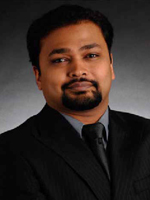
Prof. Dr. Mustafa Ersel Kamaşak is a Professor at the Department of Computer Engineering , Istanbul Technical University . His academic journey includes a PhD in Electrical and Computer Engineering from Purdue University and a MA in Electrical and Electronic Engineering from Bogazici University . His research interests span Signal Processing , Biomedical Engineering , Image Processing , Machine Learning , and Total Variation Regularization , with a focus on applications in Medical Imaging , Geospatial Analysis , and Logistics Optimization . His recent work includes 2024 studies on barcode detection and mandibular morphology analysis , 2023 research on Antarctic sea level monitoring , and 2022 projects on fluorescence microscopy restoration . Notable projects led by him include Automatic Detection and Transfer of Document Types (TTO, 2021), Telehealth Equipment Development (TTO, 2019-2021), and Directional Total Variation Model (TUBITAK, 2016-2017). His work has been cited 18 times (Scopus h-index: 22).
Piet C de Groen is a Professor at the University of Minnesota Medical School , affiliated with the Gastroenterology, Hepatology, and Nutrition Division . His work spans colonoscopy quality improvement , artificial intelligence in medical imaging , and somatic mutation theories in autoimmune diseases . Key research areas include: Gastroenterology : Colonoscopy techniques, colorectal cancer prevention, ulcerative colitis disease activity scoring Medical Informatics : Electronic medical records analysis, temporal relation discovery, AI-driven clinical feedback systems Genetics & Immunology : Somatic mutations in HLA genes, mechanistic links to type 1 diabetes, Alzheimer’s, and familial Mediterranean fever Major funded projects include: National Institutes of Health grants for Deep Phenotyping from EMRs (2020-2025) and Temporal Relation Discovery (2019-2023) Pfizer, Inc collaboration on Endoscopic Mucosal Scoring for Ulcerative Colitis (2019-2024) Motus GI Holdings study on Hospitalized Patients with Pure-Vu System (2018-2025) His publications highlight AI integration in endoscopic imaging , somatic mutation mechanisms , and population-level cancer screening protocols . He has contributed to international consensus guidelines on water-aided colonoscopy.
Matthew Toews is a researcher in the Department of Systems Engineering at École de technologie supérieure (ÉTS), with a focus on computer vision, medical image analysis, and machine learning . His work bridges theoretical advancements in image registration deep learning information theory biometric recognition with practical applications in healthcare and satellite imaging. Training: BASc (University of British Columbia) M.Eng & Ph.D. (McGill University) Postdoctoral Research (Harvard Medical School) Research interests include scale-invariant feature detection , AI in neuroimaging , and automated medical diagnostics . His publications demonstrate expertise in medical image segmentation , GAN-based ultrasound imaging , and neuroanatomical biomarkers . Recent trends in his peer-reviewed work span: decentralized machine learning via blockchain ultrasound-GAN fusion automated plagiocephaly diagnosis neuroimage fingerprinting 3D keypoint analysis information flow in CNNs He actively supervises graduate students in topics ranging from symmetry in neural networks to granular material analysis using Unity , with affiliations to the LIVIA and LIO-ÉTS laboratories. His research receives support from grants in health technology innovation and AI engineering .
Daniel Sanchez Morillo serves as Full Professor at the University of Cádiz within the School of Engineering and Department of Automation, Electronics, Architecture and Computer Networks Engineering. He leads the Bioengineering, Automation, and Robotics (TIC212) research group at UCA and co-directs the Biomedical Engineering and Telemedicine (IBT) group at the Institute for Research and Innovation in Biomedical Sciences (INiBICA). Education PhD in Telecommunications Engineering, University of Cádiz (2008). Thesis: "Processing and transmission of biomedical signals for the diagnosis of sleep disorders and diseases" supervised by Dr. Juan Luis Rojas Ojeda Research Focus Dr. Morillo's work centers on biomedical engineering and artificial intelligence applications in healthcare, with particular expertise in signal processing for physiological monitoring and image analysis for medical diagnostics. His research spans: Development of AI-driven diagnostic tools for respiratory diseases Robotics and haptic systems for rehabilitation Environmental monitoring solutions for chronic conditions Biomedical signal processing for sleep disorder analysis Publication Trends Recent work (2024-2025) demonstrates a strategic shift toward deep learning applications in occupational lung disease screening and sensor-integrated rehabilitation devices . Key trends include the fusion of virtual reality with physiological monitoring, AI-enhanced medical imaging for silicosis detection, and innovative approaches to gait analysis using wearable technology. Research Leadership As leader of the TIC212 group and co-director of the IBT group, Dr. Morillo oversees interdisciplinary projects bridging engineering and clinical medicine. His teams develop cutting-edge solutions including smart orthoses with haptic feedback, automated cough detection systems, and virtual reality rehabilitation environments, fostering collaboration between engineers, clinicians, and industry partners.
Geert Lovink is a Full Professor at the Faculty of Digital Media and Creative Industries (FDMCI) at Amsterdam University of Applied Sciences, where he leads the Network Cultures research group (INC). He is also affiliated with CREATE-IT APPLIED RESEARCH. Lovink has been a prominent figure in internet criticism and digital culture studies since the early days of the web, co-founding the pioneering digital community De Digitale Stad (The Digital City) in 1994, which has since been nominated for UNESCO's Memory of the World. Lovink's research spans network culture, critical internet studies, platform politics, and digital media theory. His work critically examines the political economy of digital platforms, the environmental impact of computing infrastructure, digital labor movements, and the cultural implications of emerging technologies. He has consistently challenged techno-utopian narratives while exploring alternative digital futures and grassroots resistance strategies against platform capitalism. Analyzing his recent publications reveals several key trends: a sustained critique of platform capitalism and digital enclosure, growing attention to the materiality of digital infrastructure (particularly cloud computing and data centers), exploration of alternative publishing models beyond commercial platforms, and increasing focus on the labor movements emerging within the tech industry. His work consistently bridges theoretical critique with practical engagement, often taking the form of interviews with key thinkers and practitioners in the field. Lovink's academic activities extend beyond traditional research to include extensive organizational work. He has founded the Institute of Network Cultures (INC), established the VideoVortex conference series on online video politics, and initiated the MoneyLab network focused on alternative economic models in digital culture. His work has been instrumental in documenting and analyzing the evolution of digital culture from its early community-based formations to the current platform-dominated landscape.
François Blanchard is a Professor in the Department of Electrical Engineering at École de technologie supérieure (ÉTS) in Montreal, Quebec. He leads the Canada Research Chair in Spatiotemporal Encryption of Terahertz Light Assisted by Computational Method and is affiliated with multiple research laboratories including LACIME (Communications and Microelectronic Integration Laboratory) and TeraÉTS Laboratory. His research focuses on advancing terahertz technology through innovative detection, imaging, and signal processing techniques. Dr. Blanchard's research interests span across terahertz science and technology, with emphasis on optoelectronics, THz spectroscopy and imaging, metamaterials, material characterization, laser technology, optical metrology, and quantum engineering. His work integrates theoretical modeling with experimental development to push the boundaries of terahertz applications in various fields including security, materials science, and communications. He has developed novel approaches combining active microelectronics with terahertz wave generation and detection through nonlinear effects, along with advanced signal processing techniques. His research program aims to achieve detection sensitivity down to the single THz photon level at room temperature, develop real-time THz detection systems with integrated spatiotemporal coding, advance multispectral THz imaging using frequency selective surfaces, explore nonlinear modeling of THz systems using chaos theory, and integrate artificial intelligence for enhanced system performance. A cornerstone of his approach involves lithium niobate photonic platforms enabling scalable, efficient, and room-temperature operation. Scientific Awards: Canada Research Chair in Spatiotemporal Encryption of Terahertz Light Assisted by Computational Method Dr. Blanchard actively supervises numerous graduate students across various research projects. His students work on topics including quality control of printed electronics using terahertz radiation, development of novel metrology methods for time domain THz spectroscopy systems, photonics solutions for THz systems based on ytterbium laser technologies, terahertz imaging systems, active terahertz metasurfaces, and deep learning enabled computer vision for terahertz radiation detection. He has secured significant research funding to advance quantum detection of terahertz light and develop applied research in quantum sciences. He leads several research teams operating within specialized laboratories including LACIME, which focuses on six areas of expertise from functional materials to communication protocols. His TeraÉTS Laboratory specializes in terahertz technology development, and his Canada Research Chair team combines innovative ideas in active microelectronics with terahertz wave generation and detection.
Xiaodong Wu serves as Professor in Electrical and Computer Engineering at the University of Iowa College of Engineering, with a joint appointment in Radiation Oncology. He directs research at the Iowa Institute for Biomedical Imaging, Iowa Initiative for Artificial Intelligence, and Iowa Technology Institute, having joined the university in 2005. His academic credentials include: PhD in Computer Science and Engineering, University of Notre Dame (2002) MS in Computer Science, Peking University (1995) BS in Computer Science, Peking University (1992) Wu's research spans Algorithm Design, Geometric Optimization, and Biomedical Image Analysis, focusing on computational methods for medical diagnostics. His work develops AI-driven solutions for computer-aided surgery, data mining, and bioinformatics, emphasizing clinical applicability through algorithmic innovation. Analysis of his 15 most recent publications reveals dominant themes in medical image segmentation using diffusion models and deep learning. Key applications target ophthalmology (retinal imaging, myopia diagnosis), cardiology (takotsubo syndrome analysis), and oncology, with innovations in latent space representations, robust feature extraction, and outlier detection for diagnostic enhancement. No scientific awards were documented in the source material. Regarding academic mentorship, the provided information lists no advised students or specific research grants. Wu leads the Xiaodong Wu Research Group and leverages cross-institute collaborations at the University of Iowa to advance AI applications in medical imaging, particularly through the Iowa Institute for Biomedical Imaging's interdisciplinary framework.
Professor Ilona Heldal at Western Norway University of Applied Sciences' College of Engineering leads research at the intersection of virtual reality, eye-tracking, and healthcare technology. Her work spans educational applications (fire evacuation training), neurodiverse child development (EMPOWER platform, ADHD detection), and rehabilitation technology design. Current research synthesizes VR training systems for emergency responders with cognitive assessment frameworks for neurodevelopmental disorders Key trends show increasing focus on multi-modal data fusion (eye-tracking + serious games) and adaptive learning systems for special education Her recent publications demonstrate strong emphasis on practical implementation and interdisciplinary validation of digital health solutions, particularly for vision screening and executive function assessment.
Dr. Kuniyoshi Kanai is a Clinical Associate Professor and Director of Residencies for On-campus programs at the University of California, Berkeley School of Optometry. He holds a Doctor of Optometry (OD) degree from UC Berkeley (2007) and completed a Primary Care/Contact Lens Residency at the same institution (2008). His undergraduate degree in Science was earned at Waseda University, Japan. Dr. Kanai's research focuses on systemic diseases and their ocular manifestations, with emphasis on: Diabetic eye complications (retinopathy and macular edema) Hypertensive emergencies in eye care Infectious conjunctivitis diagnostics Primary care optometry innovations Contact lens applications His work integrates clinical practice with technological advancements like deep learning for disease detection. Analysis of his recent publications reveals strong research trends in: Artificial intelligence applications for diabetic eye disease screening (2023, 2020) Hypertension management protocols in optometric practice (2018, 2016) Advanced diagnostic approaches for infectious and diabetic ocular conditions Awards and Honors: Fellow of the American Academy of Optometry (FAAO) As Director of Residencies, he oversees clinical training programs and resident education. No specific grant information or student advisees are documented. Dr. Kanai maintains active clinical practice and residency program leadership at UC Berkeley, with no referenced laboratory or specialized research team affiliations.
Deborah Orel-Bixler serves as Professor of Clinical Optometry and Vision Science at the University of California, Berkeley's School of Optometry, where she holds dual leadership roles as Chief of the Infant Toddler Clinic and Chief of the SVACH Clinic. Her clinical responsibilities focus on specialized vision care for pediatric and multi-disabled populations within the university's academic medical framework. Her educational credentials include a Doctor of Optometry (OD) and Doctor of Philosophy (PhD), with doctoral research completed at UC Berkeley in 1989. The dissertation, titled Subjective and Visual Evoked Potential measures of acuity in normal and amblyopic adults and children , established her foundational work in visual assessment methodologies. Dr. Orel-Bixler's research program centers on pediatric vision science with three interconnected pillars: developing vision assessment protocols for infants with severe disabilities, validating acuity testing methods for preschool populations, and investigating neural mechanisms in strabismus. Her work bridges clinical optometry and neuroscience, particularly through visual evoked potential (VEP) studies, to address critical gaps in early vision impairment detection. This trajectory reflects a consistent commitment to translating laboratory findings into practical screening tools for vulnerable pediatric groups. Analysis of her publication history reveals sustained focus on optimizing vision screening for preschoolers, demonstrated by leadership in the multi-institutional Vision in Preschoolers (VIP) Study Group. Her research established evidence-based standards for HOTV and Lea symbols testing while pioneering electronic acuity assessment methods. The longitudinal nature of her work—from infantile esotropia neurophysiology (1990s) to preschool screening validation (2000s)—shows methodological evolution toward population-level impact while maintaining clinical relevance. Her professional recognition includes: Fellow of the American Academy of Optometry (FAAO) Dr. Orel-Bixler has directed major clinical initiatives including the Infant Toddler Clinic and SVACH Clinic, indicating significant administrative responsibilities alongside research leadership in the VIP Study Group. While specific grant histories aren't detailed in source materials, her 15+ peer-reviewed publications in journals like Optometry and Vision Science and Investigative Ophthalmology & Visual Science demonstrate sustained research productivity. She has also developed applied resources including the Vision Tests for Infants video/booklet series and contributed foundational chapters to Rudolph's Pediatrics . Her clinical leadership positions at UC Berkeley indicate active involvement in training through direct supervision in specialized clinics, though formal mentoring roles aren't explicitly documented. The integration of her research on multi-disabled infant assessment with clinical SVACH Clinic operations demonstrates a cohesive approach to addressing complex vision care needs within academic medicine.
Dr. Carine Pierrette Mukamakuza is a Lecturer at Carnegie Mellon University Africa's College of Engineering, specializing in Digital Healthcare Solutions , Machine Learning , and Data Science . Her work bridges Computer Science , Public Health , and Social Network Analysis , with a focus on malaria detection systems and cardiac diagnostics. Ph.D. in Informatics, Technical University of Vienna MS & BS in Computer Science, Central South University, China Research Themes : AI applications in malaria diagnostics (U-Net, YOLOv5, SVM) Deep Learning for ECG/PCG signal analysis Social network impacts on recommender systems Digital health infrastructure for Africa Article Trends : Combines Machine Learning and Public Health to develop digital diagnostic tools for malaria and heart disease, with recent emphasis on system reliability and scalability across Africa. Projects : Developing automated malaria screening tools for Rwanda, integrating AI into UN SDG-aligned health systems.
Ranadip Pal is a Professor and Assistant Dean for Strategic Initiatives at Texas Tech University, associated with the Department of Electrical and Computer Engineering under the Whitacre College of Engineering. His interdisciplinary research bridges machine learning, computational biology, and biomedical engineering. He has earned recognition through prestigious awards including the NSF CAREER Award and the Ed and Linda Whitacre Faculty Fellowship (2018). PhD, Electrical Engineering, Texas A&M University (2007) MS, Electrical Engineering, Texas A&M University (2004) B Tech, Electronics & Electrical Communication Engineering, IIT Kharagpur (2002) Pal's research focuses on predictive modeling in precision medicine, particularly for anti-cancer drug sensitivity and Alzheimer's disease. He pioneered REFINED CNN for feature representation in deep learning, developed topological regression methods for QSAR modeling, and explored federated learning frameworks for biomedical data privacy. His work integrates multi-omics data and addresses tumor heterogeneity through stochastic modeling and control. Recent publications highlight his innovations in topological regression, conformal prediction for uncertainty quantification, and federated learning applications. His methodologies have been validated through collaborations with institutions like NIH and Argonne National Laboratory. NSF CAREER Award Whitacre Faculty Fellow (2018) Pal has mentored numerous PhD students, many of whom now hold positions at leading organizations including Merck, Mayo Clinic, Genentech, and Argonne National Laboratory. His lab actively investigates predictive oncology models and contributes to biomedical software tools like Probabilistic Target Inhibition Maps.
Nancy A. Pachana is a distinguished Professor of Clinical Geropsychology in the School of Psychology at The University of Queensland, where she serves as Program Lead of the Age Friendly University Initiative and co-director of the UQ Ageing Mind Initiative. With an international reputation in geriatric mental health, particularly in late-life anxiety disorders, she has established herself as a leading figure in the field of aging research. Dr. Pachana earned her AB from Princeton University in 1987 and her PhD from Case Western Reserve University in 1992, followed by postdoctoral fellowships at the Neuropsychiatric Institute at UCLA and the Palo Alto Veterans Medical Center. Her educational background provided the foundation for her extensive contributions to geropsychology and aging research. Her research spans multiple critical areas in aging, with particular emphasis on late-life anxiety disorders, where she co-developed the Geriatric Anxiety Inventory (GAI) - a widely used assessment tool translated into over two dozen languages. Her work extends to psychological interventions for Parkinson's Disease, driving safety and dementia, therapeutic gardening, animal-assisted therapy for older adults, and environmental sustainability in aging populations. Pachana's research demonstrates a strong interdisciplinary approach, connecting psychological science with practical applications in healthcare settings. Analysis of her most recent publications reveals a clear trajectory toward innovative interventions for aging populations, with significant focus on technology-assisted therapies (telehealth CBT), sensory support for older adults with impairments, and culturally sensitive approaches to care for diverse aging populations. Her work increasingly integrates multiple disciplines, combining geropsychology with neurology, audiology, and environmental science to address complex aging challenges. Among her notable recognitions: Elected Fellow of the Academy of Social Sciences in Australia (2014) Fellow of the Australian Psychological Society Australian Davos Connection Future Summit Leadership Award M. Powell Lawton Lifetime Achievement Award (2020) from the American Psychological Association's Society of Clinical Geropsychology Professor Pachana has successfully secured over $25 million in competitive research funding, demonstrating her ability to lead major research initiatives. She has supervised numerous PhD students across diverse topics including assistance dog ownership for older adults, wisdom in aging, therapeutic gardening, and retirement transitions. Her work extends to policy influence through membership in the World Health Organisation Consortium on Metrics and Evidence for Healthy Ageing and the American Association for Geriatric Psychiatry Taskforce on Brain Health. Through the UQ Ageing Mind Initiative, Pachana has created a collaborative environment that brings together researchers from multiple disciplines to address the complex challenges of aging. Her leadership extends to the Age Friendly University Initiative, where she works to make higher education institutions more inclusive for people of all ages.
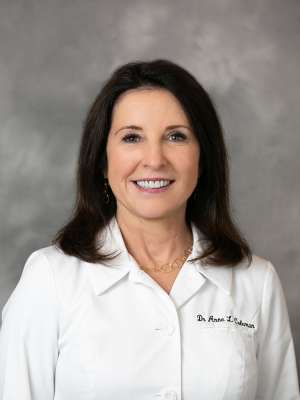
Anne L. Coleman is a Professor and Bradley R. Straatsma, MD, Endowed Chair in Ophthalmology at the David Geffen School of Medicine, UCLA . She serves as Chair and Executive Medical Director of the Department of Ophthalmology , Director of the UCLA Stein Eye Institute , and Affiliation Chair at Doheny Eye Institute . Her work spans clinical ophthalmology, public health research, and pediatric vision programs. Education : PhD in Epidemiology from UCLA School of Public Health/Preventive Medicine , MD from Medical College of Virginia School of Medicine Certifications : Board-certified in Ophthalmology (1990) Research Focus includes glaucoma, vision epidemiology, and pediatric eye health. Her studies on retinal vessel analysis, visual field progression, and age-related macular degeneration leverage population data and clinical trials. She leads the UCLA Mobile Eye Clinic for underserved communities. Scientific Awards : Bonnie Strickland Champion for Children's Vision Award Super Doctors® Southern California (2022-2025) ARVO Gold Fellow (2019) Edward Jackson Memorial Lecture National Academy of Sciences, Engineering and Medicine membership Clinical Expertise : Glaucoma care, cataract surgery, minimally invasive glaucoma surgery (MIGS). She directs clinical trials on topics like amyloid dye staining for glaucoma detection and consults at Ronald Reagan UCLA Medical Center.
Dr. Nancy Finkelstein Kline serves as a Part-Time Assistant Professor in Occupational Therapy at SUNY Downstate Medical Center's School of Health Professions, bringing over 40 years of clinical expertise in acute care, rehabilitation, and home care for individuals with brain injuries and neurological disorders. As Co-Director of the HRSA BRIDGE grant, she advances interprofessional training to improve care for older adults in underserved communities. Her academic credentials include a PhD in Occupational Therapy from New York University (1997), MA in Education from Washington University (1985), and BS in Occupational Therapy from Boston University (1981). Advanced certifications encompass NDT (1984), LSVT BIG (2015, 2017), and AOTA Gerontology Board Certification (2018-2027). Dr. Kline's research investigates visual perception and cognition in daily functioning for neurological populations, with emphasis on geriatric applications. Her teaching portfolio spans Cognition and Perception, Neurologic Rehabilitation, and Human Neuroanatomy for occupational therapy students, plus neurology instruction for medical students within Geriatrics & Palliative curricula. Her publication history demonstrates sustained focus on cognitive assessment tools and neurorehabilitation techniques, evolving from foundational work on visual processing validity (2000) to contemporary textbook contributions and assessment instrument development through multiple editions of Asher's Occupational Therapy Assessment Tools. Key professional recognitions include: AOTA Board Certification in Gerontology (2018-2027) LSVT BIG Certification for Parkinson's treatment (through 2028) Dr. Kline actively shapes her field through editorial service on Disability and Rehabilitation's Review Board and AOTA's Gerontology Standard Setting Committee. Her HRSA BRIDGE grant leadership establishes community-based training frameworks while her NDT and LSVT BIG certifications directly inform clinical practice standards for neurological rehabilitation.