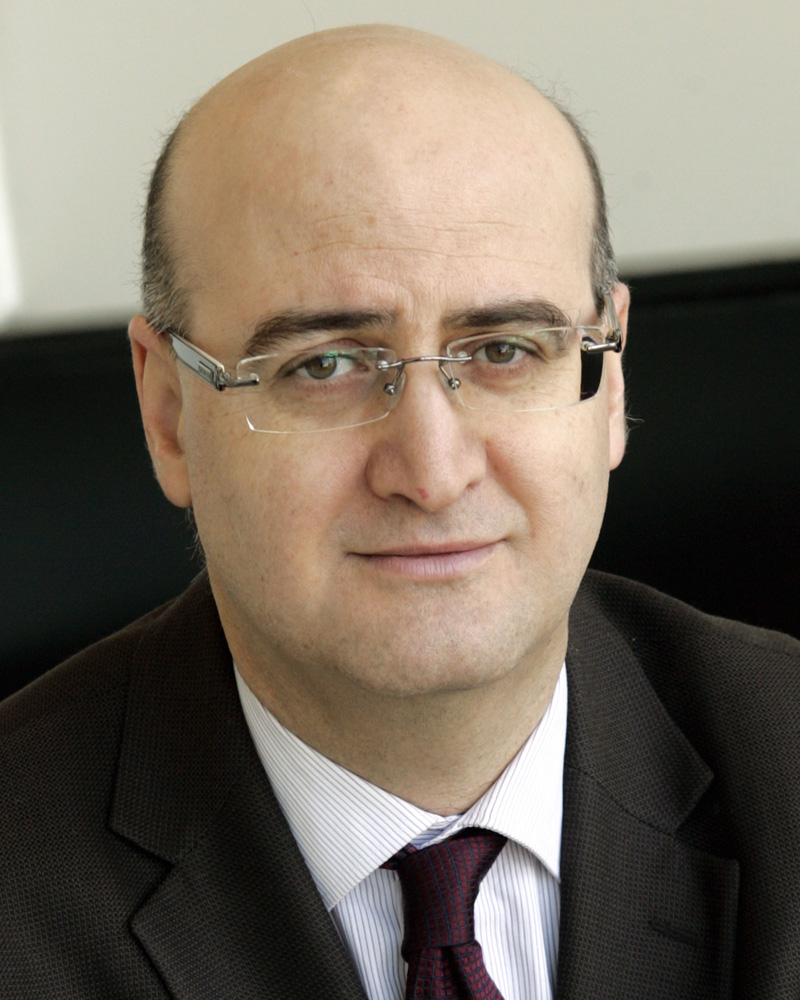
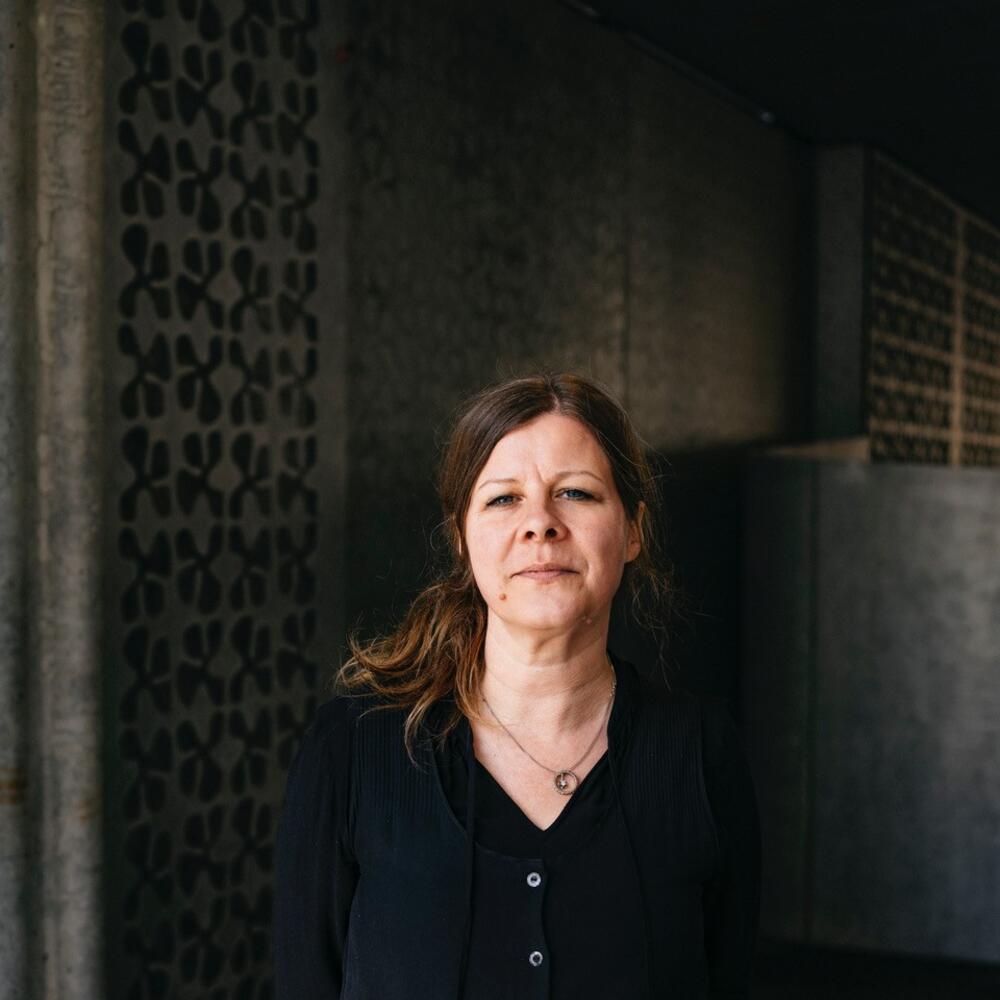
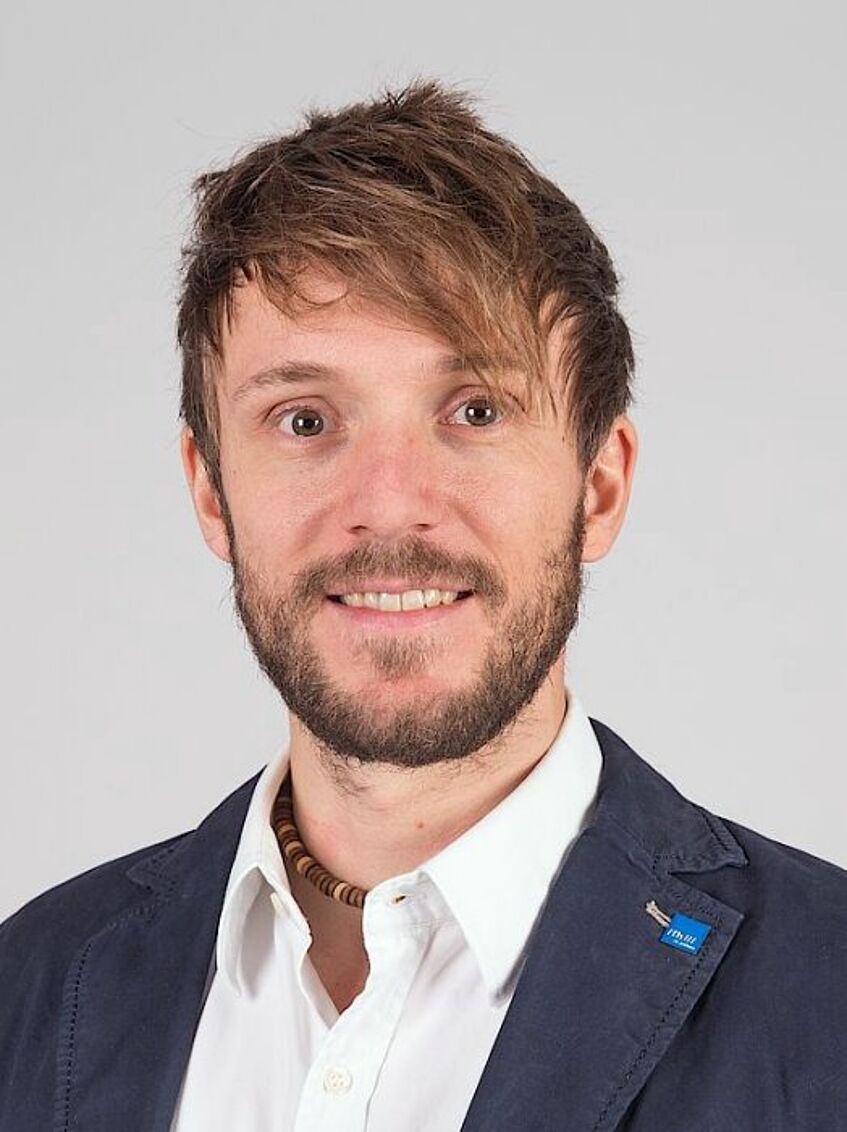
Dominik Schörkhuber is a PreDoc Researcher at the Vienna University of Technology (TU Wien) in the Computer Vision department. With a background in Informatics (BSc, Dipl.-Ing.), he focuses on computer vision applications for autonomous driving, robotics, and human-machine interaction. His work spans driver action recognition, pedestrian prediction, and adaptive lighting systems. Current projects: Empathic Vehicle (2024–2026), SyntheticCabin (2021–2025), SmartProtect (2020–2025) Research themes: Video transformers, synthetic data transfer learning, multi-task learning, and sensor-lighting integration Specializes in 3D sensing, nighttime driving analysis, and mobile video creation tools
Professor Moncef Gabbouj is a distinguished academic and researcher currently serving as Professor of Signal Processing at the Department of Computing Sciences, Faculty of Information Technology and Communication Sciences, Tampere University, Finland. Previously, he held the same position at Tampere University of Technology before the merger in 2019. He has also held visiting professorships at prestigious institutions including Hong Kong University of Technology and Science, University of Southern California, and Purdue University. Ph.D. and MSc. in Electrical Engineering from Purdue University, USA (1989 and 1986) B.Sc. in Electrical Engineering from Oklahoma State University, USA (1985) Prof. Gabbouj's research spans multiple domains within signal and image processing, with a strong focus on machine learning applications. His primary research interests include artificial intelligence, machine learning, Big Data analytics, multimedia content-based analysis, indexing and retrieval, nonlinear signal and image processing, voice conversion, and video processing and coding. His work bridges theoretical advancements with practical applications across various industries, particularly in multimedia communications and biomedical applications. His extensive publication record demonstrates a clear evolution from traditional signal processing techniques toward more sophisticated machine learning and deep learning approaches. Recent work shows increasing focus on convolutional neural networks for various applications including ECG classification, video processing, financial time-series analysis, and image recognition tasks, reflecting the broader trend in the field toward deep learning methodologies while maintaining strong foundations in signal processing theory. IEEE Fellow (2011) Member, Finnish Academy of Science and Letters (2014) Knight, First Class, of the Order of the White Rose of Finland (2006) Nokia Foundation Recognition Award (2005) Nokia Foundation Visiting Professor Award (2012) Finnish Cultural Foundation for Art and Science Award (2017) TUT Foundation Grand Award (2015) Prof. Gabbouj has supervised 64 doctoral and 72 Master's theses, demonstrating his significant contribution to academic mentoring. His research has been supported by substantial funding, including research grants totaling 8.5 million Euro (2001-2015). He has served as Academy of Finland Professor during 2011-2015 and has been involved in numerous EU research projects including Horizon, ESPRIT, HCM, IST, COST, Tempus and Erasmus programs. As Editor, Guest Editor or member of the Editorial Board of 6 international scientific journals, he has significantly influenced the academic discourse in his field. He leads the Signal Analysis and Machine Intelligence (SAMI) research group at Tampere University and serves as the Finland Site Director of the NSF IUCRC funded Center for Visual and Decision Informatics. His research unit focuses on applying advanced machine learning techniques to solve complex problems in signal processing, computer vision, and multimedia analytics, with applications ranging from healthcare to multimedia communications and financial analysis.
Markus Vincze is an Associate Professor at the Institute of Automation and Control Engineering (ACIN) at Vienna University of Technology (TU Wien). He founded the Vision for Robotics (V4R) group in 1996 to advance robotic perception, particularly in real-world environments and homes. His work focuses on cognitive computer vision techniques for robotics. Education: Diplom in Mechanical Engineering (1988) and PhD (1993) from TU Wien; M.Sc. (1990) from Rensselaer Polytechnic Institute. V4R coordinates EU projects like ActIPret, robots@home, HOBBIT, and national initiatives like vision@home. Markus has edited a book on Robust Vision with Gregory Hager and authored 62 peer-reviewed journal articles and over 400 reviewed publications. His recent research explores zero-shot 6D pose estimation, sim-to-real transfer, and transparent object detection. Markus has served as program chair for ICRA 2013 and organized HRI 2017 in Vienna. He has advised numerous students and secured grants from the Austrian Academy of Sciences for work at HelpMate Robotics and Yale's Vision Laboratory. The V4R group leads innovations in robotic vision, including frameworks for synthetic data generation (Unrealgensyn), depth completion (CAGT), and educational robotics applications for sustainability. Their work spans household robotics (RH3), agricultural robotics (EdgeSoil), and human-robot collaboration.
Claudia Lehmann is a University Professor of Film Art & Visual Communication at the Institute for Open Arts, Department of Scenography at Mozarteum University Salzburg. She has been a professor at Mozarteum University since 2019 and previously served as a visiting professor at the Berlin Weissensee Art Academy. As a faculty member, she contributes to the Institute management, teaches as a Teacher, and serves on the Curricular Commission. Dr. Lehmann holds a doctorate in physics (Dr. rer. nat.) with her dissertation "GAUGE COVARIANT MULTISCALE ANALYSIS OF COMPLEX SYSTEMS" published through DESY-Publications in 2004. Her academic journey reflects a unique interdisciplinary trajectory from scientific research to artistic practice. Claudia Lehmann's research interests center around the intersection of art and science, with particular focus on perception, reality, and systemic phenomena. Her work spans documentaries, feature films, music videos, art videos, installations, and performances, constantly searching for new forms and formats. She develops visual concepts, video stage sets, and unique live video performances, often in collaboration with Nicolas Stemann. Through her work, she explores diverse possibilities for new structures, especially in the form of artistic collaboration. Her recent artistic output shows a consistent trend toward interdisciplinary work that blends theater, film, and digital media. Lehmann frequently collaborates with Nicolas Stemann and Konrad Hempel, creating innovative performances that integrate video technology with traditional stagecraft. Her work often addresses social and political themes while experimenting with form and presentation. The Institute for Experimental Affairs (IXA), which she co-founded with Konrad Hempel, serves as a platform for exploring the interfaces between science and art through various projects and research initiatives. Dr. Lehmann has received several prestigious awards for her work: Samsung Smartfilm Award 2013 Shocking Shorts Award 2007 Nomination for German Documentary Film Music Prize 2013 Nomination for Studio Hamburg Young Talent Prize for Best Screenplay As an educator and researcher, Lehmann has developed numerous collaborative projects and performances that have been featured at major international festivals including the Berlin International Film Festival, Leipzig Documentary Film Festival, and various theater festivals. Her work with IXA represents a significant research initiative at the intersection of science and art. Lehmann co-founded the Institute for Experimental Affairs (IXA) with visual artist and composer Konrad Hempel. Through IXA, she conducts research and realizes projects at the interfaces between science and art. Her collaborative work spans theater productions, film projects, and interactive installations that have been presented at venues including the Schauspielhaus Zürich, Münchner Kammerspiele, Opéra Comique Paris, and various international festivals.
Johanna Pirker serves as an Associate Professor at the Institute of Human-Centred Computing, Graz University of Technology, where she holds teaching authorization in Applied Computer Science. Her work bridges academic research with practical applications in interactive technologies, maintaining active consultation hours for students every Monday morning. Her research centers on human-centered computing with emphases on virtual/augmented reality systems, serious game design, and AI-driven interactive experiences. She investigates player behavior, user experience optimization, and therapeutic/educational applications of immersive technologies across diverse contexts including rehabilitation, engineering education, and social platforms. Recent 2025 publications reveal strong trends in AI integration for gaming ecosystems (toxicity detection, dialogue systems), VR-based educational tools across disciplines, and cross-cultural analyses of gaming communities. Her work consistently combines experimental user studies with novel system development to address real-world challenges. While specific grant details and student advising records aren't documented in source materials, her extensive publication output across venues like FDG and iLRN indicates active leadership in interdisciplinary collaborations focused on advancing immersive technologies for societal benefit.
Gabriella Giannachi is Professor of Performance and New Media and Director of the Centre for Intermedia at the University of Exeter's Faculty of Humanities, Department of English. She leads interdisciplinary collaborations between artists, academics, and scientists to advance research in performance and digital arts. Her educational background includes: BA in Modern Languages and Literatures from Turin University's Faculty of Letters and Philosophy PhD in English from Cambridge University, researching silence in modern European Drama with Trinity Hall scholarship Giannachi's research pioneers performance documentation in mixed reality environments, examining how digital archives function as mobile interpretation hubs for cultural engagement. She investigates mobile user-generated documentation's role in knowledge production, museum visitor dynamics, memory formation, and identity construction within ecological and heritage contexts, with significant focus on copyright and accessibility implications. Her publication trends reveal consistent exploration of presence theory across physical-digital boundaries, with award-winning CHI conference papers (2009-2013) and books like 'Performing Mixed Reality' (2011) establishing frameworks for understanding mixed reality performance, environmental art, and digital heritage preservation. Her scientific recognition includes: Three consecutive CHI Best Paper Awards (2009, 2012, 2013) Theatre Library Association Book Award nomination for 'Performing Presence' (2012) Royal Society of Arts Fellowship nomination (2012) While specific advisees aren't documented, her research partnerships demonstrate extensive collaborative supervision across institutions including Tate, Imperial War Museum, British Library, and Stanford Libraries, securing projects that integrate artistic practice with scientific research. As Centre for Intermedia Director, she cultivates experimental teams investigating how digital archives transform cultural engagement through mobile platforms, particularly in environmental contexts via partnerships with Met Office Hadley Centre and Ludwig Boltzman Institute.
Brian Horsak is a Professor and Head of the Center for Digital Health and Social Innovation at Fachhochschule Steyr. He holds an endowed professorship in Applied Biomechanics and Rehabilitation Research, focusing on integrating advanced technologies like VR/AR, machine learning, and wearable devices into clinical gait analysis and motor rehabilitation. His roles include leading the Institute of Health Sciences and contributing to the Department of Health Sciences and Media and Digital Technologies. Education: Dr. rer. nat. (2012, University of Vienna), Habilitation in Kinesiology (2020, University of Vienna), Master's in Sports Science (2002–2008, University of Vienna). Research interests revolve around improving patient care through biomechanical innovations, including musculoskeletal simulations, gait pattern analysis, and rehabilitation technologies. He leads projects like ReMoCap-Lab (motion capture for motor rehabilitation) and chairs the Applied Biomechanics in Rehabilitation Research initiative. Key achievements include the Lower Austria Innovation Prize (2021), multiple best paper awards, and grants for projects like TRUST AI and VReeze. His work bridges clinical practice with digital health solutions, emphasizing explainable AI (XAI) in gait classification and VR-based balance training. Notable contributions include developing the GaitRec dataset and studies on smartphone-based motion capture reliability. He collaborates internationally, publishing widely in Gait & Posture , Scientific Reports , and IEEE journals. Current projects focus on AI-driven gait analysis, musculoskeletal modeling, and XR applications in healthcare.
Mohamed Khamis is an Associate Professor at the University of Glasgow , specializing in Human-Computer Interaction (HCI) with a focus on Human-centered Security and Eye Tracking for privacy protection. His research spans Pervasive Displays , Usable Security , and User Privacy in immersive environments. PhD from Ludwig Maximilian University of Munich (LMU) Supervised by Florian Alt and Andreas Bulling Research Interests: Usable Security and Privacy Designing Gaze-based Systems Thermal Attacks and Shoulder Surfing Mitigation Security in Public Displays and Virtual Reality Recent Publications demonstrate expertise in: Drone Interaction and Proxemics Privacy Scales for Measuring Granular Constructs Gaze-enabled Mobile Authentication Multimodal Security Systems Deepfake Privacy Applications XR Dark Patterns Analysis Scientific Contributions: Recipient of multiple Honorable Mention Awards at CHI and MobileHCI Funding from EPSRC for thermal imaging research Keynote speaker at ECCV 2020 Open Eyes Workshop Co-organizer of ETRA workshops on Eye-Gaze for Security
Tina Comes is a Full Professor in Decision-Making & Digitalisation at the University of Maastricht, Netherlands. She holds a part-time position (0.2 FTE) and has previously held academic roles at TU Delft (Associate Professor in Decision-Making for Resilience, 2017), University of Agder (Full Professor in ICT, 2015-2017), and Visiting Professor at Lamsade, Université Dauphine, Paris (2014). Her research focuses on Crisis Informatics , Decision Theory , Disaster Management , Humanitarian Logistics , and Resilience . Her work spans building simulation , ventilation systems , and energy-efficient design , with grants totaling €9.6 million since 2012. Key projects include Resilient Systems (NL Ministry of Defense, 2020-2026), H2020 HERoS (2020-2023), and Climate Resilient Urban Infrastructure (Amsterdam, 2020-2022). She has supervised 6 PhD students at TU Delft (2017-2022), 3 Postdocs/PhDs at University of Agder (2013-2020), and 1 PhD at Université Toulouse (2014-2018). Her scientific awards include: 2020 José Maria Sarriegi Award by the Spanish Red Cross 2019 Emerald Literati Award 2016 Delft Technology Fellowship (acceptance rate 2012 Best Paper Award at ISCRAM Conference
Ivan Viola is an Associate Professor at the Institute of Computer Graphics and Algorithms, part of the Faculty of Informatics at TU Wien, Austria. He holds a leave of absence until December 2024 while also being affiliated with King Abdullah University of Science and Technology (KAUST) as an Associate Professor funded by the Vienna Research Groups program. His research focuses on visualization techniques in medicine, biological sciences, and earth sciences, with a specialty in illustrative visualization and DNA-nanotechnology applications. Viola has contributed over 100 scientific works and serves as a reviewer and panelist for major conferences in computer graphics and visualization. Education: M.Sc. (2002) and Ph.D. (2005) in Computer Graphics from TU Wien. Postdoctoral research at the University of Bergen (2006-2011), where he became Full Professor before returning to TU Wien. Research Interests: Whole-cell visualization Molecular modeling Interactive 3D environments Biomedical visualization Data-driven colormap techniques Awards: IEEE VIS 2017 Best Paper Honorable Mention, 'Best Overall Concept' for CellView, and multiple visualization awards. Active in EuroVis and IEEE VIS organizing roles. Grants & Supervision: Leads the Visualization Group at TU Wien, supervising student projects and master’s theses. Involved in grants like the Vienna Research Groups program. Labs/Teams: Visualization Group at TU Wien, collaborating on projects like CellView and Molecumentary.
John Geddes is the WA Handley Professor of Psychiatry at the University of Oxford, a Professorial Fellow at Merton College, and Director of the NIHR Oxford Health Biomedical Research Centre. He has held significant academic and clinical leadership roles since 2002, including Head of the Department of Psychiatry (2011-2021) and Director of R&D at Oxford Health NHS Foundation Trust. Education: MB ChB (University of Leeds, 1985) MD (University of Leeds, 1993) Member (1989) and Fellow (2000) of the Royal College of Psychiatrists His research spans mood disorders, evidence-based medicine, clinical trials, and digital phenotyping in psychiatry. Key contributions include large-scale evidence syntheses on antidepressants, lithium toxicity, and bipolar disorder treatments. Recent publications focus on post-COVID-19 neurological/psychiatric outcomes, comparative drug efficacy, and innovative trial designs. His work combines epidemiological approaches with clinical implementation strategies. Scientific Awards: Clarivate Highly Cited Researcher (Cross-Field) 2018-2022 ECNP Neuropsychopharmacology Award (2016) Royal College of Psychiatrists Academic Psychiatrist of the Year (2010) Aristotle University Honoris Causa (2018) National Institute for Health Research Senior Investigator (2012-2019) As principal investigator for the £35M NIHR Oxford Health Biomedical Research Centre, he leads multiple grants including studies on virtual reality interventions for psychosis and pharmacological approaches to treatment-resistant depression.
Tobias Batik is a Researcher in the Department of Virtual and Augmented Reality at Technische Universität Wien . His work focuses on haptic devices for virtual reality and mixed metro map visualization, contributing to projects like Action-Origami Inspired Haptic Devices for Virtual Reality (2023) and Shiftly: A Novel Origami Shape-Shifting Haptic Device for Virtual Reality (2025). His research spans Human-Computer Interaction , Computer Graphics , and Interactive Systems , with a particular emphasis on origami-inspired design and shape-shifting interfaces. Recent publications highlight trends in Virtual Reality and Data Visualization , including metro map layout algorithms and user-specified motifs. Contact: tobias.batik@tuwien.ac.at .
Prof. Hermann Hellwagner is a Full Professor at the Department of Information Technology, University of Klagenfurt. He has held roles such as Vice President (Natural and Technical Sciences) at the Austrian Science Fund (FWF) and Vice Dean of the Faculty of Technical Sciences. His research focuses on multimedia communication, network engineering, and future internet architectures. Notable projects include work on adaptive streaming, edge computing, and drone networks. He holds a Ph.D. in Systolic Architectures from the University of Linz (1988). Research interests span distributed multimedia systems, information-centric networking (ICN), and optimizing video streaming quality-of-experience (QoE). Recent work emphasizes edge computing solutions for low-latency streaming and dynamic codec adaptation. His contributions include frameworks like ALPHAS and MEDUSA for bitrate optimization, and studies on point cloud streaming in augmented reality. Publications (2021–2025) highlight advancements in edge-assisted streaming, hybrid P2P-CDN architectures, and transcoding techniques. His work often bridges theoretical models with real-world implementations, addressing challenges in latency, cost, and device adaptability. Current projects involve 6DoF video streaming and multi-robot system optimization. Labs/Teams: Part of the Institute of Information Technology (ITEC), Klagenfurt. Collaborates on EU-funded projects and industry partnerships in 5G edge computing and drone networks. Active in standards groups for HTTP adaptive streaming protocols.
mdw - University of Music and Performing Arts ViennaAustria
Matthias Bertsch is a faculty member with expertise spanning musical acoustics, medical acoustics, and ethnomusicology. His work bridges musicology, biomedical engineering, and clinical applications. Academic leadership in structured doctoral programs Research on brass instrument mechanics and NICU sound environments Interdisciplinary focus on music-physiology and psychoacoustics Research Interests: Specializing in the acoustic properties of musical instruments, therapeutic sound applications for premature infants, and physiological analysis of brass players. His work combines empirical measurement with clinical and cultural implications. Article Trends: Publications emphasize brass instrument biomechanics , incubator sound optimization , and music's physiological effects , with recurring themes in virtual acoustics and interdisciplinary methodologies.
Brian Horsak is a Privatdozent (equivalent to Associate Professor) at the University of Vienna, affiliated with the Department of Sport and Human Movement Science within the Faculty of Sports Sciences. He serves as a member of the PI Panel/Supervisors for the Sport Science program at the Vienna Doctoral School of Pharmaceutical, Nutritional and Sport Sciences (VDS PhaNuSpo). His research group is located at the St. Pölten University of Applied Sciences with strong collaboration to the Centre for Sport Science and University Sports at the University of Vienna. Dr. Horsak's primary research interests focus on clinical (gait) biomechanics and interdisciplinary approaches between therapy and technology. His work is dedicated to understanding musculoskeletal loading of the lower extremities during locomotion and exercise, and developing assistive technologies such as machine learning algorithms and virtual reality applications to support patients and therapists during rehabilitation. Specific areas include: Clinical gait analysis and biomechanics Musculoskeletal loading in lower extremities Patellofemoral instability and joint biomechanics Machine learning applications for gait classification Virtual reality for rehabilitation Biomechanics of obesity and pediatric movement disorders 3D motion capture and markerless technology His recent publications demonstrate a strong trend toward integrating advanced computational methods with clinical biomechanics. Over the past five years, his work has increasingly focused on smartphone-based motion capture systems, deep learning applications for gait analysis, and virtual reality environments. His research bridges engineering technology and clinical rehabilitation, with particular attention to knee biomechanics, patellofemoral disorders, and movement analysis in pediatric obesity. Dr. Horsak teaches courses including 'Methods and Concepts of Biomechanics and Sports Informatics' and serves as supervisor for PhD students Bernhard Dumphart and Mark Simonlehner. His research group maintains strong collaborations with the St. Pölten University of Applied Sciences and appears to be involved in multiple interdisciplinary projects combining sports science, engineering, and clinical rehabilitation.