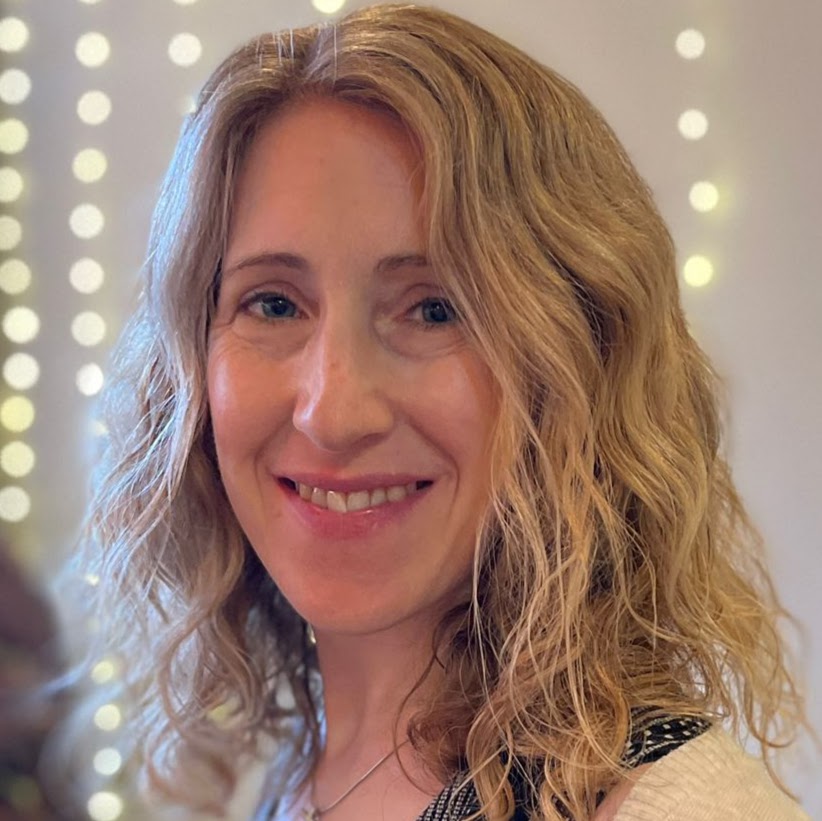
Helen Seddon-Gray is a Lecturer in Music at the Royal Northern College of Music (RNCM), specializing in composition and cross-cultural music studies. She holds a PhD from the University of Manchester and has extensive teaching experience across undergraduate and postgraduate programs. Her research explores harmonic language, polarities in music, and the intersection of belief systems with artistic creation. She has collaborated extensively with RNCM alumni and staff on projects like the virtual performance of Lalit and Shahana . Teaching roles: Music theory, music history, performance studies, composition/improvisation Coordinates Personal Tutoring Provision Supervises Masters Projects and PhD reviews Her compositions are published by editiondb.com and include works for piano, horn, and percussion. Current projects include a book of contemporary horn studies focusing on extended techniques.
Larry Gray is a Professor of Jazz Performance at the University of Illinois. His work spans over four decades in both classical and jazz music, blending diverse styles. He served as principal double bassist of the Civic Orchestra of Chicago and performed with renowned artists like Jack DeJohnette, Ramsey Lewis, and Larry Coryell. Gray has released multiple solo albums including Gravity and Three Equals One , and collaborates with groups like the Gray, Wilkerson, Ra Trio and Wertico Cain & Gray. Gray holds BMUS and MM degrees in cello performance from Roosevelt University's Chicago Musical College. His teaching emphasizes individualized instruction, technical mastery, and stylistic versatility for both classical and jazz students. He advocates for cross-disciplinary musical exploration, encouraging jazz students to engage with classical interpretation and vice versa. Gray’s recent projects include collaborations with Paul Wertico and David Cain in the trio Wertico Cain & Gray, exploring improvisation and multimedia. He also continues his longstanding trio with guitarist John Moulder and drummer Charles Heath. His performances span prestigious venues worldwide, from Carnegie Hall to the Montreux Jazz Festival. Gray’s research interests focus on instrumental versatility across genres, improvisational techniques, and the intersection of music with visual art. His work bridges acoustic traditions and modern experimental practices, reflected in recordings like Organic Architecture (Frank Lloyd Wright-inspired) and Windows Of Time (electronic fusion). While no specific awards are cited for Gray himself, his collaborators like Paul Wertico have achieved Grammy recognition. His contributions include over 40 improvisation tracks on Short Cuts: 40 Improvisations and live recordings such as AfterLive .
Mahdi Saleh is a Researcher at the Department of Electrical and Electronic Engineering, University of Manchester, UK, and concurrently holds a Research Associate position at the University of Lincoln (from Sept 2024). He also serves as Associate Editor for IEEE Transactions on Instrumentation and Measurement. His expertise spans instrumentation, embedded systems, and biosensors. Saleh earned his Ph.D. in Electrical and Computer Engineering from the American University of Beirut (2021), with a thesis on capacitive sensor arrays for oil film measurement, leading to a US patent. Education: Doctor of Engineering in Electrical and Computer Engineering, American University of Beirut (2021) Research Interests: Saleh focuses on developing embedded measurement systems for biosensors, wearable healthcare devices (e.g., EEG monitoring), and environmental IoT networks. His work addresses challenges in oil spill detection, signal processing, and sensor durability under harsh conditions. Recent efforts include low-power wearable EEG systems and AI-driven artifact removal techniques. Publications Trends: His articles emphasize wearable biomedical devices (EEG monitoring), environmental sensors (oil under ice detection), and IoT-enabled agricultural systems. Methodologically, he combines capacitive sensing, machine learning, and edge computing. Awards: Best Outstanding Contribution to Research Impact (2023, University of Manchester) CNRS-L/AUB Ph.D. Scholarship (2016) First Place in BLF-IFI Climate Change Competition (2018) Outstanding Reviewer for IEEE TIM (2020, 2021, 2023) Advising & Grants: Though no formal advisees are listed, his postdoctoral and current roles imply active mentorship. He contributed to EU-funded projects on sensor networks and oil spill detection. Labs/Teams: Member of the Non-Invasive Bioelectronic Systems group at Manchester, focusing on wearable medical devices and bioelectronic innovations.
Andrés José Piñón Pazos is a researcher at the Department of Industrial Engineering within the Ferrol Polytechnic School of Engineering at University of A Coruña (UDC). His work focuses on intelligent and advanced control, optimization and modeling of systems, and virtual and intelligent instrumentation. He teaches both required and optional courses in Industrial and Automatic Electronic Engineering, Industrial Informatics and Robotics, and Mechanical Engineering programs. Research interests include: Intelligent control systems development Industrial process optimization Virtual instrumentation design Smart monitoring systems Automation solutions Energy efficiency improvements Scientific contributions: Registered software (2014) Multiple patents (2013, 2008, 2005) Over 15 research articles International conference publications Key grants and contracts include projects with: Spanish Foundation for Science and Technology (FECYT) Instituto Tecnológico de Castilla y León (ITCL) Galician Department of Education Ministry of Science and Innovation Navantia shipyard International collaborations
Christoph Sielmann is an Assistant Professor of Teaching at the Department of Mechanical Engineering, Faculty of Applied Science, University of British Columbia (UBC). Holding a B.Sc. from the University of Alberta (UofA), M.A.Sc. and Ph.D. from UBC, and registered as a Professional Engineer (P.Eng.), he is actively involved in engineering education and research. He is a member of CEEA, ASEE, and IEEE. His educational background includes: B.Sc. in Engineering from the University of Alberta M.A.Sc. in Mechanical Engineering from UBC Ph.D. in Mechanical Engineering from UBC Sielmann's research and teaching interests focus on industrial automation, instrumentation, nanofabrication technology, MEMS, and clean energy. He also emphasizes engineering ethics and decolonization in engineering education. His work explores technological pedagogical knowledge and multi-campus instruction strategies. Recent publications highlight his contributions to: MEMS sensor fabrication techniques (inkjet printing, acid-free etching) ZnO nanofabrication for clean energy applications Remote teaching methodologies in engineering labs Educational tools for multi-cohort courses Scientific affiliations and memberships include: Canadian Engineering Education Association (CEEA) American Society for Engineering Education (ASEE) Institute of Electrical and Electronics Engineers (IEEE)
Dr. Lee Cadieux is a Lecturer in Cinematic Arts at the School of Arts & Humanities , Ulster University , specializing in the intersection of digital media, animation, and behavioral science. Based at the Derry~Londonderry campus, Cadieux explores applications of virtual environments for educational and therapeutic purposes. Key Affiliations : Faculty of Arts, Humanities & Social Sciences Research Themes : Digital behavioral analysis, serious games, cultural outreach Research Interests : Cadieux's work focuses on leveraging Minecraft and animation tools like Poser for autism therapy and behavioral science education. His projects include virtual reality simulations for social skill development and historical reenactments as public art installations. Recent Publications : His 2020 study in JMIR Serious Games demonstrated how gamified environments can improve social communication for children with autism. Earlier works (2018) include performance art projects like Napoleon Crossing the Foyle and pedagogical tools for applied behavioral analysis. Labs & Collaborations : Collaborates with the Media Research group and contributes to Ulster University's research in virtual environments and digital arts.
Dr. Darren E. Holland is a Research Associate Professor of Nuclear Engineering in the Department of Engineering Physics at the Air Force Institute of Technology (AFIT). His work focuses on optimizing radiation transport in complex geometries, developing models for radiative and thermal effects in space and underground environments, and applying computational intelligence to radiation detection systems. PhD, Mechanical Engineering, University of Michigan (2012) MS, Mechanical Engineering, University of Michigan (2008) BS, Mechanical Engineering, Cedarville University (2006) Dr. Holland's research interests span nuclear engineering, radiation detection, and computational modeling. His work includes designing rotating scatter masks for directional radiation detection, analyzing neutron energy impacts on asteroid deflection, and integrating machine learning with radiation imaging. He has received multiple U.S. Air Force Research Lab Summer Faculty Fellowships (2016-2018) to support this research. His publications since 2010 highlight trends in radiation detection system optimization, neutron transport analysis, and machine learning applications. Key subfields include directional imaging algorithms, planetary defense strategies, and sensor development for mixed-radiation environments. Dr. Holland has been recognized with the Outstanding Thesis Advisor Award (2021) and the 2021 Virtual Student Conference Best Paper Award in the Isotopes & Radiation category. Outstanding Thesis Advisor Award (2021) 2021 Virtual Student Conference Best Paper Award (Isotopes & Radiation) 1st Quarter Civ Cat III (EN, AFIT, AETC level) (2020) AETC Nuclear Deterrence Operations Professional Team of the Year Award (2019) ASME Dayton Section Chairman’s Recognition Award (2015) Best Engineering Design (2003) Effective Leader Award (2002) Dr. Holland has mentored senior design students at Trine and Cedarville Universities, guiding projects on appropriate technology, personal defense weapon design, and aerodynamics. His current work at AFIT involves radiation modeling in space and underground environments, supported by collaborations with the National Ignition Facility and radiation measurement conferences.
Octavian Adrian Postolache is a Full Professor at ISCTE - Instituto Universitário de Lisboa, Department of Information Science and Technology (ISTA). He is also an Integrated Researcher and Coordinator of the Instrumentation and Measurements Group at the Institute of Telecommunications – IUL (IT). His research spans smart sensors, IoT, biomedical applications, and embedded AI, with strong focus on healthcare and environmental monitoring. Aggregation, Electrical and Computer Engineering, Instituto Superior Técnico (2015–2016) PhD, Electrical Engineering and Computers – Metrology and Instrumentation, Iasi Technical University, Romania (1993–1999) Integrated Master’s, Electrical Engineering and Computers, Technical University of Iasi, Romania (1987–1992) His research interests include smart sensors for IoT, wireless sensor networks, applied computational intelligence, virtual and augmented reality for physiotherapy, ambient assisted living, and precision agriculture. He leads cutting-edge work in intelligent sensing systems, particularly in healthcare and industrial automation. His publications reveal a strong trend in AI-enhanced sensor systems, smart ports, and stress/disease monitoring using physiological data. He has been recognized as one of the top 2% most-cited scientists globally by Stanford University and Elsevier. He was listed among IEEE Transactions on Instrumentation and Measurement’s best reviewers. He is a Senior Member of IEEE and has held leadership roles in IEEE IMS TC-13 and as IEEE IMS Portugal Chair. Postolache has supervised over 20 PhD and nearly 50 MSc students, reflecting his significant role in academic mentorship. His research is supported by extensive collaborations and active projects in digital twins, smart farming, maritime automation, and healthcare IoT. He leads the Instrumentation and Measurements Group at IT-Lisbon, a key team in sensor and measurement innovation.
Thaddeus A. Roppel is an Associate Professor in the Department of Electrical and Computer Engineering at Auburn University's College of Engineering. His work spans teaching, research in robotics and sensor systems, and academic outreach. He is actively involved in curriculum development, senior design coordination, and lab leadership. University: Auburn University School: College of Engineering Department: Electrical and Computer Engineering Position: Associate Professor His research focuses on cooperative robotics, sensor fusion, MEMS sensors, and neural network applications in odor analysis. He leads the Sensor Fusion Laboratory and has contributed to interdisciplinary projects involving intelligent systems and technology readiness assessment. His educational initiatives include Java-based electronics demos, wireless curriculum development, and capstone design mentoring. The recent publications reflect a strong trend in intelligent sensing, robotics, and engineering education. Key themes include real-time signal processing, neural networks for pattern recognition, technology maturity assessment (TRL), and innovative teaching tools. His work bridges theoretical research with practical implementation in academic and outreach contexts. Scientific Awards: No formal awards listed in available texts. Dr. Roppel advises students through senior design and graduate research, particularly in robotics and sensor systems. He has led projects funded through academic and outreach grants, including senior design initiatives and the proposed Auburn Technology Museum. He is also involved in service, such as coordinating Engineers Without Borders and maintaining educational web resources. He leads the Sensor Fusion Laboratory at Auburn University, which focuses on integrating sensor data using neural networks and intelligent algorithms. The lab supports student research in mobile robotics, odor detection, and cooperative systems. He also promotes broader engineering outreach through virtual museum development and safety education.
Julia Kobulsky is an Assistant Professor in the School of Social Work at Temple University's College of Public Health. Her academic work centers on child maltreatment, particularly child neglect, and its long-term impacts on adolescent and young adult health. She is committed to improving child welfare systems through research that informs policy and practice. Her educational background includes a PhD from Case Western Reserve University, an MA in Sociology from the University of Illinois at Chicago, and a BA in Anthropology from Loyola University Chicago. She completed postdoctoral training at the University of Maryland School of Social Work and was a doctoral fellow with the Administration on Children, Youth and Families. Dr. Kobulsky’s research focuses on the developmental timing, severity, and types of child maltreatment, with a strong emphasis on fathers as both risk and protective factors. She employs longitudinal modeling, psychometrics, and community-engaged methods. Her work aims to refine the conceptualization and measurement of child neglect, contributing to more effective interventions. Her recent publications reveal a consistent focus on the health consequences of child maltreatment, including obesity, substance use, and mental health. The research often explores protective factors such as housing and food security, and she leads the Child Maltreatment Prevention Lab at Temple University. Dr. Kobulsky has received federal funding for her research and collaborates with agencies such as the Philadelphia Children’s Alliance and the Philadelphia Department of Human Services. She teaches courses in child welfare policy and social work research at both undergraduate and graduate levels. Her scientific contributions are recognized through numerous peer-reviewed publications in high-impact journals. While no formal awards are listed, her ongoing projects and leadership in prevention science highlight her growing influence in the field. She advises on child welfare practice improvement and workforce development, including the use of virtual coaching tools. She leads a research lab and collaborates with interdisciplinary teams to prevent child sexual abuse recurrence and strengthen family resilience.
Diane Lennard is a Clinical Professor of Management Communication at the Leonard N. Stern School of Business, New York University, where she has been teaching since 2004. She is based at the Kaufman Management Center in New York, NY. Her role includes teaching business communication, team leadership, coaching, and strategic engagement to a wide range of students, including undergraduates, full-time and part-time MBA candidates, PhD students, and executives. Education: Ph.D. in Education and Performance Studies, Union Institute & University (2004) M.S. in Education, Bank Street College of Education (1977) B.A. in Communication, Bard College (1974) Her research focuses on management communication, with key interests in coaching models, intercultural and interpersonal communication, and the impact of digital environments on human connection. She emphasizes performance-based and culturally aware communication strategies in professional contexts. The recent publications reflect a strong trend toward understanding and improving human connection in remote and digital work environments. Her work bridges coaching theory, organizational behavior, and communication science, with increasing focus on wellness, engagement, and leadership in virtual teams. Scientific Awards: 2017 Distinguished Teaching Award in Recognition of Excellence in Teaching Innovation Diane Lennard has served as Director of Langone Education for the Part-Time MBA Program and as a faculty development consultant at Stern’s Center for Innovation in Teaching and Learning. She advises students across multiple programs and has been instrumental in shaping communication pedagogy. She has secured professional impact through her firm, Lennard & Company, which delivers communication workshops globally. Her work integrates performance arts, education, and business leadership. She is affiliated with several professional organizations, including the Institute of Coaching Professional Association, Management Communication Association, Professional and Organizational Development Network in Higher Education, and Society for Intercultural Education, Training and Research. Her firm, Lennard & Company, conducts workshops in the U.S., Japan, and India, focusing on leadership, coaching, and communication excellence.
Dr. Gregory King is an Associate Professor in the Department of Civil and Mechanical Engineering at the University of Missouri – Kansas City (UMKC), School of Science and Engineering. He also holds a courtesy appointment at Truman Medical Center in Kansas City, MO. His research is centered on human musculoskeletal biomechanics, particularly the kinetic and kinematic analysis of human motion, with applications in aging, fall prevention, and healthcare ergonomics. Ph.D., Mechanical Engineering, University of Kansas, 2006 M.S., Mechanical Engineering, University of Kansas, 2002 B.S., Mechanical Engineering, University of Kansas, 1999 Dr. King's research focuses on understanding balance, mobility, and postural control in aging populations and healthcare providers. His work applies biomechanical principles to real-world problems such as fall prevention in older adults, the physical demands on surgeons and dentists, and the interplay between psychological states and physical movement. He utilizes motion capture, posturography, and electromyography to quantify human motion and performance. His recent publications show a strong trend in applying biomechanics to clinical and occupational settings, especially in surgery, dentistry, and ophthalmology. The studies often involve interdisciplinary collaboration and use advanced tools like virtual pelvic models, load cells, and machine learning to analyze human motion and improve safety and ergonomics. Dr. King is a licensed Professional Engineer in Missouri and actively teaches courses such as Biomechanics, System Dynamics, and Vibration Analysis. While no specific awards are listed, his consistent publication record and lab affiliation indicate sustained scholarly activity. He advises students in biomechanics and related fields and is affiliated with the Human Motion Laboratory at UMKC. His research has been supported through institutional and collaborative grants, though specific funding sources are not detailed in the provided text.
Ana Álvarez García is a faculty member in the Department of Naval and Industrial Engineering at the Ferrol Engineering Polytechnic University College, Universidade da Coruña (UDC), specializing in Naval Construction. She actively contributes to both teaching and research, with a focus on thermal and rheological properties of materials applied to marine engineering. Department: Department of Naval and Industrial Engineering School: Ferrol Engineering Polytechnic University College University: Universidade da Coruña (UDC) Her research interests include naval construction, thermal analysis of materials, rheology, composite materials, adhesive bonding in marine structures, and sustainable shipbuilding. She is a member of the research group 'Propiedades térmicas y reológicas de materiales' and has led and co-authored numerous studies on material characterization for maritime applications. The body of her recent publications reveals a consistent focus on thermal and mechanical behavior of materials in naval contexts, including adhesives, sandwich structures, and simulation tools like SIMULANCLA. Her work spans experimental testing, numerical modeling, and practical applications in shipbuilding and marine systems. She has supervised multiple Master’s theses, including those of Francisco Javier Rodríguez-Dopico and Carlos Alberto Gracia Fernández, both of which received the highest academic distinction. Her research is supported by collaborations with industry and academic partners such as INDITEX, NAVANTIA, and GABADI, and she has participated in numerous national and regional R&D projects. Ana Álvarez García also contributes to academic mentoring and curriculum development, guiding students in final-year projects and professional placements. She teaches core subjects such as Engineering Drawing, Marine Drawing, and the Integral Process of the Ship Project, ensuring students receive applied, industry-relevant training.
Dr. John O'Donoghue is a Teaching Professor in the Department of Chemistry at Trinity College Dublin, where he serves as the RSC Education Co-Ordinator. His work bridges academic research and public engagement, focusing on innovative chemistry education initiatives across Ireland. Research Interests: His expertise lies in chemistry education, science communication, and public outreach. He develops low-cost, hands-on teaching tools in electrochemistry, spectroscopy, and analytical methods, making science accessible to secondary schools and the public. His work emphasizes practical learning, teacher support, and national STEM engagement. His recent publications, all in top chemistry education journals, reflect a consistent focus on simplifying complex instrumentation (e.g., colorimetry, nephelometry) and creating scalable outreach models like Spectroscopy in a Suitcase and Current Chemistry Investigators . These projects highlight trends in democratizing lab experiences and using local context to inspire student interest in chemistry. Scientific Awards: Trinity Research Excellence Award - Engaging Profoundly with our Publics (2023) Science Foundation Ireland (SFI) Outstanding Contribution to STEM Communication (2018) Advising and Grants: While no formal students are listed, Dr. O'Donoghue leads major funded projects that involve training researchers in science communication. He has secured significant support from Science Foundation Ireland for initiatives including Spectroscopy in a Suitcase (2016–2020) and Current Chemistry Investigators (2022–2024), demonstrating sustained grant success in educational innovation. Labs and Teams: He collaborates nationally through a consortium involving TCD, UCD, UCC, UL, CIT, and IT Sligo, under the Royal Society of Chemistry, to deliver outreach programs. These efforts form a distributed network of educators and scientists committed to enhancing chemistry education across Ireland.
Mariana Catela Jacob Rodrigues is an Assistant Professor at Iscte – University Institute of Lisbon, affiliated with the Department of Applied Digital Technologies and the Institute of Telecommunications - IUL, where she conducts research in the Instrumentation and Measurements Group. She holds a PhD in Information Technologies and Systems from ISCTE, completed in 2024, following a Master’s and Bachelor’s in Telecommunications and Computer Engineering at the same institution. Her research interests include: Internet of Things (IoT) Ambient Assisted Living (AAL) Smart Sensors and Wearable Technologies Cardiorespiratory and Environmental Monitoring Artificial Intelligence in Healthcare Virtual Reality for Rehabilitation Her scientific work focuses on developing intelligent, sensor-driven systems for health and environmental monitoring, particularly in indoor and elderly care settings. She utilizes wireless sensor networks, wearable platforms, and physiological signal analysis (e.g., HRV) to assess autonomic nervous system responses under various stimuli such as music, lighting, and environmental conditions. Her recent publications highlight trends in non-invasive monitoring, fall detection, precision agriculture, and stress assessment using innovative IoT and VR-based tools. Her scientific contributions have been recognized with several awards, including: Best Student Paper Award at IEEE MeMeA 2022 Best Student Paper Award at ISSI 2019 ISTA Top Talent 2018–2019 (awarded in 2020) Mariana Rodrigues actively mentors and collaborates on research projects, frequently co-authoring with senior researchers such as Octavian Postolache and Francisco Cercas. She has served as a member and chair in organizing committees for multiple IEEE-sponsored summer schools and symposia on sensing and IoT, including the Smart Systems for Ambient Assisted Living series and the International Symposium on Sensing and Instrumentation. She is also involved in grant-funded projects related to smart healthcare and environmental monitoring, though specific grants are not detailed in the provided text. She leads key IEEE initiatives at ISCTE, including: Chair of IEEE Women in Engineering (WIE) Affinity Group Chair of IEEE Instrumentation and Measurement Society Chapter