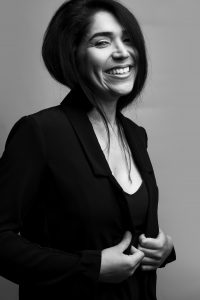
Bengisu Yilmazمشاهده پروفایل
پژوهشگر
Bengisu Yilmaz is a Researcher at the Ultrasound Research Institute of Kaunas University of Technology (KTU), actively pursuing her PhD while leading the Marie Curie-funded "NDT on Air" project focused on non-destructive evaluation of aircraft bonding structures. Her work aims to reduce aircraft weight through improved adhesive testing methodologies, contributing to environmentally sustainable aviation solutions. Yilmaz holds a Mechatronics Engineering degree from an Istanbul private university where she served on the gender awareness committee, implementing anti-stereotype training for high school educators. Her academic journey reflects a deliberate shift from initial interests in political studies and medicine toward engineering, driven by her passion for tangible creation and handicraft. Her research integrates aerospace engineering, materials science, and electronics within interdisciplinary teams of physicists and chemists, emphasizing the critical role of visual communication in science. She pioneered approaches linking art education to technical presentation, arguing that effective image-based communication enhances research dissemination in non-destructive testing applications. As a Marie Curie Fellow, Yilmaz advocates for expanded diversity beyond gender to include LGBT communities, disabled researchers, and international perspectives, believing multidimensional viewpoints drive technological innovation. She challenges the notion that women must outperform men in STEM, instead promoting self-improvement over comparison while noting improving gender ratios from undergraduate (30% women) to PhD levels (50% women) though senior roles remain male-dominated. Yilmaz manages significant project responsibilities including international travel for the "NDT on Air" initiative while navigating financial constraints common to non-wealthy PhD candidates. Her future plans remain fluid between academia and industry due to her aversion to teaching, with current residence in Lithuania complicated by unfavorable research conditions in her native Turkey and workplace sexism regarding appearance-based judgments.