Anton Baysa is a Senior Lecturer at the University of Oslo's Department of Pathology within the Faculty of Medicine. His research focuses on cardiovascular pathophysiology, particularly mechanisms of inflammation, mitochondrial dysfunction, and cellular repair following myocardial infarction and ischemia-reperfusion injury. He has published extensively on topics including Toll-like receptor signaling, mitochondrial DNA-induced inflammation, and the role of adaptor proteins in cardiac healing. His work integrates molecular biology, immunology, and clinical cardiology to understand and mitigate cardiac damage. Collaborative projects include studies on extracellular vesicles in surgery-related complications and growth factor pathways in myocardial repair. Key Research Themes: Cardiac inflammation mechanisms, mitochondrial damage responses, post-infarction healing, oxidative stress mitigation Recent Projects: Investigating p66ShcA protein signaling, nucleolin inhibition effects, and BMP-mediated cardiac remodeling
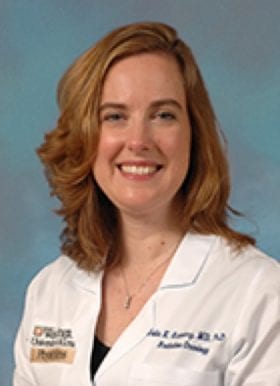
Julie K. Schwarz, MD, PhD, FASTRO is a tenured Professor of Radiation Oncology at Washington University School of Medicine, where she serves as Vice-Chair of Research and Director of the Cancer Biology Division. She also holds appointments as Professor of Cell Biology and Physiology and is affiliated with the Roy and Diana Vagelos Division of Biology & Biomedical Sciences, specifically within the Cancer Biology and Molecular Cell Biology programs. Dr. Schwarz is a key member of the Siteman Cancer Center and co-leads one of only five centers comprising the NIH's Radiation Oncology-Biology Integration Network (ROBIN). Dr. Schwarz completed her BS in Biology at Duke University (1995) followed by an MD/PhD in Cell and Molecular Biology at Washington University School of Medicine (2004) through the Medical Scientist Training Program. She completed her Internal Medicine internship (2005) and Radiation Oncology residency (2009) at Barnes-Jewish Hospital, becoming board-certified by the American Board of Radiology in Radiation Oncology (2010). Her research program focuses on translational studies of gynecologic cancers, particularly cervical cancer, with emphasis on tumor metabolism, biomarker discovery, and treatment resistance mechanisms. Dr. Schwarz's laboratory maintains one of the largest tumor repositories for cervical cancer, which includes specimens collected before and during chemoradiation treatment. Her work has demonstrated the critical role of pretreatment and post-treatment FDG-PET scanning for cervical cancer patients and has identified alterations in PI3K/Akt pathway genes associated with treatment response. Recent research directions include studying obesity's paradoxical favorable impact on cervical cancer outcomes, glucose and glutamine metabolism as targets for cancer therapy, and the role of tumor immunology in therapy resistance. Analysis of Dr. Schwarz's most recent publications reveals a strong focus on cervical cancer biology, tumor metabolism, and novel therapeutic approaches. Her work integrates clinical data with laboratory research to identify biomarkers and develop improved treatment strategies. Current research emphasizes the interface between tumor metabolism, the microenvironment, and response to therapy, with particular attention to HPV-related cancers, tumor imaging, and metabolic targets for radiosensitization. Fellow of American Society for Radiation Oncology (ASTRO) (2024) Danforth WashU Physician-Scientist Scholar Award (2024) Elected into American Society for Clinical Investigation (2022) Michael Fry Research Award for Outstanding Junior Investigator: Radiation Research Society (2012) Fellow: National Cancer Care Network (2008) RSNA Roentgen Resident/Fellow Research Award (2008) As a dedicated mentor, Dr. Schwarz has guided numerous trainees across all levels including undergraduates, graduate students, medical students, residents, fellows, and postdoctoral researchers. Her Schwarz Lab is highly collaborative and actively recruits students and researchers, with recent successes including Leahan Castillo receiving an Honorable Mention at AACR and Brett Tortelli developing significant research on the vaginal microbiome's relationship to cervical cancer treatment response. Dr. Schwarz is R01-funded and leads multiple research projects, including work on the TARGET Center which focuses on understanding the biologic effects of radiation therapy in cancer treatment. She actively participates in national organizations including the ASTRO/NCI Radiobiology Consensus Workshop, AACR Radiation Oncology Think Tank, and the ASTRO Community of Radiation Oncology Physician Scientists. Dr. Schwarz directs the Schwarz Lab, which is growing and actively recruiting postdocs, staff scientists, and graduate students. The lab employs a multidisciplinary approach combining well-annotated clinical databases, prospectively collected patient tumor banks, and state-of-the-art sequencing technologies. Current research directions include single-cell sequencing approaches to study treatment effects on tumor cells and immune cells within the tumor microenvironment, glucose and glutamine metabolism as targets for cancer therapy, and targeting myeloid-derived cells to improve anti-tumor immunity. The lab is highly collaborative and studies multiple tumor types including cervical, pancreatic, and ovarian cancers.
Ali Gooya is a Senior Lecturer (Associate Professor) in Machine Learning at the School of Computing Science, University of Glasgow, UK. His research focuses on probabilistic deep learning applied to medical imaging, particularly in cardiology and oncology, emphasizing semi/unsupervised methods due to sparse expert annotations. He holds a PhD in medical image analysis from the University of Tokyo (2007) and has held academic positions at the University of Leeds and Sheffield before joining Glasgow in 2022. Affiliations: Senior Lecturer in Machine Learning, University of Glasgow (2022–present) Lecturer in Computing, University of Leeds (2018–2022) Lecturer in Computing, University of Sheffield (2016–2018) Postdoctoral Researcher, University of Pennsylvania (2008–2011) Research Interests: Deep learning for medical imaging, probabilistic modeling, cardiac and cancer imaging, computational anatomy, and marker discovery. Key applications include motion analysis, segmentation, and predictive modeling in healthcare. Key Achievements: Won prestigious fellowships including Allen Touring Institute (2022), JSPS Short-Term (2020), Marie-Curie IIF (2014), and JSPS-PDRA (2008). Pioneered Bayesian deep learning frameworks for cardiac motion assessment and generative models in medical imaging. Grants & Supervision: EPSRC Impact Acceleration Award (PI) EPSRC New Investigator Grant (EP/S012796/1) Actively supervising PhD students in areas like Bayesian deep atlases for cardiac motion analysis. Labs & Teams: Leads research in medical AI within the School of Computing Science, collaborating on projects integrating imaging and patient metadata for clinical decision support.
Marios Georgakis is a clinician-scientist and Junior Group Leader at the Institute for Stroke and Dementia Research (ISD) at LMU Munich. He also holds a Visiting Scientist position at the Broad Institute of MIT and Harvard. His research focuses on leveraging multi-omics data and causal inference methods (e.g., Mendelian randomization) to discover drug targets for atherosclerosis, develop personalized risk stratification tools for cerebrovascular disease, and identify in vivo biomarkers of disease activity. His work bridges human genetics, molecular biology, and clinical translation. Education : MD and PhD (Epidemiology) from the National and Kapodistrian University of Athens; doctoral studies in Systemic Neurosciences at LMU Munich. Honors : Emmy Noether Award (DFG), CHARGE Consortium Early Career Achievement Award, Hertie Network Fellowship, and multiple scholarships/fellowships. Research Themes : Drug target discovery for cardiovascular disease via multiomics integration Molecular phenotyping of atherosclerosis using single-cell RNA-seq and spatial transcriptomics Development of AI-driven tools for vascular imaging and aging Genetic studies of inflammation, cytokines, and stroke subtypes Causal inference in vascular risk prediction and post-stroke outcomes Recent Article Trends : His team's publications (2024-2020) emphasize: Proteogenomic and genetic studies of atherosclerosis Cytokine signaling pathways (e.g., IL-6, CCL2/CCR2) Polygenic and genomic risk scores for stroke Multi-omics biomarkers in cerebrovascular disease Clinical translation of Mendelian randomization findings Meta-analyses of population-based data Scientific Awards : Emmy Noether Group Leader Award (DFG, 2023) CHARGE Consortium Early Career Achievement (2023) Hertie Network Fellowship (2023) Walter-Benjamin Postdoctoral Fellowship (2021-2022) Team Leadership : Georgakis mentors multiple PhD students and postdocs in his lab. His group collaborates with vascular surgeons, neurologists, and computational biologists. Current projects include the AtherOMICS biobank and AI-driven vascular phenotyping tools.
Assoc. Prof. Dr. Erdoğan Sökmen serves as a full-time academician at Kırşehir Ahi Evran University Faculty of Medicine within the Department of Internal Medical Sciences . His clinical and research activities focus on cardiology, particularly coronary artery disease and electrophysiological assessments. His educational background includes a Medical Degree from Istanbul University Cerrahpasa Faculty of Medicine (2007) and Medical Specialization in Internal Medical Sciences from Health Sciences University (2012). He maintains professional certifications in Good Clinical Practices and holds advanced English proficiency (YDS 93). Dr. Sökmen's research centers on cardiovascular pathophysiology with emphasis on: Electrocardiographic parameters in myocardial infarction Inflammatory biomarkers in hypertension Coronary artery anomalies and reperfusion phenomena Metabolic interactions in cardiovascular disease His publication analysis reveals consistent contributions to understanding no-reflow phenomenon, ventricular repolarization abnormalities, and novel biomarkers like nesfatin-1 and omentin-1. He actively participates in academic service as a member of both the Turkish Cardiology Association and European Society of Cardiology since 2012. His mentorship includes supervising Samet Altunbaş's thesis on myocardial infarction biomarkers. With an h-index of 11 (UNIS) and 10 (WoS), his work demonstrates significant scholarly impact in cardiovascular medicine.
Bo Hu is Professor of Biostatistics & Bioinformatics and Professor of Neurosurgery at Duke University, where he leads methodological and collaborative research at the intersection of biostatistics, bioinformatics, and clinical neurosciences. His dual appointments situate him within the Division of Biostatistics in the Department of Biostatistics & Bioinformatics and within the neurosurgical faculty. Education: Ph.D. in Biostatistics, University of Wisconsin–Madison, 2006 Research Interests: Professor Hu’s methodological work centers on advanced biostatistical and machine-learning techniques for high-dimensional biomedical data, including generative AI, synthetic data generation, and predictive analytics in medicine. Clinically, he collaborates on precision-medicine trials in oncology, neurodegeneration (Alzheimer’s disease), metabolic disease (type 2 diabetes and bariatric surgery), and treatment-resistant depression. His neuroimaging genetics portfolio explores structural brain endophenotypes in bipolar disorder and epilepsy using single-cell transcriptomic integration. Complementing his medical research, he maintains a vigorous program in remote-sensing informatics, developing deep-learning solutions for object detection, domain adaptation, and energy-infrastructure mapping from overhead imagery. Recent Grant Portfolio: Empagliflozin to Improve Right Ventricular Function in Pulmonary Arterial Hypertension – Cleveland Clinic Lerner College of Medicine (2025-2030) Gender and Asthma – Mayo Clinic Hospital-Arizona (2025-2027) Engaging Patients in Prenatal Genetic Testing Decisions – Cleveland Clinic Lerner College of Medicine (2025-2027) Laboratory & Collaborative Networks: Professor Hu leads interdisciplinary teams that bridge Duke’s Department of Biostatistics & Bioinformatics with clinical departments (Neurosurgery, Psychiatry, Medicine) and external partners such as Cleveland Clinic, Mayo Clinic, and multiple NIH consortia. These collaborations support large-scale clinical trials, multi-omics neuroimaging studies, and AI-driven remote-sensing analytics.
Mark D. Krieger, MD is Professor of Clinical Neurological Surgery at the Keck School of Medicine of the University of Southern California, where he also serves as Senior Vice President and Surgeon-in-Chief, and Medical Director of the Neurological Institute at Children's Hospital Los Angeles (CHLA). With over 30 years of academic and clinical experience, Dr. Krieger specializes in pediatric neurosurgery with a focus on complex conditions including hydrocephalus, Chiari malformation, and pediatric brain tumors. Dr. Krieger's research spans multiple domains within pediatric neurosurgery. His primary interests include hydrocephalus management and shunt-related complications, Chiari malformation and syringomyelia, pediatric brain tumors and their molecular characteristics, and surgical outcomes research. As a principal investigator in the Hydrocephalus Clinical Research Network and the Park-Reeves Syringomyelia Research Consortium, he has led numerous multi-institutional studies examining best practices and outcomes in pediatric neurosurgical conditions. Analyzing his recent publication trends reveals a strong emphasis on evidence-based approaches to pediatric neurosurgical conditions. His work frequently addresses health disparities in neurosurgical outcomes, particularly racial disparities in hydrocephalus management. Dr. Krieger has made significant contributions to understanding shunt complications, optimizing timing of interventions in hydrocephalus, and advancing the molecular characterization of pediatric brain tumors. His research consistently bridges clinical practice with scientific investigation to improve outcomes for children with neurological conditions. Dr. Krieger maintains active involvement in surgical education and training, having contributed to studies on pediatric neurosurgery residency training in the United States. His leadership extends to national organizations, including the American Society of Pediatric Neurosurgeons, where he has provided guidance during critical periods such as the COVID-19 pandemic. His work with the Hydrocephalus Clinical Research Network has established important quality improvement initiatives, including the role of antibiotic-impregnated catheters in reducing shunt infections.
Federica Viola is a Researcher at Linköping University, affiliated with the Department of Health, Medicine and Caring Sciences (HMV) and the Division of Diagnostics and Specialist Medicine (DISP). She is part of the Cardiovascular Magnetic Resonance Group (CMR) and the HEART4FLOW initiative. Her primary research focuses on improving cardiovascular 4D flow MRI data quality, hemodynamic modeling, and applying deep learning techniques for automated analysis in clinical settings. Key affiliations include the Center for Medical Image Science and Visualization (CMIV), which develops advanced imaging tools for healthcare. She collaborates with faculty members such as Professors Tino Ebbers, Petter Dyverfeldt, and Carljohan Carlhäll on projects integrating imaging and computational models to study cardiovascular diseases like hypertension and diabetes. Her research emphasizes personalized medicine, combining 4D flow MRI with mathematical models to assess diastolic function, quantify blood flow dynamics, and evaluate treatment effects. Recent work addresses challenges in reproducibility of cardiac models and automated segmentation using AI. Her contributions span cardiovascular imaging technology, hemodynamic analysis, and interdisciplinary collaborations in the Circulation and Metabolism (CircM) strategic network. She actively publishes in journals like Scientific Reports , Journal of Cardiovascular Magnetic Resonance , and Frontiers in Cardiovascular Medicine .
Ronald M Peshock is a Professor of Radiology and Internal Medicine at the University of Texas Southwestern Medical Center (UTSW), with a career spanning over four decades since completing medical school at UT Southwestern in 1976. His academic journey includes Internal Medicine training at Parkland Health & Hospital System (internship 1977, residency 1979) followed by a Cardiology fellowship (1982). Dr. Peshock's research focuses on cardiac imaging, particularly using MRI and CT technologies to assess cardiovascular risk and disease. His work heavily involves the Dallas Heart Study, examining left ventricular hypertrophy, atherosclerosis, and cardiovascular risk factors across diverse populations. In recent years, he has become a prominent researcher in artificial intelligence applications for radiology, with numerous publications on AI implementation in clinical workflows, diagnostic accuracy improvement, and integration of AI into radiology training programs. His publication record shows consistent productivity from 1979 through 2025, with 218 total publications according to available records. Recent work demonstrates particular expertise in cardiac CT, pulmonary embolism imaging, and developing quantitative imaging biomarkers for cardiovascular disease. His Scopus profile indicates an h-index of 67 with 14,914 citations, reflecting significant scholarly impact in his fields. Dr. Peshock maintains active clinical and research affiliations with Parkland Health & Hospital System and serves as a key researcher in the Dallas Heart Study. His work examining ethnic differences in cardiovascular disease, left ventricular hypertrophy patterns, and aortic stiffness has contributed significantly to cardiovascular imaging literature.
Delphine Périé-Curnier is a Full Professor in the Department of Mechanical Engineering at Polytechnique Montréal and Director of Graduate Studies. Her research focuses on developing quantitative MRI techniques for non-invasive characterization of living tissue mechanical properties, particularly in cardiotoxicity detection and musculoskeletal mechanobiology . She leads the Bioperformance Analysis and Innovation Laboratory (LIAB) and contributes to the Institute of Biomedical Engineering. Education: Ph.D. from Paul Sabatier University, Toulouse, France Her work bridges medical imaging , biomechanical modeling , and finite element analysis to predict disease progression through pathomechanism understanding. Key projects include exercise-induced cardiac changes in childhood cancer survivors and spinal biomechanics in scoliosis. Recent publications (2023-2024) emphasize cardiovascular MRI for childhood cancer survivorship and hemodynamic modeling in left ventricle analysis. She supervises 26 graduate students, with completed theses spanning topics like doxorubicin cardiotoxicity , knee replacement stability , and spatial cardiac MRI protocols . Teaching includes graduate courses in biomedical design , advanced biomechanics , and modeling techniques .
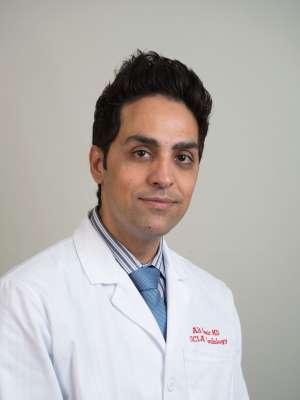
Ali Nsair, MD, is a Clinical Professor at the David Geffen School of Medicine, University of California, Los Angeles (UCLA). He serves as the Director of the Heart Transplantation and Mechanical Circulatory Support Program at UCLA and is a key member of the Interventional and Structural Cardiology program. Nsair received his MD from the University of Alberta Faculty of Medicine in 2002, followed by Internal Medicine residency and Cardiology fellowship at the University of Alberta Hospital, with advanced training in Advanced Heart Failure and Interventional Cardiology at UCLA Medical Center and post-doctoral fellowship in regenerative therapies. His clinical focus spans heart transplantation, mechanical circulatory support, interventional cardiology, and sports cardiology.
Francis Alenghat is an Associate Professor in the Department of Medicine-Cardiology at the University of Chicago . His research bridges macrophage biology , inflammatory pathways , and cardiovascular disease , with a focus on atherosclerosis and integrin-mediated mechanotransduction. Dr. Alenghat combines clinical expertise in cardiovascular medicine with translational research to uncover mechanisms linking inflammation to cardiovascular health. Education: S.B. in Engineering (Harvard College), Ph.D. in Biophysics (Harvard Graduate School), M.D. (Harvard Medical School) Research Interests encompass: Macrophage polarization in atherosclerosis Integrin signaling and cytoskeletal dynamics Extracellular matrix biology in vascular disease AI-driven cardiovascular risk stratification tools Lipid-lowering therapies and plaque characterization Inflammatory biomarkers in heart failure His selected publications highlight work on mechanotransduction in macrophages (2021-2024) AI applications for cardiovascular diagnostics (2021) clinical trial data generalizability (2019) Scientific Awards include the Howard Hughes Predoctoral Fellowship, Thomas W. Smith Fellowship, and Fellow of the American College of Cardiology (FACC). Dr. Alenghat has secured NIH funding for projects like "Determinants of Regulatory Macrophage Function in Coronary Artery Disease" (R03HL154292, 2020-2022). His lab employs techniques such as mouse models of atherosclerosis immunohistochemistry quantitative confocal microscopy to investigate mechanistic links between inflammation and cardiovascular disease , mentoring future physicians-scientists toward improved clinical outcomes.
Tórur Sjúrðarson is an Assistant Professor at the Faculty of Health Sciences, University of the Faroe Islands. His research focuses on inter-individual differences in human physiology, particularly the interaction between genes, medicine, environment, and exercise training. He contributes to projects examining how pharmacological treatments like statins influence cardiovascular and muscular adaptations to exercise and explores the 'Exercise as Medicine' concept for preventing lifestyle diseases. Education: PhD in Integrative Physiology (2023), University of Copenhagen, Denmark Master in Human Physiology (2016-2019), Department of Nutrition, Exercise and Sports (NEXS), University of Copenhagen Bachelor in Exercise and Sports Sciences (2013-2016), NEXS, University of Copenhagen His work aligns with the UN Sustainable Development Goals, particularly Quality Education and . Key projects include the FIT FIRST school-based initiative and a statin withdrawal study on exercise adaptability. Recent research outputs highlight collaborations across institutions, covering topics like mitochondrial function, stable coronary artery disease, and public health impacts of structured exercise programs. Projects often employ randomized controlled trials and mixed-effects models. Scientific Awards: No specific awards mentioned in the text. External Positions: Fitness Coach, U21 National Football Team of the Faroe Islands (2023–present) Strength and Conditioning Coach, FC Tórshavn, B36 (2021–2022) Fitness and Nutrition Consultant, FC Tórshavn, B36 (2021–2022)
Edward Balog serves as an Associate Professor in the School of Biological Sciences within the College of Sciences at Georgia Institute of Technology. His research focuses on ryanodine receptors (RyRs), the largest known intracellular ion channels critical for calcium release in skeletal and cardiac muscle. His primary research areas include: Regulation of RyR channels by endogenous effectors (ions, metabolites, proteins) Mechanisms linking RyR dysfunction to diseases like malignant hyperthermia and ventricular tachycardia Age-related alterations in RyR function Structural determinants of calmodulin-RyR interactions Dr. Balog employs multi-level experimental approaches: Sarcoplasmic reticulum vesicle [ 3 H]ryanodine binding for population channel analysis Artificial lipid bilayer recordings for single-channel kinetics Calcium release assays in permeabilized muscle fibers His laboratory maintains active research projects on: Molecular features for ligand action via RyR adenine nucleotide binding sites RyR function in aging skeletal muscle Structural requirements for calmodulin regulation of RyRs Educational background: Ph.D. in Physiology from Marquette University (1988) M.S. in Exercise Physiology from University of South Carolina (1988) B.A. in Exercise Science from Furman University (1983) The Ryanodine Receptor Laboratory operates under Dr. Balog's direction, with research goals centered on understanding intracellular calcium regulation and identifying pharmacological targets for calcium-related disorders.
Niels Otani is an Associate Professor in the School of Mathematics and Statistics at the College of Science, Rochester Institute of Technology (RIT). He holds a BA from the University of Chicago and a Ph.D. from the University of California, Berkeley. His research focuses on cardiac electrophysiology, computational biology, and biomechanical imaging, with a particular emphasis on understanding and controlling cardiac arrhythmias such as ventricular fibrillation. Dr. Otani has pioneered methods for visualizing action potential propagation using ultrasound and developed novel defibrillation strategies that reduce energy requirements. He also investigates the role of ephaptic coupling in cardiac dynamics and the mechanisms underlying spiral wave formation and termination. His work bridges mathematics, physics, and cardiology, with applications in clinical therapies and biomedical engineering. Dr. Otani's research has been supported by grants such as an NSF award for developing diagnostic tools for cardiac disease. He teaches advanced courses in multivariable calculus, linear algebra, and research thesis supervision. Collaborations span interdisciplinary teams, including veterinary cardiology and biomedical imaging groups. His contributions include over 50 publications on topics ranging from action potential dynamics to computational modeling of cardiac tissue, with a focus on translating theoretical findings into clinical solutions.