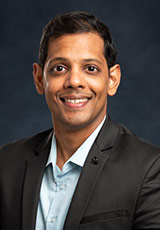
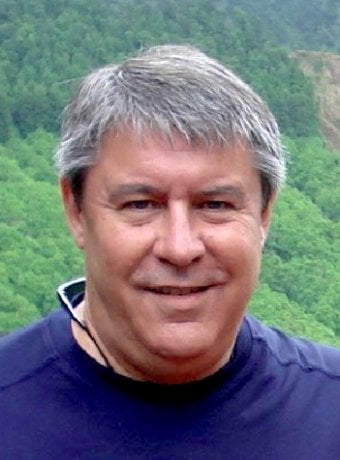
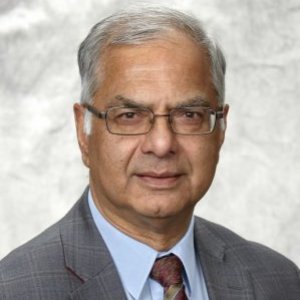
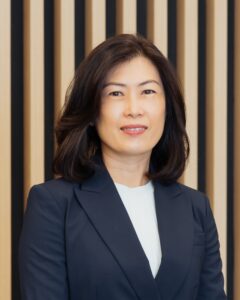
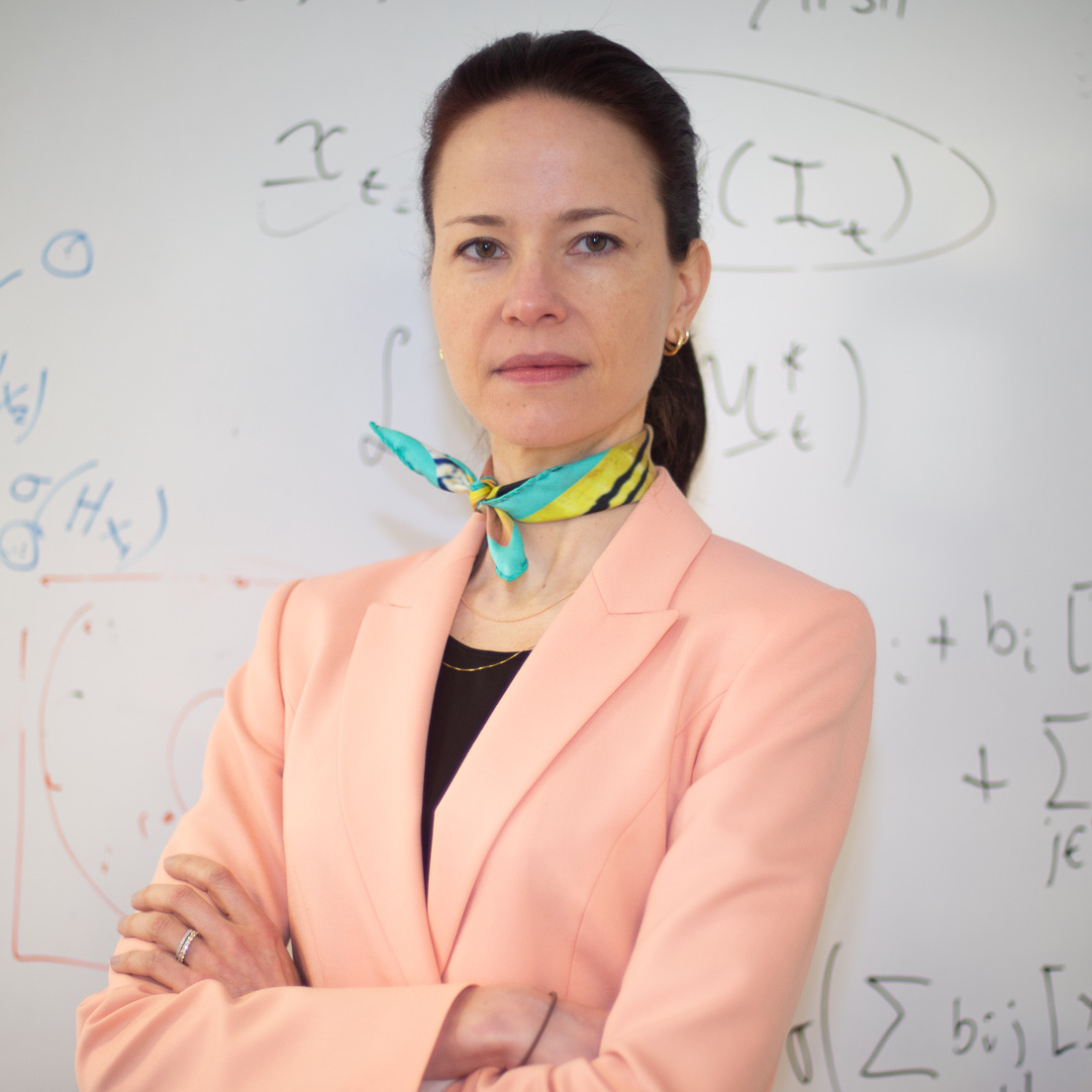
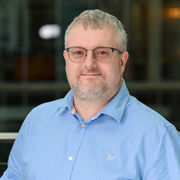
Shivam Saxena is an Assistant Professor in the Department of Electrical and Computer Engineering at the University of New Brunswick, located in Head Hall D65, Fredericton. His research focuses on smart grid technologies, including distributed energy resource integration, blockchain applications for energy trading, electric vehicle-grid interactions, and resilient microgrid design. This work addresses decarbonization challenges through technological and market innovations. Publications demonstrate a strong emphasis on real-world implementation, with field-tested solutions for V2X integration, blockchain-based transactive energy, and distributed control systems. Recent work explores novel applications in agricultural energy management and trust mechanisms for decentralized systems.
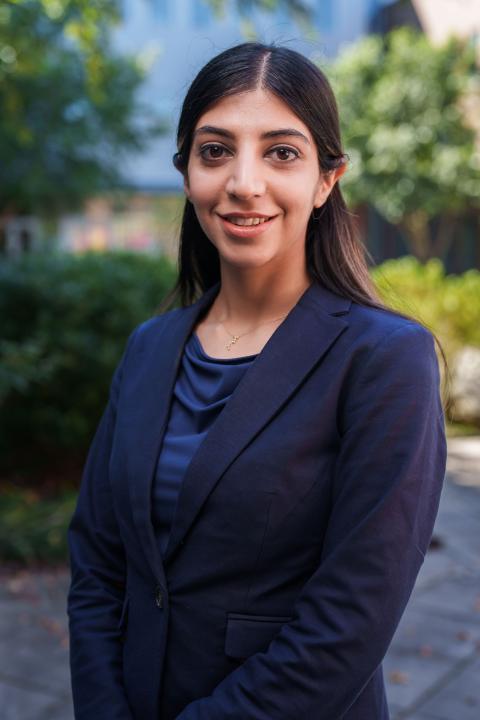
Dr. Arezoo Hasankhani is an Assistant Professor at the University of New Hampshire (UNH) in the College of Engineering and Physical Sciences, affiliated with the Department of Electrical and Computer Engineering and the Ocean Engineering program. She leads the Energy Control and Optimization (ECO) Lab, focusing on marine renewable energy systems, control systems design, and optimization for sustainable ocean resource use. Prior to joining UNH in January 2024, she earned her Ph.D. in Electrical Engineering from Florida Atlantic University and completed a postdoctoral fellowship at Cornell University. Research Interests: Her work integrates control engineering, optimization, and machine learning (e.g., reinforcement learning) to address challenges in ocean energy systems, autonomous underwater vehicles, and marine spatial planning. Key areas include: Design and control co-optimization of marine current turbines Path planning for autonomous systems in uncertain ocean environments Multi-disciplinary approaches to enhance the 'blue economy' through sustainable ocean energy Integration of renewable energy systems into microgrids and power networks Teaching: She teaches graduate-level courses in control systems (ECE/ME 772/872) and ocean instrumentation (OE 610), alongside doctoral research supervision. Collaborations: Her interdisciplinary research bridges control systems, mechanical design, and ocean engineering, supported by close ties with UNH's Ocean Engineering program. Recent projects include wave-powered offshore aquaculture farm planning and reinforcement learning-driven path optimization for marine turbines. Labs/Teams: Leads the ECO Lab, fostering innovation in energy control systems and ocean technology. Collaborates with industry and academic partners on marine energy solutions.
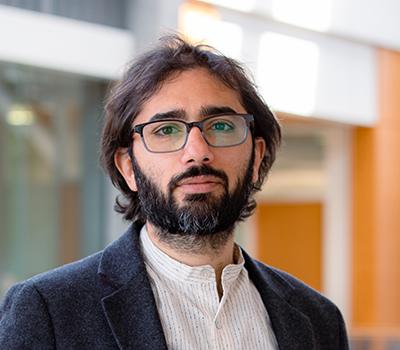
Houssam Abbas is an Assistant Professor in the School of Electrical Engineering and Computer Science at Oregon State University. He holds a Ph.D. in Electrical Engineering from Arizona State University and has professional experience in SoC verification at Intel and postdoctoral research at the University of Pennsylvania. His work focuses on computational ethics for AI agents, design/verification of cyber-physical systems, and autonomous systems like self-driving cars and drones. Education: Ph.D., Electrical Engineering, Arizona State University (2015) M.Sc., Electrical Engineering, Arizona State University (2006) B.Eng., Computer and Communications Engineering, American University of Beirut (2004) Abbas' research integrates deontic logic for ethical obligations in AI, distributed verification techniques for autonomous systems, and fair control algorithms for aerial missions. He co-leads the F1/10 autonomous racing initiative and teaches hands-on courses on self-driving cars. Awards: 2022 NSF CAREER Award 2022 Grainger Foundation Frontiers of Engineering Symposium Participant Grants & Projects: NSF CCRI Grant for F1/10 Racecar platforms (with Penn and Clemson) FAA ASSURE project on UAV cybersecurity Lab/Teams: His work involves the Autonomous Systems Lab , focusing on ethical AI, robotics, and formal verification tools like the F1/10 platform.
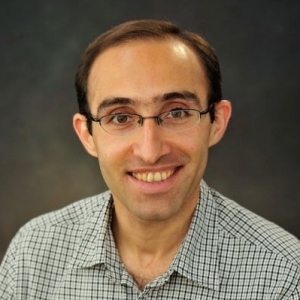
Muhammad R. Hajj is the George Meade Bond Professor, Chair of the Department of Civil, Environmental and Ocean Engineering, and Director of the Davidson Laboratory at Stevens Institute of Technology. With a distinguished career spanning over three decades, his expertise lies in nonlinear dynamics , fluid-structure interactions , and energy harvesting , applying these to ship hydrodynamics , biomimetic flight/underwater vehicles , and coastal resilience . He has mentored 32 PhD students and authored over 170 journal publications. Education PhD (1990), MS (1985), Civil Engineering , University of Texas at Austin BE (1983), Civil Engineering (with Distinction) , American University of Beirut Research Interests Dr. Hajj’s work bridges nonlinear dynamics and fluid mechanics to address challenges in structural/aeroelastic stability , bio-inspired design , and renewable energy systems . His fluid-structure interaction studies focus on ship hydrodynamics , transonic flutter , and storm surge prediction , while his energy harvesting research explores piezoelectric systems , self-powered sensors , and biomimetic energy conversion . Recent Trends in Publications His 2022-2021 publications emphasize coastal extreme weather resilience via AI-driven storm surge modeling , bio-inspired robotic fish for underwater energy harvesting , and nonlinear aeroelastic systems to enhance renewable energy extraction . Themes include high-efficiency piezoelectric designs , vortex-induced vibration control , and ultrasonic contactless power transfer , reflecting his commitment to integrating nonlinear dynamics with practical engineering applications . Scientific Honors Fellow, Engineering Mechanics Institute, ASCE Distinguished Civil Engineering Alumni (AUB, 2019) Dean’s Award for Excellence in Research (VT, 2016) Distinguished Leader in Research (VT, 2016) Excellence in Research Award (VT, 2015) Advising and Grants Dr. Hajj has supervised 32 PhD students , many of whom hold prestigious roles in academia and industry. He has secured major grants, including $1.8M from the Department of Energy for floating wave energy converters , $4.94M from the Port Authority for storm surge forecasting , and $200K from the NSF for bio-inspired telemetry energy harvesting .
Brendan Englot is the Anson Wood Burchard Endowed Professor and Director of the Stevens Institute for Artificial Intelligence (SIAI) at Stevens Institute of Technology. He holds a Ph.D., S.M., and S.B. in Mechanical Engineering from MIT. His research focuses on perception, navigation, and decision-making algorithms for mobile robots in complex environments, particularly underwater and autonomous systems. He has held roles such as Professor (2024–present), Associate Professor (2020–2024), and Assistant Professor (2014–2020) at Stevens, and previously worked at the United Technologies Research Center and Yale University. Education: Ph.D., Mechanical Engineering, MIT, 2012 S.M., Mechanical Engineering, MIT, 2009 S.B., Mechanical Engineering, MIT, 2007 Research Interests: Englot’s work emphasizes robust autonomy for unmanned vehicles in degraded conditions, leveraging AI to enhance situational awareness and decision-making under uncertainty. Key areas include navigation algorithms for underwater, aerial, and ground vehicles, sensor fusion, and multi-agent systems. Awards: AMiner’s Top 100 Robotics Scholars (2023, 2024) Provost’s Award for Research Excellence (2021) NSF CAREER Award (2017) ONR Young Investigator Award (2020) Grants & Advising: Englot has secured over $5M in grants as PI, including projects on underwater exploration, reinforcement learning for navigation, and robotic inspection systems. He mentors students in robotics, autonomy, and AI applications. Labs & Teams: Leads the SIAI and collaborates on projects involving autonomous vehicles, SLAM systems, and marine robotics through Stevens’ interdisciplinary initiatives.
Dr. Mohammad Biglarbegian is an Associate Professor in the Department of Mechanical and Aerospace Engineering at Carleton University. Previously, he served as faculty at the School of Engineering, University of Guelph (2011–2023). He is a Professional Engineer (P.Eng.) in Ontario and a Senior Member of IEEE. Education: B.Sc. in Mechanical Engineering, University of Tehran M.A.Sc. in Mechanical Engineering, University of Toronto Ph.D. in Mechanical Engineering, University of Waterloo Research Focus: His work centers on modeling, design, and control of mechatronics systems, including autonomous robotics, vehicles, and machine learning applications. Key areas include data-driven algorithms for autonomous systems, with applications in automation, automotive, and smart agriculture. Grants & Collaboration: Supported by national/international agencies and industry partners, fostering cross-sector collaborations. Currently supervises graduate and undergraduate students in his research lab. Awards: University of Guelph Research Excellence Award (2018)
Peter Avitabile is a Research Professor in the Mechanical and Aerospace Engineering Department at Michigan Technological University and a Professor Emeritus at the University of Massachusetts Lowell. With nearly five decades of experience, his expertise spans structural dynamics, vibrations, and modal analysis. He has contributed over 350 technical papers and authored Modal Testing: A Practitioner’s Guide . Dr. Avitabile holds a DEng from UMass Lowell and has led the Structural Dynamics and Acoustic Systems Laboratory. He is a Fellow of the Society for Experimental Mechanics (SEM) and served as its President in 2016. Education: DEng, Mechanical Engineering, University of Massachusetts Lowell (1998) MS, Mechanical Engineering, University of Rhode Island (1982) BS, Mechanical Engineering, Manhattan College (1974) Research Interests: Structural dynamic modeling techniques, experimental modal analysis, system modeling, reduced order modeling, and model correlation. Awards: SEM DeMichele Award (2004) Fellow, Society for Experimental Mechanics (2022) UMASS Lowell Pillars of Excellence Award (2016) Grants & Funding: Over $9.3 million in research funding since 2000, alongside substantial hardware/software donations. His work has been supported by industries and government agencies including NASA, the Department of Energy, and the Navy. Teaching & Mentorship: Taught over 30 semesters of graduate courses in structural dynamics and modal analysis at UMass Lowell. Advised 18 PhD and 19 MS students. Conducted international seminars on structural dynamics for companies like NASA, General Motors, and Siemens. Labs & Affiliations: Co-Director, Structural Dynamics and Acoustic Systems Lab (UMass Lowell) Director, Modal Analysis and Controls Lab (UMass Lowell)
Girija Chetty is a Full Professor in Computing and Information Technology at the University of Canberra's School of Information Technology and Systems. She holds a PhD in Information Sciences and Engineering and has over 35 years of experience in academia and research leadership roles, including Head of Software Engineering and Program Director of ITS courses. Her research focuses on multimodal systems, medical image computing, AI, and data science. She leads a dynamic research group comprising PhD students, postdocs, and international collaborators. Education: PhD in Information Sciences (Australia, 2007), MSc and BSc in Electrical Engineering/Computer Science (India). She has held visiting roles at Deakin University and CSIRO. Research interests span computer vision, pattern recognition, and medical diagnostics, with 200+ publications in top journals/conferences. Her work addresses global challenges via AI-driven solutions in healthcare (e.g., pain assessment systems, malaria diagnostics) and sustainability (SDG impact frameworks). Projects include AI for remote ultrasound imaging and smart farming systems. She actively collaborates with industry and global research institutions. Grants/Projects: 12 funded initiatives including AI for extreme environment healthcare, malaria pathogen detection, and big data-driven population health. Awards: Senior IEEE/Australian Computer Society membership, editorial roles in IEEE/Elsevier journals. Labs/Teams: Leads a multidisciplinary research group focused on medical AI and multimodal systems.
Ferdous Sohel is a Professor of Information Technology at Murdoch University and inaugural lead of the Agricultural Technologies program. His research spans AI, computer vision, and digital agriculture, with applications in medical imaging and environmental monitoring. He received the Mollie Holman Doctoral Medal and Vice Chancellor's Early Career Research Award. Research Impact: Developed innovative AI models for aquaculture oxygen prediction, 3D object tracking, quantum neural networks, and prohibited item detection. His work advances precision agriculture through hyperspectral classification frameworks and irrigation decision systems. Professional Service: Associate Editor for IEEE Transactions on Multimedia and senior IEEE member. Current projects include adversarial robustness for LiDAR systems and lightweight dormitory security networks.
Dr. Vijay K. Sood is a Professor in the Department of Electrical, Computer and Software Engineering at Ontario Tech University. He holds a PhD in Power Electronics from Bradford University (UK), and has extensive experience in power systems, power electronics, and renewable energy integration. His research focuses on High Voltage Direct Current (HVDC) systems, Flexible AC Transmission Systems (FACTS), power electronics converters, and grid protection. He has received numerous awards, including Life Fellow of IEEE, Emeritus Fellow of the Canadian Academy of Engineers, and the 2000 IEEE Third Millennium Medal. Dr. Sood has authored/co-authored over 100 publications, including peer-reviewed articles in top journals like IEEE Transactions on Power Electronics and International Journal of Electrical Power & Energy Systems. His work addresses challenges in grid stability, renewable energy integration, and advanced control strategies for power systems. Education: PhD (Power Electronics), Bradford University, UK (1977) MASc (Electrical Machines), Strathclyde University, Scotland (1969) BSc (Electrical Engineering), Nairobi University, Kenya (1967) Awards: IEEE Third Millennium Medal (2000) Canadian Pacific Railway Engineering Award (2002) IEEE Regional Activities Board Achievement Awards (2001, 2006) His research emphasizes practical solutions for modern power systems, including HVDC controller design, synthetic inertia control for renewable grids, and advanced fault detection techniques. He has collaborated internationally on projects like the Energy System Observatory of Honduras and grid architecture models for multi-terminal DC systems.
Associate Professor Rachel EE Pui Lai is affiliated with the Department of Pharmacy and Pharmaceutical Sciences at the National University of Singapore (NUS), part of the Faculty of Science. Her research focuses on cancer therapeutics, antimicrobial peptides, drug delivery systems, and regenerative medicine. She holds a BSc (Pharm) from NUS and a PhD from the University of Illinois at Chicago. Research Interests: Development of antimicrobial peptides and peptoids targeting drug-resistant bacteria and mycobacteria. Design of hydrogels for stem cell delivery, wound care, and bioprinting applications. Wnt signaling pathway modulation in cancer and neuroprotection. Her work emphasizes translational research, including collaborations with institutions like the University of Tromsø and the Max Planck Institute. Recent studies highlight innovations in peptide-based therapies and biomaterials for combating antibiotic resistance. Grants & Advising: Advises PhD and Master's students on projects involving antimicrobial nanonets, hydrogel engineering, and peptide design. Students have won awards such as the 'Best Poster' at the Amgen Scholars Asia Symposium and the Marie Skłodowska-Curie Fellowship. Lab Activities: The Ee Research Group focuses on pharmaceutical science innovations, including the development of anti-infective biomaterials and drug delivery systems. Hosts international conferences and collaborates globally through programs like the IPSF exchange.
Dr. David Green is a Senior Research Fellow at the School of Public Health, Faculty of Medicine at Imperial College London, leading the Aerosol Science Team within the Environmental Research Group. His research focuses on aerosol and gas measurement, source apportionment, and health impact studies. Key leadership roles include directing the Centre for Low Emission Construction and contributing to diversity initiatives. His work integrates advanced analytical techniques, such as real-time supersite monitoring in London, to inform public health policies and environmental forecasting systems. Research interests emphasize aerosol composition measurement, development of new techniques, and quantifying emission sources in urban environments. Collaborative projects span agencies like the Environment Agency, EPSRC, and EU initiatives. He supervises PhD students exploring topics such as non-road mobile machinery emissions, satellite-based traffic analysis, and subway air quality. His team’s work bridges environmental science and public health, addressing issues like ultrafine particle exposure, particulate matter on public transport, and policy-driven emission reductions. Key Collaborations: Includes STFC Air Quality Network, High Speed 2, and EU Metrology for Nitrogen Dioxide projects. Advising: Oversees five PhD students and post-doctoral fellows, focusing on environmental engineering and public health applications. Labs/Teams: Leads the Aerosol Science Team and contributes to the MRC Centre for Environment and Health.
Professor Amanda Prorok leads the Prorok Lab at the University of Cambridge's Department of Computer Science and Technology, focusing on multi-agent and multi-robot systems. Her work integrates machine learning, planning, and control to coordinate intelligent agents in shared environments, with applications in transport, environmental monitoring, and search-and-rescue. She is a Fellow of Pembroke College and holds editorial roles at IEEE Robotics and Automation Letters and Autonomous Robots. Education: Ph.D., EPFL (Switzerland); Postdoctoral Research, University of Pennsylvania (USA). Research Interests: The lab pioneers methods like differentiable communication between learning agents and develops decentralized algorithms for navigation, coverage, and coordination. Key themes include neural diversity in collective learning, resilient swarm systems, and environment-aware control. Notable Achievements: ERC Starting Grant, Amazon Research Award, EPSRC New Investigator Award ABB Prize for Best Thesis in Computer Science (EPFL) Teaching: Leads Computing for Collective Intelligence (MPhil/Part III) modules. Lab & Infrastructure: The Prorok Lab operates the Cambridge RoboMaster platform and develops testbeds for connected vehicles and robot swarms. Recent work emphasizes scalable reinforcement learning and graph neural networks for decentralized decision-making.
Felix Leach is an Associate Professor of Engineering Science and Shell-Pocock Fellow at Keble College, University of Oxford. He holds a DPhil from Oxford (Oxon), is a Chartered Engineer (MIMechE), and a Fellow of the Higher Education Academy. His research focuses on thermal propulsion systems and air quality, with projects like Ammospray (green-ammonia propulsion) and OxAria (air pollution monitoring in Oxford). He collaborates with Jaguar Land Rover, Siemens, and local governments on emissions reduction and policy. Education: DPhil (Oxford), MEng. Awards include the 2021 ASME ICED Most Valuable Technical Paper Award and multiple SAE recognitions. He co-authored the prize-winning book *Racing Toward Zero: The Untold Story of Driving Green*. Research interests span engine efficiency, alternative fuels (hydrogen, ammonia), and public health impacts of emissions. He leads interdisciplinary projects combining experimental and computational methods, such as machine learning for flow field analysis and sensor networks for urban pollution monitoring. Grants include EPSRC, NIHR, and NERC funding. He advises on policy for Oxford City Council and serves as associate editor for the ASME Journal of Engineering for Gas Turbines and Power. His work bridges academic research, industry collaboration, and public engagement to address climate and air quality challenges.
Professor Martin Foster is a faculty member at the University of Sheffield's School of Electrical and Electronic Engineering, specializing in energy storage and power electronics. He holds a PhD from the University of Sheffield (2003) and has been a Professor since 2016. His research focuses on power electronic energy conversion, battery management systems, thermal modeling, and grid-connected energy storage. Notable projects include the FEVER initiative for off-grid EV charging and the Willenhall Energy Storage Systems facility. He has collaborated with industry partners like Nissan and Siemens, contributing to innovations in EV power electronics and wind energy technologies. He leads the Power Devices & Systems research group and teaches courses in power electronics and analog/digital electronics. His work spans EPSRC-funded projects such as FPET (piezoelectric resonant power supplies) and TransEnergy (railway energy storage). He is a founder of the Centre for Research in Electrical Energy Storage and Applications. His research interests include multilevel converters, piezoelectric transformers, and high-voltage power supplies for plasma chemistry applications. Recent publications highlight advancements in resonant converter design, battery energy storage systems, and condition monitoring for power devices. Awards and recognitions are not explicitly listed, but his extensive industry collaborations and leadership roles reflect his expertise. He advises on energy storage integration, grid technologies, and sustainable transportation systems. His contributions to both academic and applied research bridge theoretical advancements and practical industrial solutions in electrical engineering.