
Professor Nicola Randall is a Professor of Evidence Synthesis and Agroecology at Harper Adams University, where she leads the Centre for Evidence-Based Agriculture (CEBA) and the Agroecology for Sustainable Agri-food (AFS) research group. She holds a BSc (Hons), PhD, and a CertTHE in higher education. Her research focuses on agricultural ecology, sustainable food systems, and evidence-based decision-making in environmental and agricultural policies. She chairs the EU-NESA Network (CA23107 2024-2028) and serves on advisory boards for organizations such as the Food Standards Agency and Ceres2030. Her work emphasizes systematic reviews, evidence synthesis methodologies, and bridging gaps between research and policy. She has secured over £1 million in research funding, collaborating with bodies like BBSRC, DEFRA, and EU H2020. Education: BSc (Hons), PhD, CertTHE Teaching Roles: Course leader for Agroecology MSc, module leader for Fundamentals of Agroecology and International Agroecology Professional Memberships: British Ecological Society (Agroecology Committee), Society for Conservation Biology Her research spans topics like regenerative agriculture, pollinator ecology, and humane slaughter practices. She advises on international projects, including FAO initiatives and smallholder farming interventions in Africa. Her work bridges academic research with practical applications for sustainable agriculture and environmental governance.
جستوجوی استاد و پژوهشگر
استاد راهنما، استاد دانشگاه یا پژوهشگر مناسب برای مسیر پژوهشیتان را پیدا کنید و با او ارتباط بگیرید.
نمایش ۶۱-۷۵ از ۱٬۱۷۶ استاد راهنما
اطلاعات این پروفایلها از صفحات عمومی دانشگاهها جمعآوری شده و ممکن است بهروز نباشد.
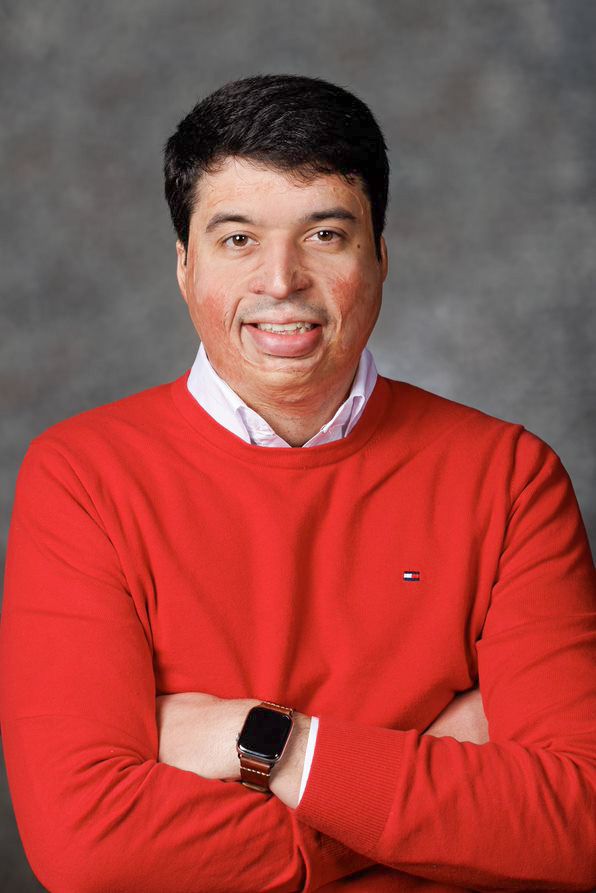
Luan Oliveiraمشاهده پروفایل
استادیار
Dr. Luan Oliveira is an Assistant Professor and Precision Agriculture Extension Specialist at the University of Georgia's College of Agricultural & Environmental Sciences (CAES), Department of Horticulture. His roles are distributed as 75% Extension, 20% Research, and 5% Service. He holds a Ph.D. in Agronomy (Crop Production) from São Paulo State University and a B.Sc. in Agronomic Engineering from Federal University of Paraíba, Brazil. His research focuses on precision agriculture tools, agricultural machinery optimization for vegetables and specialty crops, and mechanized operations like planting, spraying, and harvesting. He leads the Precision Horticulture Team, aiming to improve crop quality through innovative technologies. Dr. Oliveira has received the 2021 Gerald O. Mott Award for Meritorious Graduate Student in Science. He has authored/co-authored 9 refereed articles, 7 Extension Publications, 40 conference papers, and 13 book chapters, securing ~$220,000 in grants as PI/Co-PI. His work emphasizes practical applications in precision agriculture, including drone spraying, robotic systems, and mechanized sugarcane planting. Key grants and awards highlight his contributions to agricultural technology and crop management. His research spans diverse crops like peanuts, corn, cotton, and sugarcane, addressing challenges in seeding depth, soil compaction, and equipment wear. He collaborates with the Institute for Integrative Precision Agriculture and UGA's Precision Agriculture initiatives.
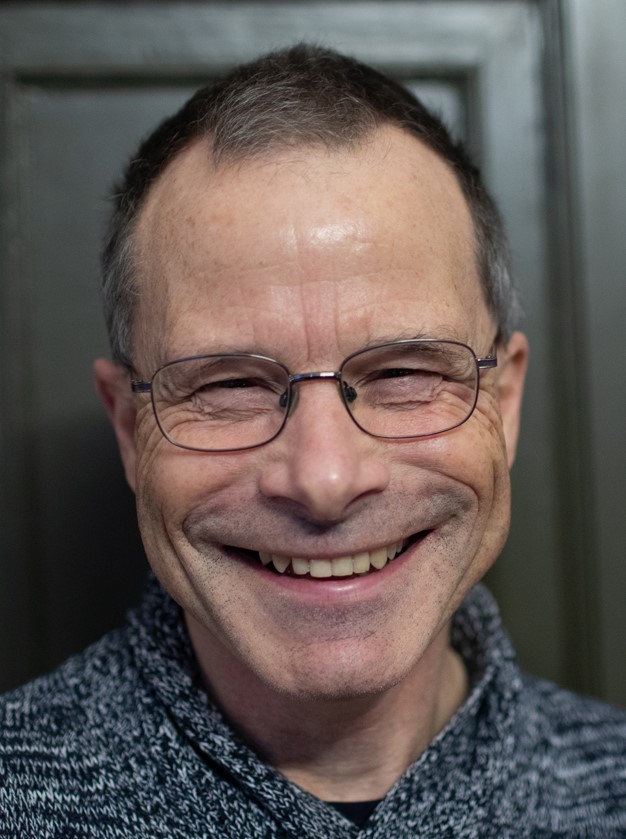
Ben Scheres is a Professor of Plant Developmental Biology at Wageningen University (since 2012), where he leads research integrating genetics, computational modeling, and systems biology to study plant development. He also serves as Research Manager at Rijk Zwaan Breeding (2018–present), applying academic knowledge to improve vegetable crop varieties. Additionally, he holds a Professorial Research Fellow position at Cardiff University's Department of Biomedical & Life Sciences (2019–present) and has been an External Faculty Member at the John Innes Institute (2010–2016). Education: PhD in Molecular Biology (1990), Wageningen University Master in Plant Pathology (1985), Wageningen University Bachelor in Plant Pathology (1983), Wageningen University Research Interests Ben Scheres pioneered the use of Arabidopsis roots as a model system to dissect plant developmental mechanisms using multidisciplinary approaches. His work focuses on gene regulatory networks in spatiotemporal contexts, computational modeling of pattern formation, and bridging theoretical biology with experimental research. Collaborations with theorists in Wageningen, Norwich, Cardiff, and Cambridge have positioned his group at the forefront of plant developmental biology and systems biology. Scientific Awards & Honors Recipient of the prestigious SPINOZA award (2006) from the Dutch Science Organization Advanced Investigator Grant (2008) from the EU EMBO membership (2007) KNAW membership (2004) ISI Thomson Reuter Highly Cited Author (2015) Teaching Contributions He has been a lecturer and professor at Utrecht University (1991–2012) and Wageningen University (2012–2017), teaching Genetics, Developmental Biology, and Systems Biology. He also instructed international EMBO courses in Portugal, the UK, and USA.

Introduction Dr. Shelley Xuelian Meng is an Associate Professor in the Department of Geography and Anthropology at Louisiana State University (LSU), part of the College of Humanities & Social Sciences. Her research focuses on leveraging remote sensing technologies (e.g., UAVs, LiDAR, multispectral imaging) to study coastal dynamics, wetland restoration, vegetation health, and precision agriculture. Education Ph.D. in Geography and GIScience, Texas State University (2010) M.S. in GIS and Cartography, Chinese Academy of Sciences (2003) B.E. in Information Engineering, Wuhan University (2000) Research Interests Meng’s work emphasizes the application of advanced geospatial technologies to address environmental challenges. Key areas include: Coastal wetland die-off and restoration using multi-scale remote sensing LIDAR and UAV-based terrain and vegetation mapping Object-oriented classification algorithms for environmental monitoring GIS integration for precision agriculture and disaster management Awards & Recognition 2023 Tipton Team Award (for Roseau cane die-off research) 2014 Best Paper Award in Remote Sensing CPGIS Young Scholar (2012) Grants & Projects Notable funded projects include: USDA-funded Roseau cane die-off studies ($1.6M+ across multiple years) Development of LiDAR and thermal sensing tools for coastal research Acquisition of terrestrial LiDAR equipment for multidisciplinary studies Labs & Affiliations Meng directs the Technology Intensive Geospatial and Remote Sensing (TIGeRS) Lab , which houses advanced equipment including drones, LiDAR scanners, and multispectral sensors. The lab collaborates with the LSU Coastal Studies Institute and other institutions.
Alexander Damm is a Professor and head of the Remote Sensing of Water Systems (RSWS) group, holding a joint appointment between the Department of Geography at the University of Zurich (UZH) and the Swiss Federal Institute of Aquatic Science and Technology (Eawag). His research integrates advanced Earth observation technologies with environmental science to study water systems under changing climatic and anthropogenic pressures. University: University of Zurich Institutional Affiliation: Swiss Federal Institute of Aquatic Science and Technology (Eawag) Department: Department of Geography Alexander Damm obtained his MSc and PhD in remote sensing from Humboldt-University Berlin. Since 2008, he has been contributing to UZH’s leadership in imaging spectroscopy and Earth observation science. MSc, Remote Sensing, Humboldt-University Berlin PhD, Remote Sensing, Humboldt-University Berlin His research focuses on the fundamentals of remote sensing as applied to terrestrial and aquatic ecosystems, particularly in studying water dynamics and environmental change impacts. He specializes in sun-induced chlorophyll fluorescence (SIF), imaging spectroscopy, and the development of methods to monitor ecosystem productivity, drought responses, and biogeochemical cycles. His work bridges physics, ecology, and environmental engineering to improve understanding of plant-water relations and ecosystem resilience. The recent publications highlight a strong trend in using airborne and satellite-based spectroscopy to assess vegetation health, water stress, forest dynamics, and atmospheric constituents. Key themes include SIF retrieval, drought monitoring, canopy structure modeling, and air quality estimation. These works span applications from croplands and forests to tundra and inland waters, reflecting a broad interdisciplinary approach grounded in quantitative remote sensing. Alexander Damm is involved in several high-profile research initiatives, including: ESA’s FLuorescence EXplorer (FLEX) mission SNSF projects: FLUO4ECO, Spatial-sustainable-finance, DeltAs MeteoSwiss: UrbanNature EU Horizon: NextGenCarbon He leads the RSWS group, which develops and applies cutting-edge remote sensing methodologies for water system monitoring. The team collaborates across disciplines and institutions, focusing on integrating field measurements, airborne campaigns, and satellite data for environmental assessment. Damm’s leadership in projects like FLEX and HyPlant underscores his role in advancing spectroscopic remote sensing for global ecosystem monitoring.
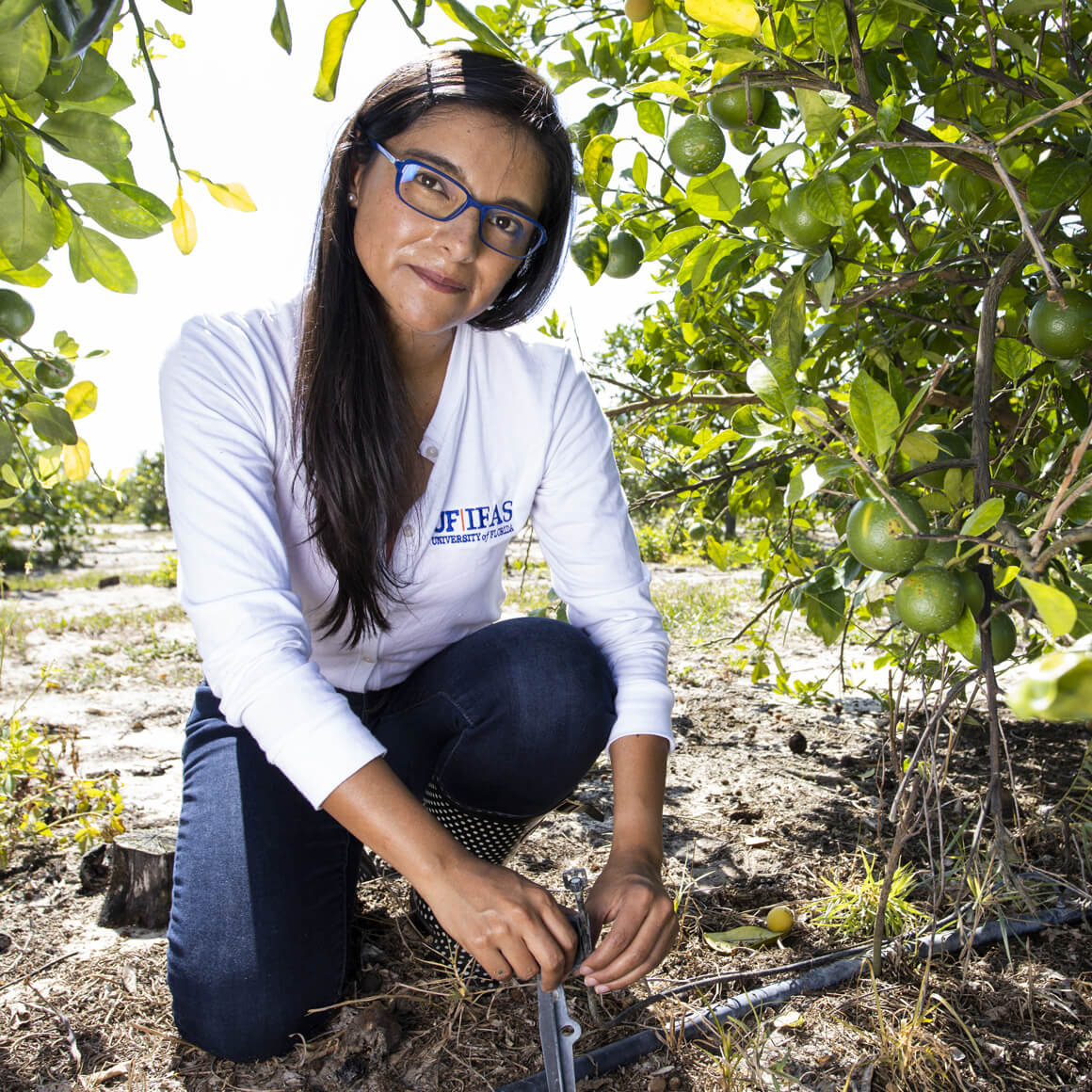
Sandra Guzmanمشاهده پروفایل
استادیار
Dr. Sandra Guzmán is an Assistant Professor in the Department of Agricultural and Biological Engineering at the University of Florida/IFAS Indian River Research and Education Center (IRREC) . Her work focuses on technology-driven solutions for agricultural water management , particularly in citrus-vegetable production systems across Southeast Florida. She leads the Smart Irrigation and Hydrology Program , emphasizing collaboration with local producers to address water challenges through a bottom-up approach. Research Interests: Guzmán’s program integrates Development of decision support systems for water management Implementation of smart irrigation sensors and devices Application of artificial intelligence for hydrological forecasting Monitoring soil-water-plant interactions Her work spans scales from farm-level irrigation to watershed-level water resource protection , with a specific focus on the Upper Floridan aquifer . Scientific Publications highlight trends in: ET-based irrigation scheduling for Florida crops AI integration in environmental data analysis Improper system design risks (e.g., water pollution, public health threats) Water storage agreements with Florida districts Her articles reflect interdisciplinary collaboration with UF/IFAS researchers and stakeholders.
Armando Marinoمشاهده پروفایل
مدرس ارشد
Dr. Armando Marino is a Senior Lecturer in Earth Observation at the University of Stirling’s Department of Biological and Environmental Sciences since 2018. He holds an MSc in Telecommunication Engineering (2006, Universita’ di Napoli) and a PhD in Polarimetric SAR Interferometry (2011, University of Edinburgh). His research focuses on synthetic aperture radar (SAR) for environmental monitoring, including maritime pollution, forest degradation, agricultural productivity, and coastal erosion. Education: MSc Telecommunication Engineering, Universita’ di Napoli ‘Federico II’ (2006) PhD in Remote Sensing, University of Edinburgh (2011) Marino develops machine learning algorithms for SAR data analysis and conducts fieldwork with custom-built radar systems. He collaborates with institutions like ESA, JAXA, and NASA, leading projects such as PlasticSurf (microplastic detection) and MoLaDy (ALOS-4 land monitoring). His work integrates optical and SAR satellite data for flood mapping and vegetation analysis. He has received accolades including the RSPSoc Best PhD Thesis (2011) and University of Stirling’s Outstanding Collaborator award (2022). Current projects involve £180,000+ in funding for radar-based environmental solutions. Scientific Awards: Best PhD Thesis 2011 (RSPSoc) Outstanding PhD Thesis (Springer Verlag) Outstanding Collaborator 2022 (University of Stirling) Marino’s methodologies combine SAR polarimetry, computer vision, and environmental field measurements. He actively mentors interdisciplinary teams and contributes to global initiatives on climate hazard mitigation.
Leena Lindenمشاهده پروفایل
عضو هیئت علمی
- Horticulture
- Urban Forestry
- Green Space Management
- +۵ مورد دیگر
Leena Linden serves as University Lecturer at the Department of Agricultural Sciences, University of Helsinki, holding a Docentship and affiliations with the Institute for Urban Studies (Urbaria) and Institute of Sustainability Science (HELSUS). She supervises doctoral students in both the Plant Sciences and Sustainable Use of Renewable Natural Resources programmes. Her research spans multiple interconnected domains: Horticulture and plant genetics, particularly lilacs and apple varieties Urban forestry and green space management Sustainable agricultural practices and crop production Ecosystem services provided by urban vegetation Applications of sphagnum moss in sustainable agriculture With 75 publications spanning from 1999 to present, her recent work demonstrates a strong interdisciplinary focus on urban-plant science intersections. Her 2023-2024 publications reveal sophisticated integration of genetic analysis with practical urban applications, examining how urban forests provide ecosystem services and how genetic profiling informs horticultural practices. She publishes across plant genetics, urban sustainability, and agricultural science journals. Dr. Linden actively contributes to scholarly discourse through peer review for journals including Urban Forestry & Urban Greening, Scientific Reports, and Urban Climate. Her research projects demonstrate sustained engagement with practical applications: Garden plant history (ongoing since 2008) Variety identification (ongoing since 2006) i-Tree urban ecosystem services valuation (2018-2020) Urban trees, biodiversity and ecosystem services (2017-2022) Sphagnum moss cultivation possibilities (2015-2020)
- Agroecology
- Soil Science
- Bioenergy Systems
- +۳ مورد دیگر
Randy Jackson is a Lecturer in the Department of Mechanical Engineering at the University of Wisconsin-Madison. His primary affiliation is with the Mechanical Engineering program, and he holds a PhD in Engineering from UW-Milwaukee, an MS in Mechanical Engineering from San Diego State University, and a BS in Mechanical Engineering from UW-Madison. His research focuses on agroecology, soil health, and sustainable agricultural systems, particularly in the context of perennial grasslands and bioenergy crops. Key research interests include soil carbon dynamics, grazing management practices, and the integration of perennial vegetation into agricultural systems to enhance environmental sustainability. He has contributed to advancements in agroecosystem modeling, particularly with the Agro-IBIS model, and has explored strategies for mitigating climate change through regenerative agricultural practices. His recent work emphasizes the importance of interdisciplinary approaches to address challenges in soil health, water quality, and carbon sequestration. Collaborative projects include evaluating the impacts of pasture and crop management on ecosystem services, as well as developing decision-support tools for conservation grazing practices in the Midwest. Dr. Jackson’s publications highlight trends in perennial agriculture, soil organic carbon persistence, and the environmental benefits of integrating livestock systems with perennial crops. His findings underscore the potential of agroecological innovations to achieve triple-bottom-line outcomes in agricultural sustainability.

- Spatial Statistics
- Image Analysis
- Remote Sensing
- +۷ مورد دیگر
Prof. Alfred Stein is a Full Professor in Spatial Statistics and Image Analysis at the Department of Earth Observation Science, Faculty ITC, University of Twente. He earned his MSc in Mathematics and Information Science from Eindhoven University of Technology and a PhD in Spatial Statistics from Wageningen University. His career spans roles at Wageningen University (1988–2002), ITC (2002–present), including leadership positions as department head, vice-rector research, and portfolio holder for education. Education: MSc (Eindhoven University of Technology), PhD (Wageningen University) Leadership: Department Head (Earth Observation Science), Vice-Rector Research (2008–2012), Portfolio Holder Education (2012–) His research focuses on Spatial and Spatio-Temporal Statistics , emphasizing Bayesian inference , data quality , image analysis , and fuzzy techniques . Key application domains include agriculture, health, urban land use, coastal systems, hazards, and wildlife. He has mentored over 30 PhD students since 1998, with 11 currently under supervision. Recent research trends highlight AI-driven remote sensing for glacier mapping, urban livability, and disease modeling. Publications span Deep Learning for SAR tomography, Bayesian hierarchical models for health data, and multitemporal SAR analysis for environmental monitoring. Awards include the Best Paper Award (2019) and ISARA Founder's Award (2020) . Scientific Awards Best Paper Award (2019) ISARA Founder's Award (2020) As Editor-in-Chief of Spatial Statistics and associate editor for multiple journals, he leads academic discourse. Collaborations include the University of Cape Town and University of Pretoria as Honorary Professor. His work contributes to UN Sustainable Development Goals, particularly in climate action and sustainable cities.
.jpg)
Zane J. Grabauمشاهده پروفایل
استادیار
- Nematology
- Plant Pathology
- Soil Ecology
- +۳ مورد دیگر
Dr. Zane Grabau serves as an Assistant Professor in the Department of Entomology and Nematology at the University of Florida, based in Steinmetz Hall, Gainesville, FL. His dual research-extension program focuses on developing practical nematode management solutions for Florida's agronomic and horticultural industries, with direct engagement with agricultural professionals across the state. Dr. Grabau's research centers on integrated management of plant-parasitic nematodes through chemical controls (fumigant/non-fumigant nematicides), resistant cultivars, and ecological strategies including cover cropping and crop rotation. He investigates soil ecology by analyzing nematode communities as biological indicators of soil health, particularly in subtropical perennial systems on sandy soils. His work emphasizes adapting solutions to Florida-specific cropping systems to enhance crop productivity while maintaining environmental sustainability. Analysis of his 15 most recent publications reveals a dominant focus on managing key nematode pests (Meloidogyne spp., Rotylenchulus reniformis, Belonolaimus longicaudatus) across major Florida crops including peanut, cotton, potato, and sweetpotato. His research consistently evaluates nematicide efficacy, cultivar resistance, and cultural practices while pioneering the use of nematode communities as soil health metrics in cover-cropped and perennial systems. Scientific Awards: None documented in available sources. Dr. Grabau actively disseminates research findings through extension publications targeting agricultural professionals, though specific advising roles and grant details remain unreported. His program bridges laboratory research with field applications to address real-world nematode challenges in Florida agriculture. He leads a research-extension team within the Entomology and Nematology Department conducting field trials and laboratory analyses on nematode ecology and management. The program emphasizes practical solutions for Florida's unique sandy soil environments, with strong collaborations across agricultural industries and extension networks statewide.
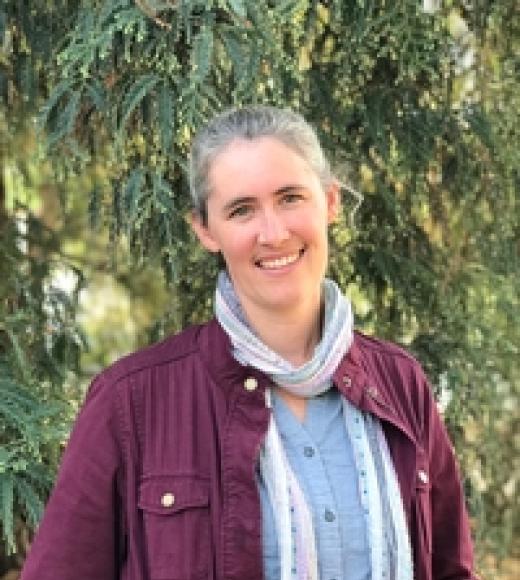
Cassandra Swett is an Associate Professor in Cooperative Extension at the University of California, Davis. Her research focuses on fungal pathogen ecology in vegetables and field crops, particularly investigating how adaptive water use strategies impact plant-pathogen interactions. She examines the effects of deficit irrigation, soil salinity, and water recycling on disease dynamics in crops such as tomatoes, hemp, strawberries, and nursery plants. Her work bridges fundamental microbial ecology with applied agricultural solutions to address challenges posed by water scarcity and climate change. Key research areas include: (1) managing Fusarium wilt and root-knot nematode complexes in tomatoes under water-stressed conditions, (2) optimizing irrigation practices to reduce soil-borne disease risks in nursery crops, and (3) identifying resistance-breaking pathogen strains threatening California agriculture. Swett collaborates closely with growers to translate scientific findings into practical management strategies. Her lab (http://swettlab.faculty.ucdavis.edu/) develops disease forecasting tools, evaluates water conservation techniques, and explores symbiotic microbial interactions that enhance crop resilience. She emphasizes co-management approaches that balance disease control with sustainable resource use.
- Food Chemistry
- Food Safety
- Plant Metabolites
- +۳ مورد دیگر
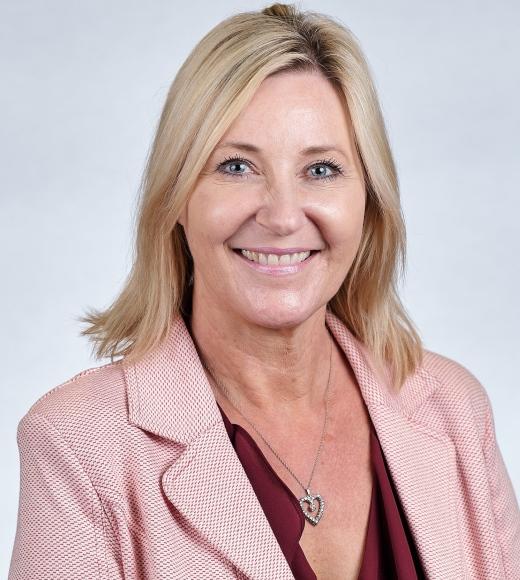
Alyson E. Mitchell is a Professor in the Department of Food Science and Technology at the University of California, Davis. Her research focuses on food chemistry, particularly the chemical changes in fruits and vegetables, food safety, and the development of analytical methods for identifying beneficial and toxic compounds in foods. She holds a Ph.D. in Food Science from UC Davis (1996). Education: Ph.D. in Food Science, University of California, Davis (1996) Research Interests: Secondary plant metabolites and their applications in food authentication and safety. Optimization of food processing to retain beneficial compounds and reduce toxicants (e.g., acrylamide). Food-matrix interactions influencing bioavailability of nutrients and bioactives. Development of advanced analytical techniques for food analysis. Recent Research Trends: Her work spans methods for detecting amygdalin in almonds, flavonoid effects on aging, and green strategies to recover phenolic compounds from agricultural waste. She also addresses public health concerns around synthetic food dyes and processed foods. Awards: 2024: UC Davis Graduate Program Advising and Mentoring Award 2017: Fellow, American Chemical Society 2015: Fellow, Agricultural and Food Chemistry Division of the American Chemical Society 2010–2015: John Kinsella Endowed Chair in Food and Nutrition Advising & Grants: Mitchell advises graduate students in food science, with a focus on analytical and applied research. Her grants and collaborations support studies on food safety, processing innovations, and sustainable practices. Labs/Teams: Leads research teams investigating almond quality, elderberry bioactives, and food forensics at UC Davis, emphasizing interdisciplinary approaches to food science challenges.
Qi Chen is a Professor in the Department of Geography at the University of Hawaii at Mānoa, specializing in remote sensing and geospatial technologies. His office is located in Saunders Hall, and he teaches undergraduate and graduate courses including GEO 370 (UAV and Aerial Photography), GEO 388 (Introduction to GIS), GEO 470 (Remote Sensing), GEO 489 (Applied GIS), and GEO 762 (Research Seminar: Remote Sensing. His research focuses on transforming earth observation data into actionable knowledge for environmental monitoring. Primary interests include: LiDAR applications for vegetation analysis and biomass estimation Climate change impacts on land cover and coastal systems Machine learning integration with geospatial data High-resolution mapping of agricultural and forest ecosystems Drone and satellite-based environmental assessment Chen's recent publications (2020-2025) demonstrate a strong focus on advancing remote sensing methodologies, particularly through: AI-driven approaches (GANs for vegetation indices, deep learning for marine debris) Multi-sensor fusion (LiDAR with camera systems, hyperspectral-multispectral integration) Novel applications in precision agriculture and infrastructure monitoring Hawaii-specific environmental studies incorporating indigenous knowledge systems He leads the Smart Remote Sensing Lab (smartremotesensing.org) where he mentors graduate students in developing cutting-edge geospatial solutions for ecological and societal challenges.
- Plant Virology
- Virus Diseases
- Grapevine Diseases
- +۵ مورد دیگر
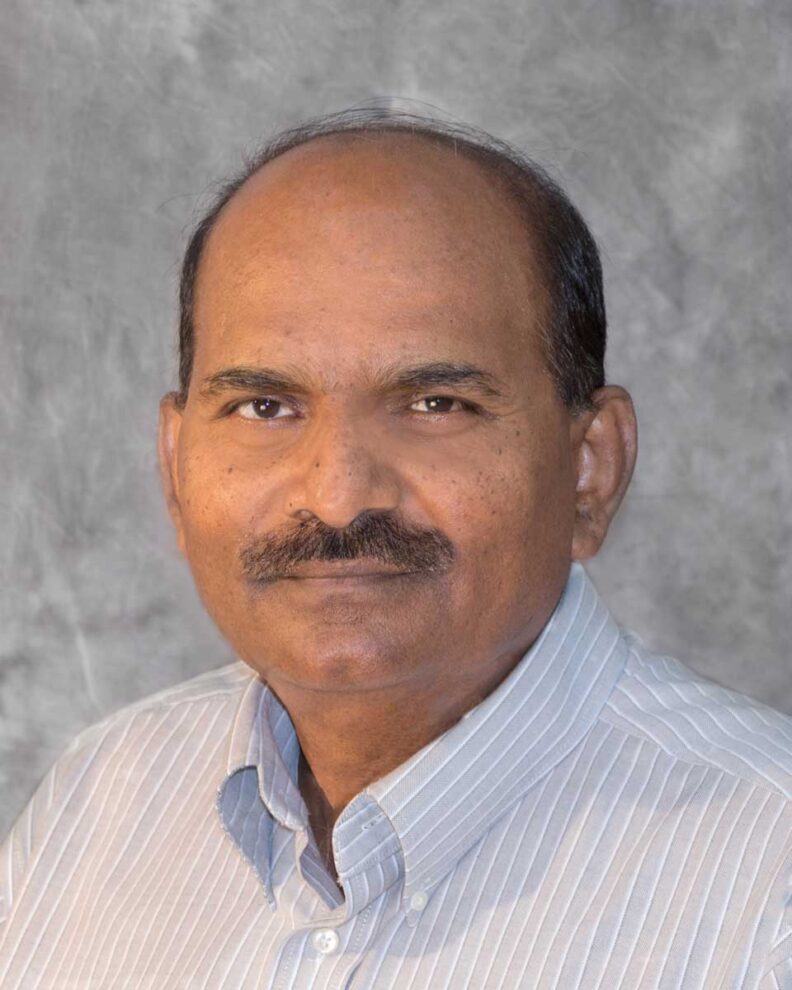
Dr. Naidu Rayapati is a Professor of Virology at Washington State University (WSU), where he serves as Director of the Prosser Irrigated Agriculture Research and Extension Center. He is affiliated with the Department of Plant Pathology within the College of Agricultural, Human, and Natural Resource Sciences. Dr. Rayapati leads the Grape Virology program at WSU-IAREC in Prosser, focusing on management strategies for virus diseases impacting fruit quality and vine health in Washington's wine grape industry. Dr. Rayapati's research focuses on virus diseases of horticultural, vegetable and food crops, with particular emphasis on virus characterization, diagnostics, plant-virus-vector interactions, and development of integrated crop improvement strategies. His current work centers on virus diseases of grapevines and vegetables, addressing critical challenges for Washington State's agricultural industry. He has established an integrated program of research, extension, and education through the Grape Virology program at WSU-IAREC. Analysis of Dr. Rayapati's recent publications reveals a strong focus on grapevine viruses, particularly Grapevine leafroll-associated viruses and Grapevine red blotch virus. His research spans molecular characterization of plant viruses, epidemiology of viral diseases, development of diagnostic tools, and management strategies for virus diseases in agricultural settings. There is also significant work on emerging viruses in legumes and other vegetable crops, reflecting his broader interest in plant virus diseases across multiple cropping systems. Scientific Awards: CAHNRS Land Grant Mission Award (2020) WSU's Top Industry Engaged Researchers (2017) International IPM Excellence Team Award, The 6th International IPM Symposium (2009) International Service Award, American Phytopathological Society (2007) Dr. Rayapati actively mentors graduate students and postdoctoral researchers, with current lab members including Sridhar Jarugula, Sudarsana Poojari, Tefera Mekuria, Linga Reddy Gutha, and Olufemi Alabi. His research program has received funding from various sources, supporting interdisciplinary collaborations that draw expertise from multiple institutions. Through his extension work, Dr. Rayapati translates scientific knowledge into practical applications for the grape and wine industry stakeholders and regulatory agencies. Dr. Rayapati leads the Grape Virology Program at WSU-IAREC, which employs a 3-D approach: Discovery of knowledge, Development of tools and techniques, and Deployment of knowledge-based strategies. The program works closely with the Washington State Grape and Wine Industry to address virus disease management as a key research priority for achieving the industry's goal of tripling economic value. His team conducts fundamental and applied research on wine grape virus diseases through interdisciplinary collaborations, creating experiential education opportunities for Viticulture and Enology students.
فقط ۷۵۰ نتیجه اول نمایش داده میشود. برای رسیدن به نتایج دقیقتر، جستوجو را با فیلترها محدودتر کنید.