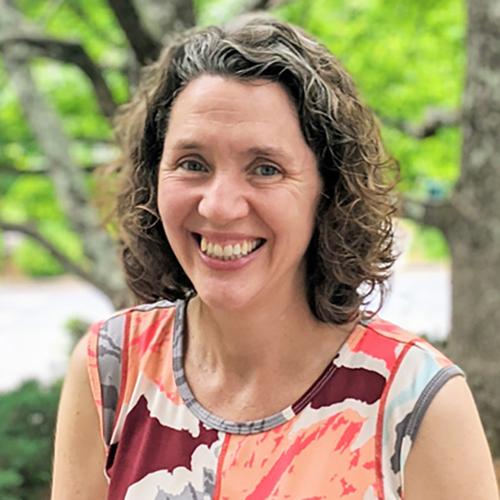
Nicole Gerardo is a Professor at Emory University and Director of the Graduate Division of Biological and Biomedical Sciences. Her lab studies evolutionary ecology in insect-microbe systems, including aphid-bacteria symbioses and fungus-growing ants. Education includes a Ph.D. from University of Texas at Austin (2004) and B.A. from Rice University (1997). Research integrates experimental evolution , genomics , and field ecology to address: Mechanisms of symbiont-mediated pathogen defense Transmission dynamics in mutualisms Host immunological trade-offs Agricultural applications of protective microbes Recent work examines priority effects in symbiont colonization, monarch butterfly microbiomes, and coevolution in ant-fungal systems. Field sites span Panama, Brazil, and agricultural ecosystems.
Peter Hudson is the Verne M. Willaman Professor of Biology at Pennsylvania State University, affiliated with the Eberly College of Science. His research focuses on disease dynamics in wildlife systems, particularly exploring epidemiology, pathogen interactions, and zoonotic disease control. Former Director of the Huck Institutes of the Life Sciences, he leads projects addressing ecological and evolutionary drivers of infectious diseases. Notable contributions include studies on Hendra virus in bats, SARS-CoV-2 in deer, and wolf population dynamics linked to canine distemper outbreaks. His work integrates field studies with mathematical modeling, emphasizing landscape immunity and conservation strategies to mitigate pandemics. Hudson's research has been supported through grants including a $4.5M USDA initiative to study SARS-CoV-2 in wildlife. He collaborates internationally on bat-borne zoonoses and has published extensively in high-impact journals like Science , Nature , and PNAS . His interdisciplinary approach bridges ecology, epidemiology, and policy to address global health challenges. Key affiliations: Huck Institutes of the Life Sciences, Penn State's Institute for Energy and the Environment Expertise: Wildlife epidemiology, disease ecology, conservation medicine Recent work highlights include identifying weather patterns influencing Nipah virus risk in Bangladesh and demonstrating how disease outbreaks drive evolutionary changes in wolf coat color and mating behavior. He advocates for ecologically based biosecurity measures to prevent future pandemics through landscape restoration and biodiversity conservation.
Melanie Kalischuk is an Assistant Professor in the Department of Plant Agriculture at the University of Guelph, Ontario Agricultural College. She holds a B.Sc. in Biological Sciences from the University of Lethbridge, an M.Sc. in Forest Biology from the University of Alberta, and a Ph.D. in Biomolecular Science from the University of Lethbridge. Her research focuses on biotic and abiotic interactions impacting specialty crops such as wine grapes, berries, hazelnuts, ginseng, hops, and high-value vegetables. Key areas include early detection of plant pathogens, developing strategies to enhance crop resilience under environmental stress, and translating research into industry solutions through interdisciplinary collaboration. Her work leverages advanced tools like UAV-assisted multispectral imaging and molecular assays for rapid disease detection. She is affiliated with the Edmund C. Bovey Building and the Ontario Crops Research Centre – Simcoe. Dr. Kalischuk’s contributions span plant pathology, agricultural biotechnology, and crop improvement, with publications addressing fungal pathogens, RNA interference applications, and virus resistance mechanisms. No scientific awards are explicitly listed in her profile. Her research narrative emphasizes practical applications in crop protection, including whitefly-transmitted virus resistance and disease management in cucurbitaceae. While no advising or grant details are provided in the text, her lab focuses on innovation in diagnostics and sustainable agricultural practices.
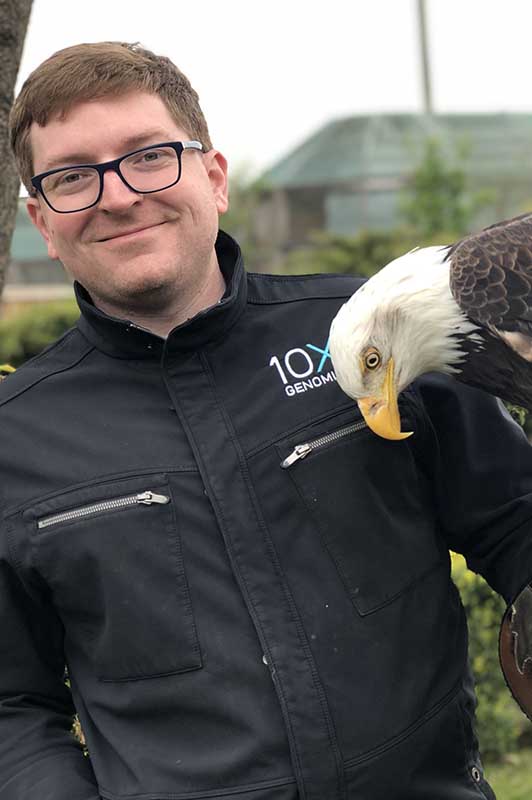
Haynes Heaton is an Assistant Professor in the Department of Computer Science and Software Engineering at Auburn University. He holds a Ph.D. in Computational Biology from Cambridge University, an M.D. from Brown University, and a B.S. in Computer Science from Brown University. His interdisciplinary work bridges computational methods with biomedical applications, focusing on genomic technologies for malaria research and single-cell analysis. Research interests include genome sequencing of malaria vectors (e.g., Anopheles mosquitoes), development of bioinformatics tools (e.g., LCSKPOA, Souporcell), and structural variation analysis in human and pathogen genomes. His work has contributed to chromosomal reference genomes for multiple malaria mosquitoes, advancing understanding of vector biology and disease transmission. Publications highlight innovations in genome assembly, single-cell RNA-seq deconvolution, and computational methods for genomic data analysis. While no explicit awards are listed, his research has been featured in Auburn Engineering news for breakthroughs in leukemia diagnostics via software development. He collaborates with medical and computational teams to translate genomic insights into clinical applications. No advising records or grants are explicitly detailed in the provided text.
Stephen Teale serves as Professor and Chair of the Department of Environmental Biology at the State University of New York College of Environmental Science and Forestry (SUNY-ESF), located in Illick Hall. His leadership spans academic administration and active research in forest entomology and chemical ecology. Teale's research centers on chemical signaling in forest insects, particularly pheromone systems of invasive species like Sirex noctilio (woodwasp) and Anoplophora glabripennis (Asian longhorn beetle). His work integrates chemical ecology with forest conservation, focusing on invasive species management through pheromone-based detection and biological control. Key themes include cuticular hydrocarbon communication, host-parasitoid interactions, and resin defense mechanisms in conifers. His publications demonstrate consistent expertise in identifying sex pheromones, optimizing chemical lures, and analyzing tri-trophic interactions between insects, fungi, and host trees. His recent publications reveal strong emphasis on invasive cerambycid beetles and siricid woodwasps, with frequent collaborations across North America and China. Notable contributions include the identification of female-produced pheromones in Anoplophora glabripennis and discovery of dual-attractant systems involving Amylostereum areolatum fungi. Research trends show progression from fundamental pheromone chemistry to applied pest management solutions. Teale actively mentors graduate students, currently advising Michaela Fitzgerald (PhD candidate in Environmental & Forest Biology). His teaching portfolio includes Entomology (EFB 352), Chemical Ecology (EFB 412/612), Insect Physiology (FCH 440), and Forest Health (EFB 570). As department chair, he shapes curriculum in forest entomology and chemical ecology. His scholarly impact is evident through 50+ publications since 1981, including the co-edited volume Forest Health: An Integrated Perspective (Cambridge University Press, 2011). Current research continues to address urgent forest health challenges through chemical ecology approaches.
Dr. Kim O'Sullivan is a Senior Research Fellow and head of the Translational Kidney Therapies Group at the Centre for Inflammatory Diseases (CID), Monash Health Translational Precinct, affiliated with Monash University’s Faculty of Medicine, Nursing and Health Sciences. She holds a PhD in Immunology from Monash University and completed her undergraduate and Master’s studies in Anatomy and Structural Biology at the University of Otago, New Zealand. Her work is centered on developing novel therapies for autoimmune kidney diseases, particularly ANCA-associated vasculitis (AAV), glomerulonephritis, and lupus nephritis. Her research focuses on: Neutrophil Extracellular Traps (NETs) and their role in inflammation Gene therapy using adeno-associated viral vectors to deliver DNase I Therapeutic potential of bacterial exosomes Gut microbiome interactions, especially Muribaculaceae and SCFAs Immune tolerance and host defense preservation Her recent publications (2023–2024) reflect a strong trend in translational immunology, with emphasis on microbiome-immune crosstalk, novel biologics, and gene-based interventions. She has published in high-impact journals such as Frontiers in Immunology , International Journal of Molecular Sciences , and Journal of Immunology . Her scientific contributions have been recognized through several awards: Australian and New Zealand Society of Nephrology Young Investigator Award (Winner, 2016) ANZSN Basic Science Award (Finalist, 2020) Multiple ANZSN Travel Awards (2014, 2016, 2017) Kim O'Sullivan actively supervises Honours and PhD students and leads multiple research projects funded by NHMRC and MRFF. She serves on the ANZSN Scientific Programme and Awards Committee (SPARC), is a Review Editor for Frontiers in Immunology , and sits on the editorial boards of International Journal of Molecular Sciences and Journal of Integrated Medicine in Nephrology and Andrology . She is also a peer reviewer for top journals including Journal of Clinical Investigation and Kidney International . She leads the CID weekly seminar series and chaired the ImmuMON21 symposium. Her commitment to equity in STEM includes mentoring through BrainSTEM and past involvement in the ANZSN Equity, Diversity and Inclusion Committee.
Ottar Bjornstad is a Distinguished Professor of Entomology and Biology at Pennsylvania State University, holding the Huck Chair of Epidemiology. He is affiliated with multiple research centers, including the Center for Infectious Disease Dynamics, One Health Microbiome Center, and Center for Mathematical Biology. His research focuses on population ecology, epidemiological modeling, and the mathematical foundations of infectious disease dynamics. He investigates how climate change affects ecological systems, transmission patterns of zoonotic diseases, and the interplay between host demographics and disease spread. Recent publications highlight his work on dengue virus transmission, vaccine distribution logistics, and age-structured epidemic models. His studies span disciplines including ecology, virology, and computational epidemiology. Elected to Norwegian Academy of Sciences and Letters (2021) He collaborates with institutions worldwide, addressing global health challenges like Lassa virus spread and measles persistence mechanisms. His methodological contributions include statistical frameworks for epidemic analysis and spatial synchrony metrics.
Pamela P Martinez serves as an Assistant Professor at the University of Illinois Urbana-Champaign within the College of Liberal Arts & Sciences, holding concurrent appointments in Microbiology, Statistics, and the Center for Latin American and Caribbean Studies. Her research program integrates computational modeling with epidemiological data to address critical questions in infectious disease dynamics. Her primary research focuses on the interplay between ecological and evolutionary processes in pathogens, specifically investigating how climatic and demographic factors shape spatial-temporal disease patterns and how pathogen diversity influences public health interventions. She employs mathematical and computational approaches applied to longitudinal time-series data, with particular emphasis on SARS-CoV-2, dengue, malaria, and rotavirus. Her work bridges theoretical epidemiology with practical public health applications, often incorporating climate science and socioeconomic variables. Analysis of her 15 most recent publications (2021-2025) reveals consistent themes across computational biology, climate-infectious disease interactions, and pandemic response. Key trends include the development of novel modeling frameworks for pathogen evolution (e.g., ortholog refinement algorithms), quantification of climate drivers on tropical diseases, and rigorous assessment of intervention strategies during the COVID-19 pandemic. Her research demonstrates increasing integration of high-resolution mobility data, immune history analysis, and equity considerations in infectious disease modeling. No scientific awards are documented in the available information. Details regarding student mentorship, grant funding, laboratory infrastructure, or collaborative research teams are not provided in the source materials.
Dr. Troy Anderson is a Professor in the Department of Entomology at the University of Nebraska-Lincoln. His research focuses on arthropod-borne disease prevention, pollinating insect protection, and beneficial insect conservation, integrating entomological and chemical sciences to advance human, animal, and environmental health. B.S. in Biological Sciences, Wichita State University, 1999 M.S. in Ecotoxicology, Wichita State University, 2001 Ph.D. in Insect Toxicology, Kansas State University, 2006 Post-Doctoral Fellow in Neurotoxicology, Virginia Tech, 2008 Anderson’s research program spans basic to applied studies in insect physiotoxicology, targeting chemical modes of action, resistance mechanisms in pathogen-transmitting arthropods, and mitigating agrochemical risks to beneficial insects. His work employs toxicology, biochemistry, electrophysiology, genomics, and molecular biology to address global vector control and pollinator health challenges. His recent publications highlight trends in mosquito control, insecticide resistance management, and pollinator protection. Key themes include the role of potassium ion channels in honey bee immunity, the impact of environmental stressors on detoxification enzymes, and the development of biorational compounds to counter pesticide resistance. Collaborations and international partnerships underpin his transformative approach to sustainable entomological solutions. As of the latest records, Dr. Anderson actively contributes to his field without indications of part-time status or awards listed. His work remains central to advancing both scientific understanding and practical applications in entomology and toxicology.
George Fu Gao is a leading virologist and immunologist serving as Director-General of China CDC and Vice President of the National Natural Science Foundation of China. He holds professorships at the Chinese Academy of Sciences (CAS) and University of Chinese Academy of Sciences (UCAS). His research focuses on viral evolution, pathogen entry mechanisms, and public health interventions for emerging infectious diseases. During the COVID-19 pandemic, his team rapidly isolated SARS-CoV-2 and provided critical support for China's containment efforts. He leads global health initiatives like CEPI and Africa CDC capacity-building. Key roles include: Director-General, China CDC (2017–present) Dean, Savaid Medical School, UCAS (2015–2017) Professor, CAS Institute of Microbiology (2004–present) Education highlights include postdoctoral research at Oxford University (1998–2001) and Harvard University (1999–2001). His research spans structural biology applications to pathogen studies, including Ebola, Zika, and influenza viruses. Awards include NAS Foreign Associate membership (2019), Leopoldina membership (2020), and TWAS Prize (2012). Publications reflect cross-disciplinary contributions to virology, immunology, and public health. Major achievements include designing universal coronavirus vaccines and clarifying viral transmission mechanisms. His labs focus on structural biology, antiviral therapies, and global pandemic preparedness.
Joshua Benoit is a Professor of Biological Sciences at the University of Cincinnati, specializing in insect physiology and stress biology. His research focuses on mechanisms of insect stress tolerance, hormonal regulation of metabolism, and reproductive physiology, with applications to vector biology and pest control. He holds a B.S. in Biochemistry from Wittenberg University (2005) and a Ph.D. in Entomology and Physiology from Ohio State University (2009). His work integrates molecular, organismal, and population-based approaches to study medically important insects such as mosquitoes, tsetse flies, and ticks. Key research areas include insect lactation, dehydration tolerance, and the role of insulin in nutrient regulation. He leads the Benoit Lab , which emphasizes training biologists in diverse techniques (bioinformatics, field research, lab methods). Dr. Benoit has secured over $4.5M in federal grants, including NIH and USDA funding for projects on mosquito hydration, tick biology, and parasite resistance. Recent studies explore how environmental stress impacts vector-borne disease transmission and insect reproductive bottlenecks. His work bridges fundamental biology and applied pest management strategies.
Dr. Vikram Sharma serves as Associate Professor in Biomedical Sciences and Head of Proteomics Core Laboratory at University of Plymouth's School of Biomedical Sciences. His research focuses on proteomics, molecular biology, and biomedical applications including cancer biology, infectious diseases, and neuro-oncology. Research interests span proteomic analysis of neurological tumors, mitochondrial dysfunction in viral infections, ubiquitin pathways in parasitic diseases, and kinase signaling in cancer. Recent work explores COVID-19's oral health impacts, meningioma stratification, and malaria parasite development. Teaching responsibilities include lecturing in Molecular Biology (BIOM5001), Proteomics (BIOM5006), Human Metabolism (BHCS2020), and supervising undergraduate/postgraduate projects. Module leadership covers genomics, transcriptomics and proteomics in the MSc Biomedical Sciences program.
Dr Fernanda Cardoso is a Senior Research Fellow at the Institute for Molecular Bioscience, University of Queensland. She holds dual Brazilian-Australian citizenship and specializes in venom peptide-based biodiscovery and therapeutics development for neurological disorders such as chronic pain, motor neuron disease (MND), and irritable bowel syndrome (IBS). Her interdisciplinary expertise spans neuropharmacology, medicinal chemistry, and drug discovery. Education: Bachelor's, Universidade Federal de Minas Gerais (UFMG) MSc in Molecular Pharmacology, UFMG PhD in Biochemistry and Immunology, UFMG Research Interests: Mechanisms and therapies for chronic pain/visceral pain/IBS Neurodegeneration pathophysiology and drug development Venom pharmacology of spiders, cone snails, and snakes Structure-function relationships of venom peptides Voltage-gated ion channel modulation Grants & Projects: Current: Peptide Inhibitors Targeting Sodium Channels (2023-2026) Past: Multifunctional analgesic inhibitors (2020-2023), IBS pain therapies (2018-2019) Supervision: Recently advised 14 students on projects including ALS therapies, venom peptide characterization, and ion channel modulation. Current openings focus on venom bioactives and neurological disorder treatments. Achievements: Pioneered venom-based ion channel modulator discovery, identified neuroprotective venom peptides, and developed a schistosomiasis vaccine candidate. Her work bridges basic research with clinical applications for global health challenges.
Lucia Zappalà is a Full Professor of General and Applied Entomology at the University of Catania's Department of Agriculture, Food and Environment (Di3A) since 2020. She serves as University Delegate for International Relations since 2019 and President of the European University Alliance EUNICE since 2024. Her research focuses on Hymenoptera parasitoids, integrated pest management (IPM), and pesticide effects on natural enemies. She is a member of the Italian Entomological Society's Agricultural Entomology section and the Italian National Academy of Entomology. PhD in Agricultural Entomology (University of Naples Federico II, 2001) Postdoctoral fellowship at University of Florida (2003) University of Catania faculty since 2006 Visiting professor at UC Berkeley (2015) Her research spans biological control agent discovery, pesticide risk assessment, and invasive pest management across Mediterranean agroecosystems. She has published over 300 indexed articles (h-index 37) on parasitoid-pest interactions and sustainable control strategies. Recent work examines botanical extract compatibility with natural enemies and essential oil-based plant defenses . She contributes to Phytoparasitica and European Journal of Entomology editorial boards. Scientific awards include a 2003 postdoctoral fellowship. She has served as Principal Investigator for national (FIR, PRIN) and international (FP7, ARIMNET 2) projects, and contributes to EFSA's Plant Health Panel. Her laboratory (Biocontrol Lab, Di3A) conducts applied entomology research on invasive Hemiptera and quarantine pest evaluations .
Claire Booth is Professor of Gene Therapy and Paediatric Immunology within the Infection, Immunity & Inflammation Department at University College London. Her work bridges cutting-edge gene therapy techniques with clinical applications for pediatric immunodeficiency disorders, focusing on translating laboratory discoveries into therapeutic interventions for rare genetic conditions. Education: Doctor of Philosophy, University College London (2012) Master of Science, University College London (2007) Bachelor of Medicine/Bachelor of Surgery, King's College London (2001) Professor Booth's research centers on gene therapy approaches for inborn errors of immunity, with particular expertise in lentiviral vector systems, hematopoietic stem cell gene therapy, and genome editing techniques. Her work addresses critical challenges in treating rare immunodeficiency disorders including X-linked SCID, Fanconi anemia, leukocyte adhesion deficiency, and CTLA4 insufficiency. She investigates both the mechanistic underpinnings of these disorders and the development of novel therapeutic strategies that can be translated to clinical practice. Analysis of her recent publications (2023-2024) reveals a strong focus on clinical translation of gene therapy approaches, with numerous phase 1/2 clinical trial results, methodological improvements in conditioning regimens, and exploration of novel targets for immunodeficiency disorders. Her work spans basic science investigations through to clinical implementation, with particular attention to safety profiles, immune reconstitution patterns, and long-term outcomes in pediatric patients. Professor Booth actively collaborates with international research groups and clinical networks, contributing to consensus guidelines for managing rare immunological conditions. Her research program addresses critical gaps in understanding how to effectively deliver gene therapies for rare diseases while navigating the complex challenges of commercialization and accessibility.