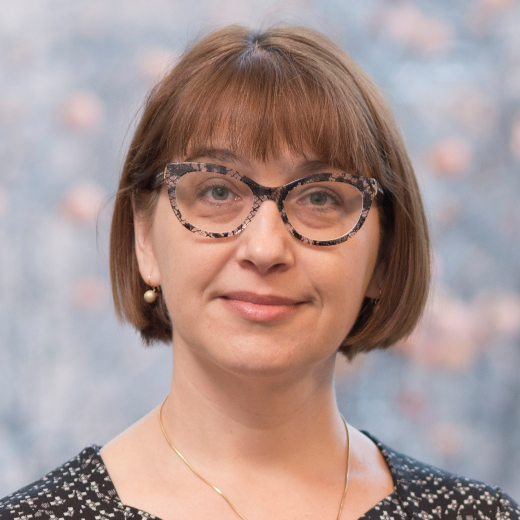
Si-Ming Zhang is a Research Professor at the Center for Evolutionary & Theoretical Immunology and Department of Biology, The University of New Mexico. He holds a Ph.D. from The Chinese Academy of Sciences (1998) and a B.S. from Huazhong Agricultural University. Research interests: Comparative Immunology, Genetics, Genomics, Parasitology, Vector Biology, Medical Malacology, Host-Parasite Interactions, Schistosomiasis, Fish Biology Zhang's research focuses on the molecular mechanisms underlying snail-schistosome interactions, including immune signaling pathways in snails , genomic basis of resistance , and transcriptomic responses to parasitic infections . His work spans both freshwater snail vectors (Biomphalaria, Bulinus) and human-infecting schistosomes (S. mansoni, S. haematobium). His recent publications (2024-2025) highlight advances in haplotype-like snail genome assembly mitochondrial genomics of vector snails transcriptomic profiling of immune gene families yolk protein-mediated germline delivery in snails compatibility between snails and schistosomes evolution of immune recognition mechanisms These studies integrate genomics, transcriptomics, and functional molecular biology. Grants awarded include: NIH R21 (2025-): Fine-resolution genetic mapping of Biomphalaria glabrata NIH R01 (2022-): Genetics/genomics of schistosome resistance in snails NIH R21 (2021-2023): Yolk protein-mediated germline delivery NIH R21 (2019-2021): Genomic basis of snail resistance NIH RO1 (2007-2012): Molecular studies of immunoparasitology in snails He serves as Principal Investigator (PI) or Co-PI on these projects.
Dr. Carolina Ilkow is an Associate Professor at the Department of Biochemistry, Microbiology and Immunology within the University of Ottawa Faculty of Medicine. She also holds a Senior Scientist position at The Ottawa Hospital Research Institute, focusing on oncolytic virotherapy and tumor microenvironment dynamics. Education: BSc from University of La Plata, Argentina; PhD from University of Alberta, Canada; Post-Doctoral Fellowship at Ottawa Hospital Research Institute Her research investigates how the tumor microenvironment—including cancer-associated fibroblasts, adipocytes, and immune cells—modulates responses to oncolytic viruses. Key projects have engineered fibroblast growth factor 2 (FGF2) into viral genomes to enhance therapeutic outcomes. Publications highlight her work in Nature Medicine , Cancer Cell , and PLoS Pathogens , with recent studies analyzing viral-host interactions, RNA interference in cancer cells, and metabolic disease impacts on virotherapy efficacy.
Dr. Stefanie N. Vogel is a distinguished Professor of Microbiology and Immunology at the University of Maryland School of Medicine, with a secondary appointment in Medicine. She also serves as the Senior Scientific Advisor of the UMGCCC's Translational Laboratory Shared Resource. With over 40 years of research experience, Dr. Vogel has established herself as a leading expert in innate immunity, particularly in Toll-like receptor signaling pathways and macrophage differentiation. Dr. Vogel's research focuses on the fundamental mechanisms by which macrophage differentiation influences responses to infectious agents and tumor growth. Her laboratory has made seminal contributions to understanding innate immunity, especially TLR signaling regulation. Key achievements include developing a murine model of TLR4 hyporesponsiveness that expresses homologs of human TLR4 SNPs, creating novel therapeutic approaches for influenza and RSV, and developing prototype vaccines for Francisella tularensis. Dr. Vogel's research has evolved from basic immunological investigations to highly translational work with direct clinical applications. Her laboratory has identified multiple therapeutic approaches for mitigating acute lung injury induced by viral infection, including the development of small molecule TLR antagonists like Eritoran, which protects against influenza infection. More recently, her work has explored connections between TLR4 signaling and inflammatory bowel disease, as well as the interplay between TLR4 and the renin-angiotensin system in virus-induced acute lung injury. MERIT Award for NIH Grant AI-18797 (continuously funded for 33 years) Milstein Award (highest scientific award from the Intl. Cytokine and Interferon Society) Frederik Bang Award (highest scientific award from the International Endotoxin and Innate Immunity Society) Distinguished University Professor by the UMSOM Fellow of the American Academy of Microbiology and AAAS Dr. Vogel has mentored over 39 post-doctoral fellows and 14 graduate students, many of whom now hold leadership positions in universities, industry, and government agencies. She has directed the NIH/NIAID T32 Program 'Signaling Pathways in Innate Immunity' for over 10 years. Her current research is supported by multiple NIH grants focusing on TLR4 antagonists for influenza treatment, macrophage differentiation signals, and training in innate immunity.
Essi M. Korhonen is a University Researcher at the University of Helsinki, affiliated with the Faculty of Medicine and Department of Virology. She serves as a supervisor for doctoral programs in Clinical Veterinary Medicine, Wildlife Biology, and Microbiology and Biotechnology. Key affiliations: Helsinki One Health (HOH) Viral Zoonosis Research Unit, Environmental Change Research Unit (ECRU), and Institute for Atmospheric and Earth System Research (INAR) Current projects: Opening Pandora’s Box (permafrost thaw risks), Early Career Researcher funding (Sigrid Jusélius Foundation), and University profiling funding 7 InterEarth RESET Her research spans virology, zoonotic diseases, and environmental health, focusing on viral zoonoses, emerging infections, and climate-related pathogen risks. Recent work examines SARS-CoV-2 in mink, H5N1 influenza in Finland, and orbivirus isolation from mosquitoes. She participates in multidisciplinary collaborations across medicine, environmental science, and social sciences, with a strong emphasis on One Health approaches and Arctic research. Her expertise includes molecular virology, field epidemiology, and viral diagnostics.
Mathieu Cayla is a MRC Career Development Fellow at the Department of Biology , University of York, focusing on African trypanosomes and Leishmania signaling pathways. His research spans cellular differentiation , protein kinases , and quorum-sensing mechanisms . Education: PhD in Molecular Parasitology (Université Paris Diderot-Paris 7, 2014), MSc in Parasitology and Mycology (Université Pierre et Marie Curie, 2010). Research: Investigates MAP kinases and autophagy regulation in trypanosomatids, funded by an MRC Career Development Award (2022–2027). Recent work includes differentiation granules in T. brucei (Nature Communications, 2024) and life cycle simplification mechanisms (Nature Communications, 2024). Collaborations include University of Edinburgh and Institut Pasteur. Scientific Awards: MRC Career Development Award (2022). He supervises PhD students and contributes to infectious disease research , with a focus on parasitic signaling pathways and therapeutic targeting .
Ana Louro is an Assistant Professor at the Institute of Geography and Spatial Planning of the University of Lisbon . With advanced degrees in Geography and Territorial Management, she combines academic rigor with practical expertise in spatial analysis and environmental studies. Her professional profile includes affiliations with multidisciplinary research centers like the Center for Geographical Studies , focusing on the intersection of territorial dynamics and ecological health. Mestrado em Educação Geográfica (2022) Doutoramento em Geografia (2019) Mestrado em Gestão Territorial e Estudos Urbanos (2011) Licenciatura em Geografia (2008) Her research spans Geography , Environmental Science , and Wildlife Parasitology , with recent publications analyzing zoonotic parasites in mammals, birds, and reptiles. Articles focus on molecular characterization, disease transmission dynamics, and eco-epidemiological patterns across Portugal and Brazil. She employs advanced genomic tools and spatial modeling to address public health and conservation challenges. Her scientific work bridges geographic analysis with veterinary parasitology, examining: Zoonotic risk mapping Molecular diagnostics of animal pathogens Environmental contamination pathways Wildlife rehabilitation health protocols Phylogenetic relationships in parasitic species Geographic disease distribution patterns
Dr. Keykavous Parang is a Professor at Chapman University with dual appointments in the School of Pharmacy and the Schmid College of Science and Technology. His expertise spans medicinal chemistry, drug delivery, and peptide nanotechnology, making significant contributions to both academic and pharmaceutical research fields. Dr. Parang has established himself as a leader in peptide-based drug delivery systems and antimicrobial research. Education: Doctor of Pharmacy from Tehran University of Medical Sciences (1989) Ph.D. in Medicinal Chemistry from University of Alberta, Canada (1997) Postdoctoral studies at University of Alberta, Rockefeller University, and Johns Hopkins University Research Interests: Dr. Parang's research focuses on the intersection of chemistry and biology, particularly on medicinal chemistry, organic chemistry, nanomedicine, and drug delivery. His work involves applying synthetic organic chemistry to biological challenges. Current research areas include utilizing cyclic and hybrid cyclic-linear peptides for drug delivery, designing peptides with antibacterial and antifungal properties, developing multifunctional agents with antiviral, anticancer, and antibacterial activities, and creating inhibitors for protein tyrosine kinases. His laboratory has made significant contributions to peptide-based drug delivery systems and antimicrobial peptide research. Publication Trends: Dr. Parang's recent publications (2024-2025) demonstrate a strong focus on peptide-based drug delivery systems, particularly cyclic and amphiphilic peptides for antimicrobial applications, cancer therapy, and nucleic acid delivery. His work shows increasing interdisciplinary collaboration across chemistry, biology, and pharmacology, with a growing emphasis on translational research that bridges basic science with clinical applications. The trend indicates expanding applications of peptide technology in addressing drug resistance challenges across multiple therapeutic areas. Scientific Awards: Academy of Pharmacy Professionals (APP) Academic Excellence Award (2024) Chapman University Million Dollar Club (2022) CUSP Culture Award: Diversity and Inclusion (2021) AIMS Award (2021) AACP Catalyst Program (Accelerating Research Leadership, 2017-2018) AACP Catalyst Program Fellowship (2017) AACP Teacher of the Year (2015) Listed among world's career top 2% of scientists by Stanford University (September 16, 2024) Top 12 Scientists at Chapman University (AD Scientific Index 2025) Advising and Grants: Dr. Parang has guided numerous faculty members and has supervised 25+ postdoctoral fellows and visiting scientists. Additionally, he has mentored 30+ graduate students and 65+ undergraduate students. His laboratory has been funded with $6.59 million from NIH, American Cancer Society, NSF, Industry, USAID-CONRAD, Kay Foundation, and many other funding agencies since October 2000. His research program demonstrates consistent funding success across multiple federal and private sources. Laboratories and Research Teams: Dr. Parang leads a multidisciplinary research group focusing on peptide chemistry and drug delivery systems. His laboratory has established infrastructure for peptide synthesis, characterization, and biological evaluation. The team includes graduate students, postdoctoral fellows, and undergraduate researchers working collaboratively on various aspects of peptide-based therapeutics. His leadership has helped establish research infrastructure and core facilities at Chapman University's School of Pharmacy.
Dr. Sareen Galbraith is a Senior Lecturer in Biomedical Science at Leeds Beckett University's School of Health, specializing in molecular virology of RNA viruses. Her research focuses on flaviviruses and alphaviruses, particularly their interactions with mammalian hosts and vector competence of British mosquitoes under climate change. Key Research Areas: Molecular pathogenesis of RNA viruses, autophagy in viral infections, zoonotic virus detection (Hantaviruses, flaviviruses), and vector-borne disease epidemiology. Teaching: Lecturer for BSc modules including Microbial World, Infectious Disease, and Global Topics in Infectious Diseases, plus MSc modules on Bioanalytical Techniques and Contemporary Research in Biomedical Sciences. Collaborations: Works with Public Health England (NIHR-funded Hantavirus studies), Liverpool School of Tropical Medicine (BBSRC-funded mosquito competence studies), and University of East Anglia (autophagy research with Prof. Tom Wileman's lab). Viral Discovery: Identified new Hantavirus strain (Humber) and clarified Japanese encephalitis virus genotypes through molecular phylogenetics. Scientific Impact: Research informs clinical guidelines for zoonotic virus detection and therapeutic development for flavivirus encephalitis. Leads multidisciplinary studies at UK containment level 3 insect facilities.
James W. Buck is a Professor in the Department of Plant Pathology at the University of Georgia's College of Agricultural & Environmental Sciences. He serves as Graduate Program Coordinator since August 2022 and has been with UGA since 1999, progressing from Assistant Professor to Associate Professor (2005-2016) and then to Professor (2016-present). His work is primarily based at the Griffin, CAES Campus. Education: Ph.D. in Plant Pathology, University of Wisconsin-Madison, 1998 M.S. in Plant Sciences, University of Western Ontario, 1992 B.S. in Botany, Brandon University, 1990 Dr. Buck's research focuses on the biology and management of diseases affecting soybean, wheat, and ornamental plants. His key pathosystems include rust, stem canker and frogeye leaf spot of soybean; leaf rust, stripe rust and fusarium head blight of wheat; and rusts affecting ornamental plants. He collaborates closely with UGA plant breeders Drs. Zenglu Li and Mohammed Mergoum to develop high-yielding, disease-resistant soybean and wheat varieties. His work spans fundamental pathogen biology, fungicide efficacy testing, disease resistance genetics, and practical field management strategies. Analysis of Dr. Buck's recent publications (2023-2025) shows a strong focus on molecular approaches to disease resistance, particularly through genome-wide association studies and quantitative trait loci mapping. His research spans multiple crop systems with emphasis on soybean and wheat diseases, but also extends to turfgrass and bioenergy crops like switchgrass. There's a notable integration of traditional pathology methods with modern genomic techniques, reflecting the evolution of plant pathology research. Scientific Recognition: Student Career Success Influencer Award 2022 (awarded February 1, 2023) Dr. Buck has secured significant research funding from diverse sources including commodity boards (United Soybean Board, Georgia Commodity Commission for Corn, Georgia Commodity Commission for Soybeans), agricultural corporations (BASF, Dow AgroSciences, Syngenta), and federal agencies (USDA NIFA). His sponsored projects portfolio shows consistent funding for disease management research across multiple cropping systems. As Graduate Program Coordinator, he plays a key role in mentoring graduate students in plant pathology. Dr. Buck's research integrates closely with UGA's plant breeding programs and extension services, creating a comprehensive pipeline from fundamental research to practical field applications. His work at the Griffin campus provides critical disease management solutions for Georgia and Southeastern US agriculture.
Erich R. Mackow is a Professor in the Department of Microbiology and Immunology at Stony Brook University. His research focuses on molecular and cellular mechanisms of viral pathogenesis and immune evasion, particularly in flaviviruses (Powassan, Zika, Dengue), hantaviruses, and SARS-CoV-2. He holds a Ph.D. from Temple University (1984) and is a Fellow of both the American Academy of Microbiology and the American Association for the Advancement of Science. Education: Ph.D., Temple University, 1984 Research Highlights: His lab investigates: Viral cell targeting and regulation of vascular/pulmonary/CNS functions Mechanisms of vascular permeability and age-dependent neurovirulence Pathogenic viral protein functions using recombinant approaches Therapeutic targets for preventing viral pulmonary and neurodegenerative diseases Roles of cell senescence in age-related CNS pathologies Comparative pathogenesis of flaviviruses and hantaviruses Scientific Awards: Fellow, American Academy of Microbiology Fellow, American Association for the Advancement of Science Advising & Collaboration: Dr. Mackow mentors Ph.D. students Grace Himmler (Molecular and Cell Biology) and Marissa Lindner (Microbiology and Immunology). He collaborates with Dr. Hwan Keun Kim (Department of Microbiology and Immunology) and Dr. Stella Tsirka (Department of Pharmacological Sciences).
Przemek Bajer is a Research Assistant Professor at the University of Minnesota, focusing on invasive fish ecology and management. His work examines factors influencing invasive fish spread, including predation, disturbance, and ecosystem productivity, with particular emphasis on common carp behavior and control. Education: M.S. from University of Lodz, Poland (1997); Ph.D. from University of Missouri-Columbia (2005) Research Interests: Dr. Bajer studies invasive fish ecology, including social dynamics, seasonal migrations, and whole-lake impacts on water quality. His projects involve developing species-specific toxins, using native predators for biocontrol, and testing electric guidance systems for invasive fish removal. Collaborations with Drs. Smanski, Levers, and Pradhananga explore genetic engineering and AIS management valuation. Publication Trends: Recent work spans disease transmission (CyHV-3), electric barriers, predator biocontrol, and carp reproductive manipulation. Keywords include aquatic invasive species, ecosystem ecology, and conservation technology. Key Projects: He founded Carp Solutions, LLC, and investigates carp winter aggregations, social learning, and Whooshh technology for spawning migrations. His research highlights carp impacts on biodiversity, nutrient cycling, and shallow lake restoration.
Professor Ian Humphreys is a Professor of Viral Pathogenesis at the Cardiff University School of Medicine , where he leads the Systems Immunity Research Institute as Lead Co-Director . He holds a Wellcome Trust Senior Research Fellowship and focuses on immune response regulation during viral infections, particularly cytomegalovirus (CMV) and SARS-CoV-2. His work bridges basic research and clinical applications, involving collaborations with institutions like the Wellcome Trust Sanger Institute. Education: PhD in Biochemistry (Imperial College London, 2004), BSc in Biological Sciences with Virology (University of Warwick, 2000) Career: Cardiff University (2007–Present), La Jolla Institute (2000–2004), Imperial College London (2004) Research Interests span viral pathogenesis, cytokine regulation, mucosal immunity, and vaccine development. His lab investigates mechanisms of immune suppression during chronic viral infections, including IL-10 and CD200 receptor pathways, and explores how early cytokine signals influence antiviral responses. Recent work connects IFITM3 function to personalized antiviral therapy. Scientific Contributions include seminal studies on CMV immune evasion, influenza T-cell memory decay, and SARS-CoV-2 immunopathology. Key awards: Wellcome Trust Senior Fellowship (2012, 2017) Top 10 most-read paper recognition (2019) Appointments to Wellcome Trust and British Society of Immunology committees Teaching Roles include courses on Microbial Pathogenesis (ME3030) and Advanced Immunology (ME3045), alongside student supervision. He actively engages in public outreach, delivering immunology workshops in primary schools and coordinating Science in Health Live! events.
Cungui Mao, PhD, is a Professor of Medicine at Stony Brook University's Renaissance School of Medicine within the Department of Medicine. His laboratory investigates sphingolipid metabolism with particular focus on alkaline ceramidases across multiple species including yeast, insects, and mammals. Dr. Mao earned his PhD from East China Normal University and Shanghai Institute of Biochemistry, followed by postdoctoral training in Dr. Lina Obeid's laboratory at Duke University. His research has identified and cloned critical enzymes including yeast sphingosine-1-phosphate phosphatases (YSR2/YSR3), multiple alkaline ceramidases (YPC1, YDC1, DaCER1, Acer1-3, ACER1-3), demonstrating their roles in stress response, cell cycle regulation, longevity, and disease pathogenesis. Key discoveries show Acer2/ACER2 regulates tumorigenesis and placenta development while ACER3 mutations link to neurological disorders like spinocerebellar ataxia and leukodystrophy. Analysis of his 15 most recent publications reveals consistent focus on sphingolipid-mediated disease mechanisms, particularly in liver pathology, cancer progression, and neurological disorders. His work increasingly explores therapeutic targeting of ceramidases, with multiple 2025 publications demonstrating ACER3 inhibition as a strategy for cholestasis treatment and mitochondrial protection in liver injury. Dr. Mao's laboratory maintains active research across multiple disease models, with recent work expanding into immunometabolism (cGAS-STING activation in colon cancer), vector biology (Aedes aegypti lipid dynamics), and novel enzyme inhibition strategies. His long-term goal centers on developing sphingolipid-targeted interventions for cancer and age-related diseases based on deep mechanistic understanding of enzyme functions.
Sanja Baric is a Professor at the Faculty of Agricultural, Environmental and Food Sciences of Free University of Bozen-Bolzano (unibz), Italy. Her research focuses on plant pathology , particularly chestnut blight and apple postharvest diseases , integrating molecular genetics and agricultural technology to enhance disease detection and management. Current projects address phytoplasma infections in apple trees and fungal pathogens in fruit crops. She teaches courses in plant protection and phytopathology for bachelor’s and master’s programs in Agricultural, Food and Mountain Environmental Sciences. Her publications emphasize genetic diversity of pathogens like Cryphonectria parasitica and Colletotrichum species , alongside innovative diagnostic tools such as knowledge-based Bayesian networks and duplex TaqMan assays . While no specific awards are listed, her work aligns with EU-funded collaborations and interdisciplinary agricultural research .
Hitoshi Iuchi serves as an Assistant Professor at the Faculty of Science and Engineering, Waseda Research Institute for Science and Engineering, Waseda University, a position held since April 2021. Previously, he conducted research at the National Institute of Advanced Industrial Science and Technology (2019-2021), establishing expertise in computational genomics and bioinformatics methodology development. His research centers on genome biology and system genome science, with specialized focus on developing algorithms for virus-host interaction prediction, temporal differential gene expression analysis, and oscillation detection in multi-omics data. He pioneers non-parametric statistical approaches and representation learning techniques to address challenges in infectious disease modeling, single-cell genomics, and circadian rhythm analysis, with particular emphasis on handling noisy time-series data and decaying molecular oscillations. Dr. Iuchi leads a Japan Society for the Promotion of Science (JSPS) Grant-in-Aid for Early-Career Scientists project (2021-2025) titled 'Algorithm development for detecting differentially expressed genes in single-cell RNA-seq', advancing computational frameworks for cellular heterogeneity analysis. His work bridges theoretical bioinformatics with practical applications in vaccine design, as evidenced by recent contributions to lipid nanoparticle-mRNA vaccine optimization through immune profiling.