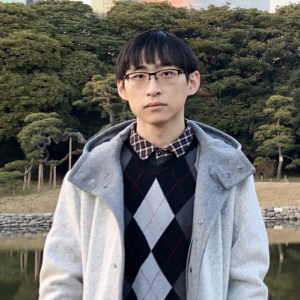
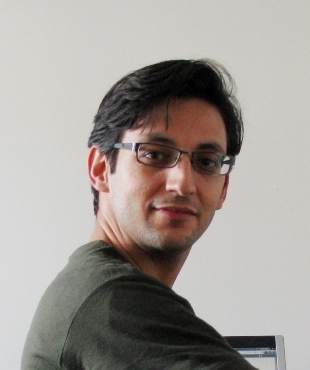
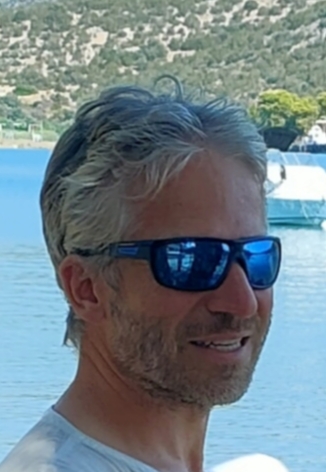
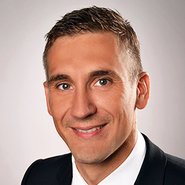
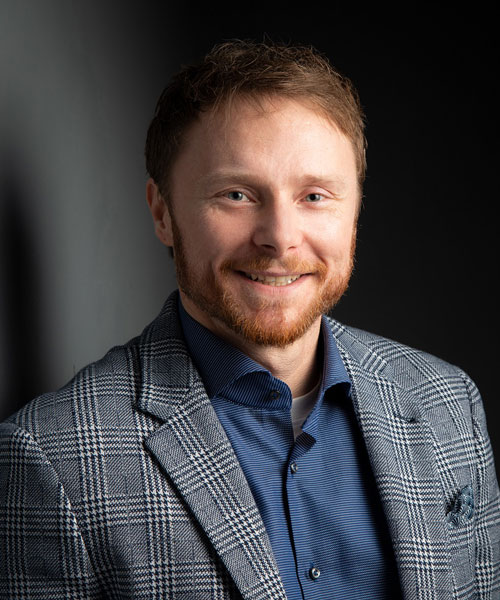
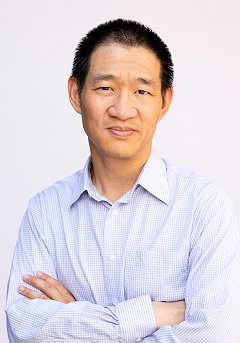
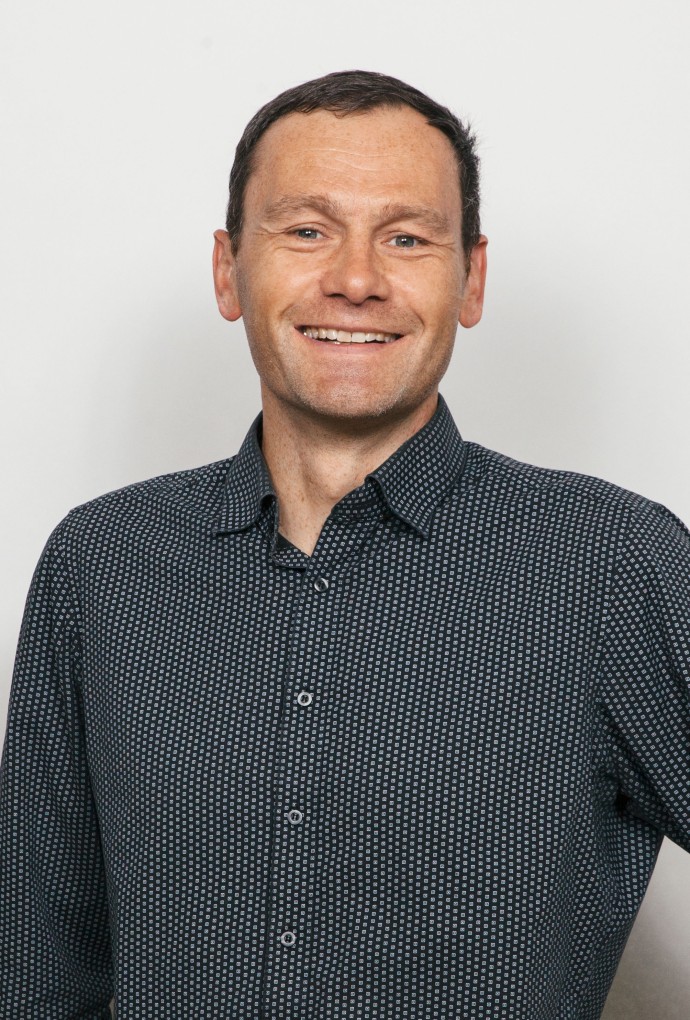
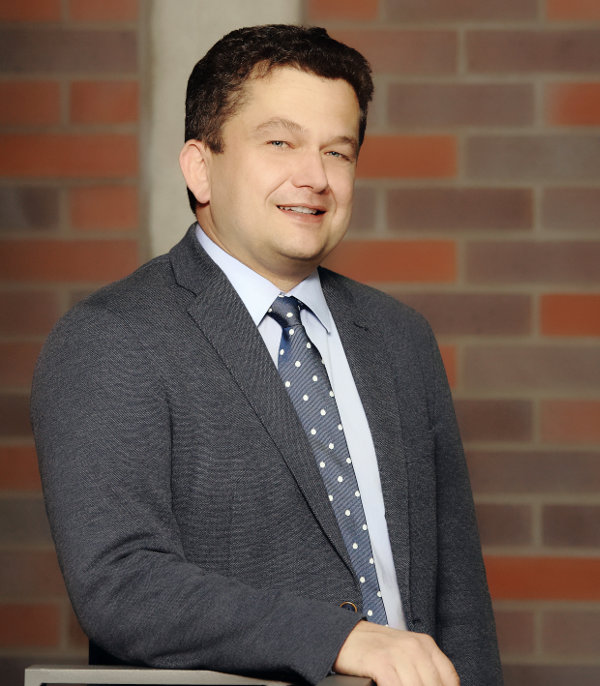
Denny Wu is a Faculty Fellow at the New York University Center for Data Science and affiliated with the Flatiron Institute 's Center for Computational Mathematics. He completed his PhD in Computer Science at the University of Toronto and the Vector Institute for Artificial Intelligence , advised by Assistant Professors Jimmy Ba and Murat A. Erdogdu . Prior, he earned an undergraduate degree in Computational Biology from Carnegie Mellon University as a research assistant under Ruslan Salakhutdinov . His research focuses on Theoretical Machine Learning , particularly Neural Network Optimization , Generalization Performance , and High-Dimensional Statistics . His work has been presented at top conferences like NeurIPS , ICML , and AISTATS , alongside publications in journals such as Nature Protocols and Journal of Statistical Mechanics: Theory and Experiment . Collaborative efforts include partnerships with RIKEN AIP 's Deep Learning Theory Team and Microsoft's Deep Learning Group. Borealis AI Fellowship 2023 UChicago Rising Star in Data Science Denny actively collaborates with institutions like the Vector Institute , RIKEN AIP , and Flatiron Institute , focusing on mathematical frameworks for understanding deep learning systems.
Dr. Katja Bettenbrock is a Team Leader in the Experimental Systems Biology group at the Max Planck Institute for Dynamics of Complex Technical Systems (Magdeburg, Germany). Her research focuses on understanding bacterial metabolism and its regulatory systems to enable biotechnological applications, particularly in strain development for chemical production. Education: Diploma in biology from the University of Osnabrück (1993), thesis on PTS-dependent chemotaxis in Escherichia coli Doctorate at the University of Osnabrück (1997), studying D-galactose degradation pathways in Lactobacillus casei Her research spans systems biology, regulatory network analysis, and metabolic engineering in bacteria like Escherichia coli and Zymomonas mobilis , with applications in biofilm regulation, ATP turnover control, and synthetic microbial communities. Articles highlight interdisciplinary approaches combining experimental biology with kinetic and computational models. Labs & Teams: She leads the Experimental Systems Biology team, collaborating on bioprocess optimization and cybergenetic control frameworks for industrial microbiology.
Marylyn Addo is a Professor at the Institute for Infection Research and Vaccine Development, Universitätsklinikum Hamburg-Eppendorf (UKE). She leads critical research projects on emerging viruses and therapeutic vaccines, including TherVacB for hepatitis B and PREPARE for Ebola pre-exposure prophylaxis. Current Projects : Public Relations in CRC 'Emerging Viruses', PREPARE (Ebola), TherVacB (Hepatitis B) Research Focus : Immune response dynamics, vaccine development, and pandemic preparedness, with emphasis on SARS-CoV-2 variants, MERS-CoV, and mpox. Key Article Trends : 15 recent publications highlight her work on viral immune evasion , vaccine-induced immunity , therapeutic immunology , zoonotic disease spread , and global health challenges in immunocompromised populations. Leadership : Active in clinical trials, vaccine evaluation, and international collaborations, particularly in Tanzania and with the European Commission. No student lists or awards provided in available data.
Prof. Dr. Stylianos Michalakis is a faculty member at Ludwig Maximilian University of Munich (LMU Munich), specializing in Epigenetics and Bioinformatics . His research focuses on retinal gene therapy , mechanisms of retinal degeneration , and the therapeutic potential of adeno-associated virus (AAV) vectors . He leads investigations into inherited retinal diseases like Achromatopsia and Retinitis Pigmentosa , aiming to develop pharmacological and genetic neuroprotection strategies. Current research targets the role of cGMP and its downstream pathways in photoreceptor degeneration. Develops AAV-based vaccines and advanced vector engineering techniques for retinal delivery. Investigates CRISPR/dCas9-VPR systems for gene activation in inherited retinal dystrophies. His recent publications highlight innovations in AAV vector design, long-term therapeutic efficacy in animal models, and molecular diagnostics for retinal disorders. Key subfields include Retinitis Pigmentosa , Stargardt Disease , photoreceptor survival , and neuroinflammatory modulation . Collaborations span preclinical testing, clinical trials, and translational research in ophthalmology and molecular biology.
Mahdi Vasighi is currently serving as an Assistant Professor at the Department of Computer Science and Information Technology, Institute for Advanced Studies in Basic Sciences (IASBS) in Zanjan, Iran, a position he has held since February 2012. Prior to this, he was a Post-doc Researcher at the same institution from February 2011 to February 2012. He has also served as a Visiting Researcher at the Milano Chemometrics and QSAR Research Group, University of Milano - Bicocca, Milan, Italy from September to October 2009, and as a Guest Lecturer at the Pasteur Institute, Tehran, Iran since September 2016. Dr. Vasighi earned his educational qualifications from the Institute for Advanced Studies in Basic Sciences (IASBS) in Zanjan, Iran, where he completed his Ph.D. in Chemometrics in May 2010 and his M.Sc. in Analytical Chemistry between 2002 and 2005. His undergraduate education was in Pure Chemistry at Imam Khomeini International University, Qazvin, Iran, from 1998 to 2002. Dr. Vasighi's primary research interests lie at the intersection of bioinformatics, machine learning, and data analysis. His work focuses on structural bioinformatics, particularly on modeling relationships between biological sequences and their corresponding structure or function. He has made significant contributions to the field of self-organizing maps with dynamic structure, developing innovative approaches like the Directed Batch Growing Self-Organizing Map (DBGSOM) that enhance topology preservation and visualization of high-dimensional data. His research spans multiple domains including protein structural classification, cancer diagnostics using fluorescence spectroscopy, and drug discovery for diseases like COVID-19. Dr. Vasighi's publication record demonstrates a strong trajectory in applying machine learning techniques to solve complex problems in bioinformatics and medical diagnostics. His recent work shows an increasing focus on applying computational approaches to healthcare challenges, including cancer detection, protein analysis, and drug discovery for viral diseases. He has successfully bridged the gap between theoretical machine learning advancements and practical applications in biology and medicine, with a particular emphasis on developing interpretable models that can be used by domain experts. Dr. Vasighi has actively contributed to the academic community through teaching and conference organization. He has served as Local Chair for the International Conference on Contemporary Issues in Data Science 2019 (CiDaS 19) and as Scientific Committee Member and Organizing Chair for previous CICIS conferences. His teaching portfolio includes graduate courses in Artificial Neural Networks, Computational Data Mining, Bioinformatics, Statistical Pattern Recognition, and Multimedia Systems. Dr. Vasighi has supervised numerous MSc students, with over twenty graduated students and nine current students listed in his profile. His research has been supported through collaborations with institutions like the Pasteur Institute, where he worked on projects related to nuclear magnetic resonance-based screening of thalassemia and determination of coronary heart disease risk using NMR spectra of plasma lipoproteins. Through his Directed Batch Growing Self-Organizing Map (DBGSOM) package and other software contributions, Dr. Vasighi has made his research tools accessible to the broader scientific community. His work continues to push the boundaries of how machine learning can be applied to solve challenging problems in bioinformatics and medical diagnostics.
Jérôme Leroux is a Directeur de Recherche (DR CNRS) at the Laboratoire Bordelais de Recherche en Informatique (LaBRI) , affiliated with the University of Bordeaux , France. His research focuses on formal verification of infinite-state systems, vector addition systems, Presburger arithmetic, and acceleration techniques for symbolic computation. Key research themes include: Vector Addition Systems (VASS) and Petri Nets Automata-based representations for Presburger arithmetic Abstract interpretation and CEGAR frameworks Verification of asynchronous distributed systems His recent publications highlight work on acceleration techniques for convex binary relations, serialized digit automata, and regular acceleration methods for number decision diagrams. These contributions are implemented in tools like the Talence Presburger Arithmetic Suite (TAPAS) and the FAST tool for symbolic verification. Scientific awards include a Best Paper Award at TURING'100 . He has advised several Ph.D. students and postdoctoral researchers, including Alexander Heußner and Thibault Hilaire (current Ph.D. candidate). Leroux is actively involved in organizing conferences like MFCS'23 and serving on program committees for venues such as VMCAI'26 .
Prof. Dr. Fabian Herz is a Professor of Apparatus and Plant Engineering at Anhalt University of Applied Sciences, where he also serves as Vice-Dean of Department 7 (Applied Biosciences and Process Engineering). Previously, he held research and professorial positions at Otto-von-Guericke University Magdeburg (2008-2016) and declined a W3 professorship at Clausthal University of Technology in 2017. His research specializes in thermal process engineering with focus areas including: Rotary kiln/drum modeling and optimization Particle transport dynamics and heat transfer Industrial process simulation (DEM methods) Energy-efficient material treatment Recent publications (2020-2025) predominantly explore particle behavior in industrial thermal systems, featuring advanced computational modeling and experimental validation. Awards include a summa cum laude PhD and distinction in his master's studies. He teaches core engineering courses and advises graduate researchers in process optimization projects.
Professor Jana Rödig serves as a Professor and Dean of Academic Affairs in Department 7 (Applied Biosciences and Process Engineering) at Anhalt University of Applied Sciences. She also acts as the Degree Program Advisor for the Biotechnology Master of Science program, which offers both full-time and dual study options. Her academic leadership extends across teaching, research, and administrative responsibilities within the university's engineering faculty. Professor Rödig's research spans multiple innovative areas in biotechnology. Her current focus includes biomaterials development (particularly mycelium-based materials), circular bioeconomy applications, bioprocess optimization, alternative proteins research, and virtual reality applications in biotechnology education. She leads two major externally funded projects: 'Innovative Mycolab - Mycothek (InMyco)' and 'VAB: Researching virtual applications in the BioTech House', both running from 2024-2027 with funding from the European Union and State of Saxony-Anhalt. Her publication record shows a progression from earlier work in influenza vaccine production and protein glycosylation analysis (2012-2014) to her current research directions. The publications demonstrate expertise in cell culture systems, bioprocess development, analytical methods for glycan analysis, and more recently, applications of virtual reality in biotechnology education and novel biomaterial development. Professor Rödig maintains strong connections between academic research and industrial applications, particularly evident in her current projects which aim to develop sustainable materials using regional resources and create innovative educational tools for biotechnology training.
Dr. Johannes Pfau serves as a Scientific Assistant at the Institute for Information Processing Technology (ITIV) within Karlsruhe Institute of Technology (KIT), working in Prof. Becker's research group. His position combines postdoctoral research in advanced FPGA architectures with teaching responsibilities including System-on-Chip internships and academic advising for specialized engineering tracks. Education: Doctorate (Dissertation) in Electrical Engineering and Information Technology, Karlsruhe Institute of Technology, 2024 Research Interests: Pfau's work centers on reconfigurable computing with three interconnected pillars: (1) Next-generation FPGA architectures using emerging technologies like RFETs that require fundamental toolchain redesigns; (2) Digital beamforming systems for satellite Earth observation that replace analog processing with FPGA-based solutions to enable on-orbit data compression; and (3) High-throughput data acquisition systems for 6G prototyping handling multi-100Gbps streams through RFSoC platforms. His research bridges semiconductor physics, hardware architecture, and practical applications in communications and remote sensing. Publication Trends: Pfau's 15 most recent publications (2021-2024) reveal a strong focus on practical FPGA implementations addressing real-world constraints. His work increasingly integrates power management (7 papers), 6G infrastructure (5 papers), and novel semiconductor technologies (4 papers), with a clear trajectory toward hardware solutions for satellite communications and next-generation wireless systems. The research demonstrates consistent progression from architectural innovations (RFET, V-FPGAs) to applied systems (beamforming, 6G testbeds). Advising and Mentorship: Pfau maintains an active student supervision portfolio with documented guidance of 7+ Bachelor's and Master's theses since 2021. His projects emphasize hands-on hardware development, spanning power management techniques, beamforming filter design, and prosthetic control systems. The academic advising role for specializations 13 and 21 positions him at the intersection of computer science and electrical engineering education. Research Context: As a core member of Prof. Becker's group at ITIV, Pfau contributes to KIT's leadership in reconfigurable systems research. The group maintains strong industry connections through 6G initiatives and satellite technology development, with Pfau's work directly supporting German and European efforts in secure communications infrastructure and Earth observation systems.
Prof. Dr. Pascal Klein is a faculty member at the University of Göttingen , specializing in physics education research within the Department of Physics. His work bridges theoretical physics with pedagogical innovation. Research focuses on the digital transformation of physics education , leveraging eye tracking and multimedia tools to enhance learning. Key projects include developing smartphone-based experiments for introductory mechanics and studying cognitive load during diagram-equation coordination. He contributes to empirical effectiveness analysis and discipline-specific didactics in higher education. Recent publications highlight his exploration of vector field concepts through simulations, strategic analysis of equation-diagram interactions, and stress dynamics in first-year physics students. His methodology emphasizes eye movement tracking to decode learning processes and optimize teaching strategies. The Digiphyslab Project (2022) exemplifies his efforts to integrate digital tools like Jupyter notebooks and smartphone sensors into laboratory settings, both on-campus and for distance learning. He also investigates the effects of dynamic visualizations and augmented reality on comprehension and engagement. His work extends to teacher training and public outreach , including projects on plant identification for student teachers and innovative approaches to non-inertial frames of reference . Collaborative efforts with institutions in Finland and Croatia further underscore his international impact in physics education.
Prof. Dr. Andreas Dellnitz is a Professor of Quantitative Methods at Leibniz University of Applied Sciences, specializing in Operations Research and Computational Social Sciences. He also serves as Head of the Sustainable and Digital Transformation program and has been Vice President for Research since 2025. Education Dr. Dellnitz holds the following academic qualifications: Master of Science (Business Information Systems), FernUniversität in Hagen (2019) Doctor of Economics (summa cum laude), FernUniversität in Hagen (2015) Diploma in Economics (honors), Ruhr University Bochum (2010) Research Interests Dr. Dellnitz's research centers on multi-criteria optimization and (eco-)efficiency analysis , with applications in sustainability. His methodological focus includes linear and combinatorial optimization, algorithmic geometry, and entropy-driven analytics for social and power networks. He investigates sustainability-oriented production planning, energy systems, and social network structures. Publication Trends His recent work (2021-2025) integrates Data Envelopment Analysis (DEA) with machine learning for cost estimation and eco-efficiency assessment. Key applications include sustainable production planning under energy pricing schemes, gas-to-power demand response, and battery storage systems. His research bridges theoretical operations research with industrial sustainability challenges. Scientific Awards No scientific awards were mentioned in the available information. Grants and Advising Dr. Dellnitz has led third-party funded projects such as MaXFab I (2016-2018) and MaXFab II (2019-2021) on energy-flexible factories. He supports student projects and participates in study committees, emphasizing practical applications of operations research in business and sustainability.
David Lie is a Professor in the Department of Electrical and Computer Engineering at the University of Toronto. He holds additional appointments in the Department of Computer Science and the Faculty of Law. He is a Tier 1 Canada Research Chair in Secure and Reliable Systems, a research lead at the Schwartz Reisman Institute for Technology and Society, an Associate Director at the Data Sciences Institute, a Vector Faculty Affiliate, and a Senior Massey College Fellow. His educational background includes: BASc from the University of Toronto (1998) MS from Stanford University (2001) PhD from Stanford University (2004) David Lie's research spans computer security, privacy, and cybersecurity. He is renowned for pioneering the XOM architecture—a foundational model for modern trusted execution environments like ARM TrustZone and Intel SGX—and developing the widely adopted PScout Android permission mapping tool. His current work emphasizes program analysis, fuzzing, and symbolic execution to enhance software security and reliability, addressing critical vulnerabilities in mobile and system software. His recent publications reveal a strong trajectory in integrating machine learning with program analysis techniques. Key themes include optimizing symbolic execution for Android apps, leveraging LLVM IR for bug detection, and using predictive models to guide test generation. These contributions underscore a practical focus on scalable, automated security tools that bridge theoretical advances with real-world software vulnerabilities. His notable awards include: Best Paper Award at SOSP Tier 1 Canada Research Chair in Secure and Reliable Systems Senior Massey College Fellow No specific information on student advising or research grants was provided in the available text, though his extensive program committee service for top security conferences (OSDI, IEEE Security & Privacy, CCS, etc.) indicates significant academic leadership. David Lie actively contributes to interdisciplinary research ecosystems through his roles at the Schwartz Reisman Institute for Technology and Society (as research lead), the Data Sciences Institute (as Associate Director), and the Vector Institute for Artificial Intelligence (as Faculty Affiliate), fostering collaborations between security research, law, and societal impact studies.
Prof. Dr.-Ing. Björn Kniesner serves as a Professor at Munich University of Applied Sciences within Faculty 03, holding critical administrative roles including Head of the Aerospace Engineering Bachelor's Program and Chairman of the Examination Board for the Aerospace Engineering Master's program. He additionally manages the Joint Laboratory AAF, directing resources across specialized research facilities. His research spans advanced aerospace domains with emphasis on propulsion and fluid dynamics, structured around these core areas: Aerospace propulsion systems and thermofluid mechanics Heat transfer optimization in thermal turbomachinery Numerical flow simulation and computational fluid dynamics Aerodynamics/aeroacoustics for flight applications Satellite systems engineering and flight simulation technologies Current projects demonstrate applied research leadership: the RISE rocket initiative (2kN thrust vector control with aerospike nozzle), HM³ CubeSat development (optical imaging with magnetorquer attitude control), and flight simulator expansion integrating dual-cockpit VR motion platforms. Laboratory oversight includes AAF (aerodynamics/aeroacoustics), EVT (thermal turbomachinery), and AUD (flight simulation) facilities. Administrative responsibilities encompass curriculum development, examination board leadership, and cross-laboratory coordination, with no mention of external awards or student advisement in available materials.
Professor Christoph Hanck serves as Chair of Econometrics at the University of Duisburg-Essen's Faculty of Business Administration and Economics since 2012, where he teaches a comprehensive range of statistics and econometrics courses at undergraduate and graduate levels. His academic journey includes positions as Associate and Assistant Professor at the University of Groningen (2009-2012), postdoctoral work at Maastricht University and TU Dortmund, and doctoral studies in econometrics at TU Dortmund. Professor Hanck's research focuses on nonstationary panel data analysis, macroeconometrics, and multiple testing procedures, with recent expansion into educational technology and machine learning applications. His publication record shows consistent output in top econometrics journals with over 40 publications spanning more than 15 years. His most recent work (2023-2025) demonstrates a dual research trajectory: advancing econometric methodology while innovating in digital teaching methods for statistics education. This includes publications on nonlinear cointegration testing, Bayesian econometrics, and educational data mining for assessment integrity and student performance prediction. Professor Hanck collaborates extensively with researchers including Massing, Klenke, Arnold, and Demetrescu across multiple institutions, indicating a strong research network in both methodological econometrics and educational technology applications. His teaching portfolio encompasses core statistics and econometrics courses at all academic levels, with increasing integration of digital assessment methods and computational approaches using R programming.
Prof. Dr.-Ing. Andreas Wenzel is a Professor at Schmalkalden University of Applied Sciences in the Faculty of Electrical Engineering, specializing in Embedded Systems. His office is located in Building M, Room 0401, and he can be reached at +49 3683 688 5113. With a distinguished research career spanning over two decades, Prof. Wenzel has established himself as a leading expert in embedded diagnostic systems with applications across multiple domains including biomedical engineering, industrial automation, and assistive technologies. Prof. Wenzel's primary research interests focus on the development and application of embedded diagnostic systems, with particular emphasis on neural networks for pattern recognition, fuzzy logic systems for classification problems, and real-time monitoring solutions. His work bridges theoretical machine learning approaches with practical engineering applications, resulting in innovative solutions for quality control in manufacturing processes, medical diagnostics, and mobility assistance technologies. He has made significant contributions to EEG data analysis for sleep stage and anesthesia depth monitoring, as well as developing smart systems for injection molding quality assessment and advanced mobility solutions for elderly individuals. Analysis of Prof. Wenzel's publication record reveals a consistent research trajectory focused on applying computational intelligence to solve practical engineering problems. His work demonstrates exceptional versatility across domains while maintaining a cohesive research theme centered on embedded diagnostic systems. From 2012-2016, his research output shows increasing focus on real-time embedded solutions with industrial applications, particularly in manufacturing quality control and assistive technologies, while continuing his foundational work in biomedical signal processing. The interdisciplinary nature of his research is evident in collaborations with medical professionals, industrial partners, and robotics specialists. Prof. Wenzel leads the Embedded Diagnostic Systems Research Group at Schmalkalden University of Applied Sciences, which maintains strong industry partnerships, particularly in plastics manufacturing and medical technology sectors. His team develops practical embedded solutions that address real-world challenges in production quality monitoring, medical diagnostics, and mobility assistance. The research group's work is characterized by its practical orientation, with many projects resulting in deployable systems rather than purely theoretical contributions. Prof. Wenzel's strategic focus on applied research ensures that his work has direct industrial relevance and practical impact.