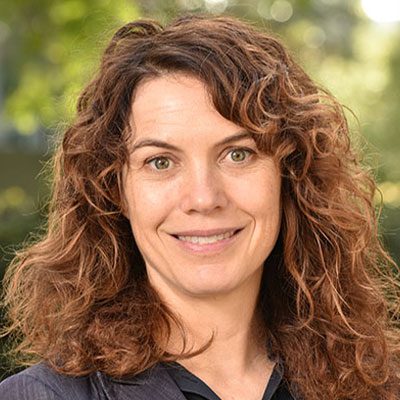
Kristina Schoonjans is an Associate Professor at EPFL’s School of Life Sciences, where she leads the Laboratory of Metabolic Signaling (UPSCHOONJANS). Her research focuses on the molecular mechanisms of bile acid signaling, nutrient sensing, and intermediary metabolism, particularly in the context of metabolic disorders such as obesity, fatty liver disease, and cancer. She investigates how the liver-gut-brain axis integrates metabolic signals through nuclear receptors and mitochondrial dynamics. Her research interests include: Bile acid signaling and its role as a hormonal regulator Nutrient and metabolite sensing in energy homeostasis Intermediary metabolism and metabolic disorders Role of nuclear receptors (e.g., TGR5, LRH-1) in liver, gut, and adipose tissue Mitochondrial dynamics and fission in metabolic regulation Organoid models for studying liver and intestinal metabolism Systems genetics using BXD mouse populations The most recent articles highlight a strong focus on bile acid signaling, particularly through TGR5 and LRH-1, in regulating metabolic health. Themes include the conversion of white fat to beige fat (beiging), hepatic tumorigenesis, mitochondrial fission, and the use of organoid and genetically engineered mouse models. There is a consistent emphasis on translational applications for obesity, fatty liver disease, and cancer. Scientific honors include: Windaus Prize from the Dr. Falk Foundation (2010, shared with Johan Auwerx) for the discovery of the signaling/endocrine function of bile acids Prof. Schoonjans actively supervises PhD students and has advised numerous doctoral candidates who have since completed their theses. Her lab is supported by multiple grants from Swiss and international funding agencies, including the Swiss National Science Foundation, EPFL, CONACYT, and the Foundation for Health and Education. She teaches in several doctoral programs at EPFL, including Life Sciences Engineering, and contributes to education through the SSV and EDBB/EDCB/EDMS-ENS programs. The Schoonjans Lab brings together scientists, doctoral assistants, and technicians working on projects related to metabolic signaling. The team uses advanced techniques such as genetically modified mouse models, organoid cultures, and multi-omics (metabolomics, proteomics, transcriptomics) to study the liver-gut and brain-liver axes. The lab has a strong track record of high-impact publications and collaborations with institutions worldwide.