

Prof. Dr. Dennis Säring is a faculty member at the University of Applied Sciences Wedel , specifically affiliated with the School of Engineering. His academic and research activities focus on Deep Learning , Medical Image Analysis , and applications of Artificial Intelligence in healthcare and biomedical imaging. He has led seminars on Deep Learning topics and supervised student projects in Autonomous Driving at Audi's AADC 2018 competition. Research Highlights : Cardiovascular imaging, forensic age estimation via MRI, neural network-based bone segmentation, and cerebrovascular aneurysm analysis. Technical Expertise : Cardiac MRI, 3D/4D image processing, parametric mapping, and spatiotemporal data fusion. His recent publications (2018-2023) emphasize 3D MR segmentation for age assessment, CMR strain analysis in athletes, and T1/T2 mapping for myocarditis. Key collaborations include institutions like the University Medical Center Hamburg-Eppendorf and Wedler Hochschulbund, with funding for autonomous vehicle research. While no explicit scientific awards are listed, his work spans clinical cardiology, forensic radiology, and AI-driven medical diagnostics.
جستجوی استاد راهنمای دانشگاهی
برای مسیر پژوهشیتان، استاد راهنما، استاد دانشگاه و پژوهشگر مناسب را پیدا کنید و با آنها ارتباط بگیرید.
نمایش ۱-۱۵ از ۴۲ استاد راهنما
اطلاعات پروفایلها از صفحات عمومی دانشگاهها گرفته شده و ممکن است بهروز نباشد.
Stefan Kluge is a Professor at the Department of Intensive Care within the University Medical Center Hamburg-Eppendorf . With over 150 publications in 2025-2024 alone, his work focuses on critical care medicine, sepsis, ARDS, and cardiogenic shock. His recent research explores ARDS impact on liver cirrhosis outcomes Hyperoxia effects in traumatic brain injury Biomarkers for cardiogenic shock prognosis Novel retrograde limb perfusion techniques during ECPR Dual-energy CT for body composition analysis He contributes extensively to German national guidelines for nosocomial pneumonia and participates in multi-center critical care trials. Stefan Kluge's collaborations span neuro-intensive care , cardiovascular research , and infection/immunity domains. His work integrates machine learning applications and medical informatics to improve ICU decision-making.
- Intensive Care Medicine
- Critical Care
- Sepsis
- +۹ مورد دیگر
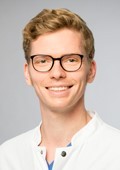
Prof. Dr. med. Franz Lennard Ricklefs is a Senior Physician and Head of the Working Group at the Department of Neurosurgery, University of Hamburg Faculty of Medicine. He is a Medical Specialist in Neurosurgery with cross-disciplinary expertise in neuro-oncology, molecular pathology, and extracellular vesicle research. Affiliations: University Medical Center Hamburg-Eppendorf (UKE), European Liquid Biopsy Society (ELBS), International Consortium on Meningiomas (ICOM) Research Interests: His work focuses on neurosurgical oncology, particularly glioblastoma and meningioma pathobiology. He investigates DNA methylation patterns, extracellular vesicle biomarkers, and liquid biopsy implementation in clinical neuro-oncology. Additional interests include surgical outcomes for epilepsy and aneurysm management. Article Trends: Over the last decade, Dr. Ricklefs has published extensively on: Extracellular vesicle applications as liquid biopsy markers DNA methylation subclasses for glioblastoma and meningioma Multicenter surgical outcome benchmarking Immune evasion mechanisms in neuro-oncology Technological innovations in neurosurgical visualization Molecular characterization of rare CNS tumors Professional Contributions: He co-authored the MISEV2023 guidelines for extracellular vesicle studies and participates in international consensus reviews for meningioma classification. His collaborations span institutions across Europe and North America.
- Neurosurgery
- Neuro-oncology
- Molecular Neurobiology
- +۵ مورد دیگر
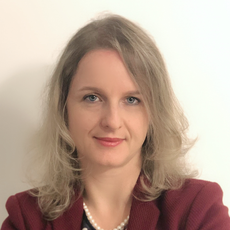
Prof. Dr.-Ing. Maria Francesca Spadea serves as Director of the Institute of Biomedical Engineering (IBT) at Karlsruhe Institute of Technology (KIT), part of the Helmholtz Association. Her leadership role includes overseeing research initiatives, teaching activities, and administrative responsibilities within the institute. Located in space 512, she maintains regular consultation hours on Wednesdays from 10:30-11:30 am by appointment. Professor Spadea's research spans several cutting-edge areas in biomedical engineering, with particular focus on medical image processing, artificial intelligence applications in healthcare, and radiomics. Her work bridges computational techniques with clinical applications, emphasizing practical solutions for medical imaging challenges. She has pioneered approaches in federated learning for medical image translation, particularly in CT/MRI synthesis for radiation therapy applications. Her research also extends to cancer cell analysis, vascular biomechanics, and medical robotics, demonstrating a broad yet cohesive research portfolio that addresses critical challenges in modern healthcare. Analysis of Professor Spadea's recent publications reveals a strong emphasis on AI-driven medical imaging solutions, particularly in the translation between different imaging modalities (like MRI-to-CT) using federated learning approaches that preserve patient privacy. Her work demonstrates growing specialization in radiation therapy applications, with multiple publications addressing synthetic CT generation for treatment planning. There's also a clear trajectory toward multi-institutional collaboration, as evidenced by her involvement in projects spanning multiple research centers across Europe. Professor Spadea actively mentors numerous students, including M. Krohmer Zabaleta, N. Skupien, and M. Destito, who have completed bachelor's and master's theses under her supervision. Her research group appears well-integrated within the broader Institute of Biomedical Engineering, collaborating extensively with colleagues like P. Zaffino and C.B. Raggio on multiple projects. The group maintains strong connections with clinical partners, as evidenced by publications addressing real-world medical challenges in radiation therapy, cardiology, and neurosurgery. The research activities of Professor Spadea's team are centered within the Institute of Biomedical Engineering at KIT, with particular focus on medical imaging processing and AI applications. Her laboratory appears to specialize in developing computational tools for medical image analysis, with recent work emphasizing privacy-preserving federated learning frameworks that enable multi-institutional collaboration without sharing sensitive patient data. The team maintains active collaborations with clinical departments, particularly in radiation oncology, as evidenced by numerous publications addressing CT synthesis for radiation therapy planning.
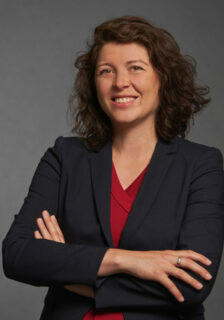
Prof. Dr. Franziska Mathis-Ullrich is a Professor at Friedrich-Alexander-University Erlangen-Nuremberg (FAU) leading the Surgical Planning and Robotic Cognition Lab (SPARC) in the Department of Artificial Intelligence in Biomedical Engineering. Previously, she was an Assistant Professor at Karlsruhe Institute of Technology (KIT) from 2019 to 2023. Her research focuses on minimally invasive robotic systems, soft robotics, and embedded machine learning for surgical applications. She holds a PhD in Microrobotics from ETH Zurich (2017), with earlier degrees from the same institution. Education: B.Sc. and M.Sc. in Mechanical Engineering and Robotics (ETH Zurich, 2009–2012) Ph.D. in Microrobotics (ETH Zurich, 2017) Research Interests: Minimally invasive medical robotics, soft robotic systems, AI-driven surgical assistance, microrobotics, and robot-assisted surgery. Her work emphasizes translating robotics innovations into clinical applications through interdisciplinary collaboration. Key Awards: IEEE ICRA Best Paper Award in Medical Robotics (2014) IEEE BioRob Best Student Paper Award (2016) ICRA Microassembly Challenge First Prize (2014 & 2015) Forbes 30 under 30 (2017) Grants & Projects: Leading a Bavarian State Ministry-funded project on endometriosis diagnostics (€3M). Active in multidisciplinary collaborations with Erlangen University Hospital. Serves as Vice-President of the German Society for Computer- and Robot-assisted Surgery (CURAC). Labs & Teams: Directs the SPARC Lab, which develops cognitive robotic systems for surgical planning and execution. Collaborates with institutions like Max Planck, Fraunhofer, and Helmholtz.
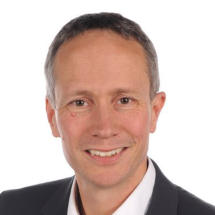
Cornelius Faber is a University Professor in the Department of Radiology at the University of Münster, Germany, where he leads the Experimental Nuclear Magnetic Resonance research group. His work focuses on developing and implementing novel MRI techniques that extend the boundaries of magnetic resonance imaging in terms of spatial and temporal resolution, sensitivity, and specificity for physiological, structural, and molecular changes. He actively participates in the "Cells in Motion" interdisciplinary research initiative at the university. Professor Faber's research spans multiple critical areas in medical imaging and biomedical science. His primary expertise lies in MRI cell tracking , enabling visualization of cellular dynamics in vivo. He has made significant contributions to infection imaging , developing methods to detect and characterize microbial infections using MRI. His work on MR methodology development has advanced quantitative imaging techniques, while his research on multimodal integration in MR and MRI contrast mechanisms has provided deeper insights into molecular and cellular processes. His research bridges physics, engineering, and biomedical applications, with particular relevance to inflammation, cancer, neurological disorders, and cardiovascular disease. Analysis of Professor Faber's extensive publication record reveals a clear evolution from fundamental MRI technique development toward increasingly sophisticated applications in disease models. His recent work demonstrates a strong trend toward multimodal imaging approaches that combine MRI with complementary techniques such as mass spectrometry, optical imaging, and PET. This integration creates comprehensive diagnostic platforms that provide both anatomical and molecular information. A notable pattern is the focus on cellular dynamics, particularly immune cell behavior in inflammatory conditions and tumor microenvironments, with applications spanning neuroscience, oncology, and cardiology. Professor Faber leads a multidisciplinary research team of approximately 15 members, including scientists, doctoral students, technicians, and medical students. His laboratory is deeply integrated with the University of Münster's research infrastructure, particularly the Multiscale Imaging Centre. The group's work contributes significantly to advancing preclinical MRI methodologies while maintaining strong clinical relevance, with numerous publications in high-impact journals across medical imaging, neuroscience, and biomedical engineering disciplines.
- MRI cell tracking
- infection imaging
- MR methodology
- +۶ مورد دیگر
Patrick Czorlichمشاهده پروفایل
مدرس ارشد
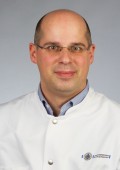
Patrick Czorlich is a Senior physician and Medical Specialist in Neurosurgery at the University Medical Center Hamburg-Eppendorf (UKE), working within the Head and Neurocenter Department of Neurosurgery. He holds dual qualifications as a Prüfarzt (clinical trial physician) for both medicinal products and medical devices under German law. His clinical expertise spans neurosurgery with a specialized focus on neurosurgical intensive care. Dr. Czorlich's research interests are extensive within neurosurgical domains, with particular emphasis on traumatic brain injury, subarachnoid hemorrhage, neurocritical care, cerebrospinal fluid dynamics, and intracranial hemorrhage management. His work demonstrates a strong translational approach, bridging clinical practice with research to improve patient outcomes in complex neurosurgical cases. He has developed expertise in areas such as shunt dependency prediction, Terson Syndrome, and the management of complications following aneurysmal subarachnoid hemorrhage. Analysis of his recent publications (2023-2025) reveals a consistent research trajectory focused on improving outcomes in neurocritical care patients. His work spans clinical trials (including the FINISHER trial), predictive analytics using machine learning, management of complications following subarachnoid hemorrhage, and innovative approaches to neurosurgical interventions. Notably, his research often incorporates interdisciplinary collaboration, particularly with ophthalmology for Terson Syndrome studies and with critical care specialists for comprehensive patient management. His scientific contributions demonstrate expertise in both clinical neurosurgery and research methodology, with publications appearing in high-impact journals across neurosurgery, critical care, and related specialties. The consistent output of research and clinical studies indicates active engagement in advancing neurosurgical practice and patient care protocols.
Charith Coorayمشاهده پروفایل
دانشیار
Charith Cooray is an Associate Professor and Adjunct Associate Professor at Karolinska Institutet , affiliated with the Department of Clinical Neuroscience . He leads a research group focused on Clinical Neurophysiology and Neurocritical Care , with a clinical background in neurology and clinical neurophysiology. Non-invasive estimation of intracranial pressure via optic nerve sheath diameter (ONSD) and transcranial Doppler Blood biomarkers for acute stroke subtyping and differentiation from stroke mimics Neurophysiological monitoring in neurointensive care settings His recent publications (2019-2024) span neuroimaging , stroke outcomes , and epilepsy mechanisms . He supervises doctoral student Jakob Pansell and collaborates with teams at Karolinska University Hospital and SciLifeLab . No scientific awards are documented in public records.
- Neurology
- Clinical Neurophysiology
- Stroke Research
- +۴ مورد دیگر
/bilder/personen/langer_florian_20180816_01_1_kontaktbild.jpg)
Florian Langerمشاهده پروفایل
استاد بالینی
Prof. Dr. med. Florian Langer is a Clinical Professor and Senior Physician at the University Medical Center Hamburg-Eppendorf (UKE), affiliated with the Faculty of Medicine and the II. Medical Clinic and Polyclinic. He specializes in Oncology and Hemostaseology (coagulation disorders), with a focus on cancer-associated thrombosis and hemophilia management. His roles include overseeing the Center for Oncology and the Coagulation Outpatient Clinic. Langer holds memberships in leading societies such as the German Society for Thrombosis and Hemostasis Research (GTH) and the International Society on Thrombosis and Haemostasis (ISTH). His research interests span thrombosis mechanisms in cancer, anticoagulant therapies, and the interplay between coagulation and malignancies. He has contributed to clinical guidelines on direct oral anticoagulants and cancer-associated venous thromboembolism. Langer has also led studies like the INSIGHTS-SVT trial, investigating outcomes of superficial vein thrombosis in daily practice. Notable awards include the Nachwuchsförderpreis (2007) and Best-Abstract-Preis (2009) from the GTH. He collaborates on multidisciplinary projects, including the European Liquid Biopsy Society (ELBS), and has authored over 150 peer-reviewed articles. His clinical practice focuses on managing complex cases involving coagulopathy and oncologic hemostasis.
- Hematology
- Oncology
- Thrombosis
- +۳ مورد دیگر
Alina Bergholzمشاهده پروفایل
پزشک-پژوهشگر
Dr. Alina Bergholz is a Physician Scientist specializing in Anesthesiology at the University Medical Center Hamburg-Eppendorf, Faculty of Medicine. She maintains an active research profile with numerous publications in high-impact anesthesia journals, focusing on perioperative hemodynamic monitoring and management. Her research interests center on optimizing intraoperative care through advanced monitoring techniques, particularly in the areas of blood pressure management, cardiac output monitoring, and prevention of postoperative complications. Dr. Bergholz has made significant contributions to understanding how personalized hemodynamic targets can improve outcomes in high-risk surgical patients, with particular emphasis on abdominal and vascular procedures. Analysis of her 15 most recent publications (2022-2025) reveals a strong focus on clinical trials evaluating continuous monitoring technologies, hemodynamic optimization strategies, and the relationship between intraoperative parameters and postoperative outcomes. Her work frequently employs innovative methodologies including machine learning approaches to identify hypotension patterns and personalized blood pressure targets. Dr. Bergholz collaborates extensively with leading researchers in the field, particularly with Professor Bernd Saugel, and has contributed to multiple multicenter randomized trials that are shaping contemporary perioperative practice. Her research has important clinical implications for improving patient safety during surgery, particularly for high-risk populations, and represents a significant contribution to evidence-based anesthesia practice.
Amir Manbachiمشاهده پروفایل
دانشیار
Amir Manbachi is an Associate Professor at Johns Hopkins University with dual appointments in the Johns Hopkins School of Medicine and the Whiting School of Engineering . He co-directs the HEPIUS Innovation Lab , focusing on wearable and implantable medical ultrasound technologies for spinal cord injury and brain tumor monitoring. He is the engineering co-PI for a $13.48M DoD grant and has mentored over 170 students. Academic Appointments: Departments of Neurosurgery, Anesthesiology and Critical Care Medicine, Biomedical Engineering Education: PhD (2015) and MSc (2010) from University of Toronto, BSc (2008) Postdoctoral Training: Harvard-MIT Program in Health Sciences and Technology Dr. Manbachi's research spans the physics of medical ultrasound, therapeutic applications (tumor ablation, neuromodulation), and clinical translation of engineering innovations. His work bridges acoustic physics with real-world deployment in trauma care and neurological disorders. Recent publications highlight advancements in ultrasound elastography for spinal cord tension monitoring, non-contrast blood flow analysis , and neuromodulation for spinal cord injury. His team's implantable ultrasound sensors and wearable devices have achieved FDA breakthrough designation . Awards: AIUM Peter Arger Excellence Award (2024), Hisako Terasaki Young Innovator (2024), Baltimore Business Journal's 40 under 40 (2022-2023), FDA Breakthrough Device (2023), teaching awards Grants: $13.48M DoD award, Johns Hopkins ICTR Career Development Award Patents: 20+ inventions including ultrasonic bone imaging systems and flexible focused ultrasound transducers As co-founder of Spinesonics Medical , he has commercialized ultrasound-guided spine surgery technologies. He teaches courses in engineering design, medical imaging, and clinical translation at the Whiting School of Engineering .
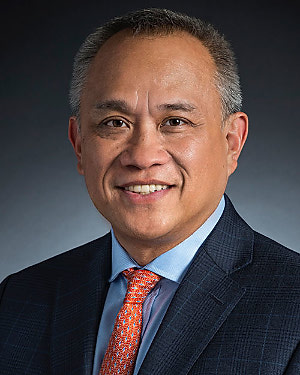
Dr. Romergryko G. Geocadin serves as Professor of Neurology at Johns Hopkins University School of Medicine with joint appointments in Neurosurgery and Anesthesiology and Critical Care Medicine. He co-directs the Johns Hopkins Encephalitis Center and chairs the Multidisciplinary Critical Care Practice Committee at Johns Hopkins Bayview, having previously directed the Neurosciences Critical Care Unit and Division of Neurosciences Critical Care at Johns Hopkins. Education: MD, Far Eastern University Institute of Medicine (1991) Residency in Neurology, NYU Langone Hospital (1997) Fellowship in Neurological Critical Care, Johns Hopkins University School of Medicine (1999) Dr. Geocadin's research centers on acute brain injury mechanisms and treatments, particularly post-cardiac arrest coma recovery and therapeutic hypothermia. His work integrates quantitative EEG for outcome prediction and explores neuroprotective strategies for cerebral ischemia, intracranial hemorrhage, encephalitis, and status epilepticus. This translational research bridges basic science with clinical applications in neurocritical care. His 2015-2016 publications demonstrate leadership in neurocritical care guidelines, with emphasis on post-cardiac arrest management, surgical complications, and diagnostic approaches for neurological emergencies. Key themes include therapeutic hypothermia implementation, neuro-electrophysiological monitoring, and evidence-based protocols for encephalitis and vascular events. Scientific Awards: Fellow of the American Academy of Neurology Fellow of the American Neurological Association Fellow of the Neurocritical Care Society Selected Delegate, Neurology Leadership Forum (2003) Corporate Roundtable Clinical Research Fellowship (2000) American Heart Association Postdoctoral Fellowship (1999) Johns Hopkins Dana Research Awards (1997-1999) Dr. Geocadin provides academic leadership through editorial roles in Resuscitation and Neurocritical Care journals, chairing the American Academy of Neurology's Brain Injury Guidelines Committee, and serving as president-elect of the Neurocritical Care Society. His committee work with the American Heart Association shapes national resuscitation standards. He leads multidisciplinary teams at the Johns Hopkins Encephalitis Center and directs critical care initiatives across Johns Hopkins Bayview and The Johns Hopkins Hospital, focusing on cardiac arrest recovery protocols and neurocritical care innovation.

Maria Wostrack serves as a Professor and Senior Consultant at the Technical University of Munich (TUM), affiliated with the Munich Center for NeuroSciences - Brain and Mind (MCN). Her primary academic appointment is the Professorship of Translational Neurotechnology, with extensive clinical responsibilities across multiple neurosurgical domains. Her research integrates advanced technological applications into neurosurgical practice, with core expertise in Neuro-oncology, Vascular Neurosurgery, and Spinal Surgery. She pioneers the implementation of Artificial Intelligence, Robotics, and real-time functional monitoring systems to enhance surgical precision and patient outcomes. Her work emphasizes translational innovation, bridging laboratory discoveries with clinical applications through specialized working groups. Prof. Wostrack leads or actively participates in six key collaborative units: the Neuro-Oncology Group, Vascular Neurosurgery Working Group, Skull Base Working Group, Artificial Intelligence and Robotics in Neurosurgery initiative, Spine Working Group, and Functional Neuronavigation and Monitoring team. These groups drive interdisciplinary research focused on developing next-generation neurosurgical techniques while maintaining direct clinical engagement through outpatient clinics and international patient services.
Prof. Dr. Rainer Glaß serves as Professor and Principal Investigator of Neurosurgical Research within the Department of Neurosurgery at Ludwig Maximilian University of Munich's Medical Faculty. He leads an active research group at University Clinics Munich focused on brain tumor pathophysiology, with particular emphasis on glioblastoma microenvironment dynamics and neoplastic angiogenesis mechanisms. His research program centers on neuro-oncology with specialization in tumor-associated myeloid cells (TAMEP), microglia, and pericytes. Key investigations explore how dormant brain progenitor cells activate in glioblastoma to form TAMEP, which critically regulate vascular network formation and blood-tumor barrier integrity. This work reveals fundamental mechanisms of tumor progression and therapeutic resistance in high-grade gliomas. Recent publications demonstrate consistent focus on disrupting tumor vascularization pathways, with landmark studies identifying TAMEP as central controllers of angiogenesis. His group's translational approach combines transgenic mouse models with molecular techniques to develop strategies for weakening the blood-tumor barrier and enhancing drug delivery in glioblastoma treatment. Prof. Glaß directs the Neurosurgical Research group (AG Glass) at LMU's Department of Neurosurgery, maintaining experimental facilities for in vivo glioma modeling and cellular analysis. The laboratory actively investigates progenitor cell activation mechanisms and myeloid cell interactions within the tumor microenvironment, utilizing advanced imaging and genetic manipulation techniques to dissect vascular biology in brain tumors.
- Neuro-oncology
- Glioblastoma
- Tumor Microenvironment
- +۴ مورد دیگر
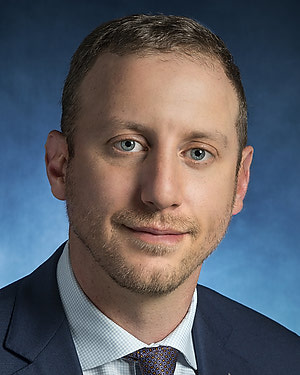
Dr. Sami H. Tuffaha serves as Associate Professor of Plastic and Reconstructive Surgery at Johns Hopkins University School of Medicine with cross-appointments in Orthopaedic Surgery, Neurosurgery, and Biomedical Engineering. He directs the Johns Hopkins Peripheral Nerve Surgery Center and maintains an active clinical practice specializing in hand and upper extremity surgery with emphasis on microsurgery and peripheral nerve disorders. His clinical expertise spans treatment of hand and wrist trauma, arthritis, vascular disorders, tendon injuries, and peripheral nerve conditions, including surgical restoration of function in patients with paralysis from spinal cord injury, cerebral palsy, and stroke. Dr. Tuffaha completed his medical education at University of Pittsburgh Medical Center (MD, 2011), followed by residency training in the Johns Hopkins/University of Maryland Plastic and Reconstructive Training Program (2018), and fellowship training in Hand and Upper Extremity Surgery at Mayo Clinic College of Medicine with emphasis on Microsurgery and Peripheral Nerve Surgery (2019). He is board certified by the American Board of Plastic Surgery (2020) and maintains active clinical practice at the Johns Hopkins Outpatient Center. His research program focuses on developing novel therapies to enhance functional recovery from nerve injuries, with particular emphasis on peripheral nerve regeneration and treatment/prevention of symptomatic neuromas. Dr. Tuffaha leads a comprehensive research initiative that integrates basic science, translational work, and clinical trials aimed at advancing care for patients with peripheral nerve and spinal cord injuries. His laboratory investigates growth factors, biomaterials, and nanotechnology approaches to improve nerve regeneration and functional outcomes after nerve injuries. Analysis of Dr. Tuffaha's recent publications reveals a strong focus on translational research bridging basic science discoveries with clinical applications. His work spans multiple domains including nerve regeneration mechanisms, surgical techniques for nerve repair and transfer, management of neuromas, and rehabilitation strategies for nerve injuries. A notable trend is his increasing investigation into pharmacological approaches (such as growth hormone, IGF-1, and agrin) to enhance nerve regeneration and prevent complications of denervation. J. Leonard Goldner Pioneer Research Award, American Society for Surgery of the Hand (2016) Adrian Flatt Basic Science Research Award, American Federation for Surgery of the Hand (2016) Discovery Award, Johns Hopkins University (2018, 2020) Dr. Chi-Tsung Su, M.D., Memorial Research Award, Johns Hopkins Department (2018) Scholarly Concentrations Excellence in Mentoring Award (2020) Cohen Translational Engineering Award (2021) Gelberman Scholar Award, American Society for Surgery of the Hand (2022) ASPN Travelling Fellowship, American Society for Peripheral Nerve (2022) Dr. Tuffaha serves as principal investigator for multiple research grants focused on nerve regeneration and peripheral nerve injury treatment. His research program includes over 180 publications with more than 39,000 reads and 2,000+ citations on ResearchGate. He has co-chaired major society meetings including the American Society for Peripheral Nerve (2023) and American Association for Hand Surgery (2020). His mentorship activities include the Scholarly Concentrations program at Johns Hopkins where he received the Excellence in Mentoring Award in 2020. Dr. Tuffaha leads the Johns Hopkins Peripheral Nerve Surgery Center, which integrates expertise from plastic surgery, neurosurgery, orthopaedic surgery, neurology, pain medicine, and physical medicine and rehabilitation. His research laboratory focuses on developing strategies to enhance nerve regeneration, including growth factor delivery systems, biomaterials, and novel surgical techniques. Current projects include clinical trials assessing therapeutic agents for nerve injury and translational work on nanoparticle-based drug delivery systems for peripheral nerve repair.