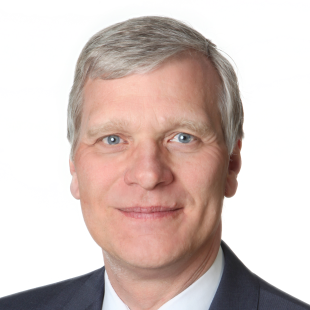
Volker Schöppner is Professor and Head of Plastics Processing at the University of Paderborn, concurrently serving as Professor Member in the Key research area Sustainable Materials, Processes and Products. Previously until 2022, he held the same professorial membership in the Direct Manufacturing Research Center (DMRC). His research centers on sustainable polymer processing innovations, particularly anvil-free ultrasonic welding for single-sided access scenarios and laser transmission welding scale-up rules for thermoplastics. He investigates mixing mechanisms in twin-screw extruders and develops eco-efficient plastics manufacturing methodologies, emphasizing recyclable material systems and energy-optimized processes. Analysis of his 2024 publications reveals concentrated expertise in plastics joining technologies and extrusion process optimization, with multiple conference presentations on ultrasonic welding variants and a significant journal contribution on extruder screw dynamics. This output demonstrates consistent focus on practical industrial applications within polymer engineering. Professor Schöppner actively contributes to the University of Paderborn's Key research area Sustainable Materials, Processes and Products, driving interdisciplinary collaboration on circular economy solutions for polymer materials and manufacturing systems.
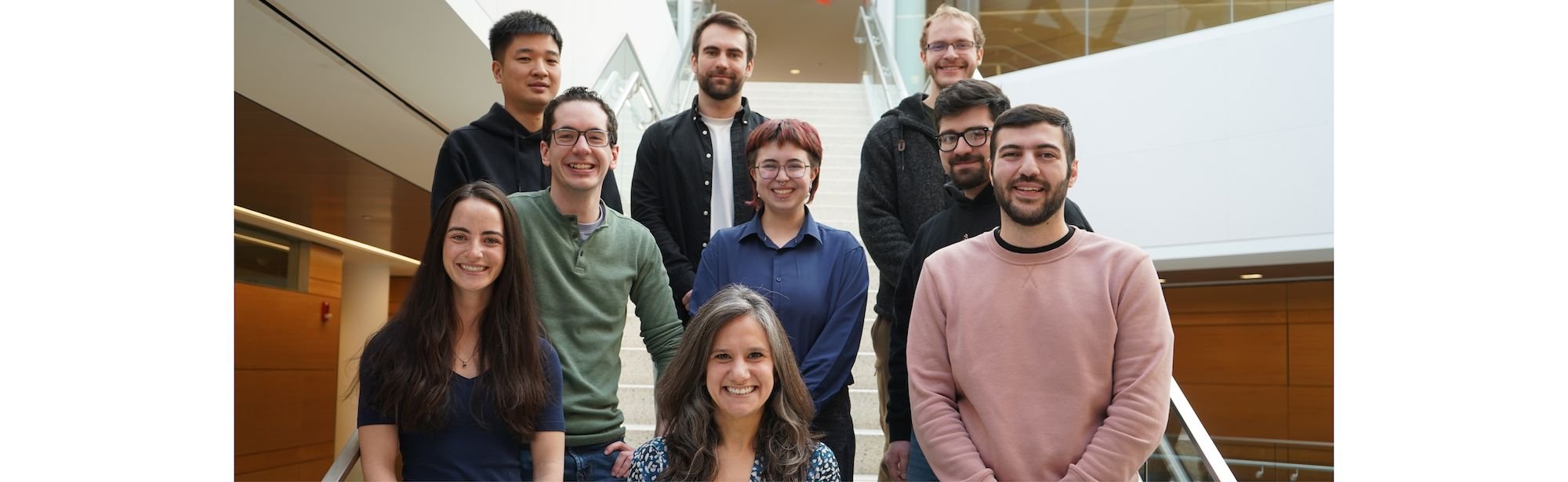
Julia Alterman, PhD, is an Assistant Professor at the RNA Therapeutics Institute within UMass Chan Medical School. Her research focuses on developing novel therapeutic oligonucleotides for genetically defined diseases, with particular expertise in siRNA technology and chemical optimization for extrahepatic tissue delivery. Dr. Alterman's lab works on expanding siRNA applicability to diverse tissues including skin, heart, muscle, bone, joint, eye, and inflammation targets. Her research integrates oligonucleotide chemistry and synthesis, chemical biology, and in vitro/ex vivo/in vivo pharmacology to understand structure-activity relationships of therapeutic oligonucleotides. Current projects focus on creating novel chemical architectures enabling whole-body siRNA delivery, with applications ranging from neurodegenerative disorders to inflammatory conditions. Recent publications demonstrate strong focus on CNS delivery optimization, allele-specific silencing strategies, novel scaffold development for tissue-specific delivery, and toxicity mitigation approaches. Therapeutically, her work spans neurodegenerative diseases (Huntington's, prion diseases), muscular dystrophy, ocular pathologies, and inflammatory conditions.
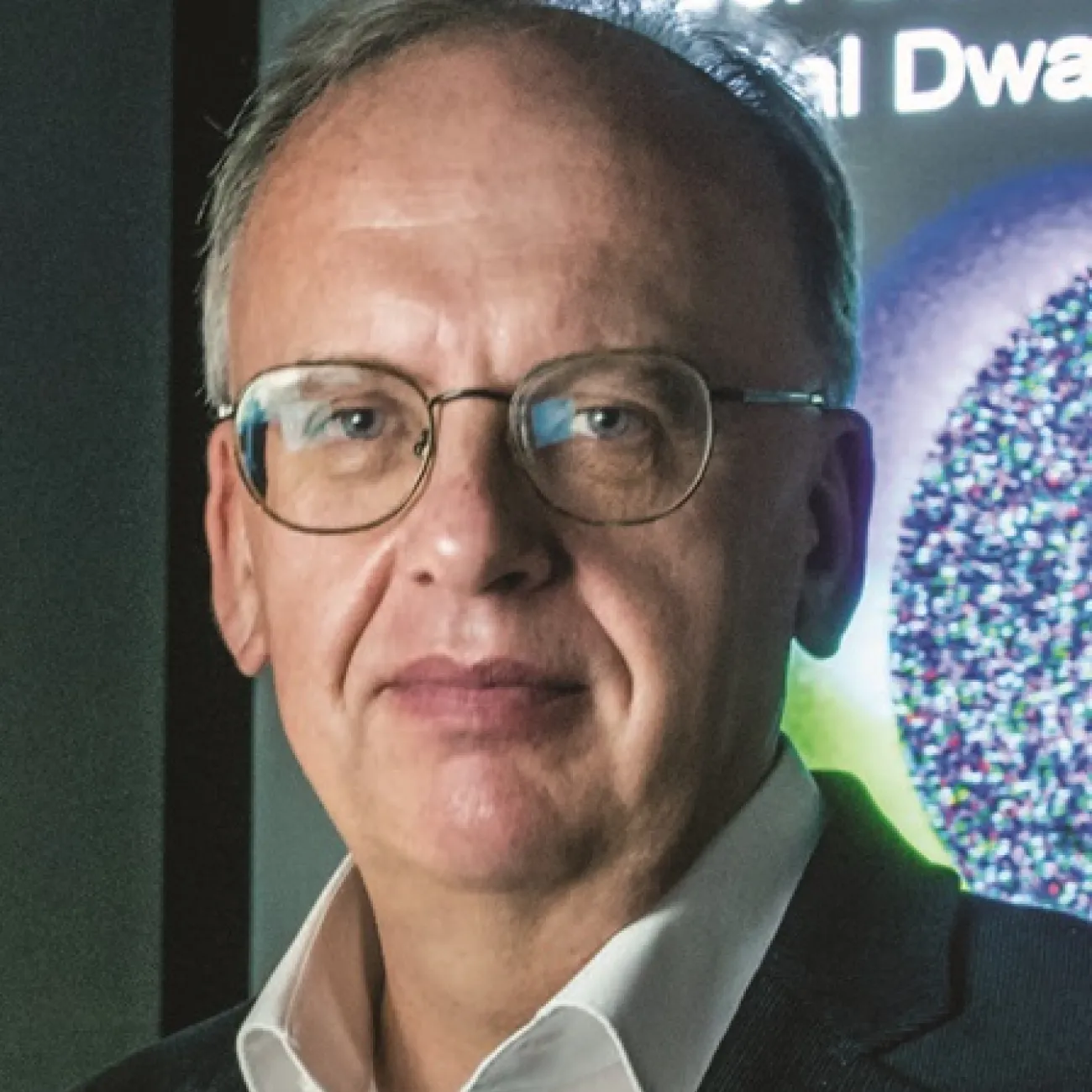
Dr. Robert M. Kotin is a Professor at the UMass Chan Medical School within the Department of Genetic and Cellular Medicine . With a career spanning over three decades, Dr. Kotin has established himself as a leading expert in adeno-associated virus (AAV) biology and gene therapy vector development.
Professor Peter Kazansky is a leading academic in Optoelectronics at the University of Southampton , focusing on ultrafast laser nanostructuring of silica glass and advanced photonic material engineering. His research bridges fundamental optical physics with practical applications in laser technology and quantum systems. Ultrafast Laser Technology Silica Glass Nanostructuring 3D Micro-optics Chiral Metamaterials Polarization Control Kazansky’s recent work explores the nonlocality of light-matter interaction and temporal contrast control to enhance laser processing precision. His projects include EU-funded ENIneering MAterial properties and H2020 CHARTIST initiatives, with applications in terahertz polarization and high-damage-threshold optical components. As a supervisor, he mentors PhD student Sergei Shevtsov in cutting-edge optical research. Current sponsored projects include funding from the European Union , EPSRC , and Royal Society , emphasizing interdisciplinary collaboration and industrial applications.
Xavier Puig is an Assistant Professor at the Universitat Politècnica de Catalunya (UPC) , affiliated with the Department of Statistics and Operations Research and the School of Mathematics and Statistics (FME). He is a member of the ADBD - Analysis of Complex Data for Business Decisions and GRBIO - Biostatistics and Bioinformatics Research Group . His research focuses on Bayesian data analysis , with applications in Epidemiology Ecology Public health Political science Industrial quality control Marketing analytics Recent publications reveal a strong trend in Bayesian spatiotemporal modeling for health data, alcohol-migraine interaction studies, and industrial error rate monitoring . His work combines methodological innovation with real-world applications across diverse sectors. Collaborations include researchers from biostatistics, clinical epidemiology, and industrial engineering. He has contributed to 44 indexed journal articles and participated in 49 congress presentations , with recent projects focusing on competitive research and non-competitive industrial collaborations in statistical modeling.
C.T. DeGroot is an Assistant Professor in the Department of Mechanical and Materials Engineering at Western University , focusing on wastewater modelling, computational fluid dynamics, and thermal systems. His research spans wastewater-based epidemiology, microalgae photobioreactors, activated sludge processes, and porous media analysis. Education: Ph.D., Mechanical and Materials Engineering, University of Western Ontario, 2012 M.E.Sc., Mechanical and Materials Engineering, University of Western Ontario, 2009 B.E.Sc., Mechanical and Materials Engineering, University of Western Ontario, 2008 Research Interests: Wastewater-Based Epidemiology for pandemic monitoring CFD Modelling of wastewater treatment processes Photobioreactor design for microalgae cultivation Thermal systems optimization in mechanical engineering Porous media analysis for composite materials Gas-liquid mass transfer in environmental systems Recent Publication Trends: 2024: Pioneering wastewater surveillance for SARS-CoV-2 variants 2023: Advancing microalgae biofilm reactor efficiency 2022: Innovations in resin transfer molding thermal models 2021: Editor's Choice Paper on CFD for wastewater treatment 2019: Conference leadership roles in CFD and water professionals Scientific Awards: Editor's Choice Paper (Water Science & Technology, 2019) for work on gas-liquid mass transfer models in wastewater treatment Teaching Activities: Undergraduate: Thermodynamics, Heat Transfer, Finite Element Methods Graduate: Computational Fluid Dynamics, Viscous Flow Professional Contributions: Developed open-source WEdiff library for automatic differentiation in thermal CFD Collaboration with Ontario Wastewater Surveillance Consortium for global SARS-CoV-2 tracking Key roles in CFD Society of Canada and International Water Association
Dr. Matthew S. Miller serves as Associate Professor in Biochemistry and Biomedical Sciences at McMaster University while holding leadership roles as Executive Director of the Global Nexus, Director of the Michael G. DeGroote Institute for Infectious Disease Research, and Co-Director of the Canadian Pandemic Preparedness Hub (CP2H). He maintains a Canada Research Chair in Viral Pandemics and sits on scientific advisory boards for major vaccine manufacturers. His research program integrates virology, immunology, and pandemic preparedness with emphases on SARS-CoV-2 and influenza pathogenesis. Key investigations include mucosal vaccine development, antibody response characterization across diverse populations, viral evolution mechanisms, and neurodegenerative consequences of viral infections. His work bridges fundamental virology with clinical applications through advanced platforms like DNA aptamer nanomaterials and inhaled aerosol vaccines. Recent publications demonstrate consistent focus on next-generation vaccine design against evolving pathogens, particularly examining immune responses in vulnerable populations including older adults and immunocompromised individuals. His team has pioneered respiratory mucosal delivery systems and high-precision viral detection methods using machine learning, directly addressing pandemic response challenges. Major scientific recognition includes: CIHR New Investigator Award CIHR Bhagirath Singh Early Career Award in Infection and Immunity Early Researcher Award from Government of Ontario Western University Distinguished Alumni Award for Excellence in Basic Science 2024 election to Royal Society of Canada College of New Scholars Dr. Miller actively recruits graduate students and postdoctoral fellows while leading multimillion-dollar initiatives funded through his Canada Research Chair and competitive grants. His national advisory roles include the Canadian National Advisory Committee on Immunization (NACI) COVID-19 Working Group, Committee to Advise on Tropical Medicine and Travel (CATMAT), and Public Health Agency of Canada's Expert Panel on Highly Pathogenic Avian Influenza. Previously, he served as Secretary-Treasurer of the Canadian Society for Virology (2021-2022). He directs three major collaborative entities—the Global Nexus, DeGroote Institute for Infectious Disease Research, and Canadian Pandemic Preparedness Hub—that integrate academic researchers, public health officials, and industry partners to accelerate pandemic countermeasure development through interdisciplinary teams spanning virology, immunology, and clinical medicine.
Pradeep Padhamnath, Ph.D., serves as a research assistant professor at the Department of Plastic Metal Processing and Extractive Metallurgy within the Faculty of Metals Engineering and Industrial Computer Science at AGH University of Science and Technology in Kraków, Poland. His primary research focus lies at the intersection of photovoltaic technology and sustainable materials recycling, specifically targeting end-of-life silicon photovoltaic panel management and high-efficiency solar cell development. Dr. Padhamnath's research portfolio spans critical areas including photovoltaics, solar cell engineering, electronic waste recycling, metallurgy, and polymer processing. His work addresses fundamental challenges in resource efficiency and circular economy implementation for solar energy systems, with particular emphasis on industrial scalability of recycling processes and next-generation solar cell architectures. Current investigations include electrohydraulic fragmentation for component separation, polymer recovery from PV modules, and advanced passivated contact solar cell designs achieving >25% efficiency. Analysis of his 15 most recent publications (2023-2025) reveals two dominant research thrusts: (1) Development of resource-efficient pathways for complete recyclability of crystalline silicon photovoltaic panels, covering material separation, impurity management, and polymer recovery; and (2) Innovation in high-efficiency solar cell fabrication, particularly TOPCon and PERC variants with screen-printed metallization achieving 22-25% efficiency. These efforts consistently bridge fundamental materials science with industrial manufacturing constraints. Dr. Padhamnath contributes to the PV recycling initiative at AGH University, as evidenced by the dedicated project website http://www.plastmet.agh.edu.pl/pv_recyc-polonezbis/ , which likely represents collaborative efforts in photovoltaic waste valorization and sustainable materials processing.
Enrique Valera is a Research Assistant Professor in the Department of Bioengineering at the University of Illinois at Urbana-Champaign (UIUC), where he has been working since March 2021. He is also a Research Affiliate at Carle Hospital's Biomedical Research Center. Prior to his current position, he served as a Research Scientist at UIUC from July 2018 to March 2021 and was a Post-Doctoral researcher in the Bashir Lab starting in October 2016. Dr. Valera received his Ph.D. in Electronic Engineering from Universitat Politècnica de Catalunya (UPC), Barcelona, Spain in 2008. Following his doctoral studies, he joined the Applied Molecular Receptors group at the Consejo Superior de Investigaciones Científicas (CSIC, Barcelona, Spain) as a Post-Doctoral researcher with a Juan de la Cierva fellowship in 2009. In 2012, he joined the Biomedical Research Networking Center in Bioengineering, Biomaterials and Nanomedicine (CIBER-BBN, Barcelona, Spain), and in June 2014, he joined the Bayley Lab at the Department of Chemistry at UIUC as a Post-Doctoral researcher. Dr. Valera's research focuses on developing point-of-care diagnostic devices and microfluidic platforms for clinical applications. His work centers on biosensor technology that combines specific biological recognition elements with transducers for signal processing. He aims to create tools that enable personalized medical approaches and more precise diagnoses, particularly for identifying specific bacteria causing infections and monitoring immune responses to infections. His research spans electronic technology, micro and nano devices, silicon micromachining, microfluidics, and various biosensor applications including point-of-care detection, multiplexed detection, and biomarker and pathogen detection using optical and electrochemical transducers. Analysis of Dr. Valera's recent publications reveals a strong focus on developing rapid, multiplexed diagnostic platforms for infectious diseases, particularly respiratory viruses and bloodstream pathogens. His work often integrates microfluidics with smartphone technology to create accessible point-of-care devices. Many of his recent papers address challenges in pathogen detection, sample preparation techniques (particularly blood drying methods), and biosensor development using novel materials like nano-corrugated graphene. His research demonstrates a consistent trajectory toward creating practical diagnostic tools that can be deployed in resource-limited settings. Dr. Valera has published over 50 papers in prestigious international journals and holds 4 patents (2 in Spain and 2 in the USA). His work has been supported by funded projects in Europe, Spain, and the USA. As a researcher, Dr. Valera has participated in numerous international and national conferences and has collaborated extensively with other researchers in the development of diagnostic technologies. His work on the mitigation of SARS-CoV-2 transmission at a large public university demonstrates his engagement with real-world public health challenges. Dr. Valera works within the Bashir Research Group at UIUC, which is known for its work in bioengineering, micro- and nanotechnology, and diagnostic device development. His research integrates aspects of electronic engineering, chemistry, and biology to create innovative diagnostic solutions.
Giuseppe De Giacomo is a Professor of Computer Science at the University of Oxford's Department of Computer Science and a Governing Body Fellow at Green Templeton College. Previously, he held a Professorship at the University of Roma 'La Sapienza'. His research focuses on Knowledge Representation, Automated Planning, Reactive Synthesis, and Formal Verification, with notable contributions to LTLf-based systems and service composition. He leads the ERC Advanced Grant project WhiteMech, exploring self-programming mechanisms. His research interests span Artificial Intelligence, including formal methods for autonomous systems, temporal logic synthesis, and multi-agent systems. He serves on the Board of EurAI and chairs the steering committee of ESSAI. Notable awards include AAAI Fellow, ACM Fellow, and EurAI Fellow. Recent work emphasizes LTLf extensions, environment specifications in planning, and resilient manufacturing via Markov Decision Processes. He advises students like Christoph Weinhuber and collaborates on projects such as Digital Twin Composition in Smart Manufacturing. His publications explore topics like LTLf synthesis under unreliable inputs, temporal abstraction in planning, and ethical responsibility attribution in autonomous systems. Professional service includes Program Chair roles for ECAI 2020 and KR 2014, and contributions to conferences like IJCAI and ICAPS. His research bridges theoretical foundations with practical applications in AI and formal verification.
Professor Alistair Barros is Head of School and Academic Program Leader of Service Science at QUT’s School of Information Systems (Faculty of Science). He holds a PhD from the University of Queensland, with extensive ICT experience in academia and industry (e.g., Global Research Leader at SAP AG). His research focuses on enterprise systems design, optimization, and interoperability in cyber-physical environments leveraging cloud, IoT, and blockchain technologies. Key areas include service computing methods (microservices, business process management), model-based systems re-engineering, and distributed service coordination. Education: PhD in Information Systems from the University of Queensland. Research Interests: Enterprise systems modernization, service-oriented architectures, Industry 4.0 applications, and digital transformation in sectors like construction, manufacturing, and supply chains. He has published 180+ peer-reviewed articles (including 6 edited books) and holds 17 US patents. Notable contributions include the BPMN 2.0 standard co-authorship and the 'Workflow Patterns' paper (most cited in BPM). Awards: Test of Time Award (BPM 2015), Wharton Education Award (TeachConnect platform), and impactful industry collaborations (e.g., SAP NetWeaver, Federal Government WPIT project). Grants & Projects: Led ARC, EU FP6, and industry-funded projects. Current focus includes re-engineering legacy systems for microservices, EV charging network design, and adversarial ML in cybersecurity. Labs/Teams: Active in QUT’s Centre for Data Science, focusing on service science and cyber-physical systems integration.
Kimberly Hamad is a Professor in the Engineering department at the University of Massachusetts Boston , where she serves as Graduate Program Director. Her research focuses on applying nanotechnology to biomedical diagnostics, particularly paper-based assays and nanomaterial applications for rapid disease detection. Education: PhD, University of California at Berkeley SB, Massachusetts Institute of Technology Research Interests center on nanotechnology, biosensors, and the nano-bio interface. Recent trends include sustainable paper-based sensing systems, machine learning-optimized immunoassays, and multicolored nanoparticle applications for pandemic preparedness. Scientific Awards: No specific awards mentioned in the provided text. Professional Contributions span device design, protein corona studies, and collaborative projects in global health diagnostics. She has edited methodological guides for nanoparticle-biomolecule interactions and pioneered low-cost diagnostic platforms.
Dr. Kevin Austin is a Research Fellow at the School of Mechanical and Mining Engineering, Faculty of Engineering, Architecture and Information Technology at the University of Queensland. His work is affiliated with the Future Autonomous Systems and Technologies research group, where he focuses on automation and robotics applications in mining engineering. Dr. Austin received his academic qualifications from the University of Queensland, including a Bachelor (Honours) of Engineering and a Doctor of Philosophy. Dr. Austin's research centers on mining automation and autonomous systems for heavy machinery operations. His work spans several key areas including dragline operation planning, excavation sequencing, terrain mapping for autonomous bulldozers, and hyperspectral imaging for ore grade discrimination. He has made significant contributions to the development of algorithms for mining equipment automation, particularly in the areas of Monte-Carlo Tree Search for dragline operation planning and Iterative Closest Point variants for terrain scan matching. His research bridges theoretical advances in robotics and artificial intelligence with practical applications in the mining industry, focusing on improving efficiency, safety, and productivity. Dr. Austin has been involved in numerous research projects funded by industry partners including Caterpillar Inc and the Australian Coal Association Research Program (ACARP). His current research focuses on coal stockpile management for remote bulldozers, semi-autonomous bulldozers for mine site rehabilitation, and articulated truck automated systems. His work demonstrates a strong industry connection with practical applications in mining operations. As an academic supervisor, Dr. Austin has served as an Associate Advisor for multiple PhD and Master's students at the University of Queensland. His supervision portfolio includes research on real-time terrain mapping for autonomous bulldozers, mission planning for autonomous excavation, dragline excavation sequencing, and scan matching for terrain mapping in open-pit mining. His collaborative approach is evident in his work with other faculty members, particularly Professor Ross McAree. Dr. Austin's laboratory and research team work closely with industry partners through the Future Autonomous Systems and Technologies group. They maintain strong connections with mining equipment manufacturers and coal mining operations, ensuring their research addresses real-world challenges in the mining sector. Their facilities likely include simulation environments for mining equipment operation, testbeds for autonomous systems, and data analysis platforms for mining process optimization.
Dr. Yudhi Ariadi is a Teaching Professor in Engineering Design at the University of Warwick's School of Engineering. With a background in Mechanical Engineering from Universitas Brawijaya, Indonesia, he holds an MSc from Lancaster University and a PhD from Loughborough University. His career spans industry (ISUZU Astra Motor Indonesia, FUJI Technica Indonesia) and academia, including roles at Coventry University and the University of Birmingham's High Temperature Research Centre. He specializes in Additive Manufacturing (AM), 3D Printing, CAD tools for mass personalization, and engineering design education. Education: Bachelor's in Mechanical Engineering, Universitas Brawijaya, Indonesia MSc in Engineering (Research), Lancaster University PhD in CAD Tools for Public 3D Printing Access, Loughborough University Research focuses on democratizing AM through accessible CAD tools, customization strategies, and AM applications in automotive and biomedical fields. Recent work includes distortion prediction in selective laser melting and ergonomic medical device design. His projects are funded by Rolls-Royce, EU, and the Higher Education Funding Council for England. Teaching emphasizes CAD software (SolidWorks, Siemens NX), design thinking, and AM integration in engineering curricula. He advises on SME innovation through the University of Derby's Institute for Innovation in Sustainable Engineering. Labs/Teams: Part of the High Temperature Research Centre (Birmingham) and collaborates with global automotive brands (Toyota, Ford, Geely) through past industry roles.
Dr. Amina Salamova is an Assistant Professor in the Gangarosa Department of Environmental Health at Emory University's Rollins School of Public Health. She previously served as an Associate Scientist at Indiana University's O’Neill School of Public and Environmental Affairs. Her expertise lies in analytical chemistry and exposure assessment, focusing on chemical contaminants' impacts on vulnerable populations like children, indigenous communities, and older adults. Dr. Salamova investigates semi-volatile organic compounds (SVOCs) and develops interventions to reduce exposures. Her work is supported by NIH, EPA, and USDA grants, with over 50 peer-reviewed publications and international conference presentations. Education : Ph.D., Indiana University M.S., Indiana University M.S., Baku State University, Azerbaijan B.S., Baku State University, Azerbaijan Research Interests : Dr. Salamova’s work centers on exposure sources of SVOCs, including endocrine disruptors and PFAS. She employs advanced analytical tools to quantify environmental contaminants and assess health risks. Her studies emphasize community-based approaches, particularly in marginalized groups. Publications : Her recent work addresses PFAS exposure in children, Quaternary Ammonium Compounds in childcare settings, and legacy pollutants in Arctic ecosystems. These studies highlight emerging chemicals’ health implications and environmental persistence. Awards : 2021 Joan Daisey Outstanding Young Scientist Award from the International Society of Exposure Science. Grants & Affiliations : Dr. Salamova holds grants from NIH, EPA, and USDA. She is affiliated with the International Society of Exposure Science, Society of Environmental Toxicology and Chemistry, and serves on the editorial board of Critical Reviews in Environmental Science and Technology . Labs & Teams : Her research integrates laboratory analyses with field studies, collaborating on projects like silicone wristband biomonitoring and indoor environment interventions.