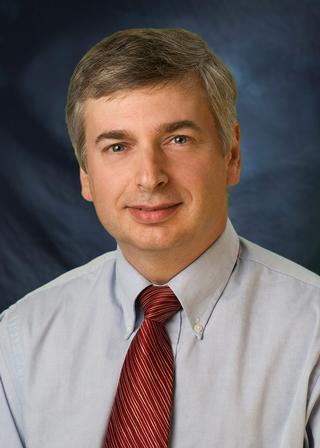
Joseph D. Orie is a Clinical Assistant Professor in the Department of Pediatrics at the University of Rochester School of Medicine and Dentistry . His work focuses on Pediatric Cardiology , with expertise in neonatal cardiac surgery, congenital heart defects, and echocardiographic diagnostics. Georgetown University School of Medicine - MD (1988) UPMC Presbyterian Hospital - Fellowship, Residency, Internship (1988-1994) Research interests include regionalization of pediatric cardiac care , non-invasive treatment of pulmonary hypertension , and long-term outcomes in Kawasaki disease . His publications emphasize surgical innovations and diagnostic accuracy. Mary & John Daley Academic Scholar Dean's List Outstanding Outpatient Resident Dr. Orie's 20+ years of clinical research span arterial switch operations, aortic coarctation repair, and echocardiographic-morphologic correlations in congenital heart conditions.
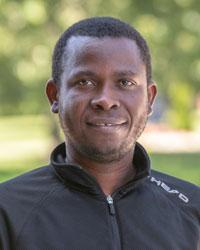
Femi Oloye is an Assistant Professor of Chemistry at the University of Pittsburgh within the Division of Physical and Computational Sciences. Previously, he worked as a Research Associate at the Prof. John Giesy laboratory, University of Saskatchewan, and as a Lead Wastewater Scientist at the Roy Romanow Provincial Laboratory in Canada. His academic journey includes a Ph.D. in Chemistry from the University of Aberdeen, UK, and a BSc in Industrial Chemistry from Adekunle Ajasin University, Nigeria. Research Focus: Oloye specializes in synthesizing novel nanomaterials for catalytic applications and studying the environmental chemo-dynamics of pollutants . His work spans heterogeneous catalysis for hydro-isomerization, photocatalytic materials , and ecotoxicology of agrochemicals and pharmaceuticals. He employs advanced characterization techniques like XRD , Raman Spectroscopy , and XPS to analyze catalysts and pollutants. Key Trends in Publications: Oloye's research bridges environmental health , virology , and catalysis . Recent studies focus on SARS-CoV-2 wastewater surveillance , heavy metal contamination , and herbicide safener toxicity . Earlier works emphasize molybdenum-based catalysts for fuel efficiency and pollutant sorption mechanisms .
Dr. Qing Lu is an Adjunct Professor at the BioMolecular Science Gateway Faculty of Michigan State University, affiliated with the Genetics & Genome Sciences Program. Their methodological research focuses on statistical genetics and machine learning innovations for high-dimensional data analysis, including tree-based methods, U-statistics, and deep learning frameworks. Key research trends from publications include: Statistical genetics methodology (U-statistics, kernel neural networks, mixed-effects models) Machine learning applications in genomic data analysis (deep learning, transfer learning, functional networks) Environmental health investigations (bisphenols, metals, parabens) Public health methodologies (network scale-up, population estimation) Dr. Lu's work bridges computational methods with biomedical applications, particularly in: Genetic interaction analysis Multi-omics data integration Exposure-genotype-phenotype relationships Development of open-source bioinformatics tools
Chad Rienstra is the Evelyn M. Mercer Professor of Biochemistry and Co-Director of the National Magnetic Resonance Facility at Madison, University of Wisconsin–Madison. His research focuses on advancing solid-state NMR methods for high-resolution structural biology, particularly in Membrane protein architecture Amyloid fibrillogenesis in neurodegenerative disorders Antifungal drug-sterol interactions Lipid-protein dynamics in blood coagulation Recent publications highlight his group's innovations in Automated NMR optimization (2025, JACS ) Alpha-synuclein fibril classification (2024, Nature Communications ) Amphotericin B sterol sponge mechanisms (2021, Nature Structural & Molecular Biology ) with applications to Parkinson’s disease, drug development, and coagulation biophysics.
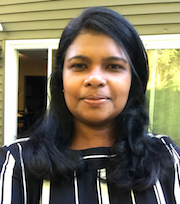
Madushi Raththagala is an Associate Professor of Chemistry at Skidmore College, where she has been conducting research since 2017. She holds a B.Sc. (Honors) in Biochemistry and Molecular Biology from the University of Colombo, Sri Lanka, and a Ph.D. in Chemistry from Michigan State University. Her research focuses on the molecular mechanisms of reversible starch phosphorylation and its role in regulating starch metabolism in plants, supported by NSF funding. Research Interests: Starch granule structure, phosphorylation dynamics, enzymatic regulation of starch metabolism, and agricultural/industrial applications. Collaborations: Partners with experts in X-ray crystallography for structural studies. Professional Memberships: Member of the American Chemical Society (ACS), American Society of Biochemistry and Molecular Biology (ASBMB), and American Association for the Advancement of Science (AAAS).
Inga Hansine Rye is a Postdoctoral Fellow at the Institute for Cancer Research, University of Oslo , focusing on breast cancer biology. Her work spans genomic instability, tumor heterogeneity, and immune microenvironment dynamics. Breast cancer mechanisms Single-cell analysis Tumor immunology Computational biology She develops advanced tools like GoIFISH for quantifying cellular diversity and studies mutational processes in tumor progression. Her recent work explores immunosuppressive mechanisms in metastasis and paracrine signaling networks in HER2+ tumors. Scientific Awards: No specific awards mentioned Collaborations include computational modeling with teams at OUS Radiumhospitalet and translational medicine applications. She works extensively with FISH imaging, RNA-sequencing, and genomic profiling techniques.
Franca Aceti is a Researcher at the Department of Human Neurosciences, Sapienza University of Rome. Her work focuses on perinatal mental health, maternal depression, child development, and psychiatric screening tools. University: Sapienza University of Rome Department: Department of Human Neurosciences Research Themes: Franca Aceti investigates: Perinatal depression and its psychosocial determinants Maternal personality traits and filicide risk Parental psychopathology impacts on preschool depression Accuracy of the Edinburgh Postnatal Depression Scale (EPDS) Neurodevelopmental disorders in autism and chromosomal abnormalities Publications: Recent studies include: Meta-analyses of EPDS screening accuracy Systematic reviews on maternal-child attachment and epigenetics Genomic studies in Autism Spectrum Disorders Psychological profiling of filicide mothers Methodologies: She employs systematic reviews, cross-sectional studies, and meta-analyses of individual participant data, often collaborating on multi-center projects.
Tarja Pitkänen serves as Associate Professor at the University of Helsinki 's Faculty of Veterinary Medicine , specifically within the Department of Food Hygiene and Environmental Health . She leads the Waterborne Pathogens Research Group and co-affiliates with the Finnish Institute for Health and Welfare (THL) , focusing on environmental health risks from waterborne microbes. Veterinary science Environmental sciences Public health (environmental/occupational) Environmental engineering Microbiology/virology Her research specializes in water microbiology , fecal source tracking , and zoonotic infection prevention . Current projects include EU-funded WastPan for wastewater pathogen surveillance and ODIN-MPox for monkeypox environmental tracking. Recent publications focus on rapid pathogen detection in drinking water and antimicrobial resistance monitoring through wastewater analysis. Her team has developed multi-pathogen surveillance systems and genomic tracking methods for SARS-CoV-2 variants. Supervision includes doctoral students Pauliina Tomberg (2025), Heli Hakolehto (2022), and Venla Vuorisalmi (2022), alongside master's thesis supervisors Essi Roininen (2023) and Annastiina Rytkönen (2021). 2024-2026: EU Horizon Europe funding for ODIN-MPox project 2024-2027: EU funding for Watershed Safety Plan 2023-2024: Foundation funding for Dicrocoelium dendriticum research 2020-2025: Ministry-funded projects on coastal pasture health and Campylobacter epidemiology
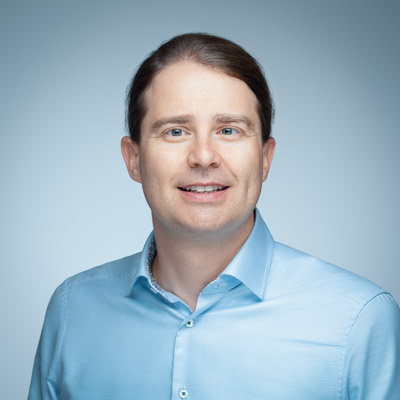
Benjamin MEYER serves as a Researcher at the University of Geneva, where he functions as a Scientific Collaborator within Arnaud Didierlaurent's research group. His work focuses on critical aspects of viral immunology with particular emphasis on SARS-CoV-2 and host immune responses. Dr. Meyer's primary research interests include: SARS-CoV-2 antibody dynamics and immune memory Viral load kinetics across variants Mucosal immune responses to infection and vaccination Serological assay development and validation Pediatric immune responses to viral pathogens Autoantibody production following viral infection His publication record reveals a consistent focus on translational immunology research, with significant contributions to understanding immune responses during the COVID-19 pandemic. Meyer's work spans high-impact journals including Nature, Nature Medicine, and PNAS, demonstrating methodological rigor in both clinical and laboratory approaches to viral immunology. Dr. Meyer actively mentors graduate researchers, as evidenced by his supervision of doctoral work on antibody-mediated cross-protection against influenza viruses. His collaborative network includes prominent researchers at the University of Geneva and international institutions, reflecting the interdisciplinary nature of modern virology research.
David A. Shrier is a Clinical Professor at the University of Rochester School of Medicine and Dentistry , affiliated with the Department of Imaging Sciences . With a career spanning decades, he has contributed extensively to Medical Imaging , particularly in Neuroradiology and Diagnostic Radiology through research, teaching, and clinical practice. MD from Yale University School of Medicine (1984) Residency in Diagnostic Radiology (University of Rochester, 1985-1989) Fellowship in Neuroradiology (Brigham & Women's Hospital, 1989-1990) His research focuses on Central Nervous System Imaging , where he developed innovative techniques in Diffusion-Weighted MRI , Magnetic Resonance Angiography , and CT Angiography . His work explores vasculopathies , neurodegenerative patterns , and inflammatory CNS disorders , with recent applications to pandemic response radiology . His 45+ publications demonstrate a long-standing commitment to imaging technology validation and clinical translation , including methodological advances in ground-glass nodule tracking , vascular occlusion assessment , and pediatric airway imaging . Current research is centered on contrast-enhanced MRA techniques for improved vascular diagnostics. 1998: American Medical Association's Physician's Recognition Award 1981: Short Term Research Training Award 1981: UCLA Medical Center Auxiliary Scholarship 1980: Magna Cum Laude 1980: Sigma Xi Scientific Research Society 1979: Tau Beta Pi National Engineering Honor Society Dr. Shrier's expertise spans both clinical imaging and academic research , with board certifications in Diagnostic Radiology and Neuroradiology . His professional affiliations include the American Society of Spine Radiology , American College of Radiology , and Radiological Society of North America , reflecting his multidisciplinary contributions to medical imaging.
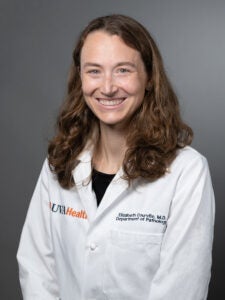
Elizabeth Courville, M.D. , is an Associate Professor of Pathology at the University of Virginia. She serves as Medical Director of the Clinical Flow Cytometry Laboratory and specializes in Hematopathology with a focus on diagnostic applications of Flow Cytometry . Her research addresses challenges in lymphoma subtyping, leukemia diagnostics, and post-transplant lymphoproliferative disorders. Education: Dartmouth Medical School, Hanover, NH (Medical School) Massachusetts General Hospital: Anatomic/Clinical Pathology Residency and Hematopathology Fellowship Recent publications highlight her work on flow cytometry applications in lymphoma prognostication, monoclonal antibody therapy interference in diagnostics, and chromosomal abnormalities in myelodysplastic syndromes. Her studies span topics like TP53 mutations in post-transplant disorders and HHV-8-associated lymphomas , emphasizing the integration of molecular and morphologic data.
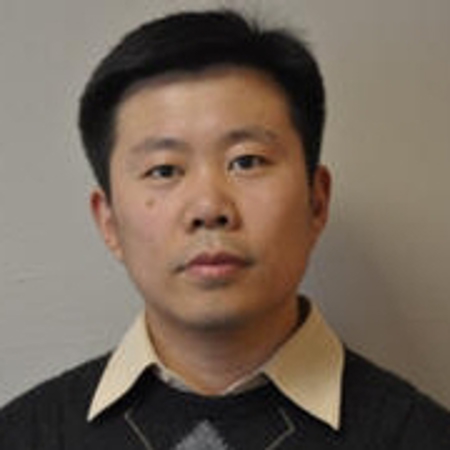
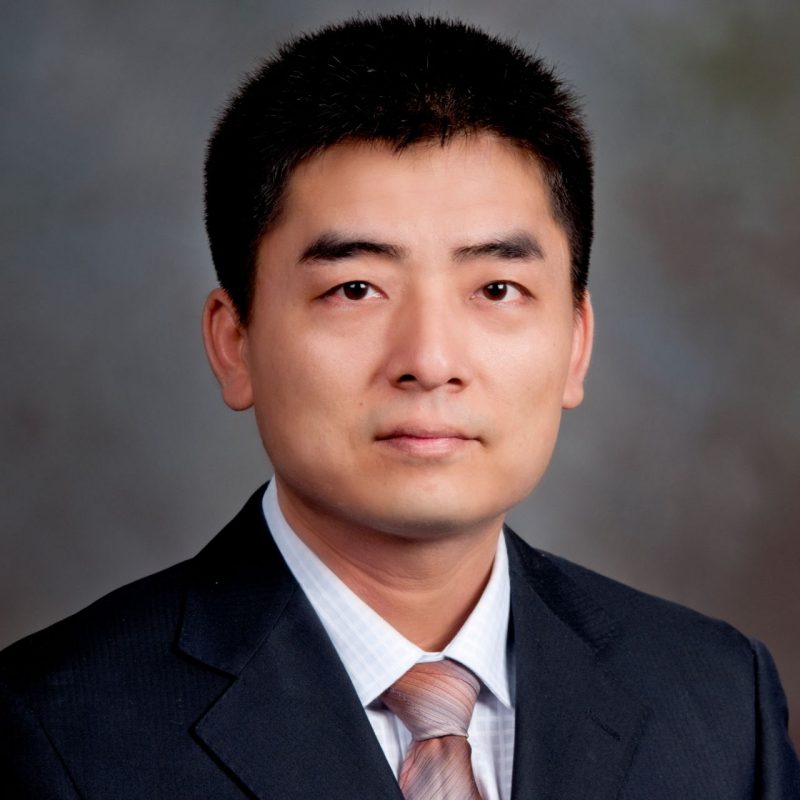
Xiaowei Wu is an Assistant Professor in the Department of Statistics at Virginia Polytechnic Institute and State University, part of the College of Science. He holds a Ph.D. in Statistics from Rice University (2010), and M.S. and B.S. degrees in Electrical Engineering from Wuhan University, China (2003 and 1997, respectively). His research focuses on statistical genetics, bioinformatics, Bayesian methods, and stochastic population dynamics. Key areas include mutation rate estimation, epigenetic analysis, and computational tools for genomic data. Teaching includes courses like Advanced Statistical Genomics and Probability & Statistics for Electrical Engineers. His work bridges theoretical statistics with applications in genetics, neurology, and environmental health. Notable contributions include developing simulation frameworks (e.g., SimuBP) and methodologies for analyzing genetic and epigenetic data. Current projects address antimicrobial resistance, neurological disorder genetics, and machine learning in clinical prediction. Publications span journals in stochastic analysis, genetics, and bioinformatics, with emphasis on branching processes, mutation dynamics, and genomic variant detection. He collaborates across disciplines to advance quantitative methods in life sciences and healthcare.
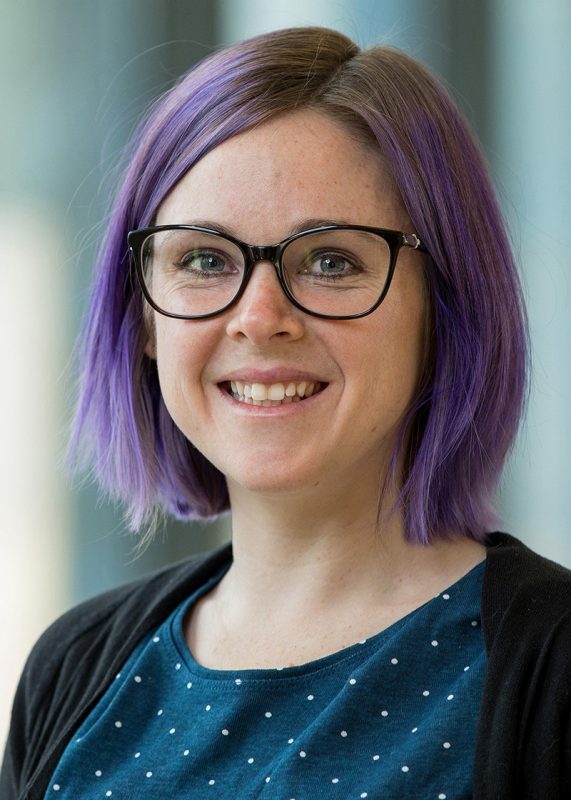
Corrine W. Ruktanonchai is a Collegiate Assistant Professor in the Department of Population Health Sciences at the Virginia-Maryland College of Veterinary Medicine, Virginia Tech. She holds a PhD in Geography from the University of Southampton (2020), an MPH in Epidemiology from the University of Florida (2012), and a BS in Ecology and Evolutionary Biology from the University of Tennessee (2009). Her research focuses on rural health inequalities, Bayesian spatiotemporal modeling, and maternal and newborn health, with applications in geospatial analysis of disease spread and public health interventions. Professionally, she has held roles including Postdoctoral Associate (2021-2022) and Research Fellow at the University of Southampton (2020-2021). She is a member of the Delta Omega Honorary Society in Public Health (2013) and contributed to the Research Coordinator Steering Committee of the Clinical and Translational Institute (2013-2014). Her work spans epidemiological modeling, mobility patterns, and environmental health impacts, with a focus on geospatial techniques to address health disparities. Recent publications explore pandemic interventions, CAFOs’ effects on birth outcomes, and mobility data applications in public health. Awards: Delta Omega Honorary Society in Public Health (2013) Her research integrates spatial analysis with public health challenges, emphasizing policy-relevant solutions for maternal/neonatal health and pandemic response.
Asma Hatoum-Aslan is an Associate Professor of Microbiology at the University of Illinois Urbana-Champaign, affiliated with the School of Molecular & Cellular Biology and the Carl R. Woese Institute for Genomic Biology. Her research focuses on bacterial-virus (phage) interactions, CRISPR-Cas immunity mechanisms, and phage engineering for therapeutic applications. She holds a B.S. in Molecular Biology from Florida Institute of Technology (1998), M.S. in Biochemistry from American University of Beirut (2001), Ph.D. in Biochemistry from Cornell University (2007), and postdoctoral training at Cornell and Rockefeller University. Research interests include understanding CRISPR-Cas10 systems in Staphylococcus species, engineering phages for antimicrobial use, and discovering novel phages/immune systems. Notable breakthroughs include uncovering a new single-enzyme immune system and developing phage genetic engineering platforms. She teaches MCB 493-REM, a research-based microbiology course that engages undergraduates in phage discovery (95+ students since 2010). Awards: NIH K22, NSF CAREER, Burroughs Wellcome PATH Award Lab Affiliations: Host-Phage Interaction Lab, CRISPR-Cas Engineering Group Key Collaborations: Joint projects with Carl R. Woese Institute, high school outreach programs
Dan Levy is an Associate Professor at Cold Spring Harbor Laboratory (CSHL), where he leads the Levy Laboratory and is a member of the Cancer Center. His research focuses on developing computational algorithms to identify disease-causing mutations from large genomic datasets. Ph.D. in Mathematics from University of California, Berkeley (2005) Postdoctoral training at Cold Spring Harbor Laboratory (2007-2009), University of Oxford (2006-2007), and University of California, Berkeley (2005-2006) Academic career at CSHL: Associate Professor (2012-present), Assistant Professor (2012), Senior Computer Scientist (2010-2012), Research Investigator (2009-2010) Levy's research centers on identifying rare and unique mutations that play significant roles in diseases such as autism, congenital heart disease, and cancer. His group develops algorithms to analyze large, high-throughput datasets comprising thousands of nuclear families. Initially working with high-resolution CGH arrays, his team now primarily uses targeted sequence data. Key areas of algorithm development include identifying de novo mutations, detecting copy-number variants, and analyzing complex genomic rearrangements including insertions, deletions, inversions, and transpositions. Additional research projects involve single-cell RNA analysis, phylogenetic reconstruction from sparse datasets, and haplotype disentanglement from sperm and subgenomic sequence data. His publication record demonstrates consistent contributions to computational genomics and disease genetics, with particular emphasis on autism genetics, cancer genomics, and methodological innovations. Recent work has expanded into applications for cancer diagnostics and minimal residual disease detection, reflecting the translational impact of his computational approaches. Active member of the CSHL Cancer Center Part of the Quantitative Biology and Genomics research groups at CSHL Levy's work bridges computational mathematics with biological applications, developing sophisticated algorithms that enable researchers to identify previously undetectable genetic variations contributing to human disease.