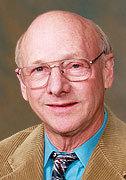
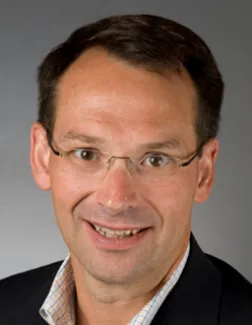
Genadijs Trofimovičs is an Associate Professor and Teaching Coordinator at the Department of Surgery, Faculty of Medicine, Riga Stradiņš University, concurrently practicing as a surgeon at P. Stradiņš University Hospital. His academic journey includes a medical degree (1980), postgraduate surgical training (1983-1985), and a Dr.med. (1989) from Riga Medical Institute. Research Focus: His work centers on surgical oncology, hereditary cancer genetics (BRCA1/2, CDH1), breast cancer subtyping, and surgical outcomes. Key interests include genetic susceptibility in Latvian populations, breast reconstruction efficacy, and minimally invasive diagnostics. Publication Trends: Recent articles (2013-2019) emphasize BRCA1/2-driven breast cancer prognostics, CDH1 variants in gastric cancer, and innovations in surgical techniques. Genetics and biomarker validation are recurring themes. Advising & Grants: Supervised 2 doctoral theses (BRCA1/triple-negative breast cancer; gastric cancer molecular profiles) and 2 student projects. Consulted for EU cross-border projects: (1) Hereditary cancer awareness in Baltic regions (Interreg IIIB, 2008-2010), (2) Breast cancer prevention initiatives (ENPI CBC, 2012).
Kilian Eyerich is a leading academic in dermatology and immunology, heading a research group focused on skin diseases such as psoriasis, atopic dermatitis, and autoimmune conditions. His work spans clinical research, molecular mechanisms, and epidemiological studies. Key areas include the immunological pathways in skin inflammation, comorbidities associated with psoriasis, and the application of digital health tools (e.g., machine learning for image analysis). He has contributed to developing diagnostic criteria for skin conditions and explored biomarkers for disease progression. His research also addresses patient well-being, quality of life, and the psychosocial impact of dermatological disorders. Collaborations with global institutions highlight his international influence in advancing dermatology and immunology. Publications emphasize cutting-edge studies on genetic variants linked to psoriatic arthritis, microRNAs in wound healing, and the use of internet data to assess disease prevalence. His work bridges basic science and clinical practice, aiming to improve patient outcomes through innovative therapies and diagnostic approaches.
Yun-ping Zhu is a prominent professor in proteomics and bioinformatics at the Chinese Academy of Medical Sciences, School of Basic Medical Sciences. With 173 publications, an h-index of 37, and over 6,654 citations, Dr. Zhu has established significant expertise in proteomics infrastructure development, cancer research, and multi-omics integration methods. Dr. Zhu's research focuses on proteomics data management systems including iProX and ProteomeXchange consortium contributions, cancer subtype analysis using advanced computational approaches like MoGCN, and protein interaction networks with applications in clinical diagnostics. Their work bridges computational biology with practical medical applications, particularly in liver cancer and other malignancies. The publication record spanning from 2004 to 2022 demonstrates consistent research productivity with notable contributions to large-scale proteomics data standards and infrastructure. Recent work has focused on multi-omics integration methods for cancer subtype classification and improving data management practices for clinical proteomics. Dr. Zhu maintains extensive collaborations, particularly with F. He (a senior researcher with 451 publications), reflecting strong integration within the Chinese proteomics research community and international consortia.
Christopher C. Benz is a Professor at the University of California, San Francisco, with extensive expertise in oncology and breast cancer research. His work focuses on molecular mechanisms of cancer development, biomarker discovery, and therapeutic strategies. Education: University of California, Los Angeles: B.S. in Biochemistry (1968) University of Michigan, Ann Arbor: M.D. in Medicine (1972) VGH/CCABC & UBC, Vancouver: Residency in Internal Medicine/Hematology-Oncology (1972-1978) Yale University School of Medicine: Fellowship in Oncology (1978-1979) Research Focus: Dr. Benz's interdisciplinary research integrates cancer genomics, molecular biology, and clinical oncology. He investigates breast cancer heterogeneity, tumor microenvironment interactions, metabolic vulnerabilities, and hormone receptor signaling. His TCGA contributions established foundational pan-cancer molecular classifications, while clinical studies focus on risk prediction models and long-term therapeutic outcomes. Publication Trends: Recent work demonstrates a strong emphasis on translational applications, including biomarker validation (e.g., ERpS294, IGF1R variants), therapeutic targeting of metabolic enzymes (proline dehydrogenase) and cell-cycle regulators (CDK2), and characterization of tumor-adjacent tissues. Studies frequently leverage large consortia data (TCGA, STO Trialists Group) to explore molecular subtypes and survival implications.
Christopher Godina is a Postdoctoral Fellow at Lund University Cancer Center (LUCC) within the Faculty of Medicine at Lund University. His research focuses on cancer epidemiology and radiation, with a specific emphasis on breast cancer biology and molecular mechanisms. Position: Postdoctoral Fellow, Cancer Epidemiology & Radiation Institution: Lund University Cancer Center (LUCC) University: Lund University, Faculty of Medicine Email: christopher.godina@med.lu.se ORCID: 0000-0003-1501-0458 Dr. Godina's expertise spans multiple research areas including Breast Cancer (100%), Caveolin-1 (50%), Patient outcomes (42%), Prospective Cohort Studies (33%), Insulin-Like Growth Factor-Binding Proteins (33%), Therapeutic Procedures (30%), Messenger RNA expression (23%), and Contralateral cancer development (21%). His work contributes to UN Sustainable Development Goal 3: Good Health and Well-being. Analysis of Dr. Godina's publication record reveals a strong focus on molecular biomarkers in breast cancer, particularly examining Caveolin-1 expression patterns, insulin-like growth factor binding proteins (especially IGFBP7), and their clinical implications. His research spans from basic molecular mechanisms to clinical applications, with studies investigating how these biomarkers can improve risk prediction, prognosis, and treatment selection for breast cancer patients. Notably, his work published in Cell on PCSK9 germline variants driving breast cancer metastasis via LRP1 receptor demonstrates significant impact in the field. Highly cited work in Cell (2024) with 11 citation indexes and 28 Mendeley readers Multiple publications in high-impact journals including Carcinogenesis, Scientific Reports, and NPJ Precision Oncology Research focuses on translating molecular findings to clinical applications Dr. Godina actively participates in the Lund University Cancer Centre research community, having presented his work at LUCC meetings. His collaborative research involves multiple investigators at Lund University and potentially international partners, as evidenced by his multi-authored publications across various high-impact journals.
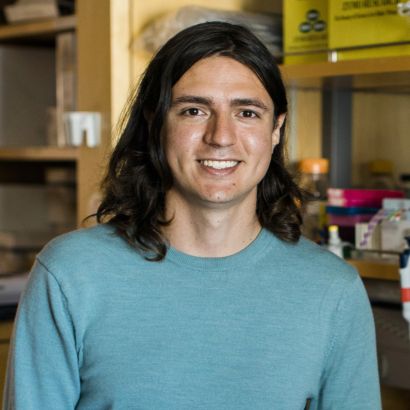
Willow Coyote-Maestas is an Assistant Professor in the Department of Bioengineering and Therapeutic Sciences at the University of California San Francisco (UCSF), where she leads the Coyote-Maestas Lab. She holds affiliations with multiple graduate programs, including the Biophysics Graduate Program, Chemistry and Chemical Biology Graduate Program, Pharmaceutical Sciences and Pharmacogenomics Graduate Program, and the Tetrad Graduate Program. Her research focuses on integrating computational biology, molecular biophysics, and pharmacogenomics to understand protein structure-function relationships and their implications in disease and drug development. Education PhD in Biochemistry, Molecular Biology, and Biophysics from the University of Minnesota, Twin Cities (2021) MS in Bioinformatics and Computational Biology from the University of Minnesota (2019) BS in Chemistry and BA in Environmental Studies from Evergreen State College (2014) Research interests span molecular dynamics simulations, deep mutational scanning, and domain engineering in ion channels and drug transporters. Her work addresses critical questions in pharmacogenomics, systems pharmacology, and evolutionary constraints on protein function. Recent projects include the development of computational frameworks like Rosace and ORACLE, and functional studies on the MET receptor tyrosine kinase and OCT1 transporter mutations. Scientific Awards Chan Zuckerberg Biohub Investigator (2023-2028) HHMI Hanna Gray Fellow (2021-2027) QBI Fellow (2021-2023) NSF Graduate Research Fellowship (2017-2018) University of Minnesota Ross A. Gortner Award (2019) Publications highlight her expertise in computational genomics, protein engineering, and biophysics, with recent studies analyzing codon interplay, kinase resistance mechanisms, and bacterial secretion systems. Her methodological innovations, such as DIMPLE and Rosace, provide tools for studying protein variation and functional landscapes.
Dr. David Adams is a Senior Group Leader at the Wellcome Sanger Institute where he leads the Experimental Cancer Genetics Laboratory within the Cancer, Ageing and Somatic Mutation Programme. He also serves as Co-lead of Cell & Molecular Biology at the Cambridge Cancer Centre. As a Fellow of both the Academy of Medical Sciences and the Royal College of Pathologists, Dr. Adams has established himself as a leading researcher in cancer genetics and genomics. Dr. Adams' research focuses on understanding how genetic alterations contribute to cancer development through high-throughput functional genetic screens in human cells and mice. His laboratory investigates several key areas including the Atlas of Variant Effects using saturation genome editing, the Genomic Atlas of Dermatopathology, combinatorial CRISPR screening for synthetic lethal targets, and host regulation of tumor growth. His work combines cutting-edge genomic technologies with computational biology to uncover fundamental insights into cancer biology. Analysis of Dr. Adams' recent publications (2023-2025) reveals a strong emphasis on cancer genomics, melanoma research, and functional validation of genetic variants. His work spans multiple cancer types with particular focus on skin cancers, while also exploring broader applications in ocular diseases, immunology, and therapeutic development. The research demonstrates increasing integration of multi-omics approaches, cross-species comparisons, and translational applications of basic genomic discoveries. Among Dr. Adams' notable scientific achievements are his Fellowship in the Academy of Medical Sciences, the Goudie Medal from the Pathological Society, and an ERC Synergy Grant. He is also a founding member of the Atlas of Variant Effects Alliance and co-chairs Genomel (The Genetics of Melanoma Consortium). Dr. Adams has graduated more than a dozen PhD students and mentored over 50 students and postdocs who now lead research groups worldwide or work in industry and the NHS. His laboratory has received significant funding from Cancer Research UK, the Medical Research Council, and the Royal Society, supporting his advocacy efforts for cancer genetic studies in low- and middle-income countries. The Experimental Cancer Genetics Laboratory utilizes large-scale genomic studies and genome editing technologies to identify cancer genes and explore their function. Dr. Adams co-heads the Sanger Excellence Programme for Black British scientists and is actively involved in promoting diversity and inclusion in scientific research.
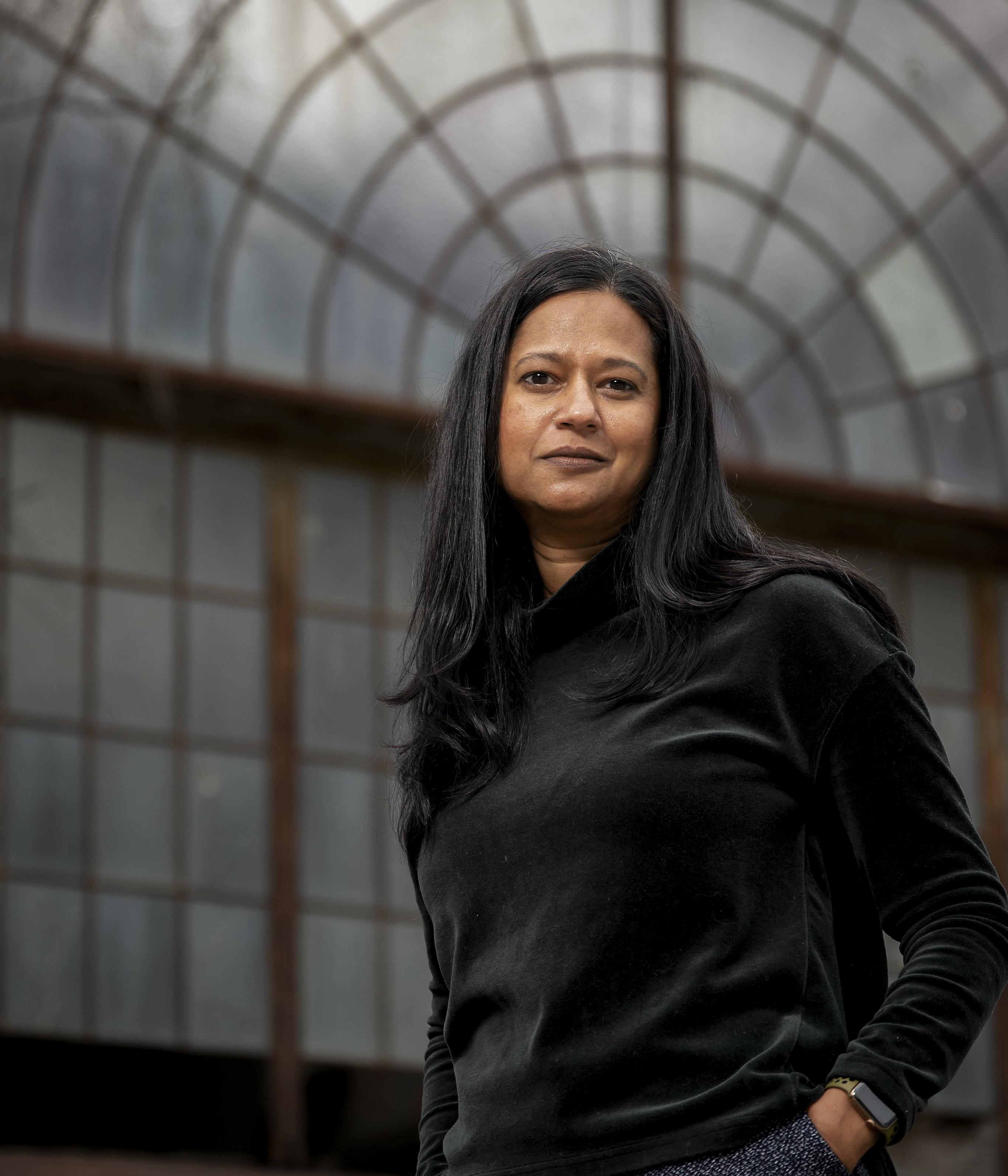
Arupa Ganguly, PhD is Professor of Genetics at the University of Pennsylvania Perelman School of Medicine and Director of the Genetic Diagnostic Laboratory. Her clinical expertise encompasses molecular genetic testing for hereditary colon cancer, Li Fraumeni syndrome, Retinoblastoma (RB), uveal melanoma, Hemophilia A, and Hereditary Hemorrhagic Telangiectasia (HHT), with the laboratory serving as a national reference center for RB, HHT, and Hemophilia A testing. The laboratory is ABMG-accredited for clinical molecular genetics fellow training. Her educational background includes a B.S. in Physics (1974) and M.S. in Physics (1977) from Calcutta University, followed by a Ph.D. in Biophysics (1984) from the University of Calcutta. She completed postdoctoral training at Thomas Jefferson University (1985-1990) and a fellowship in the CHOP-UPENN Genetics Program (1996-1998), achieving FACMG certification in Clinical Molecular Genetics in 1999 with recertification in 2019. Ganguly's research focuses on the molecular genetics of ocular tumors, particularly retinoblastoma and uveal melanoma. Her retinoblastoma work investigates gene expression profiles of enucleated tumors to predict clinical response, metastasis potential, and retinal cell development origins. For uveal melanoma, her team develops gene signatures for metastasis prediction from fine needle aspirates and studies molecular mechanisms of tumor development, with significant findings linking chromosomal abnormalities (monosomy 3, 8q gain) to metastatic risk. She collaborates with Dr. Charles Stanley on congenital hyperinsulinism research, recently identifying a novel genomic region for autosomal dominant inheritance. Her extensive publication record demonstrates expertise in cancer genomics, molecular diagnostics, and translational research. Recent work includes developing epigenomic prognostic signatures for uveal melanoma (MethylSig-UM), characterizing Beckwith-Wiedemann syndrome phenotypes, and investigating mosaic variants in lymphatic disorders. Her research bridges basic science discoveries with clinical applications in molecular genetic testing. Ganguly actively trains clinical molecular genetics fellows through the ABMG-accredited program and collaborates with multiple institutions including Children's Hospital of Philadelphia. Current research initiatives include genomic analysis of uveal melanoma metastasis predictors, molecular basis of retinoblastoma tumorigenesis, and genotype-phenotype correlations in congenital hyperinsulinism and overgrowth syndromes. Her laboratory serves as a national reference center for specialized genetic testing in rare conditions.
Saara Ollila is a University Lecturer at the Molecular and Integrative Biosciences Research Programme (University of Helsinki, Faculty of Biological and Environmental Sciences). She is also Principal Investigator (PI) for the Translational Cancer Biology Program and Genome Biology Unit . Academic rank: Lecturer Research areas: Genetics, Developmental Biology, Physiology, Biochemistry, Cell and Molecular Biology Email: saara.ollila@helsinki.fi Research Focus combines genetic analysis of cancer predisposition (particularly mismatch repair genes like MSH2 and MLH1 ) with molecular mechanisms of intestinal tumorigenesis. Her work explores: Genomic instability in Lynch syndrome Stromal-epithelial interactions in cancer Role of GDNF and NRG1 in intestinal differentiation Western diet impacts on bile acid homeostasis CRISPR/Cas9-based gene regulation Functional testing of missense variants Publication Trends (2025-2013) show consistent contributions to: Translational cancer biology (especially intestinal and thyroid cancers) Genome-wide association studies (GWAS) Gene editing applications (CRISPR/Cas9) Organoid classification algorithms (e.g., Tellu ) Mechanistic studies of DNA repair and signaling pathways
Daniel Geschwind, M.D., Ph.D., is the Gordon and Virginia MacDonald Distinguished Chair in Human Genetics and Professor of Neurology and Psychiatry & Biobehavioral Sciences at the University of California, Los Angeles (UCLA). He serves as the founding Director of the Center for Autism Research and Treatment (CART) and Co-Director of the Center for Neurobehavioral Genetics, with additional appointments in the Tennenbaum Center for the Biology of Creativity, the Brain Research Institute, and multiple Graduate Ph.D. Program Home Areas (Bioinformatics, Neuroscience, Medical Informatics, Genetics & Genomics, Workforce Development). Education & Training: While specific degree-granting institutions are not listed in the provided text, Dr Geschwind holds both M.D. and Ph.D. degrees and completed clinical and research training that led to board certification in neurology and human genetics. Research Focus: Geschwind’s laboratory integrates large-scale human genetics, functional genomics, single-cell transcriptomics, and systems biology to understand the genetic architecture of neurodevelopmental and neurodegenerative diseases. Major themes include: Autism spectrum disorders and related neurodevelopmental conditions Frontotemporal dementia, progressive supranuclear palsy, and Alzheimer disease Gene-regulatory networks controlling neuronal identity and synaptic function Multi-omics biomarker discovery for early diagnosis and therapeutic targeting Grant Support & Leadership: He has served as Principal Investigator on numerous NIH MERIT, Autism Centers of Excellence, and foundation awards, including the Paul G. Allen Foundation Distinguished Investigator Award. His leadership roles span the UCLA ATLAS Community Health Initiative, international genetics consortia (e.g., ALLFTD, iPSYCH, PsychENCODE), and advisory boards for the National Academy of Medicine. Scientific Awards: 2022 Rhoda & Bernard Sarnat International Prize in Mental Health, National Academy of Medicine 2022 Cotzias Lecture & Award, American Academy of Neurology 2021 Gold Medal, Society of Biological Psychiatry 2015 Paul G. Allen Foundation Distinguished Investigator Award 2006–2015 NIMH MERIT Award Election to the National Academy of Medicine and American Academy of Physicians Laboratory & Teams: The Geschwind Laboratory is housed at 695 Charles E Young Drive South, Los Angeles, CA 90095. The group comprises post-doctoral fellows, graduate students, computational biologists, and clinical research coordinators working at the intersection of genomics, neuroscience, and precision medicine.
Rasika Mathias, Sc.D., is a Senior Investigator and Chief of the Genomics and Precision Health Section (GPHS) at the Laboratory of Allergic Diseases, Division of Intramural Research, NIAID. She joined NIAID in March 2024 after serving as a professor at Johns Hopkins University (Departments of Medicine & Epidemiology) since 2009. Education: Sc.D. in Genetic Epidemiology (2003), Johns Hopkins Bloomberg School of Public Health Postdoctoral training, National Human Genome Research Institute (NHGRI), NIH Her research focuses on genetic epidemiology of allergic diseases (atopic dermatitis, asthma, food allergy) using multi-omics integrative approaches within systems biology frameworks. The GPHS program systematically investigates genetic risk prediction across the atopic march and examines dynamic genome mechanisms for clinical translation. Recent work includes asthma risk modeling in African Diaspora populations and telomere length regulation gene discovery. Her publications span genetic epidemiology , multi-omics , and precision medicine applications. Key themes include HLA associations in immunotherapy , coagulation factor genetics , and mosaic chromosomal alterations . Articles demonstrate strong interdisciplinary focus between genomic research and allergy clinical translation .
Eivind Valen is a Professor at the University of Oslo and holds multiple associate leadership roles at the Center for Molecular Medicine Norway (NCMM) , Center for Myeloid Blood Cancer (C-MYC) , Computational Biology Unit (CBU) , and Michael Sars Center . His research spans RNA biology, genome editing, and translation regulation. Research Focus: Investigates pervasive translation in non-coding regions, CRISPR applications, and RNA structure using nanopore sequencing. Key Tools: Developed CHOPCHOP platforms and ORFik for genome editing and translation analysis. Recent Article Trends: Emphasize ribosome profiling, poly(A) tail dynamics, and CRISPR precision. Awards: Includes ERC Consolidator Grant, EIC Pathfinder award, and KG Jebsen Center recognition. Collaborations: Engaged with institutions across Norway and Europe, including Technische Universität Dresden and EMBL nodes.
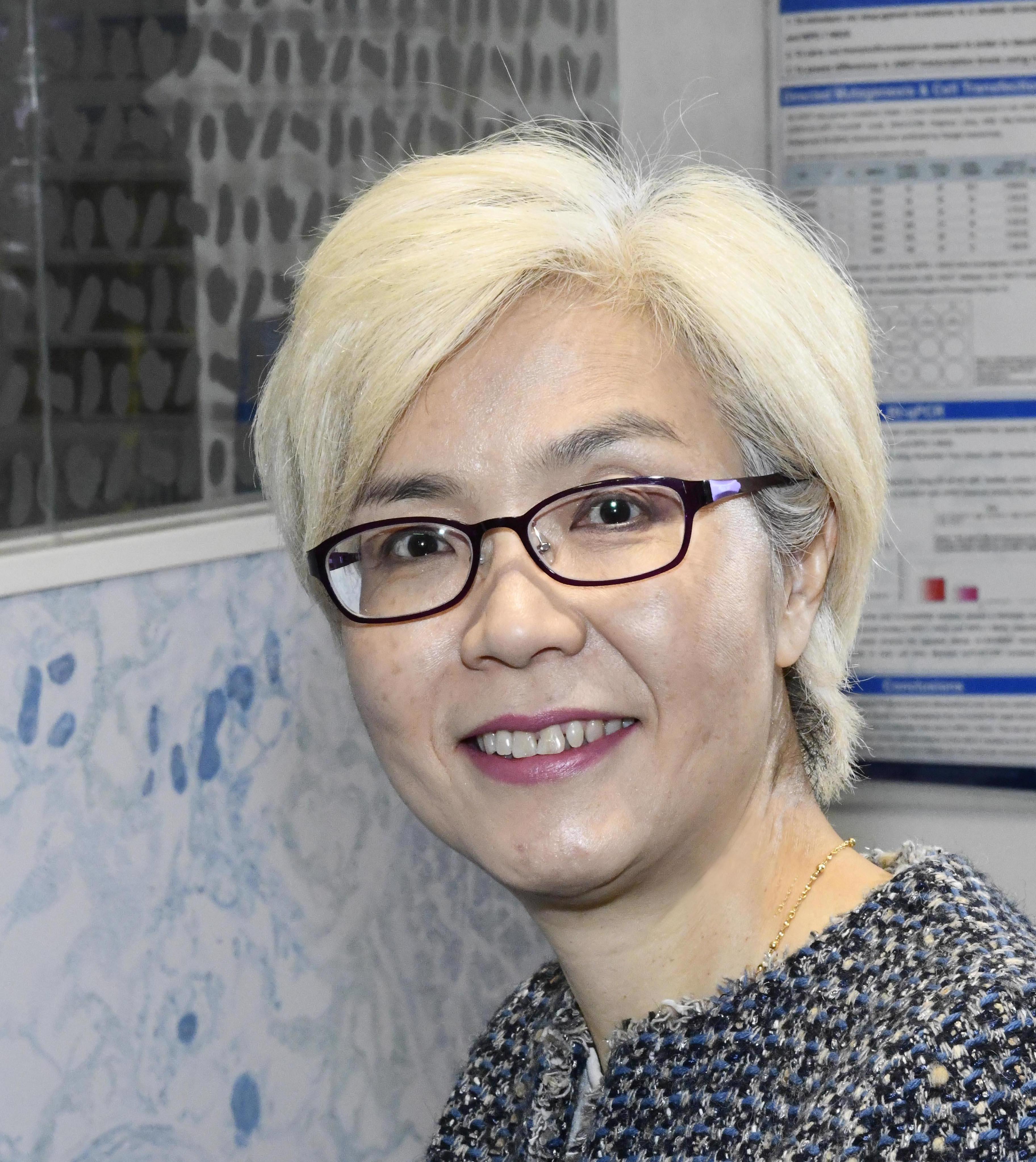
Dr. Soo-Hyun Kim is a Reader in Biomedical Sciences at City St George's, University of London, where she serves as Principal Investigator, Group Leader, and Course Director within the Neuroscience & Cell Biology Research Institute. She joined St George's (now part of City St George's following the August 2024 merger) in 2009, bringing extensive research experience from UCL Medical School and Cancer Research UK London Research Institute. Her research focuses on the molecular mechanisms underlying human development and reproductive biology, with particular emphasis on Congenital Hypogonadotropic Hypogonadism (CHH) and Kallmann Syndrome (KS). Dr. Kim's work has significantly advanced understanding of receptor signaling pathways regulating the neuroendocrine system, particularly exploring the link between these disorders and primary cilia function. Her laboratory employs cutting-edge techniques including live imaging, advanced confocal microscopy, and whole exome sequencing to identify novel mutations in congenital disorders. Dr. Kim's research portfolio demonstrates consistent focus on Hedgehog signaling pathways, WDR11 gene function, and the genetic basis of reproductive disorders. Her publications reveal a progression from foundational work on anosmin-1 and FGFR1 signaling to more recent investigations of ciliopathies and digenic inheritance patterns in hypogonadotropic disorders. This evolution reflects the field's growing understanding of the complex genetic architecture underlying these rare conditions. EMBO Women In Science 2020 recognition as one of 23 selected female corresponding authors Fellowship of Higher Education Academy Postgraduate Certificate in Healthcare and Biomedical Education (PGCert HBE) As an educator, Dr. Kim leads development and delivery of BSc, MSc, and MRes courses, supervising numerous PhD and Master's students. She serves as Course Director for MRes Biomedical Sciences and is actively involved in the Taught Postgraduate Course Committee. Her research group includes postdoctoral fellows, research assistants, and students investigating gene discovery in CHH/KS, WDR11 in ciliopathy, and Hedgehog signaling mechanisms.
Morten Frödin is an Associate Professor and group leader at the Biotech Research & Innovation Center (BRIC), University of Copenhagen, where he has been conducting research since 2004. His work primarily focuses on protein kinase signaling pathways and their roles in health and disease, particularly in cancer biology and genome engineering. Education: MSc in Cell Biology from University of Copenhagen (1992) PhD in Molecular Biology from University of Copenhagen (1997) focusing on growth factor regulation of proliferation and differentiation of neuronal cells Dr. Frödin's research interests center on cancer biology, protein kinase signal transduction, and genome engineering. His work bridges molecular mechanisms with potential therapeutic applications, particularly in understanding how protein kinases regulate cellular processes and how these pathways become dysregulated in cancer. His group has made significant contributions to CRISPR-based genome editing technologies and their applications in cancer research. Analysis of his recent publications reveals a strong focus on cancer metabolism, genome maintenance mechanisms, and precision approaches to understanding genetic variants. His work demonstrates a progression from fundamental signaling mechanisms toward translational applications, with increasing emphasis on CRISPR technology and its clinical implications in cancer diagnostics and treatment. As group leader of the Frödin Group at BRIC, he maintains an active research program with numerous international collaborations. His work has attracted attention from news outlets, policy sources, and patent applications, indicating the translational potential of his research. The group's work spans basic molecular mechanisms to potential clinical applications, with particular strength in genome editing technologies and cancer signaling pathways.
Mark Daniel Fleming is a distinguished researcher and physician-scientist at Boston Children's Hospital, affiliated with Harvard Medical School. His work primarily focuses on understanding iron metabolism in erythroid cells and the genetic basis of blood disorders, particularly sideroblastic anemias. Education: Undergraduate: Molecular Biology, Princeton University (1987) Graduate: DPhil in Organic Chemistry, University of Oxford (1990) Medical Degree: Harvard Medical School (1993) Residency: Anatomic Pathology, Brigham and Women's Hospital (1997) Fellowship: Hematopathology, Brigham and Women's Hospital (1997) Postdoctoral Fellowship: Division of Hematology/Oncology, Children's Hospital Dr. Fleming's research is centered on determining how erythroid cells acquire and utilize iron. His laboratory pursues two main approaches: positionally cloning and characterizing genes underlying mouse hereditary defects in erythroid iron metabolism, and using targeted mutagenesis in mice to study proteins implicated in sideroblastic anemias. These bone marrow disorders involve pathologic iron deposits in mitochondria, which play a critical role in iron and heme metabolism. A key focus of his work is characterizing proteins responsible for mitochondrial iron import and utilization, which has significant implications for understanding and treating various blood disorders. Analysis of Dr. Fleming's recent publications (2022-2025) reveals a strong focus on mitochondrial DNA variants in rare diseases, sideroblastic anemias, iron-related disorders, and genomic approaches to diagnosing hematological conditions. His work spans from basic molecular mechanisms of iron metabolism to clinical applications in diagnosing and treating blood disorders. There's a clear progression from studying fundamental iron metabolism pathways to applying genomic technologies for diagnosing complex hematological conditions. Scientific Awards: Pew Fellow in Biomedical Research Dr. Fleming has led numerous research projects investigating iron metabolism and blood disorders. His laboratory has made significant contributions to understanding the genetic basis of sideroblastic anemias and mitochondrial iron metabolism. His work has been consistently supported by research grants focused on hematological disorders and iron metabolism. While specific grant details aren't provided in the text, his extensive publication record spanning decades indicates sustained research funding. Dr. Fleming's research unit within the Pathology Department at Boston Children's Hospital focuses on the intersection of iron metabolism, mitochondrial function, and erythropoiesis. His team employs a range of approaches including mouse models, genomic analysis, and molecular characterization of iron-related proteins to advance understanding of blood disorders.