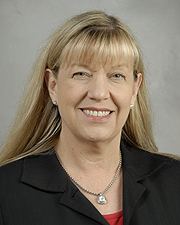
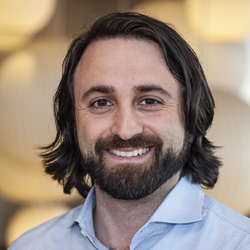
Hakan GÜRKAN is a Professor at Trakya University's Faculty of Medicine, Department of Medical Genetics. His academic journey includes a Bachelor's degree (1998), Master's (2006), Ph.D. (2011), and post-doctoral studies (2012). He attained the rank of Associate Professor in 2015 and Professor in 2021, both at Trakya University. His research focuses on medical genetics , with emphasis on molecular diagnostics, genetic disorders (e.g., autism, thyroid cancer, cardiomyopathies), and genomic variations. He employs advanced techniques like next-generation sequencing and array CGH to investigate phenotype-genotype relationships in rare diseases. GÜRKAN's publications (2022–2024) reveal a strong focus on neurodevelopmental disorders, oncogenetics, and prenatal diagnostics. His work frequently addresses Turkish population-specific genetic variants and their clinical implications. Awards & Honors: Analysis of THRΒ Gene (2017) BRAFV600E mutation in thyroid cancer (2016) Factor X deficiency genetics (2016) Thrombophilia/recurrent miscarriage panels (2016) HLA-B polymorphism (2015) Toll-like receptor polymorphisms in atopic dermatitis (2015) He leads TÜBİTAK-funded projects (e.g., genetic screening in autism, Lynch syndrome) and serves on ethics committees. As an editorial board member for Balkan Medical Journal , he reviews genetics research. He also supervised a Master's thesis on MTHFR gene methylation in male infertility (2016).
Birgitte Rode Diness serves as a Clinical Associate Professor in the Department of Clinical Medicine, Clinical Genetics at the University of Copenhagen's Faculty of Health and Medical Sciences. She maintains a dual affiliation with Region Hovedstaden (as indicated by her email domain), working at the intersection of academic research and clinical genetics practice in Denmark. Her office is located at Blegdamsvej 3, 2200 København N, and she can be reached at +4535456384. Dr. Diness's research spans multiple critical areas in clinical genetics with particular emphasis on genomic screening applications, variant interpretation in both cancer and cardiovascular contexts, and the clinical management of rare genetic disorders. Her work demonstrates strong translational focus, connecting genetic findings to practical clinical applications and patient care pathways. She has been particularly active in studying genotype-phenotype correlations and developing frameworks for variant classification that inform clinical decision-making. Her publication record from 2022-2024 reveals consistent research productivity with significant contributions to understanding genetic variants in conditions ranging from pediatric cancer predisposition to cardiovascular disorders and rare skeletal dysplasias. The collaborative nature of her work is evident through numerous multi-institutional publications involving major Danish medical centers. Dr. Diness has contributed to establishing national infrastructure for clinical genetics through her involvement in the GENets initiative, which created expert collaborations across Denmark's genetic services. Her research often emphasizes the importance of multidisciplinary teamwork, segregation analysis, and information sharing in advancing genetic medicine.
Colm O'Rourke is an Associate Professor at the University of Copenhagen's Faculty of Health and Medical Sciences, where he conducts research within the Andersen Group at the Biotech Research & Innovation Centre (BRIC). His work focuses primarily on gastrointestinal cancers, with special emphasis on biliary tract malignancies and liver cancers. Dr. O'Rourke's research spans multiple critical areas in cancer biology: Molecular mechanisms of cholangiocarcinoma development and progression Epigenomic regulation, particularly DNA methylation patterns in cancer Genomic approaches to cancer risk assessment and classification Biomarker discovery for early detection and prognosis Novel therapeutic approaches including immunotherapy and targeted treatments Understanding mechanisms of treatment resistance in gastrointestinal cancers His recent publication record demonstrates a strong focus on integrating genomic, epigenomic, and transcriptomic data to understand cancer biology. Dr. O'Rourke's work frequently addresses clinical translation, with multiple studies developing diagnostic signatures and validating prognostic tools that have direct implications for patient care in gastrointestinal oncology. Notable contributions include: Genome-wide identification of hepatocellular carcinoma risk loci Investigations into the immunogenomic landscape of cholangiocarcinoma Development of DNA methylation-based diagnostic signatures Studies on protein SUMOylation as a therapeutic target Validation of prognostic gene scores for liver cancer patients Dr. O'Rourke maintains an active collaborative network, as evidenced by his participation in numerous multi-center studies across international institutions. His laboratory at BRIC appears to focus on translating molecular discoveries into clinically applicable approaches for gastrointestinal cancer diagnosis and treatment.
Claus Storgaard Sørensen is an Associate Professor at the Biotech Research & Innovation Centre (BRIC) at the University of Copenhagen. His research focuses on understanding the molecular mechanisms of DNA repair, genome maintenance, and their implications in cancer development and treatment. His research interests include: DNA repair mechanisms, particularly related to BRCA2 and associated proteins Genome integrity and replication stress Tumor suppressor genes and their functions in cancer prevention Molecular mechanisms underlying cancer susceptibility BRCA2-PALB2 interactions and variant classification Novel connections between cytoskeletal proteins and genome stability Dr. Sørensen's recent publications demonstrate a strong focus on the molecular basis of DNA damage response and its implications for cancer biology. His work bridges fundamental molecular mechanisms with potential clinical applications in cancer diagnosis and treatment, particularly in breast cancer and other malignancies linked to DNA repair deficiencies. His research on BRCA2 domains, G6PC3 as a tumor suppressor, and MYH4's role in genome integrity represents significant contributions to the field. His research has received substantial attention, with multiple publications being covered by news outlets, blogged about, and shared across social media platforms including X (Twitter), Facebook, and Bluesky. His work has been picked up by 6 news outlets, blogged about by 3 sources, and shared by numerous users across different platforms, indicating significant impact in both academic and broader scientific communities.
Dr. Mariya Rozenblit is an Assistant Professor of Medicine at Yale School of Medicine specializing in Medical Oncology. She holds appointments at Yale Cancer Center and the Center for Breast Cancer, where she leads translational research initiatives. Her clinical practice focuses exclusively on breast cancer management, from ductal carcinoma in situ to metastatic disease. She completed her medical education at Icahn School of Medicine (MD 2015), internal medicine residency at NYU Langone Medical Center (2018), and medical oncology fellowship at Yale. Her research program investigates: Biomarker-driven clinical trial design Genomic alterations preceding breast cancer development Oligometastatic disease biology Age-specific molecular differences in breast cancer Immunotherapy biomarkers in early-stage disease Recent publications (2022-2025) demonstrate consistent focus on breast cancer genomics and precision oncology. Over 80% of her 15 most recent articles examine molecular biomarkers, with particular emphasis on: Homologous recombination deficiency signatures HER2-low characterization ctDNA analysis techniques Germline mutation patterns in young patients Epigenetic aging markers Honors include: ASCO Conquer Cancer Young Investigator Award (2020) Susan G. Komen Career Catalyst Grant (2022) She currently serves as sub-investigator on multiple clinical trials evaluating novel therapeutic approaches for breast cancer. Her research group collaborates extensively with Yale's Genomics, Genetics, and Epigenetics Program.
Roel Verhaak, PhD, is a Professor in the Department of Neurosurgery at the Yale School of Medicine, holding the prestigious Harvey and Kate Cushing Professorship. He maintains extensive affiliations across Yale's research ecosystem, including the Genomics, Genetics, and Epigenetics Program, Human Genome Sciences, Molecular Medicine, Pharmacology, and Physiology, the Neurosurgery Program in Translational Biomedicine, and the Yale Cancer Center. Dr. Verhaak earned his PhD from Erasmus University Medical Center in Rotterdam, followed by postdoctoral training at the Broad Institute/Dana-Farber Cancer Institute. He established his independent research program at MD Anderson Cancer Center in 2010, was affiliated with the Jackson Laboratory for Genomic Medicine from 2016, and joined Yale School of Medicine in 2023. His research focuses on brain tumors and extrachromosomal DNA amplification in cancer. The Verhaak Lab studies tumor evolution and therapy resistance mechanisms in gliomas using high-throughput sequencing, computational analysis, and functional studies. He leads the Glioma Longitudinal Analysis Consortium (GLASS) and made the groundbreaking discovery that extrachromosomal DNA amplifications are critical cancer drivers. Dr. Verhaak's publication record shows a consistent focus on advancing our understanding of glioma biology and cancer genomics, with recent work (2023-2025) emphasizing extrachromosomal DNA mechanisms, glioma evolution, and novel therapeutic approaches. His research has shifted from initial molecular classification work to deeper mechanistic understanding of tumor evolution and resistance. AAAS Martin and Rose Wachtel Cancer Research Award (2016) Adult Basic Science Award from the Society for Neuro-Oncology (2014) Peter Steck Memorial Award from the Pediatric Brain Tumor Foundation (2012) Wilson S. Stone Memorial Award from MD Anderson Cancer Center (2011) Dr. Verhaak actively mentors researchers and collaborates extensively across institutions. He co-founded Boundless Bio to translate his discoveries about extrachromosomal DNA into therapeutic approaches. His lab participates in major consortia including the GBM Cellular Analysis of Resistance and Evolution (CARE) consortium, which has refined our understanding of glioblastoma's cellular architecture through single-cell transcriptomics. The Verhaak Lab maintains a strong research presence with multiple active projects focused on understanding how extrachromosomal DNA drives cancer progression and developing strategies to target this mechanism therapeutically.
Evan Vosburgh, MD is an Associate Clinical Professor of Medicine at Yale School of Medicine, specializing in Medical Oncology and Hematology. He provides clinical care at the West Haven Veterans Hospital and serves as a primary care attending at the Yale Primary Care Center Wednesday Evening Clinic. Dr. Vosburgh is affiliated with Yale Cancer Center and participates in the Cancer Signaling Networks research program. Dr. Vosburgh's research interests focus on neuroendocrine cancers, amyloidosis, and clotting disorders. His work has significantly contributed to understanding neuroendocrine tumor biology, particularly pancreatic neuroendocrine tumors, through the development and analysis of mouse models. He has investigated genetic factors in tumor development, including the cooperative effects of tumor suppressor gene deletions and the role of specific alleles in determining tumor types. His publication record shows consistent contributions to the field since the early 2000s, with recent work (2017-2022) focusing on comprehensive reviews of neuroendocrine and gastroenteropancreatic system tumors. Earlier research (2010-2016) examined genetic mechanisms, sexual dimorphism in metastasis, and innovative approaches to tumor analysis. Dr. Vosburgh maintains active membership in major professional organizations including the American Association of Cancer Research, American Society of Clinical Oncology, and American Society of Hematology. His clinical work at the Veterans Hospital and Yale Primary Care Center demonstrates a commitment to both specialized oncology care and general medical practice. Dr. Vosburgh's dual focus on research and clinical care positions him as a valuable contributor to both academic medicine and patient care.
Dr. Dianna M. Milewicz is a distinguished Professor, Vice-Chair of the Department of Internal Medicine, and Director of the Medical Genetics Division at the University of Texas Health Science Center at Houston (UTHealth) McGovern Medical School. She holds the prestigious President George H.W. Bush Chair of Cardiovascular Medicine and has directed the M.D./Ph.D. Program offered jointly between UTHealth and MD Anderson Cancer Center for over a decade. Dr. Milewicz's research focuses on the genetic basis of vascular diseases, particularly thoracic aortic aneurysms and dissections. Her work has significantly advanced the understanding of Marfan syndrome and other connective tissue disorders affecting the cardiovascular system. With over three decades of research productivity, her publication record demonstrates consistent contributions to the field of cardiovascular genetics. Analysis of Dr. Milewicz's recent publications reveals a strong emphasis on clinical guidelines for aortic disease management, genetic mechanisms of vascular pathology, and translational research connecting basic science discoveries to clinical applications. Her work spans from fundamental molecular mechanisms to large-scale consensus statements that shape clinical practice worldwide. Antoine Marfan Award Doris Duke Distinguished Clinical Scientist Award University of Texas Presidential Scholars Award for Excellence in Research Inducted into the American Society of Clinical Investigation Inducted into the Association of American Physicians As Director of the Medical Genetics Division and co-director of the MD/PhD program, Dr. Milewicz plays a pivotal role in training the next generation of physician-scientists. Her leadership extends to national guideline committees where she has helped shape standards of care for patients with aortic diseases. Her dual board certification in Internal Medicine and Medical Genetics enables her to bridge clinical care with cutting-edge genetic research, creating a comprehensive approach to patient management. Dr. Milewicz leads research efforts focused on identifying genetic markers for vascular diseases and understanding the molecular pathways that lead to aortic pathology. Her work has established critical connections between genetic mutations and clinical manifestations, enabling earlier diagnosis and more targeted interventions for patients at risk of aortic complications.
Nicholas A Vitanza is an Associate Professor in Hematology/Oncology at Seattle Children's Hospital, where he serves as an Attending Pediatric Neuro-Oncologist in the Cancer and Blood Disorders Center. He is also the Principal Investigator at the Ben Towne Center for Childhood Cancer and Blood Disorders Research and has been on staff since August 2016. Dr. Vitanza directs the Vitanza Lab and serves as the Scientific Director of the Brain Tumor Research Program, overseeing a dedicated research program spanning laboratory work to patient care, and as the CNS CAR T Cell Lead, overseeing CAR T cell trials for brain and spinal cord tumor patients. Dr. Vitanza completed his medical education at the American University of the Caribbean School of Medicine, followed by residency training at the State University of New York at Stony Brook. He then completed fellowships at multiple prestigious institutions including Lucile Salter Packard Children's Hospital-Stanford, New York University Langone Medical Center, and Stanford University School of Medicine. His specialized training in pediatric oncology and neuro-oncology was conducted under renowned mentors including Drs. Bill Carroll, Elizabeth Raetz, and Michelle Monje. Dr. Vitanza's research focuses on developing targeted therapies for children with fatal brain and spinal cord tumors, particularly diffuse intrinsic pontine glioma (DIPG), diffuse midline glioma (DMG), and atypical teratoid rhabdoid tumor (ATRT). His work spans from high-throughput drug screening in patient-derived models to clinical translation, with a particular emphasis on CAR T cell immunotherapies. He has pioneered multiple innovative clinical trials including BrainChild-01 (targeting HER2), BrainChild-02 (targeting EGFR), BrainChild-03 (targeting B7-H3), and BrainChild-04 (multi-antigen targeting). Analysis of Dr. Vitanza's recent publications reveals a strong focus on advancing CAR T cell therapies for pediatric CNS tumors, with particular emphasis on combination approaches, multi-targeting strategies, and addressing treatment-related toxicities. His work bridges basic science discoveries with clinical applications, consistently aiming to translate laboratory findings into novel therapeutic options for children with previously untreatable brain cancers. The publications demonstrate progressive refinement of delivery methods, target selection, and safety profiles of immunotherapies for pediatric brain tumors. R37 MERIT (Method to Extend Research in Time) Award from NIH National Cancer Institute Invited researcher to Cancer Moonshot Brain Tumor Forum at White House (2023) ASPHO award during pediatric oncology fellowship Dr. Vitanza has secured significant NIH funding for his research and has directed multiple clinical trials that have advanced the field of pediatric neuro-oncology. His laboratory work has led to multiple clinical trials, demonstrating a successful translational pipeline from bench to bedside. He has mentored numerous researchers and clinicians in the field of pediatric brain tumor research and treatment. The Vitanza Lab focuses on creating treatment-naïve biopsy-derived patient-derived DIPG/DMG models, discovering targetable molecular and immunologic vulnerabilities in these tumors, and translating these findings into innovative new clinical trials. The lab collaborates extensively with other research groups at Seattle Children's Hospital and beyond, forming a comprehensive research ecosystem dedicated to curing childhood brain cancers.
Hirsh Koyi is a Researcher affiliated with Uppsala University through the Centre for Research & Development at Region Gävleborg, focusing on clinical oncology and respiratory medicine. His work bridges hospital-based clinical research with academic investigation, primarily conducted at Gävle Hospital. His research spans lung cancer diagnostics, pleural effusion analysis, pharmacogenomics of chemotherapy toxicity, and swallowing dysfunction in respiratory diseases. Key interests include: Non-small cell lung cancer molecular subtyping and prognostic biomarkers Genetic variants influencing gemcitabine/carboplatin toxicity Dysphagia mechanisms in COPD and post-COVID recovery Ethnic disparities in mesothelioma and lung cancer outcomes His methodology integrates genomic analysis, clinical pharmacology, and patient-centered outcomes assessment. Recent publications demonstrate consistent focus on translational oncology, with trends toward personalized treatment prediction using gene expression and pharmacogenomic markers. His collaborative work frequently addresses real-world clinical challenges in elderly cancer patients and post-ICU rehabilitation. Koyi maintains active clinical research collaborations across Swedish medical centers, particularly in pharmacokinetic studies and respiratory complication management. His work appears in journals spanning oncology, respiratory medicine, and analytical pharmacology.
Ezgi Hacisuleyman serves as an Assistant Professor in the Department of Molecular Medicine at the University of Florida, where she leads the Hacisuleyman Lab focused on RNA-centric mechanisms in neuronal communication and cellular adaptation. Her research bridges molecular biology, neuroscience, and virology with significant contributions to understanding RNA localization, translation dynamics, and viral pathogenesis. Education Ph.D. in Molecular Biology and Biochemistry, Harvard University (2010-2015) Bachelor of Engineering in Chemical Engineering, MIT (2006-2010) Bachelor of Science in Molecular Biology and Genetics, MIT (2006-2010) Dr. Hacisuleyman's research centers on RNA biology in neuronal contexts , particularly how localized translation regulates synaptic plasticity. Her lab pioneered proximity-based ribosome profiling to map dendritic translation mechanisms, revealing how eIF4G2-uORF interactions rapidly reprogram protein synthesis in response to neuronal activity. Additional work explores lncRNA-mediated genome organization and viral-host interactions, notably SARS-CoV-2 transmission dynamics and vaccine efficacy. Her interdisciplinary approach integrates molecular techniques with computational analysis to uncover fundamental principles of RNA regulation in health and disease. Her publication portfolio shows consistent focus on RNA-centric mechanisms across cancer biology, neurodevelopment, and virology. Early work established foundational knowledge of lncRNA functions in genome architecture (Firre locus) and adipogenesis, while recent studies reveal novel cancer dependencies (EXOSC2) and neuronal translation control. The SARS-CoV-2 research during 2021 represents a strategic pivot to address urgent pandemic challenges, demonstrating methodological versatility. Scientific Awards Kavli Neuroscience Postdoctoral Fellowship (2021-2023) Helen Hay Whitney Fellowship (2016-2019) Dr. Hacisuleyman mentors graduate students including Madison Jones (neurological disorders focus) and Ulas Kaplan (5'UTR peptide research), while previously supervising SURF undergraduates. Her active NIH/NIGMS-funded grant "Decoding RNA Localization and Local Translation" supports investigations into cellular adaptation mechanisms. The lab maintains collaborations with Rockefeller University and UCSF, building on her postdoctoral work with Darnell and Weissman. The Hacisuleyman Lab comprises graduate students, research technicians (including Alexander Valera studying synaptic transmission and Alperen Baran exploring immune-neural connections), and administrative support. Current projects examine small peptide functions in neurons and RNA dysregulation in aging-related pathologies, with infrastructure for advanced molecular profiling and neuronal imaging.