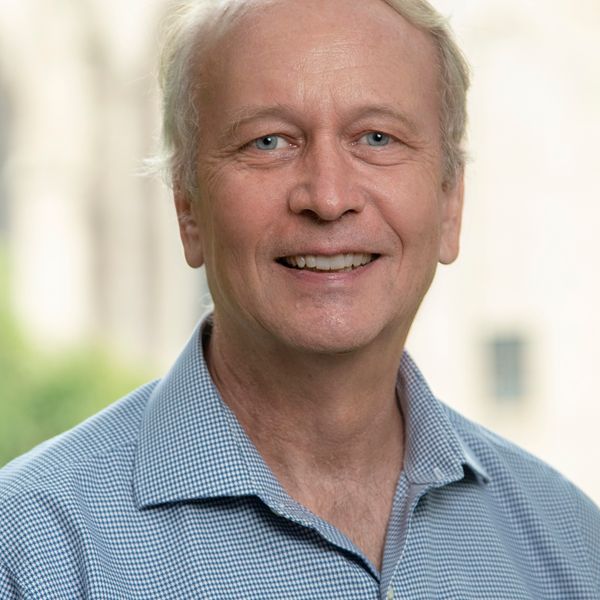
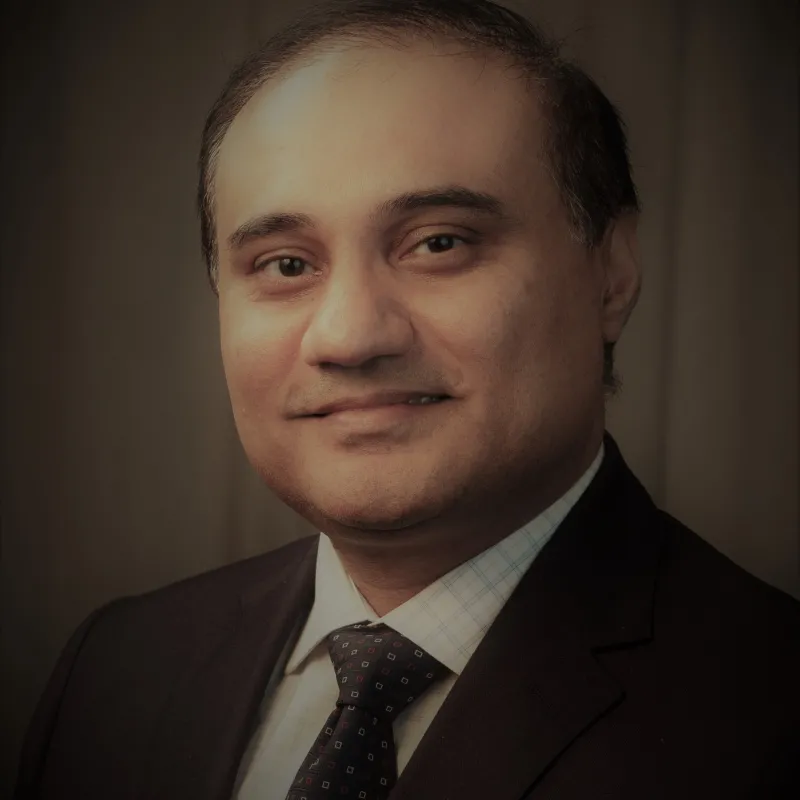
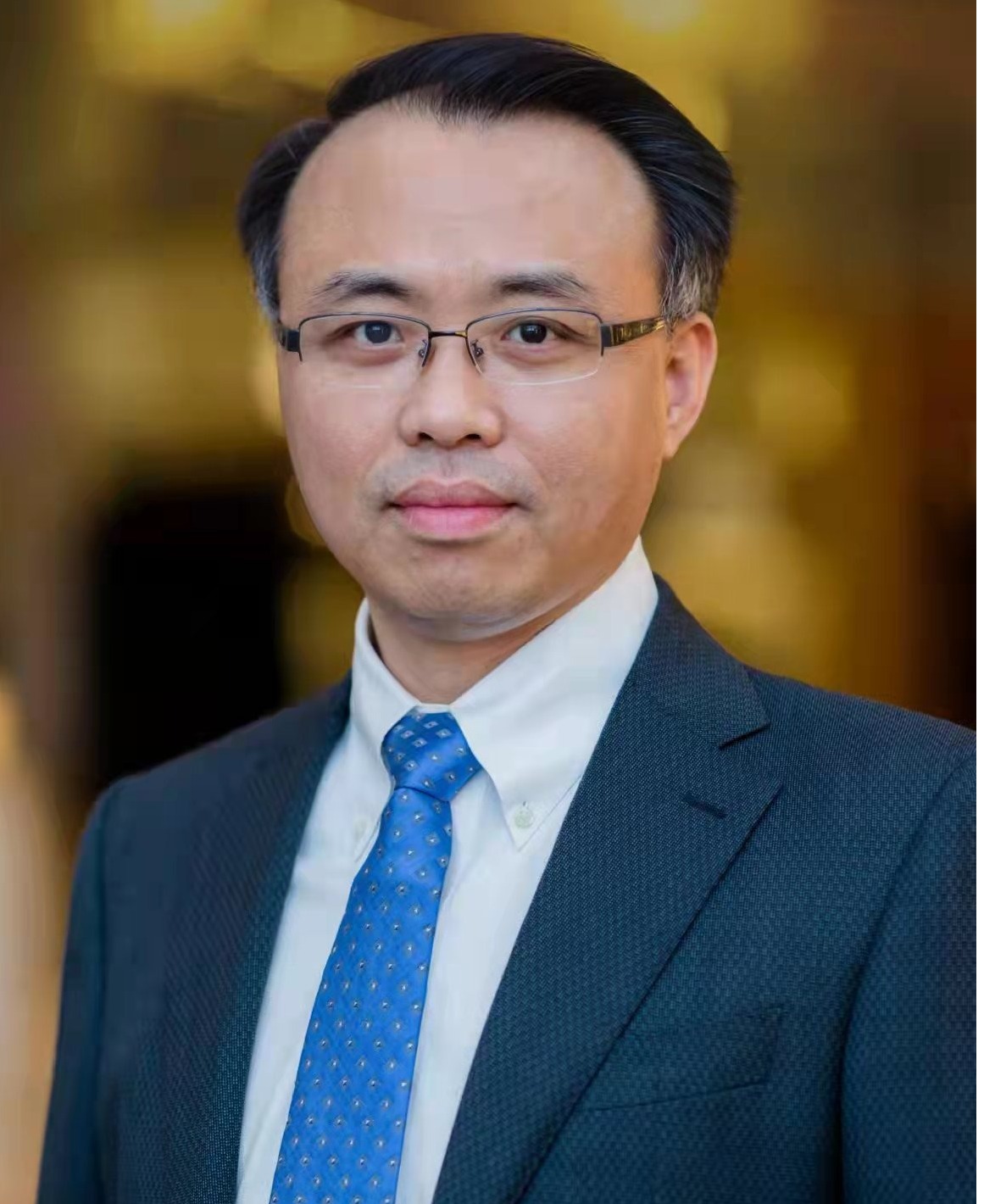
Dr Philip Haywood is an Associate Professor of Practice in Health Systems and Financing at the Leeder Centre for Health Policy, Economics and Data, part of the Sydney School of Public Health and the Faculty of Medicine and Health at the University of Sydney. His career spans academia, clinical practice in emergency medicine, and policy development. He has advised governments globally on health system resilience, particularly during the pandemic, and focuses on funding reforms, equity, and virtual care. Research interests include health system resilience, funding policy, equity, and integrated care. He leads the Centre for Research Excellence on Value-Based Payments in Cancer Care and contributes to cancer patient population projections. Currently supervising one PhD student, David GOLDSBURY, his work emphasizes applied health economics and policy. Publications span health economics, policy, and system resilience, with recent focus on pandemic responses, healthcare costs, and equity. His research has informed global health policies and is disseminated through platforms like the OECD and ICCONIC (International Comparisons). Labs/teams include the Leeder Centre, where he collaborates on projects like the Victorian Healthy Homes Program and resilience testing frameworks. No scientific awards are explicitly listed, but his contributions to policy and research are widely recognized.
Peter Butler is a Professor and Chairman of the Department of Health Systems Management at Rush University, where he also holds an adjunct appointment as Adjunct Professor in Healthcare at Kellogg. With nearly 40 years of experience, he previously served as President and CEO of Houston Methodist Hospital System and Senior Vice President at Henry Ford Health System. He currently chairs key healthcare boards and advisory groups, including roles with the Medicare Payment Advisory Commission (MedPAC). Education includes a BA in Psychology from Amherst College (1973) and an MHSA from the University of Michigan (1976), with an Executive MBA and specialized leadership training in U.S. Health Systems. His research and leadership focus on healthcare systems, payment model innovation, organizational alignment, and non-profit governance. He has been recognized with a honorary Doctor of Humane Letters from Rush University and the Filerman Prize for Educational Leadership. Peter Butler’s expertise spans hospital administration, physician-hospital collaboration, and strategic responses to evolving healthcare policies. His current work emphasizes leadership in value-based care models and system integration challenges.
Kate Ho is the John L. Weinberg Professor of Economics and Business Policy at Princeton University, where she also co-directed the Center for Health and Wellbeing (2018–2024). Her research focuses on the industrial organization of healthcare markets, with expertise in pharmaceutical policies, health insurance design, and provider-insurer interactions. She holds affiliations with the National Bureau of Economic Research (NBER) and the Center for Economic Policy Research (CEPR). Education includes a Ph.D. in Business Economics from Harvard University (2005) and degrees in Mathematics from Cambridge University (1993). Prior to academia, she served as Chief of Staff to the U.K. Minister of State for Health (1993–1997). Research interests emphasize healthcare market structure, drug pricing, and insurance competition. Recent work addresses formulary design, copayment coupons, and ACO savings. Awards include the Frisch Medal (2020) and Arrow Award (2010). She has edited leading journals like Econometrica and the RAND Journal of Economics . Teaching spans graduate courses in industrial organization and health economics at Princeton. Over 30 Ph.D. students have been advised, with placements at universities, policy institutions, and corporations. Active in professional service, including roles at the Congressional Budget Office and editorial leadership in economics. Labs/Teams: Co-leads Princeton’s Health and Wellbeing initiatives. Collaborates with researchers on projects funded by grants like the Commonwealth Fund ($50,000, 2015).
Roslyn C. Murray is an Assistant Professor of Health Services, Policy and Practice at Brown University's School of Public Health. She is affiliated with the Center for Advancing Health Policy through Research. Her research focuses on healthcare prices, private insurance markets, and policies to improve affordability in the U.S. healthcare system. Education: Ph.D. in Health Services Organization and Policy (2024) - University of Michigan MPP (2020) - Georgetown University BA in Human Biology (2015) - Stanford University Research Interests: Health economics, healthcare pricing power, Medicare Advantage, state-level healthcare price regulation, and the impact of payment policies on affordability and access. Publications Trends: Her work evaluates state-level interventions like Oregon's hospital payment caps and examines Medicare Advantage payment systems. Recent studies highlight cost reductions for enrollees and hospitals, with minimal adverse effects on care access. She also analyzes benchmark inflation and overpayments in Medicare Advantage. Awards: AcademyHealth 2025 Outstanding Dissertation Award, Honorable Mention Teaching & Grants: Taught microeconomics at Georgetown. Her grants include studies on healthcare cost containment and value-based payment models. She is part of the Center for Advancing Health Policy through Research, collaborating on policy-relevant studies. Labs/Teams: Active in the Center for Advancing Health Policy through Research (CAHPR), focusing on translating research into actionable policy recommendations.
Kerryn Butler-Henderson is an Adjunct Professor in the Department of Health and Biomedical Sciences at RMIT University. Her research focuses on digital health transformation, healthcare informatics, and workforce education. She actively contributes to understanding the integration of artificial intelligence, predictive analytics, and electronic health records (EHR) into healthcare systems. Her work emphasizes improving clinical outcomes through data-driven approaches and addressing challenges in workforce digital literacy. She holds an ORCID identifier (0000-0002-6082-2108) and is open to supervising PhD and Masters students. Research interests include: Learning health systems and AI applications Prediction modeling for musculoskeletal disorders Digital health workforce development Value-based healthcare frameworks Educational innovations in nursing and healthcare Key publications from 2024-2025 explore topics like EHR generalizability, digital health literacy measures, and global digital health workforce roles. Her interdisciplinary collaborations span occupational health, gerontology, and healthcare accounting. Dr. Butler-Henderson is engaged in curriculum development for digital health competencies and has contributed to national surveys on nursing education trends. She maintains strong industry connections through RMIT's Health and Biomedical Sciences research networks.
Randall P. Ellis is a Professor of Economics at Boston University, specializing in Health Economics, Industrial Organization, and Econometrics. His research focuses on healthcare payment systems, insurance design, predictive modeling, and international health economics. He holds a PhD from MIT and has contributed extensively to understanding managed care systems, risk adjustment frameworks, and healthcare policy evaluation. Education: PhD in Economics from Massachusetts Institute of Technology. Research Interests: Ellis’s work spans health care payment reforms, risk selection mechanisms, and the application of machine learning to health economics. He examines issues such as Medicaid managed care, obesity treatment economics, and the impact of anti-corruption programs on healthcare systems. His research emphasizes improving equity and efficiency in healthcare markets, particularly through innovative payment systems and risk adjustment models. Key Contributions: Ellis has developed frameworks for disease surveillance and risk adjustment (e.g., Diagnostic Items Classification System), evaluated payment system performance, and analyzed factors influencing healthcare utilization and costs. His work bridges theoretical economic models with practical policy applications, informing both academic and policy audiences. Grants & Collaborations: While specific grants are not detailed here, his research frequently involves collaborations with institutions like Harvard and MIT through the Health Economics Seminar. His work often addresses global health challenges, including pandemic financing and healthcare corruption in developing regions. Labs/Teams: Ellis is affiliated with Boston University’s economics department and collaborates with interdisciplinary teams on projects related to health policy and econometric modeling.
Erin Strumpf is a Full Professor jointly appointed in the Department of Economics and the Department of Epidemiology, Biostatistics and Occupational Health at McGill University. She is a founding member of McGill’s Public Policy and Population Health Observatory (3PO) and holds the distinguished William Dawson Scholar title. Her work bridges economics and population health, focusing on evaluating health and social policies through rigorous causal inference methods. Education: PhD in Health Policy and Economics, Harvard University BA, Smith College Research Interests: Prof. Strumpf’s research agenda centers on the impacts of health policies on health care delivery, population health outcomes, and health inequalities. She employs quasi-experimental designs and large-scale administrative data to assess interventions such as cancer screening programs, primary care reforms, and paid family leave policies. Her work spans multiple jurisdictions, including Canada, the United States, and France, and actively informs policymakers at provincial and national levels. Her recent projects include evaluating the cost-effectiveness of population-based cancer screening guidelines, assessing the health system impacts of integrated primary care in Quebec, and exploring how paid family leave policies reduce infant respiratory infections and promote equity. She is also a key contributor to the Canadian Institutes of Health Research’s Drug Safety and Effectiveness Network. Scientific Awards & Honors: William Dawson Scholar, McGill University Chercheur-boursier Junior 1 & 2, Fonds de Recherche du Québec – Santé Collaborations & Funding: Prof. Strumpf collaborates extensively with ministries of health and finance across Canadian provinces and with international agencies. She leads multidisciplinary teams that leverage rich administrative health data to generate actionable evidence for decision-makers. Her research is primarily aligned with the Centre on Population Dynamics’ Social and Economic Determinants of Health axis, and intersects with the Aging axis. Affiliations & Labs: She is affiliated with McGill’s Department of Equity, Ethics, and Policy, Family Medicine Department, Department of Oncology, and the Centre on Population Dynamics. Previously (2019-2022), she was an affiliated researcher with the cancer unit at l’Institut national d’excellence en santé et en services sociaux (INESSS).
Dr. Andrew Michael Ryan is a Professor in the Department of Health Services, Policy, and Practice at Brown University and Director of the Center for Advancing Health Policy through Research. His work focuses on evaluating the impact of healthcare payment reforms, particularly in Medicare and accountable care organizations (ACOs). Ryan has extensive experience analyzing longitudinal healthcare data and has contributed to national policy discussions on payment incentives and value-based care. Previously, he served as a professor at the University of Michigan. Education: PhD from Brandeis University. Research Interests: Dr. Ryan’s research examines how payment models influence healthcare quality, spending, and patient outcomes. Key areas include bundled payments, Medicare Advantage plan performance, and the role of financial incentives in driving system-wide improvements. His work often combines econometric methods with policy analysis to inform actionable reforms. Publications Trends: Recent work highlights critiques of Medicare Advantage rating systems, analysis of bundled payment impacts on care quality, and examinations of hospital payment policies. A recurring theme is the interplay between financial incentives and measurable improvements in healthcare value. Awards: No explicitly listed awards in provided texts. Advising & Grants: Ryan has led research grants examining payment reform efficacy and has advised federal technical panels. His team’s work frequently involves collaborations with economists and healthcare policymakers to translate findings into practice. Labs/Teams: Directs the Center for Advancing Health Policy through Research, fostering interdisciplinary collaborations on payment and delivery system innovations. Key partners include researchers from epidemiology, biostatistics, and clinical medicine.
Sheraz Ahmed is an Associate Professor (Tenure Track) at LUT Business School, Lappeenranta University of Technology, Finland, where he also serves as Academic Director of the Master’s Degree Program in Strategic Finance and Analytics. He holds a Doctor of Science in Financial Economics from Hanken School of Economics and has been affiliated with LUT since 2011. Doctor of Science, Financial Economics and Economic Statistics, Hanken School of Economics (2004–2009) Master of Science, Computational Finance, Hanken School of Economics (2001–2003) His research focuses on international finance, asset pricing, factor investing, portfolio management, high-frequency trading, corporate governance, and emerging markets . He employs advanced econometric techniques to analyze financial market behavior, market efficiency, liquidity risk, and the impact of governance reforms. His work frequently appears in journals covering finance, accounting, and economics. His recent publications explore topics such as the adaptive market hypothesis in cryptocurrencies, dynamic dependence between ETFs and crude oil, liquidity risk pricing, and financial integration in CIVETS and African markets. His research demonstrates a consistent focus on empirical analysis of financial markets in transitional and emerging economies. Sheraz Ahmed is an active peer reviewer for journals including Applied Economics, Journal of Economic Surveys, and Journal of Forecasting . Member, European Finance Association (2014–present) He has supervised over 80 master’s theses and multiple doctoral students in finance and analytics. He teaches financial theory, valuation of financial securities, and empirical research in finance at the master’s level. He is affiliated with the Department of Finance and Statistics within the School of Business and Management at LUT.
Christopher Cramer is a Professor in the Department of Development Studies at SOAS University of London. He joined SOAS part-time in 1993 and full-time in 1996 after teaching in Cambridge and Maputo, Mozambique. He has served as Head of the Department of Development Studies and is currently Co-Director of the Development Leadership Dialogue (DLD) at SOAS. He designed and launched the MSc Violence, Conflict and Development, which marked its 25th year in 2025. Cramer earned his PhD in Economics from the University of Cambridge in 1994 with a thesis titled The Political Economy of War in Angola and Mozambique . Before joining SOAS, he worked for the Economist Intelligence Unit (EIU) and the Macroeconomic Research Group (MERG) in South Africa during its democratic transition. Professor Cramer's research focuses on structural change, high value agriculture, industrial policy, development strategy, extreme deprivation, war to peace transitions, and labor in value chains. His work primarily draws on field research in Southern Africa and Ethiopia, with additional projects in Colombia and Brazil. He has made significant contributions to understanding the political economy of violence and conflict in developing countries, challenging conventional wisdoms about economic performance in African contexts. His recent work has increasingly focused on high-value agricultural exports as pathways to structural transformation, particularly examining how classification systems affect production processes. His recent publications show a strong emphasis on African economic development, with particular attention to labor conditions in global value chains and innovative approaches to measuring extreme deprivation. Cramer's work often challenges mainstream development economics frameworks, especially through his critiques of the Lewis Model, while developing practical tools like the Extreme Deprivation Index for poverty measurement in rural contexts. Editorial Board Member, Journal of Southern African Studies (1996-present) Fellow of the Academy of Social Sciences (2016) Visiting Professor at University of Johannesburg (2020) Professor Cramer has supervised numerous PhD students working on diverse topics including coffee policy in Ethiopia, non-state security actors in Nigeria, rural labor regimes in Sudan, and labor retention in Ethiopia's apparel industry. He designed and launched the pioneering MSc Violence, Conflict and Development program at SOAS, which celebrated its 25th anniversary in 2025. In 2025, he also started the innovative module Structural Change and Economic Development in Africa (SCEDA), co-designed with the Mandela School of Public Governance in South Africa, taught synchronously to cohorts at both institutions. As Co-Director of the Development Leadership Dialogue (DLD), Cramer leads an institute focused on understanding the political economy of development. He has served on various committees including the Royal African Society (as former Vice Chair), the University of London's Centre of African Studies (as former Chair), and SOAS committees including the Honorary Degrees Committee and the project board for the Paul Webley Wing construction project.
Mark Sculpher is a Professor of Health Economics and Head of the Centre for Health Economics at the University of York , a role he has held since 1997. He co-directs the Policy Research Unit in Economic Evaluation of Health and Care Interventions (EEPRU) and has contributed extensively to health economics research. Research Focus: Economic evaluation in health, decision analytic modeling, pharmaceutical policy, and global health. Key Contributions: Co-authored seminal textbooks like Methods for the Economic Evaluation of Health Care Programmes and Decision Modelling for Health Economic Evaluation . Member of the Second Panel on Cost-Effectiveness in Health and Medicine. Advisory Roles: Former member of NICE committees, UK Health Select Committee on Orkambi availability, and Portuguese National Authority for Medicines. Awards: Elected Fellow of the Academy of Medical Sciences (2024), NIHR Senior Investigator (Emeritus), and former ISPOR President. Recent Publications emphasize dynamic efficiency in pharmaceutical innovation, real-world evidence frameworks, and global health applications. His work spans cost-effectiveness analysis for vaccines, antimicrobial resistance, and equity-focused evaluations in low- and middle-income countries. Scientific Recognition: Includes Fellow of the Academy of Medical Sciences (2024) NIHR Senior Investigator (Emeritus) Former President of ISPOR Editorial roles in Pharmacoeconomics and Applied Health Economics and Health Policy
Michael Dworsky is a Senior Economist and Professor of Policy Analysis at the RAND School of Public Policy. He specializes in health economics, labor economics, and public finance, with a focus on workers' compensation, health insurance, disability, and healthcare utilization. His work applies quasi-experimental methods to large administrative datasets, particularly in California's workers' compensation system. He leads studies on topics such as racial disparities in injury economic consequences, minimum wage impacts on employer-sponsored insurance, and Affordable Care Act effects on healthcare use. His research includes evaluations of Medicare Advantage Value-Based Insurance Design (VBID) models, tradeoffs in insurance pricing using consumer data, and alternatives to workers' compensation mental health care for first responders. He has published in journals like the American Economic Review and Health Affairs. He holds a Ph.D. in Economics from Stanford University and is affiliated with the RAND Corporation, contributing to policy-relevant studies on healthcare, insurance, and labor markets. Recent projects include a NIOSH-funded study on injury disparities, analysis of hospital indemnity insurance for Medicare beneficiaries, and studies on nurse practitioner-led primary care under Medicaid pay parity. His work often addresses systemic challenges in healthcare access, cost management, and policy design.
Zhu Yan serves as Professor at Tsinghua University's School of Economics and Management, Department of Management Science and Engineering. He concurrently holds leadership positions as Dean of Tsinghua's Internet Industry Research Institute, Director of the Advanced Information Technology Business Application Laboratory, and Executive Deputy Director of the Medical Management Research Center. Education: Postdoctoral Fellow (1998-2000) and Ph.D. in Nuclear Energy Technology (1994-1998) at Tsinghua University, Bachelor's in Engineering Physics (1989-1994) Professional Experience: Professor (2010-present), Associate Professor (2002-2010), Lecturer (2000-2002); Visiting Scholar at MIT Sloan, CUHK, and Lancelot Institute Professor Zhu's research spans digital transformation , industrial blockchain , and digital production relations , with emphasis on practical applications in healthcare, construction, and finance. His work bridges theoretical frameworks with industry implementation, particularly in China's digital economy evolution. Current projects focus on industrial internet integration and digital finance systems. His 15 most recent publications demonstrate strong interdisciplinary focus, connecting information systems with healthcare analytics (40%), industrial digitalization (35%), and economic policy (25%). The research shows increasing emphasis on AI-driven diagnostic systems and pandemic-responsive economic strategies since 2020. Beijing Philosophy and Social Sciences Excellent Achievement Award (2020) China Petroleum and Chemical Automation Association Science and Technology Progress Award (2010) Multiple Beijing Science and Technology Progress Awards (2001, 2005) Tsinghua University Outstanding Teaching Award (1999) As academic advisor to national initiatives, Professor Zhu leads the China Technology Economics Society's Blockchain Division and serves as Chief Academic Officer for Chengdu University of Information Technology's Blockchain Industry College. His industry partnerships include SAP Global HR Advisory role since 2000 and CCTV Financial Commentary position since 2015. Current research funding focuses on digital infrastructure development through the Industrial Digital Finance Technology Application Laboratory. He directs the Advanced Information Technology Business Application Laboratory, which develops enterprise digital transformation frameworks, and co-leads the Medical Management Research Center's AI diagnostic initiatives. Current projects include national blockchain infrastructure development and pandemic-resilient supply chain systems.
R. Jayakrishnan , a Professor in the Department of Civil and Environmental Engineering at the Samueli School of Engineering , University of California, Irvine, is a leading researcher in transportation systems engineering. Ph.D., University of Texas, Austin, Civil Engineering, 1992 M.S., University of Texas, Austin, Civil Engineering, 1987 B.S., Indian Institute of Technology, Madras, India, 1985 His research focuses on dynamic traffic assignment , urban traffic simulation , and real-time information systems to improve congested traffic corridors. He is developing advanced dynamic simulation-assignment models for urban traffic networks. Recent publications highlight his contributions to: Crowdsourced delivery optimization using decomposition heuristics Eco-driving algorithms with V2I communication Multi-furniture placement applications via augmented reality Subscription mobility services cost-benefit analysis Agent-based lane-changing coordination systems These works demonstrate his interdisciplinary approach combining transportation engineering, optimization algorithms, and emerging technologies like AR and connected vehicles.
Robert G. Holloway Jr., MD, MPH is Professor and Edward A. and Alma Vollertsen Rykenboer Chair of the Department of Neurology at the University of Rochester School of Medicine and Dentistry. He also holds joint appointments as Professor in the Center for Health and Technology and in the Department of Medicine, Palliative Care. Dr. Holloway has been on the faculty since 1993 and became Chair of the Department of Neurology in 2013. He is boarded in both Neurology and Palliative Medicine, reflecting his dual expertise in clinical neurology and end-of-life care. Dr. Holloway received his undergraduate degree from the University of Connecticut in 1985 and his medical degree from the University of Connecticut School of Medicine in 1989. He completed his neurology residency at the University of Rochester Medical Center (1990-1993) followed by health services research training (MPH) at the University of Rochester (1993-1996). Dr. Holloway's research program spans experimental therapeutics and outcomes research across multiple neurological domains. His work focuses on translating scientific advances into improved clinical care, with particular emphasis on neuropalliative care, stroke management, and Parkinson's disease. He leads the 'Experimental Therapeutics of Neurological Disease' program, which trains clinician-scientists to accelerate therapeutic development and improve access to emerging breakthroughs for neurological patients. His recent publications demonstrate an increasing focus on integrating palliative care principles into neurological practice, addressing communication strategies, ethical considerations, and healthcare policy impacts on neurological care. His extensive publication record, comprising over 200 manuscripts, reviews, and editorials, shows a clear evolution toward neuropalliative care integration, pandemic effects on neurological services, and health equity initiatives in neurological research. Recent work emphasizes practical approaches to symptom management, family support, and ethical decision-making in severe neurological illness. C. Miller Fisher Neuroscience Visionary Award, American Stroke Association Dr. Robert Joynt Kindness Award Junior Faculty Mentoring Award Alpha Omega Alpha Faculty Inductee (2011) Harry L. Segal Prize for Excellence in Third Year Teaching Best Doctors in America (2007-2012) Neurology Senior Faculty Teaching Award (2006) As department chair, Dr. Holloway oversees significant research initiatives including the 'Experimental Therapeutics of Neurological Disease' program and contributes to the NeuroNext clinical trials network. His mentorship has been recognized with the Junior Faculty Mentoring Award, and he has co-edited two influential books: 'Case Studies in Neuroscience' and 'Neuropalliative Care.' He has secured institutional awards supporting clinical trial research and career development for junior faculty. Dr. Holloway leads the Department of Neurology's comprehensive clinical, research, and educational missions with a focus on integrating cutting-edge therapeutics with compassionate, patient-centered approaches. His work bridges clinical neurology, palliative care, and health services research, creating an integrated model for neurological care that addresses both disease treatment and quality of life concerns across the spectrum of neurological illness.