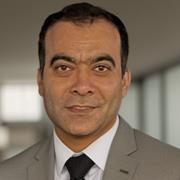
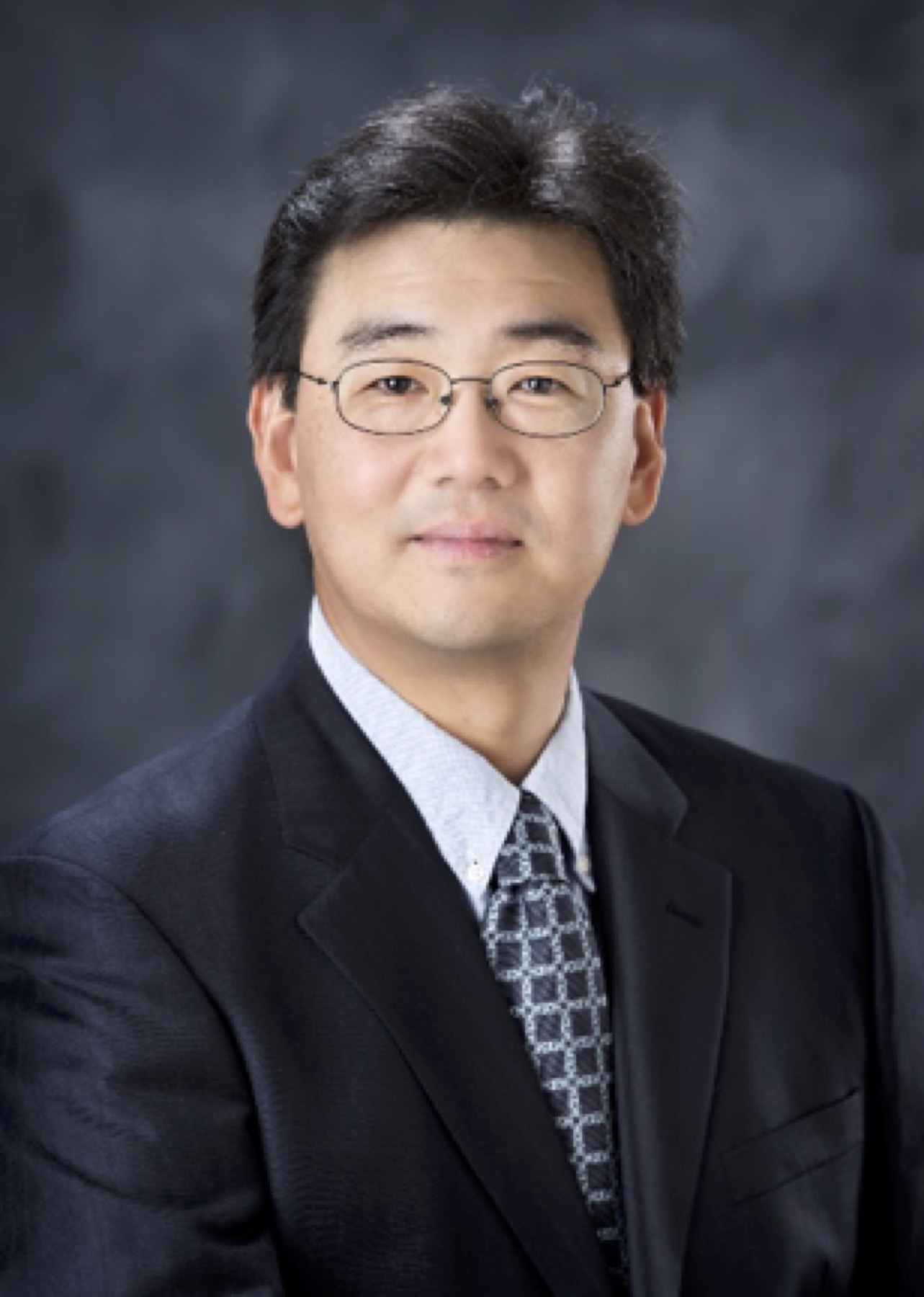
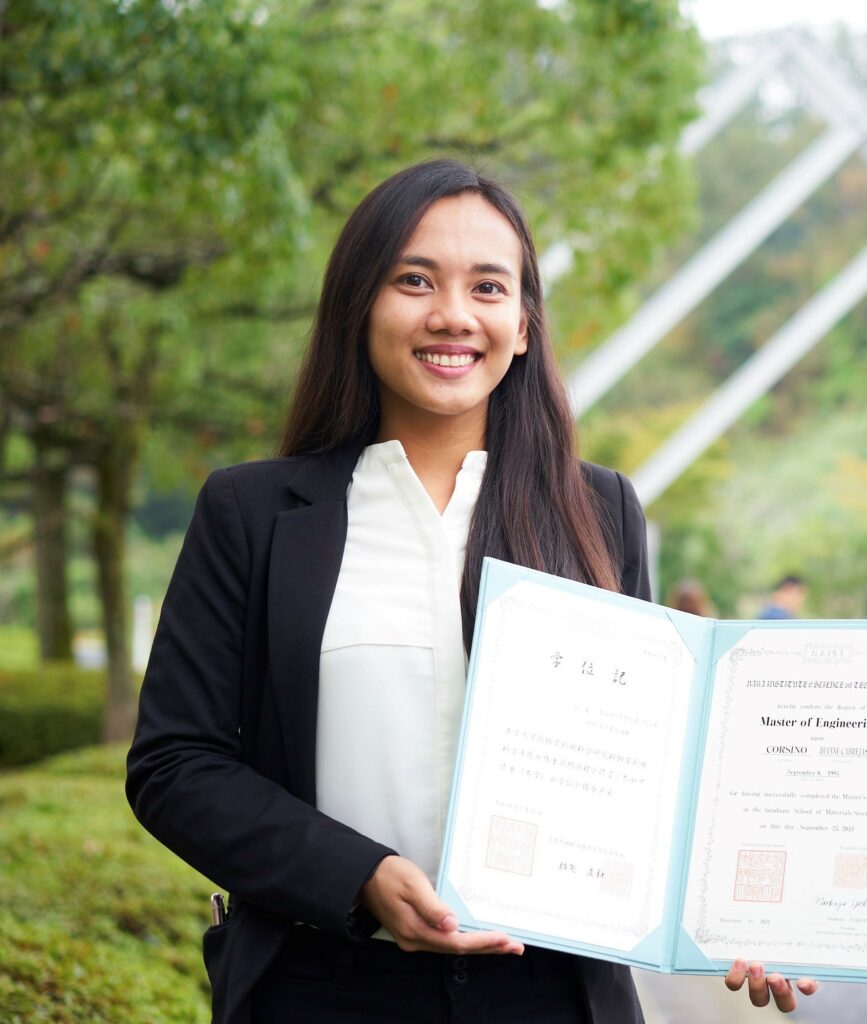
Carsten Scharlemann serves as the Head of the Master's Program in Aerospace Engineering at the University of Applied Sciences Wiener Neustadt within the Faculty of Technology. His research focuses on CubeSat missions, electric propulsion systems, and space environment measurements. Notable projects include CLIMB (exploring the Van Allen belt), SEESat (radiation dosimeter development), and DEEP (CubeSat testing capabilities). He leads collaborations in space technology and contributed to Austria's first ESA Lab initiative. His work emphasizes mission planning, satellite communication systems, and thermal vacuum testing. Research activities span CubeSat design, propulsion validation, and space weather analysis. Recent publications highlight advancements in ground segment operations, thermal testing, and lunar navigation systems. Scharlemann actively participates in international conferences and has secured project funding from institutions like FFG (Austrian Research Promotion Agency).
Dr. Tariq Nazir is a Vice Chancellor’s Postdoctoral Research Fellow at RMIT University’s School of Engineering, Australia, and holds an ARC Early Career Industry Fellowship for his flame-retardant coating research. He is an Associate Editor of High Voltage , a Fellow of the Higher Education Academy (FHEA), and a member of IEEE DEIS. His research focuses on high-voltage engineering, fire-safe materials, superconductivity, and nanodielectrics. He has held roles at Florida State University (Fulbright Scholar), UNSW Sydney (Adjunct Lecturer/Postdoc), and Qassim University (Lecturer). Key awards include a 2022 Recognition of Excellence Award and listing as a top 2% global scientist (2023). Teaching: Coordinates courses in Protection & High Voltage Engineering at RMIT and has extensive experience in power systems, electrical measurements, and superconductivity. Supervises projects on insulation condition monitoring, energy storage materials, and fire-resistant polymers. Research Themes: Prioritizes sustainable energy systems, dielectric materials innovation, and bushfire-resistant electrical infrastructure. Collaborates with industry on pole-top fire prevention and superconducting ship propulsion systems. Active in IEEE DEIS committees and CIGRÉ Australia. Grants & Awards: Secured ARC funding (IE240100221), Fulbright scholarships, and multiple university fellowships. Recognized for contributions to High Voltage journal development (2022 Contribution Award).
Hongjoo Rhee is a Professor in the Michael W. Hall School of Mechanical Engineering at Mississippi State University and serves as Associate Director at the Center for Advanced Vehicular Systems (CAVS). His work bridges fundamental materials science with industrial and aerospace applications, with strong affiliations in both academic and applied research environments. Ph.D., Chemical Engineering and Materials Science, Michigan State University, 2005 M.S., Metallurgical Engineering, Inha University, Republic of Korea, 1993 B.S., Metallurgical Engineering, Inha University, Republic of Korea, 1991 Dr. Rhee's research focuses on steel alloy design , additive manufacturing , bio-inspired materials , and in-situ resource utilization (ISRU) for space exploration. His work emphasizes the chemistry-process-structure-property-performance relationships in advanced materials, particularly next-generation high-strength steels and metal matrix composites. He leverages multi-scale modeling, experimental characterization, and ICME (Integrated Computational Materials Engineering) to innovate in sustainable and high-performance materials. The recent publications reflect a strong trend in space-compatible materials development , microstructure optimization in steels , and additive manufacturing . His work spans from aerospace alloys like Ti-6Al-4V to Martian regolith-based iron production, demonstrating interdisciplinary innovation. Keywords across these works include metallurgy, mechanical behavior, and sustainable processing, with subfields covering hydrogen embrittlement, twin interactions, and cold spray modeling. His research has been supported by prestigious sponsors including the Department of Defense (DoD) , National Science Foundation (NSF) , and NASA . These grants enable cutting-edge projects in vehicle lightweighting, component design, and planetary resource utilization. DoD NSF NASA Industrial Partners Dr. Rhee leads research at CAVS, where the Steel Research team operates a fully equipped lab-scale steel manufacturing facility, including vacuum induction melting, rolling mills, and heat treatment systems. His group actively works on ICME-driven alloy development and collaborates with industrial partners for scalable innovations.
Rob Maaskant is a Professor at Chalmers University of Technology in the Department of Communication, Antennas and Optical Networks . His research focuses on advanced antenna systems, particularly in mm-Wave and massive MIMO technologies, with significant contributions to full-duplex communication, reconfigurable intelligent surfaces (RIS), and hybrid over-the-air (OTA) testing environments. Key Research Themes : Antenna array optimization, self-interference mitigation, contactless IC integration, and beamforming for satellite and terrestrial communication systems. Recent Publications (2025-2023) highlight innovations in neural network-driven antenna synthesis, back-scattering RIS characterization, and wideband quadraxial feed designs, emphasizing practical implementations in mm-Wave and 5G/6G systems. Collaborative Projects include hybrid test chamber development with colleagues like Oleg Iupikov and Pavlo Krasov, and co-design of power amplifier-integrated arrays with Marianna Ivashina.
Dianne Corsino is a Postdoctoral Research Fellow in the Faculty of Science and Technology at the Free University of Bozen-Bolzano, specializing in the fabrication and characterization of flexible electronics. Her research bridges materials science and electrical engineering to develop innovative thin-film transistor technologies for next-generation wearable and transparent electronic systems. Dr. Corsino earned her academic credentials through international training, completing her Bachelor of Science in Materials Engineering from the University of the Philippines – Diliman (2016), followed by a Master of Engineering (2018) and Doctor of Engineering (2021) in Materials Science from Nara Institute of Science and Technology in Japan. Her graduate work focused on atomic layer deposition techniques for oxide semiconductor passivation and photo-assisted methods for transforming oxide semiconductors into conductors. Her research expertise centers on flexible thin-film transistors using oxide semiconductor materials, with particular emphasis on fully solution-processed fabrication techniques that eliminate expensive vacuum processing. Dr. Corsino has developed significant expertise in photo-assisted methods including UV irradiation and laser technologies, and has made notable contributions to self-aligned transistor architectures that improve high-frequency performance on transparent flexible substrates. Her work addresses critical challenges in flexible electronics including device miniaturization, mechanical stability during bending, and environmental reliability. Analysis of Dr. Corsino's publication record reveals a consistent progression from fundamental materials processing to sophisticated device integration. Her recent work demonstrates increasing innovation in transistor architecture, with multiple publications on self-aligned structures achieving channel lengths below 5μm and oscillation frequencies exceeding 100MHz. A unifying theme across her research is the development of cost-effective manufacturing approaches that maintain high device performance, particularly through solution-based processing and photo-functionalization techniques that operate at low temperatures compatible with flexible substrates. Dr. Corsino maintains active research collaborations across Europe, particularly with colleagues at the Free University of Bozen-Bolzano where she currently works, and retains connections with Japanese institutions where she completed her graduate studies. Her publication record demonstrates strong interdisciplinary work spanning materials science, electrical engineering, and nanotechnology, with frequent contributions to IEEE journals and international conferences in flexible electronics.
Victor Belitsky is a Professor at Chalmers University of Technology, affiliated with the Advanced Receiver Development (GARD) group within the Department of Space and Earth Sciences. His primary role involves pioneering research in terahertz (THz) electronics and instrumentation for radio astronomy and environmental science. He holds a M.Sc. from the Moscow Telecommunication Institute (1977) and a Ph.D. in experimental physics from the Institute of Radio Engineering and Electronics, USSR Academy of Sciences (1990). Belitsky's research focuses on cutting-edge technologies such as superconducting tunnel junctions, cryogenic receivers, and microwave engineering. His work has led to advancements in THz components, SIS mixers, and low-noise amplifiers. Key contributions include the development of novel waveguide terminations, orthomode transducers scalable to THz frequencies, and ultra-wideband SIS mixers. He is deeply involved in projects like the ALMA telescope and the SEPIA receiver at the APEX telescope, emphasizing instrumentation for ground-based and space-based radio astronomy. His publications span over 187 articles, with recent focus on topics like GaN-HEMT performance under cryogenic conditions, metamaterial-inspired components, and quantum-limited frequency multipliers. Belitsky collaborates extensively with international teams, contributing to next-generation receiver technologies for astrophysical observations and environmental monitoring. Belitsky’s expertise bridges theoretical and applied physics, with a strong emphasis on translating lab innovations into real-world instruments for space and ground-based observatories. His work exemplifies the intersection of advanced materials science, microwave engineering, and astrophysical instrumentation.
Dr. Daniel Omidvarkarjan is a Lecturer at the Department of Mechanical and Process Engineering at ETH Zürich, affiliated with the Chair of Product Development and Engineering Design. His research focuses on additive manufacturing (AM), agile hardware development, and their industrial applications. He emphasizes bridging academic research with practical industry challenges, particularly in scaling AM technologies and optimizing design processes. His educational contributions include developing open-source simulators like Bender and designing curricula for agile methodologies. His work spans material science (e.g., vacuum compatibility of AM materials), automation in design configurations, and crisis-driven prototyping strategies during the pandemic. Key themes in his publications include adoption strategies for AM, neural network-driven quality control, and business model innovations for manufacturing firms. His research often involves collaboration with industry partners to validate tools and methodologies in real-world settings. No scientific awards or grants are explicitly mentioned in the provided information. His contact details include an ETH Zürich email address, and he is based in Zurich, Switzerland.
Ugo Siravo is an ETS/HES Engineer at the Swiss Plasma Center (SPC) within EPFL's School of Basic Sciences (SB), specializing in TCV Tokamak Physics and International Installations. Concurrently, he serves as a Lecturer for the Doctoral School of Physics (EDPY-ENS), teaching “Fusion and industrial plasma technologies” under EPFL's Vice Presidency for Academic Affairs. His work bridges engineering execution and academic instruction in fusion energy systems. His research spans Fusion Energy Engineering , Plasma Physics Applications , and Tokamak Technology Development , with specialized expertise in Gyrotron Systems , Neutral Beam Injection , and Electromagnetic Compatibility . This focus drives innovations in TCV tokamak operations, particularly power supply optimization, heating system integration, and ITER-related component validation. His methodology combines experimental validation with numerical simulation to solve high-power RF engineering challenges in nuclear environments. Analysis of his 15 most recent publications (2011-2025) reveals consistent contributions to TCV tokamak engineering, with escalating focus on ITER-compliant systems. Key trends include gyrotron collector thermal management (2023), dual-frequency operation (2019-2024), and electromagnetic compatibility for fusion environments (2011, 2017, 2023). His work demonstrates progression from component testing (2011) to integrated system optimization (2022-2025), emphasizing reliability in high-stress fusion applications. As a Lecturer, Siravo contributes to EPFL's doctoral education in physics but no advising details or grant activities are documented. His professional identity remains anchored in engineering execution within the Swiss Plasma Center framework. He operates within EPFL's Swiss Plasma Center (SPC), which manages the TCV tokamak—one of the world's most flexible magnetic confinement devices. The SPC maintains critical partnerships with ITER and European fusion initiatives, positioning Siravo's work at the nexus of experimental tokamak engineering and international fusion development.
Dr. Nicholas Bennett is an Associate Professor at the School of Mechanical and Mechatronic Engineering, University of Technology Sydney. His research focuses on solving thermal management challenges for space missions and defense applications through innovative phase-change materials, thermoelectric devices, and additive manufacturing techniques. Bennett led a satellite payload development project launched to low-Earth orbit in 2024 that established space heritage for novel thermal solutions. Education: PhD, University of Surrey MPhys, University of Warwick PGCert Academic Practice, Heriot-Watt University Research Interests: Thermal management under SWaP constraints (size, weight, power) Phase-change material heat sinks for electronics Hydrogen storage systems using metal hydrides Space instrumentation thermal regulation Additive manufacturing for heat exchanger optimization Scientific Contributions: Recent work includes TPMS-based lattice heat sinks with 28% faster phase change, vacuum condition thermal control solutions with 66% temperature reduction, and laser defense thermal systems four times smaller than conventional models. His articles span thermal modeling, experimental validation, and system optimization for extreme environments. Scientific Awards: Australian Space Awards - 'Academic of the Year' finalist (2024) Australian Defence Industry Awards - 'Academic of the Year' finalist (2025) Grants & Supervision: Currently supervising multiple PhD candidates through grants like Australia’s Economic Accelerator Seed Grant and SmartSat CRC funding. Past grants include EPSRC and Science Foundation Ireland support for thermoelectric research.
Dr. Michael Hageman is the Valentino J. Stella Distinguished Professor in the Department of Pharmaceutical Chemistry at the University of Kansas and Director of the Biopharmaceutical Innovation & Optimization Center. With over 30 years of pharmaceutical industry experience prior to academia, his career spans both industrial innovation and academic research leadership. Department: Pharmaceutical Chemistry, University of Kansas Lab: Physical Pharmacy and Drug Delivery (P2D2) Lab Core Research: Physicochemical characterization, formulation optimization, and bioperformance analysis of drugs and excipients Key Techniques: Spray-drying, lyophilization, vacuum evaporation, and molecular dynamics simulations Dr. Hageman's lab focuses on three main research objectives: Developing tools to study solubilized formulations at physiological interfaces Applying advanced processing capabilities for amorphous material generation Identifying instability mechanisms in solid-state peptide/protein drugs The P2D2 Lab actively collaborates across disciplines while maintaining close-knit team dynamics. Current graduate researchers include Zahraa Al-Tamimi (intestinal media effects on peptides), Sivani Badrivenkata (protein therapies for underserved populations), Xi Luan (high-concentration protein analysis), Indeewara Munasinghe (molecular synthesis for SCB Core), Benjamin Odei Nyarko (ASD stability), Mengjuan Pang (subcutaneous injection models), Yezan Salamoun (prodrug development), Jack Terry (peritoneal drug delivery), and Anthony Tomlinson (protein-polymer conjugate screening). Scientific advancements from the lab span: Amorphous solid dispersion optimization Subcutaneous delivery system modeling Protein stability and solubility investigations Cyclodextrin formulation applications Computational approaches to drug-polymer interactions Machine learning in dosage form development
Dr. Andreas Neuber is a Professor and P. W. Horn Distinguished Professor at Texas Tech University's Whitacre College of Engineering, Department of Electrical & Computer Engineering. He co-directs the Center for Pulsed Power and Power Electronics (P3E). Dr Ing, Mechanical Engineering, Technische Universität Darmstadt (1996) Dipl Phys, Technische Universität Darmstadt, Germany (1990) Registered Professional Engineer in Texas (License #91312) His research focuses on High-Voltage Electric Breakdown , Gaseous Electronics , Materials Under Shock , High-Power Microwaves , and Pulsed Power Technology . Recent publications emphasize semiconductor-based pulsed power systems, vacuum flashover modeling, and advanced gas insulation analysis. Key trends in his 15 most recent articles (2025-2024) span semiconductor switching technologies, magnetic core behavior, vacuum breakdown physics, and electromagnetic compatibility. These works integrate computational modeling (LTspice, ANSYS) with experimental validation in high-voltage environments. Institute of Electrical and Electronics Engineers (2012) As Co-Director of the Center for Pulsed Power & Power Electronics (P3E), Dr. Neuber leads research initiatives in high-voltage engineering and pulsed power systems, with applications in electromagnetic defense, energy conversion, and plasma physics.
Dr. Marcin Rasinski is a researcher at Forschungszentrum Jülich GmbH, affiliated with the Institute of Fusion Energy and Nuclear Waste Management (IFN) and its Plasma Physics (IFN-1) department. His work focuses on plasma-wall interactions, erosion and deposition dynamics of tungsten in fusion devices, and advanced materials for nuclear applications. Current affiliation: Forschungszentrum Jülich, IFN-1 Research keywords: Plasma Physics, Fusion Energy, Materials Science Research Interests : Dr. Rasinski investigates plasma-surface interactions in fusion reactors, with a primary focus on tungsten erosion, redeposition, and nanostructuring under helium and deuterium plasma exposure. His research spans computational modeling of scrape-off layer transport, experimental analysis of plasma-facing materials, and development of advanced coatings for fusion devices. Article Trends : His publications emphasize materials for fusion energy, including WCr SMART and Cr2AlC MAX alloys, plasma spraying of ceramics, and hydrogen permeation barriers. Key collaborations involve ASDEX Upgrade, JET, ITER, and Wendelstein 7-X.
Andreone Antonello is an Associate Professor at the Consiglio Nazionale delle Ricerche (CNR), affiliated with the Department of Physical Sciences and Technologies of Matter and the SPIN Research Unit Naples. His research focuses on terahertz spectroscopy, metamaterials, and advanced materials characterization. He leads experimental studies involving femtosecond laser fabrication, electromagnetic property analysis, and applications in biomedical sensing and particle accelerator technologies. Education details are not explicitly provided in the text, but his extensive publication record indicates advanced training in physics and materials science. His work spans interdisciplinary areas including optics, nanotechnology, and laser engineering. Research interests emphasize terahertz imaging for medical diagnostics, metamaterial design for electromagnetic manipulation, and material property characterization under extreme conditions. Recent studies include THz sensing of biological fluids, development of tunable thin films, and laser-induced surface structuring for secondary electron yield reduction in copper. Publications highlight contributions to THz ellipsometry techniques, FEL oscillator technology, and EMI shielding materials. Collaborations involve institutions like the Superconducting Electron Source BriXSinO and applications in particle accelerator vacuum systems. Labs and teams include the SPIN Naples unit and CNR's Department of Physical Sciences. Ongoing work focuses on coding metasurfaces for diffuse scattering, high-vacuum material testing, and biomedical THz applications.
Emiliano Pereira González is a Professor at the Department of Signal and Communication Theory at Universidad de Alcalá (UAH). He holds a Ph.D. from Universidad de Castilla-La Mancha awarded in 2009, supervised by Dr. Vicente Feliú Batlle. His research focuses on vibration control, mechanical systems optimization, and the application of advanced control strategies to structural dynamics and robotics. He is affiliated with the TM Tecnologías Mecánicas, Eléctricas y Térmicas research group, specializing in mechanical, electrical, and thermal engineering technologies. Key research interests include active vibration control for pedestrian structures, optimization algorithms (e.g., Coral Reefs Optimization), and the design of assistive robotics systems like stair-climbing wheelchairs. His work integrates machine learning with metaheuristics to enhance mechanical system performance and reliability. Recent studies emphasize practical implementation challenges in RF power systems and cryogenic testing environments. Publications highlight contributions to MIMO control systems, stick-slip vibration mitigation in drill-strings, and submerged arch design optimization. While no specific awards are listed, his extensive publication record reflects sustained academic impact. He has advised no officially documented students in the provided texts, though his research group likely involves collaborative projects. Current work trends prioritize adaptive control strategies for nonlinear systems and biomimetic algorithm applications in structural engineering.
Greger Thornell is a Professor at the Department of Materials Science; Microsystems Technology - MST at Uppsala University, where he conducts cutting-edge research in microsystems engineering. His work spans high-temperature ceramic microcomponents, microthrusters for space propulsion, lab-on-a-chip systems, and biomedical microdevices. He is affiliated with The Ångström Laboratory, a leading center for materials and microtechnology research. University: Uppsala University School: The Ångström Laboratory Department: Department of Materials Science; Microsystems Technology - MST Academic Rank: Professor Email: greger.thornell@angstrom.uu.se Thornell holds a TeknD degree and was recognized as an Excellent Teacher. His academic journey reflects a deep integration of education and research, with a focus on hands-on engineering pedagogy and innovation in microsystem design. His research interests center on Microsystems Engineering , particularly in the development of ceramic microcomponents capable of operating in extreme environments such as high temperatures and space. Key areas include microthrusters for small satellites, high-temperature sensors , microfluidic systems , and lab-on-a-chip platforms. He has pioneered work in optogalvanic spectroscopy using microplasma sources and developed paraffin-based actuators for valve and pump applications. His group also explores wireless pressure sensing in harsh environments and submersible microsystems for environmental monitoring. The 15 most recent publications highlight a consistent trend in advancing robust, high-performance microsystems for aerospace, environmental, and biomedical applications. His work frequently involves the use of ceramic materials like alumina and zirconia, enabling operation under extreme thermal and mechanical stress. There is a strong emphasis on integration , reliability , and miniaturization , with applications ranging from satellite propulsion to underwater exploration and gas sensing. Scientific recognition includes the Excellent Teacher award, reflecting his commitment to engineering education. Excellent Teacher Award Greger Thornell has advised numerous students and researchers, including Erika Åkerfeldt, Zahra Khaji, Peter Sturesson, and Kristoffer Palmer, many of whom have co-authored key publications. His collaborative network spans multiple disciplines, including space systems, materials science, and biomedical engineering. While specific grant details are not listed, his extensive publication record and long-term research themes suggest sustained funding in microsystem technologies. He is a core contributor to projects involving nanosatellites , space propulsion , and miniaturized submersibles , often in collaboration with teams focused on exploration systems like the HOPTER hopping robot. His work is centered at The Ångström Laboratory, where he leads research in ceramic MEMS , microthrusters , and high-temperature microsystems . His team focuses on fabricating and testing integrated devices for space and environmental applications, emphasizing reliability and performance under extreme conditions.