Dr. Sotirios Stathakis is Chief of Physics at the Mary Bird Perkins Cancer Center (2023–Present) and Associate Director of the Medical Physics Division at the University of Texas Health Science Center San Antonio (2017–2022). He holds an Adjunct Professor position at Louisiana State University's Department of Physics and Astronomy (2023–Present). His expertise lies in radiation oncology and medical physics, with a focus on patient-specific quality assurance, dose verification, and advanced treatment techniques like adaptive radiation therapy and SBRT. Education: Ph.D., Medical Physics, University of Patras (2005) M.S., Medical Physics, University of Aberdeen (1997) B.S., Physics (minor in Mathematics and Computer Science), University of Waterloo (1995) Research Interests: Patient-specific quality assurance Daily dose verification Treatment planning techniques Adaptive radiation therapy Stereotactic body radiation therapy (SBRT) Automation and workflow optimization in radiation oncology Publications: Over 20 peer-reviewed articles since 2020, focusing on topics like Monte Carlo simulations, AI-driven beam analysis, and AAPM task group recommendations for IMRT verification. Key themes include improving dose accuracy, equipment validation, and clinical implementation of advanced radiation technologies. Grants & Awards: Not explicitly listed in provided text. Labs/Teams: Collaborates with institutions like Fox Chase Cancer Center, South Texas Veterans Health Administration, and LSU on medical physics research and clinical applications.
Dr Emily Hewson is a Cancer Institute NSW Early Career Fellow and member of the Sydney School of Health Sciences at the University of Sydney's Faculty of Medicine and Health. Her research focuses on advancing real-time radiation therapy techniques, particularly in managing intrafraction motion for prostate and other cancers. She leads projects involving multileaf collimator (MLC) tracking, dose optimization, and deep learning integration in radiation oncology. Research interests include adaptive radiotherapy systems, kilovoltage intrafraction monitoring (KIM), and clinical trial implementation (e.g., TROG 15.01 SPARK trial). Her work emphasizes improving treatment accuracy through real-time dose-guided approaches and multitarget tracking for tumors with complex motion patterns. Developed experimental validations for MRI-linac integration and MLC tracking systems Authored a textbook chapter on Adaptive Radiation Therapy (ART) Recipient of Cancer Institute NSW Early Career Fellowship (2023) Recent grants include an AI platform for targeted radiotherapy (2024) and national critical infrastructure funding for lung cancer applications (2023). Her lab collaborates on real-time dose calculation algorithms and clinical trial implementation across multiple institutions.
Daniele Loiacono is an Associate Professor at Politecnico di Milano's Department of Electronics, Information, and Bioengineering (DEIB), affiliated with the Artificial Intelligence and Robotics Lab (AIRLab). His research focuses on interdisciplinary applications of Artificial Intelligence, Machine Learning, and Deep Learning in medical imaging, radiation therapy, and procedural content generation for games. He leads projects in synthetic image generation for radiotherapy quality assurance, automated treatment planning, and bias analysis in medical AI systems. Key research areas include medical image synthesis using GANs, radiation therapy optimization, and algorithmic game design. His contributions span clinical applications such as total marrow irradiation (TMI) planning and lymph-node segmentation, alongside innovations in shader generation and interactive evolutionary tools for game development. Loiacono collaborates on multi-center studies to validate AI-driven workflows in healthcare and has pioneered methods combining lean Six Sigma with machine learning for treatment process improvement. His work bridges clinical medicine and computer science, addressing challenges in radiation oncology, anatomical imaging, and procedural content automation. The AIRLab serves as a hub for his research, integrating AI advancements into real-world medical and engineering solutions.
Huixiao Chen is an Assistant Professor and Clinical Medical Physicist II in the Department of Therapeutic Radiology at Yale School of Medicine. She holds a primary appointment in Therapeutic Radiology and is actively engaged in clinical and research activities related to radiation oncology physics. Assistant Professor, Department of Therapeutic Radiology, Yale School of Medicine Clinical Medical Physicist II, Therapeutic Radiology Education: Resident, Yale University (2016) Postdoctoral Fellow, Harvard University (2013) Postdoctoral Fellow, Virginia Commonwealth University (2011) PhD, University of Heidelberg, Germany (2010) MS, Zhejiang University, China (1998) BS, Zhejiang University, China (1995) Huixiao Chen's research centers on medical physics in radiation oncology, with a focus on treatment planning optimization, dosimetry, and image-guided radiotherapy. Her work includes the development and evaluation of advanced radiotherapy techniques such as VMAT and SBRT, with applications in spine, lung, and prostate cancers. She has contributed to improving the accuracy of dose calculations using Monte Carlo methods and has explored the impact of patient motion on treatment delivery. Her research also extends to the design of clinical devices to support safe and effective radiotherapy for diverse patient populations. Her recent publications demonstrate a consistent focus on enhancing the precision and efficiency of radiotherapy. Key themes include multicriteria optimization in treatment planning, dosimetric validation of radiochromic films, and the development of supportive devices for image-guided radiotherapy. These works reflect a strong commitment to advancing clinical medical physics through both computational and engineering innovations. Scientific Contributions: Characterization of GafchromicTM EBT4 film for clinical dosimetry Design of a small-footprint couch-top support for heavy patients in IGRT Application of multicriteria optimization in VMAT planning for spine and prostate cancers Comparison of Monte Carlo vs. pencil beam algorithms in lung SBRT Analysis of diaphragm motion effects on spine SBRT Huixiao Chen has collaborated with researchers such as Emily Draeger and Zhe Jay Chen on various projects. While no formal students or grants are listed, her role as a clinical medical physicist and faculty member suggests active mentorship and potential involvement in funded research. She is a key contributor to the medical physics team at Yale, ensuring high standards in treatment planning and delivery.
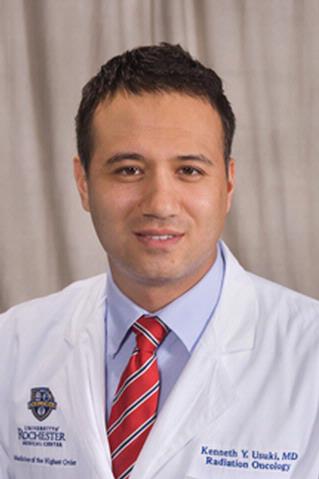
Dr. Kenneth Y. Usuki serves as an Associate Professor in the Department of Radiation Oncology at the University of Rochester School of Medicine and Dentistry. He is a board-certified Radiation Oncologist actively practicing at the Wilmot Cancer Center and Strong Memorial Hospital, specializing in neuro-oncology, radiosurgery, and gastrointestinal cancers. His clinical leadership includes roles as Co-Director of the Spinal Radiosurgery Program, Associate Radiation Oncology Residency Director, and Medical Student Clerkship Director. Dr. Usuki earned his MD from Jefferson Medical College (2004), completed a Transitional Year Internship at Penn Presbyterian Medical Center (2004-2005), and underwent Radiation Oncology Residency at the University of Rochester Medical Center (2005-2009), where he served as chief resident. His research focuses on optimizing radiation techniques for brain/spine tumors, skin cancers, and gastrointestinal malignancies. His research demonstrates consistent innovation in stereotactic radiosurgery, with recent publications (2023-2024) emphasizing brain metastasis management, cognitive preservation during whole-brain radiation, and advanced dosimetry techniques. Key trends include hippocampal avoidance protocols, multi-target radiosurgery planning, and systemic disease interactions with CNS control – reflecting his dual focus on technical precision and patient-centered outcomes. His work frequently appears in high-impact journals like International Journal of Radiation Oncology, Biology, Physics and Advances in Radiation Oncology . Dr. Usuki actively mentors residents and medical students through formal educational leadership roles. His departmental responsibilities include residency program oversight, medical student clerkship direction, and serving as Wellness Representative for the Department of Radiation Oncology. He contributes to major collaborative trials including NRG Oncology CC001. As Co-Director of the University of Rochester Spinal Radiosurgery Program, he leads a specialized team applying cutting-edge techniques like Brain Lab Cranial Elements SRS, VMAT, and Image-Guided Radiation Therapy to complex spinal pathologies. The program emphasizes multidisciplinary collaboration between radiation oncology, neurosurgery, and medical oncology teams.
Dr. Patrick Oh serves as an Assistant Professor of Therapeutic Radiology at Yale School of Medicine, practicing as a radiation oncologist at Yale Cancer Center and Smilow Cancer Hospital. He specializes in treating thoracic and genitourinary cancers, as well as hematologic, cutaneous, and metastatic malignancies with an emphasis on individualized, holistic patient care to optimize both disease outcomes and quality of life. His educational background includes: BS from Duke University MD from Stony Brook University School of Medicine Preliminary Medicine Intern at NYU Langone Hospital-Long Island Resident Physician in Radiation Oncology at Yale New Haven Hospital (served as Chief Resident) Gamma Knife Cranial Radiosurgery Certification from Cleveland Clinic Dr. Oh's research focuses on reducing radiation-induced toxicities, particularly cardiopulmonary effects, and expanding the role of radiation therapy across various cancer types. His clinical expertise encompasses advanced radiotherapy techniques including stereotactic body radiation therapy (SBRT), intensity-modulated radiation therapy (IMRT/VMAT), and image-guided radiation therapy (IGRT). Professional recognition includes: RSNA Roentgen Resident Research Award (awarded June 7, 2025) Dr. Oh is dedicated to medical education, actively mentoring residents and medical students with emphasis on communication skills and patient-centered care. He maintains active professional memberships including the American Society for Therapeutic Radiology (2021-present), where he serves on the Board of the Korean American Society for Therapeutic Radiation Oncology (2024-present), and the American Society of Clinical Oncology (2018-present). He treats both adult and pediatric patients and accepts new appointments through Yale Medicine.
Matthew J. Ferris is an Associate Professor in the Department of Radiation Oncology at the University of Maryland and serves as Medical Director of the Maryland Proton Treatment Center (MPTC) with additional administrative roles as Billing & Compliance Director. His clinical expertise spans head and neck, thoracic, and skin cancers using advanced radiation modalities including proton therapy, VMAT, and stereotactic techniques. Dr. Ferris completed his education and training as follows: Undergraduate: Loyola University Maryland, 2010, Biology (minors in Business and English), summa cum laude Medical School: University of Maryland School of Medicine, 2014, cum laude Internship: Emory University, 2015 Residency: Radiation Oncology, Emory University, 2019 (Chief Resident) His research centers on optimizing radiation techniques to maximize tumor control while minimizing toxicities, with particular focus on cardiac-sparing methods for thoracic cancers, radiation dose effects on the heart and CNS in head/neck cancers, and proton therapy applications for skin malignancies. He actively develops clinical trials to advance precision radiation oncology and improve patient-reported outcomes through meticulous treatment planning. Recent publications (2018-2024) reveal consistent investigation into proton therapy's advantages over conventional modalities, especially for reducing dose to critical structures like the heart and brainstem. Key themes include comparative toxicity outcomes for parotid gland cancers, cardiac substructure sparing in lung cancer, and proton therapy applications for early glottic cancer - demonstrating his commitment to evidence-based refinement of radiation techniques. Dr. Ferris maintains active interest in clinical trial development and enrollment, though specific grant details aren't provided. As Medical Director of MPTC, he leads a multidisciplinary team integrating surgeons and medical oncologists to deliver coordinated cancer care, emphasizing precision throughout the radiation treatment process.
Andrew Jirasek is a Professor at the Irving K. Barber Faculty of Science , University of British Columbia Okanagan , and serves as the Associate Dean for Graduate and Postdoctoral Training . He leads the Analytics in Medical Sciences (AiMS) Institute with a focus on Medical Physics and Radiation Oncology Physics , particularly utilizing Raman spectroscopy and 3D radiation dosimetry for cancer treatment verification. PhD from University of British Columbia His research involves developing polymer gel dosimeters for 3D radiation dose verification in complex therapies like volumetric modulated arc therapy (VMAT) , collaborating across physics, oncology, and engineering . He also investigates optical technologies to monitor biological responses during radiotherapy using Raman spectroscopy with machine learning for data analysis. Recent publications highlight advancements in 3D gel dosimetry , Raman spectroscopy for metabolic profiling , and iterative image reconstruction algorithms . His work spans dosimeter technology development , radiation therapy quality assurance , and clinical applicability studies for novel treatment verification methods.
Christian Rønn Hansen is an Associate Professor at the Department of Clinical Research, University of Southern Denmark , specializing in radiation therapy and oncology. His work spans head and neck cancer, prostate cancer, and glioma treatment planning, with a focus on advanced radiation techniques like VMAT, IMRT, and hypofractionation. Academic Affiliation : Department of Clinical Research, University of Southern Denmark Research Collaborations : KI (Karolinska Institute), OUH (Odense University Hospital), Danish Head and Neck Cancer Group (DAHANCA) Research Interests : Christian's research integrates artificial intelligence with magnetic resonance imaging for treatment adaptation, clinical trial quality assurance for radiation therapy, and pattern of failure analysis in head and neck cancer. His work also addresses thromboembolic risk in glioma patients and proton therapy applications for grade 1–3 gliomas. Scientific Contributions : His recent publications include systematic reviews on loco-regional failure patterns in head and neck cancer (2025), national data solutions for radiation oncology (2025), and AI-driven prostate volume analysis in hypo-fractionated radiotherapy (2025). He contributed to the 2023 ACTA ONCOLOGICA AWARD-winning work and leads discussions on international radiotherapy quality assurance standards. Scientific Awards : ACTA ONCOLOGICA AWARD (2023)
Louis S. Constine, M.D. is a Professor and Philip Rubin Professor of Radiation Oncology at the University of Rochester Medical Center's School of Medicine and Dentistry. He is a radiation oncologist with clinical and scientific expertise in lymphomas, sarcomas, all pediatric malignancies, and cancer survivorship, particularly focusing on the acute and chronic effects of chemotherapy and radiation therapy on normal tissues. Dr. Constine is actively involved in multiple national and international cancer research groups and is currently accepting new patients at the Wilmot Cancer Center in Rochester, NY. MD from Johns Hopkins University School of Medicine (1973) Residency in Radiation Oncology, Stanford University Medical Center (1978-1981) Fellowship in Pediatric Hematology-Oncology, Seattle Children's Hospital (1976-1978) Residency in Pediatrics, Stanford University Medical Center (1975-1976) Residency in Pediatric Genetics, UCSF Medical Center Moffitt-Long Hospitals (1973-1975) Dr. Constine's research primarily focuses on the long-term effects of radiation therapy in pediatric cancer survivors, with special emphasis on normal tissue complications. His work spans radiation dosimetry, late effects management, and survivorship guidelines development. He has been instrumental in establishing international standards for monitoring and preventing radiation-induced complications in childhood cancer survivors through his leadership in the Pediatric Normal Tissue Effects in the Clinic (PENTEC) initiative. His research has significantly contributed to understanding the dose-volume relationships for various normal tissues in children receiving radiation therapy. His recent publications (2024-2025) demonstrate a strong focus on comprehensive reviews of late effects in childhood cancer survivors through the PENTEC initiative, covering multiple organ systems including thyroid, kidney, metabolic syndrome, neurocognitive effects, and more. His work also includes clinical trials for pediatric Hodgkin lymphoma, innovative approaches to radiation therapy delivery (such as audiovisual immersion techniques), and international collaborations developing standardized surveillance guidelines for cancer survivors. The breadth of his publications shows his leadership in translating research findings into practical clinical guidelines for long-term follow-up care. Dr. Constine has received numerous prestigious awards throughout his career, reflecting his contributions to both clinical care and research: Educator of the Year (2018, 2011) America's Most Honored Professionals--Top 1% (2017) Albert Nelson Marquis Lifetime Achievement Award (2017-2018) Philip Rubin Professor of Radiation Oncology and Pediatrics (2013) Patient- and Family-Centered ICARE High Performance Award (2012-2013) Multiple teaching awards including the Philip Rubin-Mayer Mitchell Teaching Award (2005, 2001, 1997) America's Top Doctors for Cancer (2007-2017) Dr. Constine serves as the Radiation Chair of the Lymphoma Committee in the Southwest Oncology Group and holds leadership positions in multiple national and international organizations focused on childhood cancer survivorship. He chairs the Pediatric Quantitative Analysis of Normal Tissue Effects in the Clinic ASTRO/AAPM initiative and serves on the Children's Oncology Group Late Effects Steering Committee. His grant funding includes an ROI evaluating long-term cardiac toxicities in Hodgkin lymphoma survivors and membership on the steering committee for the NCI-supported Childhood Cancer Survivorship Study. His international work includes participation in United Nations task forces on radiation effects in children and International Atomic Energy Agency initiatives for pediatric radiation oncology in low-income countries. Dr. Constine leads the Pediatric Normal Tissue Effects in the Clinic (PENTEC) initiative, an international collaboration that has produced numerous comprehensive reviews on radiation dose-volume-response relationships for children with cancer. Through this work, he has established himself as a world leader in understanding and mitigating the late effects of radiation therapy in pediatric cancer survivors. His collaborative efforts span multiple institutions and countries, focusing on developing evidence-based guidelines for long-term follow-up care of childhood cancer survivors.
Eric Nunes is a Researcher in Psychiatry at Yale School of Medicine (Yale University). His work focuses on neuropsychopharmacology, particularly the roles of muscarinic acetylcholine receptors and calcium channels in substance use disorders (e.g., cocaine, opioids), mood disorders, and motivational behavior. He holds a PhD from the University of Connecticut (2012). Key research themes include dopamine-cholinergic interactions, preclinical models of addiction, and neuropharmacological interventions targeting anxiolytic and antidepressant mechanisms. Education: PhD in Neuroscience (University of Connecticut, 2012) His research employs animal models to investigate the neurobiological mechanisms underlying drug-seeking behavior, stress-related mental health issues, and the efficacy of novel therapeutic agents. Recent studies emphasize psychedelics in opioid treatment, L-type calcium channel modulation during withdrawal, and sex-specific effects of muscarinic receptor signaling. Collaborations include work on spine density changes in substance use and cytokine effects on motivation. Publications span over 20 peer-reviewed articles, with a focus on Neuropharmacology, Molecular Psychiatry, and Behavioral Neuroscience. His work bridges basic science and translational medicine, aiming to develop innovative treatments for neuropsychiatric disorders.
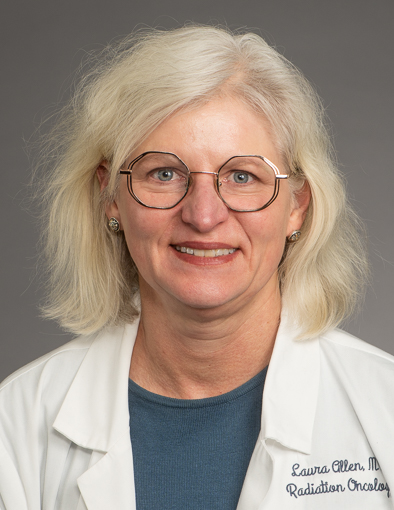
Laura Fitzgerald Hall Allen, MD serves as an Assistant Professor in the Department of Radiation Oncology at Wake Forest University School of Medicine, Winston-Salem campus. She is board certified in radiation oncology and provides clinical cancer treatment services at the Atrium Health Wake Forest Baptist Hayworth Cancer Center in High Point, NC. Wake Forest University School of Medicine - Faculty Member Atrium Health Wake Forest Baptist - Clinical Provider Hayworth Cancer Center - Primary Practice Location Dr. Allen received her undergraduate education from Tulane University and earned her medical degree from the Medical College of Georgia School of Medicine in 1995. She completed her Internal Medicine residency at Emory Healthcare in 1996, followed by specialized training in Radiation Oncology at Memorial Sloan Kettering Cancer Center in 2000. Additional training was completed at Wake Forest University Baptist Medical Center in 2018. Dr. Allen specializes in comprehensive radiation oncology with expertise across multiple cancer types including breast, prostate, lung, and gastrointestinal cancers. Her technical proficiency spans External Beam Radiation, Image-Guided Radiotherapy, Intensity Modulated Radiotherapy (IMRT), and Volumetric Arc Radiotherapy (VMAT). She is deeply committed to patient-centered care, treating each patient as if they were family members, with the mission of bringing Wake Forest University School of Medicine's expertise into community practice settings. Her clinical approach emphasizes personalized treatment plans for patients navigating challenging cancer journeys. American Board of Radiology certification in Radiation Oncology Member of the American Society for Therapeutic Radiation and Oncology Dr. Allen maintains an exceptional patient satisfaction record with a 4.9/5.0 rating based on 81 verified patient reviews. Patients consistently praise her compassionate communication style, thorough explanations of medical conditions, attentive listening skills, and dedication to addressing concerns. Her practice accepts numerous insurance providers across the Wake Forest Baptist Health system, serving patients at the High Point location with office hours Monday through Friday from 8:00 AM to 5:00 PM.
Dr. Sebastiaan Breedveld is an Associate Professor in the Department of Radiation Oncology at Erasmus University Medical Center in Rotterdam, The Netherlands. His research focuses on improving radiation therapy through applied mathematics, multi-criteria optimization, and automated treatment planning. He developed the clinically implemented Erasmus-iCycle algorithm and leads projects like TROTS (Radiotherapy Optimisation Test Set). Education includes a PhD in Medical Physics (cum laude) from Erasmus University Rotterdam and an MSc in Applied Mathematics from Delft University of Technology. Research interests center on developing computational methods for real-time, personalized radiotherapy. Key areas include: Large-scale optimization for treatment planning Deep learning for instantaneous dose prediction Multi-criteria decision analysis for balancing treatment trade-offs Proton therapy and VMAT techniques High-performance computing applications Recent publications demonstrate strong focus on AI-driven automation in brachytherapy, IMPT robustness, and FLASH proton therapy. Work consistently addresses clinical translation of mathematical optimization. Significant scientific awards include: NWO Vidi Grant (2021) for INSTORAD project NWO Veni Grant (2016) MCDM Doctoral Dissertation Award (2015) Erasmus MC Efficiency Grant (2015) PhD with honors (2013) Leads research group supervising 2 post-docs, 11 PhD students, and numerous master/bachelor projects. Major grants support work in proton therapy optimization and automated planning systems. Developed TROTS dataset for benchmarking radiotherapy optimization algorithms and collaborates internationally through projects like BiCycle for automated brachytherapy planning.
Maria Grazia Vaccaro is a Researcher at the Department of Law, Economics and Sociology (DiGES) of the University of Chieti-Pescara. Her legal research focuses on topics such as Imputability, Wiretaps, and Testimony. Concurrently, her scientific publications reveal interdisciplinary interests in Radiation Oncology, Neurology, and Medical Physics. She has contributed to advancements in brachytherapy techniques involving 3D-printed devices, dosimetric strategies for cancer treatment, and neuroimaging studies of neurological disorders like essential tremor and Parkinson’s disease. Her work bridges clinical research with technological innovation, particularly in medical device design and radiation therapy optimization. Despite her legal affiliation, her extensive publications indicate a primary focus on biomedical research, spanning topics from gut-brain axis interactions to neuroplasticity mechanisms. No scientific awards or formal advisees are explicitly mentioned in the provided materials.
Prof. Dr. Stephanie E. Combs is a leading academic in Radiation Oncology at Technische Universität München (TUM), holding the position of Professor and Chair of the Department of Radiation Oncology. She also serves as the Dean of the TUM Faculty of Medicine since 2022. Her expertise spans highly conformal radiation therapy techniques (e.g., IMRT/IGRT/ART, proton, and carbon ion therapy), with a focus on brain and skull base tumors, pediatric oncology, gastrointestinal oncology, and biomarker-driven therapies. Prof. Combs studied medicine in Heidelberg and the United States, completed postdoctoral training in Heidelberg, and became Vice Chair of Radiation Oncology there before joining TUM in 2014. She has held leadership roles, including heading the TUM Senate from 2019 to 2022. Her research emphasizes precision medicine, radiation biology, and translational radiotherapy innovations. Her awards include the Basic/Translational Senior Science Award (2019), Robert Janker Award (2012), and multiple honors from German and international radiation oncology societies. Her work bridges clinical practice and research, with contributions to guidelines on target delineation for glioblastoma and skull base tumors. Prof. Combs’ publications focus on advancing radiation techniques, radiomics, and personalized therapy, with over 300 peer-reviewed articles. She leads initiatives in education, including a Master of Science program in Radiation Biology, and collaborates internationally in translational research.