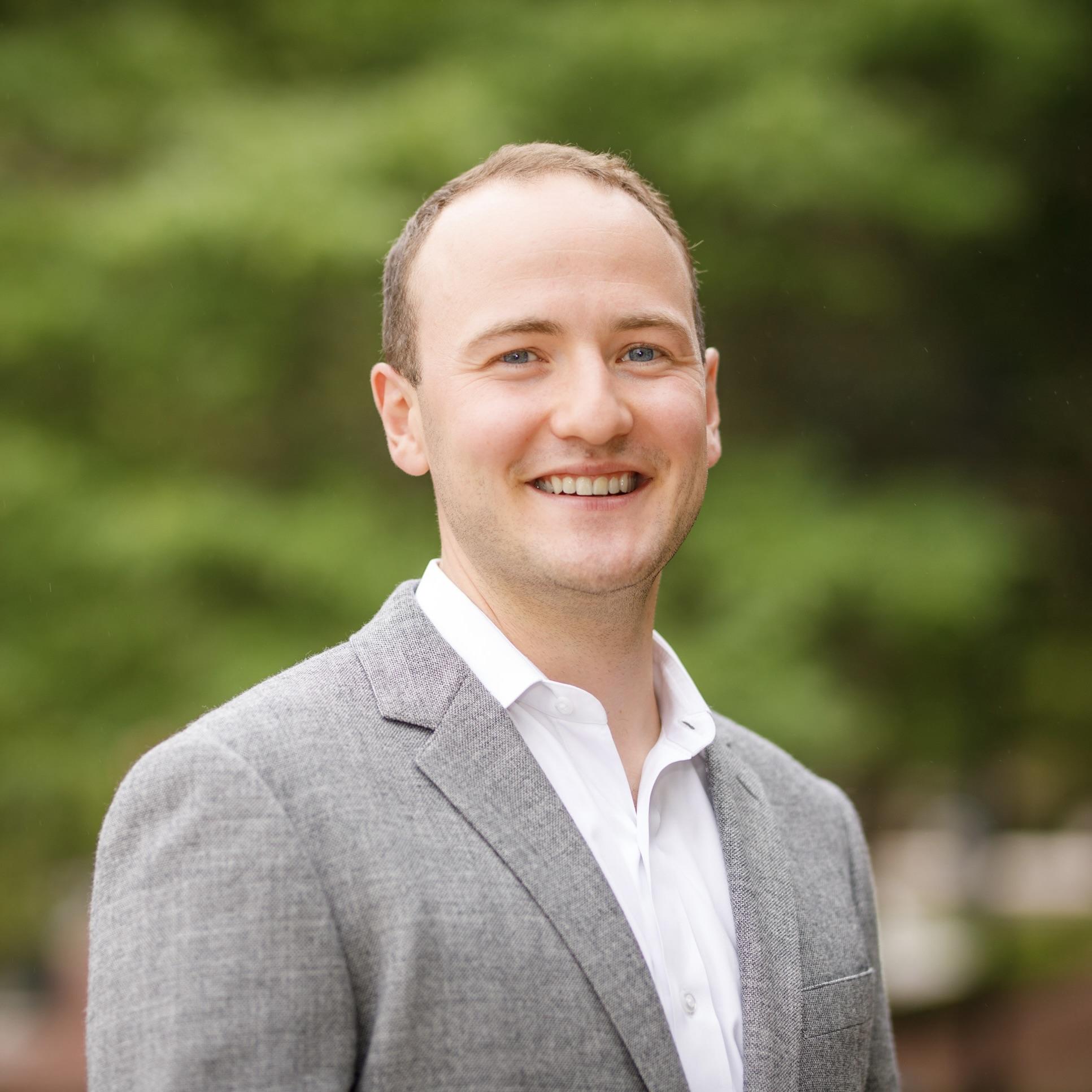
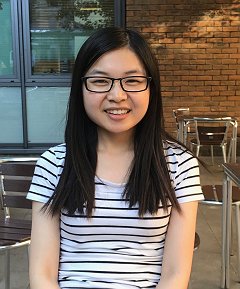
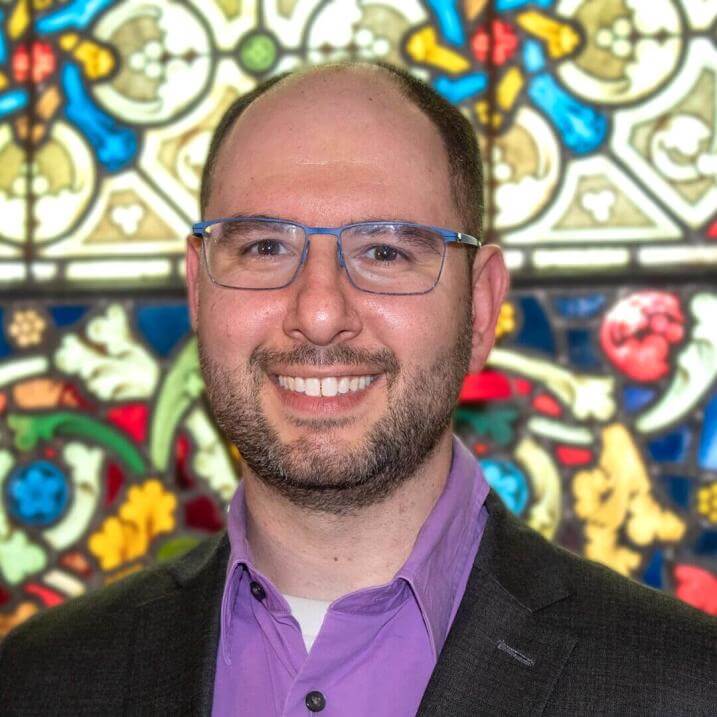
Jeff MacSwan is a Professor of Applied Linguistics and Language Education at the University of Maryland's College of Education, with affiliations in the Department of Linguistics and the Maryland Language Science Center. He also holds a joint appointment in Neuroscience and Cognitive Science. His research focuses on bilingualism, codeswitching, and their implications for educational policy, particularly for multilingual students. MacSwan has authored and edited seminal works, including Grammatical Theory and Bilingual Codeswitching and Codeswitching in the Classroom . He serves as editor of the International Multilingual Research Journal and has contributed to national committees such as the National Academies' study on Dual Language Learners. MacSwan received the 2021 AERA Lifetime Achievement Award and Leadership through Scholarship Award for his transformative work in bilingual education theory and practice. His advocacy challenges language-deficit perspectives, emphasizing translanguaging as a pedagogical asset. MacSwan's interdisciplinary approach bridges linguistics, education, and cognitive science. His lab addresses policy-relevant research on language assessment validity and equitable educational practices for linguistic minorities. He collaborates with institutions like the National Education Policy Center, advancing evidence-based policies for multilingual learners.
Tridas Mukhopadhyay is the Deloitte Consulting Professor of e-Business at Carnegie Mellon University's Tepper School of Business, where he has served on the faculty since 1986. His academic journey at CMU progressed from Instructor of Information Systems (1986-1987) to Assistant Professor (1987-1993), Associate Professor (1993-1997), Professor (1998-present), and Deloitte Consulting Professor of e-Business (2000-present). He also served as Director of the MS in Electronic Commerce program from 1999-2004. Ph.D. in Computer and Information Systems, University of Michigan–Ann Arbor, 1987 M.B.A. in Computer and Information Systems, Indian Institute of Management Calcutta, 1981 B. Tech. in Electrical Engineering, Indian Institute of Technology Kharagpur, 1978 Professor Mukhopadhyay's research spans multiple critical areas in information systems and technology management. His work on strategic IT use examines how organizations derive business value from information technology investments. He has conducted extensive research on business-to-business commerce, particularly focusing on e-procurement systems, web-based marketplaces, and electronic intermediation models. His cybersecurity research investigates the economic aspects of cyber security, including liability mechanisms and patch release strategies. In software engineering, he has studied productivity, quality metrics, and offshore software development contracts. His most recent publications reveal several key trends in his research trajectory. There's a growing focus on digital platform economics, examining advertising models, virtual currency systems in gaming, and sharing economy dynamics. His work increasingly incorporates behavioral aspects, studying how users respond to personalized content and how backers exert control in crowdfunded projects. Methodologically, his research employs sophisticated analytical approaches including hierarchical Bayesian models, structural equation modeling, and natural experiment designs. CART Research Frontier Award, Carnegie Mellon, 2005 Distinguished Ph.D. Alum, Michigan Business School, 2004 Best Paper, International Conference on Information Systems, 2001 Best Paper, MIS Quarterly, 1995 Xerox Research Chair, Tepper School of Business, 1988-1989 Information Systems Society Distinguished Fellow, 2012 Professor Mukhopadhyay has served on numerous editorial boards including Information Systems Research (1994-2003), Management Science (1999-2003), and MIS Quarterly (1997-1999), demonstrating his significant contributions to the field. His consulting work with major organizations including Alcoa, Chrysler, Ford, General Motors, IBM, and governmental agencies like the United States Post Office and Pennsylvania Turnpike has provided practical insights that inform his academic research. He has been actively involved in university governance through committee service including the Business Technology Faculty Search Committee and the CMU Faculty Senate. His research has been supported through various industry partnerships and academic grants, though specific grant details aren't provided in the source material. His teaching focuses on Business Computing and Strategic IT courses, reflecting his expertise in both foundational information systems concepts and strategic applications of technology in business contexts.
Matthew Holden is an Associate Professor in the School of Computer Science at Carleton University. He holds a PhD (2018) and MSc (2014) from Queen's University and a BScH (2012) from Western University. His research focuses on Surgical Data Science, applying machine learning to surgical time-series data from operating rooms and simulations to improve patient outcomes and surgical training. Key areas include real-time decision support, performance assessment, and surgical efficiency through domain-knowledge integration. Research interests emphasize machine learning for surgical workflows, skill assessment via sensor data (e.g., motion tracking, EEG), and computer-assisted interventions. Notable work includes automated proficiency evaluation in cataract surgery, ultrasound-guided procedures, and neurosurgical training. His contributions span medical robotics, surgical education, and clinical decision support systems. Publications highlight advancements in surgical workflow anticipation, tool detection, and skill metrics across domains like ophthalmology, emergency medicine, and neurology. Holden advocates for interdisciplinary approaches combining computational methods with clinical expertise to enhance healthcare delivery.
Dr. Jay Yoon is an Associate Professor at Department of Human Centered Design , College of Human Ecology , Cornell University . He leads the Meta Design & Technology Lab which focuses on creating products that enhance both momentary and long-term user experiences through human-centered design , human-computer interaction , and positive psychology principles. Education : BA & BE in Industrial Design & Computer Science, Handong University (South Korea) MSc in Design for Interaction, Delft University of Technology (Netherlands) PhD in Emotion-driven Design, Delft University of Technology His research demonstrates how emotional granularity and positive emodiversity in technology interactions can significantly improve user well-being. He has developed multiple design tools like the EmotionPrism and Positive Emotional Granularity Cards. Industry collaborations include smart home services , airport crew centers , museum tours , and brand loyalty programs . Notable publications span International Journal of Design , She Ji: The Journal of Design, Economics, and Innovation , and International Journal of Human-Computer Interaction . Scientific Awards : Sloan Recent Alumni Achievement Award His design projects have been exhibited at international conferences including Design & Emotion and Dutch Design Week . Current research explores technology-mediated well-being through hedonic and eudaimonic experience design.
Andrei Kutuzov is an Associate Professor in the Language Technology Group (LTG) within the Department of Informatics at the University of Oslo. He serves as the Norwegian on-site manager of the High-Performance Language Technology (HPLT) project and has made significant contributions to computational linguistics and natural language processing. His research primarily focuses on computational linguistics and natural language processing, with specialized expertise in semantic change detection, diachronically aware language models, distributional semantics, and large language models. Kutuzov has been instrumental in developing Norwegian language resources including NorBERT, NorELMo models, and the very large-scale NORA.LLM generative models. He created WebVectors, a web service for exploring neural distribution models for Norwegian and English texts. Analysis of his recent publications reveals a strong focus on semantic change modeling, multilingual dataset development, and Norwegian language technology. His work spans from theoretical linguistic analysis to practical applications in language modeling, with significant emphasis on low-resource and Nordic languages. Kutuzov's research demonstrates a consistent trajectory toward improving language models' understanding of semantic evolution and developing robust evaluation frameworks for Norwegian language processing. Norwegian Artificial Intelligence Research Consortium (NORA) award as Distinguished Early Career Researcher (2022) Kutuzov teaches several advanced courses including IN5550 - Neural Methods in Natural Language Processing (2019-2025) and IN3050 - Introduction to Artificial Intelligence and Machine Learning (2024-2025). He has received research funding through the HPLT project which focuses on developing high-performance language technologies. His laboratory work centers around the Language Technology Group at UiO, where he collaborates on developing Norwegian language resources and models, with particular emphasis on diachronic semantic analysis and multilingual capabilities.
Prof. Karst Geurs is a Full Professor of Transport Planning at the Department of Civil Engineering and Management, Faculty of Engineering Technology, University of Twente. He chairs the examination board of Civil Engineering and Management and serves as department portfolioholder for education. His research focuses on accessibility analysis, land-use-transport interactions, sustainable mobility, and transport policy evaluation. Geurs holds a PhD (cum laude) from Utrecht University (2006) and has led major projects like the SmartHubs initiative. He is currently vice-chair of NECTAR (Network of European Communications and Transport Activities Research), previously chair from 2014–2024, and served as Editor-in-Chief of the European Transport Research Review (2017–2023). His work addresses cycling safety, mobility hubs, and urban resilience. Key contributions include studies on shared mobility, 15-minute city concepts, and post-pandemic transport trends. He has published over 200 articles and datasets, including work on accessibility equity in São Paulo favelas. Awards include the Gouden RAI Wiel (2015). Geurs actively engages in policy dialogues, media appearances (e.g., Radio 1 interviews), and international conferences. Research interests span transport innovation, spatial equity, and smart infrastructure. Recent projects explore digital mobility skills, teleworking impacts, and cycling safety metrics. His work integrates interdisciplinary approaches to address urban challenges, emphasizing sustainable and equitable mobility solutions.
Jeffrey D Marr is an Assistant Professor of Health Services, Policy, and Practice at Brown University’s School of Public Health. His research focuses on health care markets using quasi-experimental methods and administrative data, with current work emphasizing Medicare, private insurance, and AI applications in healthcare decision-making. Marr holds a PhD in Health Economics and Policy from Johns Hopkins University (2025) and a BA in Economics from Colgate University (2018). Key Affiliations: Brown University School of Public Health Research Themes: Algorithmic healthcare decision-making, Medicare Advantage networks, insurer market power, and post-acute care economics His research demonstrates how predictive algorithms reduce skilled nursing facility stays without compromising health outcomes, and how Medicare Advantage expansion impacts hospital pricing and provider networks. Marr’s work has been published in prestigious journals like Health Affairs , Health Services Research , and Journal of the American Geriatrics Society . His studies on Medicaid managed care reveal hospital pricing disparities linked to insurer bargaining power, while analyses of Medicare Advantage enrollment trends highlight shifts in supplemental insurance usage among elderly patients. Marr’s research also addresses critical issues like dialysis facility choice constraints and home-based care utilization differences between Medicare programs.
Reynaldo Romero serves as Associate Professor in the Department of History, Humanities and Languages at the University of Houston-Downtown, where he has maintained active teaching and research since at least 2012. His academic foundation spans linguistics, public health, and translation studies across multiple institutions. His educational background includes: Ph.D. in Spanish Linguistics from Georgetown University (Dissertation: Structural Consequences of Language Shift: Judeo-Spanish in Istanbul) M.P.H. in Community Health Practice from UTHealth (Dissertation: Beliefs on COVID-19 vaccination among Hispanic day laborers) M.A. in Translation from Kent State University Multiple B.A. degrees in French, General Linguistics, and Spanish Language/Linguistics from Rice University Romero's research creates critical intersections between linguistic theory and real-world applications. His work on Spanish for the Professions establishes frameworks for medical and legal interpreting while addressing systemic language access barriers. The scholarship on endangered languages—particularly Judeo-Spanish and Afro-Hispanic varieties—combines rigorous documentation with urgent revitalization efforts. His healthcare access research directly engages Houston's linguistic minorities through community-based projects like the Medical Translation Project with HISD. Recent publications reveal three dominant trajectories: (1) advancing methodologies in Afro-Hispanic linguistics through collaborative edited volumes; (2) developing social justice frameworks for marginalized language communities; and (3) documenting endangered linguistic varieties with innovative digital approaches. These threads converge in his community-engaged scholarship that bridges academic research and practical language access solutions. Professional recognition includes: Certified Translator status from the American Translators Association Advanced Professional Analytic Linguist certification Specialized medical and legal interpreter credentials Online teaching certification with digital tools specialization Romero's grant activity demonstrates sustained commitment to practical applications of linguistic research. Current projects include 'Promoting the Critical and Responsible Use of Digital Tools and AI in Written Tasks' (2024-2025), while past work developed medical interpreter training during disaster relief and language access protocols for healthcare settings. His service learning initiatives—like the Medical Translation Project with Houston ISD—create tangible community impact while advancing pedagogical innovation. Through the Medical Translation Project and language access advocacy, Romero cultivates collaborative spaces where academic research directly serves Houston's linguistic minorities. His work with heritage speakers and endangered language communities establishes frameworks for linguistic empowerment beyond traditional academic boundaries.
Courtney N. Reed is a Lecturer in Digital Technologies at Loughborough University London, where she joined in November 2023. She maintains a dual role as a visiting research fellow at the Max Planck Institute for Informatics. Her academic journey includes a BMus in Electronic Production and Design from Berklee College of Music (2016), followed by an MSc (2018) and PhD (2023) in Computer Science from Queen Mary University of London. Prior to her current position, she completed postdoctoral research at both the Max Planck Institute for Informatics and King's College London. Bachelor of Music: Electronic Production and Design, Berklee College of Music (2016) Master of Science: Computer Science, Queen Mary University of London (2018) Doctor of Philosophy: Computer Science, Queen Mary University of London (2023) Dr. Reed's research explores the entangled relationships between humans, bodies, instruments, and technology in music interaction, with particular focus on vocal electromyography (VoxEMG) and the vocalist-voice relationship. Her work incorporates feminist and post-human theories to examine sociopolitical contexts within arts technology, aiming to design for creativity while acknowledging individual, messy bodies in artistic practice. She has developed an open-source platform for vocal electromyography to investigate how biosignal feedback changes understanding and perception of the body in vocal performance. Her interdisciplinary approach bridges music technology, human-computer interaction, and embodied interaction studies. Analysis of Dr. Reed's recent publications (2023-2025) reveals a strong thematic focus on embodied interaction in music technology, with particular emphasis on vocal performance, biosignal feedback, and the philosophical underpinnings of digital instrument design. Her work consistently integrates theoretical frameworks like Karen Barad's agential realism with practical applications in digital musical instruments. Key trends include the exploration of ambiguity in data representation, the sociocultural dimensions of timbre in instrument design, and the development of novel methodologies for understanding embodied musical experiences through micro-phenomenology and ethnographic approaches. ACM SIGCHI Outstanding Dissertation Award (2024) for her thesis 'Imagining & Sensing: Understanding and Extending the Vocalist-Voice Relationship Through Biosignal Feedback' Best Newcomer Award at Loughborough University London's Community Awards Celebration (2024) Dr. Reed actively contributes to the academic community through conference organization and leadership roles. She serves as Member-at-Large on the NIME Board, previously chaired papers for NIME 2024, and co-organized the IBM SkillsBuild Sprint at Loughborough London. She has also chaired sessions at the ACM TEI Conference and co-chaired the Student Design Competition. Her collaborative work spans multiple institutions and includes significant contributions to interdisciplinary projects that bridge music, technology, and human experience. She has been instrumental in developing the senSInt research group and the RaveNET wearable network project. Dr. Reed leads the senSInt research group which focuses on sensorimotor interaction in music and performance contexts. The group develops innovative technologies including the VoxEMG platform for vocal electromyography, the Bones anti-corset for vocal performance, and the RaveNET network of wearable biosensing nodes. These projects explore the intersection of biosignals, embodied interaction, and musical expression, creating novel frameworks for understanding how technology mediates human creativity and performance. The group frequently collaborates with musicians, technologists, and theorists to develop and test these systems in real-world performance contexts.
Dr. David Wright is a Professor in the Department of English and Technical Communication at Missouri University of Science and Technology (Missouri S&T). He joined the faculty in 2007 after prior roles at NASA’s Education Project, Oklahoma state government, and the software industry. He holds a Ph.D. in Technical Communication (Oklahoma State University, 2007), an M.S. in Higher Education Administration (1996), and a B.S. in Organizational Psychology (1993), all from Oklahoma State University. His research focuses on smart home technology and artificial intelligence, particularly examining human-AI interaction through usability and user experience (UX) testing. He also explores technology diffusion, technical communication practices in emerging technologies, and educational methodologies for technical fields. His work integrates interdisciplinary approaches, blending engineering, sociology, and computer science. Recent publications highlight his contributions to IoT usability, smart home adoption challenges, and the intersection of AI ethics with virtual assistants. He has also authored studies on knowledge graph design, technical documentation in software development, and educational initiatives in computer science and healthcare. Dr. Wright teaches courses in technical writing, usability studies, and web-based communication. His academic service includes curriculum development and advising on technical communication pedagogy. While no specific awards are listed, his extensive publication record reflects sustained scholarly impact in his fields.
Kenneth BENOIT is the Dean and Full-time Professor of Computational Social Science at the School of Social Sciences, Singapore Management University (SMU). Previously, he served as Director of the Data Science Institute at the London School of Economics (LSE) from 2020 to 2024. He holds a PhD in Government from Harvard University, specializing in statistical methodology. His research focuses on computational methods for analyzing textual data, particularly political texts and social media. Key areas include text-as-data techniques, natural language processing, and the application of large language models in social sciences. He has pioneered methods combining machine learning with crowd-sourced coding to improve the accuracy of political text analysis. Ken’s work emphasizes the analysis of big data, electoral systems, and comparative party competition, with notable contributions to the European Parliament and policy positioning studies. His expertise extends to software development, including R packages like quanteda and spacyr , which are widely used in text analysis. His articles and publications span methodological innovations, policy analysis, and interdisciplinary applications. Notable projects include scaling political party positions and examining the role of AI in public policy. He is actively involved in academic leadership, having served on editorial boards and organized collaborative research initiatives like the CIVICA research hackathon. Beyond SMU, he maintains professional profiles on LinkedIn and GitHub , reflecting his commitment to open-source tools and scholarly collaboration.
Magnus Westerlund is a Senior Lecturer in Information Technology and Director of the Laboratory for Trustworthy AI at Arcada University of Applied Sciences in Helsinki, Finland. His industry background spans telecom and information management, and he holds a doctoral degree in Information Systems from Åbo Akademi University. He actively contributes to the Z-Inspection® network, focusing on ethical AI implementation and governance. Westerlund’s research emphasizes trustworthy AI, cybersecurity, and distributed systems. Key areas include AI regulatory compliance (e.g., EU AI Act), healthcare AI applications, blockchain security, and IoT edge solutions. His work bridges academia and industry, such as the Valohai-CSC collaboration for machine learning infrastructure in Finnish academia. His publications highlight practical AI assessment methods, ethical AI integration, and decentralized technologies. Notable contributions include frameworks for sustainable AI development, privacy-preserving autonomous systems, and smart contract-based IoT security protocols. Westerlund also explores educational innovations, such as integrating large language models (LLMs) into coding education. His research consistently addresses real-world challenges like pandemic-era healthcare AI, edge computing for IoT, and cybersecurity in autonomous systems.
Cuiyun Gao is a Full Professor and PhD Supervisor at the School of Computer Science and Technology, Harbin Institute of Technology, Shenzhen. She has established herself as a prominent researcher in the intersection of artificial intelligence and software engineering. Her educational background includes a PhD from the Chinese University of Hong Kong (completed in 2018), followed by postdoctoral work at CUHK and a Research Fellowship at Nanyang Technological University. She also had a visiting period at University College London supervised by Prof. Mark Harman and Prof. Federica Sarro. Dr. Gao's research primarily focuses on Software Repository Mining, Natural Language Processing, Code Analysis, Large Language Models, Source Code Understanding, User Review Analysis, Vulnerability Detection, and Mobile Advertising Analysis . Her work bridges the gap between traditional software engineering practices and modern AI techniques, particularly in the context of code intelligence and software maintenance. Her recent publications (2024-2025) demonstrate a strong emphasis on Large Language Models for code-related tasks, including code generation, optimization, vulnerability detection, and software engineering applications. Her research shows a clear trend toward addressing practical challenges in integrating LLMs into the software development lifecycle while maintaining code quality and security. Scientific Awards: Distinguished Paper Award at ASE 2023 Best Paper Award of the Track at ICSE 2024 Distinguished Paper Award at ICSE 2024 Dr. Gao actively supervises multiple PhD and Master's students, contributing to the next generation of software engineering researchers. She has served on numerous conference committees including FSE, ISSTA, ICSE, ASE, and SANER. Her research has received significant attention in the software engineering community, with multiple papers published in top-tier venues like FSE, ICSE, ASE, and TSE. Her lab appears to be actively engaged in both theoretical research and practical applications, particularly in the context of WeChat and other industry collaborations, demonstrating strong industry-academia connections.
Matthew Price is the George W. Albee Green & Gold Professor of Psychological Science and Director of the Clinical Psychology Training Program at the University of Vermont's College of Arts and Sciences. He holds a B.A. from SUNY Binghamton (2004), an M.A. (2006), and Ph.D. (2011) from Georgia State University. His research focuses on expanding clinical care access for trauma survivors and anxiety disorder patients via technology-driven interventions. Key areas include mobile health applications, wearable sensors, and acute trauma care in Emergency Departments. His interdisciplinary approach involves collaborations with computer science, bioinformatics, and medicine. Current projects explore digital biomarkers (e.g., heart rate variability), technology adoption barriers, and culturally adapted therapies. He leads the Center for Research on Emotion, Stress, and Technology, emphasizing translational frameworks bridging basic research and clinical practice. Recent work includes randomized controlled trials evaluating mobile apps like 'Bounce Back Now' for disaster-related PTSD, and sleep-monitoring studies using wearable devices. Over 150 peer-reviewed articles highlight his focus on trauma mechanisms, symptom networks in veterans, and tech-enabled mental health innovations. His lab actively addresses global mental health disparities through mHealth solutions.
Dr. Ali Kashani is a Senior Lecturer at the University of New South Wales (UNSW) within the School of Civil and Environmental Engineering. His research focuses on sustainable and low-carbon concrete materials, robot-aided construction (particularly 3D printing), and Circular Economy-aligned applications. Leadership in cementitious materials innovation Expertise in 3D printing for construction Advocate for waste valorisation and carbon capture Dr. Kashani has secured approximately $7 million in research funding and holds a patent in lightweight concrete foam. His work spans 70+ publications with 9,000+ citations, including media coverage in the Sydney Morning Herald and The Fifth Estate. He actively contributes to professional organizations such as MECLA, RILEM, and ASTM. Recent research trends include AI and optimization algorithms for sustainable concrete mix design, chloride diffusion modeling, and 3D printing performance analysis. His publications often address waste material integration, durability assessment, and eco-friendly construction practices. Scientific Awards: National and NSW Awards for 'Excellence in Concrete' (Technology and Innovation) from the Concrete Institute of Australia Churchill Fellowship for Digital Construction and 3D Printing sponsored by AVJennings Dr. Kashani serves as Co-Chair of the cement and concrete working group at MECLA and contributes to RILEM and ASTM committees. His email is ali.kashani@unsw.edu.au , and his office is located in the Civil Engineering Building (H20), Level 2, Room CE204, UNSW.