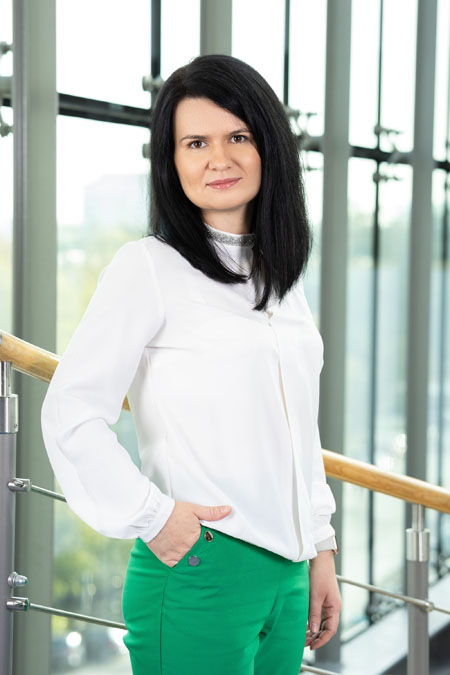
Matt Bellinghamمشاهده پروفایل
مدرس ارشد
Matt Bellingham is a Senior Lecturer and Academic Lead at the School of Film, Media and Creative Technologies within the Faculty of Creative & Cultural Industries at the University of Portsmouth. He serves as Course Leader for the BA (Hons) and BSc (Hons) Creative Computing degrees. Previously, he held the position of Senior Lecturer and Course Leader at the University of Wolverhampton from 2012 to 2022, and has also served as an external examiner and academic at institutions including the University of South Wales, University of West London, and University College Cork. Education: Ph.D., Open University (2022): Choosers: A Visual Programming Language for Nondeterministic Music Composition by Non-Programmers MSc in Music Technology, University of Wolverhampton (2012) PGCE (Post-Compulsory Education), Wrexham Glyndŵr University (2002) BA (Hons) Popular Music and Recording, University of Salford (1996) His research focuses on creating accessible tools for creatives, particularly in audio and music programming, to enable non-programmers to engage in algorithmic music composition. His work integrates cognitive dimensions of interaction design to improve usability and expressiveness in creative software. He explores visual programming languages that reduce or eliminate the need for traditional coding, empowering artists and musicians with intuitive systems. The trend in his recent publications centers on the development and evaluation of the "Choosers" system—a visual programming language designed for non-programmers to create algorithmic music. His research spans cognitive usability, expressive design, and pedagogical applications in music technology. Key themes include accessibility, end-user development, and the intersection of music and computer science. Scientific Awards: Senior Fellow of the Higher Education Academy (SFHEA) He supervises postgraduate students and is accepting PhD candidates. He has led research projects such as the 2023 "Sprint Project: AI and Machine Learning for Sound Design" and has contributed to curriculum development across Europe as a consultant. His industry experience in music and pro audio informs his academic practice. He is a member of the Psychology of Programming Interest Group (PPIG) and has delivered invited talks on open web learning and music technology pedagogy. His work bridges academia and creative practice, focusing on innovation in music computing education and tool design.