Marcella D Ridgway serves as Clinical Professor and Assistant Head for Curriculum and Instruction in the Department of Veterinary Clinical Medicine at the University of Illinois College of Veterinary Medicine, with additional affiliation at the Veterinary Teaching Hospital. Her research expertise spans: Veterinary diagnostics with emphasis on canine health Serum and Untargeted Metabolomics techniques Clinical presentations of metabolic disorders Breed-specific medicine for working dogs Exocrine Pancreatic Insufficiency diagnostics Dr. Ridgway's scholarly work demonstrates consistent innovation in applying metabolomics to veterinary clinical problems. Her recent publications reveal a strategic focus on understanding serum metabolite profiles across different species and conditions, with particular attention to pre-analytical variables that impact diagnostic accuracy. The research trajectory shows increasing specialization in working dog medicine, with comprehensive reviews covering herding and hunting breeds alongside metabolic health assessment. With 22 total research outputs including 18 articles, 3 review articles, and 1 book chapter, her work appears in respected journals including PLOS ONE and Animals, with international collaboration networks extending across multiple research territories.
Subir Biswas is a Professor in the Department of Electrical and Computer Engineering (ECE) at Michigan State University (MSU), part of the College of Engineering. His research focuses on wireless networking, low-power protocols, vehicular networks, and health monitoring systems, conducted through the NeEWS laboratory. He holds a Ph.D. from the University of Cambridge and degrees from Jadavpur University. Education: Ph.D., Computer Engineering, University of Cambridge (1994) M.S., Electrical Engineering, Jadavpur University (1989) B.S., Electrical Engineering, Jadavpur University (1987) Professional Experience: Professor, MSU ECE (2011–present) Associate Professor, MSU ECE (2003–2010) Research interests include traffic analysis firewalls, pricing calculus for social wireless networks, low-energy green networking, and ultrasound-based sensor systems . He leads the NeEWS lab, exploring embedded systems and network middleware. His work spans IoT, cybersecurity, and biomedical applications like wearable sensors for autism monitoring and hydration tracking. Publications emphasize innovative protocols (e.g., pulse position coding) and machine learning for network optimization. Collaborations include NSF-funded projects and industry partnerships (e.g., Tellium Optical Systems).
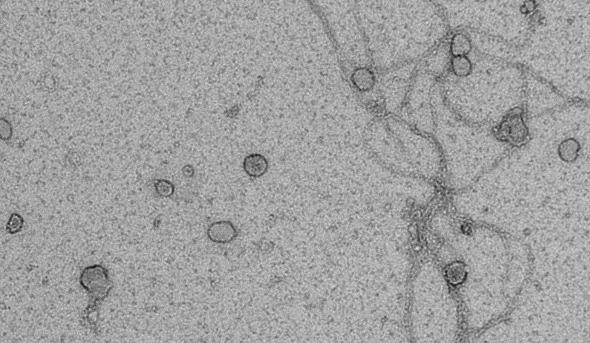
Professor Tim Williams is Professor of Veterinary Clinical Pathology at the Department of Veterinary Medicine, University of Cambridge, and Director of Studies in Veterinary Medicine at Fitzwilliam College. He is also a visiting research fellow in the Karet laboratory at the Cambridge Institute of Medical Research. His research focuses on extracellular vesicles in renal and urinary tract disorders, with particular emphasis on: The utility of extracellular vesicles as biomarkers for renal diseases The clinical significance of the bactericidal activity of urinary exosomes Novel biomarkers for chronic kidney disease in cats Potential biomarkers for urothelial cell carcinoma in dogs His work bridges veterinary clinical pathology, molecular biology, and translational medicine with applications in feline and canine medicine. Recent publications demonstrate his focus on identifying differentially expressed proteins and microRNAs associated with extracellular vesicles in disease states, spanning from fundamental bactericidal properties to clinical applications in companion animals. Professor Williams has received the Society for Comparative Endocrinology award for Excellence in the Advancement in Veterinary Endocrinology in both 2011 and 2015. He supervises multiple graduate students and maintains extensive collaborations across Cambridge departments and international institutions including Royal Veterinary College, Tufts University, and Shanghai Jiao Tong University. His research is supported by PetPlan Charitable Trust, BSAVA Petsavers, and the European College of Veterinary Clinical Pathology. As leader of the Extracellular Vesicle Research Group, Professor Williams investigates the role of extracellular vesicles in disease processes and their potential as diagnostic and therapeutic tools, with particular focus on translational applications from veterinary to human medicine.
Dr. Ian Wilson is a researcher at Newcastle University with a focus on medical genetics, nephrology, and genomic analysis. His work spans genetic determinants of kidney diseases, mitochondrial disorders, and biomarker development. Notable contributions include studies on uromodulin genetics in African populations, copy-number variations in rare diseases, and kidney ciliopathies. He has collaborated extensively on projects involving genome sequencing, mitochondrial replacement therapy, and muscular dystrophy biomarkers. Wilson's research integrates computational tools like machine learning for predictive modeling in urolithiasis and employs advanced imaging techniques for disease progression monitoring. Key areas: Genetic epidemiology, renal genomics, mitochondrial DNA analysis Focus on translational applications: Biomarker development for kidney stones and muscular dystrophies Interdisciplinary collaborations in ophthalmology and orthopedics His publications reflect a commitment to advancing diagnostic accuracy and understanding complex genetic disorders through multi-omics approaches.
Bekir Unlu, MD is an Assistant Professor in the Department of Obstetrics and Gynecology at the University of Texas Medical Branch (UTMB). His clinical and research activities focus on surgical interventions in obstetrics and gynecology, particularly robotic-assisted procedures and postoperative care optimization. Education: MD from Hacettepe University School of Medicine, Turkey (1999). His research explores pelvic floor disorders , urinary incontinence , and cesarean delivery outcomes , with a strong emphasis on robotic surgery and minimally invasive techniques . Recent studies include comparative analyses of surgical methods for pelvic organ prolapse and stress urinary incontinence , as well as randomized trials on post-cesarean care. Key trends in his publications since 2011 highlight collaborations in urogynecology , robotic-assisted surgeries , and multicenter clinical trials . Notable co-authors include G. S. Kilic, M. Borahay, and F. Dursun.
Giuseppe Rizzo is a Full Professor at the Department of Maternal and Child Health and Urological Sciences, Sapienza University of Rome. His academic career focuses on Maternal Fetal Medicine, with expertise in ultrasound applications, fetal growth restriction, preeclampsia, and congenital anomalies. Research Interests : Delivery optimization, prematurity prediction, ultrasound diagnostics, and placental anomalies. Recent Publications : Over 15 high-impact studies in 2024-2025 on topics like umbilical cord abnormalities, cerebroplacental ratios, and gestational diabetes complications. Clinical Expertise : Prenatal counseling, Doppler ultrasound, and labor management protocols. Collaborations : Active in multicenter trials across Italy and Europe, with a focus on fetal neurosonology and high-fidelity obstetric simulation.
Denise Acampora, MPH, is a Lecturer in Geriatric Medicine at Yale School of Medicine. She specializes in aging-related research focusing on delirium prevention, post-hospitalization outcomes, falls prevention, and clinical trials in elderly populations. Her work spans over three decades, with significant contributions to understanding geriatric syndromes and improving care transitions for older adults. Education: MPH from Columbia University (1980), BS from St. Mary's College (1970). Key Research: Lead author on landmark studies about delirium interventions (NEJM 1999), cranberry clinical trials for UTIs in nursing homes (JAMA 2016), and post-COVID-19 outcomes in older adults (JAMA Network Open 2024). Collaborations: Works with prominent researchers like Thomas Tinetti, Mary Tinetti, and Laura Ferrante on aging-related studies. Her research emphasizes translational strategies to reduce disability and improve quality of life for elderly patients through evidence-based interventions. Current projects focus on longitudinal assessment of post-acute sequelae in older adults (VALIANT cohort).
Dr. James Ashton-Miller is a prominent faculty member in the Department of Mechanical Engineering at the University of Michigan, where he directs the Biomechanics Research Laboratory. He serves as a Center Member of the University of Michigan Injury Prevention Center and maintains affiliations with the Institute of Gerontology. His interdisciplinary work bridges engineering principles with medical applications, focusing on injury prevention across sports medicine, obstetrics, and geriatrics. Dr. Ashton-Miller's educational background includes: PhD from the University of Oslo, Oslo, Norway (1978-1983) MSME from M.I.T., Cambridge, MA, U.S.A (1972-1974) B.SC. (Hons) from the University of Newcastle-upon-Tyne, Newcastle-upon-Tyne, England (1967-1972) His research focuses on the biomechanics of injury prevention across multiple critical domains. In sports medicine, he has demonstrated that some ACL injuries are overuse injuries resulting from too many sub-maximal loading cycles that prevent healing of collagen damage. In women's health, his work on childbirth injuries addresses conditions that affect more women than breast cancer. His research on fall-related injuries in older adults reveals the dual threat of physical and cognitive factors. He also investigates sciatica, disc degeneration, and develops new medical devices for screening, diagnosis and treatment. Dr. Ashton-Miller's recent publications show a strong trend toward developing practical clinical applications from fundamental biomechanical research, with emphasis on advanced imaging methods, wearable sensors, and computational modeling for pelvic floor function assessment. His work consistently aims to translate engineering insights into clinical solutions for injury prevention. His research insights have earned him numerous national and international research awards, though specific awards aren't detailed in the available information. His work involves close collaboration with clinicians and surgeons who meet weekly to discuss progress and next steps. Dr. Ashton-Miller is deeply committed to mentoring, working with NIH K-series fellows along with 1-2 post-doctoral fellows, 3-5 PhD students, 2-4 M.S. students, 4-5 undergraduate students, and 2-4 young clinicians. His research is generously supported by the National Institutes of Health, National Science Foundation, National Basketball Association, Fortune 500 companies, and startup companies including Procter & Gamble and Hologic, Inc. He directs the Biomechanics Research Laboratory and co-leads the Pelvic Floor Research Group, where his teams develop new medical devices to improve screening, diagnosis, and treatment of various biomechanical conditions. These laboratories maintain strong clinical connections, ensuring research remains grounded in real-world medical challenges.
Professor Alan Winston serves as Professor of Genito-Urinary Medicine within the Department of Infectious Disease at Imperial College London's Faculty of Medicine. He concurrently holds a Consultant Physician position at St. Mary's Hospital, London, where he directs the HIV and GU clinical trials unit managing over 20 active studies. His clinical and academic work bridges patient care with cutting-edge research in HIV comorbidities. Winston qualified from Glasgow University and completed specialized training in general medicine and HIV care across the UK and Australia. This foundation supports his current focus on non-infectious complications in the modern antiretroviral era, particularly neurological and mental health aspects. His research prominently explores central nervous system complications in HIV, cognitive impairment mechanisms, and mental health disparities including depression and anxiety. He investigates multimorbidity patterns in aging HIV populations and develops person-centered approaches to reduce stigma. His work integrates clinical trials, cohort studies like POPPY, and mixed-methods research to address quality-of-life challenges beyond viral suppression. Analysis of his 2024-2025 publications reveals three dominant trends: (1) neurocognitive effects of specific antiretrovirals (dolutegravir, bictegravir), (2) psychosocial determinants of cognitive performance, and (3) systemic barriers in mental healthcare access for HIV patients. The POPPY cohort study serves as a critical data source across multiple publications examining aging, polypharmacy, and multimorbidity. Winston leads the POPPY study tracking comorbidities in HIV-positive individuals over time and directs the St. Mary's clinical trials unit conducting therapeutic research. His team includes clinical project managers, trials coordinators, and research staff like PhD candidate Merle Henderson. While specific grants aren't detailed, his management of 20+ concurrent studies indicates substantial research funding from sources including European AIDS Clinical Society collaborations. His laboratory and clinical operations are centered at the Winston Churchill Wing of St Mary's Campus, with affiliations to the Section of Virology and St Mary's Clinical Trials Centre. He contributes to European guideline development, notably statin use recommendations for cardiovascular prevention in HIV patients.
Privatdozent Dr. Andreas Faust is a leading researcher at the European Institute for Molecular Imaging (EIMI) at the University of Münster, where he heads the Chemical Targeting Lab. His work focuses on developing innovative imaging agents for medical diagnostics, particularly in radiopharmaceutical chemistry and molecular imaging. He maintains strong affiliations with the Department of Nuclear Medicine at the University Hospital Münster and participates in the "Cells in Motion" excellence cluster, contributing to cutting-edge research at the intersection of chemistry, medicine, and imaging technology. Dr. Faust completed his chemistry studies at the University of Münster, earning his Diploma in 1999, followed by his doctoral degree (Dr. rer. nat.) in 2003 with research on artificial caffeine receptors. His academic journey continued with positions at the Department of Organic Chemistry and the Department of Nuclear Medicine before becoming head of the chemistry group at EIMI in 2011. Dr. Faust's research centers on organic and medicinal chemistry with specialization in radiopharmaceutical chemistry . His team develops novel tracers for diagnostic molecular imaging using positron emission tomography (PET), single-photon emission computed tomography (SPECT), optical imaging, and photoacoustic imaging. A significant portion of his work focuses on creating specific ligands for the alarmins S100A8/S100A9 and bacteria-specific tracers based on complex carbohydrates or siderophores. His research has important applications in inflammation imaging, infection diagnostics, and cancer theranostics, with emphasis on improving metabolic stability and target specificity of imaging agents. His publication record demonstrates consistent contributions to molecular imaging, with recent work emphasizing bacteria-specific PET tracers, inflammation imaging targeting S100 proteins, and novel optical imaging probes. The research shows a clear trajectory toward developing clinically applicable imaging agents with improved specificity and metabolic stability, particularly in the areas of infection diagnostics and inflammation monitoring. 2017: Best Poster Award at Symposium "Molecular Imaging Agents in Medicine," Groningen 2009: Young Investigator Award at Deutscher Röntgenkongress, Berlin 2005: Best Scientific Poster Award at 4th Annual Meeting of the Society of Molecular Imaging, Köln Dr. Faust leads multiple significant research projects, including as Coordinator of a project on immune cell distribution imaging (2019-2024) and as Principal Investigator for CRC-project A03 "Targeting of S100A8/A9 for imaging of inflammatory disorders" and research on vascular graft infections (both 2021-2024). His Chemical Targeting Lab comprises a multidisciplinary team working at the intersection of chemistry, microbiology, and medical imaging, securing substantial funding from the Innovative Medicines Initiative and DFG Collaborative Research Centre. The Chemical Targeting Lab maintains state-of-the-art facilities for chemical synthesis, radiochemistry, and biological testing. The lab collaborates extensively with microbiologists, clinicians, and imaging specialists to translate basic research into clinical applications. Current research directions include optimizing bacterial imaging probes for clinical diagnostics and developing new inflammation-specific tracers for early disease detection, with particular focus on S100A9-targeted imaging and siderophore-based bacterial detection systems.
Mark Iscoe, MD, MHS is an Assistant Professor of Emergency Medicine and Biomedical Informatics and Data Science at Yale School of Medicine. He holds fully joint appointments in both the Department of Emergency Medicine and the Department of Biomedical Informatics & Data Science, reflecting his interdisciplinary work at the critical intersection of clinical emergency care and health informatics innovation. Dr. Iscoe completed his medical degree at Johns Hopkins University School of Medicine in 2017, followed by residency training in Emergency Medicine at New York University / Bellevue Hospital in 2021. He further specialized with a Master of Health Science (MHS) in Clinical Informatics from Yale School of Medicine in 2023. He is board certified in both Emergency Medicine (2022) and Clinical Informatics (2024). His research spans several interconnected domains with a focus on optimizing the interface between emergency physicians and health information technology. Key areas include electronic health record (EHR) optimization, artificial intelligence applications in emergency settings, clinical decision support systems, and medication safety protocols. His 2024 JAMA Network Open publication 'Benchmarking Emergency Physician EHR Time per Encounter Based on Patient and Clinical Factors' represents a significant contribution to understanding the digital burden on emergency clinicians. More recently, he has pioneered work applying large language models to emergency medicine challenges, with multiple 2025 publications on AI applications for deprescribing, symptom identification, and risk stratification. His research trajectory shows a clear evolution from foundational EHR usage studies toward increasingly sophisticated AI implementations that bridge theoretical informatics with practical clinical tools in high-pressure emergency settings. YCCI Scholar Award for AI Research on Drug Reactions (2024) Dr. Iscoe has received research funding from multiple prestigious sources including the National Institute on Drug Abuse (NIDA), the American Medical Association (AMA), the National Institutes of Health, and Yale New Haven Health System. His collaborative network includes prominent researchers such as Andrew Taylor (6 joint publications), Ted Melnick (5 joint publications), and Rohit Sangal (4 joint publications), reflecting his work's multidisciplinary nature spanning clinical departments, informatics specialists, and data scientists.
Sarah Boyd, MD is an Associate Professor specializing in Female Pelvic Medicine & Reconstructive Surgery. She focuses on optimizing patient outcomes for pelvic floor disorders through surgical and non-surgical approaches. Board-certified in Obstetrics and Gynecology (2017) and Female Pelvic Medicine & Reconstructive Surgery (2021), her expertise spans pelvic organ prolapse, urinary incontinence, and minimally invasive gynecologic procedures. Female Pelvic Medicine & Reconstructive Surgery Fellowship, Hartford Hospital (2016-2019) Obstetrics and Gynecology Residency, Christiana Care Health System (2012-2016) MD from Marshall University John C. Edwards School of Medicine (2008-2012) Her research explores adverse outcomes in pelvic reconstructive surgery, postoperative opioid consumption, catheter management, and non-surgical interventions for prolapse. She collaborates in multi-institutional research groups analyzing perioperative outcomes. Articles demonstrate trends in data-driven surgical optimization and pain management protocols. Scientific Awards: Pyrtek Research Paper Distinction Award in Clinical Research (2019)
Gokhan Kilic, MD , is a Professor in the Department of Obstetrics & Gynecology at the University of Texas Medical Branch (UTMB). He serves as Director of the Urogynecology Fellowship Program and Division Director of Gynecology, with a focus on minimally invasive and robotic surgery. Dr. Kilic holds the Endowed Faculty Chair in Obstetrics and Gynecology Honoring Alvin L. LeBlanc, MD, Harry M. Little, Jr, MD, and L Charles Powell, MD. Board Certified in Obstetrics and Gynecology Board Certified in Female Pelvic Medicine and Reconstructive Surgery Fundamental Laparoscopic Surgery Certification Dr. Kilic's research emphasizes urogynecology , pelvic floor disorders , and robotic surgical techniques . His work includes clinical studies on urinary incontinence, fall risk in older women, and innovative treatments for adenomyosis, blending laboratory research, non-human studies, and clinical trials. Recent publications highlight trends in geriatric urogynecology , robotic hysterectomy , and pharmacological interventions for pelvic health. Dr. Kilic's studies often address comorbidities in aging populations and the effectiveness of pelvic floor muscle training. Scientific Awards : Fellow of the American College of Obstetricians and Gynecologists (ACOG), Fellow of the American College of Surgeons (ACS), and Endowed Faculty Chair at UTMB. Dr. Kilic actively trains students, residents, and physicians in minimally invasive surgery. He leads research initiatives in UTMB's Obstetrics & Gynecology Department, focusing on improving pelvic health outcomes through interdisciplinary collaboration.
Bärbel Finkenstädt Rand is a Senior Tutor at the Warwick Medical School , University of Warwick, with extensive research contributions at the intersection of statistics, machine learning, and biomedical sciences. Her work focuses on developing advanced methodologies for analyzing temporal and spatio-temporal data, particularly in circadian rhythms and disease dynamics. Research Themes : Bayesian inference, Hidden Markov Models, circadian rhythm stability, transcriptional bursting, and wearable sensor data analysis. Collaborations : Chronotherapy Group at Warwick, Université Paris-Saclay, and interdisciplinary teams across medicine, genetics, and computational biology. Publications reveal a strong emphasis on circadian health monitoring, gene expression dynamics, and epidemic modeling using stochastic frameworks. Her recent work prioritizes personalized medicine applications through telemonitored biomarkers and IoT platforms . Methodological Innovations include spline-based HMMs, distributed delay systems, and harmonic modeling for nonstationary time series. Applications span oncology, sleep medicine, and population ecology.
Per Sigvald Bakke is a Professor at the University of Bergen's Faculty of Medicine, Department of Clinical Science, with extensive expertise in respiratory medicine. His research primarily focuses on Chronic Obstructive Pulmonary Disease (COPD), asthma, and related pulmonary conditions, with significant contributions to understanding disease mechanisms, clinical phenotyping, and epidemiology. Dr. Bakke's research interests span COPD phenotyping, asthma heterogeneity, genomics of respiratory diseases, pulmonary function testing, and clinical epidemiology. His work frequently involves large-scale cohort studies and international collaborations, particularly through the U-BIOPRED consortium. His research has significantly advanced understanding of COPD progression, exacerbation risk factors, and the relationship between respiratory diseases and systemic conditions like metabolic syndrome. His publication record demonstrates consistent contributions to respiratory medicine, with recent work focusing on multi-omics approaches to disease phenotyping, genetic determinants of lung function, and clinical management of COPD. His research often bridges basic science with clinical application, addressing critical questions in respiratory disease management and patient outcomes. Dr. Bakke has been instrumental in numerous international collaborative studies including the ECLIPSE cohort, U-BIOPRED, and various genome-wide association studies examining COPD and asthma. His work has contributed to clinical guidelines and improved understanding of respiratory disease mechanisms across diverse populations.