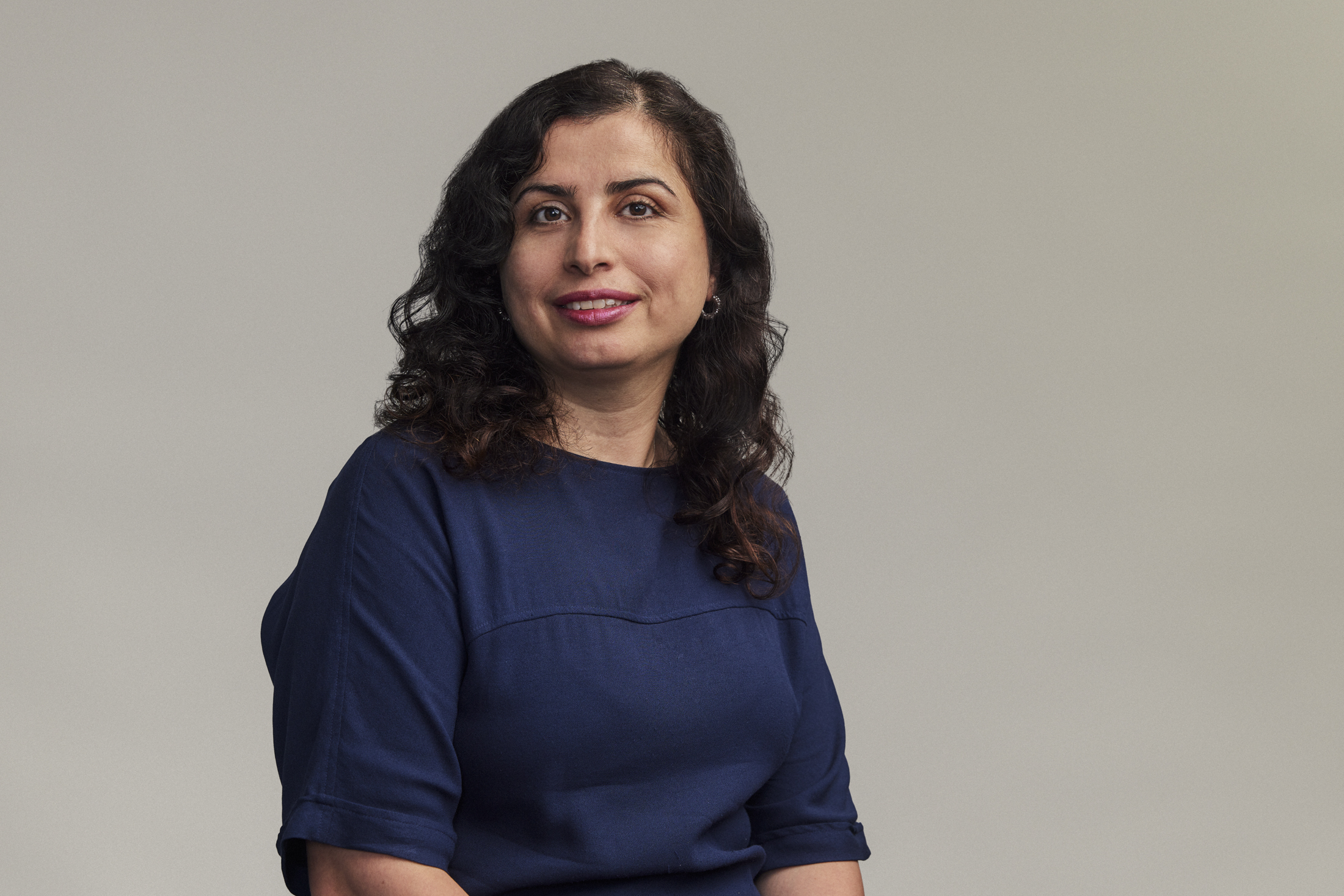
Elmira Hassanzadeh is an Associate Professor at the Department of Civil, Geological and Mining Engineering , Polytechnique Montréal, with a focus on integrated water resource modeling and management under climate and anthropogenic changes. She is affiliated with the Global Institute for Water Security (University of Saskatchewan) and the Experimental and Digital Water Flow Engineering Group (GENIE EAU) . Education: PhD in Civil Engineering, University of Saskatchewan Postdoctoral Fellow, McGill University Research interests include climate change impact assessment, socio-hydrological modeling, stakeholder engagement in water management, and sustainable development of water systems in cold regions. Her work emphasizes decision-making under uncertainty and adaptive strategies for ungauged basins. Recent publications (2024–2020) span coastal flood hazard modeling, climate-driven hydrological changes in tropical and Canadian watersheds, evaluation of agricultural practices under warming climates, and integrated approaches to water quality and system dynamics. Keywords include Hydrology , Climate Change , Water Security , and Socio-Hydrology . Supervision: She has mentored 15+ graduate students in projects related to Lake Urmia, Saskatchewan River Basin, and climate adaptation in Africa and the Pacific.
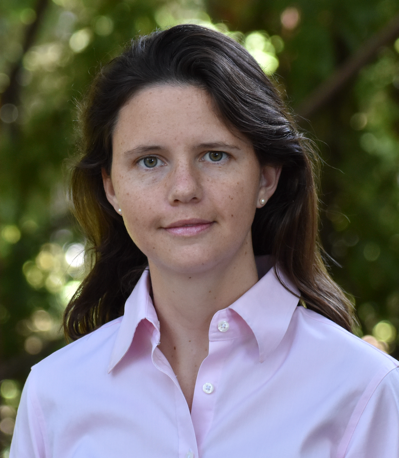
Margaret P. Chapman is an Assistant Professor in the Department of Electrical and Computer Engineering at the University of Toronto's Faculty of Applied Science and Engineering. She leads the DATA Lab (Decision Analysis for Trustworthy Autonomy), focusing on risk-averse and stochastic control theory with applications to environmental and human health. Education: B.S. and M.S. in Mechanical Engineering from Stanford University (2012, 2014), Ph.D. in Electrical Engineering and Computer Sciences from UC Berkeley (2020, advised by Claire Tomlin) Her research bridges robust and stochastic optimal control via risk measure theory, emphasizing safety-critical applications in healthcare and sustainable cities. Key challenges include scalable risk-sensitive control methods, integrating physics-based and data-driven models for safety analysis, and promoting technologies that enhance planetary and human well-being. Recent publications focus on risk-averse autonomous systems, CVaR-based safety analysis, and multi-time-scale modeling for cancer treatment. She has advised students in both graduate and undergraduate research roles, including NSERC awardees and thesis participants. Awards: US National Science Foundation Graduate Research Fellowship, Berkeley Fellowship, Terman Engineering Scholastic Award, Leon O. Chua Award She teaches courses like ECE 557 (Linear Control Theory) and ECE 1643 (Risk-Averse Control with Learning). Her invited talks span institutions such as MIT, Princeton, and Georgia Tech, highlighting risk-sensitive analysis and control for trustworthy autonomy.
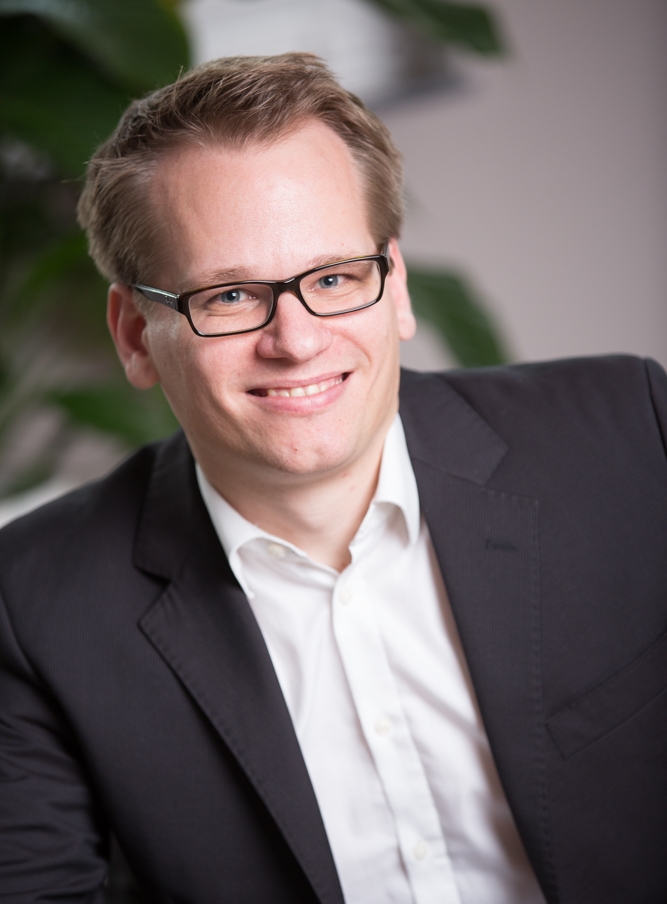
Dr. Markus Brinkmann is an Associate Professor in the School of Environment and Sustainability at the University of Saskatchewan, Canada, and Director of the Toxicology Centre. He holds the Centennial Enhancement Chair in Mechanistic Environmental Toxicology. His research focuses on exposure and risk assessment modeling, toxicokinetic modeling, and aquatic ecotoxicology, with an emphasis on understanding contaminant effects under realistic environmental conditions. Affiliations: Associate Professor, University of Saskatchewan Director, Toxicology Centre Member, Global Water Futures Program Member, Global Institute for Water Security Education: Ph.D. (Biology) - RWTH Aachen University, Germany (2015) M.Sc. (Ecotoxicology) - RWTH Aachen University, Germany (2011) B.Sc. (Biology) - RWTH Aachen University, Germany (2009) Research Interests: Dr. Brinkmann develops computational models to predict contaminant uptake, effects, and cross-species extrapolation. His work integrates toxicology, environmental chemistry, and hydrology to address challenges like flood-related contaminant remobilization and dioxin-like compound toxicity. Key areas include: Mechanistic toxicology of emerging contaminants (e.g., 6PPD-quinone, PFAS alternatives) Sediment toxicity and bioavailability Wastewater surveillance for public health monitoring Grant Highlights: Global Water Futures Program (2018-2023): Hydrological-exposure models for environmental risk assessment Genome Canada (2016-2020): EcoToxChip for chemical prioritization Banting Postdoctoral Fellowship (2016-2018) Awards: Friedrich-Wilhelm-Award (2016) SETAC GLB Young Scientists Award (2016 PhD, 2012 MSc) Borchers medal (2016) Leadership: He advises on strategic research partnerships between Canada and Germany and collaborates globally on projects like the EcoToxChip and Project House Water . His work bridges academic research with practical environmental management solutions.
Pascale Biron is a Professor in the Department of Geography, Urban Planning and Environment at Concordia University, Montreal. She holds a Ph.D. in Geography from Université de Montréal (1995) and has been with Concordia since 1998. Her research focuses on river dynamics, stream restoration for fish habitat, flood modeling, and climate change impacts. She specializes in hydrogeomorphology, river management in agricultural watersheds, and numerical modeling of fluvial processes. Research Interests: Her work includes river restoration strategies, flood risk assessment using LiDAR technology, and the 'river freedom' concept promoting ecosystem resilience. She collaborates closely with government agencies to translate research into practical river management policies. Professional Affiliations: Canadian Geomorphology Research Group, Canadian Association of Geographers, American Geophysical Union, GRIL (Limnology Research Group), and RIISQ (Quebec Flood Risk Network). Publications & Research: Recent studies address global salmonid biomass patterns, fluvial hazard detection via machine learning, and large-scale flood modeling. She supervises 19 graduate students in Ph.D./M.Sc. programs in Geography and Environmental Studies, focusing on topics like river confluence hydraulics and agricultural stream restoration. Grants & Funding: Active projects include river dynamics in fish habitats, flood modeling for road infrastructure vulnerability, and computational fluid dynamics simulations of river flows. She also leads research on societal dimensions of river restoration and policy frameworks for flood resilience.
Darian Marie Totten is an Assistant Professor & Director of Classical Studies at McGill University's Department of History and Classical Studies. Her research focuses on Roman archaeology, environmental history, and the intersection of ancient and modern placemaking. She holds a PhD from Stanford University and specializes in Mediterranean regions from 2000 BCE to 600 CE. Education: PhD in Classics/Archaeology from Stanford University (thesis not specified). Research interests include Roman infrastructure, comparative imperial systems (e.g., Han China), urban resilience strategies, and the material culture of labor and exchange. She directs fieldwork at Salapia-Salpi in Apulia, Italy, exploring late antique urbanism and environmental adaptation. Her scholarship bridges archaeological material analysis with historical interpretation, emphasizing interdisciplinary approaches to ancient economies, landscapes, and cultural transitions. Recent work highlights cross-cultural comparisons between Rome and Han China, as well as the long-term dynamics of Mediterranean coastal settlements. Her publications consistently engage with methodological innovation in field archaeology, particularly in paleoenvironmental reconstruction and ceramic sourcing. She also critiques modern uses of Roman heritage in national identity formation, reflecting a commitment to critical archaeology. Current projects include ongoing excavations at Salapia, analysis of Apulian salt production networks, and investigations into late antique glass trade routes. She teaches courses on classical archaeology (CLAS 240) and specialized topics (CLAS 349).
Christopher Storie is a Professor of Geography at the University of Winnipeg, specializing in GIS, Remote Sensing, and Urban Geography. He holds an office in Lockhart Hall (5L03) and teaches courses such as Introduction to GIS, Remote Sensing, and Urbanization in the Developing World. His research focuses on Deep Learning applications for automated land use/land cover mapping, informal settlement mapping, and urban-rural fringe detection. Key research interests include leveraging neural networks for geospatial analysis, urban dynamics in regions like Mexico City, and collaborative international fieldwork. He has contributed to over 20 peer-reviewed articles since 2000, emphasizing satellite imagery analysis and environmental monitoring. His work bridges technical geospatial methods with socio-environmental challenges in urban and developing regions.
Dr. Rebecca Rooney is an Associate Professor in the Faculty of Science at the University of Waterloo, specializing in wetland ecology and environmental toxicology. She contributes to graduate studies as Interim Associate Chair and leads the Rooney Lab , which focuses on wetland conservation, invasive species impacts, and contaminant dynamics in aquatic ecosystems. University of Waterloo Ecology and Evolution Research Group Her research spans several critical areas: Wetland hydrology and groundwater interactions Ecological impacts of microplastics and stormwater contaminants Invasive species management (particularly Phragmites australis ) Climate change effects on wetland biodiversity Environmental monitoring techniques The 15 most recent publications reveal consistent research themes in urban stormwater contamination, wetland connectivity, and microplastic pollution. These works employ field experiments, isotope tracing, and multi-metric monitoring frameworks to address ecological risks and inform conservation strategies. She actively investigates pesticide bioconcentration in biofilms, wetland reclamation in oil sands regions, and the ecological consequences of hydrological changes. Her lab integrates field-based methodologies with policy considerations to advance wetland science.
Dr. Pascale Biron is a Professor in the Department of Geography, Planning and Environment at Concordia University, Montreal. Her research focuses on river dynamics, stream restoration, flood modeling, and climate change impacts. She has been at Concordia since 1998 and holds professional affiliations with key organizations like the Canadian Geomorphology Research Group and the American Geophysical Union. Education: PhD from Université de Montréal and Leeds University (fluvial geomorphology) Research Interests Her work integrates fluvial geomorphology, computational fluid dynamics, and societal aspects of river management. Key themes include: River restoration for fish habitat Floodplain modeling using LiDAR Climate adaptation strategies Socio-hydrological dimensions of restoration Hydrodynamic processes at river confluences Recent Research Trends Recent publications emphasize global salmonid habitat analysis, machine learning for fluvial hazard detection, and the socio-environmental impacts of urban flooding. Her work bridges technical hydrology with policy-relevant solutions for sustainable water management. Grants & Advising Supervises over 15 graduate students (PhD/MSc) in topics ranging from flood modeling to bioengineering. Active in collaborative projects like the 'Freedom Space for Rivers' initiative and large-scale floodplain mapping. Labs & Teams Member of GRIL (Limnology Research Group) and RIISQ (Quebec Flood Network), contributing to interdisciplinary water security research.
Nicole Latulippe is an Associate Professor in the Department of Human Geography at the University of Toronto Scarborough (UTSC), with a cross-appointment in the Department of Physical and Environmental Sciences. She focuses on Indigenous environmental governance, anticolonial research methodologies, and relational geographies through community-engaged practices. Ph.D. in Geography from University of Toronto M.A. in Geography from University of Guelph B.A. (Hons) in Geography from Nipissing University Her research explores Indigenous knowledge systems in environmental governance, settler-Indigenous relations in urban spaces, and decolonizing methodologies. Current projects include land/water stewardship in Toronto, treaty citizenship, and pathways to just futures through Indigenous placemaking. Her recent publications emphasize fisheries policy alternatives rooted in Indigenous relationality, co-creative research with Toronto Islands communities, and Indigenous-led environmental governance frameworks. Themes include knowledge sovereignty, colonial-disruption strategies, and land-based relational ethics. Scientific Awards: Connaught New Researcher Award (2022), SSHRC Insight Development Grant (2021), SSHRC Connection Grant (2019) Community Collaborations: Nipissing First Nation fisheries stewardship, Indigenous Environmental Justice Project, Mississaugas of the Credit First Nation partnerships
Dr. Usman T Khan serves as Associate Professor and Department Chair in Civil Engineering at the Lassonde School of Engineering, York University. A licensed Professional Engineer (P.Eng), he specializes in Water Resources Engineering with a focus on urban water systems and sustainable infrastructure solutions. His academic credentials include: PhD in Environmental Engineering from University of Victoria (2011-2015) with thesis on 'Environmental prediction and risk analysis using fuzzy numbers and data-driven models' MSc in Civil Engineering from University of Calgary (2008-2010) researching 'Bioretention cell efficacy in cold climates' BSc in Civil Engineering from University of Calgary (2003-2008) focusing on 'Water to wastewater: Closing the loop' Dr. Khan's research program addresses critical challenges in urban hydrology , particularly flood risk assessment and uncertainty analysis under changing climate conditions. His work integrates big-data methodologies with traditional hydrological modeling to improve water quality and quantity predictions in urban environments. He has developed innovative approaches for sustainable stormwater management and has tested technologies like bioretention cells in challenging climatic conditions. His research specialties encompass: Urban flood risk modeling and mitigation Climate change adaptation for water infrastructure Advanced hydroinformatics applications Sustainable stormwater management systems Data-driven water quality assessment Dr. Khan's research excellence has been recognized with multiple awards: NSERC Master's Award for graduate studies NSERC Doctoral Award for PhD research NSERC Postdoctoral Fellowship Andy Farquharson Teaching Excellence Award He has collaborated extensively with municipal governments on stormwater management projects and watershed planning initiatives. Dr. Khan's teaching philosophy is reflected in his completion of multiple pedagogical certifications including Instructional Skills Certificate (2016), Design Engineering & Instruction Certificate (2014), and Teaching Fundamentals Certificate (2012). His professional engagement includes membership in key organizations: Professional Engineers Ontario, International Association of Hydrological Sciences, International Water Association, Canadian Society of Civil Engineering, Canadian Water Resources Association, Canadian Association on Water Quality, and Canadian Geophysical Union.
Clare Robinson is an Associate Professor in the Department of Civil and Environmental Engineering at the University of Western Ontario. Her research focuses on environmental engineering, water resources, and sustainable infrastructure development. Fields of Interest: Environmental Engineering, Water Resources, Sustainable Infrastructure Contact: crobinson@eng.uwo.ca
Evan Davies is a Professor in the Civil and Environmental Engineering Department at the University of Alberta's Faculty of Engineering. He has been a Full Professor since July 2021, following his promotion from Associate Professor (2015-2021) and Assistant Professor (2009-2015) positions at the same institution. Education: Ph.D. (Civil and Environmental Engineering), The University of Western Ontario, London, Ontario (2003-2007) M.E.S. (Environment and Resource Studies), The University of Waterloo, Waterloo, Ontario with field research in China and India (2001-2003) B.A.Sc. (Systems Design Engineering), The University of Waterloo, Waterloo, Ontario, including a year-long exchange at Technical University of Hamburg-Harburg, Germany (1995-2001) Evan Davies' primary research focuses on water resources planning and management, systems thinking and modeling, and sustainable development. His work develops and applies hydrological, water use, and water quality models to understand complex feedbacks among water availability, use, and quality within their social, economic, and environmental contexts. His research spans municipal to global spatial scales and daily to decadal time scales, aiming to provide decision-makers with tools to compare structural, management, and policy alternatives for sustainable water planning. His recent projects include global and regional-scale modeling of water security and the water-energy-food nexus, irrigation reservoir management, municipal water demand projections, flood risk management, and chloramine dissipation in stormwater pipes. Recent research trends show a strong focus on: Integrated assessment modeling of water-energy-food systems Climate change impacts on water resources Machine learning applications in hydrology Water security under decarbonization scenarios Flood risk assessment and management Sustainable urban water systems Scientific Awards: Faculty of Engineering Graduate Teaching Award, University of Alberta (2020-2021) Faculty of Engineering Undergraduate Teaching Award, University of Alberta (2018-2019) Doctoral Fellowship (CGS), Natural Sciences and Engineering Research Council (2005-2007) University of Western Ontario Graduate Tuition Scholarship (2005-2007) Ontario Graduate Scholarship in Science and Technology (2004-2005) Masters/Doctoral Fellowship (PGS A/B), Natural Sciences and Engineering Research Council (2002-2004) Davies has supervised numerous graduate students working on projects related to water resources planning and management. His research has been supported by various grants, including funding from the Natural Sciences and Engineering Research Council. He collaborates extensively with researchers at the Joint Global Change Research Institute (JGCRI) in College Park, MD, and with government agencies and industry partners on water management projects across Canada, particularly in Alberta's Bow River basin. Davies leads a research group focused on water resources systems modeling, which employs system dynamics, optimization techniques, and machine learning approaches to address complex water management challenges. His team collaborates with decision-makers and stakeholders to ensure research outcomes are directly applicable to real-world water management problems.
Dr. Mojgan A. Jadidi serves as Associate Professor in the Teaching Stream and Director of Common Engineering & BSc Science within the Department of Civil Engineering at York University's Lassonde School of Engineering. A Professional Engineer (P.Eng) and founder of the GeoVA Lab, she leads research at the intersection of geospatial analytics, digital infrastructure, and innovative engineering education aligned with UN Sustainable Development Goals. Education: PhD in Geomatics, Université Laval (2014) MSc in Earthquake and Seismology Engineering, ROSE Center (Italy) & Université Joseph Fourier (France) BSc in Civil-Survey Engineering, Iranian University of Science and Technology Research Focus: Her pioneering work in Geospatial Visual Analytics spans 2D/3D environments, Building Information Modeling (BIM) and 3D GIS integration, and Spatial Quantum Computing applications for smart cities. She develops Infrastructure Digital Twins using sensor data fusion while revolutionizing engineering education through gamification and augmented/virtual reality pedagogies that transform complex spatial concepts into immersive learning experiences. Research Trends: Recent publications (2021-2023) demonstrate convergent innovation across three domains: (1) Building energy optimization through BIM-graph analytics, (2) Transportation safety via AI-driven situational awareness, and (3) Educational technology using VR sandboxes and visual-verbal comics. These works consistently integrate quantum computing principles and UN SDG frameworks to solve urban sustainability challenges. Scientific Recognition: ASEE Zone III Best Paper Award (2023) ASEE Saint Lawrence Best Research Paper & Poster (2022) 3D GeoInfo Conference Best Paper (2018) NSERC Postdoctoral Fellowship (2016) ESRI Student Award (2011) Erasmus Mundus Scholarship (2006) Research Leadership: As Associate Director of York's ESRI Center of Excellence, she manages multi-source funding from NSERC, Mitacs, and York University internal grants. Her professional service spans global organizations including ISPRS Commission IV (Secretary), IEEE Women in Engineering (Member), PEO Etobicoke (Chair), and buildingSMART Canada (Committee Member), driving standards for BIM and digital twin implementation in urban infrastructure. Lab Innovation: The GeoVA Lab develops cutting-edge tools including the TopoSurvey Game for immersive surveying education, PAN-Lassonde XR Sandbox for virtual lab experiences, and quantum computing frameworks for bike-sharing optimization, establishing new paradigms in spatial data interaction and engineering pedagogy.
Caterina Valeo is a Professor in the Department of Mechanical Engineering at the University of Victoria's Faculty of Engineering and Computer Science, holding a PhD from McMaster University. Her research focuses on environmental systems modeling with applications in forest management, urban water infrastructure, and climate resilience. Her work spans disturbance modeling in forested regions (including pine beetle infestations and forest fire impacts on watershed hydrology), sustainable urban water development through low-impact design tools like bioretention cells and permeable pavement, and climate change analysis using artificial neural networks for flood frequency prediction. She integrates hydrological, hydraulic, and water quality models to study pollutant dispersion in rivers and nearshore ecosystems, with emphasis on macrophyte-periphyton dynamics and dissolved oxygen impacts on aquatic habitats. Her research provides practical solutions for forest regeneration planning, stormwater management in Canadian climates, and climate-adaptive water infrastructure design through advanced computational approaches including fuzzy logic and neural network quantile estimation.
Dr. Zoe Li is an Associate Professor in the Department of Civil Engineering at McMaster University, with an additional role as an Associate Member in the Department of Computing and Software. She specializes in developing modeling and decision-support tools to address challenges in water resources management, environmental systems analysis, and climate change impacts. Her research focuses on hydrological modeling, probabilistic forecasting, risk analysis, and environmental systems optimization. She holds a B.Eng. from China and M.A.Sc./Ph.D. degrees from the University of Regina. Her work spans interdisciplinary collaborations, including studies on dam safety under climate change, wastewater treatment plant optimization, and AI-driven environmental monitoring. She has been actively involved in projects such as CityDNA, a digital tool to model urban environments for decision-making during crises like the pandemic. Dr. Li teaches courses in environmental systems engineering and principles of environmental engineering, emphasizing uncertainty quantification and sustainable practices. Her research publications (15+ recent articles) address topics like machine learning applications in environmental systems, climate change impacts on water resources, and infrastructure resilience. She advises graduate students in environmental engineering and systems optimization. Notable grants include funding from Roche Canada for pandemic-related urban modeling. Her work is frequently published in high-impact journals like Journal of Environmental Management and Water Resources Research .