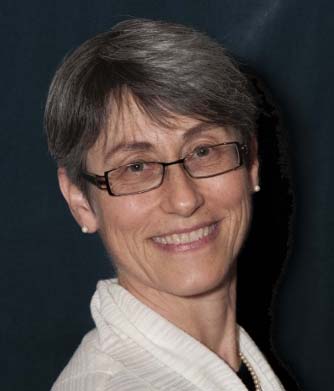
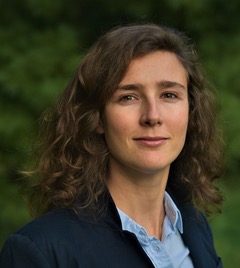
Miriam Diamond is a Professor at the Department of Earth Sciences and School of the Environment, University of Toronto. She holds cross-appointments in Chemical Engineering, Dalla Lana School of Public Health, and Physical & Environmental Sciences. PhD in Chemical Engineering (University of Toronto, 1990) MSc in Mining Engineering (Queen’s University, 1984) MSc in Zoology (University of Alberta, 1980) Her research focuses on chemical contaminant fate, transport, and exposure in indoor and urban environments, Arctic regions, and Great Lakes systems. She develops mathematical models , passive sampling methods , and policy frameworks to address pollution from flame retardants, phthalates, PFAS, and microplastics. Recent publications highlight microplastic extraction techniques , sleeping children’s exposure , and polymeric flame retardant risks . Key awards include the Royal Society of Canada Fellowship and 2025 President’s Impact Award . She supervises PhD candidates Anna Shalin , Lin Boynton , and others. Her policy contributions include serving on the Canadian Chemical Management Plan Science Committee and co-chairing the Earth Commissioner initiative.
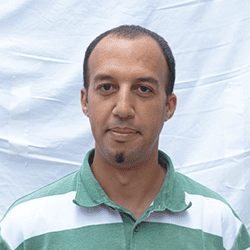
Amine MEHEL is a Research Professor at ESTACA's Mechanics and Environment Center (MSCE) since 2010, specializing in air quality and pollution control in transport systems. His work bridges experimental and numerical studies of turbulent flow interactions with pollutants and nanoparticles. Research Axes : CQA (Characterization of Air Quality) and EDP (Spatiotemporal Dynamics of Pollutants) Key Projects : CEPARER (2022-2025), AmCoAir (2020-2023), CAPNAV (2019-2022), CAPTIHV (2015-2018) His expertise includes experimental facilities like wind tunnels, PIV/LDV measurements, and CFD simulations using Eulerian-Lagrangian approaches. He supervises PhD students and coordinates teaching projects like PIRATE and PRI. Recent publications focus on ultrafine particle dispersion in vehicle wakes, brake emissions in underground stations, and cabin air quality characterization.
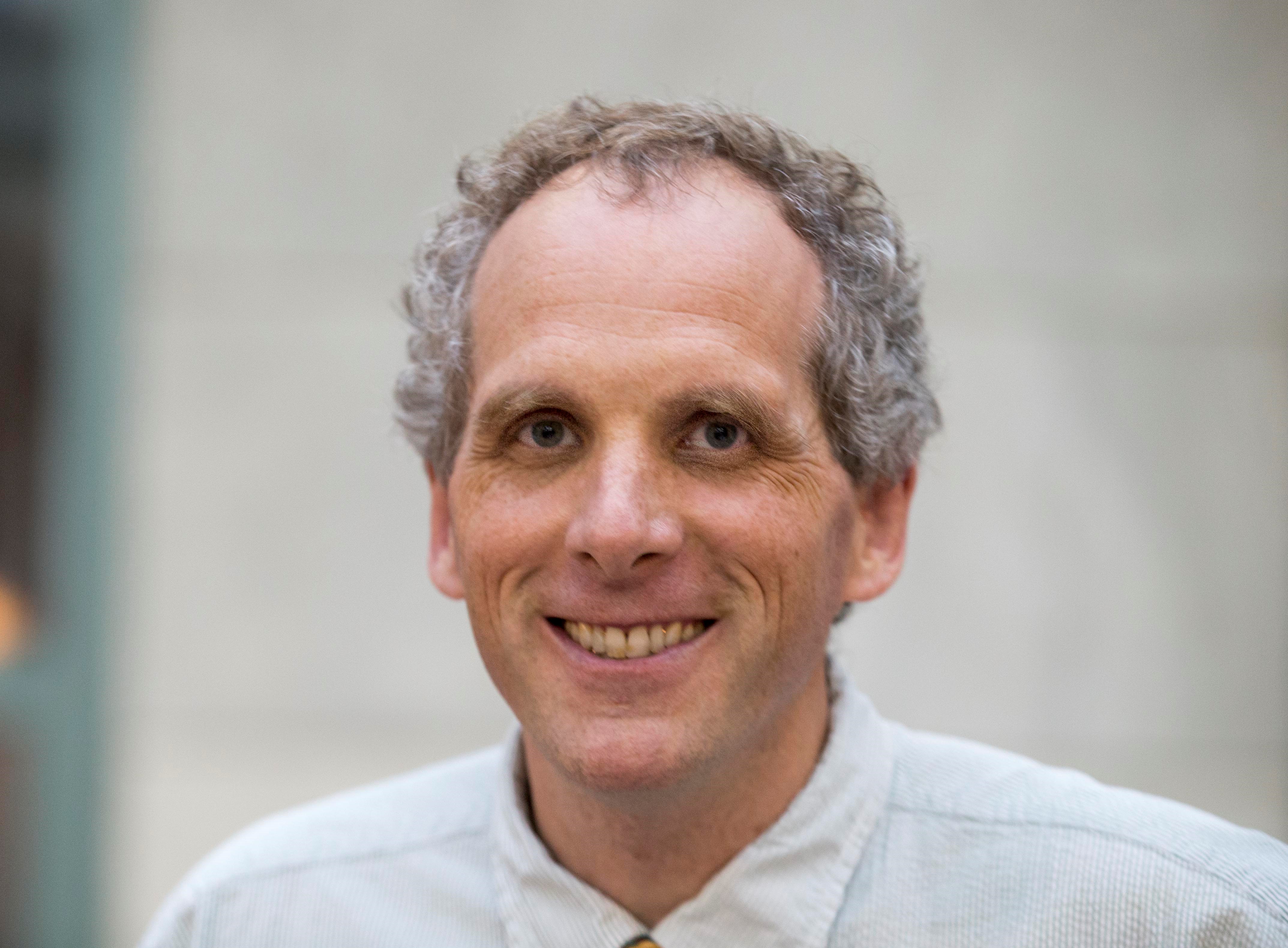
David Jones, M.D., Ph.D., holds the A. Bernard Ackerman Professorship of the Culture of Medicine at Harvard Medical School and Harvard’s Faculty of Arts & Sciences. He also serves as a Professor in the Department of Epidemiology at the Harvard T.H. Chan School of Public Health, and an Affiliate of the Department of History (FAS). His academic journey includes an AB in History and Science from Harvard College (1993), a dual PhD in History of Science and MD from Harvard (2001), followed by medical training in pediatrics, psychiatry, and emergency psychiatry. He transitioned from MIT (2005–2011) to Harvard full-time, where he directs the Arts and Humanities Initiative at HMS and received the 2018 Everett Mendelsohn Excellence in Mentoring Award and Harvard College Professor designation (2020). His research focuses on the history of medicine, medical ethics, and the social dimensions of health. Key themes include the historical roots of medical racism, climate change impacts on health, and the integration of humanities into medical education. He has directed initiatives like MIT’s Center for Diversity in Science and Technology and co-led symposia addressing race and science. His recent work analyzes NEJM’s historical complicity in systemic racism, the legacy of eugenics, and climate health curricula. Dr. Jones has published extensively on topics ranging from colonial medicine in India to the ethics of race-based clinical algorithms. Awards include MIT’s MacVicar Faculty Fellow (2009) and the 2010 Donald O’Hara Teaching Prize. His interdisciplinary approach bridges history, public health, and policy, emphasizing historical perspectives to address contemporary challenges like healthcare inequities and environmental crises.
Brittany Jenkins-Lord , PhD, MPH, MS, is an Assistant Professor at Johns Hopkins University affiliated with the Bloomberg School of Public Health and School of Medicine departments of Biochemistry and Molecular Biology . Her research integrates molecular cancer biology , epigenetics , and socio-environmental factors to address breast cancer disparities and treatment resistance . Research Focus Investigates social determinants of health in cancer biology Examines DNA methylation patterns in tumors Studies genetic ancestry impacts on cancer outcomes Develops therapeutic strategies for ER+ and ER- breast cancer Scientific Awards BIRCWH Scholar (Johns Hopkins) Maryland Cancer Moonshot Scholar National Cancer Institute Director's Award of Merit (twice) NextGen Star (AACR) Gilliam Fellowship (HHMI) Recent Publications 2025: Multilevel stressors in breast cancer immunity 2025: DNA methylation and neighborhood effects 2024: Life-course socioeconomic disadvantage and mortality 2023: Neighborhood deprivation in tumor epigenetics
Dr. Marla Keller is a tenured Professor of Medicine and Obstetrics & Gynecology at Albert Einstein College of Medicine, currently serving as Executive Dean and holder of the Jacob and Jeanne Barkey Chair in Medicine. Director, NIH-funded Harold and Muriel Block Institute for Clinical and Translational Research Interim Senior Associate Dean for Clinical and Translational Research Vice Chair of Research for Department of Medicine Dr. Keller's research focuses on: Biomedical HIV prevention strategies Vaginal microbicide development PrEP implementation in women Cervical cancer screening in HIV+ women Immune responses to SARS-CoV-2 COVID-19 clinical trials Her recent publications emphasize: HPV infection and cervical precancer Vaginal microbiome interactions PrEP delivery systems HIV/HSV coinfection dynamics Convalescent plasma therapy Metronidazole treatment response Key scientific awards include: Infectious Disease Mentoring Award (2013) COVID-19 Distinguished Service Award (2021) Spirit of Achievement Changemaker Award (2023) New York Super Doctor (2011-2015)
Prof. Dr. Kirsten Jung is a faculty member at the Department of Microbiology , Faculty of Biology , Ludwig Maximilian University of Munich . Her research focuses on bacterial signal transduction, stress response mechanisms, and systems biology approaches to understand microbial regulatory networks. Key research areas include stress-dependent gene expression in bacterial populations Structural and functional analysis of membrane-integrated receptors Metabolism-based chemical communication in bacteria Integration of experimental and computational systems biology Recent publications highlight her lab's work on Escherichia coli epitranscriptomic modifications under heat stress, m 5 C rRNA dynamics, and the role of RNA methylation in host-pathogen interactions. Collaborative studies address bacterial acid stress responses and their implications for antibiotic tolerance. Her interdisciplinary work bridges microbiology with ecological studies, as evidenced by research on biodiversity conservation in forest and urban ecosystems. Publications also demonstrate expertise in advanced imaging techniques (e.g., arterial spin labeling for glioma analysis) and bioinformatics approaches. Current advisees include Gloria Gessinger and Tania P. Gonzalez-Terrazas . She can be contacted at jung@lmu.de .
Dr. Emilia Lim is an Assistant Professor in the Department of Biochemistry and Molecular Biology at the University of British Columbia's Faculty of Medicine , with an investigator role at the Edwin S.H. Leong Centre for Healthy Aging . She specializes in computational analysis of environmental exposures, particularly pollution, in age-related diseases like cancer. Education: BSc from University of Alberta (2009) PhD from University of British Columbia (2016) Postdoctoral training at Francis Crick Research Institute, University College London (2023) Her research integrates multi-omic approaches (genomics, transcriptomics, epigenomics) to investigate how environmental pollutants drive disease states in samples like cancer patients. Recent work focuses on lung cancer evolution , immune evasion , and epigenetic aging under pollution exposure, with applications in precision oncology and healthy aging initiatives across Canada. Publications highlight her expertise in cancer genomics , environmental toxicology , and computational biology , with key contributions to understanding air pollution-induced carcinogenesis (2023) and subclonal tumor dynamics (2020, 2023). Her lab develops tools like SPRINTER for single-cell cancer evolution analysis and explores haplotype-specific copy number in tumor heterogeneity ( Refphase , 2023).
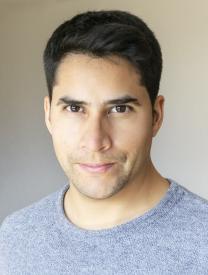
Hugo N. Ulloa is an Assistant Professor in the Department of Earth & Environmental at the University of Pennsylvania School of Arts & Sciences . His research focuses on geophysical and environmental fluid dynamics, particularly transport and mixing processes in natural waters such as lakes and coastal seas. He integrates theory, numerical modeling, laboratory experiments, and field observations to develop mathematical models explaining aquatic environment dynamics. Education: Ph.D. (2015): Fluid Dynamics, Universidad de Chile Civil Engineer Diploma (2011), Universidad de Chile B.Sc. Engineering Sciences & Geophysics (2010), Universidad de Chile Research Interests: Study of mechanically and buoyancy-driven flows in rotating/stratified environments, confinement effects on fluid dynamics, suspended/dissolved tracer behavior, and thermal siphon dynamics in stratified basins. His work emphasizes practical applications to climate change impacts on waterbodies and cryospheric systems. Teaching: Hydrology (EESC 4630/5630) Environmental Fluid Dynamics (4360/6360) Independent Study: Geophysical/Environmental Fluid Dynamics Affiliations: Regular member of AGU, EGU, IAHR, and EUROMECH. Key Research Themes: Thermal convection in ice-covered lakes, buoyancy-driven flows in superconfined systems, and hydrodynamic interactions in aquatic ecosystems. His computational models address both fundamental physics and real-world environmental challenges.
Dr. Laura Minet is an Assistant Professor in the Department of Civil Engineering at the University of Victoria. She leads the Clean Air (CLAIR) lab, focusing on improving urban air quality and reducing health impacts from air pollution through advanced modeling and policy analysis. Her expertise spans air quality, transportation engineering, and population health. Education: BEng/MEng (Ecole Centrale de Nantes), MASc (McGill University), PhD (University of Toronto). Postdoctoral work at the Diamond Environmental Research Group (2020-2021). Research Interests: Urban air quality modeling, vehicle emissions, dispersion modeling, and the intersection of transportation policies with public health. The CLAIR lab develops empirical and physical models to evaluate urban planning impacts and climate-driven changes. Recent research emphasizes machine learning applications in air quality prediction, health co-benefits of zero-emission vehicles, and disparities in pollution exposure. Over 40 publications span environmental engineering, public health, and transportation systems. Recruitment: Actively seeking graduate students/postdocs in environmental engineering, atmospheric science, and related fields. Contact via email with subject 'CLAIR lab opportunities'. Labs/Teams: Director of the CLAIR lab focusing on urban air quality solutions. Engaged in interdisciplinary collaborations involving urban planning, public health, and environmental policy.
Janet V. Cross, Ph.D., is an Associate Professor in the Department of Pathology at the University of Virginia Health System (UVA Health). Her research focuses on the molecular mechanisms of cancer chemoprevention and the anti-inflammatory benefits of dietary nutrient compounds, particularly isothiocyanates found in cruciferous vegetables like broccoli. Her work investigates how bioactive nutrients interact with cellular proteins to prevent tumor development and modulate inflammatory diseases such as rheumatoid arthritis and asthma. Using proteomics and in vitro models, she explores the role of isothiocyanates in signal transduction, apoptosis, and inflammation, linking these processes to cancer risk and therapeutic targets. Publications highlight her contributions to understanding how dietary compounds affect pathogenesis, including studies on Helicobacter pylori-related gastritis, air pollution's impact on brain immunity, and the role of macrophage migration inhibitory factor (MIF) in tumor progression. Her research bridges nutritional biochemistry and pathology, emphasizing the intersection of inflammation and cancer chemoprevention.
Chris Malley is a Senior Research Fellow at the Stockholm Environment Institute (SEI) at the University of York, affiliated with the Environment and Geography department. His work bridges atmospheric science, public health, and climate policy with a focus on real-world implementation in developing economies. His research centers on air pollution-climate interactions, specializing in short-lived climate pollutants (SLCPs) like black carbon and methane. He develops integrated assessment tools (notably LEAP-IBC) to quantify health and climate co-benefits of mitigation policies across Southeast Asia, Africa, and Latin America. Key areas include household energy transitions, agricultural emissions, urban air quality planning, and national policy development for countries including Thailand, Nigeria, Colombia, and Mongolia. His approach combines high-resolution emissions modeling, health impact assessment, and policy feasibility analysis to support evidence-based decision-making. Recent publications reveal a methodological trend toward integrated air pollution-climate modeling with increasing emphasis on subnational implementation barriers, demographic factors in health burden projections, and economic feasibility of clean energy transitions. His work consistently targets policy-relevant outputs for national governments and international bodies. Malley actively contributes to major research initiatives including ‘Supporting action and planning to reduce short-lived climate pollutants in Bogotá’ and the EU-funded ‘FOCI: non-CO₂ climate pollutants’ project. His grant portfolio demonstrates strong partnerships with international organizations like the European Commission and UN agencies, focusing on translating scientific analysis into actionable national planning documents. As a core member of SEI York, he collaborates within an interdisciplinary team specializing in energy systems analysis, atmospheric chemistry, and sustainable development policy. The institute provides the methodological framework for his integrated assessment work while connecting scientific outputs to global policy processes like the Climate and Clean Air Coalition.
Dr. Dietmar Schlosser is a Group Leader in Environmental Mycology at the Department of Applied Microbial Ecology within the Helmholtz Center for Environmental Research - UFZ since 2005. His research program focuses on fungal biodegradation of environmental pollutants, particularly synthetic polymers, micro-pollutants, and recalcitrant organic compounds. Education : Diploma in Biology (1990), Friedrich Schiller University Jena PhD in Technical Microbiology (1993), Friedrich Schiller University Jena His research integrates ecological principles with applied biotechnology , emphasizing fungal biochemistry, physiology, and enzymology. Key projects include: TapNature (2021-2027): Exploiting natural fungal systems for bioeconomy FINEST Microplastics (2022-2027): Sustainable materials management PUreValue (2024-2027): Polyurethane biodegradation for upcycling CLEANER (2023-2026): Water cycle resilience in cities Article trends reveal expertise in mycoremediation , lignocellulose valorization , and fungal attack on synthetic polymers , with recent work spanning environmental engineering, microbiology, and biochemical monitoring techniques. He maintains active collaborations with institutions across Europe and contributes to sustainable technology development through his leadership in Environmental Mycology .
Karen Shen is an Assistant Professor in the Department of Health Policy and Management at the Johns Hopkins Bloomberg School of Public Health. She is affiliated with the Roger and Flo Lipitz Center to Advance Policy in Aging and Disability, the Hopkins Economics of Alzheimer’s Disease & Services Center, and the Hopkins Business of Health Initiative. Her research focuses on healthcare labor markets and financing policies affecting aging populations and individuals with mental health and substance use disorders. PhD in Economics, Harvard University, 2021 MS in Statistics, Stanford University, 2013 BS in Mathematical and Computational Sciences, Stanford University, 2013 Dr. Shen's research lies at the intersection of health economics and public policy. Her work investigates how labor market dynamics, staffing policies, and public financing mechanisms impact care delivery and outcomes, particularly in long-term care and mental health settings. She employs rigorous econometric methods to analyze large-scale datasets and inform evidence-based policy. Her recent publications span topics such as healthcare worker shortages, Medicaid financing of home care, nursing home staffing and quality, opioid use disorder treatment access, and the impact of the pandemic on healthcare employment. The articles reflect a strong trend toward policy-relevant empirical research using quasi-experimental designs and administrative data to evaluate real-world interventions. Alleviating Worker Shortages Through Targeted Subsidies: Evidence from Incentive Payments in Healthcare (2024) Who benefits from public financing of home-based long term care? Evidence from Medicaid (2024) Health Care Staff Turnover and Quality of Care at Nursing Homes (2023) Do Policies to Increase Access to Treatment for Opioid Use Disorder Work? (2023) Job Flows Into and Out of Health Care Before and After the COVID-19 Pandemic (2024) Dr. Shen has not received any explicitly mentioned scientific awards in the provided texts. She advises students in health economics and policy, though specific advisees are not listed. She has been involved in research grants related to aging, Alzheimer’s disease, and healthcare policy through her center affiliations. Her work has been widely disseminated, with publications in top journals and attention from news outlets and social media. She is part of collaborative research networks focusing on aging, mental health, and healthcare systems.
Eric B Schneider is an Associate Professor of Surgery at Yale School of Medicine and holds a secondary appointment in the Department of Chronic Disease Epidemiology at Yale School of Public Health . His research spans health services, surgical outcomes, and data science , with a focus on bariatric surgery, trauma care, and health equity . PhD in Public Health from Johns Hopkins University (2009) BS in Biomedical Engineering from Johns Hopkins University (2003) Dr. Schneider's research integrates machine learning, clinical outcomes analysis, and global health initiatives . Recent publications highlight applications of AI in surgical decision-making , disparities in pediatric trauma fatalities , and metabolic surgery outcomes . His work addresses health equity in underserved populations and cost-effectiveness in surgical care. Key trends in his 2024–2025 articles include AI-driven clinical tools , health disparities in post-mastectomy reconstruction , and cost analysis in complex surgeries . Collaborative efforts involve institutions like Johns Hopkins , Karolinska Institutet , and Uniformed Services University . Dr. Schneider has mentored over 40 postdoctoral fellows and serves as Principal Investigator for Department of Defense-funded studies . He co-leads the Surgery Center for Health Services and Outcomes Research , which provides biostatistical support , database infrastructure , and machine learning expertise for surgical research.
Dr Choo yoon Yi is an AXA Postdoctoral Fellow at the School of Architecture and Landscape, University of Sheffield, specializing in Building Physics and Liveability research. Her work focuses on sustainable 'Healthy Ageing' resilient to climate change, with particular emphasis on optimizing indoor environments for older people in care homes while transitioning to net zero energy systems. She collaborates with Professor Darren Robinson and Dr Chengzhi Peng on innovative modeling approaches to balance heat stress mitigation with carbon reduction goals. Dr Yi earned her PhD at Sheffield School of Architecture in 2019, preceded by an MSc in Sustainable Architectural Studies at the same institution and a B.Sc. in Architectural Engineering from Hanyang University in South Korea. Her educational background bridges engineering fundamentals with sustainable architectural applications. Her research program addresses critical challenges in climate change adaptation for vulnerable populations through housing stock energy modeling, computational urban microenvironment analysis, and bioclimatic design frameworks. Current projects focus on developing reliable modeling tools to identify effective space cooling measures that mitigate indoor heat stress risk in care homes while meeting net zero CO 2 emission targets by 2050. Analysis of Dr Yi's publication record reveals a clear progression toward increasingly applied research with direct policy implications. Starting with fundamental building physics and urban microclimate modeling, her work has evolved to address specific challenges for elderly populations in care settings, demonstrating strong interdisciplinary integration between architectural science, public health, and climate policy. Dr Yi has secured substantial research funding including: AXA Fellowships (2023-2025) for 'Renovating care homes fit for the future: balancing indoor heat stress risk mitigation with net zero ready by 2050' Higher Education Innovative Fund (2021-2022) for 'Co-producing an environmental performance guidelines framework for care homes fit for the future' ESRC Postdoctoral Fellowships (2020-2021) for 'Thermal stress vulnerability and resilience: Housing stock transformation fit for an ageing society in future climate' She is an active member of the Architectural and Urban Science research group at Sheffield.