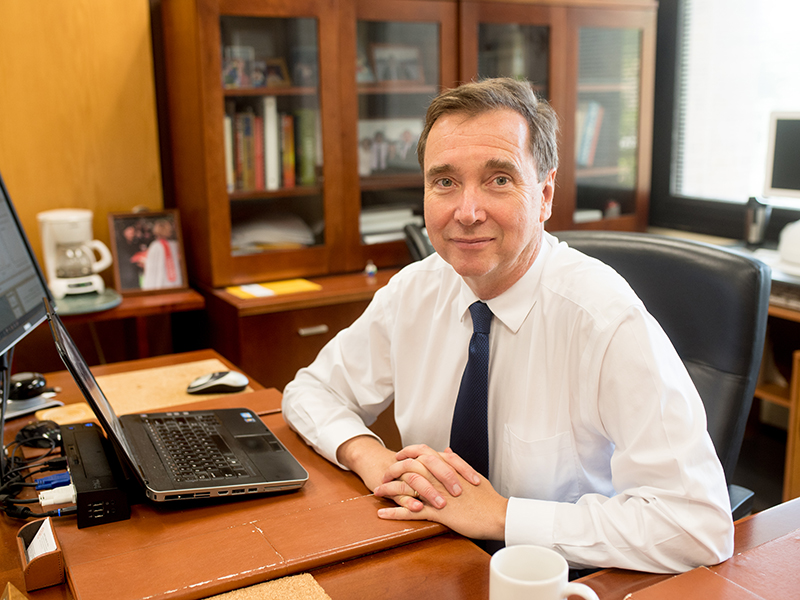
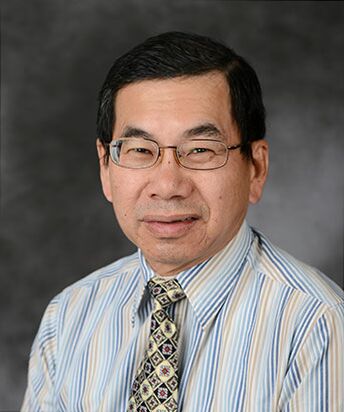
Dr. David Allen is a Professor and Interim Department Chair in the Department of Chemical Engineering at The University of Texas at Austin's College of Engineering. He holds the Norbert Dittrich-Welch Chair in Chemical Engineering and directs the Air Quality Research Program for the State of Texas. Ph.D. in Chemical Engineering, California Institute of Technology (1983) M.S. in Chemical Engineering, California Institute of Technology (1981) B.S. in Chemical Engineering, Cornell University (1979) Dr. Allen's research focuses on urban air quality, sustainable systems engineering, and environmental education. His work spans shale gas development impacts, methane emissions analysis, and development of educational materials for K-16 and core curricula. Recent publications examine methane emissions from oil/gas infrastructure, water consumption from shale development, and sustainable chemical manufacturing. His research informs energy policy and climate mitigation strategies. Scientific Awards & Honors President's Research Impact Award, 2025 ENI Energy Transition Award, 2020 National Academy of Engineering, 2017 American Chemical Society Fellow, 2013 Warren K. Lewis Award for Chemical Engineering Education, 2011 Dr. Allen leads the Air Quality Research Program for the State of Texas and co-founded the Energy Emissions Modeling and Data Lab (EEMDL). He serves as founding Editor-in-Chief of ACS Sustainable Chemistry & Engineering, and developed the national high school curriculum 'Engineer Your World'.
Roel Loonen is an Associate Professor at the Unit Building Physics and Services within Eindhoven University of Technology's Department of the Built Environment. Since October 2024, he has joined the EIRES Management Team, leading the Energy Transition in the Built Environment focus area alongside Lenneke Kuijer. His work emphasizes integrating energy efficiency with occupant comfort through advanced building simulation techniques. Academic Affiliation: Eindhoven University of Technology Management Role: EIRES Management Team Research Focus: Adaptive facades, building-integrated renewable energy, and occupant behavior modeling Loonen’s research explores modeling and simulation strategies for buildings that reconcile high indoor quality with minimal environmental impact. Key projects include collaborations with eyrise on solar shading glass and TNO on the ZIEZO project, which experiments with insulated glazing units that combine solar shading with bifacial photovoltaics at the SolarBEAT facility. His work spans computational methods for urban irradiation, occupant-facade interaction frameworks, and multi-domain thermal comfort modeling. The ZIEZO project exemplifies his approach to energy-efficient design by redirecting reflected light to enhance photovoltaic output while maintaining daylight comfort. His publications address challenges in adaptive façade systems, PV integration, and sensitivity analysis for heating demand. Loonen advocates for interdisciplinary collaboration to bridge technical innovation with societal implementation needs. Loonen’s educational contributions include co-teaching the interdepartmental master course Sustainable Energy Technology and developing interactive simulation-based teaching tools. He emphasizes connecting energy-related research to practical implementation through stakeholder engagement with municipalities, building companies, and grid operators. Key facilities involved in his research include SolarBEAT (for testing solar technologies) and TU/e’s simulation laboratories. His work addresses urban energy transitions by combining building physics with grid interactions, occupant behavior, and scalable PV system optimization.
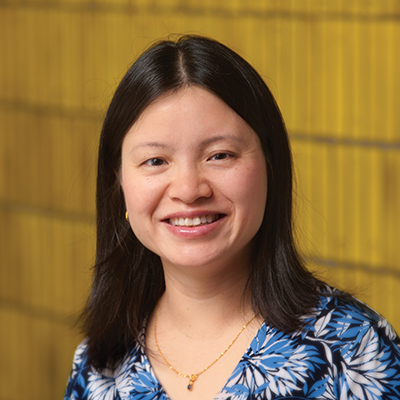
Shu Yang is the Joseph Bordogna Professor and Department Chair of Materials Science and Engineering at the University of Pennsylvania's School of Engineering and Applied Science. Her research spans multiple departments, with primary appointments in both Materials Science and Engineering and Chemical and Biomolecular Engineering. She directs the Yang Lab, which operates at the intersection of multi-materials synthesis, nano-/microfabrication, and device processing, backed by deep understanding of physical, mechanical and biological principles. Director, Center for Analyzing Evolved Structures as Optimized Products (AESOP) Principal Investigator, NSF NRT: Climate Action and Resilience for Extreme Urban Heat (CLIMATE-CARE) Member of the Engineering Research Visioning Alliance (ERVA) Professor Yang's research focuses on developing novel materials synthesis, assembly and eco-manufacturing of complex, multi-functional, nano- to macrostructured soft, sustainable materials and composites. Her lab addresses fundamental questions centered around surface/interface, actuation mechanisms, and structure-property relationships. Through directed assembly of oligomers, polymers, gels, colloids, liquid crystals, amphiphiles, and their composites with inorganic materials and biomolecules across nano- to macroscales, her team creates complex, multi-functional nano- and microstructures with unique surface, optical, and mechanical properties. Analysis of Professor Yang's recent publications reveals a strong trend toward environmentally responsive materials with applications in sustainability, water harvesting, carbon capture, and climate resilience. Her work increasingly integrates kirigami engineering principles with liquid crystal elastomers to create programmable, shape-morphing materials. The research shows a clear trajectory from fundamental materials science toward real-world applications addressing global challenges, particularly in climate action and sustainable infrastructure. Inaugural Nat Geo 33 Extraordinary Changemaker List 2022 Cozzarelli Prize from PNAS for Class III: Engineering and Applied Sciences Advanced Materials Hall of Fame collection recognition Multiple highly cited papers according to Web of Science Professor Yang's research group has secured significant funding for projects addressing climate change, sustainable materials, and advanced manufacturing. Her lab has developed numerous technologies with potential applications in coatings, adhesives, smart windows, displays, sensors, soft robotics, biomedical devices, dehumidifiers, and carbon-absorbing concrete. The Yang Lab maintains a strong mentoring record with numerous students and postdocs who have gone on to successful careers in academia and industry. Her group actively collaborates across disciplines, working with biologists, physicists, environmental scientists, and engineers to tackle complex challenges. The Yang Lab operates state-of-the-art facilities for materials synthesis, characterization, and fabrication. The lab is particularly known for its expertise in liquid crystal elastomers, kirigami engineering, and biomimetic materials. The group maintains strong industry partnerships and has filed multiple patents based on their research. Their facilities enable everything from molecular-scale synthesis to macro-scale manufacturing of functional materials, with particular strength in bridging these scales through innovative design principles.
Rui Vinhas da Silva is a Full Professor at ISCTE-IUL and an Associate Professor at the University of Manchester Business School. With a career spanning over two decades, he has contributed extensively to research in national competitiveness, corporate reputation, and sustainable business practices through publications, books, and executive training programs. Education: PhD and Postdoctoral Fellow at the University of Manchester; MBA and Master of Economics from UK and Canada Research Focus: National competitiveness, sustainability in business, marketing strategy, and organizational behavior His recent articles explore topics like AI's role in society, caravan tourism regeneration, and sustainable business models. He has received teaching accolades at ISCTE and leads research initiatives in European networks like COST-CHERN. Silva's work bridges academic rigor with practical applications in consulting and executive education.
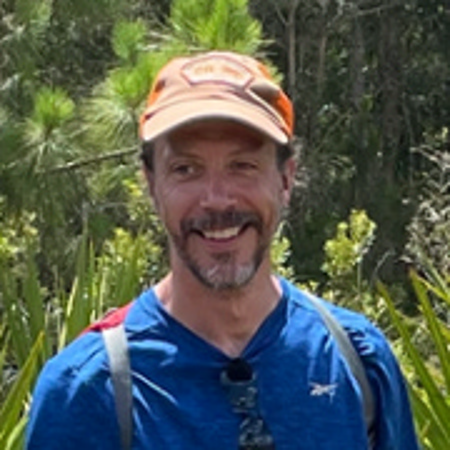
Christopher Blackwood is a Professor in the Department of Plant Biology at Michigan State University, with additional appointments in Plant Soil and Microbial Sciences and the Ecology, Evolution & Behavior Program. Based in the Plant Biology Lab (S124), his research examines soil-plant-microbe interactions and their critical roles in ecosystem processes and soil carbon dynamics. Education: Ph.D. from Michigan State University His research spans community ecology of plants and microorganisms, plant-fungal interactions, root traits, and soil biogeochemistry. Current projects investigate coexistence mechanisms of closely related plant species, cascading effects of tree root traits on pathogens and soil carbon, forest restoration dynamics, and urban green roof performance. His work integrates field studies with molecular approaches to understand belowground ecological processes. Analysis of recent publications (2021-2025) reveals consistent focus on plant-soil feedbacks, fungal community ecology, and soil carbon dynamics. Key themes include mycorrhizal influences on plant-fungal coevolution, root trait evolution across plant lineages, and applications to sustainable land management. His work bridges fundamental ecological theory with practical restoration ecology. Dr. Blackwood leads an active research laboratory funded by competitive grants, mentoring graduate students in plant and soil ecology. His team investigates soil biota across diverse ecosystems including temperate forests, agricultural landscapes, and urban green infrastructure. His laboratory conducts research on soil organism ecology, plant-microbe interactions, and ecosystem functioning, with ongoing projects in forest restoration, green roof optimization, and soil carbon dynamics across multiple spatial scales.
Dr. Yeo Howe Lim is a Professor and Department Chair of Civil Engineering at the University of North Dakota, with a focus on water resources engineering. He serves as Graduate Program Director for Civil and Environmental Engineering, teaching courses in fluid mechanics, hydrology, and applied hydraulics. Education: BEng & MEng from University of Canterbury, PhD from Memorial University of Newfoundland Research Areas: Open channel hydraulics, flood frequency analysis, streambank stabilization, urban stream revitalization, cold region hydrodynamics His research explores climate change impacts on flood patterns, hydrodynamic modeling of wetlands, and innovative use of Unmanned Surface Vehicles for aquatic studies. Recent publications emphasize lithium extraction technologies in oilfields, distributed Muskingum flood routing models, and optimization algorithms for cold climate water systems. Scientific awards include the Dean’s Outstanding Faculty Award (2013), ASCE Outstanding Reviewer recognition (2009), and the Institution of Civil Engineers (UK) Overseas Prize (2001). He has supervised numerous graduate students in hydrological modeling, including Mohammed Almousa and Vahid Atashi. Current projects involve HYCAT technology for bridge scour assessment, LiDAR bathymetry modeling, and climate change adaptation tools for cold region water management. His work bridges computational hydrology, hydraulic structure design, and sustainable water resource solutions.
Sergio Alejandro Useche Hernandez is an active Assistant Professor specializing in transportation safety and traffic psychology, with 134 publications reflecting deep expertise in human behavioral factors within mobility systems. His research spans road safety compliance, sustainable transport adoption, and mental health impacts across diverse populations including cyclists, delivery workers, and public transport users. His primary research interests focus on the intersection of psychology and transportation engineering, particularly sensation seeking in vulnerable road users, gender disparities in mobility choices, and technology-induced distractions. He employs advanced methodologies including Structural Equation Modeling (SEM), cross-cultural surveys, and systematic literature reviews to investigate phenomena like e-scooter adoption barriers in developing countries and mental health outcomes among transport workers. Key contributions include the validated SSC scale for cyclist risk assessment and frameworks for evaluating sustainable mobility policies through interdisciplinary lenses. Analysis of his 15 most recent publications (2024-2026) reveals three dominant trends: (1) growing emphasis on digital distractions across transport modes (cycling, motorcycling, driving), (2) sophisticated gender-based analyses of mobility barriers and safety outcomes, and (3) methodological innovation through integrated theoretical frameworks like TPB-UTAUT. His work consistently bridges academic rigor with policy relevance, particularly regarding last-mile delivery risks and post-crash psychological recovery. While no specific scientific awards are documented in the source material, his extensive publication record in high-impact journals (e.g., Accident Analysis and Prevention , Transportation Research Part F ) demonstrates significant scholarly recognition. The absence of listed advisees suggests primary focus on independent or collaborative research rather than graduate supervision, though his faculty position implies potential mentoring activities. His work shows strong alignment with European mobility policy initiatives and cross-national studies spanning Spain, Australia, Latvia, and the Dominican Republic, indicating robust international collaboration networks.
Prathap Ramamurthy is an Associate Professor in the Department of Mechanical Engineering at City College of New York (CCNY) . He holds affiliations with the CUNY-CREST Institute, Earth System Science and Environmental Engineering, and NOAA-CESSRST. His research focuses on urban climate dynamics, environmental fluid dynamics, and climate sustainability. Key research areas include: Urban boundary layer dynamics and heat mitigation strategies Coastal urban meteorology and convective precipitation Air quality modeling and remote sensing applications Climate change impacts on urban environments His work combines field campaigns (e.g., CoURAGE experiment), numerical modeling, and AI-driven approaches to address challenges in urban resilience and energy systems. Major projects include studies on misting infrastructure, heat pumps in winter climates, and hurricane impacts on Puerto Rico's climate. Recent articles emphasize data-driven solutions for extreme weather adaptation and urban-rural atmospheric interactions. He collaborates with interdisciplinary teams to advance climate science and community-focused environmental monitoring initiatives.
Zachary Doerzaph is an Associate Professor in Virginia Tech’s Department of Biomedical Engineering and Mechanics, and serves as Executive Director of the Virginia Tech Transportation Institute (VTTI) and President of the Global Center for Automotive Performance and Simulation (GCAPS). His research focuses on automotive safety, connected/automated vehicles, driver behavior, and infrastructure design. He leads a multidisciplinary team addressing next-gen transportation challenges through advanced technologies like big data analytics and AI. Education : Ph.D. Industrial and Systems Engineering (2007), Virginia Tech M.S. Industrial and Systems Engineering (2004), Virginia Tech B.S. Mechanical Engineering (2001), University of Idaho Research Interests : Connected/automated vehicle systems Driver-vehicle interaction Risk prediction and mitigation Infrastructure safety design Human factors in transportation Key Contributions : Developed PREPARES rear-end collision mitigation system Advanced LiDAR/radar fusion for vehicle sensing Guided automated vehicle handover studies Testified on autonomous tech impacts to U.S. Senate (2018) Awards : Virginia Business 100 (2022) Virginia Tech Distinguished Leader in Research (2021, 2023) Labs/Initiatives : Virginia Tech Transportation Institute Global Center for Automotive Performance and Simulation
Cortney Hughes Rinker is a Professor of Global Affairs and Director of the program at George Mason University. She earned her Ph.D. in Anthropology from the University of California, Irvine, with emphases in Feminist Studies and Medicine, Science, and Technology Studies. Current Research: Palliative Care & Pain Management in Morocco Former Postdoctoral Fellow: Arlington Innovation Center for Health Research, Virginia Tech Editorial Role: Former Editor-in-Chief of Anthropology & Aging Research Interests : Her work bridges medical anthropology, Islamic studies, and policy analysis. Key areas include: Aging and End-of-Life Care Reproductive Health in Morocco Neoliberalism and Development Policy Technology's Role in Religion and Healthcare Gender and Middle East/North Africa Studies Publications & Recognition : Author of two monographs— Islam, Development, and Urban Women’s Reproductive Practices (Routledge, 2013) and Actively Dying (Routledge, 2021). Her dissertation was recognized as a Top 40 North American Dissertation in Cultural Anthropology by AnthroWorks (2010). Teaching & Institutional Leadership : Developed open-access Cultural Anthropology textbook (Virtual Library of Virginia grant) Faculty leader of the Diplomacy Lab partnership with the U.S. Department of State Regularly teaches GLOA 101: Introduction to Global Affairs Designed courses on Ethnographic Methods, Globalization, and Middle East Studies
Heiko Gewald is a Professor in the Department of Information Systems at Technical University of Munich's School of Management, with a distinguished research career spanning over two decades. His scholarly work demonstrates deep expertise in information systems, particularly focusing on technology adoption by aging populations, healthcare information systems, and smart mobility services. Dr. Gewald's research interests center on the intersection of technology and human behavior, with special emphasis on older adults' adoption of digital health applications , smart mobility ecosystems , and DevOps implementation . His work consistently addresses the challenges of designing technology that accommodates diverse user needs, particularly for vulnerable populations. Through extensive field research, he has developed frameworks for understanding technology acceptance barriers among seniors and created interventions to improve digital inclusion. Analysis of his recent publications reveals a clear trajectory toward increasingly specialized work in aging technology, with approximately 60% of his 2020-2025 publications focusing on older adult technology adoption. His research employs diverse methodologies including qualitative case studies, cross-cultural surveys, and experimental designs, often with international collaborations spanning Germany, Australia, and Thailand. Principal investigator for multiple German research projects on digital health for elderly populations Co-organizer of the annual HICSS minitrack on 'Seniors' Use of Digital Resources' since 2018 Active contributor to the Association for Information Systems (AIS) special interest groups Dr. Gewald has mentored numerous doctoral students who have become active researchers in information systems, with several now holding faculty positions. His research has been supported by German research funding agencies and industry partnerships with healthcare technology companies. He maintains strong collaborative relationships with researchers across Europe and Australia, particularly in the healthcare IT domain.
Professor Daniel Cha holds a faculty position in the Department of Civil and Environmental Engineering at the University of Delaware. He earned his Ph.D. from the University of California, Berkeley, followed by a Master's from the University of British Columbia and a Bachelor's from McGill University. His academic and industrial career spans over three decades with expertise in environmental biological processes, microbial community dynamics, and sustainable waste management solutions. Dr. Cha has worked as a consulting engineer and held roles at the Sacramento Regional Wastewater Treatment Plant. His research focuses on microbial-driven systems, including energy/fertilizer recovery from food waste, biocomposite material synthesis from wastewater microorganisms, and genomic analysis of mixed culture microbial communities. Key areas also include zerovalent iron-based water treatment technologies, sulfate reduction for acid mine drainage mitigation, and innovative fecal sludge management systems in urban contexts. Notable projects include field demonstrations of breathable membrane toilets in India and pilot-scale bioretention systems integrating biochar. His work bridges environmental chemistry with engineering solutions, addressing contaminants like perchlorate, energetic compounds, and heavy metals in industrial wastewater. Publications span advanced oxidation processes, microbial ecology, and novel membrane technologies. While no formal awards are listed, his extensive patent portfolio includes systems for treating energetic compound wastewaters and biodegradation enhancement methods. His lab collaborates on projects involving both academic and industrial partners, emphasizing scalable environmental engineering solutions.
Dag Ingvar Jacobsen is a Professor at the Department of Political Science and Management , University of Agder. He is affiliated with the CeDiT: Centre for digital transformation and Governance and leadership in the public sector research groups. His work focuses on organizational behavior, public administration, and local governance dynamics. Research Interests: Jacobsen’s research explores inter-municipal cooperation, political-administrative relations, leadership in public vs private sectors, organizational structure and strategy alignment, and the impact of work arrangements (e.g., part-time roles, shift work) on employee well-being. He also examines the effects of political fragmentation on governance, institutional geography, and innovation pathways in public organizations. His studies often emphasize Norway’s unique local government context and policy implementation challenges. Publications Trends: Recent articles highlight cost-efficiency in collaborative public services, managerial autonomy across organizational types, and the balance between professional autonomy and political loyalty in municipal leadership. His work bridges theoretical frameworks with empirical analysis of Norwegian and Northern European governance systems. Labs/Teams: Active in the CeDiT research group studying digital transformation and the Governance and leadership in the public sector group analyzing municipal dynamics.
Marco Nie is a Professor and Chair of the Department of Civil and Environmental Engineering at Northwestern University, where he has been a faculty member since 2006. His research focuses on Transportation Systems Analysis, emphasizing interdisciplinary approaches that integrate optimization, network science, traffic flow theory, economics, and statistics to address complex interactions between human activities, infrastructure, and urban networks. He teaches three courses: an undergraduate/graduate introduction to transportation engineering, and two graduate courses on analytical and computational tools for surface transportation systems design. Education: Marco Nie earned a BS in Structural Engineering from Tsinghua University (Beijing), followed by graduate studies in Transportation at the National University of Singapore (NUS), and a PhD in Transportation from the University of California, Davis. Research interests include improving transportation efficiency, sustainability, and equity through policy and technology. Recent work explores autonomous vehicles, modular transit systems, congestion pricing, and data-driven solutions for EV charging and ride-hail platforms. He has expressed challenges in securing research funding, noting its critical role despite inherent flaws in evaluating research impact through monetary metrics. Scientific Awards: He received the 2021 Transportation Science Meritorious Service Awards . Marco also serves on editorial boards, including Service Science (2023), and actively publishes on topics like urban mobility, freight logistics, and policy analysis. Advising & Grants: While no specific students or grants are listed, he highlights the importance of funding mechanisms for research. His work often involves collaborations with sponsors and stakeholders to address real-world transportation challenges. Labs/Teams: Affiliated with the Center for Science and Protection of Engineered Environments and engages in interdisciplinary research groups focusing on sustainable and equitable urban systems.
Lewis J. Lehe is an Assistant Professor in the Department of Civil and Environmental Engineering at the University of Illinois at Urbana-Champaign (UIUC), specializing in Transportation Systems. He holds a Ph.D. from UC Berkeley (2016) and prior degrees from UC Berkeley, University of Leeds, and University of Pittsburgh. His research focuses on transportation pricing, urban traffic dynamics, and the economic implications of transportation policies. Lehe's work includes groundbreaking studies on congestion pricing, parking policy impacts, and the integration of AI tools (e.g., GTFS Segments, TransitGPT) for transportation data analysis. He has been recognized with the Gordon F. Newell Award (2016) and Ove Arup Transport Prize (2012), and leads the Urban Traffic & Economics Lab (UTEL) at UIUC. Notable research contributions include modeling hyperdemand in traffic systems, analyzing bus stop spacing, and evaluating taxation strategies for ride-hailing services. His recent articles explore transit pricing determinants, parking lot segmentation via NIR datasets, and equilibrium tolling paradoxes. Lehe advises graduate students like Ayush Pandey and Shirin Qiam, advancing topics such as bus route optimization and GTFS data benchmarking.