

Oswald J. Schmitz is the Oastler Professor of Population and Community Ecology at the Yale University School of the Environment. His research bridges biodiversity and ecosystem services, focusing on species interactions, climate change impacts, and conservation strategies. He employs field experiments and mathematical models to study predator-herbivore-plant dynamics, nutrient cycling, and carbon sequestration. Education: B.Sc., M.Sc., University of Guelph Ph.D., University of Michigan Research areas include: Trophic rewilding for climate solutions Human-wildlife conflict dynamics Meta-ecosystem nutrient flows Animal-driven carbon cycle modifications Context-dependent conservation strategies His 2024 Bormann Prize-winning work on calving impacts in nutrient cycles and other recent publications highlight innovative ecosystem science. Schmitz mentors students like Kristy Ferraro and collaborates with alumni such as Rob Buchkowski and Julia Monk. He teaches three conservation-focused courses with an emphasis on quantitative skills and real-world applications.
جستجوی استاد راهنمای دانشگاهی
برای مسیر پژوهشیتان، استاد راهنما، استاد دانشگاه و پژوهشگر مناسب را پیدا کنید و با آنها ارتباط بگیرید.
نمایش ۱-۱۵ از ۱۳۱ استاد راهنما
اطلاعات پروفایلها از صفحات عمومی دانشگاهها گرفته شده و ممکن است بهروز نباشد.

Andrew Gersick is a Lecturer in the Department of Ecology and Evolutionary Biology at Princeton University. His research focuses on animal behavior, particularly in large social species such as spotted hyenas, zebras, and cowbirds. He explores topics including collective behavior, social dynamics, communication systems, and ecological adaptations. His work integrates field studies with technological tools like accelerometers to analyze activity patterns and signaling mechanisms. Notably, he investigates how zebra stripes repel biting flies and how hyenas use vocalizations for individual recognition. Gersick also contributes to conservation efforts, such as the Great Grevy’s Rally in Kenya, and studies social learning in avian species like cowbirds. His recent articles highlight interdisciplinary approaches, combining ecology, physiology, and technology to understand animal behavior in natural and social contexts. While no awards are explicitly listed, his contributions to understanding collective behavior and conservation biology are significant. Advising and grants: No formal advisees or grant details are provided in the text. His work appears to focus on collaborative research and field-based methodologies. Labs/Teams: No specific laboratory or team affiliations are mentioned beyond his departmental role at Princeton.

Jayne Ellisمشاهده پروفایل
استاد مدعو
Dr. Jayne Ellis, DVM, serves as Adjunct Faculty in the College of Natural Science and Mathematics at the University of Alaska Fairbanks (UAF). She concurrently works as an On-Call Wildlife Veterinarian for the Alaska Department of Fish and Game and teaches the necropsy laboratory for second-year veterinary students at UAF. Education Bachelor of Science in Wildlife Conservation Biology, Colorado State University Doctor of Veterinary Medicine (DVM), UAF-CSU Joint Program Dual residency training in Anatomic Pathology and Toxicology, Michigan State University (2 years) Fellowship year in Wildlife Pathology, University of California, Davis Research Interests Dr. Ellis’s investigative work centers on wildlife disease ecology and pathogenesis, with particular emphasis on viral infections affecting avian and mammalian species. Her recent projects investigate the spillover of highly pathogenic avian influenza A(H5N1) from birds into wild terrestrial mammals, as well as emerging respiratory viruses in Alaskan moose populations. Additional interests span toxicologic pathology, infectious disease surveillance in raptor populations, and comparative anesthesia protocols for endangered equids. Publications & Scientific Contributions Across 15 peer-reviewed articles and conference presentations from 2018-2023, Ellis has advanced understanding of viral transmission at the wildlife–domestic animal interface, described novel bacterial pathogens in wild birds, and refined anesthetic techniques for exotic ungulates. Her work integrates field surveillance, molecular diagnostics, and classic pathology to inform conservation and public health policy. Professional Licenses & Qualifications State of Alaska Veterinary License (active) Residency-trained and board-eligible in Anatomic Pathology Teaching & Outreach At UAF, Dr. Ellis leads hands-on necropsy laboratories that train future veterinarians in systematic post-mortem examination techniques essential to wildlife disease investigation. She also provides diagnostic pathology support to state wildlife agencies and collaborates with multi-institutional teams to monitor emerging zoonoses.

Castilleja Olmstedمشاهده پروفایل
دانشگاهی
Castilleja Olmsted serves as a Teaching Assistant Professor at the University of Pittsburgh, with office location in A259 Langley Hall (5th & Ruskin Ave., Pittsburgh, PA 15260). Her research focuses on ecological dynamics in forest ecosystems, particularly examining interactions between disturbances, wildlife, and plant communities. Contact is facilitated through her institutional email cfo7@pitt.edu. Her primary research interests span Ecology , Evolutionary Biology , and Forest Ecology , with specialized expertise in Wildlife Management and Biodiversity Conservation . Key investigations include disturbance legacies from fire and herbivory, cryptic biodiversity reservoirs, and non-trophic ecosystem engineering by large mammals. She integrates field studies with theoretical frameworks to address conservation challenges in changing landscapes. Recent publications (2019-2025) reveal a cohesive research trajectory centered on disturbance ecology and species interactions. Her work consistently examines how multiple stressors—such as fire, canopy gaps, and ungulate herbivory—reshape forest composition and regeneration. Notable contributions include demonstrating moose's ecosystem engineering roles and nematode-mediated plant competition dynamics, while practical outputs like her graduate school guide and field safety manual highlight commitment to academic community building. Dr. Olmsted actively mentors students in ecology and evolutionary biology, evidenced by her publication advising on graduate applications. Her fieldwork-driven approach necessitates robust safety protocols reflected in her manual, though specific grant details remain undisclosed in available materials. Current research directions suggest expanding investigations into multi-disturbance legacies and cryptic biodiversity mechanisms.
- Ecology
- Evolutionary Biology
- Forest Ecology
- +۴ مورد دیگر
Mark Hebblewhite is a Professor in Ungulate Ecology at the Wildlife Biology Program, University of Montana. His research integrates ecological theory with applied wildlife management, focusing on species like elk, wolves, and grizzly bears. Institution: University of Montana Academic Rank: Professor Research Interests span: Wildlife-habitat interactions Predator-prey dynamics Conservation of endangered species Remote sensing for forest and wildlife monitoring Climate change impacts on ecosystems Recent Publications emphasize: Multi-scale movement ecology Remote sensing integration for forest inventory Anthropogenic effects on wildlife behavior Fire ecology and post-disturbance recovery LiDAR and satellite-based vegetation mapping Collaborations include researchers from the University of Alberta, University of British Columbia, Colorado State University, and the Wildlife Conservation Society.
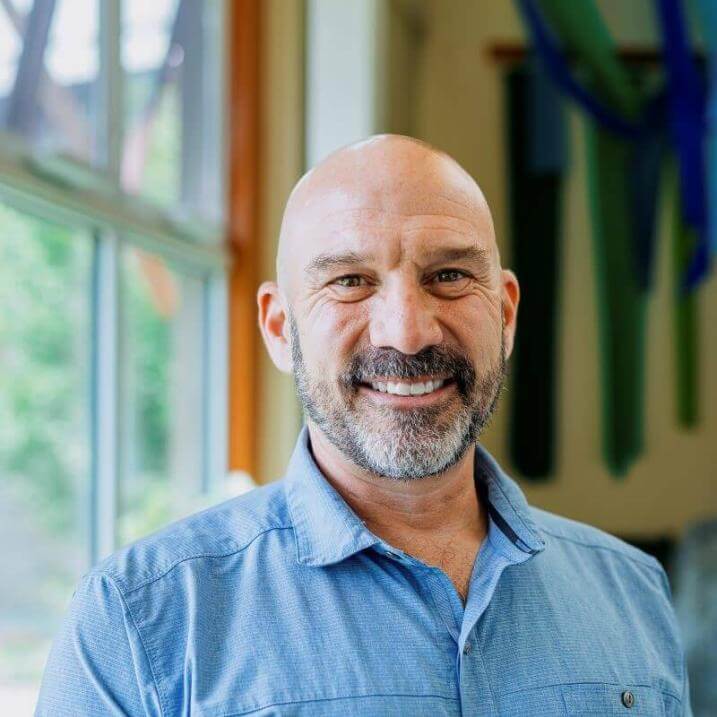
Peter Newman, Ph.D., serves as Dean of the Rubenstein School of Environment and Natural Resources at the University of Vermont since July 1, 2024, and holds the Suzie and Allen Martin Professor title. With a career spanning decades, he has conducted extensive research on visitor management in protected areas, soundscape management, and transportation planning, partnering with the National Park Service's Natural Sounds and Night Sky Division since 2012. Education Ph.D. in Natural Resources, University of Vermont M.S. in Forest Resource Management, SUNY College of Environmental Science and Forestry B.A. in Political Science, University of Rochester His research focuses on social carrying capacity decision-making in protected area management, with fieldwork across major U.S. parks including Denali, Grand Canyon, and Great Smokies. He has developed frameworks for acoustic management and Leave No Trace efficacy, contributing to sustainable outdoor recreation practices. Scientific Awards: Cooperative Ecosystem Studies Unit National Award (2012) George Wright Society National Award for Achievement in Social Sciences (2013) Throughout his career, Newman has led high-quality teaching at Penn State's Graduate Degree Program in Acoustics and mentored numerous students through research projects on wildlife approach norms, pandemic recreation shifts, and waste management strategies in national parks. He previously served as a Park Ranger in Yosemite and Backcountry Patrol member in Idaho.
David Fulton serves as a Professor and Assistant Unit Leader at the Minnesota Cooperative Fish and Wildlife Research Unit, University of Minnesota, based in Hodson Hall. His research and teaching focus on human dimensions of fish and wildlife management, with a Ph.D. from Colorado State University forming his academic foundation. His educational background includes: Ph.D. from Colorado State University Professor Fulton's research program investigates social, political, and cultural factors influencing conservation decision-making, emphasizing human values and attitudes through interdisciplinary methodologies. He integrates theories from sociology and psychology while advocating for combined qualitative and quantitative social research approaches to address complex wildlife management challenges. His work consistently bridges theoretical frameworks with practical conservation applications. Analysis of his 2020-2023 publications reveals persistent themes in trust dynamics with government agencies, landowner disease management preferences, community stewardship identity, and socioecological conflict resolution. His scholarship frequently applies social identity theory and self-determination theory to examine human behavior in natural resource contexts, demonstrating strong alignment with evolving sociocultural conservation paradigms. David Fulton operates within the Minnesota Cooperative Fish and Wildlife Research Unit, a collaborative entity involving the University of Minnesota, U.S. Geological Survey, and state/federal natural resource agencies. This unit specializes in generating actionable research that integrates social science with ecological data to directly inform fish and wildlife management policies and practices.

Julie K. Youngمشاهده پروفایل
دانشیار
Julie K. Young serves as Associate Professor in the Department of Wildland Resources at Utah State University and Director of the Berryman Institute, focusing on reducing human-wildlife conflicts through ecological research and management solutions for terrestrial mammals. Education: PhD in Wildlife Ecology, Utah State University, 2006 MS in Animal Ecology, Iowa State University, 2000 BS in Recreation, Park, and Tourism Sciences, Texas A&M University, 1996 BS in Wildlife and Fisheries Sciences, Texas A&M University, 1996 Her research spans carnivore behavior, ungulate ecology, and conflict resolution strategies across species including beavers, tortoises, and marine mammals. The Young Lab integrates field studies with human dimensions analysis to develop coexistence frameworks, emphasizing practical applications for wildlife managers and communities affected by human-wildlife interactions. Mentoring and Teaching: Dr. Young teaches Plant and Animal Population Ecology (WILD 3810) and Scientific Communication for Natural Resource Professionals (WILD 6100), mentoring eight graduate students including Lindsey Engelbert (PhD), Rae Nickerson (PhD), and April Wood (MS) through thesis research on human-wildlife conflict topics within the Wildland Resources program. Leadership: As Berryman Institute Director, she oversees initiatives advancing human dimensions research in wildlife management, connecting academic work with real-world conflict resolution practices across North America.

Julia Monkمشاهده پروفایل
استادیار
Julia Monk (she/her/ella) is an Assistant Professor of Environmental Studies at New York University (NYU), affiliated with the College of Arts & Science. Previously, she was a postdoctoral scholar at UC Berkeley's Department of Environmental Science, Policy & Management (2022-2024) and earned her PhD from Yale University (2022) and B.A. from Columbia University (2013). Her research integrates ecology, biogeochemistry, and queer science studies to explore animal roles in ecosystems under global change. Education: Ph.D. (Ecology, Evolution, & Conservation Biology), Yale University, 2022 B.A. (Environmental Biology), Columbia University, 2013 Research Focus: Julia examines predator-prey dynamics, nutrient cycling, and land-use impacts in arid and urban ecosystems. She also investigates same-sex behavior in animals through an intersectional lens, collaborating with evolutionary biologists and feminist scholars. Current projects include studying nutrient subsidies from Andean vicuñas, consequences of herbivore population collapses, and ecological effects of transitioning from wild to domestic mammals. Publications Trends: Her work spans field-based biogeochemistry studies, policy advocacy (e.g., octopus conservation), and theoretical critiques of scientific paradigms. Recent articles highlight methodological innovations for quantifying animal-mediated ecosystem processes and interdisciplinary approaches to queer ecology. Grants & Collaboration: Julia's research is funded through NYU and prior grants from UC Berkeley. She leads a multidisciplinary team exploring ecological and social dimensions of animal behavior, with opportunities for student collaboration in field and lab settings. Labs & Teams: Her lab at NYU focuses on integrating field ecology with queer science frameworks. Collaborative networks include the 500 Queer Scientists initiative and partnerships with Latin American research institutions.
Lindsay R. Mehrkam, Ph.D., BCBA-D is an Associate Professor in the Department of Psychology at Monmouth University. She directs the Human-Animal Wellness Collaboratory (HAWC) and Aquatic Animal Learning Lab, serves as Program Coordinator for the MU-Six Flags Affiliation, and holds Vice-Chair position on the Institutional Animal Care & Use Committee (IACUC). Her work bridges applied animal behavior, welfare science, and behavior analysis across diverse settings including zoos, shelters, and sanctuaries. Education: Ph.D., University of Florida M.S., University of Florida B.A., Franklin & Marshall College Research Focus: Dr. Mehrkam investigates environmental influences on play, aggression, and stereotypic behaviors in companion and exotic animals, develops evidence-based enrichment and training protocols for captive welfare, and evaluates human-animal interactions in therapeutic contexts. Her approach integrates behavior analysis with ethology to create practical solutions for animal care facilities, emphasizing measurable welfare outcomes through rigorous experimental design. Publication Trends: Analysis of her 15 most recent publications reveals consistent focus on applied behavior analysis in animal contexts (2014-2020), with 60% targeting canine behavior, 20% marine/exotic species, and 20% cross-species welfare assessment. Key methodological themes include functional analysis of problem behaviors (33% of papers), enrichment efficacy testing (27%), and preference assessment protocols (20%). Her work increasingly incorporates physiological biomarkers alongside behavioral metrics since 2017. Awards & Recognition: Creativity Grant (2020) Maddie's Fund Grant: Do Playgroups Increase Behavioral and Physiological Welfare in Shelter Dogs? (2017, $131,395 as PI) Doctoral-Level Board-Certified Behavior Analyst (BACB, Certificate #1-15-17919) Featured in Scientific American, Gizmodo, and Phys.org for feline/dolphin welfare research Professional Leadership: As Departmental Advising Coordinator, she guides students through field experiences at Six Flags and animal shelters. She serves as Vice President of ABAI's Applied Animal Behavior SIG and advisor for Big Oak Wolf Sanctuary. Her FEMA-invited webinar on Animal Emergency Preparedness demonstrates real-world impact of her research, while Swiss Veterinary Congress presentations establish international influence in clinical animal behavior. Laboratory Operations: The HAWC lab conducts collaborative research with animal shelters and sanctuaries on behavioral assessment protocols, while the Aquatic Animal Learning Lab partners with Six Flags to study marine mammal cognition. Both labs emphasize student involvement through the PY 411 Field Experience course, producing peer-reviewed publications with undergraduate co-authors and developing evidence-based welfare protocols adopted by multiple zoological institutions.
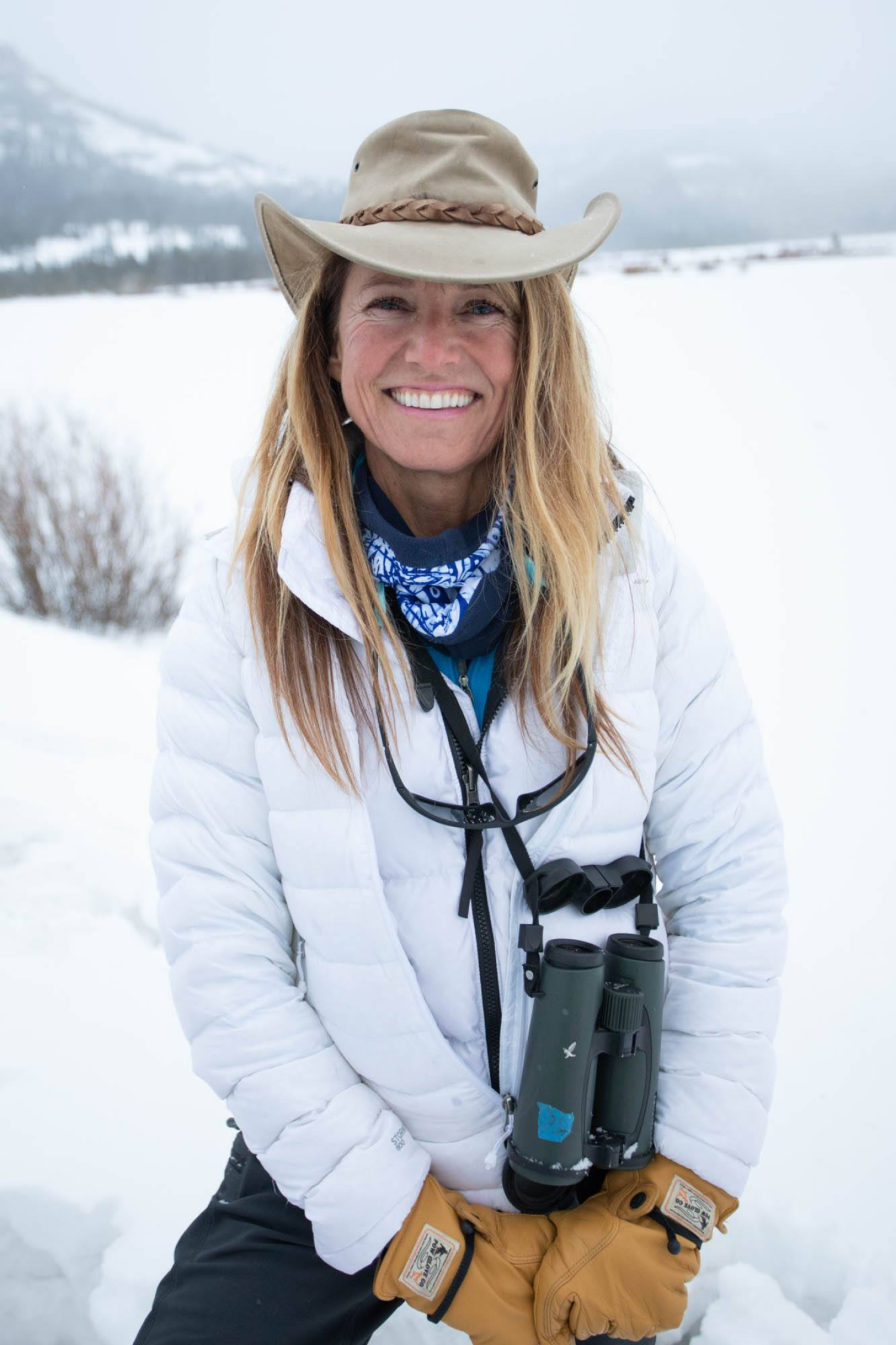
Joanna Lambert is a Professor of Environmental Studies at the University of Colorado Boulder, specializing in wildlife ecology and conservation biology. Her research focuses on species interactions, resilience in the Anthropocene, and carnivore adaptation in human-impacted landscapes. She has held academic positions at the University of Texas, University of Wisconsin-Madison, and University of Oregon. Her work integrates field and laboratory data on primates and carnivores, emphasizing nutritional ecology and conservation strategies. Education includes a PhD from the University of Illinois at Champaign-Urbana and a postdoc at the University of Florida. She serves on the IUCN Primate Specialist Group, co-founded the Northwest Primate Conservation Society, and is a Fellow of AAAS and the Linnaean Society. Her lab investigates behavioral, ecological, and physiological adaptations of wildlife, with long-term field studies in Kibale National Park, Uganda, and expanding work in the Greater Yellowstone Ecosystem. Her research trends emphasize urban wildlife adaptation, rewilding strategies, and the ecological consequences of human activity. Notable articles address seed dispersal mechanisms, predator coexistence, and the impact of anthropogenic landscapes on biodiversity. Awards include recognition for her contributions to conservation biology and ecological science. Joanna advises students on interdisciplinary approaches to conservation and has directed the NSF Biological Anthropology program. She advocates for "rewilding" initiatives and engages in public outreach through blogs and field schools. Personal interests include extreme outdoor activities and global conservation advocacy.
Jody Reimerمشاهده پروفایل
استادیار
Jody Reimer is an Assistant Professor jointly appointed in the Department of Mathematics and the School of Biological Sciences at the University of Utah. Her interdisciplinary work bridges mathematical theory with ecological applications, focusing on extreme environments including polar regions and Great Salt Lake. She maintains offices in both the Mathematics building (LCB 301) and South Biology building (227), reflecting her dual departmental affiliation and commitment to collaborative research across disciplines. Dr. Reimer's research explores the intersection of mathematics, ecology, and statistical/computational methods to connect models with data. Her work leverages advances in uncertainty quantification, optimal control theory, and data science to understand ecological phenomena. Much of her research is motivated by questions in polar marine biology and Great Salt Lake ecology, with additional collaborative projects spanning diverse biological systems. She develops mathematical approaches to study sea ice ecosystems, polar bear navigation in warming Arctic, and long transient dynamics in ecological systems. Analysis of Dr. Reimer's recent publications reveals a strong focus on mathematical approaches to pressing ecological questions. Her work spans theoretical developments in uncertainty quantification and transient dynamics, alongside applied research on polar ecosystems, wildlife management, and disease modeling. A recurring theme is the development and application of optimal control theory to ecological problems, particularly in understanding animal behavior under environmental change. Her interdisciplinary approach consistently bridges mathematical theory with empirical ecological challenges. Shortlisted for the Robert May Prize for her paper "Matrix methods for stochastic dynamic programming in ecology and evolutionary biology" Dr. Reimer actively mentors a diverse group of students across multiple disciplines, including PhD candidates in Mathematics and Biology, as well as numerous undergraduate researchers. Her lab recently received a 1U4U Seed Grant to support data collection on Great Salt Lake microbialites. She co-organizes significant research initiatives including the ICERM Workshop on Uncertainty Quantification for Mathematical Biology (May 2025) and the SLMath graduate summer school on Mathematics of Climate, Sea Ice, and Polar Ecosystems (June 2025). Current funding supports research on polar bear navigation, sea ice ecology, and Great Salt Lake microbial communities. The Reimer lab operates at the interface of mathematics and biology, with members working on diverse projects spanning polar ecology, Great Salt Lake research, and theoretical ecology. The lab maintains strong connections with field researchers in the Arctic and collaborates with biologists, statisticians, and applied mathematicians across institutions. Recent work includes the "Mathpedition" project documenting academia in the Arctic and collaborative efforts with Polar Bears International on educational initiatives.
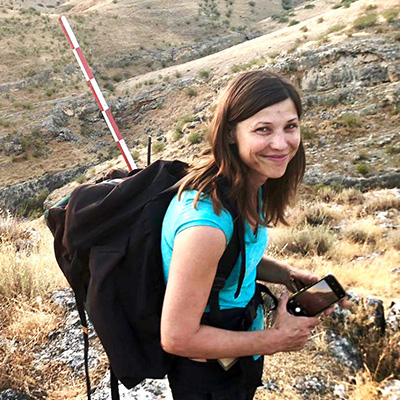
Natalie Munro is a Professor in the Department of Anthropology at the University of Connecticut, specializing in zooarchaeology and the study of human-animal interactions during the transition to agriculture. She holds a Ph.D. from the University of Arizona (2001), an M.A. from Simon Fraser University (1994), and a B.S. from Southern Methodist University (1991). She was a postdoctoral fellow at the National Museum of Natural History of the Smithsonian Institution (2001-02) and has held fellowships at the University of Connecticut's Humanities Institute (2015-2016) and the Mandel Scholion Center at Hebrew University in Jerusalem (2017-2018). Her research focuses on the emergence of agriculture, zooarchaeology and taphonomy, animal domestication, behavioral ecology, human hunting practices, and human-animal interactions during the Epipaleolithic and Neolithic periods of Southwest Asia and the Eastern Mediterranean. She employs zooarchaeological methods to investigate the transition from hunting and gathering to food production, with particular attention to gazelle and other ungulate species in the Levant. Munro's extensive publication record includes articles in top journals like Science, PNAS, Current Anthropology, and Journal of Human Evolution. Her work demonstrates a consistent focus on understanding the complex pathways to animal domestication, particularly sheep and goats in Anatolia and the Levant, as well as specialized hunting strategies and ritual animal use during the Neolithic period. Her recent research explores mountain gazelle body size variation, aquatic resource exploitation during the Natufian period, and the emergence of animal management practices. She has received research support from prestigious organizations including the National Science Foundation and the Wenner-Gren Foundation for Anthropological Research. Munro serves as an Associate Editor for the Journal of Human Evolution and is a long-term co-chair and board member of the Connecticut Museum of Natural History. She teaches courses including Old World Archaeology, Near Eastern Prehistory, Origins of Agriculture, Zooarchaeology Method and Theory, and Quantitative Zooarchaeology.
- Zooarchaeology
- Taphonomy
- Animal Domestication
- +۸ مورد دیگر
Liza Holeskiمشاهده پروفایل
دانشیار
Liza Holeski is an Associate Professor in the Department of Biological Sciences at Northern Arizona University and affiliated with the Center for Adaptable Western Landscapes . Her work focuses on plant-herbivore interactions, phytochemical defense mechanisms, and the genetic basis of ecological traits. Research Interests Plant ecology and evolutionary biology Phytochemical and genetic defense against herbivory Community genetics and foundation tree species Climate change impacts on plant adaptation Publications Her recent work (2023-2025) examines: Population genetics of endangered species in Arizona Sky Islands Climate-driven shifts in plant-pollinator communities Interactions between self-defense costs and herbivory in rare plants Genetic basis of defense trade-offs in monkeyflowers Environmental drivers of salt spray tolerance in Mimulus guttatus Collaborations She collaborates on datasets with institutions like DRYAD , Zenodo , and figshare , focusing on plant genotype-environment interactions and community composition.
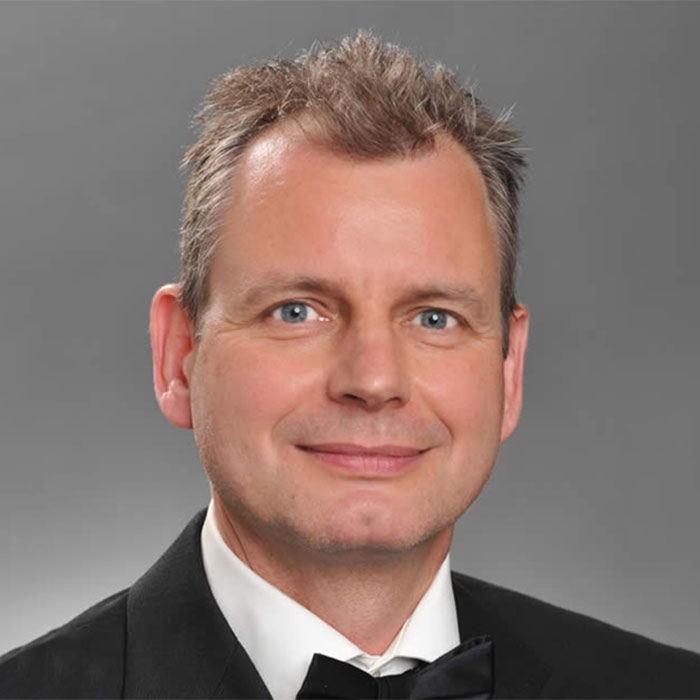
Harald Beck is a Professor of Biology at Towson University, part of the College of Science and Mathematics. He holds a M.S. in Zoology from the University of Erlangen-Nuremberg and a Ph.D. from the University of Miami. His research focuses on mammal-plant interactions, tropical ecology, and ecosystem engineering, particularly in the Peruvian Amazon and Maryland forests. He studies the ecological impacts of ungulates, defaunation effects, and seedling dynamics. Notable contributions include work on peccary behavior, treefall gap ecology, and microbiome analysis in canids. Recent publications address topics like seedling mortality caused by fungal pathogens, the role of treefall gaps in biodiversity, and the microbiomes of coyotes and foxes. Beck serves as Chair of the IUCN Peccary Specialist Group and has authored textbooks on tropical ecology. His courses include Tropical Ecology and Conservation, Mammalogy, and Human Anatomy and Physiology.