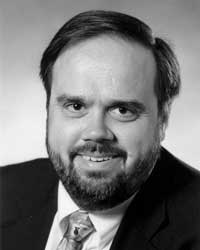
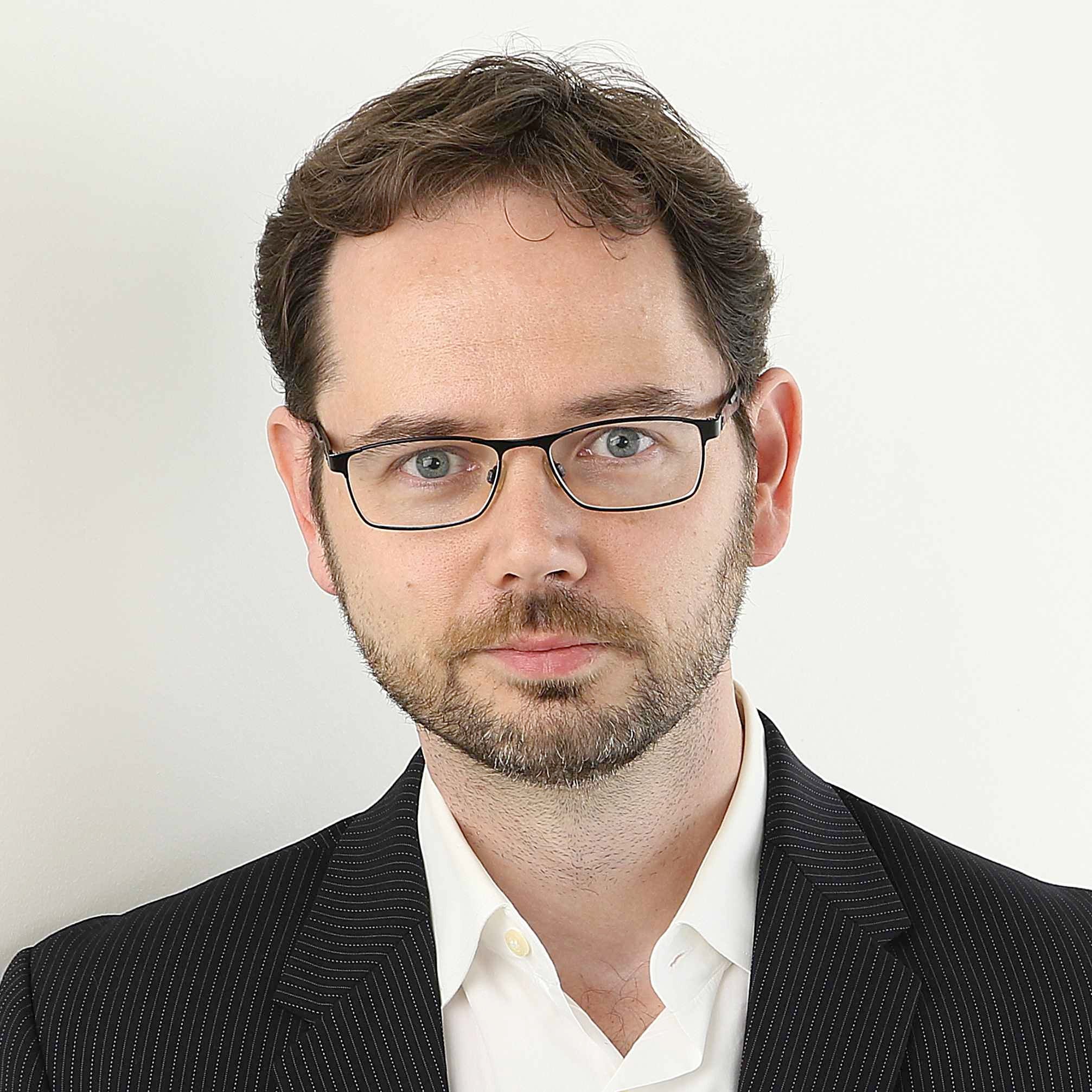
Martin T. Wells is the Charles A. Alexander Professor of Statistical Sciences at Cornell University, with joint appointments in the Department of Statistical Science, Department of Biological Statistics and Computational Biology, Department of Social Statistics, and as Professor of Clinical Epidemiology and Health Services Research at Weill Medical School. He serves as Editor-in-Chief of the ASA-SIAM Book Series and Co-Editor of the Journal of Empirical Legal Studies. Cornell University, Ithaca, NY Weill Cornell Medical College Research Interests span applied and theoretical statistics, Bayesian methods, biostatistics, clinical epidemiology, and computational biology. His work bridges disciplines like finance, legal studies, and health services research. Article Trends highlight advancements in Bayesian modeling, quantum cognition machine learning, tensor analysis, and misclassification correction, with applications in genomics, finance, and public health. Fellow of the American Statistical Association Fellow of the Royal Statistical Society Contributions include developing statistical software (e.g., rTensor), methodological innovations in clinical trials, and empirical legal studies on civil rights and the death penalty.
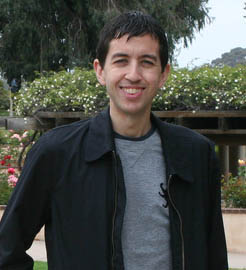
Michael Yeager, PhD, serves as an Associate Clinical Professor in the School of Medicine at the University of Colorado Denver, focusing on cardiopulmonary pathophysiology with emphasis on pulmonary hypertension and heart failure mechanisms. He completed his PhD at the University of Colorado Health Sciences Center in 2002, establishing foundational expertise in vascular biology. His research program investigates immunological and molecular drivers of pulmonary vascular disease, particularly the roles of autoantibodies, fibrocytes, and inflammatory cascades in disease progression. Analysis of his 14 publications (2012-2015) reveals consistent exploration of biomarker discovery, vascular remodeling, and immune dysregulation across pediatric and adult pulmonary hypertension. Key methodological approaches include proteomics, animal modeling, and molecular interrogation of cellular stress responses, with significant translational implications for personalized therapeutic strategies. Professional recognitions include: Outstanding Faculty award from Tau Beta Pi (2019) Chancellor's Teaching Recognition Award from the University of Colorado (2016) Dr. Yeager maintains active clinical research collaborations at Children's Hospital Colorado while mentoring within the medical school curriculum. His work bridges basic science discovery with clinical application through ongoing investigations into endothelial dysfunction and inflammatory mediators. Affiliated with the Department of Medicine, he contributes to pulmonary vascular research initiatives and participates in professional societies including the American Thoracic Society, American Heart Association, and T21 Research Society.
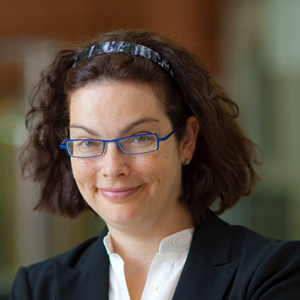
Olga Fink is a Tenure Track Assistant Professor at the École Polytechnique Fédérale de Lausanne (EPFL), affiliated with the Department of Intelligent Maintenance and Operations Systems (IMOS) within the School of Architecture, Civil and Environmental Engineering (ENAC). She also holds roles in PhD program committees for Civil and Environmental Engineering (EDCE) and Robotics, Control, and Intelligent Systems (EDRS). Her research focuses on machine learning for infrastructure monitoring, predictive maintenance, and physics-informed AI models. She teaches courses on machine learning, data science for infrastructure, and advanced deep learning topics. Fink advises multiple PhD students and is involved in interdisciplinary projects such as ThermoNeRF (multimodal 3D thermal modeling) and physics-informed neural networks for fault diagnostics. Her work bridges AI and engineering with applications in smart infrastructure, energy systems, and industrial IoT. Education: PhD in Engineering (inferred from role) Affiliations: IMOS Lab, ENAC-SGC, EPFL PhD Committees (EDCE, EDRS) Key Research Themes: Explainable AI, Digital Twins, Structural Health Monitoring, Domain Adaptation Her publications (2023–2025) emphasize robust AI for industrial systems, including fault detection in high-voltage equipment, multimodal data fusion, and physics-consistent models. She collaborates on EU and industry-funded projects, focusing on real-world applications like predictive maintenance and energy efficiency.
Dr. Yunjie Yang is an Associate Professor at the University of Edinburgh's School of Engineering, with affiliations at the Edinburgh Futures Institute (EFI), the Edinburgh Generative AI Laboratory (GAIL), and the Edinburgh Centre for Robotics. He previously held the Chancellor's Fellow in Data Driven Innovation (2018-2023) and Bayes Innovation Fellow (2023-2024) positions. His research focuses on AI-powered sensing and imaging, machine learning, and soft sensors & electronics for robotics. Yang received his PhD in Engineering Electronics from the University of Edinburgh, MSc in Control Science & Engineering from Tsinghua University, and BEng in Measurement & Control Engineering from Anhui University. After his PhD, he worked as a Postdoctoral Research Associate in Chemical Species Tomography before securing his lectureship. His research interests center on developing intelligent sensing systems that replicate human perception capabilities for robotics and intelligent systems. He pioneers flexible sensing and imaging technologies across various scales through innovative multi-modal sensors, soft electronics, and their modeling using machine learning approaches. His work aims to enable autonomous physical artificial intelligence by bridging the gap between robotic systems and human-like perception. Analysis of his recent publications reveals a strong focus on soft robotics perception, particularly through electrical impedance tomography (EIT) and transformer-based architectures. His research spans medical imaging applications, digital twin modeling for industrial processes, and machine learning approaches for sensor data interpretation. The trend shows increasing integration of physics-informed deep learning with traditional tomographic techniques to achieve higher accuracy and efficiency. European Research Council (ERC) Starting Grant (2024) IEEE J. Barry Oakes Advancement Award (2024) IEEE I&M Society Graduate Fellowship Award (2015) Multiple Best Paper Awards Senior Member of IEEE Fellow of the International Society for Industrial Process Tomography Fellow of the Higher Education Academy ESI highly cited papers Dr. Yang serves as Associate Editor for IEEE Transactions on Instrumentation and Measurement and holds editorial positions with Scientific Reports and IEEE Sensors Journal. His research has been licensed to overseas research institutes and industry partners and received wide media coverage including BBC, EFE, USA Today, and STV. He has secured significant grant funding including the prestigious ERC Starting Grant. He leads the Edinburgh SMART Lab (Sensing/imaging + Machine Learning + Robotics), which aims to replicate human perception capabilities for robotics and advance flexible sensing technologies through innovative multi-modal sensors and machine learning approaches. The lab focuses on enabling autonomous physical artificial intelligence with applications spanning medical diagnostics, industrial monitoring, and advanced robotics systems.
Vera Fischer is an Associate Professor and Privatdozent in the Department of Mathematics at the Faculty of Mathematics, University of Vienna. She has been an active researcher since 2008, with a strong publication record in mathematical logic and set theory. Her research centers on set-theoretic combinatorics , focusing on cardinal characteristics of the continuum, forcing, definability, and structures such as maximal almost disjoint families, cofinitary groups, and independent families. She investigates foundational questions in independence, spectra of combinatorial objects, and the interplay between definability and generic extensions. Her work often involves constructing models to separate cardinal invariants or to realize specific spectra under forcing. The recent publications show a consistent trend in combinatorial set theory , with a focus on tower spectra, tight families, mad families, and their behavior under various forcing notions like Cohen and Sacks forcing. Her research frequently explores the definability and destructibility of combinatorial families, often in collaboration with leading researchers such as Corey B. Switzer, Stefan Geschke, and Saharon Shelah. FWF START Prize, 2017 Förderungspreis der ÖMG, 2018 Förderungspreis, 2018 She leads and participates in research projects such as Comparing the Real Line to Combinatorics of the Uncountable and A Sacks-like model with large continuum , indicating active grant funding and supervision of research activities. She also organizes academic events like Colloquium Logicum and engages in public outreach on topics like infinity. Her research is conducted within the Set Theory Group at the University of Vienna, where she collaborates with other logicians and contributes to the academic community through publications, conferences, and mentorship.
Colin J Akerman is Professor of Neuroscience and Group Leader in the Department of Pharmacology at the University of Oxford, concurrently serving as Corange Fellow and Medical Tutor at Corpus Christi College. His research investigates fundamental mechanisms of synaptic circuit formation and plasticity, with direct implications for epilepsy, dementia, and schizophrenia through multidisciplinary approaches integrating electrophysiology, optical imaging, and computational modeling. His primary research interests encompass Synaptic Plasticity, Neural Circuit Formation, and Excitatory-Inhibitory Balance, with specific focus on neuronal progenitor influences on connectivity, chloride dynamics in inhibitory transmission, and learning mechanisms in disease contexts. The lab employs custom-built equipment and molecular tools to probe synaptic function across in vivo , in vitro , and in silico platforms, emphasizing how activity-dependent processes shape neural networks during development and disease. Recent publications (2023-2025) reveal strong thematic convergence on intracellular chloride regulation in sleep-wake cycles, cortical circuit assembly from embryonic progenitors, and innovative optical tools for neural monitoring. This work bridges molecular neuroscience with systems-level understanding of synaptic plasticity, particularly regarding ionic mechanisms in epilepsy and sleep homeostasis. No scientific awards or fellowships are explicitly documented in the source materials. Professor Akerman currently mentors four PhD students (Vourvoukelis, Selfe, Wang, Gemayel) and multiple postdoctoral researchers, having previously trained scientists now leading independent groups in Toronto, Edinburgh, Cape Town, Oxford, and London. His research is funded by the European Research Council, Innovative Medicines Initiative, and Wellcome Trust, supporting investigations into synaptic mechanisms underlying neurological disorders. The Akerman Group, established in 2008, operates as an integrative neuroscience hub within Oxford's Pharmacology Department. The 10-member team combines expertise in patch-clamp electrophysiology, optogenetics, multiphoton imaging, and computational modeling, with current projects spanning neuronal progenitor biology, inhibitory synaptic plasticity, and learning rule implementation in neural networks. The lab emphasizes technical innovation, regularly developing custom instrumentation and molecular tools for neural observation and manipulation.
Angela Di Fulvio is an Associate Professor and Donald Biggar Willett Faculty Scholar at the University of Illinois at Urbana-Champaign, holding joint appointments in the Department of Nuclear, Plasma, and Radiological Engineering and the Center for Digital Agriculture at NCSA. She leads the Nuclear Measurement Laboratory (NML), focusing on radiation detection technologies for nonproliferation, medical physics, and nuclear security. Her academic journey includes a Ph.D. in Nuclear Engineering and Industrial Safety from the University of Pisa (2012), preceded by M.Sc. and B.Sc. degrees in Bioengineering. Her research emphasizes neutron detection instrumentation, radiation protection in therapy, and safeguards applications. Key areas include next-generation thermal neutron detectors, boron neutron capture therapy dosimetry, and spent nuclear fuel imaging. She has pioneered work on pulse shape discrimination using commercial ASICs and developed algorithms for neutron-gamma discrimination in harsh environments. Di Fulvio’s 15+ peer-reviewed articles span advanced detection systems, Monte Carlo modeling, and machine learning for radiation imaging. Notable contributions include a physics-based forward model for spent fuel imaging and variational autoencoder-based pulse discrimination. Her work has been recognized with the Dean’s Award for Excellence in Research. Professional roles include Associate Editor of Radiation Measurements and editorial board member of Nature Scientific Reports . She chairs APS’s Instrumentation and Measurement Science group and ANS’s Nuclear Nonproliferation Policy Division. Recent courses taught include NPRE 451-452 labs, Nuclear Safeguards, and Student Research Seminars.
James C. Gumbart is an Adjunct Professor in the School of Physics at Georgia Institute of Technology, with additional affiliation to the School of Chemistry and the Institute for Bioengineering and Bioscience . His research leverages molecular dynamics simulations to decode the atomic-level mechanisms of bacterial proteins and cellular structures. B.S., Physics and Mathematics, Western Illinois University, 2003 Ph.D., Physics, University of Illinois at Urbana Champaign, 2009 Dr. Gumbart's work bridges computational biophysics and biochemistry to understand: Mechanisms of bacterial membrane protein insertion and nutrient import Structural dynamics of cell wall mechanics SARS-CoV-2 spike protein interactions with ACE2 Free-energy calculations for protein-ligand binding Applications of machine learning in biomolecular simulations His publications reflect trends in membrane protein biophysics , viral dynamics , and computational drug design , with a strong emphasis on interdisciplinary techniques. Awards include multiple fellowships and grants from NSF , DOE , and NIAID . He has mentored numerous PhD students, including Zijian Zhang , David Ryoo , and Andrew Pang , whose work has advanced understanding of bacterial systems and viral proteins. The Gumbart Lab integrates high-powered supercomputing and advanced software to model biomolecular processes, fostering collaborations with institutions like the National Institutes of Health and Argonne National Laboratory .
Anja Boisen is a Professor and Head of the Drug Delivery and Sensing Section at the Department of Health Technology, Technical University of Denmark (DTU). Her research focuses on advanced drug delivery systems, sensing technologies, and nanotechnology applications in biomedical engineering. She leads a multidisciplinary team developing innovative devices such as microcontainers, microneedles, and lab-on-a-disc platforms for targeted drug delivery and diagnostics. Her work contributes to UN Sustainable Development Goals, particularly in improving health and reducing inequalities. Key research areas include surface-enhanced Raman spectroscopy (SERS), microfabrication for medical devices, and biomaterials for tissue engineering. She has supervised multiple PhD students, including projects on oral drug delivery systems, gastrointestinal retention devices, and energy-harvesting materials for biomedical applications. Boisen’s team has pioneered technologies like self-unfolding foils for oral delivery and smart drug delivery microparticles. Their innovations aim to enhance therapeutic efficacy while minimizing side effects. She has been recognized with the Sensor Division Outstanding Achievement Award (2022) for her contributions to sensor technology. Her lab actively collaborates internationally, advancing applications in cancer therapy, antibiotic monitoring, and gut microbiota research. Current projects explore high-throughput 3D tumor modeling, SERS-based diagnostics, and biodegradable materials for bone fixation.
Miguel Rodrigues is a Professor of Information Theory and Processing at University College London's Department of Electronic & Electrical Engineering. He leads the Information, Inference and Machine Learning Lab at UCL and serves as the founder and director of the master programme in Integrated Machine Learning Systems. Rodrigues is also the UCL Turing University Lead and a Turing Fellow with the Alan Turing Institute, the UK National Institute of Data Science and Artificial Intelligence. His academic background includes an undergraduate degree in Electrical and Computer Engineering from the Faculty of Engineering of the University of Porto, Portugal, and a PhD in Electronic and Electrical Engineering from University College London. He has held appointments at prestigious institutions worldwide including Cambridge University, Princeton University, Duke University, and the University of Porto. Dr. Rodrigues's research spans information theory, information processing, and machine learning. His work has attracted over £5 million in funding from competitive national and international funding bodies and resulted in more than 250 publications with over 8000 citations in leading journals and conferences, including top AI venues like NeurIPS, ICML, and ICLR. His recent publications demonstrate a strong focus on multimodal learning, machine learning security, climate modeling with satellite data, and applications of AI in healthcare and precision medicine. His work shows increasing interdisciplinary collaboration across fields from climate science to pharmaceutical engineering. IEEE Communications and Information Theory Societies Joint Paper Award 2011 Fellow of the Institute of Electronics and Electrical Engineers (IEEE) Prize for Merit from the University of Porto Prize Engenheiro Cristian Spratley Prize Engenheiro Antonio de Almeida Fellowships from the Portuguese Foundation for Science and Technology Fellowships from the Foundation Calouste Gulbenkian Dr. Rodrigues has served as Editor for IEEE BITS – The Information Theory Magazine and IEEE Transactions on Information Theory, among other editorial roles. He consults widely in machine learning and AI with government institutions, funding agencies, industry, and startups, and sits on committees responsible for AI standardization such as the BSI Art/1 working group. His leadership extends to directing research labs and educational programs focused on advancing machine learning systems. He leads the Information, Inference and Machine Learning Lab at UCL, which focuses on fundamental aspects of information theory and their applications to machine learning and data processing. The lab works on both theoretical foundations and practical implementations of learning systems.
Gustavo Nader, Ph.D., is a Professor of Kinesiology at The Pennsylvania State University's College of Health and Human Development, where he holds the Dorothy Foehr Huck and J. Loyd Huck Endowed Chair in Molecular, Cellular and Integrative Physiology. His research laboratory at 101 Noll Lab focuses on molecular mechanisms of skeletal muscle adaptation, employing human, animal, and cellular models to investigate ribosome biogenesis, transcriptional regulation, and muscle growth control in contexts ranging from exercise hypertrophy to cancer cachexia. Dr. Nader's research examines fundamental processes including: Ribosome biogenesis and its role in muscle growth regulation Epigenetic control of RNA Polymerase I activity Molecular pathways in mechanical overload-induced hypertrophy Tumor-induced muscle wasting mechanisms Biomimicry approaches inspired by hibernator physiology His work spans exercise physiology, cancer biology, and environmental stress responses. Analysis of his 15 most recent publications (2015-2025) reveals predominant themes in muscle hypertrophy mechanisms, cancer cachexia pathophysiology, ribosomal function analysis, and environmental stress impacts on muscle. His work consistently integrates molecular techniques with physiological models across species. Notable scientific recognitions include: Dorothy Foehr Huck and J. Loyd Huck Chair appointment (2024) Huck Institutes Leadership Fellowship (2025-2026) Dr. Nader leads an active research team investigating muscle plasticity, with current projects funded through the Huck Institutes of the Life Sciences. He collaborates extensively through Penn State's Integrative and Biomedical Physiology graduate program and Center for Cellular Dynamics.
Sharon Rozovsky is a Professor in the Department of Chemistry and Biochemistry at the University of Delaware's College of Arts & Sciences, where she leads research on oxidative stress response mechanisms and protein quality control pathways. Her work bridges biochemistry, chemical biology, and structural biology with direct implications for understanding neurodegenerative diseases and viral pathogenesis. Her academic foundation includes a B.S. from Tel Aviv University (1994) and a Ph.D. from Columbia University (2000), establishing her expertise in protein dynamics and redox biochemistry. These credentials underpin her innovative approaches to studying cellular stress responses. Rozovsky's research program centers on selenoproteins—proteins containing the rare amino acid selenocysteine—and their critical roles in endoplasmic reticulum (ER) stress resolution. She investigates how membrane-bound selenoproteins like Selenoprotein S and K regulate the ER-associated degradation (ERAD) pathway, with recent work revealing their surprising autoproteolytic activity and involvement in SARS-CoV-2 replication. Her lab pioneers chemical tools including expressed protein ligation and advanced 77Se NMR spectroscopy to characterize these systems at molecular resolution. Analysis of her 2021-2025 publications shows dominant themes in selenoprotein structure-function relationships, ER stress mechanisms, and viral interactions, alongside methodological innovations in cryo-EM grid technology and NMR. This body of work demonstrates consistent focus on redox biochemistry with expanding applications in virology and structural biology. No major scientific awards or fellowships were explicitly documented in the available materials, though her research impact is evident through high-impact publications and methodological contributions. She directs the active Rozovsky Research Group, mentoring graduate students and postdoctoral researchers in biochemical and biophysical techniques. Her laboratory operations are supported by competitive funding including an NSF CAREER award (2011) focused on selenoprotein reactivity, reflecting sustained recognition of her innovative research program.
Pierre Baldi is a Distinguished Professor of Computer Science and Director of the Institute for Genomics and Bioinformatics at the University of California, Irvine (UCI). He is affiliated with the Donald Bren School of Information and Computer Sciences. His research spans artificial intelligence, machine learning, bioinformatics, and communication networks, with notable projects in protein structure prediction, gene expression modeling, and neutrino physics collaborations like DUNE. Baldi’s work bridges theoretical foundations (e.g., neural network theory) and applied domains, including medical imaging and fusion technology. Key research interests include AI-driven biomedical applications, neural network theory, and interdisciplinary projects such as the DUNE neutrino experiment. His contributions to neural network engineering were recognized with the 2023 INNS Dennis Gabor Award, highlighting his paradigm-changing impact on computational neuroscience and physics. Baldi’s academic leadership includes directing UCI’s Institute for Genomics and Bioinformatics, fostering collaborations in computational biology and AI. His recent work explores AI’s role in healthcare, climate modeling (e.g., ClimSim-Online), and fundamental physics challenges like neutrino oscillation studies.
Mark Crowley is an Associate Professor in the Department of Electrical and Computer Engineering at the University of Waterloo , with a cross-appointment in the Cheriton School of Computer Science . He is actively involved in the Waterloo Artificial Intelligence Institute (WAII) , the Waterloo Institute for Complexity and Innovation (WICI) , and serves as National Secretary for the Canadian Artificial Intelligence Association (CAIAC) , coordinating the Canadian Conference on AI . Research interests span the theoretical and applied aspects of Reinforcement Learning , Deep Learning , Manifold Learning , and Ensemble Methods . His work addresses challenges in domains with spatial dynamics, multi-agent systems, and uncertainty, particularly in Computational Sustainability (forest fire management, sustainable forestry), Autonomous Driving , Medical Imaging , and Material Design . Recent research focuses on integrating causal modeling with generative representation learning to improve out-of-distribution robustness in motion forecasting applications. Key publications include foundational work on ChemGymRL environments for safe chemical process reinforcement learning, Generative Causal Representation Learning for robust forecasting, and collaborative work on multi-advisor reinforcement learning in multi-agent settings. He co-authored a textbook Elements of Dimensionality Reduction and Manifold Learning (Springer, 2023) with Prof. Ali Ghodsi and Prof. Fakhri Karray. Teaching includes graduate and undergraduate courses in Algorithm Design , Computational Intelligence , Reinforcement Learning , and Data Modeling at the University of Waterloo since 2018. His research group has produced several notable graduates including Benyamin Ghojogh (2021), who continued as a postdoc until 2022.
Esa Ollila serves as Associate Professor in the Department of Signal Processing and Acoustics at Aalto University, Finland, and holds an adjunct professorship in Statistics at the University of Oulu. His academic appointments include Academy of Finland Research Fellow (2010-2015) and prior senior research/lecturing roles at both institutions. His educational background features: M.Sc. in Mathematics, University of Oulu (1998) Ph.D. in Statistics (with honors), University of Jyväskylä (2002) D.Sc.(Tech) in Signal Processing (with honors), Aalto University (2010) Professor Ollila's research centers on statistical signal processing and robust statistical methodologies , with significant contributions to array processing, high-dimensional data analysis, and covariance matrix estimation. His work bridges theoretical statistics with practical applications in radar systems, wireless communications, and big data analytics, emphasizing robustness against outliers and computational efficiency in modern data-intensive environments. Current focus areas include compressed sensing, sparse approximation, and blind source separation techniques. Analysis of his 15 most recent publications (2024-2025) reveals three dominant trends: (1) robust covariance learning for massive random access systems, (2) integrated sensing and communications (ISAC) for 6G networks using advanced beamforming, and (3) geometric approaches to elliptical distributions in statistical inference. His work increasingly incorporates deep learning (GANs, graph neural networks) while maintaining strong foundations in classical signal processing theory. Key recognitions include: Academy of Finland Postdoctoral Fellowship (2004-2007) Academy of Finland Research Fellowship (2010-2015) His research has been supported through prestigious Academy of Finland grants totaling over a decade of continuous funding. Professor Ollila currently leads an active research group at Aalto University, supervising doctoral candidates and collaborating internationally with institutions including Princeton University (where he served as Visiting Post-doctoral Research Associate during 2010-2011). He maintains strong ties with the University of Oulu through his adjunct professorship and has contributed to EURASIP's Special Area Team on Theoretical and Methodological Trends in Signal Processing. The Esa Ollila Research Group focuses on cutting-edge challenges in statistical signal processing, with current projects spanning robust DOA estimation under non-Gaussian noise, covariance matrix learning for massive MIMO systems, and machine learning-enhanced radar-communication integration. The group actively develops open-source tools like the fitHeavyTail R package for heavy-tailed distribution modeling and maintains collaborations with industry partners in wireless communications.