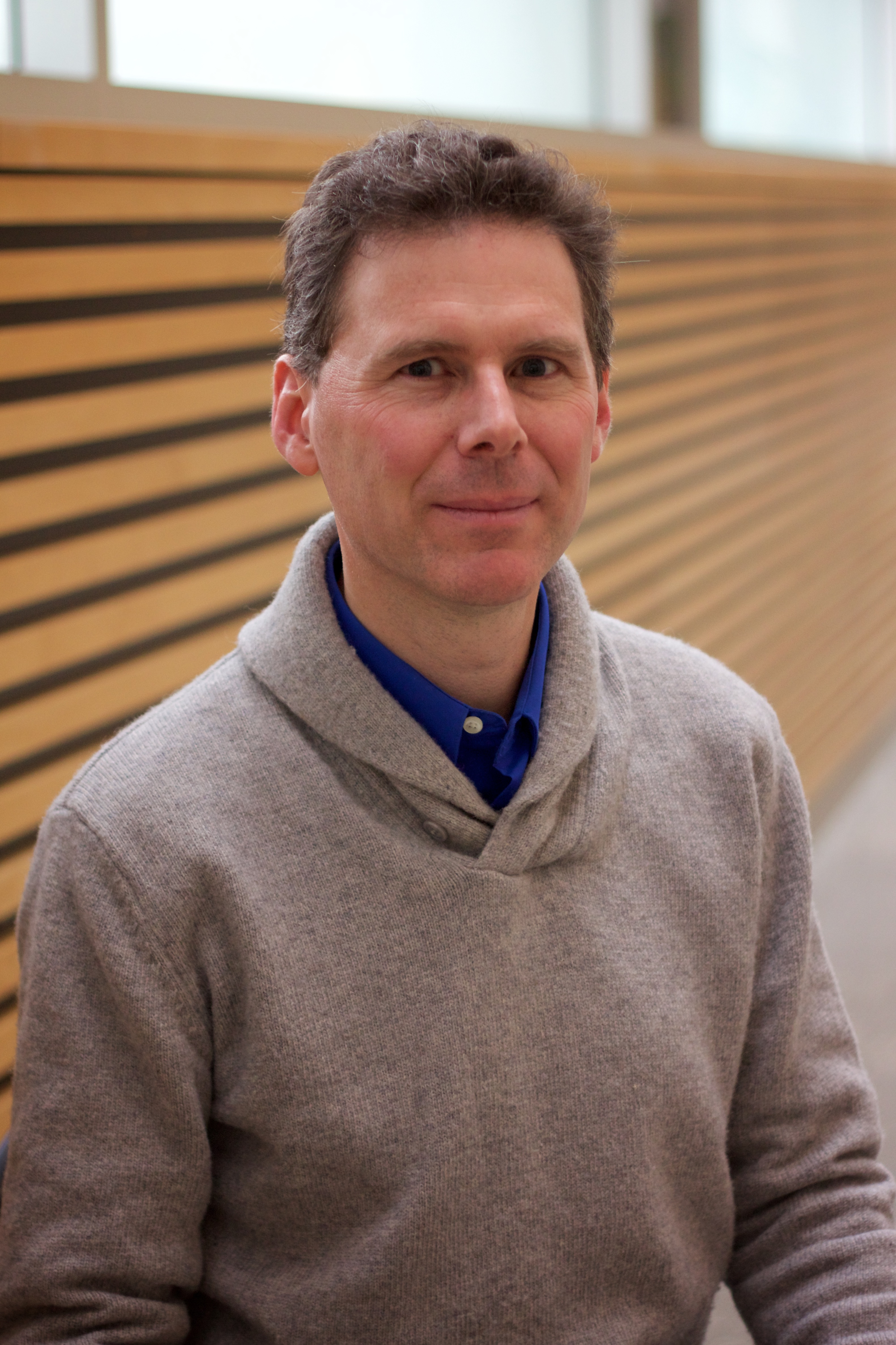
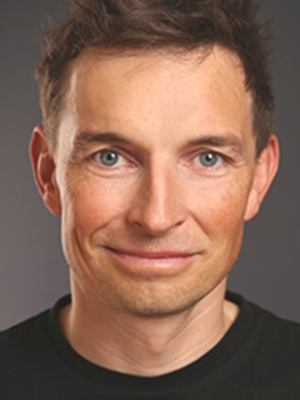
Robert Rohling is a Professor at the University of British Columbia's Faculty of Applied Science, affiliated with the Department of Mechanical Engineering and holding a joint appointment with the Department of Electrical and Computer Engineering. As Director of the Institute of Computing, Information and Cognitive Systems (ICICS), his research focuses on biomedical engineering, medical imaging, robotics, and computational methods. B.A.Sc. (UBC) M.Eng. (McGill) Ph.D. (Cambridge) Rohling's work spans three primary research areas: medical imaging (3D ultrasound, spatial compounding, elasticity reconstruction), medical information systems (radiologist navigation tools for large image datasets), and robotic calibration for surgical applications. His multidisciplinary approach integrates mechanical and electrical engineering principles with clinical needs. Rohling's publications (2020-2022) reveal trends in advanced ultrasound techniques (e.g., shear wave vibro-elastography), AI-driven image processing (cycleGAN translation), and computational optimization for diagnostic accuracy. Keywords across his work include Medical Imaging, Biomedical Engineering, Robotics, and Computational Modeling. As director of the Robotics and Control Laboratory , Rohling leads interdisciplinary collaborations with industry and clinical partners to address practical challenges in medical diagnostics and surgical robotics. His research emphasizes translating engineering innovations into clinical practice.
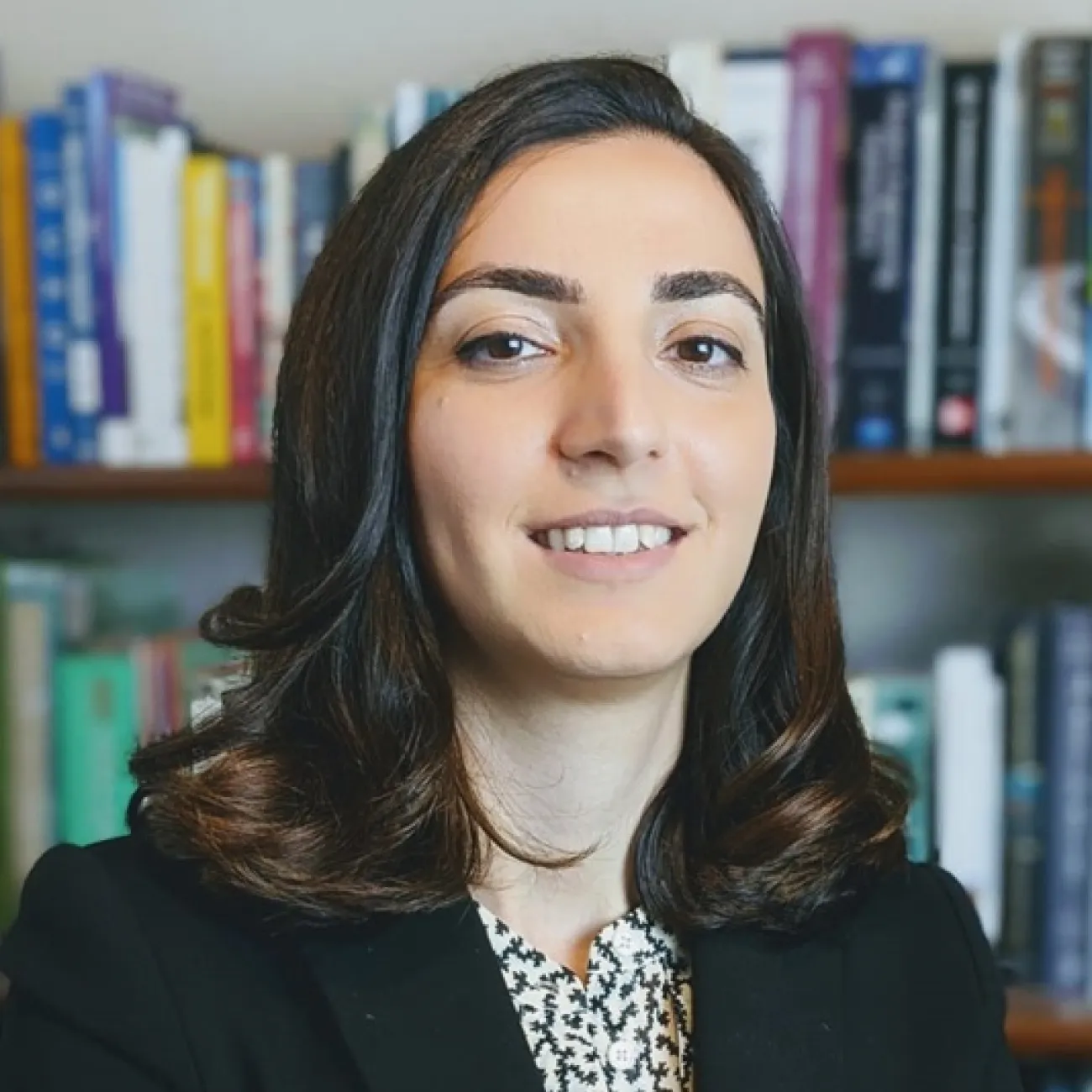
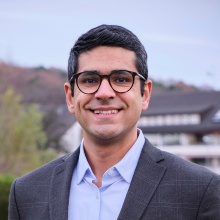
Dr Bahareh Zaghari (MSc, PhD, CEng, FHEA) is a Lecturer in the Electrical Power Engineering group at the University of Southampton's School of Electronics and Computer Science. Her research focuses on electrified aircraft systems, sensors with machine learning applications, electrical power systems, and nonlinear dynamics modeling. Current projects include acoustic sensing for temperature/flow measurement Co-design of electrical machines for aircraft electrification Research activities span hybrid-electric aircraft design (FutPrint50 Horizon project), fully electric aircraft development (EnabEl Innovate UK), and smart sensing systems for aerospace components. Industrial collaborations include KISTLER, iNetic, PALL Aerospace, Safran, ARUP, Embraer, and BAE Systems. Conference coordinator for IEEE Transportation Electrification Council's Electrified Aircraft committee Chair of IEEE/AIAA Electrified Aircraft Technology Symposium (2023) Panel moderator at AIAA Propulsion and Energy (2021) Her work demonstrates innovative applications of acoustic transducers in harsh environments, with contributions to temperature mapping, fault analysis, and energy harvesting systems. She currently supervises PhD student Shikhar Singh.
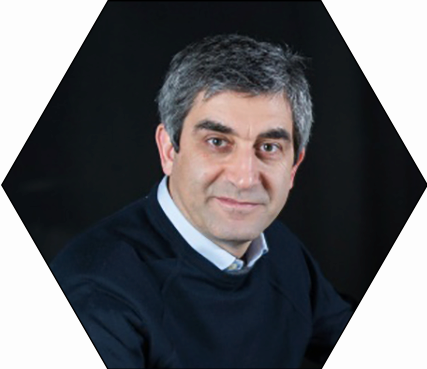
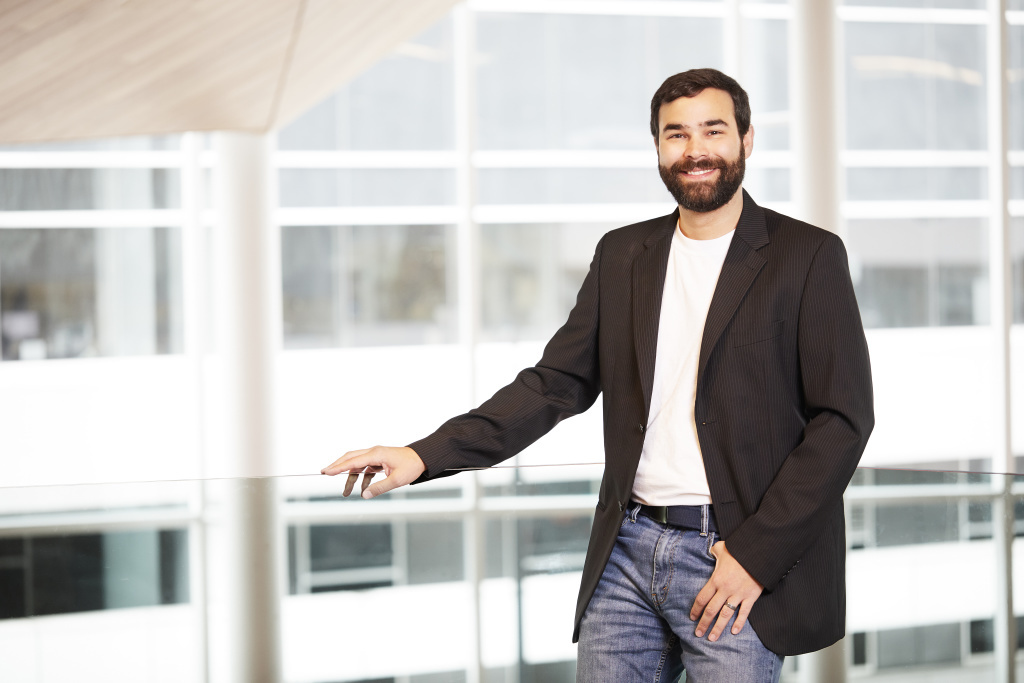
F. Levent Degertekin is a Regents' Entrepreneur and the George W. Woodruff Chair in Mechanical Systems and Professor at the George W. Woodruff School of Mechanical Engineering at Georgia Institute of Technology. His office is located in Love Building, room 311B, and his contact email is levent.degertekin@me.gatech.edu. Dr. Degertekin's academic journey includes a Ph.D. in Electrical Engineering from Stanford University (1997), an M.S. in Electrical Engineering from Bilkent University, Turkey (1991), and a B.S. in Electrical Engineering from Middle East Technical University, Turkey (1989). Dr. Degertekin's research focuses on micromachined ultrasonic devices and systems for medical applications, particularly in intravascular ultrasound imaging, therapeutic ultrasound, and acousto-optical sensors for MRI. His work spans from fundamental research on novel transduction methods to complete catheter-based imaging systems close to commercialization. He has made significant contributions to capacitive micromachined ultrasonic transducers (CMUTs), developing diffraction grating based optomechanical sensing methods now commercialized by Silicon Audio, novel atomic force microscopy imaging probes, and micromachined ultrasonic ejector structures for cell transfection commercialized by OpenCell Technologies. His research integrates acoustics, optics, and their combinations for various medical applications, utilizing conventional microfabrication (MEMS) and integrated circuit technologies. The Degertekin lab exposes students to applied physics, electrical, mechanical and biomedical engineering, biology, and biomimetic systems, providing them with thorough theoretical and experimental education in acoustics and optics while learning interdisciplinary research. Dr. Degertekin's work has received significant media attention, including coverage in IEEE Spectrum, Wired Magazine, The New York Times, and Fox Business News, highlighting innovations such as handheld ultrasound probes, MRI safety sensors, and minimally invasive cardiac imaging technologies. IEEE Fellow for 'Contributions to micromachined ultrasonic and optomechanical transducers and systems,' 2022 IEEE UFFC Society Inaugural Carl Hellmuth Hertz Ultrasonic Achievement Award, 2014 George W. Woodruff School Outstanding Achievement in Commercialization and Entrepreneurship Award, 2024 National Science Foundation CAREER Award, 2004-2009 Whitaker Foundation Biomedical Engineering Research Grant Award, 2001 66 US and 6 International Patents Dr. Degertekin has mentored numerous students who have gone on to make significant contributions in the field. Several of his students have received IEEE Ultrasonics Symposium Best Student Paper Awards, including Jeff McLean (2003), Sheng-Yu Peng (2006), Rasim O. Guldiken (2005 and 2007), and Toby Xu (2014). His research has been supported by various grants including the NSF CAREER Award and Whitaker Foundation grant. His work has led to multiple commercial ventures including Silicon Audio and OpenCell Technologies. The Degertekin Group at Georgia Tech focuses on transducers and systems for medical imaging and sensing, with current projects including capacitive parametric transducers, acousto-optic sensors for MRI, novel transducer methods for focused ultrasound in the brain, microsystems for intravascular and intracardiac ultrasound imaging, and CMUT-on-CMOS systems for IVUS imaging.
Soner Sonmezoglu is an Assistant Professor of Electrical and Computer Engineering at Northeastern University's College of Engineering. His research focuses on implantable and wearable medical devices enabled by advanced microelectronics and microfabrication for neurological, diagnostic, and therapeutic applications. He leads the Sonmezoglu Lab and has secured major grants including a $13M ARPA-H award for developing photoacoustic imaging systems for early lung cancer detection. Education: PhD in Electrical and Computer Engineering, UC Davis (2017) BSc and MSc in Electrical Engineering with a minor in Solid-State Physics, Middle East Technical University (2010-2012) Postdoctoral Researcher, UC Berkeley EECS (pre-2022) Research Interests: His work spans integrated circuits, micro/nano electromechanical systems (M/NEMS), neural interfaces, and medical device integration. Key projects include ultrasonic wireless neural interfaces and millimeter-scale oxygen sensors for deep-tissue monitoring. Current initiatives include the PAIL project for lung cancer diagnostics. Awards: UC Davis Graduate Division Fellowship Scientific and Technical Research Council of Turkey Graduate Fellowship Grants & Collaborations: Principal Investigator of ARPA-H's $13M PAIL initiative. Active in the Institute for NanoSystems Innovation, contributing to chip-level technology advancements. Labs/Teams: Directs the Sonmezoglu Lab at Northeastern, focusing on next-generation biomedical device innovation through interdisciplinary microsystems engineering.
Dr. Daniel Oropeza is an Assistant Professor in the Materials Department at the University of California, Santa Barbara (UCSB), within the College of Engineering. His research focuses on advancing materials and manufacturing technologies for aerospace systems and extreme environments, emphasizing process-microstructure-property relationships. He leads the Materials and Manufacturing for Aerospace and Extremes (MMAX) Lab, which develops novel techniques for powder synthesis, additive manufacturing, and ceramic processing. Education: Ph.D. in Mechanical Engineering (MIT, 2021) M.S. in Aeronautics and Astronautics (Stanford, 2014) B.S. in Aerospace Engineering (UT Austin, 2012) Research Interests: His work spans powder synthesis (e.g., ultrasonic atomization of refractory alloys), additive manufacturing (porous materials, reactive binder jetting), and functional ceramics for applications in hypersonics, space propulsion, and robotics. The MMAX Lab integrates material science, mechanical engineering, and advanced manufacturing testbeds to enable responsive manufacturing solutions. Awards & Grants: LLNL Early Career UC Faculty Initiative Award (2024) Global Young Investigator Award (ACerS, 2025) ONR Grant for Ultrasonic Atomization Research (2024) CNSI Challenge Grant for UC M 2 ADE Consortium (2024) Advising & Labs: He mentors a team of graduate and undergraduate students in the MMAX Lab, focusing on projects like NASA-funded research on refractory metal alloys for space propulsion. The lab collaborates with national labs (e.g., LLNL) and industry partners to bridge fundamental research and applied technologies. Labs/Teams: MMAX Lab develops custom equipment for powder bed fusion, nanoparticle jetting, and reactive binder jetting systems. Current projects include ultra-high temperature ceramics (UHTCs) for extreme environments and multi-material manufacturing for defense and energy applications.
Dr. Christoph Leitner is a Research Fellow at ETH Zurich's Integrated Systems Laboratory under Prof. Luca Benini, focusing on biomedical and IoT applications. His work integrates printed piezoelectric transducers and flexible electronics with energy-efficient systems. He holds a PhD in Biomedical Engineering from TU Graz (2022) and has collaborated with institutions like Sant'Anna School of Advanced Studies and KTH Stockholm. Notable achievements include the Josef Krainer Young Researcher Award and Motorik Scholarship. Leitner's research spans ultrasonics, machine learning, and wearable devices, with contributions to muscle-tendon dynamics and real-time biofeedback systems. Education: PhD in Biomedical Engineering, TU Graz (2022), Advisor: Prof. Christian Baumgartner Previous roles: University Assistant (2006–2011) and R&D Engineer at Virtual Vehicle GmbH Research Interests: Convergent technologies merging biomedical engineering and IoT Ultrasound-based monitoring for musculoskeletal systems Energy-efficient embedded systems for wearable applications Collaborations & Awards: Recipient of Josef Krainer Young Researcher Award (2023) and Motorik Scholarship (2018) Active collaborations with University of Zurich, Veterinary University of Vienna, and Queensland University of Technology Labs & Projects: Integrated Systems Laboratory at ETH Zurich Developed a patented ultrasound-transparent tattoo-based SEMG system with Prof. Francesco Greco
Prof. Gabriele Schrag holds the Professorship of Microsensors and Actuators at the Technical University of Munich (TUM), within the TUM School of Computation, Information and Technology. Her research focuses on MEMS (Micro-Electro-Mechanical Systems), including microsensors, actuators, and their applications in acoustics, microfluidics, and bioengineering. She has pioneered work in virtual prototyping for system-level modeling to enhance device robustness and performance. Education: PhD (summa cum laude) from TUM on 'Modeling coupled effects in microsystems' Habilitation in sensor systems technology (2018) Acting head of the Chair of Technical Electrophysics (2018-2023) Research emphasizes acoustic MEMS transducers , electrohydrodynamic printing , and physics-based modeling . Notable projects include developing piezoelectric MEMS microphones with corrugated membranes and integrated micropump systems. Awards include the Bavarian Prize for Good Teaching (2021) and Eurosensors Fellow Award (2019). Her work bridges virtual prototyping with real-world applications , addressing challenges in miniaturization, energy efficiency, and sensor integration for medical and industrial systems.
Amirreza Aghakhani is a Assistant Professor and Director of the Institute for Biomaterials and Biomolecular Systems at the University of Stuttgart . His work focuses on Microrobotics and Biomedical Engineering , particularly in targeted drug delivery, microsurgery, detoxification, and diagnostics using micro- and nanofabrication and ultrasound technologies . Research Interests: Microrobotics, biomedical applications, wireless actuation, acoustic manipulation, lab-on-a-chip systems, and smart materials. Recent publications highlight advancements in piezoelectric energy harvesting , magnetic microrollers for therapy, and acoustic trapping of particles. His team explores adaptive microrobotic agents and biologically-inspired designs to bridge biomedical research with clinical applications.
Ricardo Zednik is a Professor at the Department of Mechanical Engineering, École de Technologie Supérieure (ÉTS) in Montreal. Holding degrees from Rice University (BA, BS) and Stanford University (MS, PhD), he specializes in piezoelectric materials, fracture mechanics, and microelectronic systems. His research focuses on sensors, innovative materials, and health technologies. Fields of Interest: Piezoelectricity, Fracture Mechanics, MEMS, Smart Materials, Crystallography With over 36 peer-reviewed publications and extensive supervision of graduate research (including 15+ co-directed theses and projects since 2016), Zednik contributes to applied research in materials science and biomedical engineering. He collaborates with LaCIME and PULÉTS laboratories on cutting-edge projects involving ultrasonic transducers, flexible sensors, and high-temperature material characterization. Current courses include Materials Technology (MEC200) and advanced research topics in Functional and Smart Materials (SYS877). His students explore applications like terahertz quality control, piezoelectric earcanal sensors, and Kirigami techniques for wearable electronics.
Dr. Kenneth Bader is an Associate Professor in the Department of Radiology at the University of Chicago's Pritzker School of Medicine. He leads the Biomedical Acoustics Development and Engineering Research Laboratory (BADER Lab), focusing on translating therapeutic ultrasound into clinical applications for non-invasive treatment of cardiovascular and cancerous diseases. His work bridges physics, engineering, and medicine, with emphasis on developing innovative ultrasound-based therapies. Education: B.S. in Physics from Grand Valley State University (2005), Ph.D. in Physics from the University of Mississippi (2011) Current Funding: Principal Investigator on two major NIH R01 grants (R01EB035230 and R01HL133334) totaling nearly a decade of continuous research support Lab Affiliation: BADER Lab (baderlab.uchicago.edu) Dr. Bader's research centers on acoustic cavitation and histotripsy for combinatorial ablation and enhanced drug delivery strategies targeting pathologies resistant to standard interventions. He develops multi-modal imaging approaches combining diagnostic ultrasound and magnetic resonance imaging to assess bubble activity and resultant tissue changes. His work spans fundamental bubble dynamics modeling to translational applications in thrombosis and cancer treatment. Key areas include chronic thrombus ablation, histotripsy-enhanced drug delivery, sonochemical reactions for cancer therapy, and MR-guided transurethral prostate ablation. His publication record demonstrates consistent productivity with over 40 publications since 2012, showing an upward trajectory with 25 publications in the last five years (2020-2025). His work appears in high-impact journals including IEEE Transactions on Ultrasonics, Ferroelectrics, and Frequency Control; Physics in Medicine & Biology; and Journal of Ultrasound in Medicine. His research shows strong interdisciplinary collaboration across engineering, physics, radiology, and vascular medicine. Dr. Bader serves as Principal Investigator on two major NIH-funded projects: Imaging Feedback for Histotripsy Renal Tumor Ablation (2024-2028) and Treatment of chronic venous thrombosis with histotripsy and thrombolytics (2017-2028). These projects represent significant sustained funding for developing ultrasound-based therapies for cancer and vascular diseases. His work has generated substantial interest in the scientific community, with multiple publications receiving over 50 citations, particularly his foundational work on bubble dynamics in histotripsy. The BADER Lab represents a hub for ultrasound research at the University of Chicago, developing both theoretical models and practical applications of therapeutic ultrasound. The lab focuses on translating laboratory discoveries into clinical practice, with particular emphasis on making treatments more effective while minimizing invasiveness. Current work includes developing AI approaches for ultrasound image analysis, novel transducer designs, and combination therapies that leverage both mechanical and biochemical effects of ultrasound.
Prof. Tom Van Gerven is a chemical engineering specialist at KU Leuven's Process Engineering for Sustainable Systems (ProcESS) group. His research focuses on process intensification using alternative energy forms (ultrasound, microwaves, light) for sustainable metallurgy, mineral carbonation, and solvent extraction applications. He leads innovations in low-grade ore processing and carbon capture technologies. Key Research Areas: Process intensification, green metallurgy, CO₂ utilization, and advanced crystallization techniques Recent Work: 2025 publications highlight reactor optimization, mineral carbonation of industrial residues, and acoustic/microwave-assisted separations Technical Expertise: CFD modeling, sonochemical reactors, ionic liquid extraction, and environmental impact analysis
Muhammad R. Hajj is the George Meade Bond Professor, Chair of the Department of Civil, Environmental and Ocean Engineering, and Director of the Davidson Laboratory at Stevens Institute of Technology. With a distinguished career spanning over three decades, his expertise lies in nonlinear dynamics , fluid-structure interactions , and energy harvesting , applying these to ship hydrodynamics , biomimetic flight/underwater vehicles , and coastal resilience . He has mentored 32 PhD students and authored over 170 journal publications. Education PhD (1990), MS (1985), Civil Engineering , University of Texas at Austin BE (1983), Civil Engineering (with Distinction) , American University of Beirut Research Interests Dr. Hajj’s work bridges nonlinear dynamics and fluid mechanics to address challenges in structural/aeroelastic stability , bio-inspired design , and renewable energy systems . His fluid-structure interaction studies focus on ship hydrodynamics , transonic flutter , and storm surge prediction , while his energy harvesting research explores piezoelectric systems , self-powered sensors , and biomimetic energy conversion . Recent Trends in Publications His 2022-2021 publications emphasize coastal extreme weather resilience via AI-driven storm surge modeling , bio-inspired robotic fish for underwater energy harvesting , and nonlinear aeroelastic systems to enhance renewable energy extraction . Themes include high-efficiency piezoelectric designs , vortex-induced vibration control , and ultrasonic contactless power transfer , reflecting his commitment to integrating nonlinear dynamics with practical engineering applications . Scientific Honors Fellow, Engineering Mechanics Institute, ASCE Distinguished Civil Engineering Alumni (AUB, 2019) Dean’s Award for Excellence in Research (VT, 2016) Distinguished Leader in Research (VT, 2016) Excellence in Research Award (VT, 2015) Advising and Grants Dr. Hajj has supervised 32 PhD students , many of whom hold prestigious roles in academia and industry. He has secured major grants, including $1.8M from the Department of Energy for floating wave energy converters , $4.94M from the Port Authority for storm surge forecasting , and $200K from the NSF for bio-inspired telemetry energy harvesting .
Gurpreet Singh Gill is a Research Fellow at The University of Western Australia (UWA), School of Engineering, Department of Electrical, Electronic and Computer Engineering. He holds a Ph.D. from UWA (2022) and prior degrees from Punjab Technical University and Sri Guru Granth Sahib World University, Punjab, India. His research focuses on MEMS/NEMS, thin-film materials, optical MEMS, and infrared sensing/imaging technologies. He previously worked at the Central Electronics Engineering Research Institute, India, and currently leads projects in micro/nano electromechanical systems and their applications in optoelectronics and infrared sensing. **Education**: B.Tech in Electronics & Communication Engineering (2013, Punjab Technical University) M.Tech in Electronics & Communication Engineering (2015, Sri Guru Granth Sahib World University) Ph.D. in Microelectronics (2022, The University of Western Australia) **Research Interests**: MEMS/NEMS device design and applications Thin-film materials for optical and infrared systems Optical MEMS and optoelectronic devices Infrared sensing and imaging technologies **Awards**: Nanoscale Advances Poster Prize (2019) ADHOC Postgraduate Scholarship (2017) Scholarship for International Research Fees (SIRF) (2017) **Grants & Advising**: Gill has received scholarships for international research fees and postgraduate support. He collaborates with interdisciplinary teams and leads research projects funded by UWA and external grants. His work contributes to UN SDGs related to affordable and clean energy, industry innovation, and infrastructure. **Labs & Teams**: Active in UWA’s Microelectronics Research Group and collaborates with global institutions on MEMS-based sensing systems.
Andrea Argüelles is an Associate Professor in the Department of Engineering Science and Mechanics at Pennsylvania State University (Penn State), part of the College of Engineering. She holds affiliate researcher roles in the IEE Research Themes focusing on Health and the Environment, and Integrated Energy Systems. Her work bridges materials science and mechanical engineering, emphasizing non-destructive evaluation (NDE) techniques like ultrasonics for characterizing additive-manufactured materials and polycrystalline structures. In 2024, she received the NSF CAREER Award for her research contributions. Her research interests include ultrasonic testing of composites and metals, additive manufacturing process-structure-property relationships, and computational modeling of wave propagation in complex materials. Notable projects involve improving inspectability of 3D-printed parts, cryogenic ultrasonic testing of ice matrix composites, and analyzing defects in silicon wafers. She collaborates widely, with recent work published in journals like Communications Materials , Journal of Applied Physics , and Finite Elements in Analysis and Design . Key Themes: Polycrystalline materials, binder jetting, acoustic holography, defect detection. Awards: NSF CAREER Award (2024). Dr. Argüelles is actively involved in engineering education, contributing to initiatives like the ASEM seminar series for doctoral career development. Her research group addresses challenges in materials characterization, with applications in aerospace, energy systems, and semiconductor manufacturing.
Dr. Matthieu Gresil is a Senior Lecturer in both the Department of Materials Science and Engineering and the Department of Mechanical and Aerospace Engineering at Monash University. He joined Monash in 2020 and leads the Circular Plastic Research Node within the Faculty of Engineering, focusing on advancing sustainable materials and recycling technologies. His expertise spans multifunctional composites, vitrimers, bio-based materials, and structural health monitoring. Gresil holds a PhD from École Normale Supérieure of Cachan (2009), with postdoctoral experience at the University of South Carolina and the University of Manchester. Education: BSc in Physics, University of Nantes (2004) MSc in Physics (Matter and Materials), University of Nantes (2006) PhD in Physics/Materials, École Normale Supérieure of Cachan (2009) Research Interests: Multifunctional composites (health monitoring, self-healing) Vitrimers and bio-based polymers Nanocomposites and recycling technologies Bio-inspired morphing materials via 3D printing and nanotechnology Grants and Projects: "Vitrimer composites - a new material for Defence applications" (2025–2026) "Developing vitrimers: next generation reusable plastics" (2024–2027) "Recycled Materials for Tram Stop Platforms" (2021–2024) Labs and Roles: Leads the Circular Plastic Research Node, fostering collaboration on sustainable materials and circular economy initiatives.