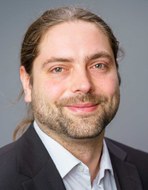
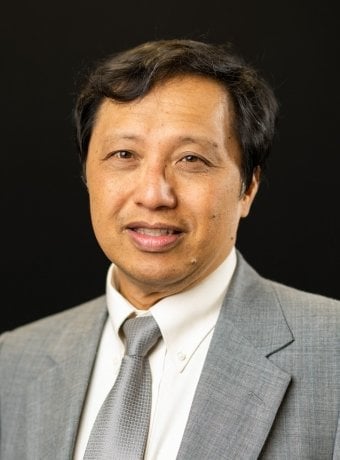
Mikael Evander is a Researcher at Lund University's Department of Biomedical Engineering within the Faculty of Engineering, specializing in acoustofluidics. He is affiliated with the Acoustofluidics group and has published 52 research outputs across articles, conference proceedings, and book chapters. His work contributes to UN Sustainable Development Goals related to health and wellbeing. Evander's research spans acoustics engineering (100%), particle material science (58%), microfluidics (50%), transducer engineering (36%), and ultrasonics (34%). His work focuses on developing acoustic trapping technologies for biomedical applications, particularly in manipulating particles, cells, and extracellular vesicles. He has pioneered techniques for silica seed particles to improve nanoparticle acoustic trapping efficiency and throughput, as well as methods for rapid acoustic isolation of extracellular vesicles from blood plasma samples. His recent publications (2021-2024) demonstrate a clear trend toward clinical applications, especially in cancer diagnostics through exosome and microRNA analysis. The research shows increasing sophistication in acoustic trapping systems, moving from basic particle manipulation to complex biomedical sample processing for prostate cancer detection and proteome analysis. Best Poster Award (2023 Nov 17) for work on exosome proteome analysis Evander actively supervises graduate research, having mentored at least two students including C. Johannesson (Dissertation: Acoustic trapping, 2015-2019) and M. Isaksson (MoDeNT project). He is currently involved in four major projects with significant grant funding: AcouSome (exosome separation from blood, 2023-2025), MoDeNT (Model of the Developing Neural Tube), Sowing the seeds of acoustic trapping (2020-2025), and previously supervised the Acoustic trapping dissertation project. As a key member of the Acoustofluidics group, Evander collaborates extensively with Professor Thomas Laurell and Dr. Andreas Lenshof. His work bridges engineering and medical applications, with recent focus on translating acoustic trapping technology into clinical diagnostic tools for cancer detection and personalized medicine.