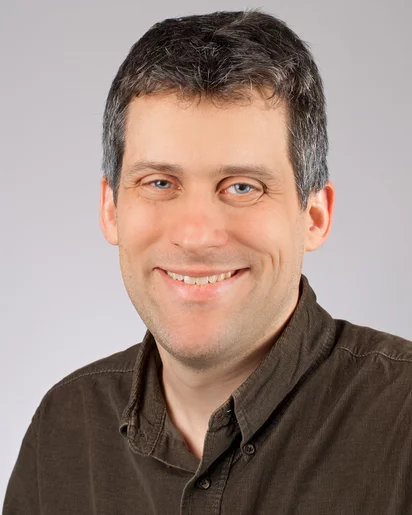
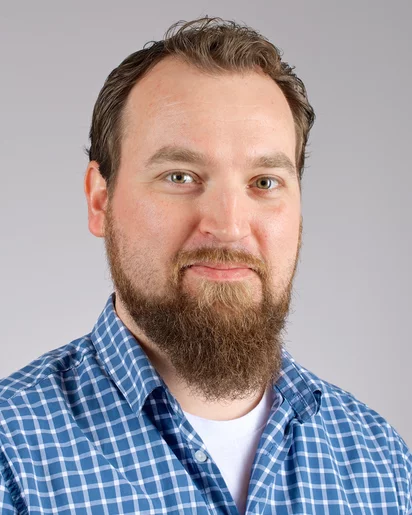
Prof. Dr. Malte Oppermann is a full Professor at the University of Basel , leading the Ultrafast Chiral Dynamics Laboratory within the Department of Chemistry. His group specializes in developing cutting-edge time-resolved spectroscopic techniques to probe molecular transformations on femtosecond to microsecond timescales, focusing on chirality and structural dynamics in complex systems. Research Focus: Ultrafast Chiral Spectroscopy : Using circularly polarized laser pulses to resolve structural changes in chiral systems. Molecular Motors & Protein Dynamics : Capturing conformational changes in synthetic motors and proteins in native environments. Photoactive Materials : Investigating light-energy conversion mechanisms in chiral photochemical systems. His research bridges physics and chemistry, employing state-of-the-art laser technology and collaborating internationally across synthesis, spectroscopy, and theory. Publications & Impact: Prof. Oppermann’s work (2011–2025) spans ultrafast spectroscopy , chiral dynamics , nanomaterials , and biomolecular photophysics . Key themes include spin-crossover dynamics, DNA photodamage, and plasmonic nanoparticles, with techniques like transient X-ray absorption and deep-UV circular dichroism. Team & Opportunities: The group actively recruits MSc/PhD students and postdocs in physics, chemistry, and materials science. Interested candidates are encouraged to contact Prof. Oppermann directly.
Eugene Demler is a Full Professor at the Department of Physics, ETH Zurich. Previously, he held academic positions at Harvard University from 1998 to 2021, including Assistant Professor (2001-2004), Associate Professor (unspecified dates), and Full Professor (2005-2021). His work bridges theoretical condensed matter physics, atomic and molecular physics, quantum optics, and quantum simulations. Education: MSc in Physics, Moscow Institute of Physics and Technology (1993) Diploma work, Lebedev Physics Institute (1992-1993) PhD in Theoretical Physics, Stanford University (1998), supervised by S.C. Zhang Demler's research focuses on strongly correlated quantum systems, spintronics, quantum sensing, and photo-induced phase transitions. His recent publications explore topics such as quantum polarons, Josephson plasmons, magnon dynamics, and terahertz spectroscopy in superconductors. He has pioneered hybrid quantum-classical methods for electron-phonon systems and cavity-mediated quantum materials. His Google Scholar articles (2023-2025) span theoretical and experimental domains, with keywords including Quantum Physics , Condensed Matter Physics , and Quantum Optics . Subfields include Quantum Control , Superconductivity , Spin Waves , Quantum Sensing , Non-Equilibrium Dynamics , and Quantum Simulation . Scientific Awards: Hamburg Prize for Theoretical Physics (2021) Simons Investigator (2021) Moore Distinguished Scholar (2020) Hanna Visiting Scholar (2019) Highly Cited Researcher (2017-2020) Senior Fellow at ETH Zurich's Institute for Theoretical Studies (2015) Simons Fellowship (2015) Distinguished Scholar at Max Planck Institute of Quantum Optics (2015) Thomson Reuters Highly Cited Researcher (2014) Siemens Research Award (2006) Johannes Gutenberg Lecture Award (2006) NSF Career Award (2002) Sloan Fellowship (2002) Demler teaches courses such as Statistical Physics and Strongly Correlated Systems in Atomic and Condensed Matter Physics . His work integrates theoretical modeling with experimental collaborations, particularly in quantum optics and condensed matter systems.
Nuri Yazdani is a Lecturer at the Department of Information Technology and Electrical Engineering at ETH Zürich, Switzerland. Based at the Institute for Electronics (Institut für Elektronik) in Zurich, Dr. Yazdani contributes to both teaching and research in advanced materials and nanotechnology. His work spans multiple interdisciplinary areas connecting physics, chemistry, and electrical engineering, with particular emphasis on nanocrystal-based materials and their applications in electronics and optoelectronics. Dr. Yazdani's research focuses on the synthesis, characterization, and application of nanomaterials, particularly semiconductor nanocrystals and quantum dots. His work explores the fundamental physical properties of these materials, including exciton-phonon interactions, structural ordering in multicomponent systems, and charge transport mechanisms in nanocrystal assemblies. He investigates how nanoscale phenomena affect macroscopic material properties, with applications ranging from catalysis to optoelectronic devices. His approach combines experimental techniques like small-angle X-ray scattering with theoretical modeling to understand structure-property relationships in nanomaterials. Analysis of Dr. Yazdani's recent publications reveals a strong emphasis on perovskite and chalcogenide nanocrystals, with particular interest in how structural features like cation distribution, octahedral tilting, and surface chemistry affect optical and electronic properties. His work bridges fundamental physics with practical applications, spanning from quantum optics to energy conversion technologies. A recurring theme is the investigation of size-dependent phenomena and the role of phonons in determining material behavior at the nanoscale. Dr. Yazdani collaborates extensively with researchers across multiple institutions and disciplines, as evidenced by his authorship on numerous multi-investigator publications. His work appears in high-impact journals including Nature Communications, Journal of the American Chemical Society, and Nature Physics, reflecting the significance and interdisciplinary nature of his contributions to nanoscience and nanotechnology.
Christoph Bostedt holds dual appointments as a Professor of Physical Chemistry at the Ecole Polytechnique Fédérale de Lausanne (EPFL) and as Head of the Laboratory for Synchrotron Radiation and Femtochemistry (LSF) at the Paul Scherrer Institut (PSI). He leads strategic operations for the LSF, managing five research groups and overseeing four beamlines at the Swiss Light Source and the Alvra Endstation at SwissFEL. His research focuses on ultrafast x-ray science, including single-shot imaging, non-linear x-ray spectroscopy, and femtosecond pump-probe techniques. He collaborates globally on initiatives like the Athos project, aiming to advance ultrafast x-ray technologies. Bostedt has over 150 publications and is a Fellow of the American Physical Society, recipient of the Röntgen Prize. Education: Ph.D. from the University of Hamburg with research at Lawrence Livermore and Berkeley National Laboratories. Prior roles include leadership at Argonne National Laboratory and SLAC National Accelerator Laboratory. Research Interests: Single-particle imaging and coherent diffraction X-ray free-electron laser applications Ultrafast dynamics in nanoparticles and molecular systems Non-linear x-ray spectroscopy Time-resolved x-ray pump-probe methods Awards: Fellow of the American Physical Society Röntgen Prize (University of Giessen) Labs & Projects: Spearheads the Athos beamline project at SwissFEL, developing the Maloja endstation for ultrafast x-ray studies. Oversees the Laboratory for Femtochemistry and collaborates on advanced imaging techniques for nanoscale science.
Natalie Banerji is a Full Professor in the Department of Chemistry and Biochemistry at the University of Bern, Switzerland. She previously held positions as Associate Professor (2015–2017) and Assistant Professor (2014–2015) at the University of Fribourg, and was an Ambizione Fellow at EPF Lausanne (2011–2014). Her research focuses on organic electronics, photovoltaic materials, and charge transport dynamics in conjugated polymers and perovskites. She has pioneered studies on electrochemical doping mechanisms, materials engineering for organic electrochemical transistors, and the interplay between material structure and optoelectronic properties. Education: PhD in Physical Chemistry (2009, University of Geneva), Diploma in Chemistry (2003, University of Geneva). Her work integrates advanced spectroscopic techniques like terahertz conductivity, transient absorption, and sum frequency generation to explore ultrafast charge dynamics. Key areas include optimizing polymer side-chain engineering for enhanced device stability and performance, and understanding charge separation in organic solar cells. Her recent articles emphasize advances in flexible electronics, biocompatible materials for bioelectronic devices, and perovskite-based optoelectronics. She has been funded by SNSF grants and collaborations with institutions like UCSB and EPFL.
Swiss Federal Institute of Technology in LausanneSwitzerland
Hatice Altug is a Full Professor at EPFL's Institute of Bioengineering within the School of Engineering, where she leads the Bionanophotonic Systems Laboratory. Her research integrates nanophotonics, plasmonics, and microfluidics to develop advanced biosensors for real-time molecular diagnostics. She holds dual roles in EPFL's doctoral programs and academic committees. Education: PhD in Applied Physics, Stanford University (2000-2007) B.S. in Physics, Bilkent University (1996-2000) Her research centers on creating label-free, high-sensitivity optical biosensors using nanophotonic technologies. Key innovations include dielectric metasurfaces for mid-infrared spectroscopy, AI-enhanced detection platforms, and portable nanoplasmonic imagers for point-of-care diagnostics. Her work bridges fundamental light-matter interactions with clinical applications like sepsis monitoring and cancer biomarker detection. Her publications emphasize nanophotonic biosensor design, metasurface applications, and single-cell analysis. Recent trends show increased focus on AI integration, vibrational spectroscopy, and wafer-scale manufacturing for clinical translation. Awards & Honors: Optical Society Fellow (2020) Presidential Early Career Award (PECASE, 2011) ERC Consolidator Grant (2016) IEEE Photonics Society Young Investigator Award (2011) She mentors numerous PhD students and leads interdisciplinary teams developing optofluidic platforms. Her laboratory pioneers nanoplasmonic microarrays and collaborates globally on projects like neurodegenerative disease biomarker detection. She co-directs EPFL's doctoral program in photonics and champions women in STEM through executive roles in diversity initiatives.
Dr. Daniel Nettels is a Senior Scientist at the University of Zurich's Department of Biochemistry within the Faculty of Science. His research focuses on biophysical methods, including single-molecule spectroscopy and fluorescence techniques, to study protein folding, misfolding, and the dynamics of biomolecular condensates. He joined Prof. Ben Schuler's group in 2004 after completing a Ph.D. in physics at the University of Fribourg and prior studies in physics at the University of Bonn. Nettels teaches the module BCH 306: Biochemical and Biophysical Methods. His work integrates experimental and computational approaches to understand disordered proteins and their roles in biological systems. Education: Ph.D. in Physics, University of Fribourg (2003) M.Sc./Diploma in Physics, University of Bonn (1998) Research Interests: Single-molecule FRET and spectroscopy Biomolecular condensates and their dynamics Intrinsically disordered proteins Teaching: BCH 306 module in the Faculty of Science
Kirsten Andrea Schnorr is a Researcher at the Paul Scherrer Institute (PSI) in Switzerland, working within the Center for Photon Science and Laboratory for Femtochemistry. She joined the SwissFEL team in 2018 to develop the Maloja endstation for atomic, molecular, and non-linear physics, leading its design, construction, and operational commissioning for cutting-edge XUV/X-ray experiments. Her educational background includes: PhD in Physics (2014), Ruprecht Karl University Heidelberg, completed at the Max Planck Institute for Nuclear Physics under PD Dr. Robert Moshammer; thesis focused on XUV pump-probe experiments of electron rearrangement and interatomic Coulombic decay in diatomic molecules. Schnorr's research centers on photo-induced ultrafast relaxation mechanisms in atoms, molecules, and nanoparticles using time-resolved techniques at Free-Electron Lasers and High Harmonic Generation sources. She pioneers multi-color pump-probe schemes with ultrashort X-ray pulses to steer non-local decay processes like Interatomic Coulombic Decay and Electron Mediated Decay, enabling real-time observation of electron dynamics and proton transfer in molecular systems. Her publication trends (2025-2020) reveal dual expertise in fundamental molecular dynamics and instrumental innovation. Key themes include proton transfer in water dimers (Science Advances 2023), Coulomb explosion in iodinated compounds (2025), and engineering breakthroughs like compact gas attenuators (2023) and polarization control systems (2024), frequently published in Physical Review Letters, Nature Communications, and Journal of Synchrotron Radiation. Scientific awards: Peter Paul Ewald Fellowship from the Volkswagen Foundation (2015), supporting her research on non-linear relaxation processes at UC Berkeley's Physical Chemistry Department under Prof. Stephen Leone. No formal advisees or student supervision are documented. The Volkswagen Foundation fellowship served as her primary grant, funding postdoctoral work on real-time relaxation studies; no additional grants are specified. Her instrumental leadership at SwissFEL suggests mentorship of junior scientists, though no individual students are named. Schnorr directs the Maloja instrument at SwissFEL while contributing to the ATHOS beamline development. She collaborates extensively with PSI's detector teams (e.g., JUNGFRAU advancements) and international groups like UC Berkeley's Physical Chemistry Department, driving initiatives in ultrafast beamline technology and molecular dynamics experiments.
Martin Huppert is a laser engineer at the Paul Scherrer Institute (PSI), working in the Laboratory for Nonlinear Optics . Since 2017, he has focused on developing and maintaining laser systems for the SwissFEL facility, particularly the photocathode and seeding lasers. His academic background includes a Master's degree from the MIT-Harvard Center for Ultracold Atoms and a doctoral degree (Dr. sc. ETH Zurich, 2016) under Prof. Hans Jakob Wörner. ETH Zurich – Interdisciplinary Sciences (Master's) MIT-Harvard Center for Ultracold Atoms – Master Thesis ETH Zurich – Doctoral Degree in Physical Chemistry (2016) Research interests center on applied laser engineering , attosecond pulse generation , and atomic/molecular physics . He bridges laser technology with electron accelerators for coherent X-ray production. Current work involves SwissFEL's Athos beamline to achieve attosecond free-electron laser radiation in the soft X-ray range. Recent publications emphasize ultrafast laser systems , attosecond pulse characterization , and X-ray spectroscopy . Key contributions include developing stabilization systems for optical frequency combs and studying photoionization dynamics in molecules like N₂O and H₂O. Technical advancements in beamline design and mid-infrared drivers dominate his work. Institutional responsibilities include maintaining SwissFEL's laser systems for reliable, high-performance operation. His career spans hands-on laser engineering, academic research, and technology development at major institutions (ETH Zurich, PSI), with expertise in femtosecond and attosecond time-resolved experiments.
Prof. Dr. Ilaria Zardo is a faculty member at the Department of Physics, University of Basel, specializing in nanoscale thermal transport and phonon engineering. She leads research projects on quantum nanostructures and thermoelectrics, with affiliations to the Basel Quantum Center and Swiss Nanoscience Institute . Academic Background MSc in Physics, Università degli Studi di Roma "Sapienza" (2007) PhD in Physics, TU München/Università di Roma "Sapienza" (2010) Research Focus : Investigation of lattice dynamics and phonon transport in tailored nanostructures, with applications in thermoelectrics and quantum memory systems. Her work combines pump-probe Raman spectroscopy with electrical measurements for thermal conductivity analysis. Key projects include Telescopic Nanowire Thermal Circuits and Ge/SiGe Quantum Wells for Spin Qubits . Scientific Recognition : 2024: Invited to International Workshop on Nanoscale Thermal Transport 2023: Hertha-Sponer Prize for outstanding female physicists 2020: Tenured Associate Professor appointment 2015: NWO Veni Scheme grant for "Nanostructures for Energetic Wisdom" Collaborations : Collaborates with groups at ETH Zurich, TU Eindhoven, and the Swiss Nanoscience Institute . Supervises interdisciplinary projects involving physicists and materials scientists.
Ben Schuler is a Professor of Molecular Biophysics at the Department of Biochemistry, University of Zurich, Faculty of Mathematics and Natural Sciences. He joined as Assistant Professor in 2004, was promoted to Full Professor in 2009, and served as Head of Department from 2016 to 2020. His research focuses on understanding protein structure, dynamics, folding, and misfolding using innovative biochemical and spectroscopic approaches. His educational background includes: PhD in Physical Biochemistry, University of Regensburg (1998) Diploma (MSc) in Biochemistry, University of Regensburg (1995) European Student Exchange Program (Erasmus), University of Kent at Canterbury, UK (1993-1994) Professor Schuler's research centers on biomolecules with pronounced conformational heterogeneity, particularly intrinsically disordered proteins (IDPs), protein-nucleic acid interactions, and protein misfolding. His laboratory employs an integrative approach combining molecular biology, protein chemistry, biophysical methods, single-molecule spectroscopies, and computational modeling. A key focus is developing novel single-molecule techniques to probe biological macromolecules across diverse conditions and timescales. His work aims to establish quantitative physical models that explain biomolecular function at a mechanistic level. Analysis of Professor Schuler's recent publications (2023-2025) reveals a strong emphasis on intrinsically disordered proteins, biomolecular condensates, and the development of advanced single-molecule techniques. His research increasingly explores the material properties of biomolecular condensates, the role of electrostatic interactions in protein complex formation, and the nanosecond dynamics of biomolecules. The work often integrates experimental and computational approaches to understand conformational heterogeneity and its functional implications. Professor Schuler has received numerous prestigious awards: Member of the German National Academy of Sciences Leopoldina (since 2025) Fellow of the American Physical Society (since 2024) Kazuhiko Kinosita Award in Single-Molecule Biophysics (2023) Fellow of the Biophysical Society (since 2020) Human Frontier Science Program Research Grant (2019) Young Fluorescence Investigator Award of the Biophysical Society (2009) Professor Schuler leads an active research group comprising senior scientists, postdoctoral researchers, PhD students, and master's students from diverse scientific backgrounds including physics, chemistry, and biology. His group has secured significant funding through competitive grants including the European Research Council Starting Independent Researcher Grant (2007) and the Human Frontier Science Program Research Grant (2019). He has mentored numerous graduate students and has established collaborations with leading researchers in biophysics worldwide. The Schuler Group operates as a multidisciplinary team focused on single-molecule spectroscopy of protein folding, disorder, and dynamics. The laboratory features state-of-the-art instrumentation for single-molecule fluorescence measurements and develops novel methodologies for probing biomolecular dynamics. The team includes specialists in molecular biology, protein chemistry, biophysics, and computational analysis who work collaboratively to address fundamental questions in protein science.
Stefan Willitsch is a Professor in the Department of Chemistry at the University of Basel, Switzerland. His research group (FG Willitsch) is based at Klingelbergstrasse 80 in Basel and focuses on cutting-edge quantum physics and chemistry with trapped ions. He maintains an active research program investigating quantum control of molecular systems, cold chemistry, and quantum information processing. Willitsch's research interests center on quantum physics with trapped ions, molecular spectroscopy, cold chemistry, and quantum information processing. His work bridges fundamental quantum mechanics with practical applications in precision measurement and quantum technology. He has developed innovative techniques for controlling molecular ions at the quantum level, enabling unprecedented studies of chemical reactions and molecular properties. His recent publications reveal a strong focus on quantum logic spectroscopy, trapped ion systems, and conformer-specific chemistry. The research spans from fundamental quantum control techniques to applications in quantum information processing and precision chemical measurements. His group has made significant contributions to understanding how molecular rotation and conformation affect chemical reactivity at the quantum level. Willitsch's research is supported by substantial publications in leading journals, with numerous articles published in 2024-2025 covering topics from ion-nanowire hybrid systems to quantum control of polyatomic molecular ions. His work represents the forefront of quantum-controlled chemistry and molecular physics. His research group maintains active collaborations across quantum physics and chemistry disciplines, working at the intersection of atomic physics, molecular spectroscopy, and quantum information science. The group develops advanced experimental techniques for trapping, cooling, and manipulating ions at the quantum level, with applications ranging from fundamental chemistry to quantum computing.
Petra S. Dittrich is an Associate Professor at the Department of Biosystems Science and Engineering, ETH Zürich, specializing in lab-on-chip technologies . Her interdisciplinary research combines microfluidics , chemical detection , and biological analysis to develop miniaturized devices for life sciences applications. She leads the Bioanalytics Group, focusing on single-cell analysis, artificial cells, and diagnostics. Education: Chemistry at Bielefeld University and Universidad de Salamanca (1993–1999) PhD: Max Planck-Institute for Biophysical Chemistry (2003) Her research interests span microfluidics , fluorescence spectroscopy , and bioanalytics . Recent publications highlight advancements in drug mixture analysis , biohybrid artificial cells , and ultrafast droplet formation for high-throughput assays. These works emphasize applications in pharmacology , infection modeling , and enzymatic kinetics . European Research Council (ERC) Starting Grant (2008) Analytica Forschungspreis (2010) Heinrich Emanuel Merck Award (2015) ERC Consolidator Grant (2016) She has mentored PhD students including Simon Berlanda and Maximilian Breitfeld , and her lab integrates microfabrication , cell immobilization , and TIRF/FCS detection for applications in diagnostics and biomedical engineering .
Steven Johnson is a Full Professor of Physics at ETH Zurich and heads the Institute for Quantum Electronics. He holds a joint appointment at the Paul Scherrer Institute (PSI), leading the experimental laser group at the SwissFEL x-ray free-electron laser. He earned a BSc in Mathematics and Physics from Harvey Mudd College (1997) and a PhD in Physics from UC Berkeley (2002). His research focuses on atomic-scale dynamics in materials, leveraging light-matter interactions, ultrafast laser techniques, and x-ray methods to study condensed matter systems. He has pioneered work on coherent vibrational excitations, THz-driven spin dynamics, and structural phase transitions. Johnson’s contributions include advancing femtosecond x-ray diffraction and developing novel experimental tools for probing material behavior at ultrafast timescales. Education: BSc (Harvey Mudd College, 1997), PhD (UC Berkeley, 2002) Affiliations: ETH Zurich (since 2020), PSI (since 2003), SwissFEL collaboration Roles: Head of PSI’s Pump Laser Group, Member of ETH Zurich’s Physics Department Strategy Commission His honors include the Advanced Light Source Doctoral Fellowship (2001) and NSF Graduate Fellowship (1997). He collaborates internationally with institutions like SLAC and Vanderbilt University, focusing on multiferroics and ultrafast magnetism. His group’s work integrates laser systems at SwissFEL to enable cutting-edge pump-probe experiments across biology, chemistry, and physics.
Florian Dworkowski is a Beamline Scientist in the Macromolecular Crystallography Group at the Swiss Light Source (SLS), Paul Scherrer Institute, Switzerland. His career spans over a decade in advanced crystallography techniques, specializing in structural biology, biophysics, and X-ray methodologies. B.Sc. in Chemistry, Technische Universität Berlin (2000-2002) M.Sc. in Chemistry and Biochemistry, University of Oklahoma (2002-2004) Ph.D. in Biology & Biophysics, ETH Zurich (2005-2009) PostDoc at SLS (2010-2012) Beamline Scientist at SLS since 2013 His research focuses on beamline instrumentation , serial crystallography , method development , and in situ spectroscopy , with a particular emphasis on understanding radiation damage in biomolecular crystals. Key contributions include advancements in time-resolved serial crystallography and X-ray-induced structural changes. Recent publications highlight his work on light-driven protein dynamics (e.g., rhodopsin photocycles, photolyase radical pairs), drug release mechanisms, and detector innovations like the JUNGFRAU system. Collaborative efforts span membrane protein studies, DNA repair, and NO photodissociation in hemoproteins. Instrumentation : Development of high-viscosity microstreams, multi-reservoir extruders, and on-axis micro-spectrophotometers Techniques : Serial femtosecond crystallography (SFX), resonance Raman spectroscopy, pump-probe experiments Applications : GPCR studies, photopharmacology, enzyme catalysis, vision mechanisms