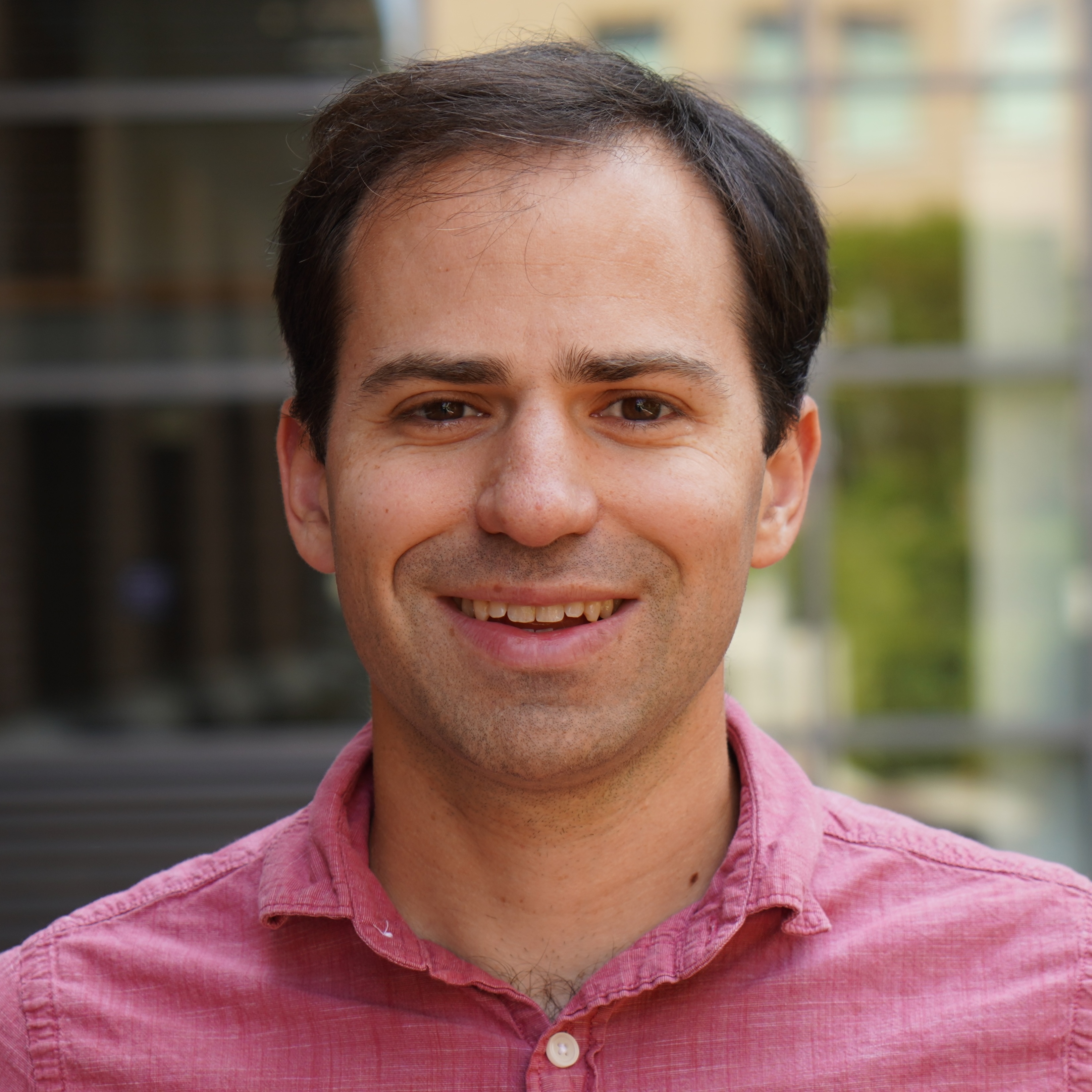
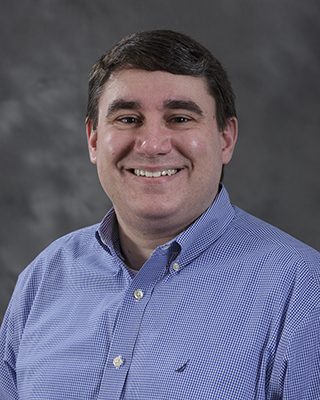
Daniel Epstein is an Associate Professor in the Department of Informatics at the University of California, Irvine (UCI), where he leads the Personal Informatics Everyday (PIE) Lab. He holds a courtesy appointment in the Department of Computer Science and is affiliated with the Connected Learning Lab, Institute for Future Health, and Accessibility Research Collective. Epstein earned his Ph.D. in Computer Science & Engineering from the University of Washington and a B.S. in Computer Science from the University of Virginia. His research focuses on how personal tracking technology can better serve diverse users' needs, emphasizing ethical design, health equity, and long-term user engagement. Notable areas include pregnancy tracking, wearable technology for children and ADHD management, and AI-driven health chatbots. Epstein has received grants from NSF, Snap Inc., and UCI programs, totaling over $650k in funding. Epstein's work bridges HCI and health informatics, with over 60 peer-reviewed publications. He advises six Ph.D. students and has mentored numerous undergraduates. Awards include the ACM Senior Member distinction (2025), CHI Best Paper (2023), and NSF CAREER Award (2023). Professional service includes program committees for CHI, CSCW, and UbiComp, plus leadership roles in workshops like the Workgroup on Interactive Systems in Healthcare (WISH). Beyond academia, Epstein enjoys hiking, collecting turtle figures, and advocating for accessible technology.
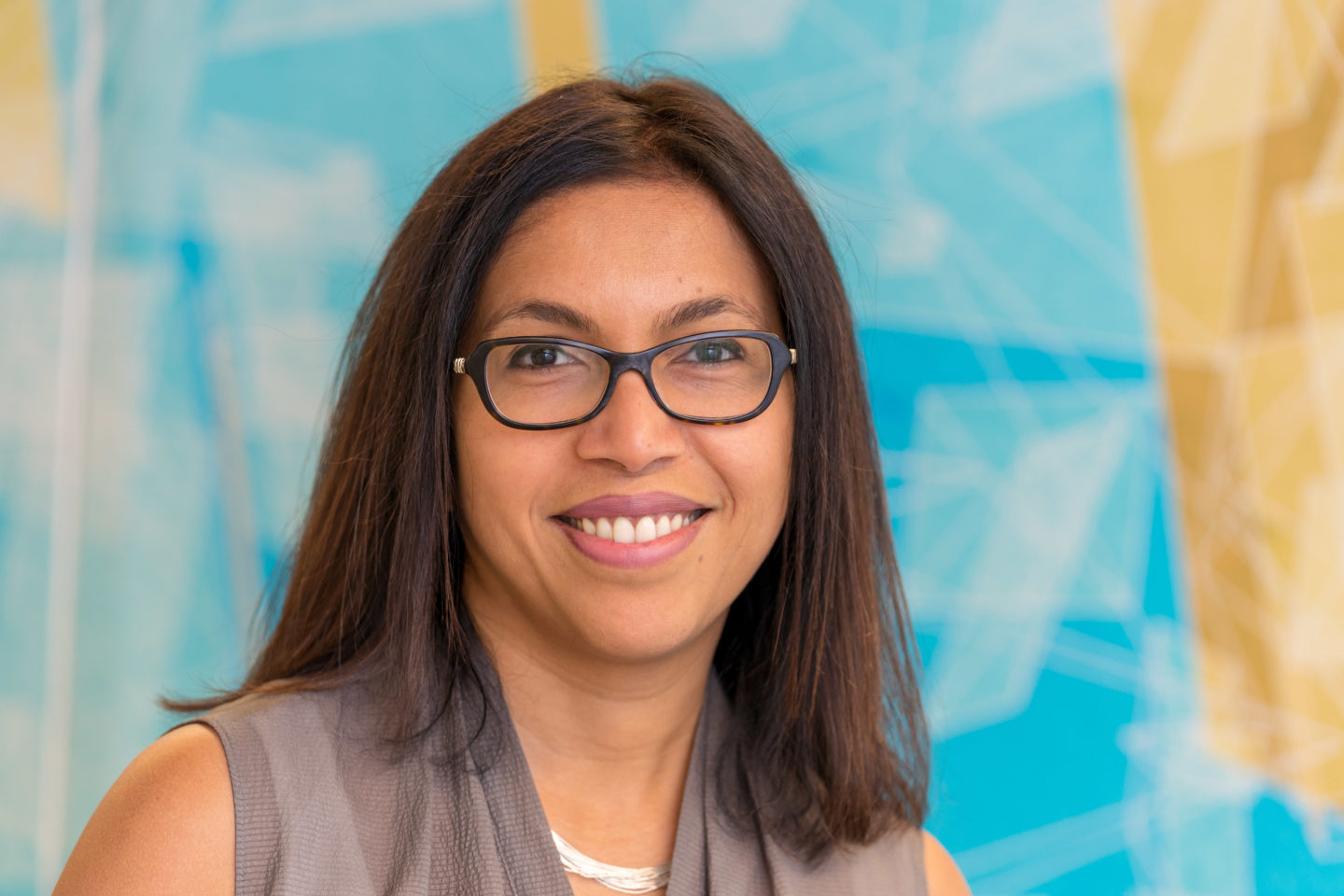
Tanzeem Choudhury is a Professor at the Jacobs Technion-Cornell Institute at Cornell Tech, specializing in Information Sciences. She co-founded HealthRhythms Inc. and directs the People-Aware Computing lab, focusing on machine learning for human activity and social network analysis. Her work pioneered the 'Reality Mining' field, leveraging mobile sensors to model social interactions. Choudhury holds a Ph.D. from MIT's Media Lab and B.S. in Electrical Engineering from the University of Rochester. Her research spans wearable tech, mental health interventions, and ubiquitous computing. Notable projects include affective touch wearables for anxiety reduction, stress detection systems (e.g., StressSense), and the BeWell app for well-being monitoring. Choudhury has been recognized as an ACM Fellow and SIGCHI Academy member, with impactful contributions to healthcare technology and sensor-based behavioral analysis. Current lab initiatives include developing closed-loop interventions for mental health, equity-driven sensing systems, and exploring AI integration in psychotherapy. She advises PhD students on topics like digital biomarkers, burnout detection in healthcare workers, and smartphone-based mental health assessment. Education: Ph.D. in Media Arts & Sciences (MIT), M.S. (MIT Media Lab), B.S. in Electrical Engineering (University of Rochester) Lab Team: Includes PhD candidates (Dan Adler, Yiran Zhao) and researchers focusing on health AI, wearable devices, and clinical applications. Major Awards: ACM Fellowship (2020), SIGCHI Academy (2018), Best Paper Awards at Ubicomp and MobileHCI conferences. Key Projects: OptoBeat (skin-tone calibrated blood oxygen sensor), EmotionCheck (anxiety intervention), and Affective Touch devices.
Rosa I. Arriaga is an Associate Professor in the School of Interactive Computing at Georgia Institute of Technology, where she directs the Ubicomp Health and Wellness Lab. Her research focuses on Human-Computer Interaction (HCI), Ubiquitous Computing, and mHealth, with applications in mental health, chronic disease management (e.g., diabetes), and pediatric asthma care. She designs technology systems to improve patient engagement, continuity of care, and clinician-patient communication. Research Areas: Chronic Care Management PTSD Therapy Support (PECSS project) Diabetes Management (DUCSS project) mHealth System Design AI in Healthcare Key Projects: PECSS: Leverages ubiquitous computing and machine learning to address clinical challenges in PTSD therapy. DUCSS: A diabetes management system to streamline patient education and self-monitoring, particularly for underserved populations. ZenVR: A virtual reality system for meditation education, validated through longitudinal studies. Teaching: Teaches undergraduate courses in HCI and graduate courses in Human-Centered Computing (HCC). Her Coursera course Intro to User Experience Design has over 50K learners. Grants & Partnerships: Funded by GT-Emory AI Humanity, American Diabetes Association, and Georgia Center for Diabetes Translation Research. Collaborations with Emory University, University of Rochester, and medical professionals. Labs & Teams: Leads the Ubicomp Health and Wellness Lab, fostering interdisciplinary research with graduate and undergraduate students focusing on health technology innovation.
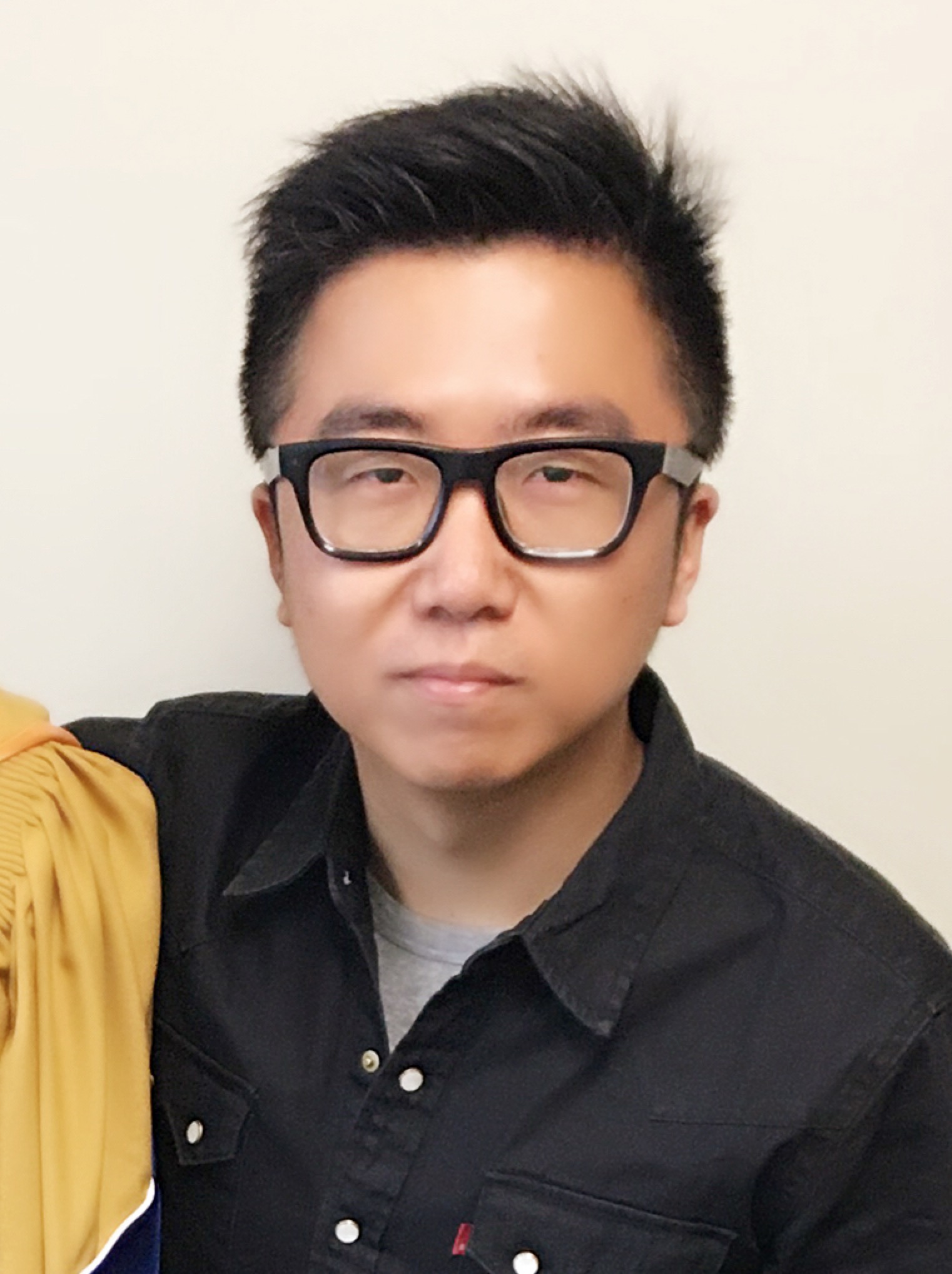
Cheng Zhang is an Associate Professor (with Tenure) in Information Science and a Field Member in Computer Science at Cornell University. He directs the Smart Computer Interfaces for Future Interaction (SciFi) Lab , focusing on integrating human-centered AI with advanced sensing technologies to empower everyday wearables. Ph.D. in Computer Science, Georgia Institute of Technology (2020) M.S. in Software Engineering, Chinese Academy of Sciences B.S. in Software Engineering, Nankai University His research examines how to solicit information on and around the human body to address real-world challenges in interaction, health sensing, and activity recognition. He builds novel sensing systems spanning hardware prototypes, algorithm design (machine learning and physics-based modeling), and high-impact applications in accessibility and health. Article Trends : His recent work includes low-power, minimally intrusive wearables (e.g., EchoForce for muscle activity tracking, Ring-a-Pose for hand poses, SeamFit for smart clothing) using acoustic sensing and machine learning. The 15 most recent articles span 2025–2023, with applications in silent speech, authentication, and pose estimation. Scientific Awards : NSF CAREER Award Ubicomp 10-Year Impact Award Best Paper Honorable Mentions at ISWC’24 and ISWC’23 Advising : Mentored Ph.D. students like Ruidong Zhang (Qualcomm Fellowship recipient) and Ke Li, with research featured in Cornell Chronicle and IEEE Spectrum .
Thad Starner is a Professor in the College of Computing at Georgia Institute of Technology and Technical Lead/Manager on Google's Glass. He directs the Contextual Computing Group (CCG), co-founded the Animal Computer Interaction Lab, and contributes to Georgia Tech's Ubicomp Group and Brainlab. A wearable computing pioneer since 1993, he has over 500 publications and 80 issued U.S. patents. Coined 'augmented reality' in 1990 Developed CopyCat for ASL learning in deaf children Invented Passive Haptic Learning for skill acquisition His research spans wearable interfaces for Deaf-hearing communication, dolphin interaction systems (CHAT), dog-handler communication (FIDO), and brain-computer interfaces for ALS patients. Current projects focus on optical aging simulation, XR input methods, and animal behavior telemetry. Recent publications (2023-2025) explore AR display ergonomics, AI-augmented reasoning, sign language recognition, and animal-computer interaction. His work has been featured in 60 Minutes, BBC, National Geographic, and Time Magazine. CHI Academy (2017) Lemelson-MIT Prize finalist White House Champions of Change finalist He advises graduate students in wearable systems and teaches AI and prototyping courses. His lab developed the Perceptive Workbench for gesture tracking and created early Eigenfaces research for face recognition.
Shwetak N. Patel serves as Professor and Associate Director for Development & Entrepreneurship at the University of Washington's Paul G. Allen School of Computer Science & Engineering, with a joint appointment in the Department of Electrical & Computer Engineering. He holds the Washington Research Foundation Entrepreneurship Endowed Professorship and directs the Ubicomp Lab. His research spans Human-Computer Interaction, Ubiquitous Computing, and Sensor-Enabled Embedded Systems with applications in health and sustainability. Key focus areas include mobile health technologies, energy/water sensing systems, and low-power wireless platforms. His work bridges computing with real-world sustainability challenges through practical sensor applications. Patel has received numerous prestigious awards including the MacArthur Fellowship, ACM Prize in Computing, and Presidential PECASE Award. His scientific recognition spans foundational computing contributions and impactful commercialization. MacArthur Fellowship (2011) ACM Prize in Computing (2018) Presidential PECASE Award (2016) Sloan Fellowship (2012) NSF Career Award (2013) He actively advises students through the Ubicomp Lab and has secured significant research funding supporting health and sustainability projects. His commercial ventures include three successful startups acquired by major corporations. Patel maintains strong community engagement through K-12 STEM outreach and government advisory roles. His laboratory work focuses on practical sensor systems for home environments, with ongoing projects in mobile health monitoring and resource conservation technologies.
Andrew Thomas Campbell is a Professor and Albert Bradley 1915 Third Century Professor in the Department of Computer Science at Dartmouth College. His research focuses on ubiquitous computing, machine learning, and mental health, particularly using mobile and wearable sensors to assess and manage mental illnesses. He leads the StudentLife project, which tracks college students' mental health over four years, and co-directs the HealthX Lab. Campbell's work has received prestigious awards, including the ACM UbiComp 10-Year Impact Award for pioneering mobile sensing in mental health. He previously held tenure as an Associate Professor at Columbia University and has industry experience at Google and Verily. His research spans $42M in grants from NIH, NSF, and corporate partners, emphasizing technology-driven solutions for mental health challenges. Education: B.Sc. from Aston University, M.Sc. from City University, Ph.D. from Lancaster University. He teaches CS 1 Introduction to Programming and mentors numerous students. Awards include the Dean of the Faculty Award for Mentoring (2025) and multiple ACM Test of Time Awards. His lab collaborations involve跨学科 teams addressing mental health through AI and sensing technologies.
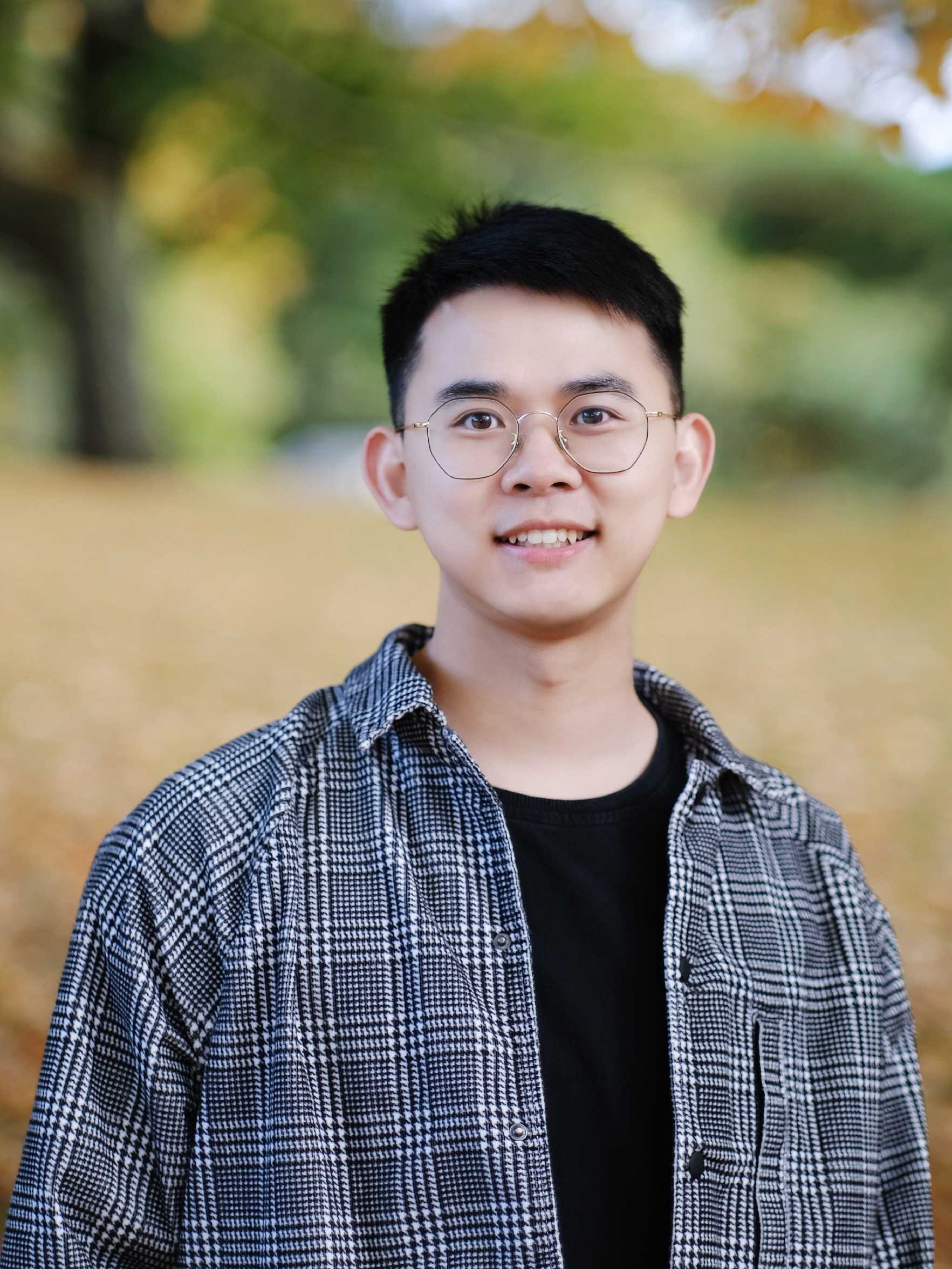
Qijia Shao is an Assistant Professor at The Hong Kong University of Science and Technology (HKUST), specializing in Mobile Computing, Human-Computer Interaction (HCI), and Ubiquitous Computing. He earned his Ph.D. in Computer Science from Columbia University (2024), advised by Prof. Xia Zhou and Prof. Fred Jiang, with prior degrees from Dartmouth College (M.Sc.) and UESTC (B.Sc.). His research focuses on developing unobtrusive systems for human physical/physiological signal sensing, integrating machine learning, signal processing, and hardware design to address societal challenges in healthcare, education, and human-computer interaction. Educational Background: Ph.D., Computer Science, Columbia University (2024) M.Sc., Dartmouth College B.Sc., UESTC Visiting Student, National Chiao Tung University (EECS) Research Assistant, Missouri S&T Research Interests: Deployable systems for human state analysis via physical/physiological signals (e.g., ECG, movement) Generalizable AI algorithms for low-overhead data interpretation Hardware-software co-design for imperceptible sensing Applications in healthcare (e.g., Kangaroo Mother Care monitoring), education, and consumer electronics Awards & Recognition: MobiSys 2024 Best Paper and Demo Awards NSF Funding & Rising Stars Honors ACM UbiComp Gaetano Borriello Award Finalist Editorial Board Member (ACM IMWUT, since 2024) Lab & Collaborations: Director of the Ubiquitous X Lab at HKUST Industry partnerships with Samsung, Snap, and Philips Research International conference TPC roles (MobiSys, SenSys) and keynote speaking engagements
Matt Reynolds is a Professor in the Department of Electrical and Computer Engineering at the University of Washington, with an adjunct appointment at the Paul G. Allen School of Computer Science & Engineering. His research bridges wireless systems, RFID, and millimeter-wave imaging with commercial applications through multiple technology spin-offs. Education: Ph.D., MIT Media Lab, 2003 (Motorola Fellow) S.B. and M.Eng., Electrical Engineering and Computer Science, MIT Research Interests: Dr. Reynolds pioneers millimeter-wave sensing and imaging , RFID systems , and energy-efficient wireless communication , focusing on ubiquitous computing and embedded sensor networks . His work transforms theoretical physics of sensing into practical home monitoring and industrial applications, emphasizing real-world deployment of wireless systems. Scientific Awards: Six Best Paper Awards 2024 UW ECE Outstanding Teaching Award 2018 ACM Ubicomp 10-Year Impact Award 2019 ACM Ubicomp 10-Year Impact Award Technology Ventures: As co-founder of ThingMagic Inc (acquired by Trimble Navigation), Zensi (acquired by Belkin), SNUPI Inc (acquired by Sears), and current millimeter-wave imaging firm ThruWave Inc, he drives commercialization of research in home sensing and wireless power systems.
Hao-Chuan Wang is an Associate Professor in the Department of Computer Science at the University of California, Davis, with affiliations in the Electrical and Computer Engineering Graduate Program. He previously served as a faculty member at National Tsing Hua University, Taiwan, from 2012 to 2018, where he was promoted to tenured Associate Professor. He holds a Ph.D. in Information Science from Cornell University and has conducted postgraduate research at Carnegie Mellon University and Academia Sinica. His research lies at the intersection of Human-Computer Interaction (HCI), Computer-Supported Cooperative Work (CSCW), and Human-Centered AI, with a strong emphasis on collaborative systems, hybrid and remote work, video-mediated communication, and inclusive design for education and wellbeing. He employs mixed-method, human-centered approaches to design systems that support knowledge transfer, equity, and social interaction in distributed environments. His recent publications focus on AI-supported learning, fairness in group work, reflective tools, and cross-cultural interactions with large language models. These works are published in top-tier venues such as CHI, CSCW, CUI, and WWW, reflecting his impact in the HCI community. His scientific contributions have been recognized with several awards, including Best Student Paper at The Web Conference 2021, Best Demo Award at Augmented Humans 2021, Distinguished Paper Award at PACM IMWUT 2018, and multiple Honorable Mention awards at CHI and CSCW. Best Student Paper Award, The Web Conference (WWW) 2021 Best Demo Award, Augmented Humans International Conference 2021 PACM IMWUT Distinguished Paper Award, Ubicomp 2018 Honorable Mention Paper Award, CHI 2015 Honorable Mention Paper Award, CHI 2018 Honorable Mention Paper Award, CSCW 2018 Best Poster Award, ITS 2006 Wang actively contributes to the academic community through leadership roles in ACM SIGCHI, including serving as VP Finance (2024–2027), Workshop Chair for CHI 2025–2026, and Associate Editor for the Journal of Information Science and Engineering. He has advised numerous students whose research appears in major conferences, and his work bridges computer science, communication, design, and learning sciences, reflecting a deeply interdisciplinary and impactful scholarly profile.
Rosa I. Arriaga is an Associate Professor and Associate Chair of Graduate Studies at the School of Interactive Computing , Georgia Institute of Technology. As director of the Ubicomp Health and Wellness Lab , she pioneers technology solutions for chronic disease management and mental health support through human-computer interaction principles. NSF grant recipient for PTSD treatment systems ReplicCHI award winner Google Scholar profile: https://scholar.google.com Her research bridges mHealth systems with behavioral intervention frameworks, creating scalable solutions for asthma management , diabetes care , and autism support . With over 140 publications, her work emphasizes user-centered design and real-world implementation challenges. Recent publications demonstrate growing focus on AI integration in mental health, including synthetic therapy datasets and explainable AI frameworks. Her administrative work involves improving graduate student wellness programs and career navigation structures. NSF Grant : $1.2M for PTSD treatment systems ReplicCHI Award : Methodological validation of asthma SMS interventions Academic Leadership : Graduate Affairs policy frameworks Arriaga's lab explores medical making practices, particularly during pandemic responses, and develops ubiquitous computing solutions for low-resource settings . She teaches user experience design through Georgia Tech's Coursera platform, which has reached over 50,000 learners globally.
University of North Carolina at Chapel HillUnited States
Shahriar Nirjon is an Associate Professor in the Department of Computer Science at the University of North Carolina at Chapel Hill. His research focuses on Embedded Intelligence, developing end-to-end systems that make resource-constrained real-time and embedded sensing systems capable of learning, adapting, and evolving. Dr. Nirjon received his Ph.D. from the University of Virginia in 2014. Before joining UNC Chapel Hill in 2015, he worked as a Research Scientist at HP Labs (2014-2015) and as a Research Intern at Microsoft Research (Summer 2013) and Deutsche Telekom Lab (Summer 2010). His primary research interest is Embedded Intelligence, with recent works broadly categorized into embedded deep learning and multi-modal sensing techniques. Applications of his research span wearables and implantables, long-term monitoring and control systems, smart home environments, and mobile health solutions. Dr. Nirjon's research bridges theoretical foundations with practical implementations, resulting in systems that have real-world impact in healthcare, safety, and everyday computing. His work has been highlighted in prominent media outlets including IEEE Spectrum, The Economist, New Scientist, and BBC. Dr. Nirjon's publication record demonstrates a strong focus on mobile computing systems, embedded sensor networks, and wireless technologies. His recent work shows increasing integration of machine learning and artificial intelligence with embedded systems, particularly in healthcare applications. There's a clear trajectory toward more sophisticated, energy-efficient systems capable of on-device intelligence, with growing emphasis on privacy-preserving techniques and real-world deployments in healthcare settings. Best Paper Award, Challenges in AI and Machine Learning for IoT (AIChallengeIoT '20) Best Presentation Award, Pervasive and Ubiquitous Computing (Ubicomp '20) Best Paper Award, Distributed Computing in Sensor Systems (DCOSS '19) Best Presentation Award, Vehicular Networking Conference App Contest (VNC '18) Best Demo Runner Up, Vehicular Networking Conference App Contest (VNC '18) Best Paper Nomination, Embedded Wireless Systems and Networks (EWSN '17) Best Demo Runner Up Award, Embedded Networked Sensor Systems (SenSys '16) Best Paper Award, Mobile Systems, Applications, and Services (MOBISYS '14) Best Paper Award, Real-Time and Embedded Technology and Applications Symposium (RTAS '12) Dr. Nirjon has advised numerous PhD students including Chong Shao (Google), Shiwei Fang (Assistant Professor at Augusta University), Tamzeed Islam (Research Staff at Amazon), Bashima Islam (Assistant Professor at Worcester Polytechnic Institute), Seulki Lee (Assistant Professor at UNIST, Korea), and Yubo Luo (Black Sesame Technologies Inc.). He currently advises Mahathir Monjur, Zhenyu Wang, and Louie Lu who are in various stages of their PhD programs. His research is supported by significant grants including an NSF CAREER award ($561K), an NSF SCH grant ($941K), and multiple other NSF-funded projects totaling over $2 million. His active projects include Audio Privacy, Pedestrian Safety, IoT Data Privacy, and HVAC Acoustic Fingerprinting. Dr. Nirjon leads research in the Embedded Intelligence Lab at UNC Chapel Hill, where his team develops cutting-edge technologies in mobile computing, embedded systems, and wireless networks. His work spans multiple domains including healthcare (mobile health systems), safety (pedestrian safety applications), and smart environments (smart homes). He collaborates with researchers across disciplines, particularly in healthcare through the Carolina Health Informatics Program (CHIP), and is actively involved in the Be-A-Maker (BeAM) network of makerspaces at UNC.
Asif Salekin is an Assistant Professor at Arizona State University's School of Biological and Health Systems Engineering (SBHSE), where he directs the Laboratory for Ubiquitous and Intelligent Sensing (UIS Lab). He holds additional affiliations with the School of Medicine and Advanced Medical Engineering, serves as a Research Affiliate at the Mayo Clinic, and maintains affiliations with SUNY Upstate Medical University and Syracuse University. Having joined ASU as a tenure-track Assistant Professor in August 2024, he previously served as an Assistant Professor at Syracuse University from 2020-2024. His research spans Human-Centered Computing, Machine Learning, Cyber-Physical Systems, and Usable Sensing Security and Privacy within Ubiquitous Computing, with a core focus on integrating computing solutions to advance health assessment and monitoring. His work addresses natural distribution shifts in human-centered applications, algorithmic fairness and bias mitigation, multimodal integration, interpretability of ML inference in healthcare, scalable edge computing solutions, trustworthiness in human-centered sensing, and security and privacy challenges in IoT applications. His publications demonstrate a strong trend toward health-focused applications of ubiquitous computing, particularly in mental health assessment, substance use disorder monitoring, childhood speech disorders, and chronic disease management. His recent work shows increasing emphasis on robustness, fairness, and privacy in human-centered AI systems, with significant contributions to stress detection, emotion privacy protection, and reliable health monitoring solutions. IAAI Deployed Application Award (2021) Graduate Student Award for Outstanding Research (UVA CS Department, 2018) Nominated for Best Paper Award (AsthmaGuide, Wireless Health 2016) CUSE Grant: Innovative & Interdisciplinary Research Grant (Syracuse University, 2021) Dr. Salekin actively advises multiple PhD students in Computer Science and Biomedical Engineering programs, with several successful doctoral graduates. His research has been funded by two National Science Foundation grants and three National Institutes of Health grants. He currently serves as an Associate Editor for the Proceedings of the ACM on Interactive, Mobile, Wearable and Ubiquitous Technologies (IMWUT) and the UbiComp conference. His work spans multiple labs and collaborative teams including the UIS Lab at ASU, Mayo Clinic research teams, and collaborations with medical professionals at SUNY Upstate Medical University.
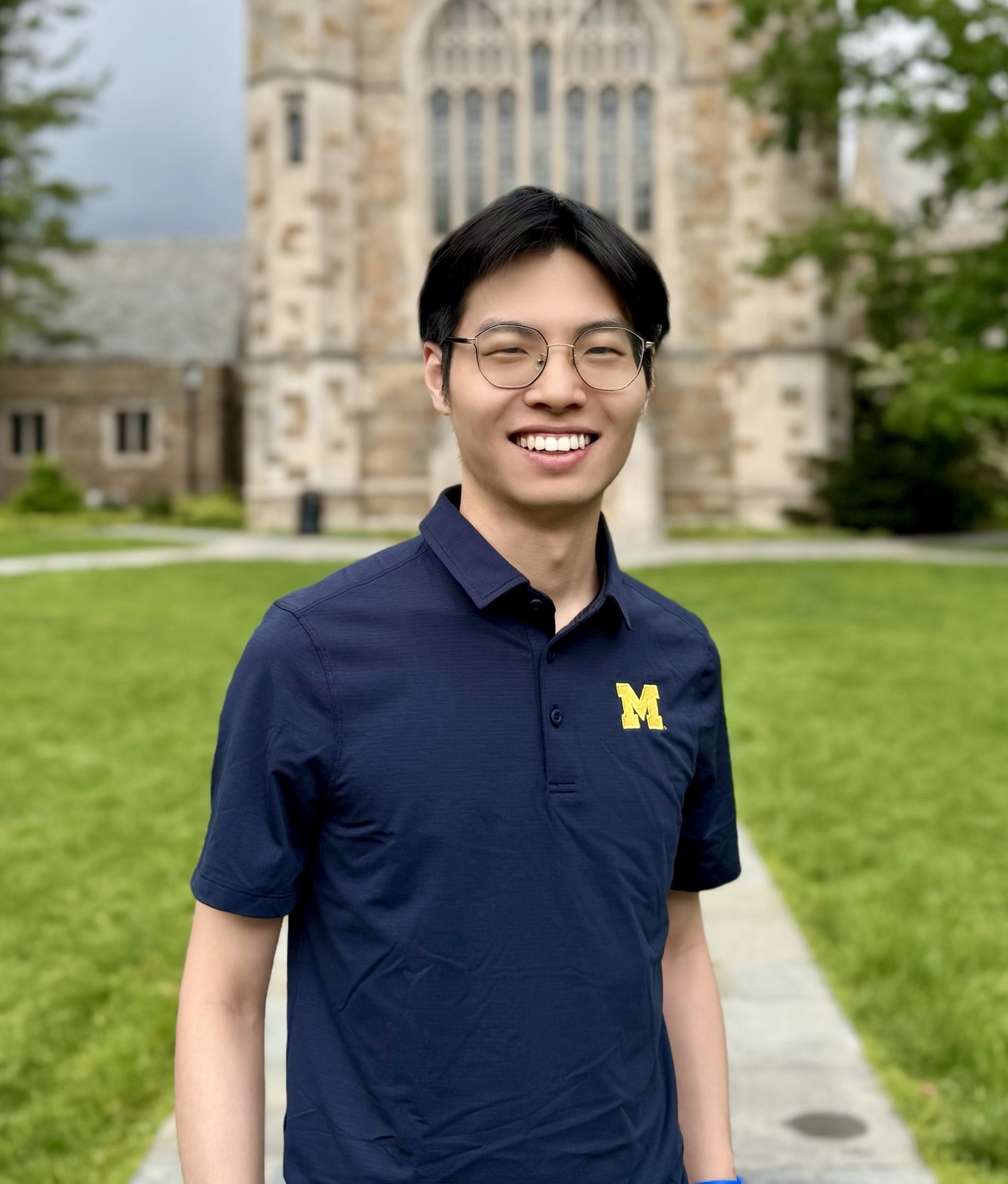
Ke Sun is an Assistant Professor in the EECS Department at the University of Michigan, Ann Arbor. His research develops intelligent, deployable sensing systems for mobile, wearable, and IoT ecosystems, with applications in HCI, cybersecurity, health monitoring, and robotics. His work has been implemented in commercial devices like Amazon Echo and Google Home. Research spans: HCI for Mobile/IoT : Touch/gesture sensing (VSkin, RFCanvas) Cybersecurity : Privacy protection against eavesdropping (EveGuard, StealthyIMU) Health/Environmental Sensing : Vital sign monitoring (LoEar), activity logging (EgoADL) Wireless/Robotics : mmWave radar navigation (milliEgo), acoustic temperature sensing (VECTOR) Publication trends show consistent focus on acoustic/wireless sensing (13/15 papers), cybersecurity (5/15), and cross-modal AI fusion. Recent work explores adversarial ML attacks and LLM vulnerabilities. Awards include: Google Ph.D. Fellowship (2023) UbiComp Distinguished Paper Award (2023) ACM SenSys Best Poster Runner-up (2020) ACM-ICPC Asia Gold Medal (2015) Industry collaboration includes three internships at Amazon Lab126 where his research influenced Echo device development. He serves on program committees for ACM MobiSys/SenSys and organized the ICLR ML for IoT Workshop.
Tauhidur Rahman is an Assistant Professor at the Halıcıoğlu Data Science Institute, UC San Diego, and directs the MOSAIC Lab. His research focuses on mobile health technologies leveraging acoustic/electromagnetic signals from the human body/environment to monitor health behaviors (e.g., eating, sleep, addiction) and environmental factors (e.g., food quality, disease spread). His work integrates applied physics, machine learning, and embedded systems to create low-power, unobtrusive sensing solutions. Education: PhD in Information Science, Cornell University (2017) MS in Electrical Engineering, University of Texas at Dallas (2012) BS in Electrical and Electronic Engineering, Bangladesh University of Engineering and Technology (2009) Research Interests: Rahman's work spans three core areas: Sensor Development: High-fidelity capture of physiological/environmental signals using novel modalities like backscattered waves Signal Interpretation: Algorithm development to map raw signals to behavioral/health metrics (e.g., eating patterns, opioid cravings) Mobile Computing: Efficient implementation of algorithms in low-resource devices Recent Trends in Publications: Recent work emphasizes opioid use tracking, mental health interventions, and digital epidemiology. Notable projects include FluSense (influenza surveillance) and OpiTrack (clinical opioid monitoring), demonstrating real-world impact through NIH/NSF/DARPA funding. Awards: Google Research Scholar Award 2023 Google PhD Fellowship 2016 ACM Ubicomp Best Paper Honorable Mention (2015) Outstanding Teaching Award (Cornell, 2015) Grants & Labs: Current funding includes NIH grants for opioid research and NSF awards for sleep/cognitive studies. His lab collaborates with clinical partners and industry (e.g., Intel Pandemic Response Initiative). He co-founded the Digital Biomarkers Workshop series and edited Springer's Contactless Human Activity Analysis .