Bart Jansen is a Researcher at the Department of Electronics and Informatics within the College of Engineering at Vrije Universiteit Brussel (Belgium). With over 241 research outputs and an h-index of 24, his work spans computer science, biomedical engineering, and clinical applications. Research Interests: AI and virtual twin technology for stroke rehabilitation 3D imaging and augmented reality in medical contexts Gesture recognition and electromyography (EMG) systems Serious games for elderly healthcare Frailty and calcinosis detection Scientific Achievements: Recipient of two international app development awards (2019) Supervised 11 theses including PhD-level work Active in 45 projects (2003-2029) Professional Engagement: Regular participant in conferences like ESMAC, 3DBODY.TECH, and AIxVR, with additional roles as symposium organizer at Care4: International Scientific Nursing Conference (2024).
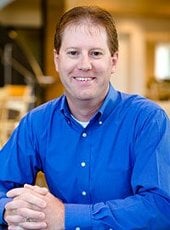
Dr. Scott A. Miers is an Associate Professor in the Department of Mechanical and Aerospace Engineering at Michigan Technological University. He holds a PhD, MS, and BS in Mechanical Engineering from the same institution. His research focuses on experimental internal combustion engine efficiency, emissions reduction, and alternative fuel applications. Key areas include gasoline/diesel combustion optimization, wireless data acquisition techniques (e.g., piston-mounted microwave telemetry), and renewable fuels like biodiesel, ethanol, and butanol. He has collaborated with Argonne National Laboratory and industry partners such as Kohler Engines and Arctic Cat Inc. Dr. Miers teaches courses including Thermodynamics (ME-EM 2200), Internal Combustion Engines (ME-EM 4220), and Advanced Thermodynamics (ME-EM 5200). His research projects include evaluating E15 fuel impacts on snowmobile durability, optimizing alcohol-based fuel blends, and enhancing engine waste heat recovery. He has led studies on engine durability, emissions measurement for the SAE Clean Snowmobile Challenge, and piston thermal characterization for Ford Motor Company. His work spans over two decades, with notable contributions in engine efficiency, fuel compatibility, and combustion diagnostics. Ongoing interests include supercharged octane number development and spark plasma analysis in high-performance engines.
Michael D. Boot is a part-time Assistant Professor and Innovation Manager at Eindhoven University of Technology's Combustion Technology research group. He also holds a role as University Researcher in Chemical Engineering and Chemistry (Inorganic Materials & Catalysis) and Mechanical Engineering (Energy Technology). Boot co-founded Progression-Industry BV (2009) and Progression Capital (2012), focusing on automotive technologies and biofuel innovations. His expertise spans combustion systems, catalysis, and sustainable energy solutions. Boot earned both his MSc (2005) and PhD (2010) in Mechanical Engineering from Eindhoven University of Technology, specializing in Combustion Technology. His academic journey reflects deep engagement with interdisciplinary research. Research interests center on lignin valorization, biofuel development, catalytic processes, and sustainable materials. He actively explores biomass conversion pathways and synergies between hemicellulosic sugars and lignin. Recent work emphasizes marine engine biofuel applications and lignin refinery systems. Boot's publications highlight trends in lignin processing, catalyst design, and renewable energy systems. His work addresses global sustainability through innovative biofuel and material solutions. Best Innovator Group (BIG) Award (2011) NoAE innovation competition (2009) Winner Business Plan Competition New Venture 2010 He has advised 27 supervised works, including his own Master's thesis. Currently manages two projects (2022–2026) focused on renewable jet fuels and biofuel refining technologies. Collaborates internationally on sustainable energy research.
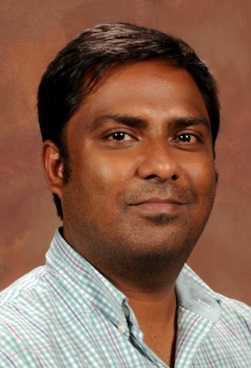
Dr. Santu Ghosh is an Associate Professor at Augusta University's School of Public Health, holding joint appointments in the Department of Biostatistics, Data Science, and Epidemiology, and the Department of Population Health Science. He serves as Graduate Program Director for the MS Data Science and MS/PhD Biostatistics programs. Dr. Ghosh earned his PhD from Northern Illinois University in 2013 and completed a postdoctoral fellowship at Wayne State University. His research focuses on Bayesian methodologies for clinical trials, meta-analysis, network data analysis, and ranked set sampling. He has authored over 30 peer-reviewed articles and serves as a journal reviewer for multiple high-impact publications. Dr. Ghosh teaches advanced biostatistics courses and advises PhD students in biostatistics and data science. Education PhD in Mathematical Statistics & Probability, Northern Illinois University, 2013 Research Interests Dr. Ghosh specializes in applying Bayesian statistical methods to biomedical problems, including non-inferiority trials, enrichment trial designs, and meta-analysis. He develops novel statistical techniques for analyzing high-dimensional genomic data and network structures. His work bridges theoretical statistics with practical applications in healthcare, such as optimizing pediatric blood pressure screening and evaluating disinfection protocols in radiology. Professional Contributions Statistical consultant for multiple research initiatives, including KIRSO Project and Rajan Kapoor's clinical studies Reviewer for Journal of Biopharmaceutical Statistics , Journal of Applied Statistics , and others Recipient of the 2018 Southern Region Council Travel Award and 2013 NIU Certificate of Merit Teaching & Mentoring Dr. Ghosh instructs courses such as Biostatistics I/II, Generalized Linear Models, and Dissertation Research. He mentors PhD students in their thesis work, including Bichna, Rongrong Wang, and Kathryn McDonald, guiding them in biostatistical research and methodological innovation.
Liviu JELENSCHI is an Associate Professor at the Department of Mechanical Engineering, Faculty of Mechanical Engineering of the University of Brașov. His research focuses on fluid mechanics, internal combustion engines, and valvetrain systems design. He has contributed to studies on valve rotation dynamics, hydraulic tappet behavior, and engine efficiency optimization. His work often involves experimental analysis and computational modeling to improve automotive engine performance. Key research areas include valvetrain system dynamics, turbulence modeling in exhaust manifolds, and the influence of operating conditions (e.g., oil temperature/pressure) on engine components. He collaborates with colleagues like Cofaru and Sandu on projects addressing combustion processes and alternative fuels in two-stroke engines. Publications highlight advancements in valvetrain simulation, cam profile optimization, and engine intake process dynamics. His research bridges theoretical modeling and practical automotive engineering applications, emphasizing tribology and friction reduction in mechanical systems. No academic awards are explicitly listed in the provided materials. Research activities are centered at the University of Brașov’s mechanical engineering facilities, with a focus on experimental setups and collaborative industry partnerships.
Biao Zeng is a Lecturer in Psychology at the University of South Wales, affiliated with the Faculty of Life Sciences and Education. His work bridges clinical psychology, speech science, and neurorehabilitation. He specializes in virtual reality interventions for motor recovery in post-stroke survivors and audiovisual speech perception, particularly in Mandarin language contexts. Research interests include the design of VR mirror therapy frameworks, the role of visual-auditory integration in speech perception, and the application of AI for diagnosing respiratory and voice disorders. His studies often explore the effectiveness of interventions for developmental speech-language difficulties and their cost-effectiveness. Past projects span over two decades, from investigating perceptual processing in developmental dyslexia (2002) to recent advancements in VR therapy feasibility (2022). His publications emphasize translational research, combining experimental psychology with technological innovation to address clinical challenges. Dr. Zeng collaborates across disciplines, integrating neuroscience, linguistics, and engineering. He maintains a lab focused on speech biomarkers and has contributed to systematic reviews assessing therapy efficacy for anxiety disorders and specific phobias.
Encarna Micó-Amigo is an Assistant Professor in Biomedical Engineering at Heriot-Watt University (HWU) within the School of Engineering & Physical Sciences and the Institute of Mechanical, Process & Energy Engineering. She holds a prestigious £30,000 startup research grant and supervises two PhD students (with a third in progress). Her research focuses on developing signal-processing algorithms for wearable technology to study neurological conditions, particularly Parkinson’s disease, leveraging her background in an industrial PhD (Marie Curie FP7) and postdoctoral work in the €50M Mobilise-D project. Her expertise aligns with UN Sustainable Development Goals, particularly in advancing health and well-being through technology. Key research themes include algorithm validation for digital biomarkers, gait analysis, and sensor-based mobility assessment. Recent work emphasizes wearable devices for monitoring diseases like Parkinson’s, COPD, and stroke. Research trends in her articles highlight validation challenges, wearable device optimization, and clinical application of algorithms. Notable contributions include studies on circular walking as a Parkinson’s biomarker, wrist-worn sensor validation, and multi-cohort mobility assessments. She actively collaborates internationally through projects like Mobilise-D, addressing global mobility research needs. No scientific awards are explicitly mentioned, but her work is cited across interdisciplinary fields. Advising involves guiding students in algorithm development and biomarker validation, supported by external funding opportunities. Her lab focuses on translating digital mobility outcomes into clinical tools, with future directions in sensor integration and disease progression tracking.
Fischer Andreas is a Professor at HES-SO (University of Applied Sciences and Arts Western Switzerland) , specifically affiliated with the School of Engineering and Architecture of Fribourg (HEIA-FR) . His research spans Pattern Recognition , Applied Machine Learning , Handwriting Recognition , and Graph-based Methods . He has secured significant grants from TAINA Technology , Swisscom , and the Hasler Foundation for projects including automatic handwriting recognition for tax forms , Swiss German translation , and graph-based keyword spotting in Vietnamese steles . Education : BSc in Computer Science from HEIA-FR. Research Highlights : Graph Neural Networks for Büchi automata classification Annotation-free alignment in historical documents Graph edit distance optimization for keyword spotting Hybrid deep learning for Vietnamese stele analysis Graph-based tumor budding analysis in digital pathology Collaborative Impact : Fischer's work bridges historical document analysis and medical imaging , demonstrated through frameworks like DIVA-DAF and tools like GammaFocus for histopathology. His 2024 conferences suggest ongoing exploration of LLM integration in document processing and OCR-free models for information extraction.
Osman Akin Kutlar is an Associate Professor at the Department of Mechanical Engineering, Istanbul Technical University. His research focuses on internal combustion engines, particularly Wankel engines, combustion chamber design, and thermodynamic modeling. He has contributed to advancements in energy efficiency, emission reduction, and alternative fuels. His work aligns with UN Sustainable Development Goals related to clean energy and climate action. Research interests include: Wankel engine optimization Combustion chamber geometry effects Thermodynamic modeling of alternative fuels Hybrid electric vehicle systems Turbulent jet ignition technologies His recent articles explore novel skip-cycle mechanisms, CO₂ emission reductions, and energy management in hybrid vehicles. Kutlar has led multiple projects funded by TUBITAK and BAP, investigating Wankel engines for UAVs, low-emission diesel engines, and combustion chamber geometries. He supervises 37 ongoing theses, emphasizing experimental and theoretical analysis in rotary engines and emissions. Notable collaborations include international studies on pre-chamber ignition and CNG/Gasoline comparisons. His work bridges mechanical design, simulation, and real-world engine testing to address energy and environmental challenges.
Cemal Baykara is a Professor at Istanbul Technical University, Department of Mechanical Engineering. His research spans mechanical systems, automotive engineering, and materials science, focusing on innovative design and performance optimization. Research Interests: Mechanical Engineering, Automotive Systems, Unmanned Aerial Vehicles, Nonlinear Elasticity His recent work analyzes mechanical systems like camshaft designs, gearboxes, and UAVs under dynamic conditions. Publications emphasize computational modeling, experimental validation, and environmental impact reduction in engine systems. Key trends include functionally graded materials for structural applications, fuel efficiency in diesel engines, and magnetic field effects on wave propagation in viscoelastic media. Projects led by Baykara include vibration-based quality control systems, functional railway lifting equipment, and CVT designs for tractors. He has contributed to 18 research outputs and supervised numerous students.
Dr. Iris Asllani is an Associate Professor in Imaging Science (Clinical Neuroscience) at Brighton and Sussex Medical School, University of Sussex. Her work bridges advanced MRI development and clinical neuroscience, with a focus on quantitative imaging of cerebral blood flow, metabolism, and brain connectivity. She leads initiatives in global MRI access, particularly through her leadership in the Consortium for Advancement of MRI Education and Research in Africa (CAMERA). Dr. Asllani's educational journey includes a degree in Theoretical Nuclear Physics from the University of Tirana, Albania, followed by a Master’s and Ph.D. in Bioengineering from the University of Washington, Seattle, as a two-time Fulbright Scholar. She spent a decade at Columbia University Medical Center, where she led the Arterial Spin Labeling perfusion MRI program for multiple NIH-funded studies. Her research interests center on refining MRI sequences and analysis techniques to measure cerebral blood flow, oxygen metabolism, neurotransmitter levels, and brain connectivity. Applications include early diagnosis of Alzheimer's, stroke, TBI, and monitoring psychiatric and neurodegenerative disorders. She emphasizes improving the precision and accuracy of quantitative MRI for both clinical and research use. Recent publications highlight trends in multi-modal neuroimaging, arterial spin labeling, brain metabolism in bipolar disorder, glymphatic system imaging, and expanding MRI access in low-resource settings. Her work increasingly integrates global health perspectives, particularly in Sub-Saharan Africa, with a focus on training and sustainable infrastructure. Fulbright Scholar (two-time recipient) Dr. Asllani has supervised students through Engineering World Health and her Study Abroad neuroimaging course. She has secured research grants from the Lily Foundation, Dysautonomia International, and the University of Sussex, supporting work on mitochondrial diseases, 'brain fog' in POTS, and in-vivo glymphatic flow measurement. She also mentors students in biomedical engineering and clinical neuroscience. She is a founding member and former Chair of the Advisory Board of CAMERA, a global network dedicated to improving MRI access and training in Africa. She has organized international conferences, including with the ISMRM Africa Chapter, and promotes multidisciplinary collaboration in neuroimaging research and education.
Professor Artur d'Avila Garcez is a leading academic in Neural-Symbolic Computation at City St George's, University of London, where he serves as Professor of Computer Science and Director of the Research Centre for Machine Learning. He earned his PhD in Computing from Imperial College London (2000) and holds prestigious fellowships from the British Computer Society (FBCS) and Higher Education Academy (FHEA). With over 150 publications across journals like Artificial Intelligence and Neural Computation , and conferences including AAAI and NeurIPS, he pioneers hybrid AI systems merging machine learning with symbolic reasoning. Education: PhD (2000) and MEng (1993) in Computing Awards: Nuffield Foundation Grant (2002-2004), Daiwa Foundation Grant (2006) His research focuses on Neural-Symbolic Computing , integrating logic-based reasoning with deep learning for explainable AI. Key contributions include Logic Tensor Networks and Knowledge Extraction from CNNs, impacting fields like medical diagnostics and financial technology. He has mentored 22 PhD students and co-authored two foundational books in the field. He serves as Editor-in-Chief for Neurosymbolic AI and on editorial boards of Machine Learning and Journal of Logic and Computation . His work addresses trust in AI , accountability , and human-like computing through EU and industry-funded projects like Smart Big Data Platform and Safety Validation of Autonomous Vehicles.
Prof. Dr.-Ing. Friedrich Wirz is a leading academic at the Hamburg University of Technology (TUHH) within the Department of Marine Engineering . He has been Head of the Marine Engineering Working Group (M-12) since 2013, focusing on hybrid propulsion systems, alternative fuels, and engine performance optimization. Current research projects include hybrid ship power systems , CO2-neutral fuels (e.g., methanol, OME), and automated fuel systems . He develops real-time simulation tools for marine engine dynamics and component dimensioning for efficient propulsion. His work addresses lubrication mechanisms in large engines, transient behavior of gas engines , and power-to-X fuel systems . While no scientific awards are listed, his 15 recent publications span hybridization strategies, fuel compatibility, and turbocharging dynamics. He collaborates with institutions like the Maritime LNG Plattform and Deutsches Institut für Normung (DIN) .
Koji Kikuhara is an Assistant Professor (non-tenure-track) at Waseda University's Graduate School of Environment and Energy Engineering. He has been in this position since April 2023, following a postdoctoral research associate position at MIT's Department of Mechanical Engineering (2019-2022) and previous faculty positions at Tokyo City University and Waseda University. Dr. Kikuhara earned his Doctor of Engineering degree from Waseda University in June 2017. His academic journey includes: 2023.04 - Now: Waseda University, Graduate School of Environment and Energy Engineering, Assistant Professor 2022.04 - 2023.03: Waseda University, Graduate School of Environment and Energy Engineering 2019.04 - 2022.03: Massachusetts Institute of Technology, Department of Mechanical Engineering, Postdoctoral Research Associate 2016.04 - 2019.03: Tokyo City University, Faculty of Engineering Department of Mechanical Engineering 2013.04 - 2016.03: Waseda University, Faculty of Science and Engineering Dr. Kikuhara's research focuses on thermal engineering, machine elements and tribology, and design engineering, with particular emphasis on internal combustion engines. His work centers on understanding lubrication mechanisms in engine components, especially related to oil consumption phenomena. He has made significant contributions to understanding oil film behavior under oil control rings, the effects of cylinder liner microstructures on lubrication, and the impact of piston design features on oil consumption. His research employs both experimental and numerical approaches, including pressure measurements using fiber optic sensors, laser-induced fluorescence methods for oil film thickness measurement, and computational fluid dynamics modeling of oil film behavior. This multidisciplinary approach has provided valuable insights into the complex lubrication mechanisms within internal combustion engines. Dr. Kikuhara's publication record shows a consistent focus on engine lubrication and tribology, with recent work expanding into hydrogen-fueled engine applications. His research demonstrates a progression from fundamental studies of oil film behavior to practical applications addressing contemporary challenges in engine technology, including alternative fuels and emissions reduction. Dr. Kikuhara is an active member of several professional organizations: Japanese Society of Tribologists American Society of Mechanical Engineers Japan Society of Mechanical Engineers Society of Automotive Engineers of Japan Currently, Dr. Kikuhara leads two significant research projects: "Research on Oil Film Fluctuation Mechanism at the Sliding Surface of Oil Rings for Overcoming LSPI in Hydrogen Internal Combustion Engines" (2024-2026, Japan Society for the Promotion of Science) "Research on Oil Film Flow Mechanism on the Upper Surface of Oil Rings for Overcoming LSPI in Hydrogen Internal Combustion Engines" (2024-2025, Suzuki Foundation) These projects reflect his ongoing commitment to addressing cutting-edge challenges in engine technology, particularly in the emerging field of hydrogen-fueled internal combustion engines. Dr. Kikuhara teaches various courses related to science, engineering, and environment and energy at both undergraduate and graduate levels, including Basic Experiments in Science and Engineering, Environment and Energy Practice, and Advanced Seminars on Environment and Energy Engineering.
Garry W. Buchko is a physical biochemist and senior scientist at Pacific Northwest National Laboratory (PNNL) with a joint appointment as Associate Professor in the School of Molecular Biosciences at Washington State University (WSU). He serves as the PNNL-WSU liaison for the Seattle Structural Genomics Center for Infectious Disease (SSGCID), a consortium funded by the National Institute of Allergies and Infectious Diseases (NIAID). Buchko has dedicated his career to structural biology, particularly using NMR spectroscopy to investigate protein structures related to infectious diseases and dental biomineralization. Dr. Buchko earned his BS in Biochemistry from the University of Manitoba, followed by an MS in Chemistry from McMaster University under the supervision of Drs. Russel Bell and Tom Nelson. He completed his PhD in Chemistry at the University of Manitoba with Dr. Frank Hruska, a pioneer in using NMR spectroscopy to study nucleic acid sugar conformations. His postdoctoral training included work with radiation biologists Drs. Jean Cadet in France and Michael Weinfeld in Canada, followed by NMR spectroscopy training with Dr. Bob Cushley in Canada. Buchko's research focuses on two primary areas: advancing infectious disease research through structural genomics and understanding the molecular mechanisms of dental enamel formation. His work with SSGCID has resulted in the deposition of over 1,600 protein structures in the Protein Data Bank since 2007, with targets from NIAID Category A-C pathogens. His second major research area investigates amelogenin's role in tooth enamel biomineralization, funded by the National Institute of Dental and Craniofacial Research. He employs diverse techniques including NMR spectroscopy, atomic force microscopy, and molecular dynamics simulations to characterize amelogenin structure. Analysis of his recent publications reveals a consistent focus on protein structure-function relationships, with particular attention to biomineralization processes and infectious disease targets. His work spans multiple techniques including NMR, SAXS, SANS, and cryo-EM, demonstrating methodological versatility. The publications show strong collaboration across institutions and disciplines, with consistent contributions to understanding protein interactions in both medical and environmental contexts. His scientific achievements have been recognized with multiple awards including three PNNL Outstanding Performance Awards (2008, 2010, 2015) and several prestigious fellowships and travel awards throughout his career. His early career was supported by the France-Canada Postdoctoral Fellowship, Alberta Cancer Board Research Fellowship, and BC and Yukon Heart and Stroke Research Fellowship. As part of the SSGCID team, Buchko collaborates with researchers at the Seattle Children's Research Institute, the University of Kansas, and the University of Washington to apply structural genomics technologies to infectious disease research. His work on amelogenin involves a multidisciplinary team at PNNL using diverse techniques to understand enamel formation at the molecular level. His laboratory maintains strong connections with both academic and government research institutions, facilitating the translation of basic research into potential applications for infectious disease treatment and dental health.