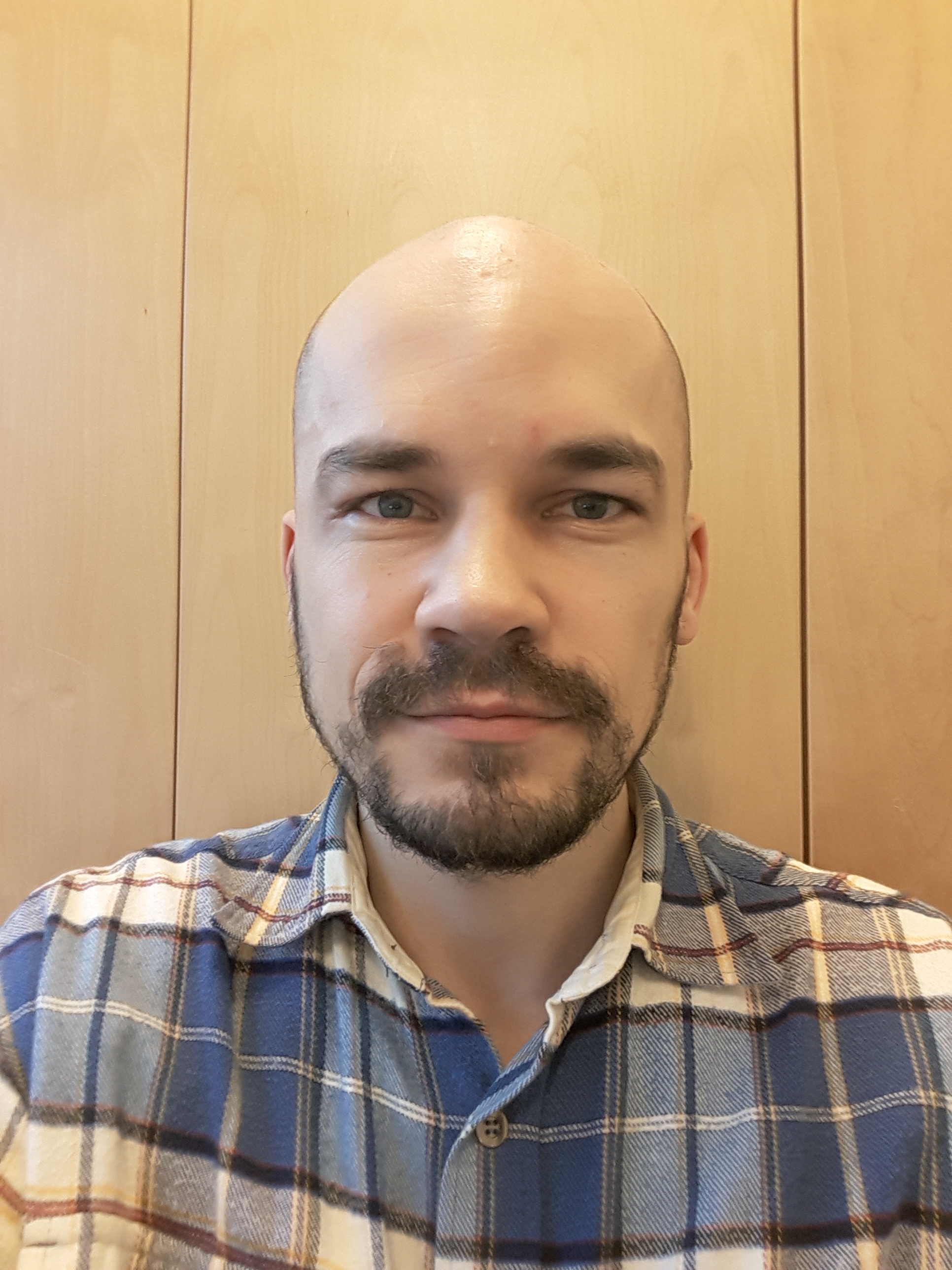
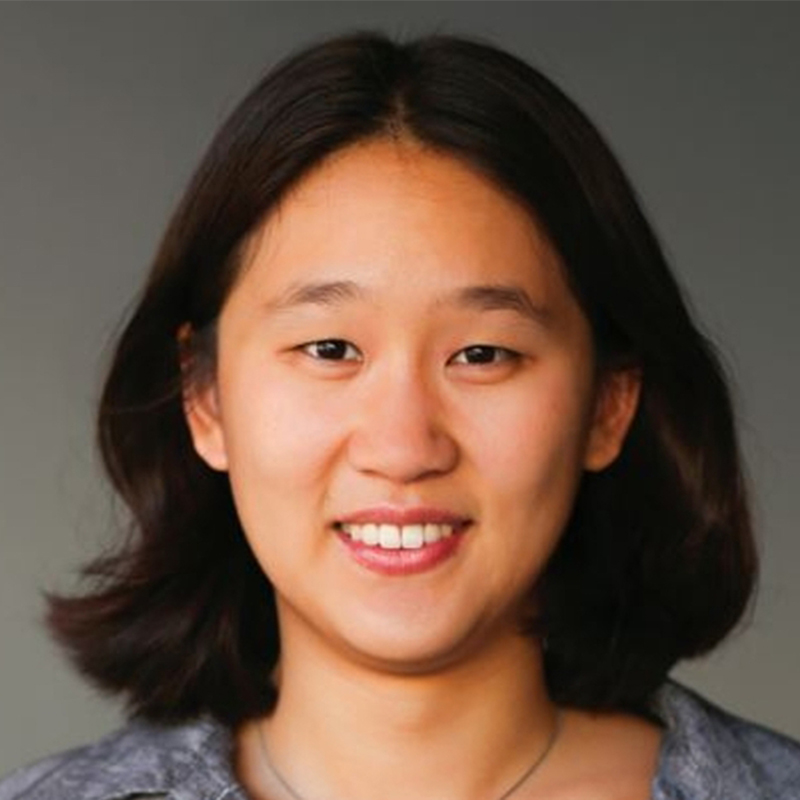
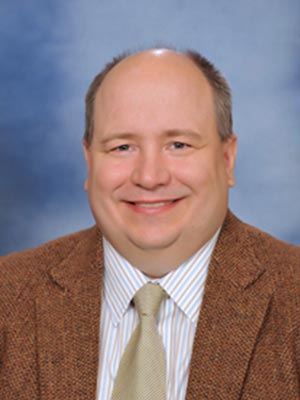
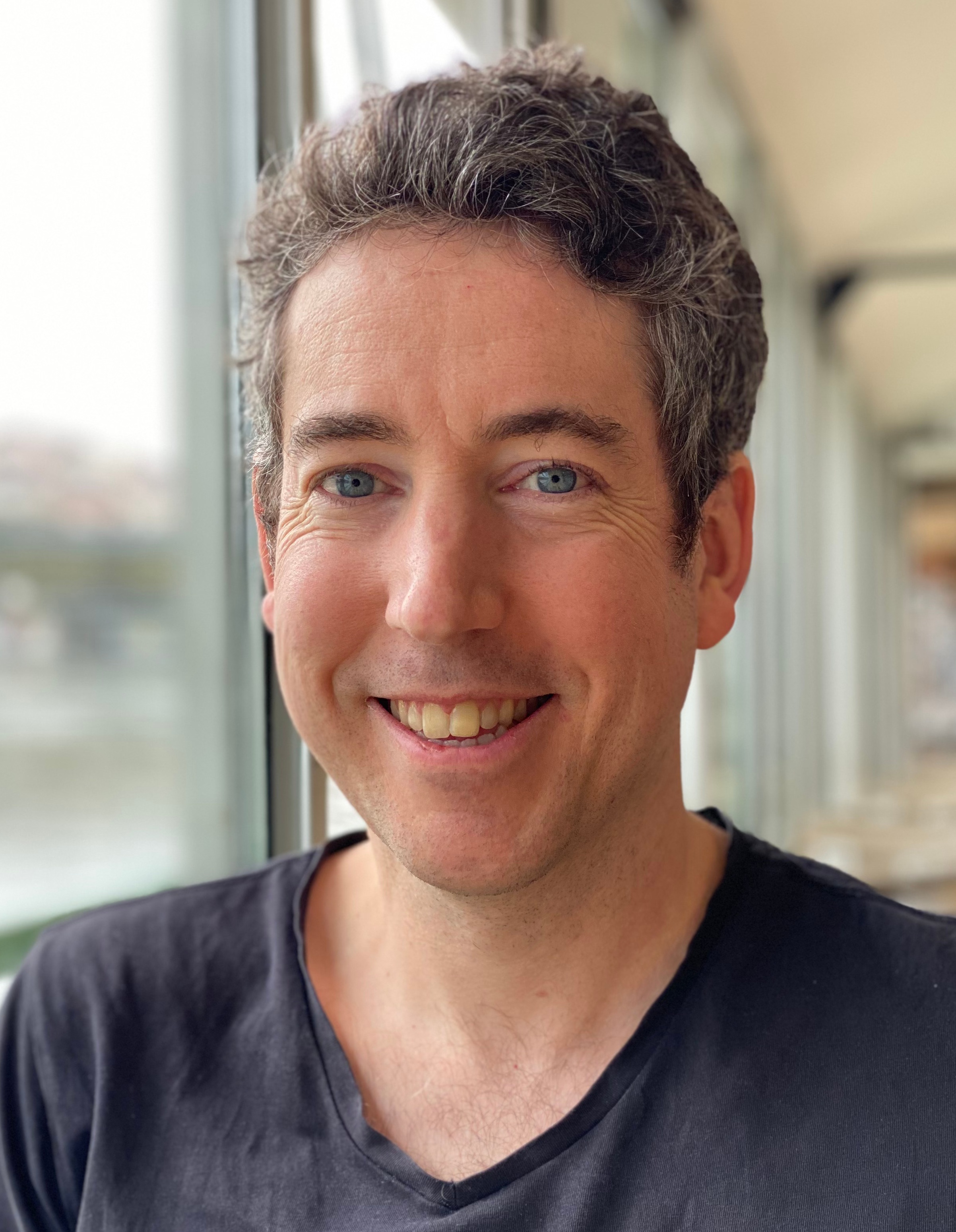
Dean Wilson is a Lecturer in Fluid Mechanics at the Department of Mechanical and Aerospace Engineering, The University of Manchester. He holds a PhD in Computational Modelling of Turbulent Magnetohydrodynamic Flow (2016). His research focuses on advanced CFD modeling for nuclear thermal hydraulics, turbulence modeling in complex flows, and natural convection systems. Key areas include lead-cooled fast reactors, tight lattice LWR subchannel analysis, and magnetohydrodynamic flow simulations. Education: Doctor of Philosophy (2016), The University of Manchester. Supervisors: Prof. Craft and Prof. Iacovides. Research Interests: Computational Fluid Dynamics (CFD), Turbulence Modeling, Nuclear Thermal Hydraulics, Magnetohydrodynamics (MHD), Natural Convection Cooling, and Thermal-Hydraulic Testing of Advanced Reactors. He contributes to UN Sustainable Development Goals related to Affordable & Clean Energy (SDG7) through nuclear thermal hydraulics research. Recognitions: Recipient of the Elsevier Prize for Best Computational Paper on Single Phase Flows - Applied (2022). Active in organizing the 17th National UK Heat Transfer Conference (2021). Labs/Groups: Member of the Fluids Research Group, leading research on turbulent flow simulation and passive cooling systems. Collaborates with international institutions like Dalton Nuclear Institute.
Hossam Sadek is an Associate Professor-Teaching Stream in the Department of Mechanical Engineering at York University's Lassonde School of Engineering. He holds a P.Eng license and has expertise in mechanical engineering education and thermal systems. Dr. Sadek earned his MSc and PhD from McMaster University's Mechanical Engineering Department in 2004 and 2009 respectively. His teaching spans Thermodynamics, Mechanics of Materials, Fluid Mechanics, and Capstone Project courses. He served as Undergraduate Program Director (2018-2022) and Graduate Attribute Lead (2015-2018), demonstrating deep involvement in program development. He actively contributes to engineering education through memberships in the Canadian Engineering Education Association (CEEA) and American Society of Engineering Education (ASEE). Research focuses on engineering education innovation including lifelong learning frameworks, capstone course design, and student reflection practices. His technical research includes thermal management systems, electrohydrodynamic effects on heat transfer, and energy recovery technologies. Recent publications explore educational taxonomies for learning organizations (2024), capstone design best practices (2024), and advanced thermal measurement techniques (2019). His work bridges pedagogical innovation with applied thermal engineering advancements. Professional service includes leadership roles in curriculum development and participation in national education committees. His interdisciplinary approach integrates engineering fundamentals with modern educational methodologies.
Prof. Peter Stephan is a Full Professor of Technical Thermodynamics and Director of the Institute for Technical Thermodynamics at Technische Universität Darmstadt. He holds leadership roles in multiple research initiatives, including the Cluster of Excellence 259 (Smart Interfaces), Collaborative Research Centre 1194 (Transport and Wetting Processes), and the Research Field Energy and Environment. Stephan's expertise spans heat and mass transfer, energy conversion, and interfacial transport phenomena. Education: He earned his Dipl.-Ing. in Mechanical Engineering (1988) from TU München and his Dr.-Ing. from Universität Stuttgart (1992). His professional experience includes roles at Daimler-Benz and the European Commission’s Joint Research Centre before joining TU Darmstadt in 1997. Research focuses on energy systems, boiling/evaporation dynamics, and thermal storage. He leads experimental and numerical studies on nucleate boiling, drop impingement, and interfacial phenomena. His work also addresses sustainable energy solutions, such as hydrogen and iron-based energy carriers. Editorial roles include Editor-in-Chief of the VDI Heat Atlas and editorial board memberships at journals like Journal of Heat and Mass Transfer . He chairs multiple national and international committees, including the VDI-GVC working group on Heat and Mass Transfer. His research emphasizes bridging microscale phenomena (e.g., microlayer formation) with macroscale applications (e.g., thermal energy storage systems). Recent studies explore exergy optimization in ironmaking and nanofiber-coated surfaces for condensation.
Professor Youjin Deng holds concurrent roles as a physics professor at the University of Science and Technology of China (USTC) since 2009, and an adjunct professor at the University of Massachusetts Amherst (UMass Amherst) since 2016. He has extensive academic experience including a von Humboldt Research Fellowship at Heidelberg University (2007-2008) and postdoctoral roles at New York University and Delft University of Technology. Education : B.Sc. in Physics, Beijing Normal University (1997) M.Sc. in Physics, Beijing Normal University (2000) Ph.D. in Applied Science, Delft University of Technology (2004) Research Interests : Dedicated to advancing computational and theoretical studies in statistical mechanics, including quantum Monte Carlo methods, phase transitions, and quantum simulations. His work bridges classical and quantum systems, with notable contributions to percolation theory, critical phenomena, and ultracold atom dynamics. Recent projects explore machine learning applications in percolation and topological band structures in spin-orbit coupled systems. Awards : 2016 National Science Fund for Outstanding Young Scholars 2008 China Ministry of Education 'New Century Excellent Talent' 2005 Chinese Government Award for Outstanding Overseas Self-Financed Students Advising & Collaboration : Has guided over 30 graduate students and postdocs, many of whom pursue academic roles globally. Active in international collaborations, including work with the Hefei National Laboratory for Physical Sciences and institutions in the U.S., Australia, and Europe. Research outputs span top journals like Physical Review Letters , Nature , and Science . Labs & Teams : Leads theoretical physics research groups at USTC, focusing on computational methods and quantum many-body systems. Collaborates with experimentalists on cold atoms, optical lattices, and quantum simulations.
Dr. Damena Agonafer is an Associate Professor & Clark Faculty Fellow in the Department of Mechanical Engineering at the University of Maryland, College Park. His research focuses on nanoscale energy interfacial transport, particularly in thermal management of electronics, renewable energy systems, and phase change materials. He holds a PhD from the University of Illinois Urbana-Champaign and conducted postdoctoral research at Stanford University under Prof. Ken Goodson. His work bridges thermal-fluid sciences, materials engineering, and energy storage, targeting applications like high-powered electronics cooling, battery thermal management, and HVAC efficiency improvements. Education: PhD, Mechanical Science and Engineering, University of Illinois Urbana-Champaign MSc, Carnegie Mellon University BSc, University of Texas at Arlington Research Interests: Interfacial transport phenomena at micro-/nano scales Thermochemical and electrochemical energy storage Phase change heat transfer materials Data center cooling and power electronics thermal management Awards: NSF CAREER Award ASME Early Career Award Google Research Award 2021 National Academy of Engineering Frontiers of Engineering Symposium Participant Advising & Grants: Recipient of UMD's $3.5M ARPA-E COOLERCHIPS Award for data center cooling Lead on NSF-funded projects exploring evaporative cooling mechanisms Mentor in a NSF-funded research mentoring program for underrepresented students Labs & Teams: Director of the Nanoscale Energy Interfacial Transport Lab Collaborations with industry partners like Cisco and Google
Dr Youyou Yan is a Senior Lecturer in Mechanical Engineering at City St George's, University of London, affiliated with the School of Mathematics, Computer Science & Engineering. She joined the university in 2001 as a Senior Experimental Officer and was promoted to Senior Lecturer in 2008. Her career spans roles at the University of Oxford and University of Bath. Education: PhD (Experimental Fluid Mechanics & Optical Instrumentation, Heriot-Watt University, 1992); MSc (Fluid Mechanics, Tsinghua University, 1988); BEng (Fluid Mechanics, Tsinghua University, 1985). Her research focuses on experimental fluid mechanics and heat transfer, utilizing advanced techniques like liquid crystal thermography, laser diagnostics, and high-speed imaging. Key applications include boiling heat transfer, heat transfer enhancement via sliding bubbles, pre-swirl cooling systems, fuel spray characterization, gasoline direct injection engines, and piston ring lubrication in automotive contexts. The 15 most recent publications (2007–2023) emphasize turbulent flow analysis in screw compressors, cavitation dynamics in engine components, and fuel spray optimization for GDI engines. These works employ LDV, PIV, and computational modeling to address heat transfer, fluid-structure interactions, and efficiency improvements in mechanical systems. She is a Chartered Engineer (CEng) with the Institution of Mechanical Engineers and mentors research students through final-year project supervision and the Wind Turbine Design Challenge. Her work bridges experimental validation and CFD code optimization for industrial applications.
Dr. Thi Thai Le serves as Head of the Predictive Methods Research Group within the Applied Algorithmic Intelligence Methods Department at Zuse Institute Berlin (ZIB), a leading research institute affiliated with Freie Universität Berlin. Her work bridges mathematical theory with practical applications in energy systems and fluid dynamics. Dr. Le's research focuses on stability analysis of fluid interfaces, particularly examining Kelvin-Helmholtz instability in various contexts including shallow water flows, compressible media, and porous media. Her work investigates how factors like depth discontinuity, viscosity, porosity, and inertia forces affect interface stability, with direct applications to energy transition challenges. She has developed mathematical models that consider real-world constraints such as solid walls along flow directions and thermophysical properties of CO 2 for carbon transport networks. Analysis of her publication trends reveals a clear evolution from fundamental fluid dynamics research toward increasingly applied work supporting sustainable energy transition. Her recent publications demonstrate a strategic shift toward solving practical engineering challenges in carbon capture and storage systems, particularly focusing on CO 2 transport networks. The interdisciplinary nature of her work connects pure fluid mechanics with energy engineering, computational mathematics, and environmental science. Dr. Le maintains a strong collaborative network, particularly with Thorsten Koch at ZIB, as well as international researchers including Yasuhide Fukumoto in Japan. Her work on CO 2 transport networks represents a significant contribution to decarbonization efforts, providing optimization frameworks for pipeline infrastructure that could accelerate the transition to carbon-neutral industrial processes. Her research group develops mathematical algorithms that address the complex nonlinear behavior of CO 2 under varying temperature and pressure conditions, which is critical for designing safe and efficient carbon transport systems.
Glenn Harvel is an Adjunct Associate Professor in the Department of Engineering Physics at McMaster University. His research spans nuclear engineering, thermal hydraulics, neutron radiography, and supercritical fluid dynamics, with a focus on reactor safety, decommissioning, and advanced cooling systems. Research Interests: His work integrates experimental and computational approaches to address challenges in nuclear technology. Key areas include: Thermal-hydraulic behavior of supercritical fluids in reactor cores Neutron radiography for non-invasive flow measurement Electrohydrodynamic applications in plasma-based systems Machine learning for nuclear maintenance optimization Small modular reactor (SMR) deployment for remote communities Publication Trends: Recent articles emphasize data-driven methods for nuclear maintenance, SMR feasibility studies, and decontamination tool development. Earlier work focused on experimental characterization of heat transfer fluids and CFD validation for supercritical water systems. Labs and Teams: Implied collaboration through conference papers and multidisciplinary topics (e.g., plasma physics, materials science, AI), though no specific labs or teams are named.
Gregory Beaune is a Research Fellow at Aalto University's Department of Applied Physics within the College of Science. His work spans interdisciplinary areas of Materials Science, Biophysics, and Chemical Biology, focusing on bioinspired materials engineering and active matter systems. Research highlights: Developed hydrophobin-coated microbubbles for tumor cell targeting (2025) Investigated protein condensates and silk-based biomaterials Explored ferrofluid-based bioinks for 3D muscle tissue printing Studied vesicle dynamics and droplet splitting mechanisms Key collaborations include researchers like Jaakko V.I. Timonen, Françoise Brochard-Wyart, and Robin H.A. Ras. His work integrates synthetic biology with materials design, emphasizing functional nanosystems and soft matter physics.
Coty Jen is an Assistant Professor in the Department of Chemical Engineering at Carnegie Mellon University. She is a prominent researcher in atmospheric aerosol science and a member of the Center for Atmospheric Particle Studies (CAPS), where her work focuses on understanding how chemical composition and physical properties of atmospheric aerosol particles influence air quality and climate. Education: Ph.D. in Mechanical Engineering, University of Minnesota, Twin Cities, 2015 M.S. in Chemical Engineering, University of Minnesota, Twin Cities, 2013 B.S. in Chemical Engineering, Columbia University, 2010 Postdoc in Environmental Science, Policy, and Management, University of California, Berkeley, 2018 Professor Jen's research program centers on atmospheric aerosol science, with emphasis on disentangling the chemical complexity of the atmosphere through innovative measurement techniques and model development. Her group specializes in designing instruments to measure physical characteristics and molecular composition of atmospheric particles from molecular clusters to 2.5 µm diameter. This work is critical for predicting how human activities will alter air quality over coming decades, as atmospheric nucleation produces approximately 50% of global cloud condensation nuclei. Analysis of Jen's publication record reveals consistent focus on atmospheric nucleation mechanisms, particularly sulfuric acid-amine interactions, wildfire emissions characterization, and nanoparticle instrumentation development. Her interdisciplinary research bridges atmospheric chemistry, environmental engineering, and analytical chemistry, with significant contributions to understanding particle formation pathways under various atmospheric conditions. Scientific Awards: American Association for Aerosol Research Sheldon K. Friedlander Award, 2018 National Science Foundation AGS Postdoctoral Fellowship, 2015-2017 University of Minnesota Twin Cities Best Dissertation Award (Honorable Mention), 2016 University of Minnesota Twin Cities Dissertation Fellowship, 2014-2015 National Science Foundation Graduate Research Fellowship, 2011-2014 Achievement Rewards for College Scientists Scholarship, 2010-2012 Professor Jen currently leads the Jen Research Lab, which is actively recruiting undergraduate and graduate students. Her research is funded by the National Science Foundation (NSF AGS Atmospheric Chemistry) and the Department of Energy (DOE Atmospheric System Research). The lab focuses on three main areas: nanoparticle instrumentation development, atmospheric nucleation kinetics & growth modeling, and organic nitrogen speciation in the atmosphere. The Jen Research Lab operates within the Center for Atmospheric Particle Studies (CAPS) at Carnegie Mellon University, taking a holistic approach to characterizing atmospheric nanoparticles. They examine the complete life cycle of aerosol particles, from formation through growth to their ultimate impacts on air quality and climate. The lab specializes in designing nanoparticle sizers, counters, and chemical speciation instruments to advance understanding of atmospheric particle dynamics.
Professor James Feng is affiliated with the University of British Columbia, holding appointments in the Department of Mathematics and the Department of Chemical and Biological Engineering. He is an international expert in multi-component complex fluids, known for his influential work on two-phase flows, moving contact lines, and dynamics of drops, jets, and bubbles. His research spans challenging scientific computation, novel theoretical insights, and physical experiments, particularly in the morphology and rheology of sheared 2D foam. Feng’s framework for modeling multi-component complex fluids has been widely adopted in industrial applications, and he has recently extended his expertise to biological cell and tissue modeling, focusing on mechano-sensing and biochemical-mechanical coupling. Recipient of the CAIMS-SCMAI Research Prize 2017 for his contributions to applied mathematics. Served on the CAIMS-Fields Industrial Prize Committee in 2020, demonstrating his leadership in the field.
Dr. Cable Kurwitz is an Instructional Professor in the Department of Nuclear Engineering at Texas A&M University, where he leads the Interphase Transport Phenomena Laboratory (ITP Lab) and contributes to the Nuclear Power Engineering group. His academic foundation includes a Ph.D. (2009), M.S. (1997), and B.S. (1993) in Nuclear Engineering, all earned from Texas A&M University. His research focuses on advanced thermal-fluid systems for space applications, including: Reduced Gravity Thermal Management for spacecraft High-dimensional data modeling and validation techniques Nuclear power system optimization Microgravity phase separation technology Spacecraft environmental control systems Lunar surface operations and dust mitigation Analysis of his 15 most recent publications (2018-2024) reveals strong emphasis on spacecraft thermal control, CO 2 removal systems, microgravity fluid behavior, and lunar exploration technologies. His work frequently involves NASA collaborations, particularly through the X-Hab Academic Innovation Challenge program. Dr. Kurwitz maintains active laboratory research through the ITP Lab, focusing on experimental validation of multiphase flow systems under simulated microgravity conditions. He has contributed to significant projects including the development of vortex phase separators, variable conductance radiators, and lunar dust characterization devices.
Rafik Borji serves as Lecturer of Subsea Controls and Systems Engineering within the Department of Mechanical and Aerospace Engineering at the University of Houston's College of Engineering. He functions as the Subsea Engineering Academic Advisor, with his office located in Engineering Building 2, Room W228 on the Houston campus. His academic contact email is subsea-advisor@me.uh.edu. His research spans Subsea Engineering and Biomedical Engineering, focusing on model-based approaches for transient two-phase flow in pipelines and tissue characterization using optical coherence tomography/ultrasound techniques. Key areas include cardiovascular diagnostics (arterial plaque analysis, VAD prognostics) and subsea flow assurance, demonstrating interdisciplinary integration of mechanical systems modeling with biomedical applications. Publications from 2009-2016 reveal dual research trajectories: subsea systems work emphasizes low-dimensional modeling for pipeline flow dynamics, while biomedical research develops quantitative methods for tissue property assessment and cardiovascular device monitoring. Both domains utilize advanced modeling techniques for system diagnostics and prognostics. No scientific awards or honors are documented in the available information. As Subsea Engineering Academic Advisor, Borji provides program guidance though specific student advisees and research grants are not detailed in the source material. Documentation does not reference laboratories, research teams, or specialized facilities associated with his work.
Matthieu Bonnivard is a Full Professor of Applied Mathematics at École Centrale de Lyon, affiliated with the Institut Camille Jordan (UMR CNRS 5208). He holds a habilitation à diriger des recherches (HDR, Université Paris Cité, 2022) and a PhD in Mathematics (Université de Grenoble, 2010), co-supervised by Dorin Bucur and Ioan Ionescu. His research focuses on two primary areas: Approximation of length minimization problems in the calculus of variations using phase-field and asymptotic analysis techniques Fluid-structure interaction models in fluid mechanics, particularly for non-Newtonian and micropolar fluids with applications in nanofluidics and lubrication He actively contributes to homogenization theory for rough domains and develops numerical algorithms for geometric optimization problems like the Steiner tree. Current projects include the ANR STOIQUES study of Carreau fluids in thin porous media. He teaches in the Mathématiques et Ingénierie du Risque (MIR) program and co-supervises PhD candidate Eve Machefert. Key research trends include: Non-Newtonian fluid modeling through Carreau laws Asymptotic analysis of rough boundaries Phase-field approximations for geometric problems Slip length derivation in nanofluidics Homogenization of turbulent flow models
Franck Richecoeur is an Associate Professor at CentraleSupélec, specializing in experimental combustion and thermoacoustic phenomena. He holds a HDR (French post-doctoral degree) from the University of Rouen and has supervised PhD students like PIEYRE Amanda, MAZUR Marek, and TAO Wenjie. Education: PhD in High-frequency combustion instabilities (2006, École Centrale Paris), Master's (2003, University of Poitiers), Engineering degree (2003, ENSMA) Research Focus: Flame dynamics, combustion noise, ultrasound-based diagnostics, acoustic boundary conditions, and combustion instabilities in aerospace propulsion systems. Scientific Contributions: Over 20 peer-reviewed publications (e.g., Journal of Fluid Mechanics , Combustion and Flame ), with recent works on spray combustion dynamics, thermoacoustic optimization, and droplet evaporation diagnostics. Awards: Stanford Summer Program Fellowship (2012), AIAA Best Paper Award (2006) Teaching: Fluid mechanics, aerodynamics, and multidisciplinary project courses at École Centrale Paris.