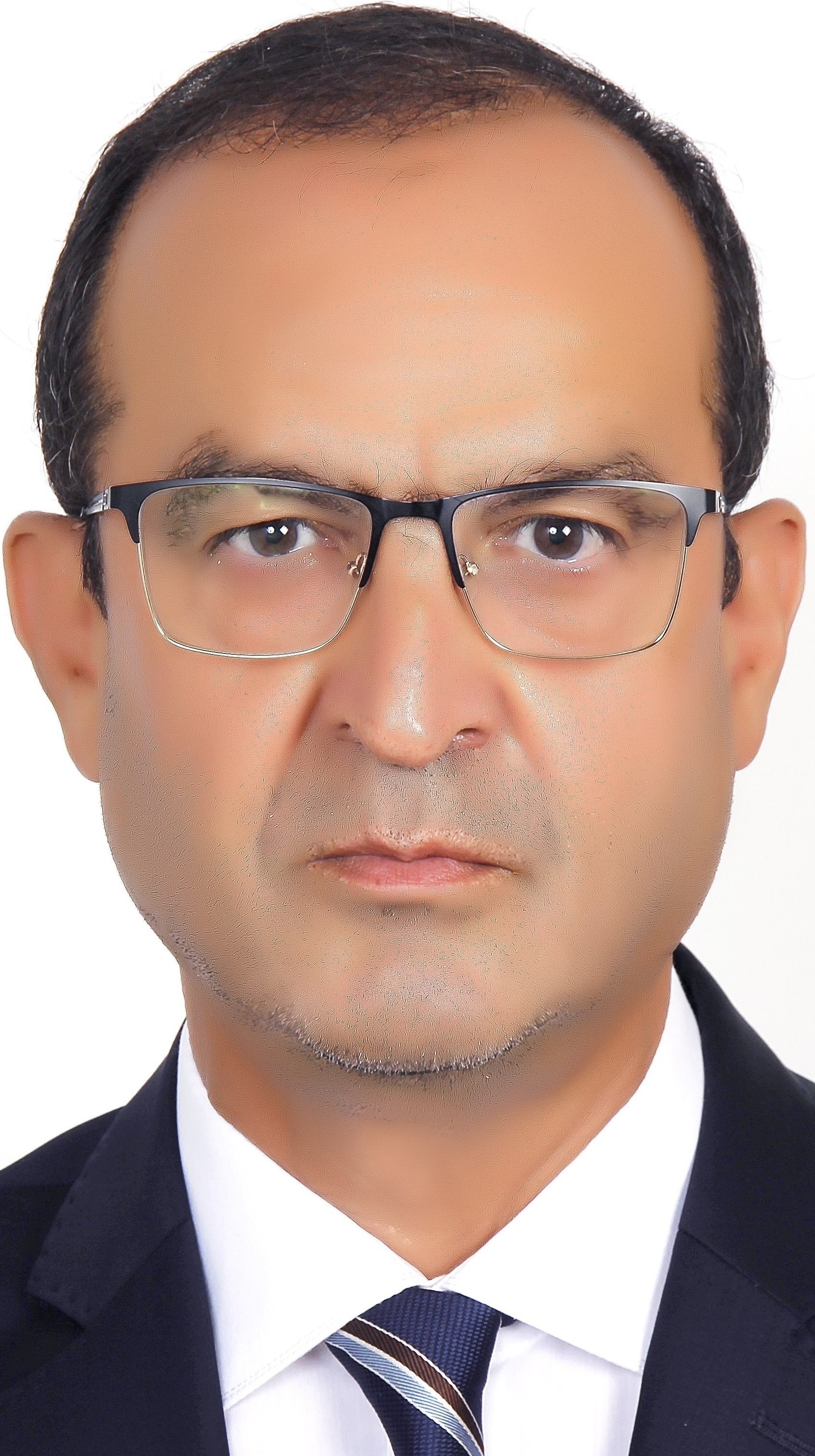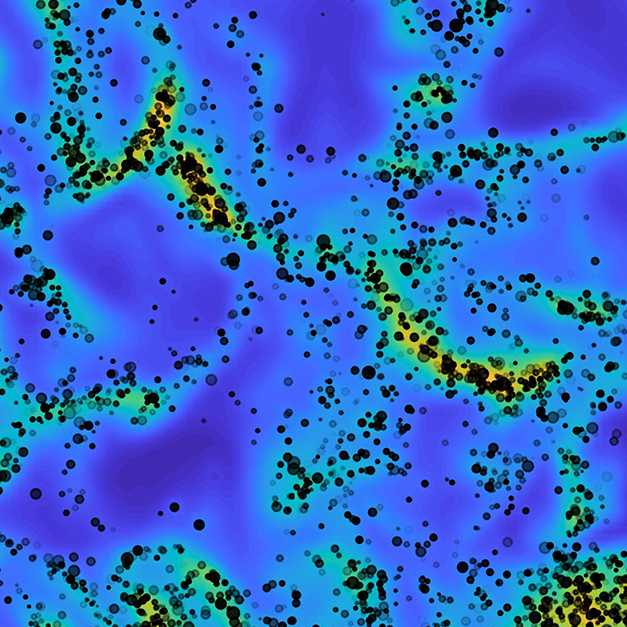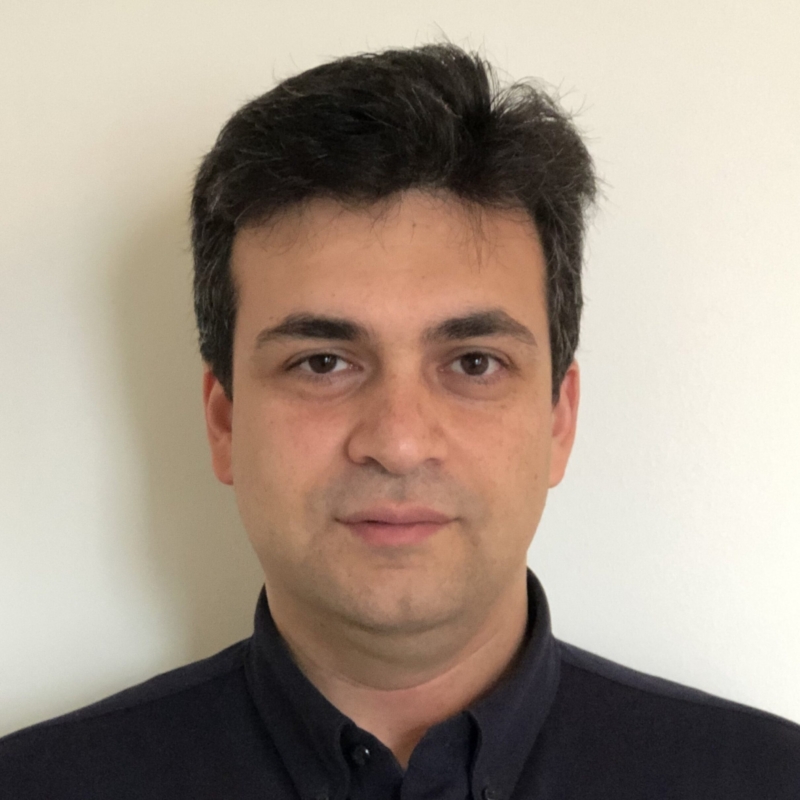
Prof. Dr. Björn Maronga is a Professor of Boundary Layer Meteorology at the Institute of Meteorology and Climatology within the Faculty of Mathematics and Physics at Leibniz Universität Hannover. His office is located at Herrenhäuser Straße 2, 30419 Hannover (Building 4105, Room F126). He holds multiple administrative roles including chair of the Meteorology Examination Board, BAföG representative, and practical training coordinator for Meteorology, as well as representing professors on the selection commission and faculty council. Prof. Maronga's research focuses on boundary layer meteorology and urban climate modeling, with particular expertise in Large-Eddy Simulations (LES) using the PALM model system. His work spans from fundamental atmospheric physics to practical urban climate applications. He investigates urban heat islands, radiation fog dynamics, land-atmosphere interactions, and the development of high-resolution urban climate models. His research group is deeply involved in the [UC]² national research program focused on developing building-resolving atmospheric models for entire city regions. Analysis of his recent publications reveals a strong trend toward increasingly sophisticated urban climate modeling techniques. His work with the PALM model system has evolved from basic boundary layer studies to comprehensive urban climate simulations incorporating chemistry, detailed radiative transfer, and land-surface interactions. Recent research emphasizes practical applications for urban planning, climate adaptation, and thermal comfort assessment. His collaborative network spans numerous international institutions, with particular focus on European research partnerships. Prof. Maronga is actively involved in several significant research projects including the MOSAIK initiative for model-based city planning under climate change and the ISOBAR project studying Arctic boundary layer processes. His work has contributed substantially to the development and validation of the PALM model system, which has become a leading tool for high-resolution urban climate simulations worldwide. He has supervised numerous PhD students and postdoctoral researchers who have contributed to the extensive publication record associated with the PALM modeling framework.