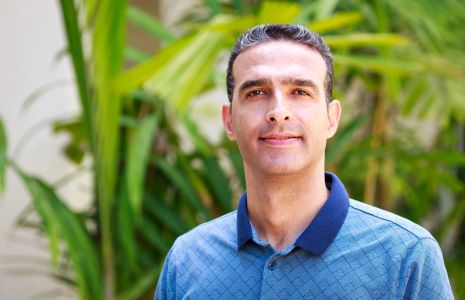
Dr. Abolfazl Hajihassani is an Assistant Professor of Nematology at the University of Florida's Fort Lauderdale Research and Education Center. His research program focuses on developing integrated management strategies for plant-parasitic nematodes affecting Florida crops including vegetables, turfgrass, and fruit trees. The lab employs molecular techniques for nematode identification and investigates biological, chemical, and cultural control methods. Key research areas include cover cropping systems, bionematicide efficacy, nematode population dynamics, and host-parasite interactions. Recent work examines how cover crop termination timing influences nematode suppression and soil health. He actively collaborates with agricultural industries to develop practical solutions for nematode management in sustainable farming systems. Publication record demonstrates expertise in field trials assessing novel nematicides, resistance breeding, and ecological approaches to soil pest management across diverse cropping systems.
Dr. John D Lea-Cox is a Visiting Professor in the Department of Plant Science & Landscape Architecture at the University of Maryland, College of Agriculture and Natural Resources. He specializes in nursery research, water/nutrient management, wireless sensor networks, and sustainable horticultural practices. His work focuses on minimizing environmental impacts through innovations in irrigation, soil substrates, and green infrastructure. Education: Ph.D., University of Florida, Plant Physiology (1993) M.Sc., University of Natal, South Africa, Horticulture (1989) B.Sc. (Honors), University of Natal, South Africa, Horticulture (1983) Research Interests: Dr. Lea-Cox’s research integrates sensor technology, sustainable water management, and plant physiology to address challenges in ornamental crop production and urban ecosystems. Key areas include green roof performance, recycled water management, and disease mitigation through irrigation optimization. He emphasizes practical solutions for growers, such as sensor-controlled irrigation systems and nutrient modeling. Articles Trends: Recent publications highlight advancements in sensor networks for precision agriculture, stormwater retention via green roofs, and strategies to balance water conservation with disease control. His work bridges academic research and real-world applications, particularly in the Mid-Atlantic region and beyond. Awards: Porter Henegar Award (2016) for Ornamental Horticulture Research Environmental Award (2013), Southern Nursery Association Multiple recognitions for extension education and innovation in distance learning Grants & Advising: He leads the Clean WateR3 initiative, a multi-state project to reduce water use and pollution in ornamental crop production. His extension efforts include developing outreach programs for underserved growers and advancing web-based learning tools. No formal advisees are listed, but he collaborates widely with industry and academic partners. Labs/Teams: Active in the Plant Science & Landscape Architecture Department, Dr. Lea-Cox collaborates with the University of Maryland’s Extension network and partners like the Universidad de Costa Rica. His work supports green infrastructure initiatives and sustainable agricultural practices through sensor-driven solutions.
Dr. Mike Richardson is a Professor in the Department of Horticulture at the University of Arkansas, serving since 1998. His roles include Director of the Arkansas Agricultural Experiment Station and Visiting Scholar at the University of Padova (2013). He teaches courses in turfgrass management and conducts research on cultural practices for cool- and warm-season turfgrasses in transition zones. Richardson has authored over 120 journal articles and 10 book chapters, with expertise in shade management, winter protection strategies, and pollinator-friendly lawn systems. Education: PhD in Agronomy, University of Georgia (1991) MS in Agronomy, Louisiana State University (1988) BS in Animal Sciences, Louisiana Tech University (1986) Research Focus: Minimum light requirements for turfgrass species Winter survival of warm-season putting greens Nanobubble-oxygenated water applications Prairie restoration genetics Pollinator habitat integration in lawns His work has been recognized with the Fred V. Grau Turfgrass Science Award and Spitze Land Grant Award. Richardson serves on editorial boards for Crop Science and Agricultural and Environmental Letters, and advises industry groups like Turfgrass Producers International. His teaching includes HORT 2303 (Turfgrass Management), HORT 4903 (Golf Turf), and HORT 4921 (Golf Course Operations).
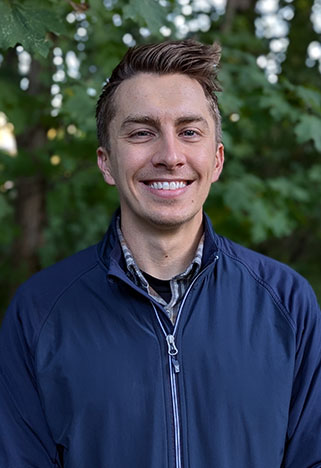
Ross Braun, PhD, is an Assistant Professor of Turfgrass and Landscape Management at Kansas State University (KSU), with a 60% teaching/advising and 40% research appointment. He also serves as Director of the Rocky Ford Turfgrass Research Center. His expertise bridges academic and practical turfgrass management, informed by over a decade of industry experience prior to his academic career. Education: Ph.D. in Horticulture, Kansas State University (2017) M.S. in Horticulture, Kansas State University (2014) B.S. in Sports and Urban Turfgrass Management, North Dakota State University (2011) Research Focus: Dr. Braun’s work emphasizes low-input turfgrass systems, reducing resource dependencies (water, fertilizer, pesticides), and overcoming barriers in sod production and landscape management. His innovations include evaluating zoysiagrass genotypes, freeze tolerance, and flooding stress resilience. He also develops outreach methods to disseminate research findings effectively. Teaching & Outreach: He advises undergraduates, oversees internships, teaches courses in turfgrass culture and management, and mentors the K-State Golf Course Superintendents Association chapter. His lab focuses on practical solutions for sustainable turfgrass practices. Labs/Teams: Oversees the Rocky Ford Turfgrass Research Center, a hub for applied research in turfgrass systems.
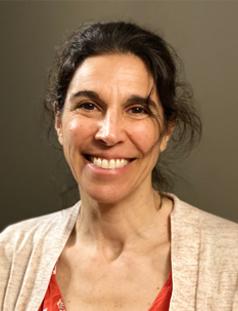
Elizabeth Verhoeven is a Lecturer in the Department of Crop and Soil Science at Oregon State University, where she also serves as a Field Crops Agronomist for the Marion County Extension Service. She holds an MSc in Soils and Biogeochemistry from UC Davis and a PhD from ETH Zurich, with research focusing on applied agricultural science. Her extension work supports growers in Oregon's Willamette Valley through publications on crop management and experimental design. Research Focus: Dr. Verhoeven specializes in sustainable field crop systems, with emphasis on: Nitrogen cycling dynamics and fertilizer efficiency Mitigation of agricultural greenhouse gas emissions (particularly N 2 O) Integrated pest management for grass seed, hops, and mint crops Soil health optimization in seed production systems Her work bridges laboratory research with practical farm applications. Publication Trends: Her scholarly output demonstrates consistent focus on nitrogen management in cropping systems, with recent work expanding into pest interactions and regional crop identities. Over 50% of publications address greenhouse gas emissions, while 30% focus on practical agronomy solutions for Pacific Northwest crops like grass seed and hops. Extension Leadership: She has authored pivotal guides including: Fertilizing with Biosolids (PNW 508) Growing Malting Barley in and Around the Willamette Valley Annual updates for the Pacific Northwest Pest Management Handbooks Experimenting on the Farm: Introduction to Experimental Design (EM 9381)
Katerina Serlemitsos Jordan serves as Associate Professor and Director of the Guelph Turfgrass Institute (GTI) at the University of Guelph, specializing in sustainable turfgrass management and plant pathology through plant-soil-pathogen relationship research to develop eco-friendly disease control strategies. Her academic foundation includes: BSc in Microbiology from the University of Maryland MSc in Agronomy from the University of Maryland PhD in Plant Sciences from the University of Rhode Island Research centers on sustainable disease management in turfgrass systems (focusing on dollar spot and soil health) and horticultural crops including potatoes, hazelnuts, and apples, with significant emphasis on root pathogens and chipping potato variety testing for Ontario growers. Her work bridges fundamental soil-pathogen interactions with practical agricultural applications. Recent publications (2021-2024) demonstrate molecular and ecological approaches to plant diseases, featuring Verticillium dahliae genomics in potatoes, nematode-fungus interactions in garlic, and biological control using maize endophytes against dollar spot. These studies consistently translate laboratory findings into field-applicable turf and crop management solutions. No scientific awards were documented in the source materials. As GTI Director, she leads research initiatives and industry outreach programs established in 1987 through university-industry-government collaboration. She additionally oversees the national turfgrass disease diagnostic clinic that processes samples from Canadian golf courses, athletic fields, and sod farms while providing evidence-based management recommendations. The GTI under her direction maintains research facilities for turfgrass pathology, nematology, and soil health studies, with active collaboration on potato variety trials and disease management strategies serving Ontario agricultural communities.
Dr. David W. Held serves as Professor and Chair of Ornamental Horticulture and Turfgrass Entomology at Auburn University. His expertise encompasses integrated pest management in landscape systems and sustainable horticultural practices. Research focuses on developing pest management strategies for turfgrass and ornamental plants. Extension activities deliver science-based programming to green industries including golf course management, nursery operations, and landscape maintenance. Academic contributions include authoring the first textbook in Urban Landscape Entomology, providing comprehensive coverage of arthropod pest management in managed environments.
Scott McElroy is a Professor in the Department of Crop, Soil & Environmental Sciences at Auburn University's College of Agriculture. His research focuses on weed science and turfgrass management, particularly herbicide resistance mechanisms and sustainable integrated pest management strategies. He leads studies on Poa annua, Digitaria spp., and other agronomic weeds, with a focus on robotic technologies and precision agriculture solutions. His work spans field surveys, genomic analyses, and chemical intervention strategies. Research interests include herbicide resistance evolution, weed ecology, and crop-weed interactions. He has pioneered studies on the genetic basis of resistance in annual bluegrass and crabgrass species, and developed diagnostic tools for herbicide resistance detection. Recent work emphasizes robotic mowing advancements and their integration into sustainable turfgrass practices. Publications highlight trends in herbicide resistance management, robotic technology applications, and genomics-driven approaches to agricultural pest control. His research has direct implications for golf course management, agricultural extension programs, and precision agriculture systems. Labs and teams: Collaborates with the International Weed Genomics Consortium and Auburn's Center for Applied Turfgrass Ecology and Innovation (CASIC). Active in USDA-funded research and industry partnerships.
Kevin Frank, Ph.D., is a Professor and Turf Extension Specialist at Michigan State University's Department of Plant, Soil and Microbial Sciences. His research and extension work focuses on sustainable turfgrass systems, including nutrition programs, winter injury mitigation, and environmental impact of fertilizers. He advises the MSU Turf Team and collaborates with industry stakeholders like the Michigan Golf Course Superintendents Association. Education: B.S., Crop Science, University of Wyoming M.S., Horticulture, University of Nebraska Ph.D., Horticulture, University of Nebraska Research Interests: Dr. Frank’s work emphasizes turfgrass sustainability, including irrigation practices, winterkill prevention, and fertilizer efficacy. His research also evaluates turfgrass cultivars through the National Turfgrass Evaluation Program. Grants & Collaborations: Recent grants include studies on drought and traffic stress effects on turfgrass (funded by the Golf Course Superintendents of America and MSU Project GREEEN) and long-term nitrogen fate research (supported by the United States Golf Association). Teaching & Outreach: Teaches Turfgrass Strategies in Beijing for MSU’s China Turf Program. Engages in educational events, diagnostic site visits, and public outreach via blogs like the MSU Turf Blog and Twitter. Labs & Teams: Leads the MSU Turf Team, coordinating with industry partners on best practices for golf courses, athletic fields, and residential lawns.
Amanda Cardoso is an Assistant Professor in the Department of Crop and Soil Sciences at North Carolina State University, affiliated with the College of Agriculture and Life Sciences. Her research focuses on crop physiology, particularly plant responses to environmental stresses such as drought, waterlogging, and salinity. She employs advanced techniques like leaf gas exchange measurements, hydraulic profiling, and anatomical assessments to study plant-water relations, photosynthesis, and xylem embolism. Her lab investigates how physiological and anatomical traits influence crop resilience under climate change conditions. Key research areas include drought resistance mechanisms in herbaceous and woody crops, the role of abscisic acid (ABA) in stomatal regulation, and the interplay between soil, plant, and atmospheric factors. Collaborations with plant breeders and soil scientists aim to translate findings into practical agricultural solutions. Her work has been published in journals like Plant Physiology and New Phytologist , with recent studies on hydraulic impairments under waterlogging and salt stress tolerance in barley. Dr. Cardoso teaches CS 714: Crop Physiology: Plant Response to Environment and maintains an active lab website ( https://amandaavilacardoso.wixsite.com/ecophyslab ). Her research spans experimental setups in greenhouse and field conditions, emphasizing translational applications for sustainable agriculture.
Mohammad Pessarakli is a Research Professor at the University of Arizona’s Department of Plant Sciences, focusing on plant adaptation to environmental stresses, particularly in turfgrass and crop systems. His work emphasizes optimizing nutrient and water requirements under salinity, drought, and heat conditions. He also teaches courses like Turfgrass Management (PLS 355) and Turfgrass Science (PLS 455), integrating environmental interactions into curriculum. Dr. Pessarakli holds a Ph.D. in Soil Fertility & Plant Nutrition from the University of Arizona (1981), an M.S. in Soil Management & Crop Production from Arizona State University (1978), and a B.S. in Environmental Resources in Agriculture from Arizona State University (1977). His early education includes an A.A. in Forest Management from Iran’s College of Forest & Range Management and three years of Agricultural Engineering studies in Sari, Iran. His research interests span stress physiology, soil fertility, and plant nutrition under extreme conditions. He explores innovative solutions like nanomaterial applications and biostimulants to enhance crop resilience. Recent studies include optimizing nitrogen use efficiency, drought tolerance mechanisms in quinoa, and silicon-mediated stress resistance in olive trees. Dr. Pessarakli collaborates with extension programs to translate research into practical agricultural strategies. His work addresses global challenges like water scarcity and soil degradation, advocating for sustainable practices in semi-arid regions.
Jason West is a Professor at Texas A&M University, affiliated with the College of Agriculture & Life Sciences and Texas A&M AgriLife Research. He earned his B.S. in Range Science from Utah State University and a Ph.D. in Botany from the University of Georgia. His research focuses on plant physiological ecology and ecosystem ecology, particularly the roles of vegetation in water, carbon, and nitrogen cycling, with emphasis on subterranean tissues and global change impacts. Dr. West’s expertise includes stable isotope analysis to study ecological processes, such as water cycling and scaling-up mechanistic insights to large spatial scales. His work addresses consequences of climate change, land-use decisions, and biodiversity on ecosystems. He has held prior positions at the University of Minnesota and University of Utah, contributing to research on forest decomposition, nutrient cycling, and invasive species like Arundo donax. His lab (West Lab Group) develops tools like the RAIN platform for precipitation data visualization and explores ecohydrological patterns in diverse ecosystems, including tropical dry forests and semi-arid savannas. Current projects emphasize plant-water relations, drought responses, and forensic applications of isotopic signatures.
Muthu Bagavathiannan is a Professor in the Department of Soil and Crop Sciences at Texas A&M University, affiliated with the College of Agriculture & Life Sciences and Texas A&M AgriLife Research. His expertise lies in Weed Science and Agronomy, focusing on herbicide resistance evolution and integrated pest management (IPM). He holds a Ph.D. from the University of Manitoba, Canada (2009). His research integrates simulation modeling, digital tools, and interdisciplinary approaches to address herbicide resistance threats in broad-acre systems. Research interests include weed ecology, biological nitrification inhibition, robotic precision agriculture, and cover crop systems. Collaborations span global research groups, emphasizing problem-centric solutions over disciplinary boundaries. He teaches courses like SCSC 651 (Weed Biology and Ecology) and SCSC 689 (Plant Systematics in Agronomy). Key research trends in his articles involve UAV-based herbicide application, machine learning for weed recognition, cereal rye cover crop dynamics, and robotic weed control systems. His work bridges field ecology with technological innovation for sustainable agriculture. Bagavathiannan supervises a multidisciplinary team of graduate students and support staff, advancing projects on weed seed control, crop-weed competition, and precision agriculture. He actively contributes to AgriLife Extension Service initiatives, promoting adoption of integrated weed management practices. His lab explores cutting-edge tools like robotic flaming systems, multispectral sensors, and genetic resources for herbicide-resistant crops. Ongoing work includes evaluating biological nitrification inhibition potential in crops like johnsongrass and oats, with implications for climate-smart agriculture.
Kristen C Nelson is a Professor in the Department of Fisheries, Wildlife, and Conservation Biology at the University of Minnesota. Her work focuses on governance of urban ecosystems, social drivers of vegetation management, beekeeper stewardship, and alternative futures for urban ecosystems. She teaches courses on environmental problem-solving, conflict management, and policy. PhD from University of Michigan-Ann Arbor, School of Natural Resources and Environment External affiliation with Department of Fisheries, Wildlife, and Conservation Biology Research spans social theories, individual behavior, and international governance Dr. Nelson's research examines homeowner decision-making, low-input turf systems, and pollinator conservation. Her interdisciplinary approach bridges social networks, environmental justice, and ecological planning. Current projects include NSF-funded studies on urban homogenization and bee lawns, alongside USDA-supported work on sustainable land management. She has received the H.T. Morse Distinguished Faculty Award and Newman Award for Undergraduate Teaching. Her publications analyze residential macrosystems, rotational grazing, and environmental risk assessment frameworks. Grants include NSF Macrobiosystems Collaborative Research and USDA Specialty Corps Research Initiative funding.
Dr. Florencia Saizar Meyer is a Professor at Mississippi State University, affiliated with the Mississippi Agricultural and Forestry Experiment Station. Her research integrates virology, veterinary science, and entomology, with a focus on pathogen-host interactions in agricultural systems. Education includes: PhD in Biological Sciences from University of Nebraska, Lincoln MS in Biological Sciences from Texas Tech University BS in Biochemistry from University of the Republic, Uruguay Her research spans three primary domains: 1) Veterinary virology exploring bovine herpesvirus pathogenesis and respiratory diseases; 2) Insect vector studies examining viral transmission in black soldier flies and bed bugs; and 3) Forensic entomology investigating carrion decomposition dynamics involving blow flies and fire ants. She employs advanced methodologies including transcriptomics, NMR metabolomics, and bioinformatic surveillance. Publications (2020-2024) demonstrate consistent focus on viral pathogenesis (50%), veterinary diagnostics (30%), and forensic entomology (20%), with emerging work in plant pathology. Multi-omics approaches characterize 70% of recent studies. Awards and honors: William M. White Special Project Award William M. White Teaching Award 5 recognitions in Undergraduate Research Scholars Program 3 Schillig Special Teaching Projects Awards