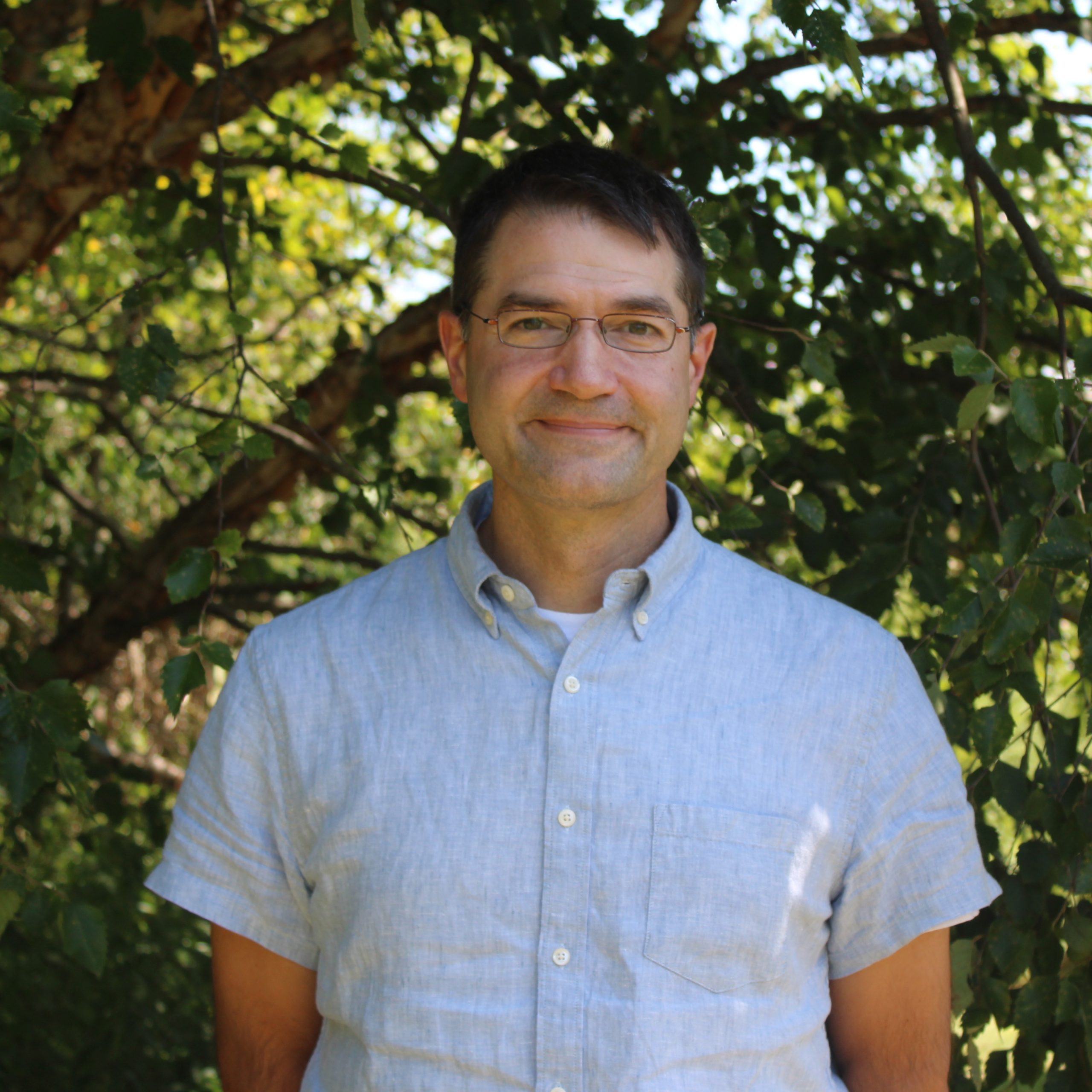
John C. Inguagiato is an Associate Professor of Turfgrass Pathology at the University of Connecticut. His research focuses on minimizing turfgrass diseases through integrated pest management, emphasizing cultural practices, biological controls, and host resistance. He leads the Turfgrass Disease Diagnostic Center, assisting professionals in diagnosing and managing diseases across New England. Inguagiato holds a PhD in Plant Biology from Rutgers University (2009) and dual BS degrees in Agriculture and Natural Resources from Ohio State University (2003). His work integrates field research with extension programs, promoting sustainable disease control strategies for golf courses and athletic fields. Key contributions include studies on anthracnose management via mowing techniques, sand topdressing, and growth regulators. He teaches the course SPSS 3810: Fundamentals of Plant Pathology, emphasizing practical applications in turfgrass systems.
Wesley Everman is a Professor in the Department of Crop and Soil Sciences at North Carolina State University, affiliated with the College of Agriculture and Life Sciences. His research focuses on weed science, herbicide resistance, and integrated pest management in agronomic crops like soybean and wheat. He contributes to extension publications, including the North Carolina Soybean Production Guide and chemical weed control guides. His work emphasizes sustainable practices such as cover crops and precision herbicide application. Research Interests: Dr. Everman's expertise spans herbicide resistance mechanisms, weed-crop competition dynamics, and the development of integrated weed management strategies. His recent studies address glufosinate and glyphosate resistance in Palmer amaranth, Italian ryegrass control in winter wheat, and the role of cover crops in suppressing weeds and improving soil health. He employs advanced technologies like spectral reflectance and computer vision for real-time weed detection and classification. Publications & Extension: He co-authored key publications on soybean herbicide injury, chemical weed control in field crops, and fertilizer use recommendations. His work bridges academic research with farmer applications, emphasizing practical solutions for North Carolina growers. Collaborations include developing digital platforms for field problem-solving and evaluating RNAi technologies for future weed management.
A. Peyton Smith is an Associate Professor in the Department of Soil and Crop Sciences at Texas A&M University, affiliated with the College of Agriculture & Life Sciences. Their research focuses on soil carbon dynamics, particularly the interplay between physical, biological, and chemical processes in soil at micro and macro scales. They investigate how global change (climate and land use shifts) and extreme weather events affect soil microbiomes and nutrient cycling in both natural and agricultural ecosystems. Key areas include soil aggregate structure, microbial ecology, and the impacts of drought/flooding on soil carbon stabilization. Educational Background: B.S. in Wildland Conservation, University of Washington (2004) M.S. in Environmental Science, Yale University (2008) Ph.D. in Soil Science, University of Wisconsin (2013) Research Interests: Dr. Smith's work bridges molecular-scale processes (e.g., microbial-mineral interactions) with landscape-level outcomes, emphasizing tropical ecosystems and agroecosystems. They utilize advanced techniques like aeroponic systems for root exudate analysis and non-destructive soil sampling. Current projects explore canopy soil carbon dynamics, PES plantation carbon sequestration, and the effects of leaf-cutter ants on soil properties. Their lab integrates biogeochemistry with hydrology to model carbon fluxes under climate change scenarios. Advising & Grants: Advises five graduate students: Harrison Coker, Jakob Denton, Daisy Gonzalez, Katherine Quinonez-Gonzalez, and Rachel Watters Recipient of grants from Texas A&M AgriLife Research Collaborates with Costa Rican institutions on tropical soil studies Labs & Teams: Leads the Soil Carbon Dynamics Lab, part of Texas A&M AgriLife Research, focusing on interdisciplinary soil science applications in agriculture and environmental management.
Scott Senseman serves as Associate Vice President for the Division of Agricultural Sciences and Natural Resources at Oklahoma State University, a position he assumed in June 2021, while also holding a professorship in Plant & Soil Sciences. Prior to joining OSU, he held significant leadership positions at the University of Tennessee, including Deputy Assistant Dean for the Herbert College of Agriculture, Interim Dean for UT Extension, and Department Head for Plant Sciences. His academic career includes 19 years as a Professor in Soil & Crop Sciences at Texas A&M University. Ph.D. in Agronomy - Pesticide Residue (University of Arkansas, 1990-1994) M.S. in Agronomy - Weed Biology (University of Arkansas, 1986-1990) B.S. in Agribusiness (Wilmington College, 1982-1986) Dr. Senseman's research focuses on weed science, particularly pesticide fate and herbicide physiology. His work examines the environmental fate of herbicides, off-site movement of chemicals in agricultural systems, analytical methods for pesticide detection, and weed control strategies. His research addresses critical issues in sustainable agriculture and environmental protection, with applications for rice production systems and other agronomic crops. His work spans laboratory experimentation, field studies, and environmental modeling to understand herbicide behavior in different ecosystems. Analysis of his recent publications reveals a consistent focus on herbicide behavior, resistance mechanisms, and environmental impacts. His research spans fundamental studies on herbicide biochemistry and physiology to applied field studies on weed management systems. Recent work has expanded into bioenergy crops like switchgrass and environmental chemistry related to water quality. His scholarly output demonstrates expertise in analytical methodology development, particularly for pesticide residue analysis in food systems. Dr. Senseman has held leadership positions in professional organizations including: President of the Weed Science Society of America (2018-2019) President of the Southern Weed Science Society (2014-2015) Editor of the Herbicide Handbook, 9th Edition (2003-2007) As an educator, Dr. Senseman has served as major advisor or co-advisor for 22 graduate students and has served on 66 other graduate student committees. He has taught courses including Introduction to Agronomy, Ecology of Agrochemicals, Weed Management and Ecology, and Methods of Plant, Soil, and Water Analysis. His current research funding includes projects related to peanut research, advancing the national bioeconomy through Sun Grant Centers, and multistate agricultural research. Dr. Senseman's administrative role oversees OSU Ag Research, which accounts for about a third of all research conducted at OSU and 85% of research-based royalties paid back into the university.
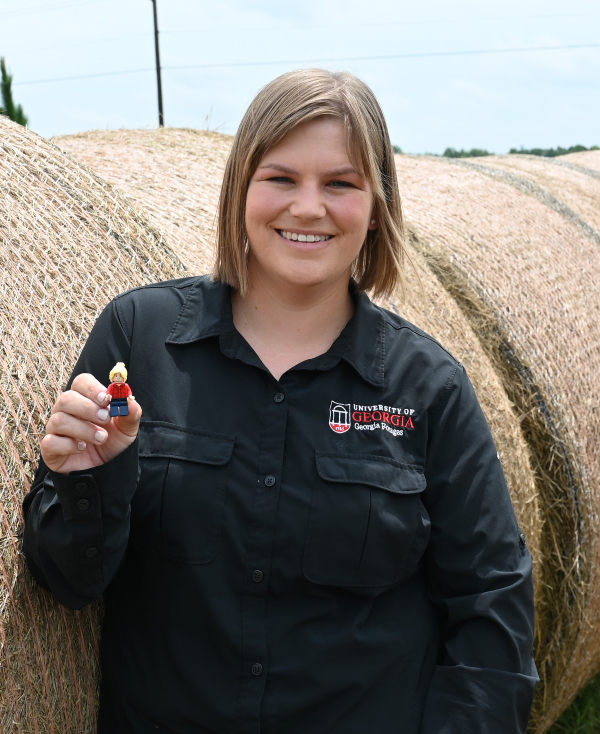
Lisa Baxter is an Associate Professor and State Forage Specialist in the Department of Crop & Soil Sciences at the University of Georgia's College of Agricultural & Environmental Sciences. Her work focuses on forage crop management, pest control, and sustainable agricultural practices. She leads research on bermudagrass, alfalfa, and other forages, addressing challenges like pest resistance (e.g., bermudagrass stem maggot), herbicide efficacy, and nutrient management. Her research spans agronomic strategies for mixed legume-grass systems, storage effects on baleage quality, and climate adaptation of forage crops. She collaborates with USDA and industry partners to develop new cultivars like 'Newell' bermudagrass. Recent publications emphasize economic and ecological impacts of pest management, shade tolerance in turfgrasses, and forage production in temperate regions. Her work bridges applied research with practical solutions for farmers, emphasizing cost-effectiveness and environmental sustainability. Her address is at the Tifton Campus (2360 Rainwater Road, Tifton, GA 31793). Contact: baxterl@uga.edu or 229-386-3459.
Jaime Blair is a Professor of Biology at Franklin and Marshall College, where she has served as Program Chair of Women's, Gender, and Sexuality Studies since 2022. Her career spans research and teaching roles, including Associate Professor (2014-2022) and Assistant Professor (2008-2014) at F&M, and postdoctoral fellowships at Amherst College and Penn State University. B.Sc. in Biology (Ithaca College) Ph.D. in Biology and Astrobiology (Penn State University) Her research focuses on evolutionary genomics of eukaryotes, particularly oomycetes, combining field sampling, molecular tools, and computational analysis to study their taxonomy, phylogenetics, and ecological roles as pathogens in agricultural, aquatic, and terrestrial ecosystems. Recent research trends include oomycete diversity in industrial hemp , genomic profiling of Phytophthora species , and microbial ecology of aquatic pathogens . She has published 15 major works from 2014-2025 in journals like PLoS ONE and Persoonia , emphasizing molecular diagnostics and computational phylogenetics. Scientific Awards & Grants: Pennsylvania Department of Agriculture Grant (2021-2023) for hemp pathogen assessment F&M Enhanced Sabbatical Fellowship (2020-2021) NSF CC*DNI Campus Grant (Co-PI, 2015-2018) American Phytopathological Society Schroth Award (2013) USDA-NIFA Oomycete CAP Grant (Co-PI, 2011-2017) She mentors undergraduate researchers in the Blair Lab, with current members including Kyra Caffrey, Wenrong Wu, Quyen Hoang, and Zoe Shah. Her work integrates molecular tools for pathogen surveillance in agricultural and environmental systems.
Dr. Alejandro Morales Sierra is a Lecturer and Researcher at the Centre for Crop Systems Analysis (CSA) at Wageningen University. He holds a double MEng in Forestry and Agronomy from the University of Córdoba, Spain, an MSc in Plant Sciences, and a PhD from Wageningen University, focusing on plant photosynthesis modeling funded by IPOP Systems Biology and Biosolar Cells programs. His postdoctoral work involved NWO-funded research on abiotic stress impacts on plant development. His research integrates computational tools with crop science, emphasizing functional-structural plant modeling, climate change effects on crops (e.g., cocoa), and invasive species risk modeling. He advocates open science and programming literacy in research. Key contributions include developing the Virtual Plant Laboratory in Julia and advancing methodologies linking data with scientific models. His expertise spans crop production, plant physiology, machine learning, and mathematical modeling. Current projects explore cereal-legume intercropping microclimate interactions and nitrogen-optical-photosynthesis relationships in crops. He teaches advanced data analysis and modeling courses, contributing to MSc programs in crop science.
Professor Nektarios Panayiotis holds a dual role as a Professor in the Department of Floriculture and Landscape Architecture and Dean of the School of Agricultural Sciences at the Hellenic Mediterranean University (HMU). His academic journey includes a Diploma in Agriculture from the Agricultural University of Athens (1990) and a Diploma in Environmental Turfgrass Science from Cornell University, USA (1994). He leads the Laboratory of Quality and Safety of Agricultural Products, Landscape and Environment (QS AgriPLanE), focusing on sustainable urban greening solutions. His research emphasizes green roof systems urban landscape restoration plant biodiversity utilization sustainable agriculture with particular attention to Mediterranean ecosystems. Recent work explores salt-tolerant crops, substrate optimization for urban greenery, and the integration of native plants into urban planning. He has contributed to major projects like the Athens Concert Hall roof garden and adaptive green roof designs for arid climates. Over 150 peer-reviewed articles highlight his expertise in plant physiology under stress environmental impact assessments technological innovations in floriculture with a focus on translating research into practical solutions for urban sustainability. As a leader in horticultural science, his work bridges ecological principles with architectural design, aiming to enhance urban resilience through innovative landscaping practices.
Md Sultan Mahmud is an Assistant Professor of Precision Crop Protection in the Department of Plant Pathology at the University of Georgia (UGA), with a courtesy faculty appointment in the School of Environmental, Civil, Agricultural, and Mechanical Engineering (College of Engineering). He holds a Ph.D. in Agricultural and Biological Engineering from Pennsylvania State University (2022), an M.Sc. in Agriculture (Engineering) from Dalhousie University (2019), and a B.Sc. in Agricultural Engineering from Hajee Mohammad Danesh Science and Technology University (2016). His research focuses on integrating computer vision, AI, robotics, and sensor technologies to develop precision solutions for plant disease and pest management. Key areas include smartphone applications, drone-based monitoring, early disease prediction models, and autonomous robotic systems for agricultural applications. He has received notable awards such as the Boyd-Scott Graduate Research Award (ASABE, 2022) and the Outstanding Dissertation Award from Penn State. Dr. Mahmud leads the Precision Crop Protection Laboratory and has secured grants from organizations like USDA NIFA, Southern SARE, and commodity boards. He actively publishes in journals like Sensors , Computers and Electronics in Agriculture , and AgriEngineering , with a focus on precision spraying systems, disease detection algorithms, and automation in crop production. Education: Ph.D., Agricultural and Biological Engineering, Penn State, 2022 M.Sc., Agriculture (Engineering), Dalhousie, 2019 B.Sc., Agricultural Engineering, Bangladesh, 2016 Research Themes: Computer vision for crop health monitoring AI-driven disease prediction models Autonomous robotic systems in agriculture Drone-based precision spraying Recent Grants: Optimizing Pecan Orchard Health via Drone Imagery (GA Commodity Board) Autonomous Laser-Based Weed Management (Southern SARE) UVC Light for Turfgrass Disease Control (USDA NIFA)
Nikolaos Ntoulas is an Assistant Professor in Floriculture and Urban Horticulture at the Agricultural University of Athens. He specializes in green roof systems, particularly their establishment and management in semi-arid climates, turfgrass science, living walls, and the use of native plant species for urban greening. His research integrates plant physiology, substrate optimization, and sustainable agricultural practices. His academic affiliation includes the Laboratory of Floriculture and Landscape Architecture at the Agricultural University of Athens. He actively contributes to scientific journals as a reviewer and editorial board member. Notable research interests include drought-tolerant plant species, saline irrigation solutions, and eco-friendly weed control methods for archaeological sites. He has led projects on green roof hydrological modeling, dielectric sensor applications for soil monitoring, and the cultivation of aromatic/medicinal plants in urban environments. Recent work focuses on substrate depth optimization for Mediterranean species, seawater irrigation feasibility, and integrating sensor technology for precision agriculture. His research often addresses climate adaptation strategies for urban ecosystems through interdisciplinary approaches combining agronomy, environmental science, and engineering principles.
Dr. Jing Zhang is an Assistant Professor in the Department of Horticultural Science at North Carolina State University (NC State), affiliated with the NC Plant Sciences Initiative and the College of Agriculture and Life Sciences. Her research focuses on leveraging remote sensing, robotics, and data science to advance plant breeding and precision management in horticultural crops. She develops high-throughput phenotyping tools using multi-source sensor data (visual, multispectral, thermal, hyperspectral) across ground, aerial, and satellite platforms, aiding breeders in trait discovery and producers in optimizing resource use. Dr. Zhang holds a B.S. and M.S. in Agronomy and Grassland Science from South China Agricultural University, and a Ph.D. in Horticultural Science from the University of Florida. Her educational background bridges plant sciences and technology, enabling interdisciplinary approaches to agricultural challenges. Her research interests span precision agriculture applications, including UAS-based weed mapping, crop stress monitoring, and yield prediction. She collaborates actively with plant breeders and engineers to integrate machine learning and sensor technologies into crop management systems. Teaching includes introductory courses on AI applications in agriculture and specialized high-throughput phenotyping methods for students. Publications highlight her contributions to UAS-based crop monitoring, drought tolerance mechanisms in turfgrass, and phenotyping innovations. She mentors graduate students and postdocs, emphasizing multidisciplinary training. Current opportunities exist for students in computer science, engineering, or plant sciences to join her lab’s translational research efforts. Dr. Zhang’s lab is part of the Translational Plant Phenomics Program, fostering collaborations to address global food security through technology-driven solutions. Key projects include blueberry yield prediction models, sugarcane aphid infestation analysis, and drought-resistant turfgrass development.
JayDee Gunnell is an Extension Professor in Horticulture at Utah State University and currently serves as the Cache County Director . With an MS in Soil Science (2006) and a BS in Ornamental Horticulture (2002) from USU, he combines academic expertise with practical extension work. Education: MS (Soil Science), BS (Ornamental Horticulture) Certification: Private Pesticide Applicator (2017) His research spans horticulture , urban agriculture , and pollinator ecology , focusing on water-efficient landscaping , tree production systems , and turfgrass management . Recent publications include work on bee decline , fruit cultivation , and climate-adapted landscaping . Notable awards include: National Winner - Best Poster 'Garden Guys and Gal' (2022) Multiple NACAA Communications Awards (2022, 2015, 2013) Extension Field Faculty of the Year (2015) Paul H. Shephard Award for Best Research Paper (2010) He leads initiatives like the Utah State University Botanical Center (2017-2025) and Master Gardener Volunteer Training (2012-ongoing), contributing to community education through multimedia resources and workshops.
James W. Buck is a Professor in the Department of Plant Pathology at the University of Georgia's College of Agricultural & Environmental Sciences. He serves as Graduate Program Coordinator since August 2022 and has been with UGA since 1999, progressing from Assistant Professor to Associate Professor (2005-2016) and then to Professor (2016-present). His work is primarily based at the Griffin, CAES Campus. Education: Ph.D. in Plant Pathology, University of Wisconsin-Madison, 1998 M.S. in Plant Sciences, University of Western Ontario, 1992 B.S. in Botany, Brandon University, 1990 Dr. Buck's research focuses on the biology and management of diseases affecting soybean, wheat, and ornamental plants. His key pathosystems include rust, stem canker and frogeye leaf spot of soybean; leaf rust, stripe rust and fusarium head blight of wheat; and rusts affecting ornamental plants. He collaborates closely with UGA plant breeders Drs. Zenglu Li and Mohammed Mergoum to develop high-yielding, disease-resistant soybean and wheat varieties. His work spans fundamental pathogen biology, fungicide efficacy testing, disease resistance genetics, and practical field management strategies. Analysis of Dr. Buck's recent publications (2023-2025) shows a strong focus on molecular approaches to disease resistance, particularly through genome-wide association studies and quantitative trait loci mapping. His research spans multiple crop systems with emphasis on soybean and wheat diseases, but also extends to turfgrass and bioenergy crops like switchgrass. There's a notable integration of traditional pathology methods with modern genomic techniques, reflecting the evolution of plant pathology research. Scientific Recognition: Student Career Success Influencer Award 2022 (awarded February 1, 2023) Dr. Buck has secured significant research funding from diverse sources including commodity boards (United Soybean Board, Georgia Commodity Commission for Corn, Georgia Commodity Commission for Soybeans), agricultural corporations (BASF, Dow AgroSciences, Syngenta), and federal agencies (USDA NIFA). His sponsored projects portfolio shows consistent funding for disease management research across multiple cropping systems. As Graduate Program Coordinator, he plays a key role in mentoring graduate students in plant pathology. Dr. Buck's research integrates closely with UGA's plant breeding programs and extension services, creating a comprehensive pipeline from fundamental research to practical field applications. His work at the Griffin campus provides critical disease management solutions for Georgia and Southeastern US agriculture.
Marcelo Carvalho Minhoto Teixeira Filho serves as an Associate Professor in Plant Health, Rural Engineering and Soils at the Faculty of Engineering of Ilha Solteira (FEIS), São Paulo State University (UNESP), where he has maintained continuous employment since June 4, 2013. His academic career is deeply rooted at UNESP, having earned his Bachelor's (2006), Master's (2008), and Doctorate (2011) in Agronomy from the same institution. Born on May 11, 1983, in Ilha Solteira, São Paulo, Brazil, Dr. Teixeira Filho expanded his international expertise through a 2017 visiting professorship at ETH Zürich's Plant Nutrition Group. His research program focuses on sustainable agricultural solutions for tropical environments, particularly examining plant-microbe interactions, nutrient management, and soil fertility enhancement. His scholarly work demonstrates significant expertise in hydroponic systems, microbial inoculants, and nanotechnology applications in agriculture. Recent publications reveal a strong emphasis on optimizing nitrogen use efficiency through bacterial synergism, with applications across diverse crop systems including maize, soybean, wheat, and leafy vegetables. His research integrates physiological, biochemical, and modeling approaches to address contemporary agricultural challenges. Dr. Teixeira Filho's contributions to agricultural science were recently recognized with an Honorable Mention in CAPES' 2024 Thesis Award (CIÊNCIAS AGRÁRIAS I category) for advising research on rhizobacteria inoculation in hydroponic lettuce systems. Prêmio Capes de Tese - 2024 Edition - Honorable Mention - CIÊNCIAS AGRÁRIAS I - Advisor As an active member of the academic community, he serves as a peer reviewer for numerous agricultural science journals including Journal of Plant Nutrition, Brazilian Archives of Biology and Technology, and Crop Science. His research program maintains strong interdisciplinary collaborations focused on developing resource-efficient agricultural practices for tropical environments.
Dr. Abolfazl Hajihassani is an Assistant Professor of Nematology at the University of Florida's Fort Lauderdale Research and Education Center. His research program focuses on developing integrated management strategies for plant-parasitic nematodes affecting Florida crops including vegetables, turfgrass, and fruit trees. The lab employs molecular techniques for nematode identification and investigates biological, chemical, and cultural control methods. Key research areas include cover cropping systems, bionematicide efficacy, nematode population dynamics, and host-parasite interactions. Recent work examines how cover crop termination timing influences nematode suppression and soil health. He actively collaborates with agricultural industries to develop practical solutions for nematode management in sustainable farming systems. Publication record demonstrates expertise in field trials assessing novel nematicides, resistance breeding, and ecological approaches to soil pest management across diverse cropping systems.