- Urban governance
- Democracy
- Informality
- +۴ مورد دیگر
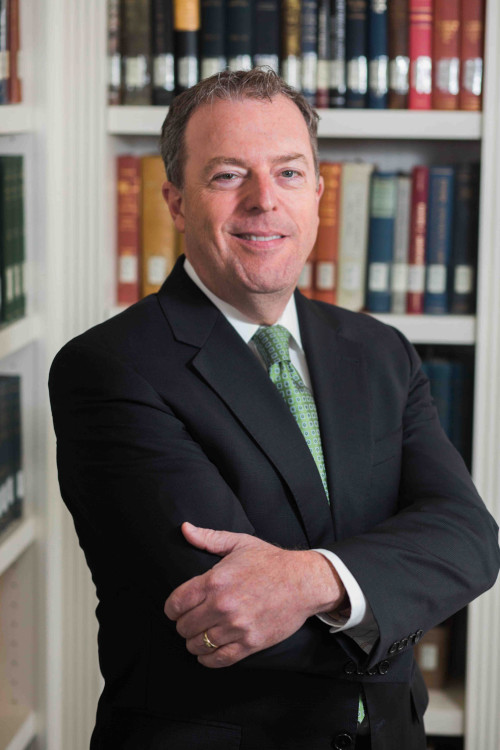
Laurence Piper is Professor of Political Studies at the University of the Western Cape, South Africa, and holds a visiting professorship at University West in Sweden. His academic career bridges scholarship between Global North and Global South contexts with a focus on urban governance and democracy. Professor Piper's research centers on urban governance, democracy, and informality, particularly in South African and comparative Global South contexts. His work examines how democratic participation functions within complex urban governance frameworks where bureaucratic governance coexists alongside market, developmental and informal forms. He investigates how spatial, social, and political segregation persists even among physically proximate urban residents, challenging conventional understandings of democratic participation and governance. Professor Piper's publications reveal a consistent focus on urban politics in the Global South, with particular attention to how formal democratic institutions interact with alternative governance arrangements. His work spans theoretical contributions to democratic theory, empirical studies of urban governance in South Africa, and critical examinations of how political science as a discipline can be decolonized to better address Global South realities. President of South African Association of Political Studies (2016-2018) As an academic leader, Professor Piper has contributed significantly to advancing political science in South Africa. His presidency of SAAPS and his recent work on decolonizing political science demonstrate his commitment to reshaping the discipline to better address African contexts. His research provides valuable frameworks for understanding urban governance beyond Western-centric models. Professor Piper's work offers important insights into the complex realities of urban governance in the Global South, challenging conventional democratic theory while providing empirically grounded analysis of how cities actually function in contexts of rapid urbanization and economic globalization.