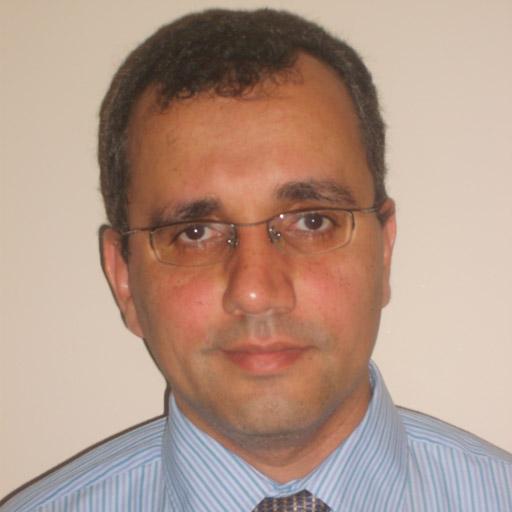
Amr Youssef is a Professor at the Concordia Institute for Information Systems Engineering, Concordia University. His research focuses on applied cryptography, network security, cyber-physical systems security, blockchain, and privacy. He has contributed extensively to securing smart grids, IoT devices, and web applications through cryptographic protocols and machine learning-driven solutions. His work addresses critical challenges in cybersecurity, including e-voting systems, fault-tolerant differential protection, and privacy-preserving communication protocols. He explores vulnerabilities in modern systems such as SSO permissions, JavaScript exploits, and stalkerware tools, while developing frameworks like MEGR-APT for APT detection and TEE-Receipt for non-repudiation. Youssef’s research integrates interdisciplinary approaches, combining cryptography with AI (e.g., vision transformers for power quality analysis) and leveraging trusted execution environments (TEE) for secure computing. His projects often involve collaboration with industrial standards (e.g., IEC 61850), emphasizing practical implementations in real-world systems.
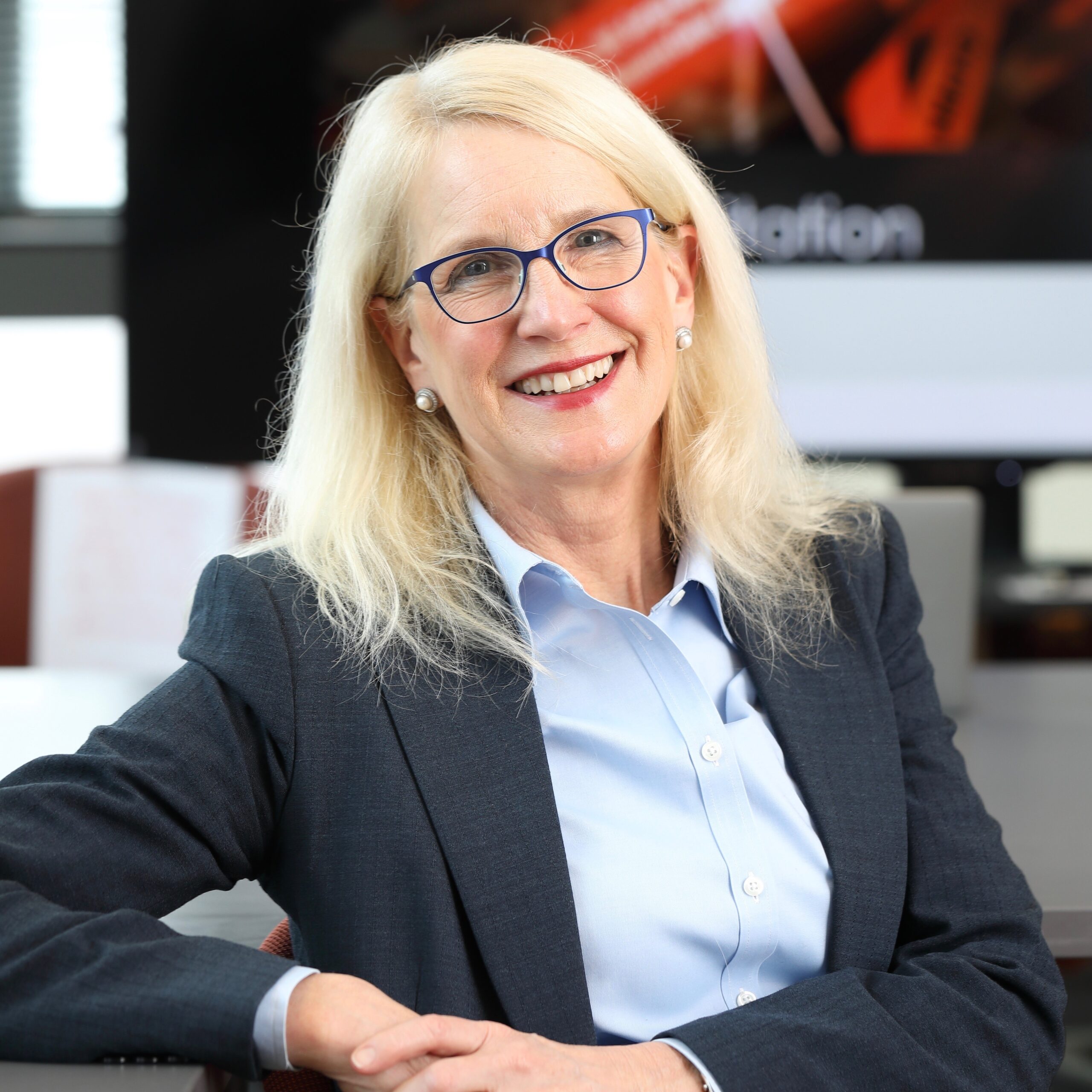
Susan Davidson is the Weiss Professor in the Department of Computer and Information Science at the University of Pennsylvania, where she co-directs the Data Science Program. She currently serves as Deputy Dean of the School of Engineering and Applied Science and chairs the Computing Research Association's Board of Directors. Her research focuses on databases, bioinformatics, data management, and provenance-based systems. Co-founder, Greater Philadelphia Bioinformatics Alliance Founding co-director, Center for Bioinformatics Fulbright Scholar and Hitachi Chair, INRIA-GEMO Key research areas include data citation, trust management in collaborative systems, workflow provenance, and privacy in data analysis. Her recent publications explore explainability frameworks, sub-table selection for data exploration, and security in distributed training systems. 2023 Lindback Award for Distinguished Teaching 2021 VLDB Women in Databases Award 2021 AAAS Fellow 2020 Spira Award for Teaching & Mentoring 2017 IEEE TCDE Impact Award She has advised numerous PhD students and postdocs, including Sudeepa Roy (Duke University) and Julia Stoyanovich (NYU). Courses taught recently include CIS550 (Database Systems) and CIS545 (Big Data Analytics).
Fabio Aurelio D'Asaro is a Researcher at the Department of Human Sciences , University of Verona. His research focuses on Logic , Non-Standard Logics (non-monotonic, paraconsistent, modal, and probabilistic reasoning), and Explainable AI , with interdisciplinary connections to Philosophy of Science and Computational Epistemology . He explores how transparent AI systems can enhance trust, reliability, and ethical considerations in human-machine interactions, addressing topics like autonomy, control, and moral responsibility. D'Asaro is involved in international collaborations with institutions such as UCL KIDS , Imperial SPIKE , and LUCI Unimi . He also serves as an editor and organizer for journals and conferences on Explainable AI , AI Ethics , and Formal Argumentation . Research Grants : Development of Artificial Intelligence methods to support insurance policy sales (2022–2025) Scientific Awards : Premio italiano di Pedagogia 2025 (SIPED prize) for the book Il feedback a scuola. Strategie per promuovere l'apprendimento Teaching Roles : Big data epistemology (Master's Degree in Data Science) Computational epistemology and philosophy (Master's Degree in Artificial Intelligence) Logic and philosophy of science (Bachelor's Degree in Philosophy) Clinical logic and philosophy of science in physiotherapy (Bachelor's Degree in Physiotherapy programs across Vicenza, Rovereto, and Verona) Committee Memberships : ETHICS COMMITTEE – Human Sciences Research Policy Committee Seminar and Publications Committee
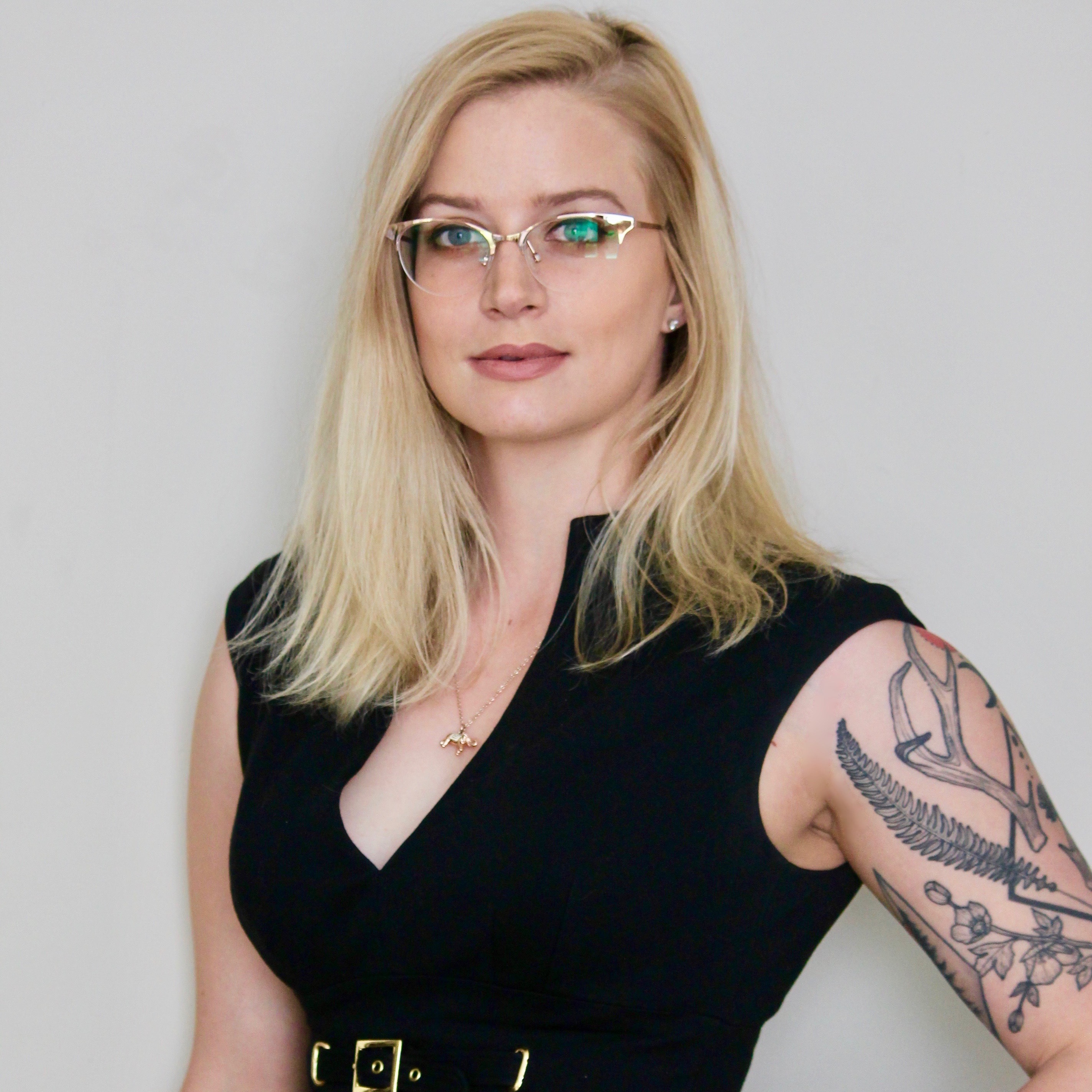
Zachary Ives is the Adani President's Distinguished Professor and Department Chair of the Computer and Information Science Department at the University of Pennsylvania. He holds affiliations with the ASSET Center for Safe, Explainable and Trustworthy AI, the Warren Center for Network and Data Science, the Center for Neuroengineering and Therapeutics, and serves as a Distinguished Research Fellow at the Annenberg Center for Public Policy. His research focuses on data integration and sharing, data provenance and trustworthiness, and machine learning systems. He develops data science platforms at the intersection of databases, machine learning, and distributed systems, with applications in Web question answering and scientific domains like genetics and neuroscience. His work addresses fundamental challenges in integrating heterogeneous data, ensuring trustworthy results, and facilitating collaborative data science. His recent publications demonstrate a strong focus on data lakes, learned database systems, fine-grained provenance, and question answering systems. These works span top conferences including SIGMOD (where his paper was selected as Best Paper in 2024), VLDB, ACL, and PODS, showing the breadth of his contributions across database systems, natural language processing, and data management. NSF CAREER award recipient Fellow of the ACM Christian R. and Mary F. Lindback Foundation Award for Distinguished Teaching IEEE Technical Committee on Data Engineering Education Award SIGMOD Best Paper Award ICDE 2013 ten-year Most Influential Paper award As Department Chair, Ives has overseen significant departmental growth, hiring 25 new faculty since 2018. He advises numerous PhD students and postdocs, and maintains extensive collaborations across Penn and with external institutions. His research has been funded by NSF, NIH, DARPA, Google, Amazon, and other organizations. He has developed courses including NETS 212 'Scalable and Cloud Computing' and teaches Big Data Analytics. His research group, the Penn Database Group, works on projects including data lake management, data provenance, and collaborative data science platforms. His work with neuroscientists on seizure prediction has received significant attention, including a competition with 504 teams achieving 82% accuracy.
Dr. Jeewanie Jayasinghe Arachchige is a Lecturer in the Department of Computer Science at Vrije Universiteit Amsterdam, Faculty of Science. She teaches undergraduate courses including Bachelor Project Computer Science, Professional Development, and Software Engineering Processes for the academic year 2024–2025. Her research focuses on process mining , healthcare informatics , and data security . She applies process mining to analyze healthcare pathways and subpopulation treatment variations, develops explainable AI frameworks for predictive analytics, and examines data governance in emerging architectures like Data Lakehouses. Her work intersects legal informatics, particularly formalizing Sri Lankan civil court processes using ontology engineering. Recent publications highlight trends in balancing simplicity and complexity in process modeling, Industry 4.0 healthcare applications, and cybersecurity in model-driven web development. She has contributed to over 20 peer-reviewed articles since 2006, spanning topics from service-oriented architectures to value network analysis. Her teaching and research emphasize practical applications of IT in healthcare, legal systems, and enterprise environments. No ancillary activities are currently recorded.
Dr. Mohammad Zulkernine is a Full Professor and Canada Research Chair in Cyber-Physical System Security at Queen’s University’s School of Computing (Faculty of Arts and Science). He leads the Queen’s Reliable Software Technology (QRST) research group and directs the Queen’s Centre for Security & Privacy. His research focuses on secure software systems for cyber-physical systems, including autonomous vehicles, IoT, and cloud computing. Dr. Zulkernine holds a cross-appointment in Electrical and Computer Engineering and is a licensed Professional Engineer in Ontario. Education: BSc (Bangladesh BUET), MEng (Japan), PhD (University of Waterloo). He joined Queen’s in 2003 and has held sabbaticals at University of Trento, Italy and Irdeto Canada. He has published over 250 papers, led 35+ research projects, and supervised 120+ students. Awards include Canada Research Chairs (Tier I and II), Queen’s Excellence in Graduate Supervision Award, and Distinguished Supervision Award from the School of Computing. Research Interests: Cyber-Physical System Security, Software Reliability, IoT Security, Vehicle Networks, Secure Software Engineering, and Cybersecurity Risk Assessment. Active industry collaborations include EU-funded projects and Canada-Africa initiatives.
Professor Marina Jirotka is a leading academic in Human-Centred Computing at the Department of Computer Science, University of Oxford, and a Governing Body Fellow at St Cross College. She directs the Responsible Technology Institute and leads interdisciplinary research on responsible innovation in AI, robotics, and digital systems. University: University of Oxford School: Department of Computer Science Position: Professor of Human-Centred Computing Leadership: Director, Responsible Technology Institute Fellowships: EPSRC Established Career Fellowship (RoboTIPS) Her research focuses on integrating ethical, societal, and human values into technology design. Key areas include responsible innovation, human-computer interaction, algorithmic accountability, and socio-technical systems. She explores trust, transparency, and governance in autonomous systems, digital mental health, and quantum computing ethics. Her recent publications reflect a strong trend in responsible robotics, explainable AI, digital wellbeing, and ethical governance. Articles emphasize interdisciplinary methods, stakeholder engagement, and practical tool development such as the Ethical Black Box and TrustScapes. Themes span autonomous vehicles, social robots, algorithmic bias, and sustainability in digital innovation. Excellence in Teaching Award, University of Oxford (2006) ESRC/SSRC Fellowship (2007) UCLA Scholar Award (2011) EPSRC Established Career Fellowship (2018, 2019) Vice Chancellor’s Innovation Award Highly Commended (2020) She supervises numerous PhD and Master’s students and leads major grants including RoboTIPS, RAILS, PARIS-DE, and Adolescent Mental Health in the Digital World. She co-directs ORBIT, a leading RRI training provider, and contributes to policy through advisory roles with the House of Lords, All-Party Parliamentary Groups, and industry consortia. She is a member of the IEEE P7000 working group and the UK Committee for IIASA. Her lab work involves interdisciplinary teams focused on responsible technology design, public engagement, and ethical tool development.
Dr. Emily Wall is an Assistant Professor in the Department of Computer Science at Emory University, leading the CAV Lab (Cognition and Visualization). She earned her Ph.D. in Computer Science from Georgia Tech (2020) and completed a postdoctoral fellowship at Northwestern University before joining Emory. Ph.D., Computer Science, Georgia Tech (2020) Postdoctoral Researcher, Northwestern University Current: Assistant Professor, Emory University Her research focuses on enhancing human decision-making through data visualization and visual analytics by addressing cognitive limitations and biases. Key areas include metacognition promotion, computational strategies for bias mitigation, and human-AI collaboration in data analysis. She combines cognitive psychology principles with technical implementation using tools like D3.js and Tableau. Recent publications highlight her work on LLM applications in visual analytics, cognitive bias interventions, and trust calibration in AI systems. Current students like Mengyu Chen, Shiyao Li, and Zhongzheng Xu are presenting at top conferences such as CHI and IEEE VIS. She also explores educational applications through interactive visualization pedagogy and innovative assessment methods. Dr. Wall actively engages in academic service through graduate mentorship, conference judging, and diversity initiatives. Her lab emphasizes both technical proficiency and social justice implications in visualization design, reflected in course projects that merge artistic expression with data-driven storytelling.
Suchi Saria is the John C. Malone Associate Professor at Johns Hopkins University , with appointments in the Whiting School of Engineering (Computer Science), the Bloomberg School of Public Health (Health Policy & Management), and the Whiting School (Applied Math & Statistics). She directs the Machine Learning and Healthcare Lab and co-founded the Bayesian Health startup. Education: PhD in Computer Science from Stanford University (advisor: Daphne Koller), NSF Computing Innovation Fellowship at Harvard (2011), prior research at UMass (Barto, Madhavan), and industry experience at Aster Data Systems (acquired by Teradata). Research Focus: Saria develops statistical machine learning tools to extract insights from heterogeneous clinical data (structured/unstructured EHRs, sensor streams). Her work enables counterfactual reasoning for personalized treatment plans, dataset shift mitigation in healthcare AI, and weak supervision frameworks for mobile health apps. Key applications include sepsis prediction , Parkinson’s symptom tracking , and critical care optimization . Article Trends: Recent publications emphasize AI safety (2024-2025), addressing racial bias , transparency frameworks , and dynamic monitoring for clinical deployments. Her work spans conformal prediction , causal modeling , and policy guidelines for health AI. Scientific Awards: Sloan Research Fellowship (2018) DARPA Young Faculty Award (2016) MIT Technology Review TR35 Innovator (2017) Popular Science Brilliant 10 (2016) IEEE Intelligent Systems AI’s 10 to Watch (2015) NSF Computing Innovation Fellowship (2011) Rambus Fellowship (2004-2010) Best Paper Awards in ML, Informatics, and Medicine venues Advising & Grants: Saria mentors PhD students/postdocs in machine learning and health informatics , including funded projects like the NSF Smart and Connected Health Grant (2014) and Google Research Award (2014). Her lab’s TREWScore system (Science Translational Medicine 2015) is deployed in hospitals, while her Bayesian Health startup commercializes AI solutions for provider experience.
Prof. Dr. Pinar Yolum Birbil is a leading researcher in Responsible AI at the Faculty of Science , Utrecht University . Her work bridges Artificial Intelligence , Privacy and Data Protection , and Software Agents , focusing on Human-Centered AI and Trustworthy Systems . She is part of the AI & Data Science and Responsible AI research groups. PhD in Computer Science, North Carolina State University (2003) MS in Computer Science, North Carolina State University (2000) BSc in Computer Engineering, Marmara University (1998) Her research explores Privacy Preservation in collaborative systems, Computational Theory of Mind for human-agent coordination, and Norm-Based AI Systems . Recent projects include the Hybrid Intelligence Center and tools like PANOLA for privacy support. She investigates how AI can balance user autonomy , ethical norms , and societal values in applications ranging from urban planning to healthcare. Her scientific publications (2023-2025) span topics like Explainable Privacy , Trust in Hybrid Teams , and AI for Diabetes Management , appearing in venues such as JAIR , AAMAS , and ACM TOIT . She emphasizes collaborative AI , with contributions to multiagent simulations and privacy-preserving mechanisms . Scientific Awards : NC State University Alumni Hall of Fame (2017) Woman Entrepreneur of the Year (Microsoft Turkey & KAGIDER, 2017) Bogazici University Academic Encouragement Award (multiple years) Best Paper Award at ESAW 2009 She supervises a dynamic research group with PhD students working on Hybrid Intelligence , Computational Ethics , and Privacy Modeling . Her projects often involve interdisciplinary collaboration with institutions like TNO and the Transforming Cities Hub .
Jakob Schoeffer is a tenure-track Assistant Professor in the Artificial Intelligence department at the Bernoulli Institute for Mathematics, Computer Science and Artificial Intelligence, Faculty of Science and Engineering, University of Groningen (Netherlands). His work focuses on the intersection of human decision-making and artificial intelligence, particularly in high-stakes contexts where fairness, transparency, and appropriate human-AI collaboration are critical. Dr. Schoeffer's research interests center on responsible and explainable AI, with specific focus areas including: Human-AI collaboration dynamics in decision-making processes Fairness perceptions and interventions in AI systems Appropriate reliance on AI recommendations Explainable AI techniques for high-stakes domains Transparency mechanisms that improve human-AI team performance Label indeterminacy issues in medical AI applications His recent publications (2023-2025) reveal a strong trend toward applying AI research in critical domains like healthcare (particularly neurological recovery prediction), while maintaining a rigorous focus on the human aspects of AI deployment. His work spans both theoretical foundations of human-AI interaction and practical implementations, often employing mixed-methods approaches that combine technical AI development with behavioral studies. Dr. Schoeffer actively collaborates with researchers across institutions including the University of Texas at Austin and has made significant contributions to top conferences in AI ethics, fairness, and human-computer interaction. His research has been featured in multiple news outlets and policy discussions, indicating real-world impact of his work on responsible AI development. Prior to his current appointment, Dr. Schoeffer was a Postdoctoral Research Fellow at the University of Texas at Austin. He received his PhD from the Karlsruhe Institute of Technology (KIT) in Germany with a dissertation titled "On the Interplay of Transparency and Fairness in AI-Informed Decision-Making." He also holds a master's degree in Operations Research from Georgia Tech and industry experience as a Senior Data Scientist at IBM.
Ming Yin is an Associate Professor in the Department of Computer Science at Purdue University. Her research bridges human-computer interaction, applied artificial intelligence, computational social science, and behavioral sciences. She focuses on leveraging human behavior data to design intelligent systems that balance machine efficiency with human understanding, trust, and engagement. Education : PhD in Computer Science (Harvard University, 2017), B.E. in Computer Software (Tsinghua University, 2011) Previous Roles : Postdoctoral researcher at Microsoft Research New York City (2017–2018) Teaching : Courses on AI, Human-AI Interaction, Data Mining, and Human-Centered Computing Research Interests center on social computing, crowdsourcing, human-AI interaction, and ethical AI. She employs experimental and computational methods to study how human behavior can improve AI systems' design, fairness, and user trust. Her work has significant implications for gig economy platforms, decision support systems, and algorithmic accountability. Scientific Contributions include over 15 recent articles in top venues like CHI, IJCAI, and ACL. These works explore topics such as LLM-driven trust calibration, adversarial social influence, and ethical AI design. Her research has been recognized with the NSF CAREER Award Siebel Scholar (Class of 2017) Multiple Best Paper and Honorable Mention Awards at CHI, CSCW, and HCOMP Teaching Expertise spans courses like Introduction to Artificial Intelligence (CS 471), Human-AI Interaction (CS 592-HAI), and Data Mining (CS 573). She emphasizes project-based learning and designing systems for real-world problems, such as "learning in a new era" in her 2025 HCI course.
David Martens is a Professor of Data Science at the University of Antwerp , where he directs the Applied Data Mining Research Group within the Faculty of Business and Economics . He also serves as Chair of the Department of Engineering Management and Director of the Antwerp Center on Responsible AI . His academic work spans data mining , interpretable machine learning , and the societal impact of AI . PhD in Applied Economic Sciences (KU Leuven, 2008) Director, Antwerp Center on Responsible AI Chair, Department of Engineering Management Martens' research focuses on responsible AI and data ethics , with applications in finance, public policy, and behavioral analysis. His recent publications emphasize counterfactual explanations , LLM interpretability , and privacy implications in AI systems. His articles reveal trends in Explainable AI (XAI) , including narrative-driven explanations , graph neural networks , and ethical challenges like monetization risks and algorithmic bias. Keywords span Computer Science , Artificial Intelligence , and Behavioral Data . Martens is a leading voice in data science ethics , authoring the book Data Science Ethics: Concepts, Techniques, and Cautionary Tales (Oxford University Press, 2022). He combines academic rigor with industry experience, having consulted for banks, telecom firms, and startups in fraud detection and digital advertising .
Dr. Aditya Joshi is a Senior Lecturer in the School of Computer Science & Engineering at the University of New South Wales (UNSW). He specializes in Natural Language Processing (NLP), with a focus on sarcasm detection, dialectal NLP, and ethical AI applications in public health and cybersecurity. He joined UNSW in 2023 following industry roles at SEEK, Notiv, and Fractal Analytics, where he developed NLP systems for recommendation engines and meeting analytics. His research has garnered over 3,000 citations (h-index 26) and secured $3.1M in grants, including Defence Trailblazer and Google exploreCSR awards. Education: Joint PhD (2018) from IIT Bombay (India) and Monash University (Australia); MTech in CSE (2011) from IIT Bombay. Research Interests: Making NLP models robust for non-native English speakers and the LGBTI+ community, algorithmic enhancements to transformers, and applications in public health, cybersecurity, and societal issues. His work spans epidemic intelligence (collaborations with EPIWATCH and IFCYBER), cybersecurity tools like AuditNet, and inclusive AI initiatives such as queer-inclusive workshops funded by Google. He designed UNSW's new NLP course (COMP6713) and co-authored a Wiley textbook on NLP. Notable grants include the A$1.4M 'Comprehensive Defence Data Platform' (Lead CI) and A$92K Google exploreCSR grant for benchmarking dialectal sentiment. His awards include the Best PhD Thesis from IITB-Monash and Best Paper accolades at FAccT 2023 and MoMM 2020. He supervises projects on kernel-based attention reformulation, prompt-based sarcasm detection, and multilingual small-scale LLMs. His service roles include Executive Committee Member at ALTA and arXiv moderator for computational linguistics.
Motahhare Eslami is an Assistant Professor at Carnegie Mellon University’s School of Computer Science, Human-Computer Interaction Institute. Her research bridges human-computer interaction, social computing, and AI ethics. Education : PhD in Computer Science from University of Illinois at Urbana-Champaign, advised by Karrie Karahalios Research Focus : Dr. Eslami investigates algorithmic opacity and user behavior in socio-technical systems, developing frameworks to enhance transparency and stakeholder participation in AI governance. Her work addresses: Algorithmic bias mitigation through participatory audits Ethical implications of generative AI and smart assistants Inclusion of marginalized communities in AI design Transparency mechanisms for opaque algorithms Civic technology and public sector AI Recent Article Trends : Her publications analyze algorithmic harms through lenses of: Medical imaging and data generation Labor market equity and low-wage employment Youth perspectives on AI ethics Content creator experiences with demonetization Explainability in black-box AI systems Scientific Recognition : Best Paper at AAAI HCOMP (2025) Google Academic Research Award (2024) Microsoft AI & Society Fellowship (2024) 100 Brilliant Women in AI Ethics (2023) Teaching Innovation Award at CMU (2023) Advising & Collaborations : Mentors PhD students Shixian Xie, Wesley Deng, Seyun Kim, and former post-doc Jaemarie Solyst. Collaborates with NSF AI Institute for Collaborative Assistance (2022–2027), Amazon, Google, and Microsoft on responsible AI initiatives.