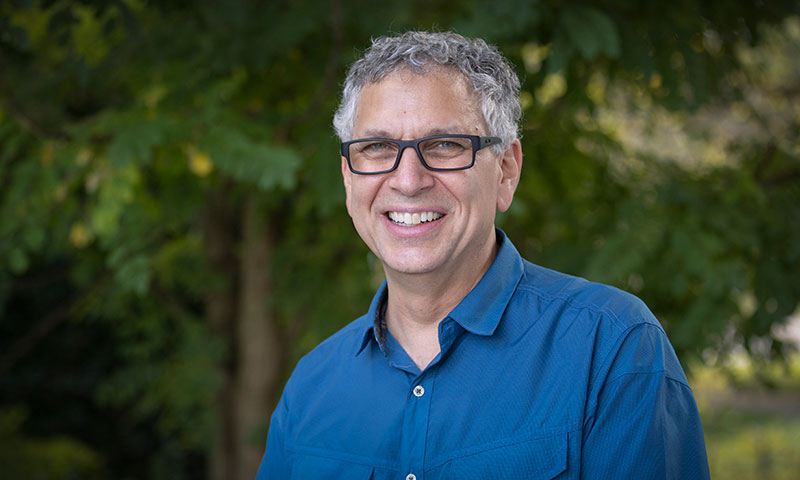
Frank Corsetti is a Professor of Earth Sciences at the University of Southern California (USC), leading the Corsetti Lab. His research focuses on the co-evolution of Earth and its biosphere, particularly during extreme events like the 'Snowball Earth' glaciation and mass extinctions. He holds a Ph.D. in Geological Sciences from UC Santa Barbara (1998) and a B.S. in Geology from UC Davis (1989). Research Interests: Corsetti studies geobiological processes such as stromatolite formation, microbial carbonate systems, and the environmental impacts of mass extinctions. His lab investigates biosignatures, diagenetic processes, and astrobiological applications. Current projects include the end-Triassic mass extinction and microbial interactions in extreme environments. Advising & Grants: He mentors a team of PhD students (including Reena Joubert, Alison Cribb, and others) and has secured funding from NASA for projects like stromatolite carbonate formation studies. His work bridges paleontology, geochemistry, and microbiology, contributing to understanding Earth’s long-term climate and life history. Labs/Teams: The Corsetti Lab at USC explores stromatolites, microbial mats, and ancient Earth systems. Collaborations involve institutions like JPL and international universities.
Glenn R Sharman is an Associate Professor in the Department of Geosciences at the University of Arkansas, College of Arts & Sciences. His research integrates sedimentary geology, stratigraphy, and petroleum geology to explore sediment routing systems shaped by tectonic and climatic processes. Sedimentary Rocks & Fossils (2019-2020) Sedimentary Geology (2021) Petroleum Geology (2017, 2019) Field Camp (2018, 2021) Sedimentary Petrology (2020, 2021) Imperial Barrel Award (2019) His work examines clastic sedimentary systems across spatial and temporal scales, focusing on Earth history transitions like the end Triassic and Paleocene-Eocene boundary. He leads the Detrital Geochronology Laboratory (DGL), an industrial affiliates program for global provenance datasets in source-to-sink frameworks. Research highlights include collaborations with Devon Energy on 3D digital outcrop modeling for reservoir characterization. Recent publications coauthored with Sam Johnstone in Earth and Planetary Science Letters emphasize sediment unmixing techniques using detrital geochronology. His group's work intersects with modern sediment routing systems, numerical modeling, and societal challenges like anthropogenic climate change. Dr. Sharman supervises M.S. and Ph.D. students and has mentored researchers such as Ben Howard (Terra Nova) and Isaac Johnson (JGR Earth Surface), who applied machine learning to predict fluvial sand composition.
David Finkelstein is an Associate Professor in the Department of Geosciences at Hobart and William Smith Colleges, where he has been a faculty member since 2013. He earned his Ph.D. from the University of Illinois at Urbana-Champaign and holds advanced degrees from the University of Massachusetts, Amherst. His academic affiliations include prior roles as a Research Assistant Professor and Lab Manager at the University of Massachusetts and as an Assistant Professor at the University of Tennessee. Ph.D., University of Illinois at Urbana-Champaign M.S., University of Massachusetts, Amherst B.S., University of Massachusetts, Amherst Dr. Finkelstein's research centers on limnogeology and biogeochemistry , with a focus on the chemical evolution of lake systems, stable isotope geochemistry, and microbial life in extreme environments. His work integrates aqueous geochemistry, organic molecular analysis, and microbiological methods to reconstruct paleoenvironments and climate change across geological timescales, including the Holocene, Pleistocene, Cretaceous, and Triassic periods. He has extensively studied lake sediments, wildfires, and the environmental impacts of the 2010 Gulf of Mexico oil spill. His recent publications show a strong trend in using biogeochemical proxies and isotopic signatures to understand past climate variability, human-environment interactions, and extreme environmental conditions. His research often involves multidisciplinary collaborations and field-based studies in diverse regions such as Russia, Iran, and Central America. Dr. Finkelstein is actively involved in scientific communities, with affiliations including: International Association of Limnogeology American Geophysical Union Geological Society of America Geochemical Society SEPM (Society for Sedimentary Geology) He has advised numerous research projects and mentored students in geoscience, though specific names are not listed. His teaching includes courses such as Stable Isotope Geochemistry, Limnology, and Environmental Geochemistry, reflecting his expertise in both theoretical and applied aspects of earth sciences. Dr. Finkelstein has not received any explicitly listed scientific awards in the provided text, but his publication record in high-impact journals demonstrates significant scholarly contributions. He does not appear to lead a named laboratory or research center, but his work is deeply embedded in field and laboratory-based geochemical analysis.
Peter C. Lippert is an Associate Professor in the Department of Geology & Geophysics at the University of Utah , with research spanning paleomagnetism, tectonics, and environmental magnetism. His work connects geological time scales to climate dynamics, orogenic processes, and urban pollution monitoring. BS (2003) and PhD (2010) in Earth sciences Postdoctoral training at University of Arizona and UC Santa Cruz Research focuses include: Antarctic ice age cyclicity and Earth's orbital influences Hydrothermal alteration effects on paleomagnetic records in Tibet Magmatism during Mongol-Okhotsk Ocean closure Magnetofossils as climate proxies for rapid warming events Evergreen needle magnetization for urban pollution mapping Recent publications highlight collaborations across 50+ international institutions , with methodological innovations in site-level paleomagnetic analysis and FORC-PCA magnetofossil discrimination. His 15 most recent articles (2020–2024) address tectonic reconstructions, geomagnetic field evolution, and climate-ocean interactions. He serves on the Magnetics Information Consortium (MagIC) Steering Committee and has received the Taft-Nicholson Summer Faculty Fellow award. Teaching emphasizes Earth science as a philosophy, with courses on structural geology, dynamic Earth systems, and field research.
Grzegorz Niedzwiedzki is a Researcher at Uppsala University's Department of Organismal Biology, specializing in vertebrate palaeontology and early tetrapod evolution. He holds a PhD from the University of Warsaw (2013) and has conducted expeditions across Poland, Russia, Tunisia, Greenland, and Sweden. His research focuses on Triassic-Jurassic vertebrate ecosystems, coprolite analysis, and early dinosaur evolution. Education: PhD in Biology (2013), University of Warsaw Master's in Biology (2007), University of Warsaw Bachelor's in Biology (2004), University of Warsaw Research Interests: Grzegorz's work analyzes fossilized footprints, coprolites, and skeletal remains to reconstruct ancient ecosystems. He has pioneered studies on Early Triassic predator ecosystems via coprolites and contributed to understanding dinosaur dietary habits through coprolite microbiota analysis. His fieldwork has uncovered critical fossils like the archosaur Smok wawelski and Early Jurassic dinosaur tracks. Key Achievements: Recipient of multiple prestigious awards (National Geographic grants, Prime Minister's Special Award) Over 100 peer-reviewed publications in journals like Nature , Palaeogeography, Palaeoclimatology, Palaeoecology , and Acta Palaeontologica Polonica Co-discoverer of the oldest known mammaliaform fossil in Greenland Grants & Collaborations: Multiple international expeditions funded by Polish and Swedish institutions Collaborations with the American Museum of Natural History and Uppsala University Labs/Teams: Affiliated with Uppsala University's Evolution and Development research group and collaborates globally on fossil expeditions and synchrotron imaging projects.
Sara Pruss is the Esther Cloudman Dunn Professor of Geosciences at Smith College, where she has established herself as a leading researcher in geobiology and paleontology. Her work focuses on critical transitions in Earth's history, particularly mass extinctions and the evolution of early life forms. She maintains an active research program that combines field work, laboratory analysis, and theoretical approaches to understand the complex interactions between life and Earth's environments through geological time. Education: Ph.D., University of Southern California M.S., University of Southern California B.S., University of Rochester Professor Pruss's research spans several interconnected areas within geobiology and paleontology. Her primary focus is on understanding mass extinction events, particularly the end-Permian extinction and Cambrian-Ordovician transitions. She investigates how these events affected marine ecosystems and the subsequent recovery patterns. Her work on Neoproterozoic carbonates and early animal evolution has provided important insights into the environmental conditions that facilitated the emergence of complex life. Professor Pruss also examines microbial sedimentary structures and their implications for interpreting ancient environments. Her research often combines detailed field observations with geochemical analyses to reconstruct paleoenvironments and understand the taphonomic processes that affect fossil preservation. Analysis of Professor Pruss's recent publications reveals a consistent focus on critical transitions in Earth's history. Her work spans the Ediacaran-Cambrian boundary, the Cambrian-Ordovician transition, and the Permian-Triassic extinction. A recurring theme is the relationship between environmental changes (particularly oxygenation and redox conditions) and biological evolution. Her research increasingly incorporates geochemical proxies like mercury chemostratigraphy to identify potential volcanic triggers for extinction events. The geographical scope of her work is global, with field sites in North America, Scotland, Namibia, and the Arctic. Scientific Awards: Outstanding Contributions to Geobiosciences by the Society for Geobiology and Geomicrobiology (2014) Sherrerd Prize for Distinguished Teaching by Smith College (2015) Professor Pruss has mentored numerous undergraduate students through her research lab at Smith College. Several of her former students, including Katie Castagno, Jana Burke, Kelsey Moore, Sophie Westacott, and Kiara Gomez, have gone on to earn PhDs from prestigious institutions like MIT, Yale, and Woods Hole. Her research has been consistently supported by major funding agencies including the National Science Foundation and the National Geographic Society. Beyond her research mentorship, Professor Pruss has been actively involved in programs aimed at supporting underrepresented women in STEM fields, demonstrating her commitment to inclusive excellence in science education. Professor Pruss leads an active research laboratory at Smith College that combines field, laboratory, and analytical approaches to geobiological research. Her lab has produced numerous publications with undergraduate co-authors, reflecting Smith's strong emphasis on undergraduate research. The lab's work often involves international collaborations with researchers from institutions around the world. Current research directions include investigating the relationship between oxygenation and early animal evolution, studying microbial influences on sedimentary structures, and examining the environmental triggers for major extinction events throughout Earth's history.
Rowan C Martindale is an Associate Professor at the University of Texas at Austin's Department of Earth and Planetary Sciences within the Jackson School of Geosciences. His research focuses on marine paleoecology, mass extinctions, and carbon cycle perturbations in deep time, particularly the Triassic-Jurassic and Toarcian Ocean Anoxic Event. He leads the Martindale Lab, which investigates Jurassic reef crises, Lagerstätten preservation, and modern reef decline. His work integrates field studies, geochemical analyses, and educational tools like board games to enhance STEM engagement. Affiliations: UT Austin Non-vertebrate Paleontology Lab GSA Geobiology & Geomicrobiology Division (Executive Committee) Education: Doctoral research centered on Triassic/Jurassic boundary reef collapse linked to ocean acidification. Postdoctoral opportunities at Scripps and Humboldt Foundation were declined. Research Interests: Reconstruction of ancient reef ecosystems, exceptional fossil preservation mechanisms, and applying paleontological insights to modern conservation. Key projects include the Pliensbachian/Toarcian reef crisis and Jamaican coral reef monitoring. Publications: Over 50 peer-reviewed articles since 2015, emphasizing Jurassic paleoecology, fossil preservation, and education innovation. Top-tier journals include Paleontology , Geology , and Papers in Palaeontology . Awards: NSF CAREER Award (2019) UT Austin Teaching Excellence Award (2017) Advising & Grants: Supervised 15+ graduate students and postdocs. Secured NSF grants for reef research and educational initiatives like the GeoPATHS program in Jamaica. Labs/Teams: Collaborates with global institutions on field projects in Morocco, Jamaica, and the Caribbean. Lab focuses on combining fieldwork, microscopy, and geochemical analyses.
Dr Michael Montenari is a Lecturer in Palaeontology and Stratigraphy at Keele University's School of Life Sciences. He serves as Programme Director for Environmental Science and Sustainability and Environmental Management. His academic career includes a PhD (1999) and Habilitation (2005) in Earth Sciences, with postdoctoral research at the CNRS (France) and University of Tübingen (Germany). Education: Dr. rer. nat. (PhD) in Earth Sciences, Friedrich-Alexander-Universität Erlangen-Nürnberg (1999) Diplom-Geologe (MSc), Albert-Ludwigs-Universität Freiburg (1996) Studies at Université-Louis-Pasteur (France), UCLA (USA), and others Research Interests: Focuses on Palaeoecology, microfossil analysis, stromatolite genesis, and geodynamic processes in the Variscan Belt and Rodinia fragmentation. His work integrates stratigraphy, geochemistry, and sedimentology to explore Earth's geological history. Teaching & Advising: Leads modules in Palaeontology, Stratigraphy, and fieldwork. Supervised PhD students including Steve Rogers (2015) and Tim Ferriday (2014). Active in interdisciplinary environmental science programs. Recent Research Trends: Articles emphasize Carboniferous and Jurassic stratigraphy, geochemical reconstructions of ancient ocean systems, and mineralogical modeling. Highlights include studies on ammonoid taxonomy and Southern Ocean carbon dynamics.
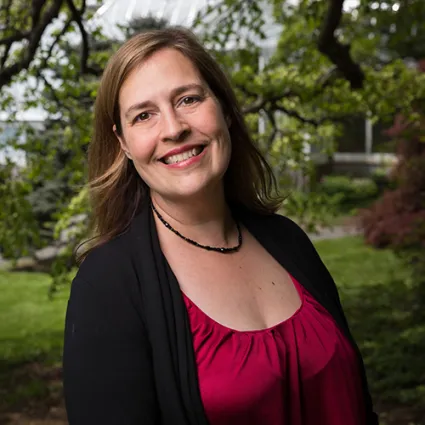
Dr Alison Cribb is an 1851 Research Fellow in palaeoceanography and palaeoclimatology at the University of Southampton's Ocean and Earth Science department. Her research focuses on reconstructing the evolution of marine ecosystem engineers (e.g., bioturbators, reef builders) using the fossil record, particularly their responses to climate-related stress and mass extinctions. She explores how these organisms influenced ecological and evolutionary dynamics in ancient ecosystems, with implications for modern climate change impacts. Education: PhD in Geological Sciences, University of Southern California (2018–2023) BA Hons in Earth and Environmental Sciences, Vanderbilt University (2014–2018) Her research interests span marine ecosystem engineering, paleoclimatology, and the recovery of ecosystems after mass extinctions. Current projects include studying bioturbation patterns via machine learning and contrasting post-Triassic extinction dynamics between terrestrial and marine environments. Dr Cribb's recent publications highlight interdisciplinary approaches, combining fossil data with computational methods. Her work is funded by the Royal Commission for the Exhibition of 1851.
Roger Benson is a Visiting Fellow at the University of Oxford specializing in paleontology and evolutionary biology. His research integrates fossil discovery, 3D morphometric analysis, and quantitative macroevolutionary studies to investigate vertebrate evolution across deep time, with particular expertise in dinosaurs, marine reptiles, and early synapsids. His primary research domains include: Phylogenetic Paleobiology : Resolving evolutionary relationships in key vertebrate clades using cladistic methods and fossil data Macroevolutionary Dynamics : Analyzing large-scale patterns of morphological diversity and species richness over 100+ million years Earth-Life Interactions : Quantifying links between environmental change, rock record biases, and biodiversity patterns using multivariate statistics Extant-Fossil Integration : Applying anatomical datasets from living species to test ecological hypotheses about extinct organisms Recent publications reveal consistent methodological innovation through synchrotron imaging, computational morphometrics, and big-data approaches to evolutionary questions. His work demonstrates how quantitative analysis of anatomical variation can resolve long-standing debates in vertebrate phylogeny while revealing fundamental principles of adaptive radiation. Though no specific awards are documented in the source material, Benson's research impact is evidenced by publications in premier journals including Nature, Science, and PNAS, reflecting significant contributions to evolutionary science. Benson actively mentors graduate students and leads international collaborations, as demonstrated by multi-institutional projects on Permian-Triassic extinction dynamics and dinosaur sensory evolution. His research group bridges field paleontology with computational biology to address fundamental questions in vertebrate evolution. Based within Oxford's Earth Sciences framework, his work leverages advanced imaging facilities and computational resources for fossil analysis and evolutionary modeling, contributing to the university's leadership in paleobiological research.
Matthew Hurtgen is a Professor in the Department of Earth, Environmental, and Planetary Sciences at Northwestern University’s Weinberg College of Arts & Sciences. He holds a Ph.D. in Geosciences from Pennsylvania State University (2003), alongside degrees from the University of Missouri, SUNY, and the University of Rochester in Political Science. His research focuses on understanding Earth’s coupled systems, particularly the interplay between the atmosphere, biosphere, hydrosphere, and solid Earth in regulating ocean-atmosphere chemistry over the past billion years. Key interests include the global carbon cycle, climate evolution, and oxygen level fluctuations. Research emphasizes field and lab studies of modern/ancient sedimentary systems, integrating stable isotopes (e.g., Ca, Sr, S) with geochemical models. Current projects explore drivers of Oceanic Anoxic Events, mass extinctions, and the role of sulfur in regulating marine geochemical cycles. He is funded by the NSF, NASA, and the Agouron Institute. Teaching includes courses on climate catastrophes, Earth systems history, stable isotope geochemistry, and paleoceanography. His lab group actively recruits graduate students and collaborates on projects combining fieldwork, geochemical analysis, and computational modeling. Publications span over two decades, with recent work addressing Pleistocene-Holocene sedimentary records, Cretaceous ocean chemistry, and Neoproterozoic chemostratigraphy. Research facilities include state-of-the-art geochemical labs and fieldwork capabilities in locations like Scotland and Namibia.
Per Ahlberg is a Professor at Uppsala University's Department of Organismal Biology, specializing in vertebrate evolution and paleontology. His research focuses on early vertebrates, particularly Devonian tetrapods, placoderms, and the transition from fish to land vertebrates. He employs advanced imaging techniques like synchrotron tomography to study fossil anatomy and preservation. Key areas of study include the evolution of jaws, teeth, and skeletal structures in early vertebrates, as well as the ecological and environmental contexts of major evolutionary transitions. His work integrates anatomical, paleontological, and developmental approaches, collaborating on projects such as the analysis of the Gogo Lagerstätte fossils and the study of tetrapod trackways. Ahlberg's publications highlight contributions to understanding vertebrate origins, such as discoveries related to Romundina stellina and Ventastega curonica, which bridge gaps between fish and tetrapods. He has also addressed broader topics like fossil nomenclature stability and post-extinction ecosystem recovery.
Senior Professor Guang R. Shi is a leading academic at the School of Earth, Atmospheric and Life Sciences (SEALS) within the University of Wollongong , Australia. His research spans geology, paleontology, and stratigraphy, with over 25 years of experience. He has conducted extensive fieldwork globally, focusing on marine invertebrate fossils and their paleoecological implications. Research Interests : Palaeontology, Palaeoecology, Stratigraphy, Marine Geoscience, Biostratigraphy, and Paleobiogeography. Funding : Principal Investigator for Australian Research Council (ARC) Discovery Projects on deep-time biodiversity and Permian body size evolution (2023-2026, 2015-2020). Supervision : Actively supervises Doctor of Philosophy candidates in geochronology, sedimentology, and tectonic studies. Publications : Extensive contributions to journals like Nature Geoscience , Earth Science Reviews , and Journal of Paleontology , with recent works on Permian-Triassic CO2 dynamics, marine ecosystem collapses, and brachiopod biogeography.
Allan Rasmusson is a Professor in the Department of Biology at Lund University, Faculty of Science, specializing in Plant Biology and Molecular Biosciences. His research spans plant-fungal interactions, mitochondrial function, redox biology, and paleophysiology. He leads multiple active research projects and supervises graduate students, while also managing shared infrastructure such as the departmental greenhouses. Research Interests: Allan Rasmusson's research is highly interdisciplinary, focusing on: Plant-Trichoderma interactions for biocontrol and biostimulation in crops like sugar beet, quinoa, and cañahua. Mitochondrial function, including electron transport chain assembly and retrograde signaling in Arabidopsis thaliana and maize. Redox biology and plant metabolism under different nitrogen sources. Paleophysiology, investigating how ancient plant lineages survived mass extinctions through studies of fossil pollen and plant physiology under paleomimetic conditions. Recent Research Trends: His recent publications (2022–2024) reflect a strong focus on both molecular plant biology and paleobotany. Key themes include mitochondrial translation initiation, cytochrome c oxidase assembly, plant defense against pathogens like Peronospora , and the role of abnormal pollen in end-Triassic extinction events. These works appear in high-impact journals such as Science , Plant Physiology , and Palaeogeography, Palaeoclimatology, Palaeoecology . Scientific Awards and Funding: Funded by the Knut and Alice Wallenberg Foundation for research on ancient and modern plant comparisons. Advising and Grants: Allan Rasmusson actively supervises doctoral students and serves as Principal Investigator (PI) on multiple research projects. He is currently supervising V. D. Palma Encinas and co-supervising H. C. Tran. His projects include biocontrol using Trichoderma , mitochondrial retrograde signaling, and paleophysiogenomics. He also contributes to educational grants through textbook development and curriculum design. Labs and Teams: He is a co-manager of the Department of Biology’s greenhouse infrastructure at Lund University, supporting experimental plant growth. He collaborates with researchers from SLU, DLF Research AB, UMSA-La Paz (Bolivia), Naturhistoriska Riksmuseet, Linnaeus University, Copenhagen University, CSU-San Marcos, and Warsaw University.
Francisco Manuel Alonso Chaves is a Professor in the Department of Earth Sciences at the Faculty of Experimental Sciences, University of Huelva, Spain. He is affiliated with the Huelva Scientific and Technological Center and leads the research group RNM276 APPLIED GEOSCIENCES. His academic focus lies in Internal Geodynamics, contributing significantly to the understanding of tectonic processes in the Betic Cordillera and surrounding regions. Education: PhD in Geology, University of Granada (1995). Thesis: "Tectonic evolution of Sierra Tejeda and its relationship with processes of crustal thickening and thinning in the Betic mountain ranges", supervised by Dr. Miguel Orozco Fernández. His primary research interests encompass Tectonics, Geodynamics, Seismology, and Structural Geology. He investigates crustal deformation, seismic activity, and the evolution of mountain belts, with a regional focus on the Betic Cordillera and the Iberian Peninsula. His work integrates field studies, geophysical methods, and advanced data analysis to unravel complex tectonic histories and assess seismic hazards. Analysis of his recent publications reveals a strong emphasis on tectonic processes, particularly in the Guadalquivir Basin and the Betic Cordillera. His work utilizes seismic noise recording, kernel density estimation, and passive seismic techniques to study basin architecture, fault reactivation, and crustal structure. There is a consistent focus on Neogene extension, earthquake analysis (including the Türkiye-Syria events), and the application of geospatial tools like QGIS for tectonic interpretation. Scientific Awards: No scientific awards mentioned in available information. Advising and Grants: No details provided regarding students supervised or research grants secured. Labs and Teams: Dr. Alonso Chaves is a key member of the RNM276 APPLIED GEOSCIENCES research group and conducts his work at the Huelva Scientific and Technological Center. His team focuses on applied geological research, including seismic microzonation, tectonic modeling, and environmental geology, contributing to both academic knowledge and practical applications in the region.