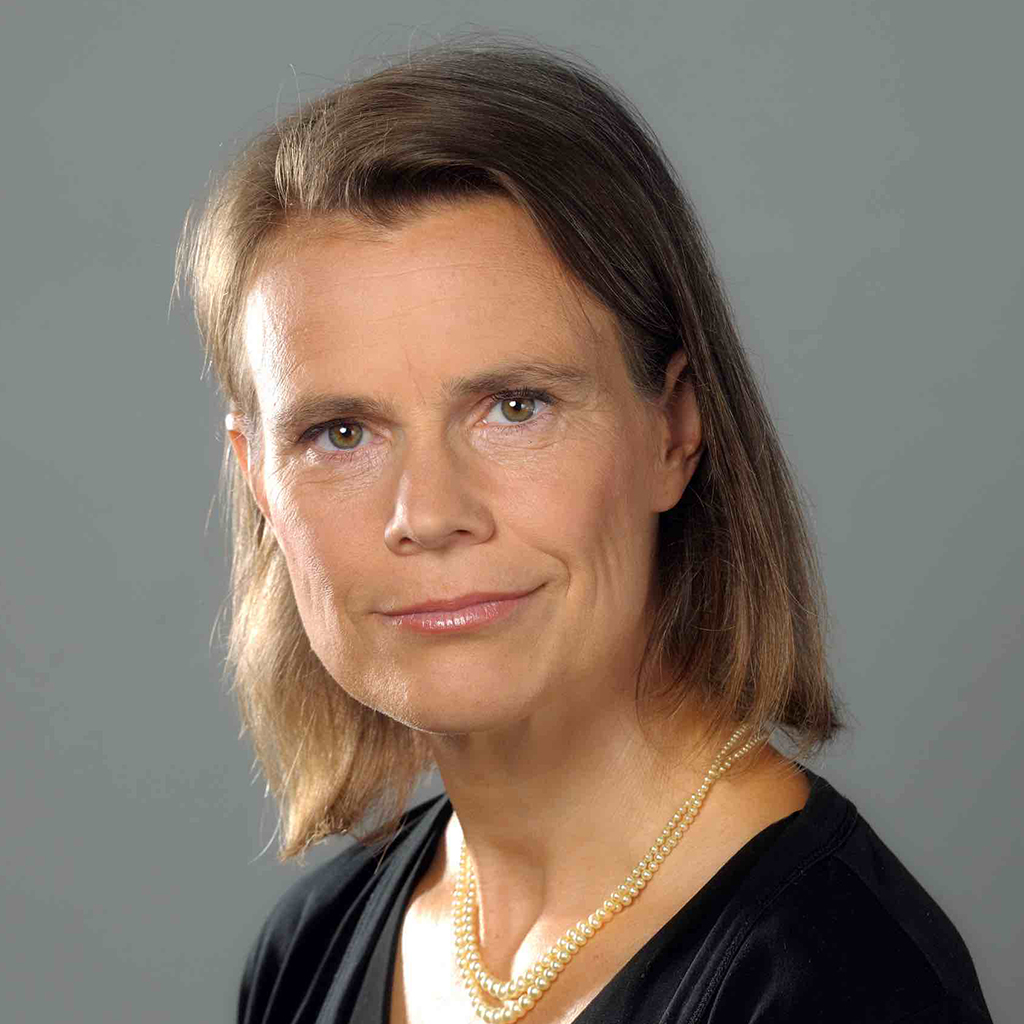
Hyunghoon Cho is an Assistant Professor at Yale School of Medicine in the Department of Biomedical Informatics & Data Science, with a secondary appointment in the Department of Computer Science. He received his PhD in Electrical Engineering and Computer Science from MIT (2019) and MS/BS in Computer Science from Stanford University (2013). His research focuses on computational challenges in biomedical data privacy, single-cell genomics, and network biology. Assistant Professor (Primary): Biomedical Informatics & Data Science Assistant Professor (Secondary): Computer Science Appointments: Yale School of Medicine | Broad Institute (Schmidt Fellow) Research Themes: Privacy-Enhancing Technologies for genomic and health data Scalable AI/ML tools for omics data analysis Structured biological modeling for system-level discovery His work includes secure GWAS, transcriptomic privacy assessment, and sfkit - a federated genomic analysis toolkit. He received the NIH Director's Early Independence Award and leads NSF-funded projects on confidential genome analytics. Awards: NIH Director's Early Independence Award Lab Members: Haris Smajlović (Postdoc), Vincent Angelo (CBB MS), Denis Loginov (Senior Software Engineer), Lucy Zheng (CBB PhD)
Dr. Daniel Dutton is an Associate Professor in the Department of Community Health and Epidemiology at Dalhousie University's Faculty of Medicine, based at the Dalhousie Medicine New Brunswick campus in Saint John. His research focuses on how social environments influence health outcomes and the role of government policies in mitigating these impacts, particularly in areas like poverty, homelessness, and health economics. He holds adjunct roles at the University of New Brunswick (Sociology) and is the Scientific Director of APPTA, a hub bridging aging research and policy. He teaches courses in epidemiology, population health, and statistics. Education: PhD in Community Health Sciences (University of Calgary) MA in Economics (University of Calgary) BA Honours in Economics (Queen’s University) Research Interests: Dr. Dutton examines population-level health determinants, government policy effectiveness, and socioeconomic disparities. His work employs large datasets and econometric models to analyze topics such as homelessness incidence, healthcare cost savings through preventive measures, and the distributional impacts of public spending. Key Contributions: Scientific Director of the APPTA aging and technology hub. Co-founder of the IMPART research collaborative. Author of influential studies on Housing First programs, opioid prescribing patterns, and the fiscal benefits of guaranteed annual income policies. Advising & Grants: Supervises multiple MSc students and has collaborated on grants analyzing healthcare utilization in New Brunswick and Alberta. His work often intersects with policy-making, emphasizing actionable insights from quantitative research. Labs & Teams: Leads the Dutton Research Group, which uses mascot Odin the Saint Bernard to foster team cohesion. Active in interdisciplinary collaborations across public health, sociology, and economics.
Soroush Saghafian is an Associate Professor of Public Policy at Harvard Kennedy School, specializing in applying operations research and machine learning to address public health challenges. He leads the Public Impact Analytics Science Lab (PIAS-Lab), focusing on analytics-driven solutions for societal problems. His research spans healthcare delivery optimization, emergency department efficiency, and public health policy. Notable collaborations include Massachusetts General Hospital and Harvard's Center for Health Decision Science. Awards include the INFORMS MSOM Responsible Research Award and the Pierskalla Award for healthcare research. Recent work includes studies on hospital closures' impacts, predictive analytics for bipolar disorder using Fitbit data, and policy implications of race in disease risk models. He teaches courses on machine learning and big data for public impact.
Furkan Alaca is an Assistant Professor at Queen's University's School of Computing, part of the Faculty of Arts and Science. His research focuses on user authentication systems, addressing security and usability challenges. He holds a Ph.D. (2018) in Computer Science from Carleton University, an M.A.Sc. (2012) in Electrical and Computer Engineering, and a B.Eng. (2010) in Communications Engineering, all from Carleton University. His academic career includes teaching roles at Queen's University and the University of Toronto Mississauga, where he taught courses such as Cryptography, Cybersecurity, and Discrete Mathematics. He is affiliated with Queen's Security Research Group and Computer Security Research Lab. Research interests include computer and internet security, usable security, authentication mechanisms, and systems security. He has contributed to advancements in web authentication frameworks, malware analysis, and privacy-preserving technologies. His work spans conferences like IEEE and ACM, with notable publications in cybersecurity, machine learning, and network efficiency. Current teaching includes CISC 447 (Introduction to Cybersecurity) and CISC 468 (Cryptography). He has advised on courses ranging from undergraduate programming to graduate-level security topics.
Professor Nikola Biller-Andorno is a leading academic in biomedical ethics and digital health innovation at the University of Zurich , where she directs the Institute of Biomedical Ethics and History of Medicine and serves as Vice Dean for Innovation and Digitalization at the Faculty of Medicine . Her work bridges cutting-edge technology with ethical frameworks for patient-centered healthcare. Director, Institute of Biomedical Ethics and History of Medicine (WHO Collaborating Centre) Vice Dean for Innovation and Digitalization, Medical Faculty Founding Director, UZH Center for Medical Humanities Chair, PhD program 'Biomedical Ethics and Law' Research Interests focus on digital transformation in healthcare, including ethical implications of AI, patient experience integration via big data, and crisis management frameworks during pandemics. Her scholarship addresses: Digitalization of health systems Algorithmic decision-making ethics Equity in digital health access Scientific Awards include: Commonwealth Fund Harkness Fellowship (2012-2014) Fellowship at Collegium Helveticum (2016-2020) Master of Health Business Administration (2018) Leadership roles in International Association of Bioethics and European Association of Centres of Medical Ethics
Jens O. Brunner is a Professor of Decision Science in Healthcare at the Technical University of Denmark (DTU), affiliated with the Department of Technology, Management and Economics. Previously, he held a professorship at the University of Augsburg until March 2023 and served as co-director of the University Center for Health Care (UNIKA-T) from 2013 to 2020. He earned his PhD from the TUM School of Management (2009) and a diploma in Business Administration from the University of Mannheim (2006). Roles: Professor, Department Editor for Health Care Management Science , and Associate Editor for multiple journals. Education: PhD in Management, TUM School of Management (2009) Diploma in Business Administration, University of Mannheim (2006) His research focuses on healthcare operations management and the application of quantitative methods to optimize service systems. Key areas include triage policies, staff scheduling, and AI-driven healthcare solutions. His work has contributed to improving resource allocation in hospitals and pandemic response strategies. Notable awards include the Harold W. Kuhn Award (2015) and the IISE/SSE Outstanding Innovation Award (2022). His research has been published in journals like IIE Transactions and European Journal of Operational Research . He supervises PhD students in projects such as AI-integrated pooling strategies and resource optimization in healthcare. His involvement in interdisciplinary collaborations and editorial roles highlights his leadership in advancing healthcare operations research.
Professor George Buchanan is a leading researcher in human-computer interaction and digital libraries at RMIT University . His work bridges information science, digital humanities, and health informatics, focusing on usability in sensitive contexts like healthcare and misinformation. Deputy Dean, Research at RMIT University Former Director, University of Melbourne iSchool Research Interests: Digital information interaction Health and aging informatics Disinformation analysis Mobile interface design Digital library systems Key Contributions: Developed mobile web usability benchmarks, spatial hypertext tools, and thermal feedback interfaces. Currently seeking PhD students for 2025 projects on digital browsing and view change dynamics. Awards: Over twenty best paper awards and Honorary Life Fellow of the Royal Society of Arts. Advising: Accepting Masters/PhD supervision in information interaction and digital health domains.
Carlos Toxtli is an Assistant Professor at Clemson University where he leads the Human-AI Empowerment Lab. His research applies Human-Centered AI to create fair workplace tools, focusing on NLP, computer vision, and crowdsourcing ethics. He holds a PhD in Computer Science from Northeastern University and previously worked at Google, Microsoft Research, and Snap Inc. Education: Ph.D. Computer Science, Northeastern University M.S. Innovation & Technological Entrepreneurship, Monterrey Institute of Technology MBA, IEDE Business School B.S. Computer Science, University of the Valley of Mexico B.S. Computer Engineering, National Autonomous University of Mexico Research Focus: Dr. Toxtli develops AI systems promoting workplace fairness through ethical frameworks. His work spans: 1) Human-AI collaboration for task management, 2) Bias mitigation in gig economies, 3) Multimodal interfaces for accessibility, and 4) Culturally adaptive systems. His lab explores how AI can augment human capabilities while ensuring transparency. Publication Trends: Recent works demonstrate strong focus on LLM reliability (7 papers), human-AI teaming (4 studies), and ethical AI frameworks (3 publications). Over 60% of 2024-2025 output addresses real-world deployment challenges. Awards: UNESCO IRCAI Global Top 100 project Google Apps Developer Challenge 1st Place Facebook Developers World Hack 1st Prize Intel Innovation Latin App 1st Prize NSF STIR Labs Research Grant Leadership: Founded the Human-AI Empowerment Lab securing $1.2M in NSF/industry grants. Supervises 8 PhD students in human-centered computing projects. Previously co-founded 5 tech startups including ComproPago (acquired by Coca-Cola FEMSA).
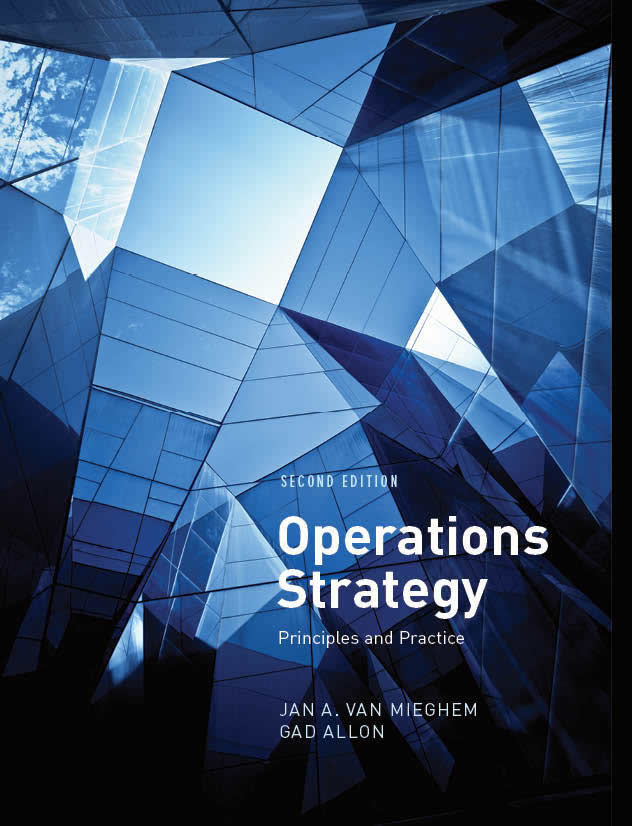
Jan A. Van Mieghem is the A. C. Buehler Professor and Professor of Operations at the Kellogg School of Management, Northwestern University. He also serves as a Professor by Courtesy at the McCormick School of Engineering and Applied Science. His research spans product, service, and supply chain operations, combining strategic and tactical perspectives with mathematical modeling, stochastic analysis, and empirical verification. Ph.D. in Business, Graduate School of Business, Stanford University (1995) MS in Electrical Engineering, Stanford University (1990) MS in Applied Sciences, KU Leuven, Belgium (1989) His research interests focus on operations strategy, supply chain optimization, and digital operations. He explores topics such as operational hedging, capacity investment, network flexibility, and the application of AI in inventory management. His work addresses healthcare operations, dual sourcing, and the interplay between collaboration and productivity in service networks. Recent research trends center on AI-driven inventory systems, dual sourcing under uncertainty, and healthcare resource allocation. He has authored over 60 academic articles and two textbooks: Operations Strategy: Principles and Practice and Managing Business Process Flows: Principles of Operations Management . 2023: First place in POMS College of Supply Chain Management Student Paper Competition 2020: Flexibility Excellence Award 2014: Wickham Skinner Award 2007: First MSOM Best Paper Award Van Mieghem has held leadership roles at Kellogg, including Deputy Dean (2023–present), Faculty Director of the Executive MBA program (2012–2017), and Chairman of the Department of Managerial Economics and Decision Sciences (2006–2009). He advises firms on operations strategy and management and has served on editorial boards of Management Science , Manufacturing & Service Operations Management , and Operations Research . He has mentored numerous Ph.D. students, including Audrey Bazerghi, Simrita Singh, Yangzi Jiang, and Dennis J. Zhang, who have secured academic and industry positions. His teaching spans operations management and strategy across MBA, Ph.D., and executive programs. Van Mieghem's work examines the intersection of operations strategy and execution, emphasizing financial value as a guiding metric. His empirical studies leverage real-world data from healthcare, manufacturing, and e-commerce to validate theoretical models and develop practical frameworks.
Professor Ruurd Jaarsma serves as Clinical and Academic Director of Orthopaedics and Trauma Surgery for the Southern Adelaide Local Health Network, practicing at Flinders Medical Centre and Flinders Private Hospital. He holds full membership in Flinders University's College of Medicine and Public Health, Flinders Health and Medical Research Institute, and Medical Device Research Institute within the College of Science and Engineering, bridging clinical practice and academic research since relocating from the Netherlands in 2004. His educational credentials include: MD from University of Groningen, Netherlands (1994) Orthopaedic Surgeon certification from Dutch College of Orthopaedic Surgeons (2003) PhD from University of Nijmegen, Netherlands (2004) FRACS (Orth) from Royal Australasian College of Surgeons (2009) FA(Orth)A from Australian Orthopaedic Association (2012) Research centers on orthopaedic trauma, paediatric orthopaedics, and biomechanical engineering of implants, with specialized focus on rotational malalignment after long bone nailing. His work directly supports UN Sustainable Development Goal 3 (Good Health and Well-being) through trauma care innovation and surgical education. Current investigations integrate machine learning with fracture diagnostics to improve clinical decision-making. Recent publications demonstrate strong AI integration in orthopaedic trauma, featuring machine learning algorithms for scaphoid fracture probability estimation, deep learning classification of tibial plateau fractures, and open-source neural networks for distal radius fracture detection. Concurrent clinical trials address compartment syndrome diagnosis while biomechanical studies examine acetabular fracture outcomes, reflecting his dual focus on computational innovation and clinical validation. His scientific recognition includes: 2006 Burns Alpers Award for excellence in teaching from Flinders University As Director of Orthopaedic Training, he supervises Australian Orthopaedic Association accredited fellowships with registered interests in orthopaedic surgery, biomechanical engineering, and musculoskeletal medicine. His supervisory framework emphasizes translational research connecting biomechanical principles with surgical practice. External engagement includes active participation in SA State Trauma Committees, driving statewide improvements in trauma systems and surgical protocols. Professor Jaarsma maintains clinical-academic synergy through Flinders Medical Centre's orthopaedic department, where he leads trauma service development while directing research initiatives in the Medical Device Research Institute. His current projects focus on AI-driven fracture assessment tools and biomechanical optimization of implant systems, with ongoing collaborations across the Machine Learning Consortium and international orthopaedic networks.
Michel Gendreau is a Full Professor in the Department of Mathematics and Industrial Engineering at Polytechnique Montréal . His research focuses on the application of Operations Research to Transportation , Telecommunications , and Energy Systems , with an emphasis on Stochastic Optimization and Real-time Planning . He co-directs the Intelligent Transportation Systems Laboratory and is affiliated with the CIRRELT , IVADO , and Trottier Energy Institute . Education : Ph.D. in Computer Science (1984), Université de Montréal His work includes developing metaheuristics for complex optimization problems and dynamic transportation systems . Recent projects address smart supply chains and real-time logistics . He has supervised over 40 doctoral and master's students, including notable graduates like Sanchez-Martinez, Guillen Reyes, and Parada Pradenas. Dr. Gendreau has been recognized with prestigious fellowships from IFORS (2022) and INFORMS (2010). His academic contributions span 420 publications, with recent studies appearing in Reliability Engineering and System Safety and Networks , focusing on stochastic programming , multiperiod routing , and UAV network design . He collaborates extensively with industry partners and has secured grants from organizations like FRQNT and CIRRELT . His research integrates machine learning with operations research to solve real-world challenges in transportation , energy , and logistics .
Massachusetts Institute of TechnologyUnited States
Jonathan Weissman is a Professor of Biology at the Massachusetts Institute of Technology (MIT) and a Member of the Whitehead Institute. He is also an Investigator of the Howard Hughes Medical Institute and the Landon T. Clay Professor of Biology. His research spans protein folding mechanisms, ribosome profiling, CRISPR-based tools (CRISPRi/a), and genetic interaction mapping. Whitehead Institute Member MIT Professor HHMI Investigator Co-founder, Maze Therapeutics & KSQ Therapeutics Research Interests focus on: Protein folding in cellular contexts Endoplasmic reticulum (ER) function and stress responses Genome-wide CRISPR screening for gene regulation High-density genetic interaction maps in mammals Mitochondrial protein targeting and quality control Epigenomic engineering with synthetic tools Scientific Awards include: Protein Society Irving Sigal Young Investigator Award (2004) Raymond & Beverly Sackler Prize (2008) National Academy of Sciences election (2009) NAS Award for Scientific Discovery (2015) Genetics Society of America Ira Herskowitz Award (2020) Labs & Collaborations : Leads the Weissman Lab at MIT/Whitehead Institute, co-leads the Laboratory for Genomic Research with GlaxoSmithKline, and chairs the Stowers Institute Scientific Advisory Board.
Kristin Livingston, MD is an Assistant Professor of Orthopedic Surgery at Harvard Medical School and serves as Director of the Orthopedic Trauma Program at Boston Children’s Hospital. She plays key roles in clinical leadership, quality improvement, and education within the department. Education: Dartmouth College (Undergraduate), UCSF School of Medicine (MD), Harvard Combined Orthopedic Residency, Boston Children’s Pediatric Fellowship Professional Engagement: Member of Orthopaedic Trauma Association, POSNA, AAOS; serves on multiple hospital and departmental committees Research Focus: Specializes in pediatric orthopedic trauma, innovative imaging modalities, and family-centered care protocols. Her work addresses diagnostic accuracy, treatment standardization, and trauma system optimization. Clinical Innovation: Developed family education programs, revised fracture treatment protocols, and established triage algorithms for pediatric trauma urgency. Academic Collaborations: Partnered with Harvard Medical School Orthopaedic Trauma Initiative to bridge pediatric and adult trauma care.
Stephen T. Wong holds the John S. Dunn Presidential Distinguished Chair in Biomedical Engineering and serves as Professor of Radiology and Medicine with Tenure and Chief of Medical Physics at Houston Methodist. He maintains professorships across multiple prestigious institutions including Weill Cornell Medicine (Radiology, Neurosciences, Pathology and Laboratory Medicine), Texas A&M University, Baylor College of Medicine, University of Texas MD Anderson Cancer Center, Rice University, University of Texas Health Houston, and University of Houston. Weill Cornell Medicine: Professor of Computer Science and Bioengineering in Radiology (since 2008), Pathology and Laboratory Medicine (since 2010), and Neuroscience (since 2012) Houston Methodist: John S. Dunn Presidential Distinguished Chair in Biomedical Engineering Academic leadership: Director of multiple research centers including Ting Tsung and Wei Fong Chao Center for BRAIN and AI in Innovative Medicine lab Dr. Wong's research employs a systems-based approach integrating engineering with biology and medicine to elucidate disease mechanisms. His laboratory focuses on discovering novel drugs and biomarkers while developing advanced diagnostic and therapeutic devices, with particular emphasis on cancer, neurological disorders, and metabolic diseases. Current projects target micro- and macroenvironments of cancer and Alzheimer's disease, apply spatial and systems biology methods for drug discovery, create label-free point-of-care molecular diagnostics, and develop AI applications for stroke triage and treatment. His publication portfolio demonstrates consistent growth over three decades, with over 500 peer-reviewed papers and five books. Recent work shows strong emphasis on artificial intelligence applications in medical imaging, cancer therapeutics, and neurological diagnostics, with multiple 2025 publications featuring multimodal AI approaches for hepatocellular carcinoma, lung cancer interventions, tumor evolution, brain imaging, and thyroid nodule characterization. Fellowships: IEEE, AIMBE, IAMBE, ACMI, AMIA, Optica, and AAIA Honors: AIIA Fellow (2024), American College of Medical Informatics Fellow (2023), AAIA-Fellow (2021), AIMBE Fellow (2021) Professional: Registered Professional Engineer (PE), Executive education from Stanford, MIT, and Columbia Business Schools Dr. Wong has trained over 170 PhD, MD/PhD, and postdoctoral scholars, with four now holding endowed chairs. His research has received continuous NIH funding for three decades, supporting 35 active and completed projects including DeepStroke+ for AI stroke detection, Alzheimer's disease research, and cancer diagnostics. He has founded multiple research centers including the Division of Shared Resources at Houston Methodist Neal Cancer Center, Translational Biophotonics Lab, and Center for Modeling Cancer Development.
Dr. Barbara E. Jones serves as an Associate Professor in the Department of Internal Medicine at the University of Utah School of Medicine, with dual appointments in Pulmonary and Critical Care Medicine. Her clinical practice spans diverse healthcare settings within the Veterans Affairs system and academic medical centers, focusing on evidence-based adaptation of care to varied patient populations. Her educational background includes: M.D. from University of Washington School of Medicine B.A. in Philosophy from Dartmouth College Master of Science in Clinical Investigation (M.S.C.I) from University of Utah Postdoctoral Fellowship in Pulmonary and Critical Care Medicine at University of Utah Residency in Internal Medicine at University of Utah Dr. Jones' research centers on decision-making processes in pneumonia diagnosis and treatment, employing a tripartite informatics approach combining population analytics, cognitive behavior analysis, and clinical decision support systems. Her work specifically targets reducing diagnostic uncertainty and treatment variation across healthcare systems, with emphasis on equitable care delivery for diverse patient populations. Current projects investigate diagnostic discordance in community-acquired pneumonia, electronic surveillance for hospital-acquired infections, and machine learning applications for diagnostic error detection. Analysis of her 15 most recent publications reveals consistent focus on pneumonia management systems, with emerging emphasis on pandemic impacts on diagnostic practices and AI-driven quality improvement. Her work predominantly utilizes large VA healthcare datasets spanning 100+ medical centers, featuring mixed-methods approaches that integrate quantitative analytics with qualitative clinician experience assessment. Dr. Jones actively contributes to clinical guideline development and medical education through editorial work in major journals including Chest and Annals of Internal Medicine , where she frequently addresses controversies in pneumonia diagnosis and antibiotic stewardship. Her research program operates at the intersection of the University of Utah Health system and the Veterans Affairs national healthcare network, leveraging electronic clinical decision support implementations across diverse hospital settings including rural and critical access facilities. Current initiatives focus on real-time feedback systems for diagnostic performance improvement and automated surveillance for healthcare-associated infections.