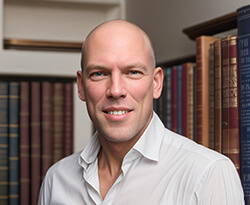
Professor Guy Williams is a leading academic at the University of Cambridge with a focus on imaging science and clinical neurosciences, affiliated with Downing College and the Wolfson Brain Imaging Centre . Holding a PhD in Physics from his initial Natural Sciences degree, he specializes in nuclear magnetic resonance (NMR) and MRI techniques for brain imaging. Education: BA, PhD in Physics His research centers on non-invasive imaging of brain structure and function, particularly in traumatic brain injury (TBI) and dementia. His work involves developing novel MRI pulse sequences and advanced data analysis algorithms, including AI-based diagnostic tools. He leads studies on white matter integrity post-trauma, longitudinal dementia assessment, and applications of MRI in disorders of consciousness and addiction. Recent publications highlight collaborations in traumatic brain injury outcomes, AI-guided dementia prediction, and neuroimaging of post-COVID cognitive deficits. His team's work on ultra-high field laminar fMRI and distortion correction methods has advanced clinical neuroscience applications. Key techniques include diffusion tensor imaging (DTI), 7 Tesla MRI, and positron emission tomography (PET/MR). His research spans from basic NMR physics to clinical translation, with a strong emphasis on multi-site studies and real-world diagnostic implementation.
James Thomas Papesca, DNP, APRN, CRNA, is an Assistant Professor at Regis College and a Certified Registered Nurse Anesthesiologist. With over 25 years of clinical experience, including 17 years in nurse anesthesiology, he combines his expertise in clinical practice with academic leadership. Education: DNP, Regis College, Weston, MA MSNA, Texas Christian University, Fort Worth, TX BSN, The Catholic University of America, Washington, DC Dr. Papesca’s research focuses on pharmacological simulation, nursing education, regional anesthesia, and opioid-free pain management. His work explores innovative approaches to clinical training and patient readiness, exemplified by his peer-reviewed article on summative capstone simulations for senior nursing students. Scientific awards include the Critical Care & Trauma Nurse Fellow at Parkland Health & Hospital System (1997–1998). As a practicing CRNA and Chief of Anesthesia at Reeves Regional Medical Center, he bridges education and clinical leadership.
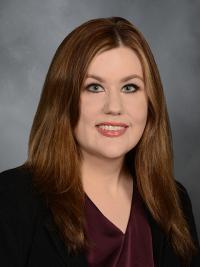
Christine Clark, MD, MSc is an attending laryngologist at Weill Cornell Medicine’s Sean Parker Institute for the Voice and Assistant Professor in the Department of Otolaryngology-Head and Neck Surgery at Weill Cornell Medical College. She earned her B.A. from the University of Pittsburgh (2011) and her M.D. from Pennsylvania State University College of Medicine (2017), followed by residency at Georgetown University Medical Center and a fellowship in Laryngology at Weill Cornell, where she also obtained a master’s degree in Clinical and Translational Science. B.A. - University of Pittsburgh (2011) M.D. - Pennsylvania State University College of Medicine (2017) Residency - Georgetown University Medical Center Fellowship - Sean Parker Institute for the Voice (Laryngology) Master’s - Clinical and Translational Science at Weill Cornell Dr. Clark specializes in evaluating and treating swallowing, voice, and airway disorders. Her research focuses on chronic cough, laryngeal hypersensitivity, and benign phonotraumatic vocal fold lesions. She has developed clinical tools like the 3D-printed injection laryngoplasty simulator and quality improvement initiatives for surgical airway management. Her clinical work and research span topics such as vocal fold hemorrhage management, pharyngeal residue quantification in dysphagia, and granuloma as markers of malignancy. Recent publications emphasize global otolaryngology capacity building and performer-specific voice injury care. Scientific awards include: Teaching awards for excellence in medical student education during residency Dr. Clark is affiliated with the Sean Parker Institute for the Voice at Weill Cornell Medicine and serves as an Assistant Professor of Otolaryngology.
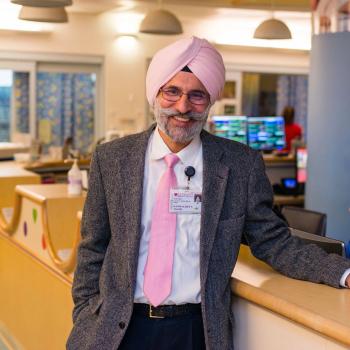
Dr. Kanwaljeet S. Anand is a dual-appointed Professor of Pediatrics (Pediatric Critical Care) and Anesthesiology, Perioperative & Pain Medicine at Stanford University School of Medicine. As director of the Pain/Stress Neurobiology Lab and Jackson Vaughan Critical Care Research Fund, he serves as Editor-in-Chief of Pediatric Research and maintains active membership in Bio-X, MCHRI, and Wu Tsai Neurosciences Institute. Rhodes Scholar with D.Phil from University of Oxford Harvard postdoctoral fellowship and Boston Children's Hospital residency Founded Harmony Health Clinic - Arkansas' largest charitable medical-dental facility A translational researcher with 30+ years of impact, Dr. Anand established the first scientific framework for infant pain perception and developed novel pain assessment methodologies. Current research focuses on: Hair biomarker analysis for stress and social affiliation (cortisol/oxytocin) Machine learning systems for objective pain detection in non-verbal infants Biopsychosocial interventions for stress reduction in disadvantaged youth Neurotoxicity mechanisms of sedatives in developing brains Global NICU opioid usage patterns through the NeoOpioid Consortium His work has yielded over 260 publications and significant advances in: Pediatric pain management protocols Neonatal stress biomarker development Critical care neurobiology insights Community health initiatives AI-driven clinical decision support systems Scientific Recognition 9th Annual 'In Praise of Medicine' Public Address, Erasmus University (2014) Nightingale Excellence Award (2016) Honorary Doctorate from University of Örebro (2019) NIH SBIB-H82 Study Section Chair (2018) Multiple IASP and American Pain Society awards Swedish Academy of Medicine's Nils Rosén von Rosenstein Award (2009) St. Jude Endowed Chairholder (2010) As mentor to Med Scholar Anjali Gupta and advisor to numerous professional bodies, Dr. Anand maintains active clinical leadership in Pediatric Intensive Care while advancing computational approaches to pain detection through collaborations with Stanford's AI researchers.
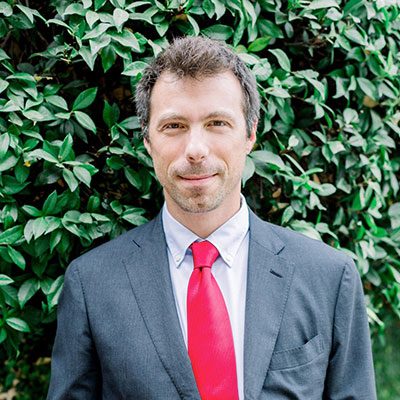
Martin M. Monti is a Professor of Psychology, Neurosurgery, and Psychiatry and Biobehavioral Sciences at the University of California Los Angeles (UCLA), affiliated with the College of Letters and Science. His research focuses on disorders of consciousness, traumatic brain injury (TBI), neuroimaging, and cognitive neuroscience. He holds an MA and PhD in Psychology & Neuroscience from Princeton University (2006–2007) and a BA in Economics from Università Commerciale L. Bocconi (2002). Key research interests include understanding consciousness recovery mechanisms, neuroimaging techniques for TBI assessment, and neuromodulation therapies. Recent work explores subcortical correlates of sleep quality, AI-driven models of consciousness, and transcranial focused ultrasound applications. Monti has received prestigious awards, including the UCLA Life Science Faculty Award (2020, 2014) and the International Prize Giuseppe Sciacca for Medical Research (2018). He leads interdisciplinary projects through collaborations like the ENIGMA working group and the Curing Coma Campaign, advancing global neuroimaging standards and translational research.
Dr. Junfang Wu is a Professor in the Department of Anesthesiology and holds a secondary appointment in Neurobiology at the University of Maryland School of Medicine. She serves as Associate Director of UM-MIND (University of Maryland - Medicine Institute for Neuroscience Discovery), Director of the Anesthesiology Center for Neuroscience Research, and Vice-Chair for Translational Research in the Department of Anesthesiology. Her academic journey includes a BM in Medicine, MS in Pharmacology from Jiangxi Medical College, and PhD in Neuropharmacology from Nanjing Medical University, followed by postdoctoral training at China's Institute of Materia Medica and NIH. Research Focus: Neurotrauma, neuroinflammation, autophagy-lysosomal pathway, extracellular vesicles, Hv1/NOX2/ROS, TrkB.T1 Key Techniques: Rodent models of SCI/TBI, behavioral evaluations, EV characterization, quantitative imaging, molecular/cellular biology Dr. Wu's research explores the cellular and molecular mechanisms of neurological dysfunction following CNS trauma, with emphasis on autophagy-lysosomal disruption, microglial Hv1 channels, and EV-mediated neuroinflammatory signaling. Her 2025 Aging and disease study reveals age-dependent transcriptional changes post-anesthesia, while 2024 Brain, Behavior, and Immunity work demonstrates how SCI alters EV cargoes to drive brain neuroinflammation. Her team recently discovered that Hv1 proton channel ablation in microglia provides neuroprotection in SCI models. Her scientific contributions are recognized through the 2025 Matjasko Professorship in Anesthesiology Research. She has secured multiple NIH grants including: R01 NS145443 (2025-2030): cGAS signaling in brain trauma-induced neuroinflammation R01 AG077541 (2022-2027): TBI olfactory dysfunction and dementia progression 2RF1 NS094527 (2016-2027): Autophagy mechanisms in SCI R01 NS110825 (2020-2026): Hv1 channel in SCI/TBI Dr. Wu's laboratory personnel include Research Associates Yun Li and Zhuofan Lei, Post-doctoral Fellows Balaji Krishnamachary and Zihui Wang, Research Assistant Hui Li, and medical student Ruth Park. Her work spans from bench research on lysosomal damage to clinical implications for Alzheimer's disease-related dementia (AD/ADRD) and potential therapeutic strategies.
Dr. Stanley J. Rogers is a Professor in the Department of Surgery at the University of California, San Francisco (UCSF), School of Medicine. He holds the Ruth M. Dunn Endowed Chair in Minimally Invasive Surgery and the His Majesty King Bhumibol Adulyadej, Rama IX Distinguished Professorship of Global Surgery. He serves as Interim Division Chief of General Surgery and directs the Bariatric Surgery Center, Liver Tumor Ablation Program, and Minimally Invasive Surgery Program. He is also a staff and trauma surgeon at Zuckerberg San Francisco General Hospital and Trauma Center, where he leads videoendoscopic surgery. University: University of California, San Francisco School: School of Medicine Department: Department of Surgery Role: Professor, Interim Division Chief, Director Email: stan.rogers@ucsf.edu Dr. Rogers' research and clinical expertise focus on minimally invasive and bariatric surgical techniques, particularly laparoscopic surgery, sleeve gastrectomy, gastric bypass, and liver tumor ablation. His work explores the metabolic and skeletal consequences of bariatric procedures, with a strong emphasis on calcium metabolism, bone health, and gut microbiome changes. He has contributed extensively to understanding complications and outcomes in gastrointestinal and metabolic surgery. His recent publications show a consistent trend in studying the long-term metabolic and skeletal impacts of bariatric surgery, particularly comparing sleeve gastrectomy and gastric bypass. Key themes include bone mineral density changes, calcium absorption, hormonal regulation (e.g., PYY), and the role of the gut microbiome. Many studies involve collaborations with endocrinologists and metabolic researchers, reflecting a multidisciplinary approach to surgical outcomes. Scientific Awards and Honors: Honorary Fellow, Royal College of Surgeons (2016) His Majesty King Bhumibol Adulyadej Rama IX Distinguished Professor of Global Surgery, UCSF (2012) Ruth M. Dunn Endowed Chair in Minimally Invasive Surgery, UCSF (2011) Fellow, American College of Surgeons (1995) Dr. Rogers has supervised numerous residents and fellows and is actively involved in clinical training. He has served as Principal Investigator and Co-Investigator on multiple NIH-funded grants, including studies on calcium absorption, sleeve gastrectomy effects, and anti-reflux surgery. His work has significant implications for improving postoperative care and long-term outcomes in bariatric patients. He is affiliated with several key programs at UCSF, including the Bariatric Surgery Center, the Liver Tumor Ablation Program, the Minimally Invasive Surgery Program, the Comprehensive Cancer Center, and the Institute for Global Health Sciences. His leadership extends to clinical trials on endoscopic techniques and bariatric revision surgery.
Benjamin Shore, MD, MPH, FRCSC, is Associate Professor of Orthopedic Surgery at Harvard Medical School and a practicing pediatric orthopedic surgeon at Boston Children’s Hospital. He serves as Co-Director of the Cerebral Palsy and Spasticity Center and Director of the Pediatric Orthopaedic Surgery Fellowship. Education and Training Undergraduate: Biology, University of Victoria, 1999 MPH: Harvard School of Public Health, 2013 MD: University of Western Ontario, 2003 Residency: Orthopedic Surgery, University of Western Ontario, 2008 Fellowship 1: Pediatric Orthopedics, Royal Children's Hospital, Melbourne, 2009 Fellowship 2: Pediatric Orthopedics, Boston Children’s Hospital, 2010 Research Focus Dr. Shore’s research centers on improving outcomes for children with cerebral palsy and other complex musculoskeletal conditions. His work spans hip surveillance and reconstruction, gait abnormalities, trauma care, and the implementation of evidence-based surgical pathways. He has pioneered investigations into anesthesia protocols, infection prevention, and patient-reported outcome measures for pediatric orthopedic populations. Scientific Awards St. Giles Young Investigator Award (POSNA) Clinician Scientist Development Program Award (CSDP) Charles H. Hood Foundation Child Health Research Award Leadership & Multi-Disciplinary Teams At Boston Children’s Hospital, Dr. Shore leads a high-performance team within the Cerebral Palsy and Spasticity Center that integrates orthopedic surgery, neurology, physical therapy, and social work to deliver patient- and family-centered care. He mentors fellows and residents and actively contributes to national consensus projects using Delphi methodology to standardize surgical indications in cerebral palsy.
Vanessa Nomellini, MD, PhD is an Associate Professor in the Division of Burn, Trauma, Acute and Critical Care Surgery at UT Southwestern Medical Center. She joined UT Southwestern in 2023 as the director of research for her division and leader in the Critical Care Outcomes Research Translation (CORT) group. Education: Dr. Nomellini earned her MD and PhD in Cellular and Molecular Biochemistry from Loyola University. She completed her general surgery residency at the University of Wisconsin and Surgical Critical Care fellowship at the University of Pennsylvania. Research Interests: Her work focuses on immune dysfunction in critically ill patients, particularly sepsis and trauma-induced immunosuppression. She leads studies on immune recovery mechanisms and develops the ICU Recovery Program for long-term patient management. Her NIH-funded research (R35 NIGMS) investigates immune suppression through both animal models and human observational studies. Publications Trends: Her recent work emphasizes sepsis pathophysiology, coagulopathy management, and clinical improvements in critical care. Key areas include immunomodulatory therapies, biomarker utility, and optimizing ICU protocols. Scientific Awards: Recipient of NIGMS R35 grant (2019-current) Advising & Grants: Leads a multi-institutional research team and holds leadership roles in CORT. Her grants focus on translational immunology and critical care outcomes. Labs & Teams: Directs research at UT Southwestern's Critical Care Division, collaborating with Drs. Levi and Carlson in CORT initiatives.
Clarice Seifert Clemmens, MD, is a Professor at the Medical University of South Carolina (MUSC) in the College of Medicine's Department of Otolaryngology - Head and Neck Surgery. She specializes in pediatric otolaryngology with particular expertise in neonatal airway disorders and thyroid disorders, while also covering pediatric allergy/sinus disease, ear disease, hearing loss, sleep medicine, speech/swallowing disorders, and dysphagia. Dr. Clemmens completed her medical training at MUSC in 2009, followed by a residency at the University of Pennsylvania and a fellowship at Children's Hospital of Philadelphia. Education Medical Degree: Medical University of South Carolina (2009) Residency: University of Pennsylvania Fellowship: Children's Hospital of Philadelphia Her research focuses on pediatric airway disorders, evidenced by her publications on laryngomalacia interventions, cochlear implant auditory outcomes, sleep study diagnostics, and airway emergency protocols. She has contributed to systematic reviews examining tracheostomy management, neonatal airway anomalies, and sociodemographic barriers in newborn hearing screening. Dr. Clemmens maintains an active clinical practice at MUSC Children's Health ENT at Summey Medical Pavilion, where she provides comprehensive care for pediatric ear, nose, and throat conditions. She has presented her work nationally and regionally, and maintains board certification from the American Board of Otolaryngology since 2015.
Craig B. Birgfeld, M.D. , is a professor in the Department of Surgery at the University of Washington School of Medicine and serves as Director of the UW Fellowship in Craniofacial Surgery. He practices at the Burn and Plastic Surgery Clinics at Harborview Medical Center, specializing in congenital craniofacial abnormalities, trauma reconstruction, and pediatric plastic surgery. Educational Background: Virginia Commonwealth University School of Medicine (Medical Education, 2000) University of Washington - Fellowship in Craniofacial Surgery Hospital of the University of Pennsylvania - Residency in Plastic Surgery Hospital of the University of Pennsylvania - Internship in General Surgery Dr. Birgfeld's research focuses on Craniofacial Microsomia and outcomes analysis in surgical interventions for congenital skull and facial abnormalities. His clinical work emphasizes trauma reconstruction, cleft lip/palate surgery, and craniofacial plastic surgery. He actively teaches Plastic Surgery residents and Craniofacial fellows, aiming to cultivate top-tier surgeons in the field. Recent publications highlight advancements in craniosynostosis treatment, facial symmetry measurement, and outcomes in craniofacial surgical procedures. His work spans collaborations with multidisciplinary teams in neurosurgery, pediatrics, and genetic research.
Dr. Irma D. Fleming serves as an Assistant Professor of Surgery at the University of Utah School of Medicine, where she maintains clinical practice at the University of Utah Hospital Burn Center in Salt Lake City. Board certified by the American Board of Surgery and its Surgical Critical Care subspecialty, she specializes in acute burn care, burn reconstruction, critical care trauma management, and necrotizing soft tissue infections. Her academic training includes: B.S. in Biology from Spelman College M.D. from Meharry Medical College General Surgery Residency at the University of Chicago Burn Surgery Fellowship at Vanderbilt University Medical Center Anesthesia Critical Care Fellowship at the University of Chicago Dr. Fleming's research integrates clinical burn care with microbiome science, focusing on how microbial communities influence wound healing, sepsis, and surgical outcomes. Her work examines nutritional interventions in burn recovery, electrical injury complications, frostbite management, and antibiotic-resistant pathogens in burn units. She investigates the intersection of trauma, critical illness, and host-microbe interactions using multi-omic approaches and clinical database analysis. Analysis of her 15 most recent publications (2016-2024) reveals consistent emphasis on burn care optimization through microbiome modulation, infection control in burn units, and metabolic/nutritional support. Key trends include translational studies on fecal microbiota transplants for sepsis, outbreak management of multidrug-resistant Acinetobacter baumannii, and innovative techniques like botulinum toxin application in acute burn care. Her work spans clinical trials, multi-omic tissue analysis, and hospital environmental microbiome studies. No scientific awards were documented in the provided materials. While no student mentorship or grant details were specified, Dr. Fleming's collaborative publications suggest active participation in multi-institutional research teams focused on surgical infections and critical care outcomes. Her clinical role involves telemedicine applications and comprehensive burn center care coordination.
Dr. Adrian Owen is a Professor of Cognitive Neuroscience & Imaging at Western University's Brain and Mind Institute, holding the Canada Excellence Research Chair. His work focuses on consciousness disorders, neurodegenerative diseases, and functional neuroimaging applications. He pioneered techniques like detecting residual cognition in vegetative patients using fMRI and fNIRS. Research Focus: Owen's research bridges cognitive neuroscience and clinical practice, emphasizing disorders of consciousness, Alzheimer's/Parkinson's mechanisms, and neurorehabilitation. He develops brain-computer interfaces for communication in non-responsive patients and investigates anesthesia effects on neural connectivity. Key Contributions: Pioneered covert cognition detection in vegetative patients, advanced fNIRS applications in ICU settings, and established international clinical cohorts for consciousness assessment. His work has appeared in Nature , Science , and The Lancet . Labs/Teams: Leads the Owen Lab at Western University, collaborating with clinicians, engineers, and neuroscientists to translate neuroimaging innovations into clinical tools. Grants/Industry Links: Receives funding for interdisciplinary projects linking brain imaging, neurology, and biomedical engineering, fostering industry partnerships for neurotech development.
Ken B. Johnson, MD, MS is a Professor in the Department of Anesthesiology at the University of Utah School of Medicine, where he has served on faculty since completing residency in 1999. His clinical expertise spans regional anesthesia, acute pain management, processed electroencephalogram monitoring, and neuromuscular blockade monitoring. His research program focuses on: Genetics and epigenetics of pain pathways Clinical pharmacology of anesthetic agents Medical device development for monitoring and simulation Simulation-based experiential learning for all medical trainees Analysis of his 15 most recent publications reveals dominant themes in pharmacokinetic-pharmacodynamic modeling (40% of works), opioid-related pain management (30%), and innovative monitoring techniques (20%). His work consistently bridges basic science with clinical applications, particularly in trauma scenarios and perioperative optimization. Professional recognition includes: Editorial board membership for Anesthesia and Analgesia Leadership in American Society of Anesthesiologists Simulation Education Role as standardized oral board examiner for American Board of Anesthesiology Dr. Johnson's educational leadership extends to curriculum development for medical students through faculty, with emphasis on simulation-based training for airway management and crisis response. His collaborative research spans multiple departments including Orthopedics and Pharmacology, with recent focus on genetic determinants of pain response in joint replacement patients.
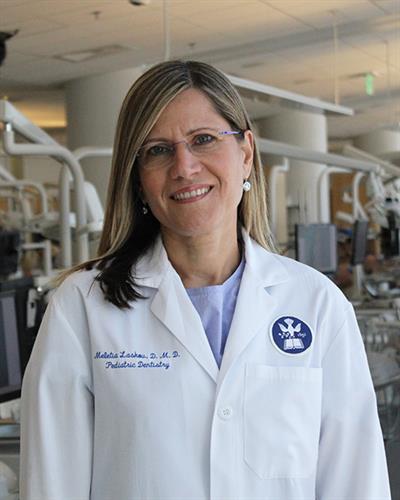
Dr. Meletia Laskou is an Associate Professor in Pediatric Dentistry at Tufts University School of Dental Medicine, where she also serves as Director of the Advanced Education Program and Postdoctoral Program Director. She holds clinical privileges at Franciscan Children’s Hospital and Tufts-New England Medical Center. D.M.D., Tufts University of Dental Medicine (2001) D.D.S., Aristotle University of Thessaloniki Dental School (1992) Her research focuses on restorative materials for primary teeth, oral care habits in children requiring general anesthesia, and interprofessional collaboration with pediatricians. She has extensive teaching experience and leads community outreach initiatives like "Give Kids A Smile." Key research trends include applications of biomaterials in pediatric dentistry, oral health management for children with special needs, and systemic-dental health linkages (e.g., gastroesophageal reflux in cerebral palsy patients). Board Certified in Pediatric Dentistry Diplomate, American Board of Pediatric Dentistry Fellow, American Academy of Pediatric Dentistry She has held leadership roles in admissions, clinical governance, and curriculum development since 1997, with a focus on equal education opportunities and infection control protocols.