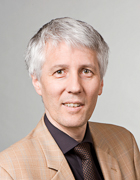
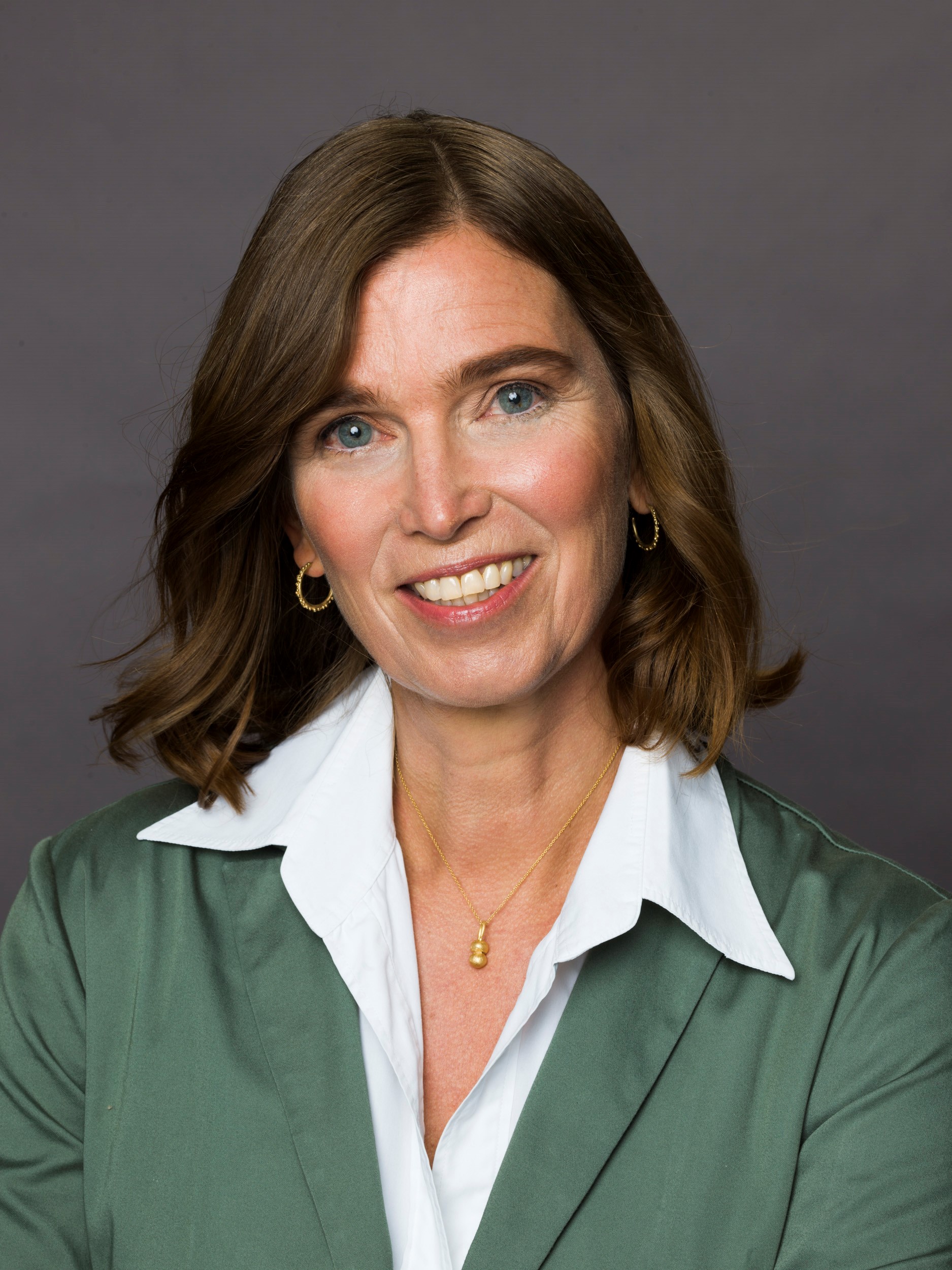
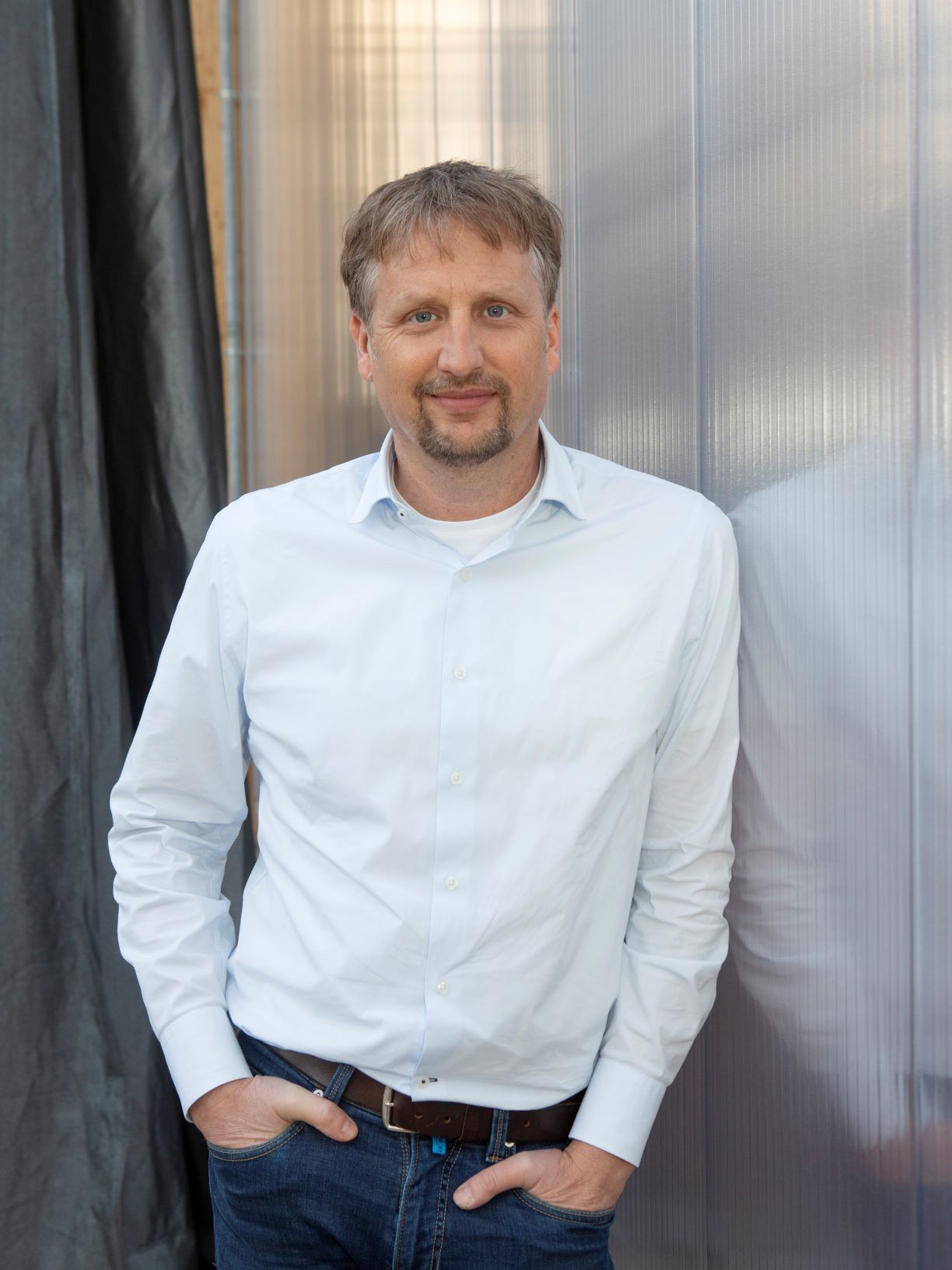
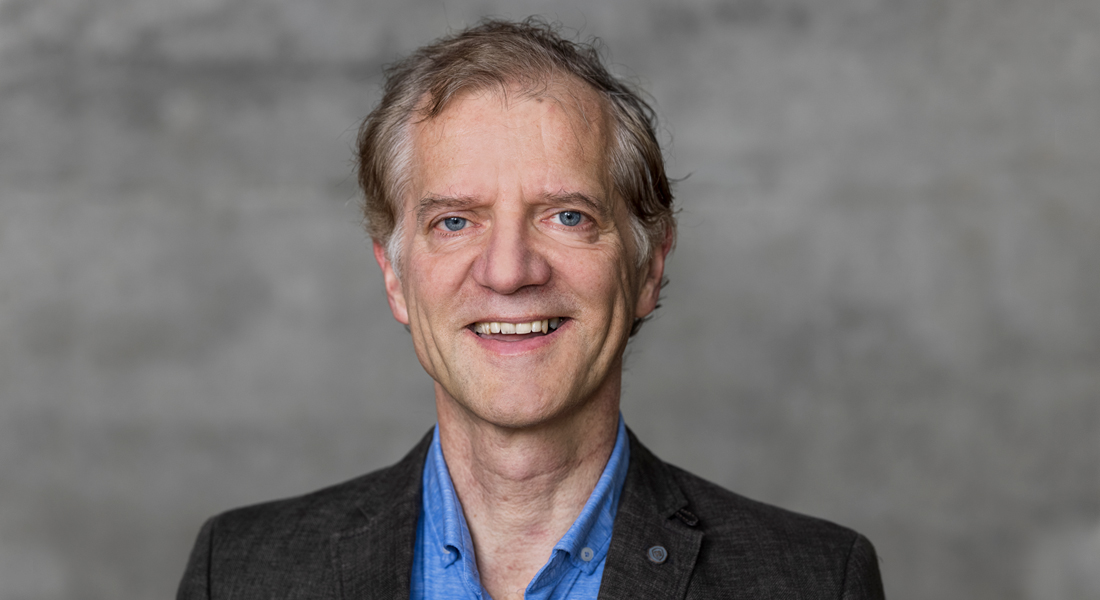
Professor Thomas Bein is affiliated with the Department of Chemistry at Ludwig-Maximilians-Universität München (LMU) , where he leads the Functional Nanosystems research group. His work focuses on synthesizing and characterizing nanostructured materials with applications in energy, catalysis, and biomedical delivery. Mesoporous nanoparticles for drug delivery Semiconductor nano-morphologies for photovoltaics Photoelectrochemical water splitting Metal-organic frameworks (MOFs) Electroactive networks His research emphasizes atomic-scale control of material architectures using self-assembly, hydrogen bonding, and covalent interactions, enabling precise tuning of electronic, optical, and catalytic properties. A review of his recent publications reveals cutting-edge investigations into covalent organic frameworks (COFs), perovskite-inspired solar materials, and functional nanoparticle systems. Key trends include optimizing energy conversion efficiency, enhancing stability in optoelectronic devices, and exploring bio-compatible nanocarriers for targeted therapies. Professor Bein’s group actively contributes to interdisciplinary projects at the intersection of chemistry, physics, and biomedical engineering, with ongoing collaborations in solar energy, sustainable materials, and nanomedicine.
Prof. Alois Christian Knoll is a full professor at the Technical University of Munich (TUM) in the School of Computation, Information and Technology. His academic career includes roles at Bielefeld University and leadership in major EU initiatives like the Human Brain Project and ECHORD++. He specializes in robotics, AI, and autonomous systems, with a focus on medical robotics, sensor-based systems, and neuromorphic engineering. Knoll has supervised over 100 doctoral theses and authored/co-authored over 1,000 publications. Education: Diploma in Electrical Engineering (University of Stuttgart, 1985); PhD in Computer Science (Technical University of Berlin, 1988); Habilitation (TU Berlin, 1993). He has been at TUM since 2001, leading the Robotics, AI, and Real-Time Systems department. Research interests span autonomous systems, neuro-IT integration, and traffic simulation. Key projects include fortiss (Bavarian State Institute for Computer Science) and TUM-CREATE (Singapore collaboration). Awards include IEEE Fellow, University of Tokyo Fellow, and the Carl-Ramsauer-Prize (1990). Current roles include editorships in robotics journals, leadership in EU flagship projects, and teaching across multiple programs. His work bridges computer science, neuroscience, and engineering, with applications in healthcare, automotive systems, and urban mobility.
Angela Capel Cuevas is an Assistant Professor of Quantum Information Theory/Theoretical Quantum Computation at the University of Cambridge's Department of Applied Mathematics and Theoretical Physics (DAMTP). Previously, she held a Junior Professorship at Eberhard Karls Universität Tübingen (2021-2024) and was an MCQST Distinguished PostDoc at TU München (2020-2021). Her research focuses on the intersection of quantum information theory and quantum many-body systems, particularly studying thermalization dynamics via quantum functional inequalities. She is a recipient of the Simons Emmy Noether Fellowship and Forbes 30 Under 30 (Spain 2023). Education: PhD in Mathematics, Universidad Autónoma de Madrid/ICMAT (2015-2019) Master in Computational Engineering and Mathematics, URV/UOC (2016-2018) Bachelor in Mathematics, Universidad de Granada (2009-2014) Research: Angela's work applies analytic and geometric tools to quantum systems, emphasizing decay of correlations in Gibbs states and quantum dissipative evolutions. Key topics include entropy inequalities, modified logarithmic Sobolev inequalities, and thermalization rates in spin chains. Her recent work bridges quantum functional analysis with practical implications for quantum computing and thermalization phenomena. Grants & Roles: PI of CRC TRR 352 'Mathematics of Many-Body Quantum Systems' (7M€) Co-PI of QuantERA project TouQan (1.25M€) Organized workshops at BIRS and Tübingen (2023-2024) Awards: Simons Emmy Noether Fellowship (2023) Forbes 30 Under 30 (2023) Vicent Caselles RSME-FBBVA Award (2022) Labs/Teams: Leads a group studying quantum dissipative systems and thermalization at DAMTP. Collaborates with institutions globally on quantum functional inequalities and Gibbs state properties.
Veronika Eyring serves as Head of the Earth System Model Evaluation and Analysis Department at the German Aerospace Center (DLR) Institute of Atmospheric Physics and Professor of Climate Modelling at the University of Bremen. She holds dual appointments at these leading institutions, directing cutting-edge research at the intersection of climate science and artificial intelligence. Education: 2008: Habilitation in Environmental Physics at the University of Bremen 1999: PhD in Physics from the University of Bremen 1994: Diploma in Physics from the University of Erlangen Professor Eyring's research program focuses on improving climate models and projections through innovative integration of machine learning techniques and spaceborne Earth observations. Her work spans process-oriented modeling, development of observationally-based performance metrics, and understanding systematic biases in climate models. She has pioneered approaches to weighting model projections based on their performance using machine learning, significantly advancing the field of climate model evaluation. Her research has critical applications across multiple sectors including aeronautics, space research, transportation, and energy systems. Analysis of her recent publications reveals a clear trajectory toward deeper integration of machine learning with traditional climate modeling approaches. Her work has increasingly focused on developing community tools like the Earth System Model Evaluation Tool (ESMValTool) and leading major international initiatives such as the USMILE project (Understanding and Modelling the Earth System with Machine Learning). The publications span climate science, machine learning, Earth system modeling, and remote sensing, with specific emphasis on climate model evaluation, parameterization techniques, and improved climate projections. Scientific Awards: AGU Ambassador Award (2024) TUM Distinguished Affiliated Professor (2024) Gottfried Wilhelm Leibniz Prize (2021) ERC Synergy Grant (2019) Thomson Reuters Highly Cited Researcher (2016-2021) Top female researchers award, Helmholtz-Society (2015) Professor Eyring actively supervises a large research group comprising PhD students working on ML-based sea ice parameterizations, causal model evaluation for air-sea interactions, and machine learning-based detection of droughts in climate projections. She leads the prestigious ERC Synergy Grant USMILE and secured significant funding through the DFG Gottfried Wilhelm Leibniz Prize. Her research group at DLR includes multiple postdocs, research scientists, and software engineers working collaboratively on climate informatics projects. Professor Eyring leads the Earth System Model Evaluation and Analysis Department at DLR, which encompasses research groups focused on CMIP model evaluation, ESMValTool development, and machine learning applications in climate science. She founded and supervises the 'Climate Informatics' Group at the DLR Institute for Data Science in Jena. Her department maintains strong international collaborations, particularly with the National Center for Atmospheric Research (NCAR) in Boulder, Colorado, where she serves as an Affiliate Scientist.
Prof. Dr. André Bardow is a Full Professor in Energy and Process Systems Engineering at ETH Zurich , leading research at the intersection of thermodynamics, machine learning, and sustainable energy systems. Previously, he held professorships at RWTH Aachen University (2010-2020) and TU Delft (2007-2010). He also served as part-time director at Forschungszentrum Jülich (2017-2022) and visiting professor at UC Santa Barbara (2015/16). His work focuses on energy systems optimization , computer-aided molecular design , and CO2 capture & utilization . PhD from RWTH Aachen University Current ETH Zurich affiliation Former roles at RWTH Aachen, TU Delft, Jülich Research Center His research integrates machine learning with thermodynamic modeling to optimize processes like crystallization and electrochemical cooling . Recent publications demonstrate advancements in solvent design, CO2 transport LCA, and ORC working fluid optimization. He chairs the VDI Technical Committee for Thermodynamics (2016-2024) and has received multiple awards including the Covestro Science Award and Arnold-Eucken-Award . Current projects address carbon circular economies , electrified chemical production , and AI-driven process optimization . His lab at ETH Zurich develops cutting-edge technologies like ML-CAMPD frameworks for sustainable separation processes and photoacid-based CO2 capture systems. Funding from the H2020 Systemic Expansion of Circular Ecosystems (grant 101036854) supports these initiatives. 2024 Clarivate Highly Cited Researcher 2022 Inaugural Lecture: "To sustainability and beyond: A computer-animated story on energy & chemicals" Recipient of multiple teaching and research excellence awards
Prof. Karen Alim is a Professor of Biological Physics and Morphogenesis at the Department of Physics, Technische Universität München (TUM), affiliated with the TUM School of Natural Sciences. She holds a PhD from the Ludwig-Maximilians-Universität München (2010) and conducted postdoctoral research at Harvard University (2010–2015) before leading a Max Planck Research Group in Göttingen. Her research focuses on non-neuronal information processing in living systems, particularly using Physarum polycephalum to study physical principles of network adaptation, fluid dynamics, and morphogenesis. Education: PhD in Physics, Ludwig-Maximilians-Universität München (2010) Studies at Universität Karlsruhe, LMU München, and University of Manchester Research Interests: Prof. Alim explores how biological systems process information without neurons, emphasizing adaptive flow networks, mechanical signaling in plants, and collective behavior in active matter. Her work combines theoretical modeling with experimental systems like slime molds and plant tissues. Awards: ERC Starting Grant (2020) Elisabeth-Schiemann-Kolleg Fellowship (2013–2018) DAAD Stipendium (2011–2014) John Birks Award (2004) Advising & Grants: While specific grant details beyond the ERC award are not listed, her research has been supported by major funding bodies. No student advisees are explicitly listed in the provided materials. Labs/Teams: Leads the Biological Physics and Morphogenesis group at TUM, focusing on interdisciplinary studies of living systems' physical principles.
Prof. Dr. Frank Pollmann is a Full Professor (W3) at the Department of Physics PH-I, Technical University of Munich (TUM), leading the Chair of Theoretical Solid-State Physics since 2022. His research focuses on condensed matter theory and quantum information concepts , particularly in systems of correlated electrons and quantum many-body dynamics . PhD: Max Planck Institute for the Physics of Complex Systems / TU Ilmenau (2006) Postdoc: UC Berkeley (2008-2010) Group Leader: MPIPKS Dresden (2011-2016) Associate Professor: TUM (2017-2022) His work spans topological phases , frustrated spin systems , and non-equilibrium quantum dynamics , utilizing tensor network methods and quantum information theory to study phenomena like many-body localization and Hilbert space fragmentation . His publications demonstrate trends in quantum scar states , Kardar-Parisi-Zhang hydrodynamics , and quantum transport anomalies . Scientific Awards : ERC Consolidator Grant (2017) Walter Schottky Prize (2015) Otto-Hahn Medal (2007) He teaches courses including Advanced Methods in Quantum Many-Body Theory , Solid State Theory , and Topology in Condensed Matter , while leading the Pollmann Group under the TUM School of Natural Sciences.
Prof. Alexander Holleitner leads the Chair of Nanotechnology and Nanomaterials at the Department of Physics, Technical University of Munich , under the Walter Schottky Institute. His research focuses on ultrafast optoelectronics, quantum optoelectronics, and excitonic systems in nanoscale circuits. Research Directions : Ultrafast optoelectronics, quantum optoelectronics, excitonic systems, THz time-domain spectroscopy, and nanofabrication of mixed organic/inorganic systems. Publications : Recent work spans hyperbolic polaritons, interlayer excitons, graphene nano-gap dynamics, and defect engineering in 2D materials. Collaborations include interdisciplinary projects with groups studying semiconductor heterostructures and quantum technologies. His lab welcomes students and researchers interested in experimental physics, quantum electronics, and nanofabrication.
Professor Matthias Mann is a world-leading scientist serving as Director of the Proteomics and Signal Transduction department at the Max Planck Institute of Biochemistry in Martinsried, Germany, and Director of the Proteomics department at the Novo Nordisk Foundation Center for Protein Research, Faculty of Health Sciences, University of Copenhagen, Denmark. With an h-index exceeding 277 and over 350,000 citations, he is recognized as the highest cited German researcher and one of the most influential scientists globally in proteomics. His educational background includes: Ph.D. in Chemical Engineering from Yale University (1988) Master's Degree in Physics from Georg August University Göttingen (1984) Bachelor's of Arts in Mathematics from Georg August University Göttingen (1982) Professor Mann's research focuses on advancing mass spectrometry-based proteomics to understand biological systems at the protein level. His work spans technological developments in mass spectrometry, bioinformatics and computational analysis, signal transduction and posttranslational modifications, and clinical proteomics applications for disease diagnosis and treatment. The Mann lab has pioneered groundbreaking methods like SILAC for quantitative proteomics and MaxQuant for proteome data analysis. Their vision is to translate proteomics knowledge into clinical practice for predictive, diagnostic, and preventive medicine, with recent work focusing on AI-guided platforms for analyzing proteomes from minimal tissue samples. Analysis of Professor Mann's recent publications reveals a strong trend toward clinical applications of proteomics, particularly in cancer research, metabolic diseases, and neurodegenerative disorders. His work increasingly integrates spatial proteomics, single-cell resolution techniques, and artificial intelligence approaches to uncover disease mechanisms and identify potential biomarkers, with a clear shift from basic technology development toward direct clinical applications and personalized medicine. Professor Mann has received numerous prestigious awards throughout his career: 2025: Elected member of the American National Academy of Sciences 2024: Dr. H.P. Heineken Award for Biochemistry and Biophysics 2023: Otto Warburg Medal 2019: Nominated member of the Bavarian Academy of Sciences 2013: Elected member of Leopoldina German National Academy of Sciences 2012: Körber European Science Award, Louis-Jeantet Foundation Prize for Medicine, Ernst Schering Prize, and Leibniz Prize Professor Mann leads a highly collaborative research team involved in multiple international networks including the Bill & Melinda Gates Foundation, Michael J. Fox Foundation for Parkinson's Research, CLINSPECT-M, and Munich Heart Alliance. His lab has mentored numerous successful researchers, with several former postdocs receiving prestigious ERC Starting Grants. The Mann group has developed innovative clinical proteomics pipelines for analyzing archived tissue specimens and body fluids, aiming to identify protein markers for early detection of diseases such as diabetes and cancer. The Mann lab operates across two major research centers with state-of-the-art mass spectrometry facilities. Their Clinical Knowledge Graph platform integrates multi-omics data with extensive metadata, creating an ecosystem for machine learning applications in proteomics. Current research focuses on developing highly sensitive methods that can profile thousands of proteins from minimal cell samples, enabling the identification of critical disease-related proteins and supporting the development of individualized therapies.
Prof. Dr. Mirko Hornung is a Professor of Aircraft Design at the TUM School of Engineering and Design, Technische Universität München. His research focuses on conceptual aircraft design, integration of propulsion systems, and evaluation of aviation technologies in operational contexts. Education and Career: PhD in Aeronautical Engineering from the University of the Bundeswehr (2003), awarded a research prize for work on reusable space transport systems. 2003–2009: Worked at Airbus Group (EADS) on military air systems, propulsion integration, and program management. Executive Director of Research & Technology at Bauhaus Luftfahrt, a think tank for long-term aviation developments. Research Interests: Aircraft design optimization, including hybrid energy systems, electric propulsion, and UAV technologies. Environmental sustainability in aviation, such as hydrogen-powered aircraft and lifecycle assessment. Aerodynamic and structural analysis, including flutter suppression and composite materials. Key Publications Highlight Trends: Focus on hybrid-electric and hydrogen propulsion for reducing environmental impact. Advancements in UAV design, including morphing wings and autonomous systems. Integration of AI-driven tools for propulsion optimization and lifecycle analysis. Scientific Awards: EADS Promotion Award (1995) Research Prize for Thesis on Reusable Space Transport Systems (2003) Advising & Grants: Directs research at Bauhaus Luftfahrt, collaborating on future aviation concepts. Engaged in interdisciplinary projects like FLEXOP UAV demonstrator and Ce-Liner eMobility studies. Labs/Teams: Active in the Aircraft Design Professorship at TUM and leadership roles at Bauhaus Luftfahrt, focusing on next-generation aviation technologies.
Max Planck Institute for Sustainable MaterialsGermany
Professor David C. Dunand is a faculty member in the Department of Materials Science and Engineering at Northwestern University , where he leads the Dunand Research Group . His work focuses on mechanical metallurgy of advanced metallic materials, including alloys, composites, and foams, with applications in energy-efficient transportation and biomaterials. He also investigates additive manufacturing techniques like laser powder-bed fusion and 3D ink extrusion. Research Interests: Physical and mechanical metallurgy of multiphase metals Additive manufacturing (ink extrusion, selective laser melting) Green/sustainable metal production In situ X-ray tomography for microstructure analysis Metallic foams and scaffolds Thermoelectric materials Recent Publications show expertise in redox cycling stability, precipitation strengthening, and hierarchical microstructures, with applications in batteries, shape-memory alloys, and high-entropy systems. Awards: TMS Fellow (2012) Structural Materials Division Distinguished Scientist/Engineering Award (2008) Fellow, ASM International (2007) Department Teacher of the Year (1998) He has held leadership roles including Co-Director of the Initiative for Sustainability and Energy at Northwestern (2008-2015) and Visiting Professor at École Polytechnique Fédérale de Lausanne (2000). The group operates a SISMA MYSINT 100 laser powder bed fusion machine and collaborates extensively.
Rhenish Friedrich Wilhelm University of BonnGermany
Prof. Waldemar Kolanus leads the Molecular Immunology and Cell Biology department at the University of Bonn's Life & Medical Sciences Institute (LIMES) . His research bridges immunoregulation , stem cell dynamics , and metabolic stress responses in immune cells. Unit 2 member at LIMES Principal investigator in SFB 704 and ImmunoSensation Cluster Leads a multidisciplinary lab with postdocs, PhD students, and technical staff His work focuses on intracellular signaling pathways connecting immune activation to tissue homeostasis, particularly through: Cytohesin proteins in integrin-mediated adhesion and migration TRIM71 in stem cell regulation and congenital hydrocephalus High-salt environments affecting macrophage function Publication trends show expertise in immune cell migration , genetic models , and chemical inhibition , with frequent use of mice and zebrafish for in vivo studies. Key articles explore: TRIM71's dual role in auditory development and germ cell maintenance Cytohesin family's Golgi regulation and insulin signaling Ruxolitinib's off-target migration inhibition of dendritic cells Contact details: Address: LIMES Institute, Carl-Troll-Straße 31, Bonn Email: kolanus.sekretariat@uni-bonn.de Phone: +49 228 73-62788
Prof. Dr. Andreas Butz is a Full Professor and Chair for Human-Computer Interaction at the Department for Informatics, Ludwig-Maximilians-Universität München (LMU Munich). He leads the Media Informatics Group, focusing on innovative interaction techniques and interfaces in immersive environments like VR/AR, automotive systems, and smart spaces. His research emphasizes perceptual user interfaces, social robotics, and designing systems that balance invisibility with transparency. Key research areas include: Virtual/Augmented Reality interfaces for productivity and social interaction AI-driven decision support in safety-critical domains (aviation, healthcare) Haptic and wearable interaction technologies Automotive UI design for driver assistance systems Principles of explainable AI and human-AI collaboration His work bridges theory and practice through projects like: VR-based movement training systems AI trust calibration mechanisms Multi-modal interaction frameworks for automotive environments Systems for analyzing long-term music listening behavior Recent articles explore topics ranging from AI support in pilot decision-making to haptic wearables and creative writing interfaces. His team collaborates with industry partners on electric vehicle information systems and in-car interaction challenges.
Prof. Dr. Christian Breitsamter is a Professor at the Technische Universität München (TUM), leading the Chair of Aerodynamics and Fluid Mechanics within the TUM School of Engineering and Design. He has held this position since 2007 and has been a member of key committees such as the ICAS Programme Committee and STAB-Programmleitung. His research focuses on aerodynamics of aircraft and rotorcraft configurations, including vortex dynamics, aeroelasticity, and fluid-structure interaction. Education: PhD in Aerodynamics (1997) Master’s in Aerospace Engineering (1989) Research Interests: Prof. Breitsamter’s work spans experimental and numerical studies of high-agility aircraft, helicopter aerodynamics, and advanced wing designs. Key areas include leading-edge vortices, gust load mitigation using flexible wings, and flow control techniques. His group investigates cutting-edge topics like deep learning for buffet prediction and hybrid neural networks for aerodynamic modeling. Awards: Willy Messerschmitt Preis (1999) AIAA Associate Fellow (2007) Advising & Grants: While specific student names are not listed, his research involves collaborative projects with industry partners (e.g., RACER Compound Helicopter) and EU initiatives like the FURADO program. His team contributes to the NFDI4ING infrastructure for engineering data. Labs/Teams: Active in the Aerodynamics Wind Tunnel facilities (Windkanäle A/B/C) and leads the SAGITTA flying wing demonstrator project. His group also explores membrane wings and elasto-flexible morphing technologies.
Weierstrass Institute for Applied Analysis and StochasticsGermany
Vladimir Spokoiny is a Professor at the Departments of Mathematics and Economics of the Humboldt University of Berlin and Head of the Research Group "Stochastic Algorithms and Nonparametric Statistics" at the Weierstrass Institute for Applied Analysis and Stochastics (WIAS) in Berlin, Germany. His research spans multiple areas of statistics, machine learning, and financial mathematics, with significant contributions to nonparametric statistics, high-dimensional data analysis, and statistical methods in finance. Spokoiny received his M.Sc. in applied mathematics from the Moscow Institute of Railway Engineering in 1981 and his Ph.D. in mathematics from Lomonosov Moscow State University in 1988. He completed his Habilitation at Humboldt University in 1996. His academic career includes positions at the All-Union Institute of Railway Transport in Moscow, the Institute for Information Transmission Problems in Moscow, and the Institute for Applied Analysis and Statistics in Berlin before joining the Weierstrass Institute and Humboldt University where he has been a professor since 2002. Spokoiny's research focuses on adaptive nonparametric smoothing and hypothesis testing, high dimensional data analysis, statistical methods in finance, image analysis with applications to medicine, classification, and nonlinear time series. His work often addresses the challenges of nonstationarity in time series data and develops innovative methods for volatility estimation and risk management. He has made significant contributions to the development of adaptive weights smoothing procedures, which have applications in image processing, community detection, and manifold learning. His recent work has expanded into high-dimensional statistics, Bayesian inference, and optimization methods for machine learning, with publications demonstrating novel approaches to Gaussian approximation, Laplace methods, and statistical inference in non-Euclidean spaces. Spokoiny has supervised numerous PhD students including Oliver Reiss, Danilo Mercurio, Ying Chen, Elmar Diederichs, and Mstislav Elagin, whose research has focused on mathematical finance, time series analysis, and statistical methods. He serves as an Associate Editor for The Annals of Statistics (since 2004) and Statistics and Decisions (since 2002), and has previously served on the editorial board of the Journal of Statistical Planning and Inference. His professional activities include reviewing for major statistical journals including Annals of Statistics, Bernoulli, Econometrica, and Journal of American Statistical Association, as well as reviewing grant proposals for the National Science Foundation (USA), German Research Foundation, and Netherlands Organisation for Scientific Research. Spokoiny is a member of several professional societies including the International Statistical Institute, American Statistical Association, Institute of Mathematical Statistics, and Bernoulli Society. He is fluent in Russian (mother tongue), English, and German, and has good knowledge of French. His research group at WIAS focuses on developing novel statistical methodologies with applications across various scientific domains, particularly emphasizing adaptivity and robustness in complex data environments. The group's work has significant implications for financial risk management, medical imaging, and machine learning applications, with recent publications addressing fundamental questions in high-dimensional statistics and nonparametric inference.