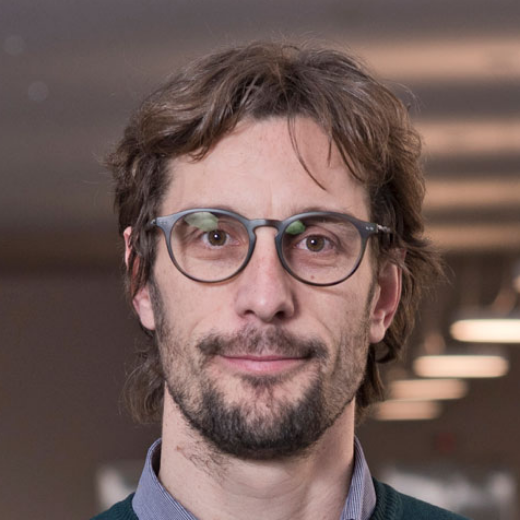
Eric Slessarev is an Assistant Professor at Yale University , affiliated with the Department of Ecology and Evolutionary Biology and the Yale Center for Natural Carbon Capture. His research focuses on soil biogeochemistry, particularly how soil properties influence carbon and nutrient cycling in terrestrial ecosystems, with applications to climate change mitigation strategies like enhanced rock weathering and perennial grass cultivation. Teaches Ecology of Landforms and General Ecology Labs located at KGL 318 (research) and KGL 417 (office) His recent publications highlight interdisciplinary approaches to understanding mineral-organic matter interactions, microbial controls on carbon cycling, and policy implications for soil-based carbon removal strategies. Key methodologies include global data synthesis, isotope tracing, and experimental manipulation of soil-plant systems across depth profiles. Notably, his 2025 work demonstrates drought impacts on carbon persistence, microbial harnessing for CO2 removal, and economic modeling of reversible carbon storage. 2024 studies explore deep-rooted plant effects on carbon fractions, calcium's role in mollisol formation, and policy optimization for carbon sequestration.
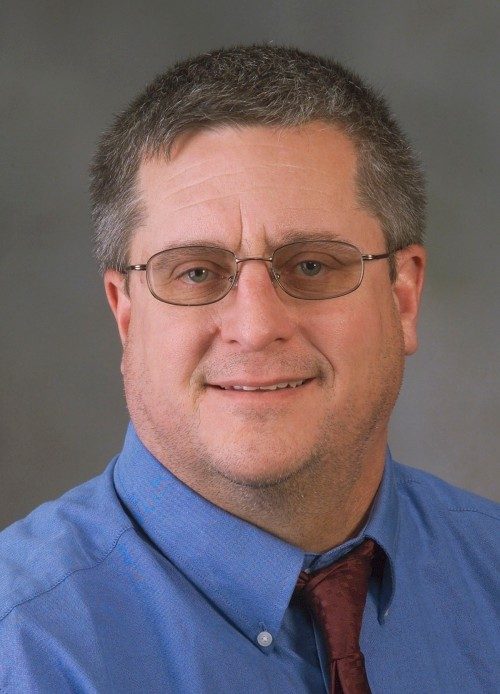
John Drake is an Associate Professor in the Department of Sustainable Resources Management at the State University of New York College of Environmental Science and Forestry (SUNY-ESF). His research focuses on plant physiology and ecosystem ecology, particularly the physiological mechanisms underlying tree function and their scaling to ecosystem processes under climate change. He holds a Ph.D. from the University of Illinois (2010) in Ecology, Evolution, and Conservation Biology and a B.S. from Hope College (2005) in Biology. Prior roles include Research Fellow and Postdoc positions at institutions like the Hawkesbury Institute for the Environment and Boston University. His work emphasizes tree responses to temperature and water availability, including photosynthetic acclimation, carbon allocation, and stable isotope analysis. He leads the Drake Lab, which investigates tree ecophysiology and forest resilience. Current advisees include Sofia Arreaga (MS), Leslie Morrison (PhD), Jacob Olichney (PhD), and Taylor Wegner (MS). Notable grants include studies on New York forest responses to environmental change and climate resilience strategies for American chestnut restoration. Dr. Drake has received the University Distinguished Fellow award and contributed to over 40 peer-reviewed publications since 2007. His lab supports interdisciplinary research on forest carbon dynamics, soil-microbe interactions, and climate adaptation, with projects funded by agencies like the USDA and SUNY-ESF.
Professor Dörthe Tetzlaff is a leading figure in ecohydrology, serving as Head of Department (A1) Ecohydrology at the Leibniz Institute of Freshwater Ecology and Inland Fisheries (IGB) and as Full Professor of Ecohydrology at Humboldt-Universität zu Berlin, Faculty of Mathematics and Natural Sciences, Geography Department. She also holds an Honorary Professorship at the University of Aberdeen, Scotland. Her work bridges theoretical hydrology with practical applications for water security and environmental management. Professor Tetzlaff's research focuses on ecohydrological processes, particularly using stable water isotopes to understand water cycling, catchment functioning, and landscape connectivity. Her work spans from pristine natural systems to complex urban environments, with particular emphasis on drought resilience, water security, and nature-based solutions. She has pioneered tracer-aided modeling approaches to quantify water storage, fluxes, and ages across the soil-plant-atmosphere continuum. Her publication record shows a clear trend toward increasingly sophisticated integration of multi-tracer approaches with ecohydrological modeling, with recent work focusing on urban systems, drought impacts, and nature-based solutions. The publications demonstrate expertise across hydrology, biogeochemistry, and ecological applications, with strong methodological development in isotope hydrology and modeling techniques. Polubarinova-Kochina Hydrologic Sciences Mid-Career Award of the American Geophysical Union AGU (2024) Water Resource Prize of the Rüdiger Kurt Bode Foundation (2024) Member of the Berlin-Brandenburg Academy of Sciences and Humanities (2023) Fellow of The European Academy of Sciences (2022) Fellow of the Geological Society of America GSA (2020) Professor Tetzlaff actively supervises numerous PhD students and postdoctoral researchers, with her group focusing on cutting-edge ecohydrological research. She leads multiple significant research projects including WETSCAPES2.0, ECCO, ISO-SCALE, and BiNatUr, which address critical questions about water security, climate change impacts, and nature-based solutions in urban environments. Her work is supported by substantial funding from various national and international sources. She leads the Ecohydrology research group at both IGB and Humboldt-Universität zu Berlin, which employs an integrative approach combining field measurements, isotope techniques, and advanced modeling to understand water dynamics across diverse landscapes. The group collaborates extensively with international partners across Europe, North America, and Asia, contributing to global understanding of hydrological processes.
Dr. Matthias Cuntz is a Senior Researcher at the Department of Computational Hydrosystems within the Helmholtz Centre for Environmental Research (UFZ) in Leipzig, Germany. He leads the Regional Ecophysiology group and focuses on integrating stable isotopes, remote sensing, and computational modeling to study terrestrial ecosystems. Research Interests: Energy, water, and trace gas exchange in ecosystems; stable isotope applications; global water-carbon cycle modeling; eddy-covariance flux analysis; sap flow dynamics. Key Projects: Involved in TERENO (Terrestrial Environmental Observatories) and ICOS (Integrated Carbon Observation System) for long-term ecological monitoring. Recent Publications address soil freeze-thaw processes, Amazon forest carbon dynamics, hydrological model calibration, and isotopic partitioning of evapotranspiration. His work spans computational hydrology, remote sensing validation, and uncertainty quantification in environmental models. Contact: Email: matthias.cuntz@ufz.de Personal Webpage: www.macu.de
Christian Messier is a Professor at the University of Quebec in Outaouais (UQO) in the Department of Natural Sciences and at the University of Quebec in Montreal (UQAM) in the Department of Biological Sciences. He serves as Scientific Director of the Institute of Temperate Forest Sciences (ISFORT) and holds two prestigious research chairs: the Canada Research Chair on Tree Resilience to Global Changes and the NSERC/Hydro-Québec Chair on Tree Growth Control. His academic career spans over three decades since completing his Ph.D. in forest sciences from the University of British Columbia in 1991. Dr. Messier's research focuses on two primary areas: the complex functioning of managed natural forest systems to develop management approaches that promote resilience in the face of global changes, and the study of trees and urban forests to reconcile the needs of minimizing negative impacts of trees on human infrastructure while maximizing ecosystem services. His work integrates field studies, simulation modeling, and network theory to address pressing challenges in forest ecology and management. His recent publications demonstrate a strong emphasis on urban forest resilience, functional diversity in forest ecosystems, and nature-based solutions for climate adaptation. The research shows a clear trajectory toward more applied, solution-oriented approaches that bridge fundamental ecological understanding with practical forest management applications across diverse spatial scales from individual trees to entire landscapes. Francqui Foundation Chair (Belgium) - 2020 Member of The Royal Society of Canada - 2019 Personality of the Year 'Radio-Canada/Le Droit' - 2017 Humboldt Research Award - 2016 Prix Acfas – Michel-Jurdant - 2010 Canadian Forestry Scientific Achievement Award - 2006 Dr. Messier has supervised over 40 graduate students throughout his career and currently leads multiple major research projects including the Canada Research Chair on Forest Resilience, the NSERC/Hydro-Québec Chair on Tree Growth Control, and the SylvCIT project for urban forest immunization against global change. His research has been supported by significant grants from NSERC, Canada Research Chairs program, Hydro-Québec, and other major funding agencies. He directs the Messier lab with research assistants Kim Bannon and Fanny Maure, and collaborates with numerous researchers across Canada and internationally. His team studies diverse aspects of forest ecology including soil dynamics, functional composition of tree communities, nature-based solutions for climate adaptation, and ecophysiology of maple water flow. The lab maintains strong connections with the International Diversity Experiment Network with Trees (IDENT) and other major forest research initiatives.
Scott Johnston serves as Professor (Research Scholar) and Deputy Associate Dean of Education (Students) at Southern Cross University's Faculty of Science and Engineering, where he co-leads the Catchments, Coasts and Communities Research Cluster. His environmental hydrogeochemistry expertise focuses on water quality processes in wetlands, coastal floodplains, and river systems, particularly regarding acid sulfate soils and toxic element cycling. His academic background includes a Bachelor of Applied Science from the University of New England (1990-1993) and a PhD from Southern Cross University. These qualifications underpin his research on redox-sensitive element transformations and contaminant behavior in natural environments. Johnston's research examines iron, sulfur, and carbon cycling alongside toxic trace elements (arsenic, antimony, aluminum) through field studies and mineral-water interface experiments. Recent work addresses climate extremes, bushfire impacts on water quality, and revolutionary findings on tree-mediated methane emissions in wetlands, revealing previously underestimated ecosystem fluxes. Analysis of his 2023-2025 publications shows dominant themes in antimony/arsenic geochemistry within mining-impacted systems and acid sulfate environments, coupled with innovative investigations into wetland methane dynamics from tree stems. These studies integrate advanced spectroscopic techniques and field monitoring to develop practical remediation strategies. His scientific recognition includes: Australian Research Council APDI Fellowship (2008) Australian Research Council Future Fellowship (2011-2015) Outstanding Teaching Award from Southern Cross University (2024) Johnston has secured >$5.1 million in external funding as lead CI, directing large-scale ARC/CRC projects with government and industry partners. He currently supervises 8 PhD and 1 Master's student (with 8 PhD and 1 Master's completions), while teaching undergraduate courses in Earth Systems, Environmental Chemistry, and Hydrodynamics. As founding Co-Lead of the Catchments, Coasts and Communities Research Cluster, he coordinates interdisciplinary teams conducting sub-catchment scale field research and laboratory experiments. His community collaborations include citizen science projects quantifying bushfire impacts on water quality across eastern Australia.
Alexander Damm is a Professor and head of the Remote Sensing of Water Systems (RSWS) group, holding a joint appointment between the Department of Geography at the University of Zurich (UZH) and the Swiss Federal Institute of Aquatic Science and Technology (Eawag). His research integrates advanced Earth observation technologies with environmental science to study water systems under changing climatic and anthropogenic pressures. University: University of Zurich Institutional Affiliation: Swiss Federal Institute of Aquatic Science and Technology (Eawag) Department: Department of Geography Alexander Damm obtained his MSc and PhD in remote sensing from Humboldt-University Berlin. Since 2008, he has been contributing to UZH’s leadership in imaging spectroscopy and Earth observation science. MSc, Remote Sensing, Humboldt-University Berlin PhD, Remote Sensing, Humboldt-University Berlin His research focuses on the fundamentals of remote sensing as applied to terrestrial and aquatic ecosystems, particularly in studying water dynamics and environmental change impacts. He specializes in sun-induced chlorophyll fluorescence (SIF), imaging spectroscopy, and the development of methods to monitor ecosystem productivity, drought responses, and biogeochemical cycles. His work bridges physics, ecology, and environmental engineering to improve understanding of plant-water relations and ecosystem resilience. The recent publications highlight a strong trend in using airborne and satellite-based spectroscopy to assess vegetation health, water stress, forest dynamics, and atmospheric constituents. Key themes include SIF retrieval, drought monitoring, canopy structure modeling, and air quality estimation. These works span applications from croplands and forests to tundra and inland waters, reflecting a broad interdisciplinary approach grounded in quantitative remote sensing. Alexander Damm is involved in several high-profile research initiatives, including: ESA’s FLuorescence EXplorer (FLEX) mission SNSF projects: FLUO4ECO, Spatial-sustainable-finance, DeltAs MeteoSwiss: UrbanNature EU Horizon: NextGenCarbon He leads the RSWS group, which develops and applies cutting-edge remote sensing methodologies for water system monitoring. The team collaborates across disciplines and institutions, focusing on integrating field measurements, airborne campaigns, and satellite data for environmental assessment. Damm’s leadership in projects like FLEX and HyPlant underscores his role in advancing spectroscopic remote sensing for global ecosystem monitoring.
GÜLÇİN ECE ASLAN is an Assistant Professor at Akdeniz University's Faculty of Agriculture in the Department of Agricultural Structures and Irrigation. She has been affiliated with Akdeniz University since 2009, initially as a Research Assistant (2009-2018) before assuming her current faculty position. Her academic journey includes a PhD (2009-2018) and MSc (2009-2012) from Akdeniz University in Agricultural Structures and Irrigation, and a BSc in Soil Science from Canakkale Onsekiz Mart University (2004-2008). Her research focuses on sustainable water management in agriculture, with expertise in: Salinity stress monitoring using spectroradiometric techniques Irrigation optimization for Mediterranean crops Water conservation strategies in arid regions Remote sensing applications in precision agriculture Groundwater quality and contamination analysis She leads research on crop responses to abiotic stresses, particularly in tomatoes, stevia, and cucumbers, employing hyperspectral and VNIR spectroscopy for non-destructive plant health assessment. Her publications demonstrate a consistent focus on water-stress physiology, with 80% of articles analyzing salinity/drought impacts on crops. Recent work shows a shift toward sustainability metrics and economic assessments in greenhouse agriculture. She has supervised 6 graduate theses and secured international funding including Horizon 2020 projects like SafeH20 Farm ($2023-2026) and IGUESSMED ($2020-2024) focused on IoT-based irrigation and pollution reduction.
Damiano Zanotelli serves as Professor at the Free University of Bozen-Bolzano's Faculty of Agricultural, Environmental and Food Sciences, where he conducts pioneering research on climate change adaptation in mountain agriculture. His work bridges fundamental plant science with practical solutions for sustainable food production in Alpine regions, with particular emphasis on water management and fruit tree resilience. His research portfolio centers on: Physiological responses of apple and grapevines to heatwaves and drought stress Evapotranspiration dynamics and precision irrigation systems in mountain orchards Carbon sequestration mechanisms in vineyard and orchard ecosystems Soil-plant-atmosphere interactions under climate extremes Sustainable management of mountain crop ecosystems Analysis of his 15 most recent publications (2023-2025) reveals a dominant focus on climate stressors, with 80% addressing water relations during heat events. His methodology combines isotopic tracing, multi-sensor monitoring, and computational modeling to develop practical irrigation strategies. A distinctive trend is the integration of physiological measurements (sap flow, chlorophyll fluorescence) with ecosystem-level carbon flux analysis, particularly in Italian Alpine vineyards and apple orchards. No scientific awards were documented in the available materials. Professor Zanotelli teaches six courses across bachelor's, master's, and doctoral programs including Sustainable Management of the Mountain Environment and Statistical Methods for Agricultural Research. He leads an active research group focused on water management systems for apple cultivation, as highlighted in university news regarding efficient irrigation solutions for South Tyrolean apple production. His team employs field experiments, sensor networks, and modeling approaches to optimize water use while maintaining productivity under climate change.
Jacob A. Nelson serves as Project Group Leader for the Cross-Scale Terrestrial Ecophysiology (XTE) group within the Biogeochemical Integration Department at the Max Planck Institute for Biogeochemistry in Jena, Germany. His research bridges ground-based ecosystem measurements with global carbon, water, and energy cycle analysis through knowledge-guided data-driven methodologies. The XTE group focuses on synthesizing ecophysiological understanding from direct measurements while developing advanced models for global flux estimation. Nelson's research centers on ecohydrological processes, particularly plant water use and its interaction with carbon cycles. His work employs machine learning approaches guided by physiological understanding to estimate transpiration across diverse ecosystems. Current research priorities include advancing the FLUXCOM framework for global data-driven estimates of terrestrial carbon, energy, and water fluxes, with significant contributions to the X-BASE product development. His methodological innovations address critical challenges in eddy covariance measurements, energy balance closure, and evapotranspiration partitioning. Analysis of Nelson's 15 most recent publications reveals strong emphasis on resolving measurement limitations in ecosystem flux quantification while developing next-generation scaling frameworks. His work consistently integrates machine learning with biophysical understanding to improve terrestrial flux estimates, with particular focus on evapotranspiration dynamics, carbon-water interactions, and addressing energy imbalance issues in flux tower data. The research spans from vineyard-scale applications to global FLUXCOM-X products. Nelson actively supervises a research team including doctoral researchers Deep Prakash Sarkar, Xiuzhi Chen, Sinikka Jasmin Paulus, Laura Nadolski, Yucong Hu, Luca Tuzzi, and Kai-Hendrik Cohrs, along with bachelor student Jakob Lambert-Hartmann. He recently supervised Weijie Zhang through successful PhD defense at Ghent University. Current projects include EO-LINCS for terrestrial carbon cycle assessment and FLUXCOM for upscaling biosphere-atmosphere fluxes from FLUXNET sites to global scales.
W. Cully Hession is a Professor and Graduate Program Director in the Biological Systems Engineering (BSE) department at Virginia Tech , where he has served since 2012. He directs the StREAM Lab , focusing on ecological engineering , stream restoration , and human-natural system interactions . His career spans roles at the University of Vermont and the Academy of Natural Sciences of Philadelphia. Education : PhD in Biosystems Engineering (Oklahoma State), MS & BS in Agricultural Engineering (Virginia Tech) Licensure : Professional Engineer (VA), Certified Ecological Designer (AEES) Research Interests center on stream channel processes , floodplain connectivity , UAV applications , and climate resilience . Current projects include Beaver Dam Analogs for stream restoration, drone-based LiDAR for floodplain mapping, and virtual watershed exhibits to bridge community-scientist dialogue. His work integrates hydrology , ecological design , and interdisciplinary education . Scientific Contributions include 15 recent articles on topics like UAV monitoring , streambank erosion , and antibiotic resistance in soils . He has secured over $278,911 in USDA funding for undergraduate research training and leads NSF-REU initiatives involving 14 faculty across 5 colleges. Awards : Fellow of the American Ecological Engineering Society (2024), UCOWR Education & Public Service Award (2021), and VT-BSE Faculty of the Year (2006, 2019). Teaching & Outreach includes directing BSE design projects and co-developing Virtual Watershed exhibits. As Graduate Program Director, he expanded BSE enrollment from 40 to 70 students and secured $50k+ for graduate recruitment. The StREAM Lab engages 14+ classes across 4 colleges with real-time monitoring data.
Daniella M. Rempe is an Associate Professor in the Department of Earth and Planetary Sciences at the Jackson School of Geosciences, University of Texas at Austin. Her research focuses on hydrology and geomorphology, particularly how near-surface processes influence water resources, vegetation, and ecosystems. She employs hydrological and geophysical field techniques to study bedrock water storage (rock moisture), subsurface dynamics, and their impacts on ecological resilience and climate adaptation. Key research themes include plant use of bedrock water storage, vadose zone dynamics under drought, and geologic controls on water availability. Notably, her 2021 Nature paper revealed widespread use of bedrock water by woody plants across the U.S., reshaping understanding of ecosystem water budgets. Her work integrates field observations with modeling to address critical zone processes and climate change impacts. Dr. Rempe leads the Rempe Research Group, actively mentoring students and postdocs in quantitative hydrogeology and ecohydrology. Her lab investigates topics ranging from wildfire effects on water storage to karst aquifer hydrodynamics. Collaborations span disciplines, including geochemistry, remote sensing, and machine learning. Her research has been featured in Science & Vie Magazine , radio programs, and international conferences. Current projects focus on advancing predictive models of subsurface water dynamics and informing sustainable water management strategies for arid and semi-arid regions.
Xue Feng is an Associate Professor in the Department of Civil, Environmental, and Geo- Engineering at the University of Minnesota , affiliated with the St. Anthony Falls Laboratory. Their research focuses on understanding how water mediates ecosystem responses to climate change, with applications in Earth system modeling and climate predictions. Research Interests Xue Feng's work spans ecohydrology, plant hydraulics, peatland hydrology, and urban watershed management. Key projects include studying seasonal rainfall dynamics, plant water use strategies under drought, and the tradeoffs of urban green infrastructure in the Minneapolis-St. Paul metropolitan area. Peatland carbon cycling under climate change Stomatal optimization and plant hydraulic modeling Urban heat island mitigation via vegetation Scientific Awards McKnight Land-Grant Professorship NSF CAREER Award Advising and Funding As PI of NSF- and DOE-funded projects, Feng mentors graduate students and postdocs, emphasizing external grant support and fellowship applications. Current projects include collaborations with the LTER program and Minnesota Stormwater Research Council.
Dr. Inigo Auzmendi is a Research Fellow at the University of Queensland within the Faculty of Science , affiliated with the Queensland Alliance for Agriculture and Food Innovation and the ARC Centre of Excellence for Plant Success in Nature and Agriculture. His work focuses on functional-structural plant modeling to improve management practices in avocado, macadamia, and mango orchards through analysis of architecture, carbon balance, and environmental interactions. His research interests include: Biophysical processes in fruit trees (light interception, photosynthesis) Carbohydrate dynamics in grapevine growth Computational modeling of plant architecture and physiology Application of L-systems and L-Studio in horticultural research Recent publications emphasize modeling tree canopies to optimize yield through planting density and pruning strategies, with a strong focus on carbon allocation and multi-scale physiological interactions. Current projects involve supervising PhD and Honours students in computational approaches to orchard productivity and photosynthesis simulation. Dr. Auzmendi collaborates with multidisciplinary teams on projects funded by organizations including the Queensland Department of Agriculture and Fisheries and Horticulture Innovation Australia Limited.
Josie Geris is a Reader in Hydrology at the School of Geosciences , University of Aberdeen, holding a 0.8 FTE position since 2022. Her work bridges monitoring, modeling, and environmental tracer analysis to understand catchment processes under environmental change. Education : PhD in Civil Engineering and Geosciences (2012) from Newcastle University; MSc and BSc in EcoHydrology and Earth Sciences from VU University Amsterdam. Research Interests center on: • Vegetation-soil-water linkages in water storage and transmission • Nature-based solutions for flood and drought management • Multiscale catchment hydrology and land use impacts • Stable isotope tracing and water resource modeling. Publications highlight applications in agroforestry, river woodlands, and data-limited environments across Scotland, Europe, and tropical regions. Recent grants focus on nature-based water supply management , FARM TREE integration in agriculture, and Scottish water resilience under climate change. Scientific Grants (2016–2024): £100K (PI) - Surface water-groundwater connections in nature-based solutions £505K (PI) - FARM TREE: Balancing farm and landscape demands £220K (Co-I) - UK-China Critical Zone science tools £250K (Co-I) - Limpopo basin drought-flood governance She supervises PhD students in hydrological modeling, isotopic studies, and agroforestry impacts, while co-supervising interdisciplinary projects with the School of Biological Sciences. Her collaborative work involves institutions like the Northern Rivers Institute and the Centre of Expertise for Waters (CREW) .