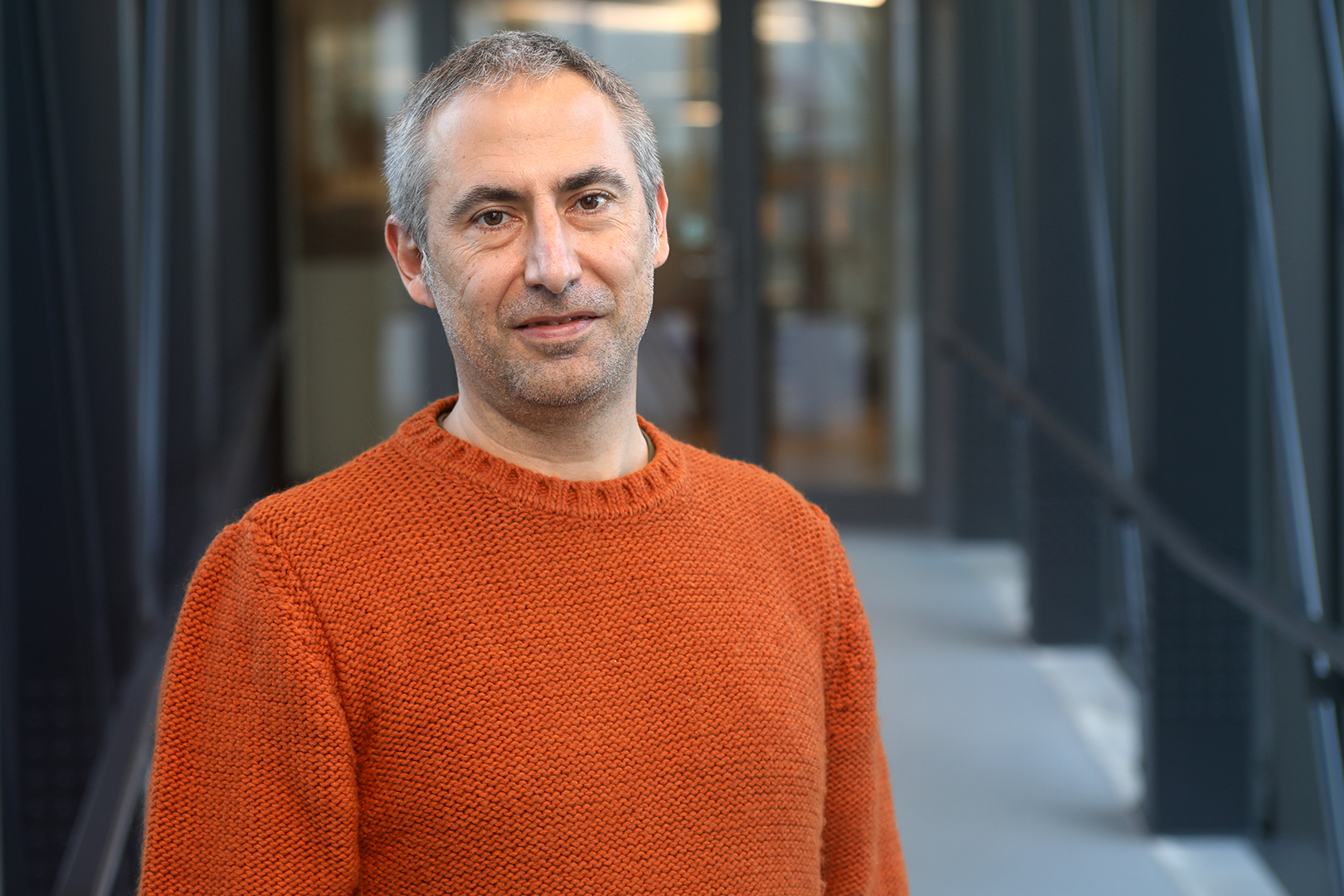
Kenichiro Mizohata is a University Researcher at the Department of Physics, University of Helsinki, and serves as a Supervisor for the Doctoral Programme in Materials Research and Nanosciences. His research focuses on materials physics, ion beam analysis, and the development of advanced materials for energy and environmental applications. Key interests include thin film deposition techniques (e.g., atomic layer deposition), high-entropy alloys, and radiation effects on materials. He is a core participant in the Eurofusion HerHEA project (2024–2025), collaborating with experts in materials science and nuclear engineering. His work spans interdisciplinary collaborations, addressing challenges in sustainable materials, nuclear technology, and environmental science. Publications emphasize experimental and computational studies on material microstructure, defect dynamics, and surface engineering. Mizohata’s research outputs (166+ publications) reflect expertise in materials characterization, with recent trends in nanomaterials synthesis, irradiation-resistant alloys, and sustainable recycling technologies. His contributions advance both fundamental understanding and applied solutions in materials science.
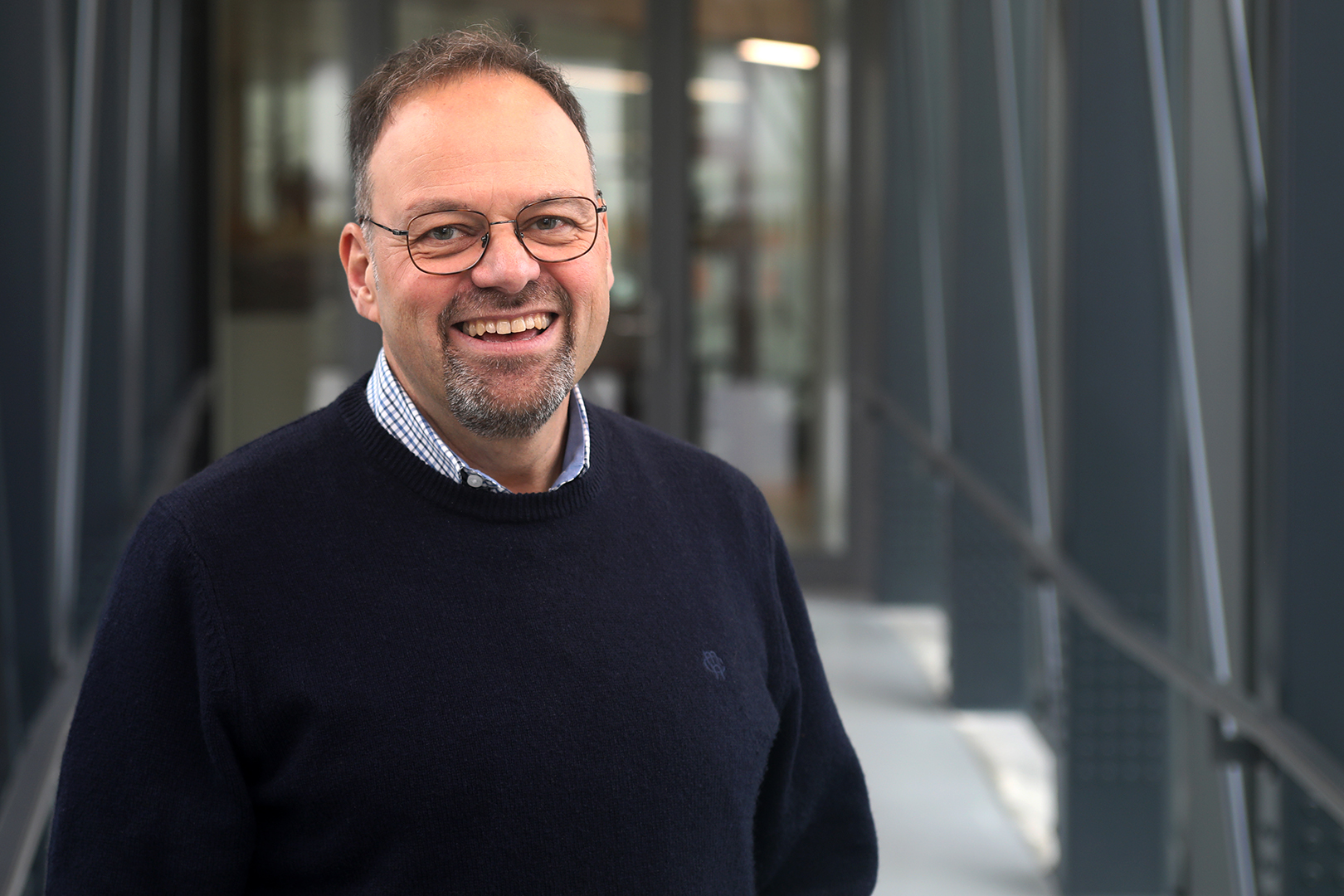
Paul Joshua Hurst is a Postdoctoral Scholar in the Department of Chemistry at Stanford University, affiliated with the School of Humanities and Sciences. His research focuses on advanced polymer chemistry, self-assembly mechanisms, and their biomedical applications. He explores topics such as drug delivery systems, nanomedicines, and cryo-electron microscopy for material characterization. His work integrates interdisciplinary approaches, combining organic synthesis, materials science, and biophysics. Key areas of investigation include the design of bioreducible polymers for mRNA delivery, chemically driven hydrogel systems, and the structural analysis of enzyme@metal-organic frameworks using cryo-EM. He is affiliated with the CMAD, ChEM-H, and SSRL research programs. Recent research trends show a focus on reaction-driven self-assembly, sustainable polymer synthesis, and dynamic materials with tunable properties. His studies emphasize both fundamental mechanisms and translational applications in drug delivery and nanotechnology. No scientific awards have been listed in the provided information. While no student advisees are mentioned, his research contributions span over 15 peer-reviewed articles from 2020 to 2025, reflecting a strong publication trajectory in top-tier journals. His work is supported through collaborations with Stanford’s affiliated programs.
Frank Neese is the Director and Managing Director (since 2024) of the Max-Planck-Institut für Kohlenforschung in Mülheim an der Ruhr, Germany, where he leads the Department of Molecular Theory and Spectroscopy. He holds honorary professorships at the University of Bonn (since 2013) and the University of Duisburg-Essen (since 2020), reflecting his strong academic affiliations. His research program bridges theoretical chemistry, quantum mechanics, and spectroscopy with applications in bioinorganic and materials chemistry. Education: Diploma in Biology, University of Konstanz (1993) Ph.D. (Dr. rer. nat.), University of Konstanz (1997) Postdoctoral Research, Stanford University (1997–1999) Habilitation, Universität Konstanz (2001) Frank Neese's research focuses on the development and application of advanced quantum chemical methods for understanding molecular electronic structures, particularly in transition metal complexes and metalloenzymes. His work emphasizes spectroscopic simulations (EPR, XAS, MCD, etc.) and reaction mechanisms in catalysis. He is renowned as the lead developer of the ORCA quantum chemistry software, a widely used tool in computational chemistry. His theoretical frameworks integrate density functional theory, wavefunction-based methods, and multiscale modeling to achieve high accuracy in predicting chemical properties. The 15 most recent publications highlight a consistent trajectory in electronic structure theory, with strong emphasis on spectroscopy, transition metal chemistry, and method development. Key themes include double-hybrid functionals, spin-state energetics, spin-orbit coupling, and QM/MM modeling of biological systems. The interdisciplinary nature of his work spans chemistry, biochemistry, and materials science, often targeting challenges in catalysis and energy conversion. Scientific Awards: Gottfried Wilhelm Leibniz Prize (2023) Humboldt Research Award ISACS Award Fellow of the Royal Society of Chemistry Member of the North Rhine-Westphalian Academy of Sciences Member of the Leopoldina Neese has secured extensive third-party funding for his research, enabling a large, interdisciplinary team of scientists and students. He actively mentors PhD and postdoctoral researchers, fostering the next generation of theoretical chemists. His leadership extends to official functions in scientific societies and editorial roles in major chemistry journals. The ORCA development team, which he heads, is a central hub for innovation in computational chemistry software. He leads a vibrant research group focused on method development and applications in molecular spectroscopy and reactivity. The team collaborates internationally and organizes the ORCA User Meeting, fostering a global community of users and developers in quantum chemistry.
Prof. Dr. Dominik Munz is a Professor of Coordination Chemistry at the Faculty of Natural Sciences and Technology, Saarland University , Germany. He leads an interdisciplinary research group at the interface of inorganic, organic, and physical chemistry, focusing on creative solutions for catalysis, energy conversion, and functional materials. Education: Ph.D. from TU Dresden (implied by 'alma mater' reference). Research Interests: The Munz group is driven by the pursuit of novel chemical bonding and unusual electronic structures. Their primary research areas are: Bond Activation for Catalysis: Designing new transition- and main-group metal complexes with innovative bonding motifs to activate strong bonds and facilitate energy conversion. Optoelectronic Materials: Investigating radicaloid systems for applications in solar cells and microelectronics. Reactive Intermediates as Molecular Switches: Exploring transient, highly reactive species for use in soft and intelligent materials. Their synthetic work is guided by computational predictions and employs advanced spectroscopic techniques under inert conditions. Publication Trends: The group's recent publications (2023-2025) demonstrate a strong focus on pushing the boundaries of main-group and transition-metal chemistry. Key themes include the synthesis of highly unusual species like terminal gold(I) imides and lead(II)-substituted triplet carbenes, the discovery of powerful new reagents from simple oxidations (e.g., PPh3), and the exploration of high- and low-valent states of metals (e.g., FeVII, Al(I)). Their work frequently appears in top-tier journals like JACS , Nature , and Angewandte Chemie , highlighting its significance and impact. Scientific Awards: European Research Council (ERC) Starting Grant Advising and Grants: Prof. Munz actively mentors a large group of students and postdoctoral researchers, as evidenced by numerous publications led by his advisees. His research is supported by significant competitive grants, including the ERC Starting Grant and a DFG-funded Research Training Group (RTG Ec=m²), which is hiring 10 new PhD scholars. This indicates a robust research program focused on 'Engineering Covalent Bonds in Molecules and Materials.' Laboratories and Research Groups: The Munz group operates state-of-the-art laboratories at Saarland University, equipped with brand-new gloveboxes for air-sensitive chemistry. The group is a key part of the 'PharmaScienceHub,' a collaborative initiative between Saarland University and the Helmholtz Institute for Pharmaceutical Research. They are also involved in the Skilizium, a research meeting with groups from Saarland, Marburg, and Münster. The group fosters a dynamic environment, engaging in outreach activities like hosting high school students and organizing scientific meetings such as the Fulbright-Cottrell Meeting on Science Communication.
Prof. Vladimir Krasnov is a leading researcher in Experimental Condensed Matter Physics at Stockholm University , focusing on mesoscopic superconductivity, Josephson junctions, and nanoscale quantum phenomena. He heads the Experimental Condensed Matter Physics Group since 2005. Department: Department of Physics Lab: EKMF Lab (SU-KTH collaboration) Key Methodologies: Pulsed laser deposition, FIB nanofabrication, cryogenic measurements (0.25-300 K), THz spectroscopy Research Themes: His work bridges fundamental superconductivity studies (high-Tc cuprates, iron-pnictides) with applied quantum electronics. Notable contributions include Developing vortex-based cryogenic memory Controllable spin-triplet supercurrents in magnetic junctions THz emission from intrinsic Josephson stacks Quantum phase transitions via electrical doping Magnetic field effects on mesoscopic systems Scientific Trends: Analysis of 15 recent publications reveals strong emphasis on Josephson vortex dynamics, superconducting/ferromagnetic hybrid systems, THz applications, and non-equilibrium phenomena in quantum circuits. Facilities: Utilizes Nano-Fab clean-room for sample engineering and Low-T lab for high-field (17T), cryogenic experiments.
Professor Yonathan Shapir is a full Professor in the Department of Physics at the University of Michigan, with a joint appointment in Chemical Engineering. Since his arrival in 1985, he has advanced from Assistant Professor to full Professor, pursuing theoretical condensed-matter physics and statistical mechanics. Education: B.Sc. in Physics, Tel-Aviv University (1971) Ph.D. in Physics, Tel-Aviv University (1981) Research Interests: Professor Shapir’s work centers on understanding complex disordered systems through statistical mechanics. His investigations encompass critical phenomena in spin-glasses and random-field systems, classical and quantum transport in dirty metals leading to the metal-insulator transition, polymer statistics, fractal properties of percolation clusters, and kinetic models of surface growth and aggregation. These themes are unified by a deep interest in scaling laws, universality, and the emergent geometry of random media. Publication Trends: Between 2001 and 2010, his articles reveal a concentrated effort on diffusion in dynamically disordered environments, scaling behavior of growing surfaces, and the morphology of organic thin films such as pentacene. Earlier work (1996–2000) explored critical dynamics of dendrimers, surface growth on disordered substrates, and transitions in crystalline roughness. The breadth spans from fundamental statistical-physics questions to applications in materials science and organic electronics. Scientific Awards: Fulbright Award (1981) Bourse Joliot-Curie (1982) Visiting Compton Fellowship at the Technion (1989–1990) Advising & Grants: No explicit lists of students or current funding are provided in the material; however, his extensive publication record with numerous co-authors suggests active mentoring and collaboration. Future directions likely continue along the interface of statistical mechanics and nanoscale materials. Labs & Teams: While no specific laboratory names are given, Professor Shapir’s joint appointment implies active participation in both the Physics Department and the Chemical Engineering program, fostering interdisciplinary teams working on materials growth, transport phenomena, and computational statistical physics.
Liu Leo Liu is an Associate Professor and tenure-track faculty member in the Department of Chemistry at Southern University of Science and Technology (SUSTech), Shenzhen, China, leading research on multi-active ambiphilic main group centers. He serves on editorial boards for Chem (2020-2023), European Journal of Inorganic Chemistry (since 2022), Chinese Chemical Letters (since 2022), Inorganic Chemistry Frontiers (since 2024), and Acta Chimica Sinica (since 2024). His educational background includes: B.Sc. in Chemistry, Xiamen University (2007-2011) Ph.D. in Organic Chemistry, Xiamen University (2011-2016) with joint study at UC San Diego (2013-2015) Post-doctoral Fellow, University of Toronto (2016-2019) under Prof. Douglas W. Stephan Post-doctoral Scholar, Lawrence Berkeley National Laboratory & UC Berkeley (2019-2020) under Profs. F. Dean Toste, Kenneth N. Raymond, and Robert G. Bergman Dr. Liu's research pioneers the synthesis of novel ambiphilic compounds across d- and p-block elements, integrating synthetic chemistry, computational modeling, and spectroscopy. His group develops multi-active centers that challenge textbook knowledge while enabling practical applications in catalysis and materials science. Key focus areas include low-valent carbon species, isolable carbenes, and main group element chemistry with inverted electronic configurations. His publication record demonstrates consistent innovation in ambiphilic main group chemistry, with recent breakthroughs in crystalline stannyne, σ0π2 carbenes, and carbyne anions featured in Science, Nature Chemistry, and JACS. These works reveal fundamental principles of bonding and reactivity while expanding synthetic possibilities for unconventional molecular architectures. Significant scientific recognition includes: Chinese Chemical Society Young Chemist Award (2022) Huang Yao-Zeng Metal Organic Chemistry Young Award (2023-2024) Distinguished Lectureship Award from Chemical Society of Japan (2024) Chinese Chemical Society-RSC Young Chemist Award (2024) World's Top 2% Scientists (2024) As a doctoral supervisor, Dr. Liu mentors graduate researchers and received SUSTech's Outstanding Graduate Supervisor Award (2025). His research is supported by National Natural Science Foundation grants including Original Exploration Program, Excellent Youth Fund (Overseas), General Program, and Youth Fund C Project. The LLL group maintains active collaborations with international institutions and contributes to major chemistry conferences through invited lectures on ambiphilic main group chemistry. The LLL group operates as a dynamic interdisciplinary team within SUSTech's chemistry department, combining experimental synthesis with computational analysis to explore frontier areas of main group element chemistry. Their work bridges fundamental discovery and potential applications in catalysis, materials science, and chemical synthesis.
Cao Haishan is an Associate Professor at Tsinghua University, affiliated with the Department of Energy and Power Engineering in the School of Mechanical Engineering. His research focuses on cryogenic cooling systems, high heat flux thermal management, and the physics of amorphous ice formation and phase transitions. He leads a research group supported by the National Natural Science Foundation of China and industry partners including Huawei, Midea, and Lenovo. Ph.D., Mechanical Engineering, University of Twente, 2013 M.Sc., Chemical Engineering, Dalian Institute of Chemical Physics, Chinese Academy of Sciences, 2009 B.Sc., Chemical Engineering, Zhejiang University, 2006 Dr. Cao's research spans three major areas: cryogenic cooling (including micro cryocoolers and sorption systems), high heat flux electronic cooling (especially with non-condensable gases), and the formation and transformation of amorphous water ice. His work combines theoretical modeling, computational simulation, and experimental validation, often at micro and nano scales. He applies principles from thermodynamics, fluid dynamics, and materials science to solve engineering challenges in refrigeration and thermal control. The recent publications reflect a strong trend toward interdisciplinary research, integrating machine learning for heat transfer prediction, computational screening of MOFs for cryogenic switches, and fundamental studies of ice nucleation on various substrates. The articles span journals in physics, engineering, materials, and applied thermal sciences, indicating broad impact across multiple domains. Notable scientific awards include: Gustav and Ingrid Klipping Award (2016) Cryogenics Best Paper Award (2017) Annual Teaching Excellence Award, Tsinghua University (2023) Excellent Supervisor Award, Tsinghua University (2024) Multiple First Prize Advisor awards in national student contests on energy saving Dr. Cao has been principal investigator on several grants, including projects funded by the National Natural Science Foundation of China on amorphous ice lifetime and micro-cryocooling for semiconductor chips. He has also led industry-university collaborations with Huawei, Midea, and Lenovo. He advises graduate students and leads a research team focused on next-generation cooling technologies. He serves on editorial boards for Journal of Refrigeration , Vacuum and Cryogenics , and Energies , and has chaired sessions at major international conferences such as ICEC-ICMC and ACTS. His research group operates within the Institute of Thermophysics at Tsinghua University, leveraging facilities in the Lee Shau Kee Science and Technology Building. The team collaborates with national laboratories and international institutions, particularly maintaining ties with the University of Twente. Current efforts are directed toward ultra-low vibration cooling, efficient separation of non-condensable gases, and extending the stability of amorphous ice for cryobiological applications.
Prof. Dirk Schneider is a Full Professor (W3) of Biochemistry at Johannes Gutenberg University Mainz since 2010, with previous appointments at the University of Freiburg (2003-2009) and postdoctoral training at Yale University. His research spans membrane biochemistry, biophysics, and transmembrane protein folding/assembly, focusing on thylakoid membrane biogenesis and protein-lipid interactions in cyanobacteria and chloroplasts. Current roles: Full Professor, University Mainz Previous roles: Assistant Professor (W1), University of Freiburg Education: PhD (summa cum laude) from Ruhr-University Bochum His research interests include: Membrane protein folding and stability ESCRT-III/Vipp1/PspA family structural dynamics ABC transporter activity regulation (e.g., BmrA) Protein-lipid interaction mechanisms Thylakoid membrane remodeling Comparative membrane biology between prokaryotes and eukaryotes Development of spectroscopic and computational methods Recent publications reveal trends in bacterial membrane remodeling (SynDLP, PspA), lipid effects on transporter activity (BmrA), and IM30/Vipp1-mediated membrane fusion. His work combines structural biology, biophysics, and functional assays to elucidate membrane dynamics. Awarded the Dr. Heinrich Kost Award (2001) and Leopoldina Fellowship (2001) , he has held leadership roles including Study Section Speaker (2010-2014) , Director of Institute of Pharmacy and Biochemistry (2013-2015) , and Dean of Faculty of Chemistry (2015-2020) . His scientific advisory roles include editorial board memberships and study section leadership.
Dr. Walid Hetaba is a Group Leader in the Scientific Infrastructure department at the Max Planck Institute for Chemical Energy Conversion (MPI CEC), specializing in Electron Microscopy and X-ray Photoelectron Spectroscopy (XPS). He leads a research group focused on advanced materials characterization, particularly for catalytic systems. His academic background includes a Diplom in Technical Physics (Dipl.-Ing.) and a Dr.techn. from TU Wien (2011–2015). Prior to his current role, he held postdoctoral positions at TU Wien, Universität Bielefeld, and the Fritz Haber Institute of the Max Planck Society (2016–2020). Dr. Hetaba's research emphasizes the structural and electronic characterization of materials at micro- and nanoscales, linking material properties to catalytic function. His group develops methodologies for TEM/XPS analysis, including ChemiTEM—a TEM optimized for chemistry and materials science. Key research areas include catalyst design, nanomaterial synthesis, and surface science, with applications in energy storage and conversion. His group operates state-of-the-art equipment such as the Thermo Scientific Talos F200X TEM, Phenom Pharos SEM, and NAP-XPS systems. They collaborate extensively with other research groups to advance catalysis and materials science. Current projects include the UniSysCat cluster on bimetallic nanocatalysts and FAIRmat data standardization initiatives. Dr. Hetaba has published extensively in journals like Advanced Energy Materials , ACS Catalysis , and Chemistry-Methods , focusing on topics such as magnetic catalysts, nanomaterial functionalization, and surface reactivity. His work bridges fundamental material science with applied catalysis, driving innovations in energy technologies.
Dr. Alexander Yakimov is a Lecturer at the Department of Chemistry and Applied Biosciences, ETH Zürich, affiliated with the Laboratory of Inorganic Chemistry (LAC). He specializes in advanced spectroscopic techniques to study catalyst surfaces and reactive sites. His research focuses on Solid-State NMR Spectroscopy Transition Metal Surface Sites Zeolite and Titano-Silicate Catalysts Acid-Base Reactivity Descriptors CO2 Conversion and Hydrocarbon Processing using methods like X-Ray Absorption and high-field NMR. Recent work explores Ziegler-Natta catalysts, single-atom systems, and propane dehydrogenation mechanisms. He teaches the Practical Course General Chemistry (529-0011-04L/06L) and contributes to CO2 capture technologies. Contact: yakimov@inorg.chem.ethz.ch | ORCID: 0000-0002-8624-1002
Dr. Olaf Rüdiger is a Group Leader at the Max Planck Institute for Chemical Energy Conversion (MPI CEC), leading the Spectroelectrochemistry group within the Department of Inorganic Spectroscopy. His research focuses on understanding and designing bio-inspired catalysts for hydrogen production/oxidation and energy conversion systems, particularly using hydrogenases and earth-abundant metal complexes. He earned his B.Sc. from the University of Valencia (2003), M.Sc. from Universidad Autónoma de Madrid (2006), and Ph.D. from Universidad Autónoma de Madrid and CSIC (2009). His work combines electrochemistry with advanced spectroscopic techniques to study catalyst dynamics under operational conditions. Key research areas include: Development of redox hydrogels to protect oxygen-sensitive hydrogenases Electrochemical and spectroscopic analysis of OER catalysts (e.g., cobalt oxides) Immobilization strategies for bio-inspired and enzymatic catalysts on electrodes His group has pioneered methods to stabilize hydrogenases in harsh environments using redox polymers, enabling their application in fuel cells. Recent studies emphasize operando characterization of catalysts during turnover, revealing insights into active site structures and reaction mechanisms. Laboratory collaborations include partnerships with Ruhr University Bochum (W. Schuhmann, N. Plumeré) and the Savitsky/Cox groups for in situ EPR/XAS studies. Current projects explore single-atom catalysts for water oxidation and light-responsive spin-state switches in iron complexes.
Francis Berthias is an academic staff member in the Department of Biochemistry and Molecular Biology at the University of Southern Denmark , specializing in Biomedical Mass Spectrometry and Systems Biology . His research focuses on advanced mass spectrometry techniques and structural analysis of biomolecules. Research Interests: Mass Spectrometry, Ion Mobility Spectrometry, Proteomics, Structural Biology, Biochemistry, and Analytical Chemistry. His recent publications (2022–2025) emphasize ion mobility separations , proteoform sequencing , and enzyme specificity . Collaborations span Denmark, Germany, and international institutions, with a focus on N-methylhistidine modifications , therapeutic antibodies , and peptide epimer analysis . Keywords: Biochemistry, Mass Spectrometry, Proteomics, Structural Biology, Analytical Chemistry, Molecular Biology.
Denis Dowling is a Full Professor at University College Dublin (UCD), leading the School of Mechanical and Materials Engineering. He directs the I-Form Advanced Manufacturing Research Centre, a 40M Euro initiative focusing on additive manufacturing and digital integration in manufacturing environments. His research spans surface engineering, plasma treatments, and advanced materials processing, with a focus on composites and additive manufacturing innovations. Dr. Dowling holds a PhD from UCD and has supervised 20 PhD and 5 MSc students. He is actively involved in the European Institute of Innovation and Technology (EIT) in manufacturing and previously led UCD's participation in the SFI Precision Cluster. His awards include the UCD Innovation Award (2012) and the Institute of Materials Finishing Gold Medal (2013). His work bridges academia and industry, with collaborations in solar energy, medical devices, and manufacturing SME sustainability. Key research themes include functional coatings for biomedical applications, microwave-assisted synthesis of nanostructures, and in-situ process monitoring for additive manufacturing quality control. Teaching includes modules on nanomaterials and manufacturing, reflecting his research-led approach. Professional roles include chairing the Irish branch of the Institute of Metal Finishing.
Dr. Thomas Weyhermüller is a Group Leader at the Max Planck Institute for Chemical Energy Conversion (MPI CEC) in the Department of Inorganic Spectroscopy. He obtained his PhD from Ruhr-Universität Bochum in 1994 and has led his research group at MPI CEC since 1995. His work focuses on synthesizing model compounds for spectroscopic studies and understanding catalytic mechanisms, particularly related to nitrogenase and transition metal systems. Research Interests: Dr. Weyhermüller’s group develops molecular model systems to study catalytic processes, including the nitrogenase enzyme’s active site. They employ techniques like X-ray crystallography and NMR spectroscopy to analyze transition metal complexes and their reactivity. Key areas include inorganic chemistry, catalysis, and bioinorganic systems. Publications: Recent studies highlight work on nickel-based hydrogenation catalysts, rhodium-driven hydrodefluorination, and sulfur-ligated iron-carbon clusters mimicking nitrogenase. His articles explore ligand design, electron spin states in diiron complexes, and CO₂ activation mechanisms. Lab Facilities: His lab uses state-of-the-art equipment including a Bruker D8 Venture X-ray diffractometer and a 500 MHz NMR spectrometer. These tools support structural characterization of catalytically active compounds.