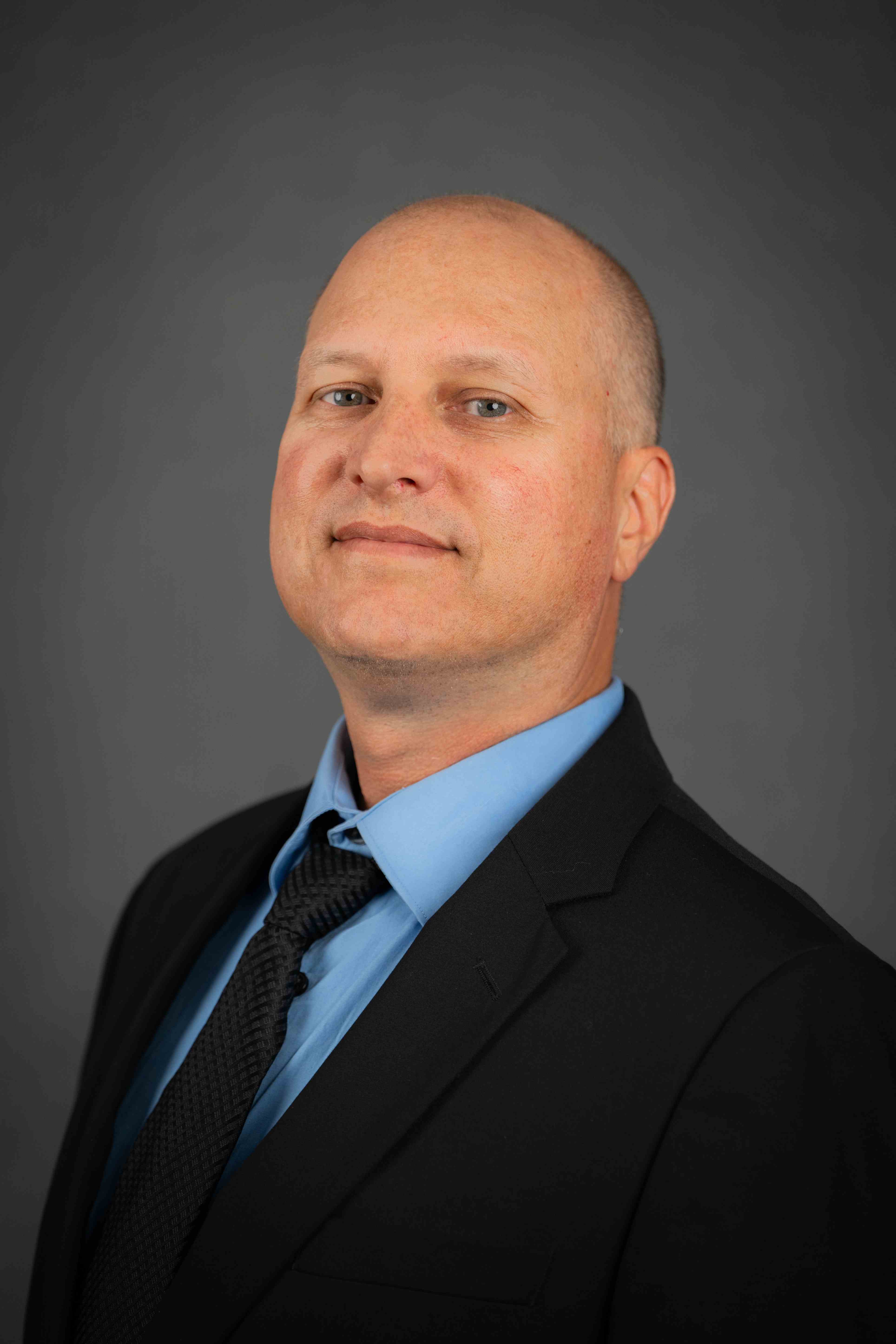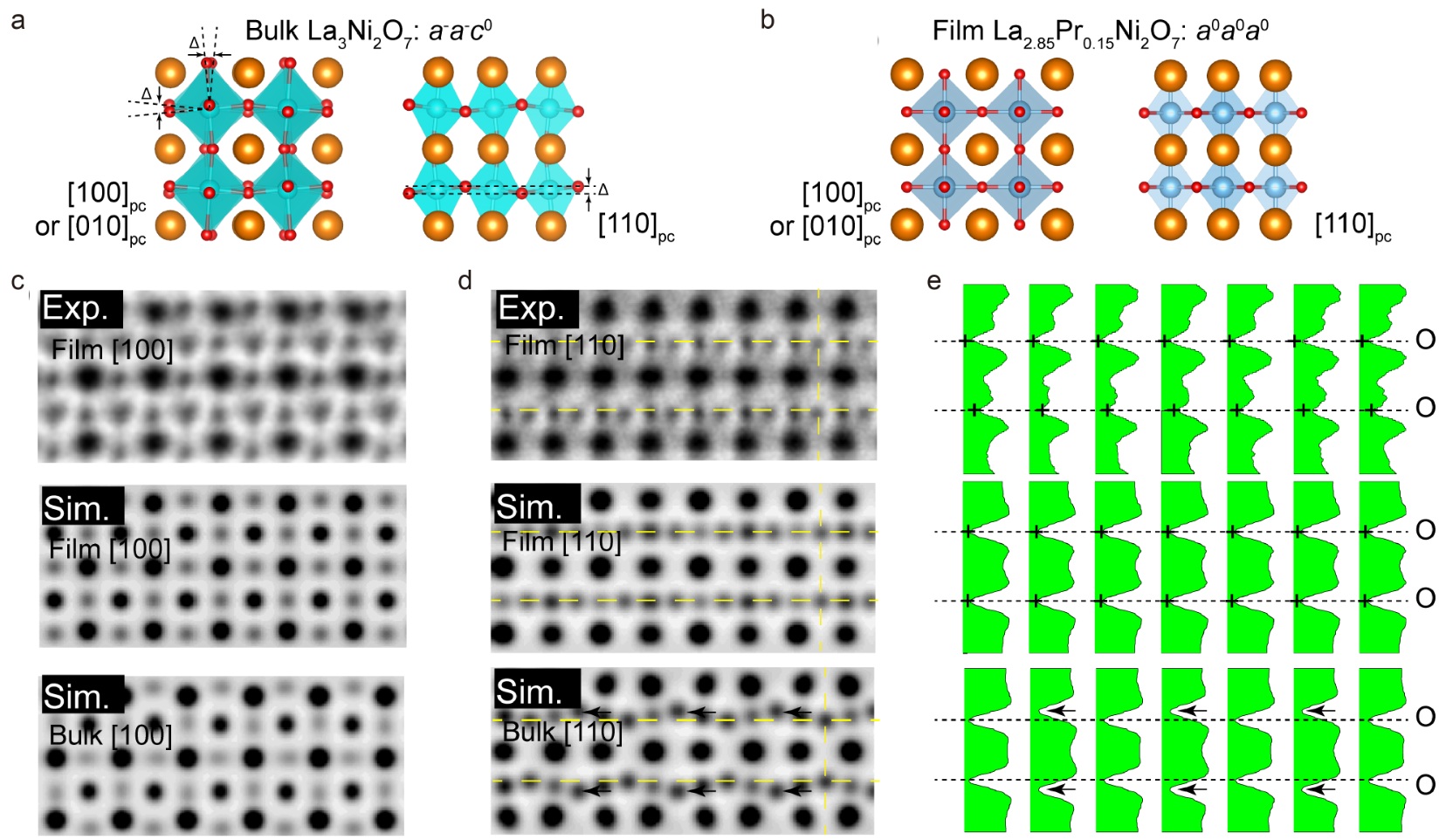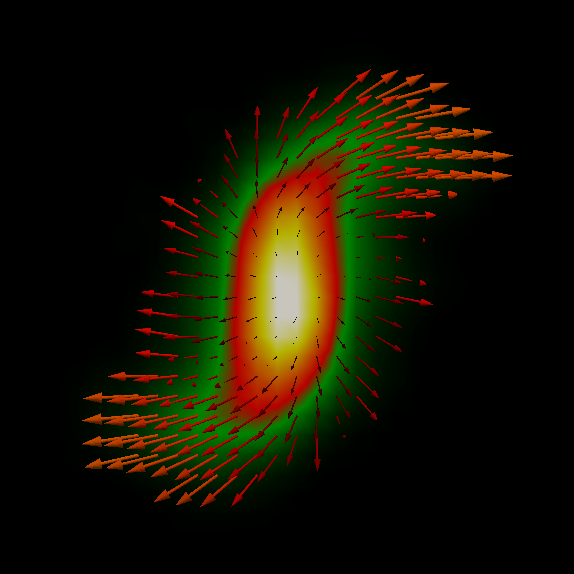
Yves Joly is a Research Director at the CNRS (French National Center for Scientific Research) and a member of the SIN team (Surfaces, Interfaces and Nanostructures) at the Institut Néel in Grenoble, France. His primary research focuses on the theory and development of X-ray spectroscopies as probes for studying materials, with particular emphasis on the development and dissemination of the FDMNES ab initio computation code. His work bridges theoretical physics and experimental materials science, enabling detailed analysis of electronic, magnetic, and structural properties across diverse material systems. Dr. Joly received his education at the Institut National Polytechnique in Grenoble, where he earned his Physicist Engineer degree in 1982. He continued his studies at the Laboratoire de Spectrométrie-Physique, Université Joseph Fourier (UJF), Grenoble, where he obtained his PhD in Physics of Matter and Radiation in 1984. His doctoral thesis focused on 'Study of alloy surfaces using Low Energy Electron Diffraction.' Dr. Joly's research interests center on X-ray absorption, emission, and scattering spectroscopies, particularly at energies close to absorption edges (XANES, valence to core X-ray emission spectroscopy, resonant X-ray diffraction). He has dedicated significant effort to developing the FDMNES ab initio computation code, which simulates these spectroscopies and allows comparison with experimental data typically recorded at synchrotrons. His work has applications across various material classes, with a special focus on oxides. Throughout his career, he has also contributed to surface science, studying carbides, nitrides, and semiconductors using techniques like Low Energy Electron Diffraction and Low Energy Positron Diffraction. Analysis of Dr. Joly's recent publications reveals a consistent focus on advancing X-ray spectroscopic techniques and their applications to increasingly complex materials systems. His work spans fundamental theoretical developments, computational methodology improvements, and practical applications to diverse materials including quantum materials, battery cathodes, catalysts, and magnetic systems. A significant portion of his recent work continues to center on the FDMNES code and its applications, demonstrating his ongoing commitment to making advanced X-ray analysis tools accessible to the broader scientific community. Dr. Joly has held various academic positions throughout his career. After completing his PhD in 1984, he conducted postdoctoral research at the CHU of Sherbrooke, Department of Nuclear Medicine, in Canada. He joined CNRS as a Junior Researcher in 1986, first at the Laboratoire de Spectrométrie-Physique and later at the Laboratoire de Cristallographie. In 2006, he became a Senior Researcher at the Laboratoire de Cristallographie, which became part of the Institut Néel in 2007. From 2011 to 2015, he served as Deputy Director of the MCMF department of the Institut Néel, demonstrating his leadership within the research institution. At the Institut Néel, Dr. Joly is a key member of the SIN team within the QUEST department (Électronique QUantique, Surfaces et spinTronique). His work is closely connected to synchrotron radiation facilities, where experimental data for comparison with his computational models is typically collected. The FDMNES code he developed has become an important tool in the X-ray spectroscopy community, facilitating the interpretation of complex spectral data across numerous research fields. His research has significant implications for understanding quantum materials, energy storage systems, and catalytic processes.