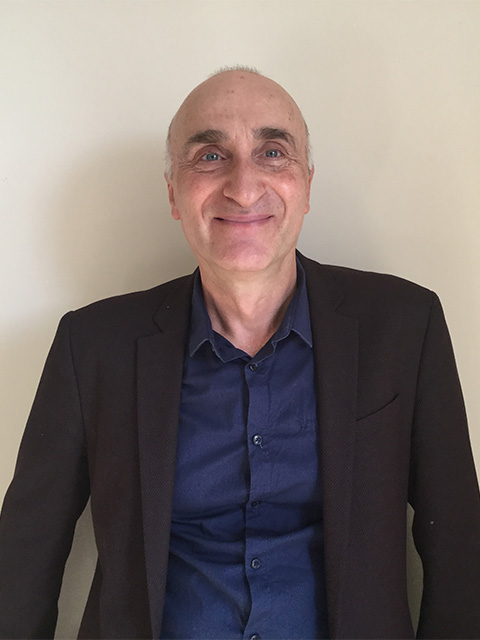
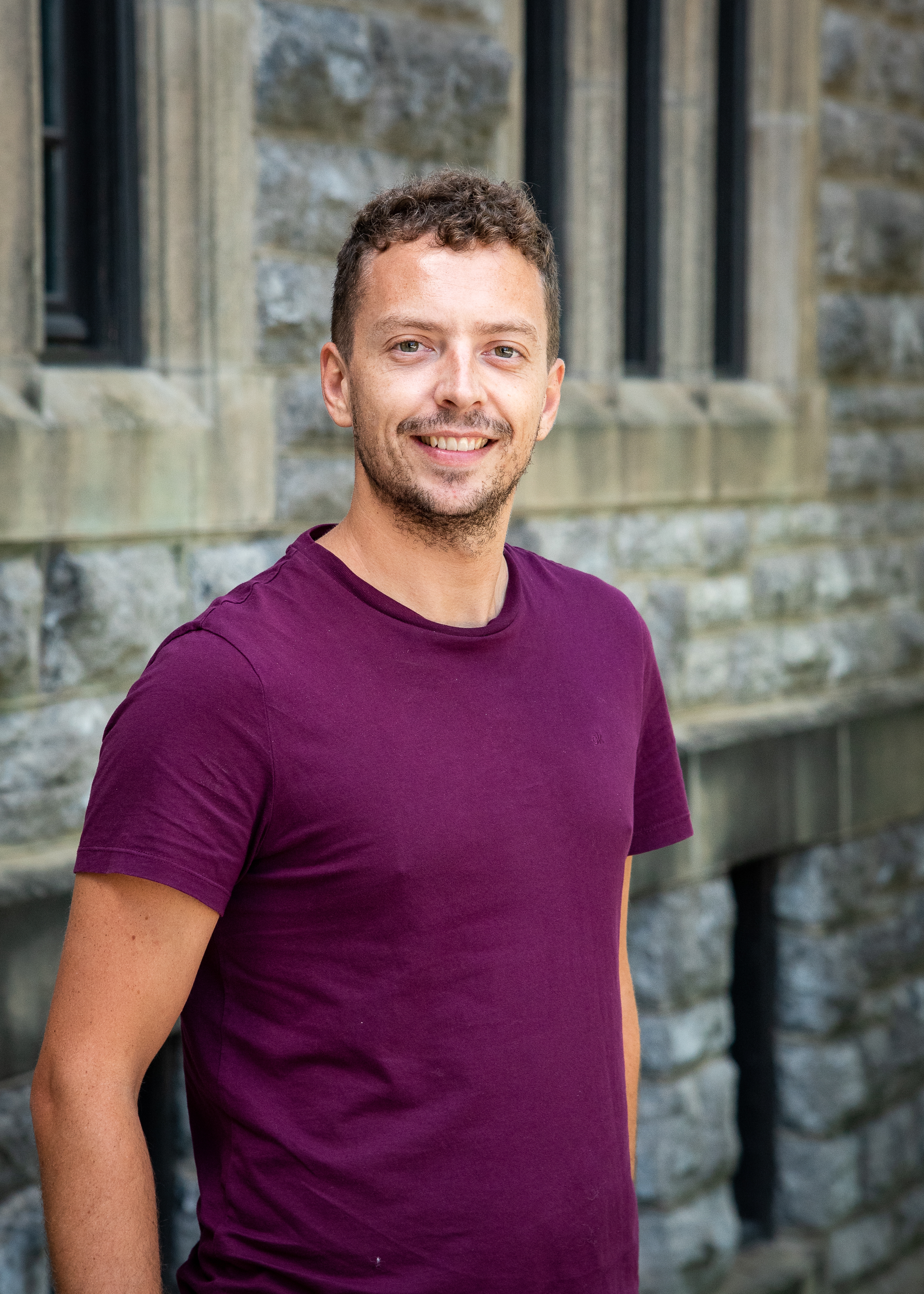
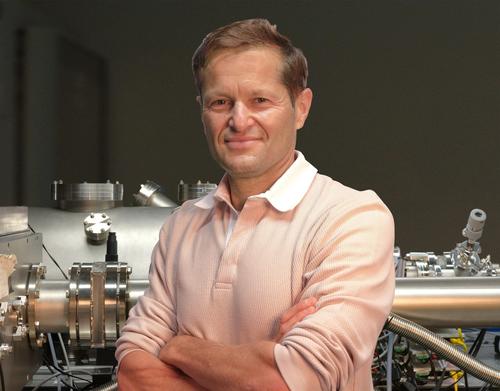
Professor Bucur Novac is a leading academic in pulsed power systems and plasma physics at Loughborough University, holding the title of Professor of Pulsed Power since 2011. He earned his MSc (1977) and PhD (1989) in Physics from the University of Bucharest, followed by a distinguished career in research and academia. His research focuses on high-voltage engineering, electromagnetic pulse generation, and biomedical applications of pulsed electric fields (PEFs). Notable contributions include innovations in pulsed power systems, underwater discharge technology, and non-invasive cancer treatment methods using subnanosecond PEFs. Recipient of the Max Fowler Medal (2008), IEEE Sol Schneider Award (2016), and Academician A.I. Pavlovsky Prize (2016). Leadership roles: Chair of international conferences (e.g., IEEE International Pulsed Power Conference 2017) and Distinguished Lecturer for IEEE Nuclear and Plasma Science Society. Editorial contributions: Guest Editor for IEEE Transactions on Dielectrics and Plasma Physics. His work bridges theoretical and experimental advancements, with applications in military defense (IED neutralization), biomedical engineering, and energy-efficient systems.
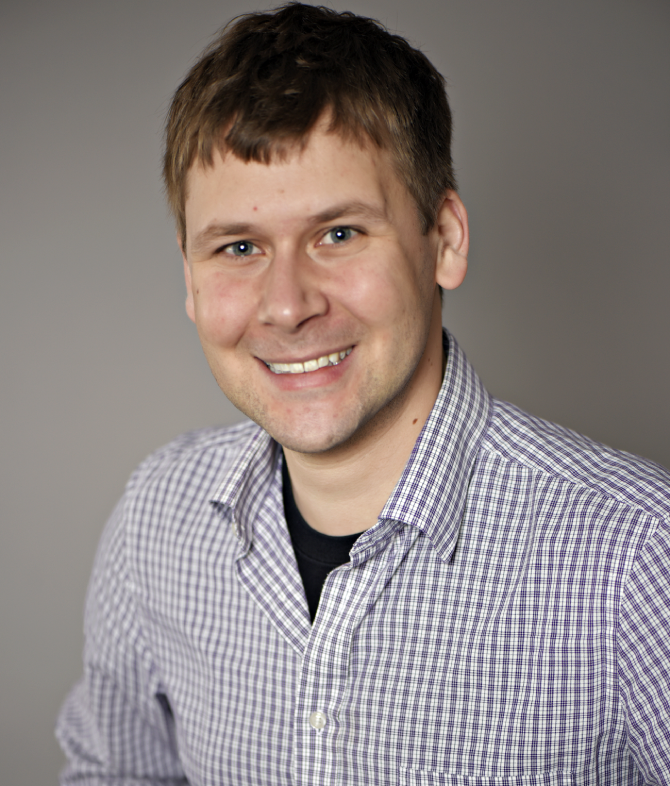
Aditi Bhattacherjee is an Assistant Professor in the Department of Chemistry at the University of Iowa. Her research focuses on ultrafast spectroscopy, femtochemistry, and non-linear optics to study excited-state dynamics in molecules and materials, with applications in energy and catalysis. She holds a PhD in Chemical Sciences from the Tata Institute of Fundamental Research, India, and has received prestigious awards including the Marie Curie Fellowship (2018) and the Best Thesis Award (2015). Education: PhD in Chemical Sciences, Tata Institute of Fundamental Research, India Research Interests: Development of ultrafast core-level spectroscopy to elucidate excited-state photochemical reactions, with emphasis on photocatalytic reactions, phase transitions in deep eutectic solvents, and femtosecond dynamics in small organic molecules. Her lab uses advanced techniques like X-ray transient absorption and femtosecond spectroscopy to probe reaction mechanisms at atomic resolution. Awards: Best Thesis Award (2015) Marie Curie Fellowship (2018) Panofsky Fellowship Finalist (2020) USERN Prize and Falling Walls nominations (2020) Advancing education and mentoring in inclusive environments is central to her mission, alongside her research contributions to energy-related photochemical processes.
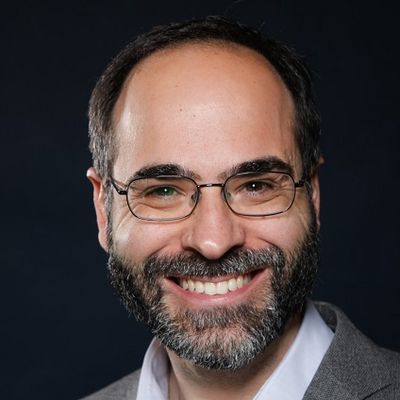
Mark Wilson is an Associate Professor at the University of Toronto’s Department of Chemistry. He leads the Wilson Lab, focusing on the study of nanostructured materials like conjugated organic molecules and colloidal quantum dots for optoelectronic applications. His research explores excitonic interactions in these systems, particularly their use in short-wave infrared (SWIR) technologies such as photodetectors and imaging tools. Spectroscopic techniques, especially transient broadband methods, are central to his work, enabling the analysis of material dynamics across femtosecond to millisecond timescales. Wilson’s research addresses challenges in 3rd-generation photovoltaics, SWIR sensing, and cost-effective camera technologies. His lab combines fundamental material science with device engineering, leveraging insights from spectroscopy to design novel optoelectronic devices. Key themes include surface passivation strategies for nanocrystals, energy transfer mechanisms, and the development of scalable synthesis methods for advanced materials. Notable research trends in his publications include the synthesis of ultrasmall PbS nanocrystals, plasmonic nanocavities for light localization, and vapor-phase deposition of embedded perovskite nanocrystals. These studies emphasize optimizing material properties for applications like infrared photodetection and photon upconversion. His work also explores defect-tolerant photovoltaic materials and the role of linker-to-metal energy transfer in catalytic frameworks. While no specific awards are listed, his contributions to SWIR-active materials and colloidal quantum dot technologies highlight potential recognition in materials chemistry and nanotechnology. His advisory efforts and grants are not detailed in the provided text, but his lab’s focus on interdisciplinary applications suggests active collaborations across chemistry, physics, and engineering disciplines.
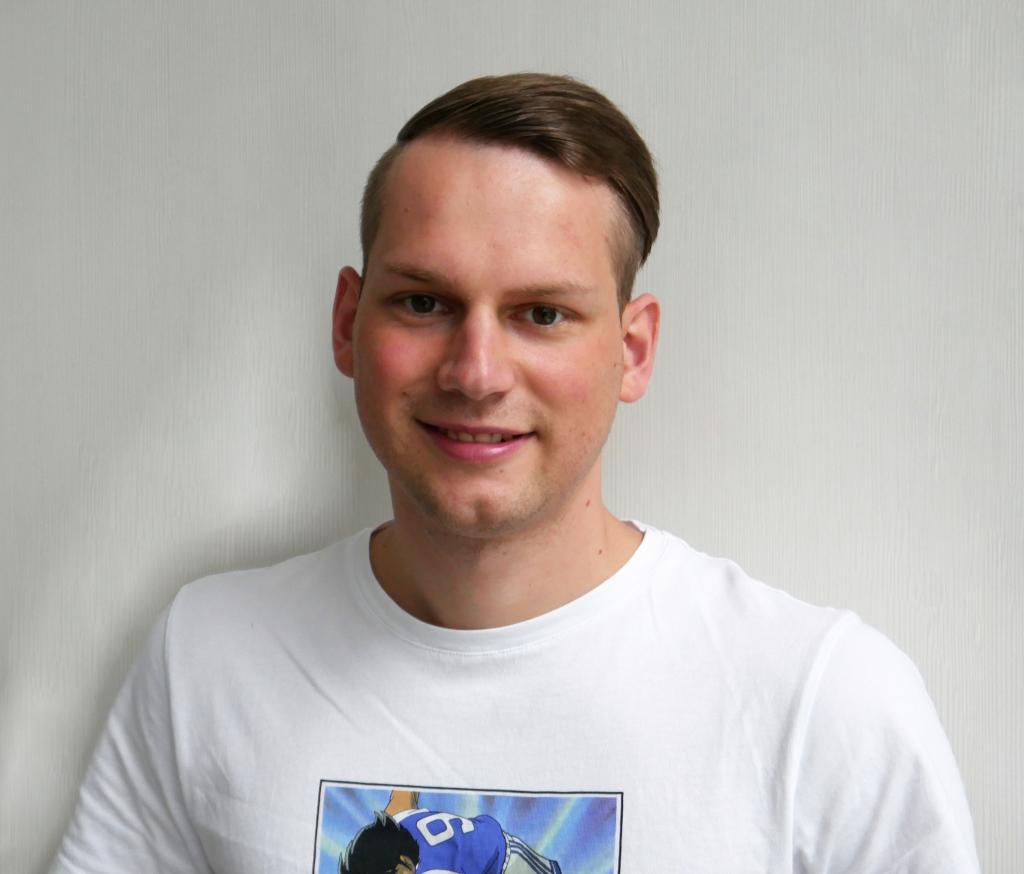
Maurizio Canepa is a Full Professor at the University of Genoa's Department of Experimental Physics of Matter and Applications. His research focuses on advanced materials for gravitational wave detectors, nanoscale systems, and optoelectronic technologies. He leads the OptMatLab research group and contributes to the Virgo Collaboration, working on improving optical coatings and analyzing gravitational wave data. Key research areas include: optical coatings for cryogenic environments, plasmonic nanostructures, and hybrid transparent conductive oxides. His work bridges fundamental physics with applied nanotechnology, addressing challenges in material characterization and device optimization. Recent publications highlight advancements in spectroscopic ellipsometry for real-time coating analysis, gravitational wave transient detection, and fabrication of 2D material-based sensors. His contributions to the GWTC-3 and GWTC-2.1 catalogs demonstrate expertise in large-scale astrophysical data analysis. Teaching responsibilities include courses on Solid State Physics and General Physics, emphasizing experimental methods and modern materials science. The OptMatLab group collaborates across disciplines to develop novel functional materials for photonics and energy applications.
Ioannis Zegkinoglou is a Professor of Experimental Physics at Esslingen University of Applied Sciences, where he also serves as Deputy Founding Director for Orientation and Undergraduate Studies and Head of the Scanning Electron Microscopy (SEM) Laboratory. He holds a doctoral degree (Dr. rer. nat.) from the University of Stuttgart and a Diplom in Physics from the National and Kapodistrian University of Athens. His research focuses on catalysis, materials science, and surface chemistry, particularly in energy conversion materials and nanoparticle catalysts. He has held senior roles at institutions like the Ruhr University Bochum (Senior Lecturer, Habilitation), Lawrence Berkeley National Laboratory, and the Max Planck Institute for Solid State Research. **Research Interests:** - Design and characterization of catalysts for CO 2 reduction and methanol synthesis. - Surface and interface analysis using X-ray spectroscopy (XPS, XAS, NRIXS). - Nanoparticle dynamics under reaction conditions (operando studies). - Electronic and structural properties of transition metal oxides. **Key Contributions:** - Developed plasma-activated copper catalysts for CO 2 electroreduction to hydrocarbons. - Investigated segregation phenomena in bimetallic nanoparticles (e.g., CuNi, PdCu) during catalytic reactions. - Advanced operando X-ray techniques to study dynamic material behavior under working conditions. **Lab & Collaborations:** - Leads the SEM Laboratory at Esslingen University, enabling nanoscale material characterization. - Collaborates with institutions such as Argonne National Laboratory (XAFS studies) and Brookhaven National Laboratory (in-situ catalysis).
Dr. Mikalai Zhavarankau is a researcher at the Max Born Institute (MBI) in Berlin, Germany, specializing in ultrafast laser physics within the Ultrafast Lasers and Nonlinear Optics group (A3). His work focuses on developing advanced spectroscopic techniques to probe atomic and molecular dynamics at femtosecond and attosecond timescales. His research spans: Ultrafast laser pulse generation and control High-harmonic generation for attosecond pulse production Quantum dynamics in Rydberg states and molecular systems Nonadiabatic processes in photochemistry XUV spectroscopy applications Dr. Zhavarankau's expertise is demonstrated through innovative methodologies for ellipticity control in attosecond pulses, Stückelberg spectroscopy of driven quantum systems, and real-time observation of proton migration in molecules. His collaborative work integrates theoretical modeling with experimental laser physics to unravel light-matter interactions at fundamental timescales. His publication trends reveal a cohesive research trajectory from 2015–2022, consistently advancing attosecond science through high-impact contributions in Physical Review Letters, Nature Communications, and Optics Letters. Key themes include polarization control in bicircular fields, symmetry breaking in laser-driven systems, and ultrafast charge migration in organic molecules. Based at MBI's Building A, Room 3.30, he operates within Berlin's vibrant quantum optics ecosystem, collaborating with international teams to push the boundaries of ultrafast measurement science. His current work continues to explore new frontiers in laser-controlled electron dynamics and molecular imaging.
Prof. Dr. Ulrich Schwaneberg is Chair for Biotechnology at RWTH Aachen University and director of its Institute of Biotechnology; he is simultaneously co-appointed at the DWI – Leibniz Institute for Interactive Materials. He leads the Schwaneberg research group, globally ranked 3rd in directed-evolution output, and serves on the Scientific Board of the Bioeconomy Science Center and as speaker of the Henkel Innovation Campus for Advanced and Sustainable Technologies (HICAST). Education & career: Diploma & PhD in Chemistry, University of Stuttgart (Prof. R. D. Schmid) Post-doctoral fellow, Caltech, 1999-2001 (Prof. F. H. Arnold, Nobel laureate 2018) Professor, Jacobs University Bremen, 2002-2008 Full Professor & Institute Director, RWTH Aachen, since 2009 Co-director, DWI – Leibniz Institute for Interactive Materials, since 2010 Research interests: The group pioneers protein-engineering platforms (KnowVolution, SeSaM, CompassR) that merge directed evolution with computational design to uncover fundamental design principles of proteins. Major application areas are (i) interactive materials—engineering peptides that form dense, ambient-temperature monolayers on polymers, metals, ceramics, plant leaves or teeth to create antimicrobial, anti-fouling or pesticide-release coatings; (ii) biocatalysis—evolving P450s, laccases, phytases, cellulases and artificial metalloenzymes for selective oxy-functionalization, biomass degradation and green polymerization; and (iii) circular bioeconomy—microgel-based delivery systems that replace microplastics in seed coatings, textiles and foliar fertilizers, thereby reducing pesticide loads and environmental persistence. Recent publication trends (2016-2025): More than 220 peer-reviewed papers demonstrate continuous innovation: early work established nanopore-protein-polymer conjugates and redox-switchable enzyme nanogels; mid-period developed KnowVolution campaigns for ionic-liquid-tolerant lipases, high-molecular-weight hyaluronic-acid synthases and aryl-sulfotransferases; latest phase integrates machine-learning-guided recombination, microgel-enzyme reactors (MicroGelzymes), anchor-peptide functionalization of 3-D-printable materials and whole-cell artificial metalloenzymes for olefin metathesis and C–H activation. Scientific awards & patents: BMBF “Next Generation Biotechnological Processes” award 2016 (€1.7 M), BioRegions Innovation Award 2018 for greenRelease technology, visiting professorships at CAS (2013) and Osaka University (2015); co-inventor on >15 licensed enzyme patents and founder of SeSaM-Biotech GmbH offering directed-evolution services. Grants & collaborative infrastructure: Coordinator of the €multi-million Bio4MatPro competence centre (2022-2026) that transforms materials science through biological peptides, microgels and hybrid catalysts; leads projects EcoGuard, GreenProtect, BioCoat, PleuraPlug, Heart2.0 and KlarTEXt funded by BMBF, EU and industry partners. Team & facilities: >40 members (post-docs, PhD students, science-support staff) housed in modern laboratories at RWTH and DWI equipped with robotic screening, droplet microfluidics, anaerobic spectroscopy, SPR, NMR, MS, AFM and pilot-plant bioreactors for rapid translation from gene to product.
Dr. Wolfgang-Dietrich Engel is a Researcher at the Max Born Institute for Nonlinear Optics and Short Pulse Spectroscopy, Berlin, Germany. He serves as Project Coordinator for 'Nanoscaled Samples and Integrated Optics' (Project 4.3) and participates in Project 3.3 'Transient Structures and Imaging with X-rays'. His work focuses on developing advanced nanoscale sample systems for ultrafast optical and magnetic experiments, including magnetic multilayers, alloys, and nanostructured materials produced via magnetron sputtering and electron beam lithography. Research interests include spin dynamics, ultrafast magnetization phenomena, and plasmonic nanostructures. His laboratory integrates deposition, structuring, and characterization techniques to enable cutting-edge experiments such as spin Hall effect measurements and skyrmion nucleation. Collaborations include TU Berlin's ZELMI for 3D nanoscale patterning, and the ERDF-funded SpezFX project exploring commercial soft X-ray filter systems. Recent work emphasizes all-optical magnetic switching, defects in magnetic domain walls, and femtosecond charge/spin dynamics in materials like Co-Pt alloys. Publications (2024-2025) highlight ultrafast phenomena in the extreme ultraviolet range and coherent spin control mechanisms. Technical expertise includes atomic force microscopy (MFM/AFM), electron microscopy (SEM/EDX), and femtosecond laser spectroscopy.
Dr. Christian Stefan Strueber was a researcher at the Max Born Institute for Nonlinear Optics and Short Pulse Spectroscopy, focusing on ultrafast laser-driven phenomena in magnetic materials and nanoscale systems. His work bridges condensed matter physics, optics, and materials science, emphasizing transient magnetization dynamics and topological phase control. Key research areas include skyrmion creation via ultrafast lasers, element-specific spectroscopy in extreme UV ranges, and advanced pump-probe techniques for nanoscale imaging. His contributions span experimental and theoretical studies of spin dynamics, with applications in spintronics and ultrafast magnetism. Strueber collaborated extensively on projects involving coherent X-ray imaging, transient absorption spectroscopy, and laser-driven material phase transitions. He was part of interdisciplinary teams developing novel instrumentation, such as tabletop setups for extreme UV spectroscopy and high-speed data encoding systems. Publications highlight his expertise in analyzing ultrafast magnetic processes, including picosecond nucleation of topological phases and inter-site spin transfer mechanisms. His work emphasizes the interplay between spin, charge, and orbital dynamics in functional materials.
Mariia Ekimova is a former researcher at the Max Born Institute for Nonlinear Optics and Short Pulse Spectroscopy, where she specialized in ultrafast dynamics and molecular spectroscopy. Her research focuses on understanding proton hydration, electronic structure changes, and reaction mechanisms using advanced X-ray and laser-based techniques. She has contributed significantly to studies involving time-resolved X-ray absorption spectroscopy (XAS), strong-field ionization dynamics, and femtosecond laser interactions with molecules. Her work often integrates experimental methods like soft X-ray spectroscopy and high-harmonic generation to probe ultrafast chemical processes. Key areas of investigation include the Förster cycle in photoacids, proton transport in solvents, and structural changes in molecular systems under extreme conditions. Ekimova has collaborated extensively with international teams, including researchers from institutes in Europe and the U.S., to advance the understanding of ultrafast phenomena at the atomic and molecular levels. Her publications span topics such as electronic state population dynamics, charge redistribution in photochemical reactions, and the development of novel spectroscopic tools for transient-state analysis. While no specific awards are mentioned, her contributions to the field of femtosecond spectroscopy and molecular dynamics are evident through her high-impact peer-reviewed articles.
Chris Ashall is an Assistant Professor in the Department of Physics within the College of Science at Virginia Polytechnic Institute and State University. His research focuses on astronomical sciences, particularly supernova observations and analysis using advanced telescopes including the James Webb Space Telescope. Dr. Ashall earned his Ph.D. from Liverpool John Moores University, establishing the foundation for his current research in stellar explosions and cosmic phenomena. His academic journey has positioned him as an emerging researcher in observational astronomy. Dr. Ashall's research interests center on supernovae and cosmic dust formation, with particular expertise in multi-wavelength observations spanning ultraviolet to mid-infrared spectra. His work leverages cutting-edge facilities like the James Webb Space Telescope to study supernova evolution, dust formation processes, and stellar remnants. His research bridges observational astronomy with theoretical models to understand stellar death mechanisms and their implications for cosmic chemical enrichment. Analysis of Dr. Ashall's recent publications reveals a strong focus on time-domain astronomy, with particular attention to supernova classification, progenitor systems, and the evolution of supernova remnants. His work frequently involves multi-institutional collaborations and utilizes data from major observatories worldwide, with increasing emphasis on JWST observations that provide unprecedented insights into dust formation and molecular processes in supernova environments. Dr. Ashall maintains an active research program with numerous recent publications, suggesting productive collaborations across the astronomical community. His work contributes significantly to our understanding of stellar evolution endpoints and the chemical enrichment processes that shape galaxies.
Thomas O'Donnell is an Associate Professor in the Department of Physics at Virginia Polytechnic Institute and State University (Virginia Tech), affiliated with the College of Science. His research focuses on experimental nuclear and particle physics, particularly neutrino physics and double beta decay studies. He holds a Ph.D. from the University of California, Berkeley. His work primarily involves collaborations such as CUORE, KamLAND-Zen, and CUPID, which explore fundamental questions in particle physics, including the nature of neutrinos and lepton number violation. Key projects include developing cryogenic detectors for neutrinoless double beta decay searches and analyzing data from large-scale underground experiments. O'Donnell's research trends emphasize advancing detector technology (e.g., cryogenic bolometers and liquid scintillators), optimizing sensitivity for rare event searches, and investigating neutrino properties like mass hierarchy and Majorana nature. His recent publications highlight improvements in experimental techniques and constraints on neutrino parameters. No scientific awards are listed. His advising and grant activities are not detailed in the provided text, though his involvement in major international collaborations suggests significant grant support. He collaborates with teams at facilities like the Gran Sasso National Laboratory (Italy) and the Kamioka Liquid-Scintillator Antineutrino Detector (Japan).
Ferenc Krausz is a distinguished Professor of Experimental Physics – Laser Physics at Ludwig-Maximilians-Universität München (LMU Munich) and Director of the Max Planck Institute of Quantum Optics (MPQ) in Garching. Born in Hungary in 1962, he holds a PhD in laser physics from TU Vienna (1991) and became a full professor at LMU in 1999. His groundbreaking work pioneered attosecond physics, enabling real-time observation of electron dynamics in atoms and solids. Krausz’s research extended to medical applications, notably using attosecond metrology for early cancer detection via molecular fingerprinting of blood biofluids. He leads a multidisciplinary group studying ultrafast optical phenomena, with applications in disease diagnostics and optoelectronics. Collaborations include projects like Science4People, supporting education in Ukraine. His lab employs advanced laser systems, including single-cycle infrared waveforms and field-resolved spectroscopy techniques. Krausz has advised numerous PhD students and contributes to international scientific initiatives. Key achievements include the first attosecond light pulse generation (650 attoseconds in 2001) and developing molecular fingerprinting technologies for clinical diagnostics. His work bridges fundamental physics with biomedical innovation, emphasizing precision metrology and light-matter interactions.
Prof. Majid Ebrahim-Zadeh is a Professor at the Institute of Photonic Sciences (ICFO), leading research on coherent light sources through nonlinear frequency conversion techniques, particularly optical parametric oscillators (OPOs). His work spans UV to mid-IR spectral regions and includes femtosecond-scale technologies. Key focuses include developing tunable radiation sources for applications in spectroscopy, quantum information, environmental sensing, and industrial innovation. He emphasizes knowledge transfer to commercialize cutting-edge frequency conversion technology. Research interests emphasize femtosecond sources across the UV to mid-IR, fiber-laser-based cw and ultrafast OPOs, and novel nonlinear materials. His group's innovations address challenges in group-velocity matching, phase modulation, and dispersion control for ultrafast systems. Recent work includes quadratic frequency combs, geometric phase applications, and Talbot effect-based sensors. Publications highlight advancements in femtosecond OPOs, broadband frequency combs, and mid-IR sources, with a focus on practical utility in metrology, biophotonics, and nanotechnology. His contributions span both fundamental science and applied technologies, bridging academic and industrial applications. No scientific awards are explicitly listed, but his extensive publication record underscores significant contributions to the field. Advising and grants are not detailed in the provided text, though his research activities suggest strong industrial collaborations. His lab is part of ICFO's OPO group, pioneering next-generation nonlinear optical systems.
Valerio Vignoli è Professore Ordinario presso il Dipartimento di Ingegneria dell'Informazione e Scienze Matematiche della University of Siena, con research focus su sensoristica avanzata, Internet of Things, e applicazioni di machine learning in sistemi di monitoraggio ambientale e biomedico. La sua attività didattica include insegnamenti su Elettronica Applicata e Elettronica II per il corso di laurea in Ingegneria Informatica e dell'Informazione.