Kai A. James is an Associate Professor in the Department of Aerospace Engineering at the University of Illinois at Urbana-Champaign (UIUC), with affiliations in Computational Science and Engineering. He holds a Ph.D. (2012) and M.A.Sc. (2006) from University of Toronto, and B.A.Sc. (2004) in Engineering Science. His research focuses on multidisciplinary design optimization, topology optimization, aeroelasticity, and nonlinear mechanics, with applications to aerospace structures, additive manufacturing, and smart materials. He teaches courses such as Structural Design Optimization (AE 498), Nonlinear Solid Mechanics (AE 598), and Finite Element Analysis (ME 471). His honors include the NSF CAREER Award (2018), Scott White Aerospace Engineering Fellow (2020), and UIUC Teacher of the Year (2017). His work spans academic publications (over 50 journal/conference articles listed) and innovations in topology optimization frameworks for complex systems. Recent research emphasizes bi-stable structures (e.g., cardiovascular stents, morphing airfoils), thermomechanical design of shape-memory alloys, and spatial packing optimization for engineering systems. His lab, located in Talbot Laboratory, develops computational tools for multiphysics and multiscale design optimization.
Eduardo Pereyra is a Professor in the McDougall School of Petroleum Engineering at The University of Tulsa, where he serves as Associate Director for the Tulsa Fluid Flow Projects (TUFFP) and the Horizontal Wells Artificial Lift Project (TUHWALP) . His academic career spans theoretical and applied research in multiphase flow, flow assurance, artificial lift systems, and separation technologies. Education: Ph.D. and M.Sc. in Petroleum Engineering from The University of Tulsa; Dual B.S. in Mechanical Engineering and Systems Engineering from the University of Los Andes, Venezuela Pereyra’s research focuses on multiphase flow dynamics , particularly in gas-liquid and oil-water systems. His work addresses critical challenges such as slug flow mitigation , downhole separator efficiency , and ESP motor cooling , leveraging computational fluid dynamics (CFD) and experimental validation. Recent publications emphasize inclined pipe flows , severe slugging mitigation , and plunger lift optimization . Pereyra has received multiple accolades, including the 2023 SPE Production and Operations Award and the 2022 Kermit Brown Outstanding Teacher Award . His contributions to multiphase flow modeling have been recognized through the 2021 Zelimir Schmidt Outstanding Researcher Award . He actively collaborates with industry partners through TUFFP and TUHWALP, directing projects like the Horizontal Wells Artificial Lift Initiative .
Tobias Hermann serves as an Associate Professor at the University of Oxford's Department of Engineering Science, where he leads research within the Oxford Thermofluids Institute and holds a prestigious UKRI Future Leaders Fellowship. Affiliated with St. Hilda's College as an Associate Research Fellow, his work centers on experimental hypersonics and advanced diagnostic development for extreme aerospace environments. Hermann earned his Dipl.-Ing. in Aerospace Engineering from the University of Stuttgart (2012) followed by a Dr.-Ing. degree (2017), with doctoral research focused on spacecraft re-entry phenomena and aerothermochemistry during atmospheric entry. His thesis involved developing optical diagnostics including Vacuum Ultraviolet spectroscopy and tomographic emission systems. His research program emphasizes experimental hypersonics and plasma flows , with core expertise in spacecraft re-entry physics , high-temperature material-flow interactions , and optical diagnostic innovation . Hermann pioneered analytical methods for transpiration cooling in porous media and developed system engineering tools for thermal protection systems. His current work bridges fundamental fluid dynamics with practical aerospace applications, particularly in hypersonic vehicle design and re-entry simulation through facilities like the T6 expansion tube. Analysis of Hermann's publication record reveals consistent focus on high-enthalpy flow diagnostics and thermal protection systems , with recent work advancing expansion tube capabilities for boost-glide re-entry simulation, integrated arc-jet facilities for ablating models, and vacuum ultraviolet spectroscopy for plasma flow characterization. His research demonstrates strong integration of experimental validation with analytical modeling across hypersonic testing regimes. Hermann's scientific recognition includes: UKRI Future Leaders Fellowship (2021-present) As an educator, Hermann supervises 4th-year undergraduate projects and DPhil (PhD) students in hypersonics while teaching Thermodynamics and Fluid Mechanics. His current research portfolio—primarily funded through his UKRI Fellowship—comprises three major thrusts: development of high-enthalpy wind tunnels (including the multi-mode T6 facility), pre-heating of hypersonic models using plasma flows, and advancement of measurement techniques like spatially resolved UV-nIR spectroscopy. These projects address critical gaps in hypersonic testing infrastructure and instrumentation. Hermann directs experimental efforts at Oxford's Southwell Laboratory within the Oxford Hypersonics group, operating facilities including the T6 Stalker tunnel, OPG1 plasma wind tunnel, and specialized arc-jet systems. His team develops cutting-edge instrumentation such as vacuum ultraviolet spectroscopy systems, high-speed focused Schlieren, and pressure-sensitive paint diagnostics to investigate complex phenomena in hypersonic boundary layers and re-entry flows.
Sri Kolla, Ph.D. is a tenured Professor in the Department of Electronics and Computer Engineering Technology at Bowling Green State University (BGSU) , where he has served since August 2002. He also served as a Visiting Professor at the Indian Institute of Science (2017) and as a Fulbright Research Scholar (2008-2009). His academic career spans faculty roles at Penn State University, University of Toledo, and consortium graduate faculty at Indiana State University. Education: Ph.D. in Electrical Engineering and Computer Science (University of Toledo, 1989) M.S. in Electrical and Computer Engineering (University of Saskatchewan, 1986) M.E. in Electrical Engineering (Indian Institute of Science, 1983) B.E. in Electrical Engineering (Andhra University, 1981) Research Interests: Dr. Kolla specializes in Electrical Power and Energy Systems with Smart Grid applications, Control Systems for networked environments, and Machine Learning techniques for power system diagnostics. His work focuses on fault detection in microgrids using LSTM networks, stability robustness of discrete-time systems, and multi-agent protection schemes for power infrastructure. Scientific Contributions: Developed robust control frameworks for microgrid systems under parameter variations (2023-2025) Pioneered AI-based fault identification in induction motors and transformers (1995-2000) Advanced networked control system designs addressing time delays (2002-2012) Published 82+ technical articles in IEEE, ISA Transactions, and conference proceedings Honors and Recognition: Recipient of the Fulbright-Nehru Academic and Professional Excellence Award and Whiteford Scholarship . Senior member of IEEE and ISA , with listings in Marquis Who’s Who and fellowships in The Institute of Engineers (India) .
Amy Catherine Rowat is a full Professor in the Department of Integrative Biology and Physiology at UCLA's College of Letters and Science. She directs an interdisciplinary research program that integrates mechanobiology, microfluidics, cancer biophysics and food engineering to understand how physical forces shape cell behavior and to develop sustainable biotechnologies. Education & Affiliations: Professor, Department of Integrative Biology and Physiology, UCLA Member, UCLA College of Letters and Science Research Interests: Rowat's group deciphers how mechanical properties of cells and their nuclei influence disease progression and therapeutic response. Using high-throughput microfluidic deformability cytometry, her team discovered that cancer cells become stiffer and more invasive upon β-adrenergic signaling, linking stress hormones to metastatic potential. Parallel efforts focus on nuclear envelope mechanics, showing that histone H1.0 and transient nuclear deformation modulate chromatin structure and cell reprogramming. Beyond biomedicine, Rowat pioneers biophysical approaches for sustainable food production. She engineers edible scaffolds and emulsion-templated microcarriers to culture meat at scale, demonstrating spontaneous fusion of adipogenic and myogenic microtissues into marbled steak-like constructs. Recent Article Trends (2020-2025): Her latest publications reveal a cohesive trajectory: coupling mechanobiology to epigenetic regulation (viscoelastic matrix enhances chromatin remodeling), advancing single-cell mechanical phenotyping (optomagnetic arrays, high-throughput screens), translating findings to cancer therapy (β-blockers to sensitize chemotherapy) and expanding engineered foods (scalable cultured-meat bioprocessing). Funding & Awards: NIH R21 CA245667 (PI) – Repurposing beta-blockers to improve chemotherapy response (2021-2023) Laboratory & Teams: Rowat leads an active research laboratory at UCLA that trains graduate students and postdocs at the intersection of physics, engineering and biology. The lab maintains collaborations across UCLA Engineering, Jonsson Comprehensive Cancer Center, and external partners in food science and biotechnology companies.
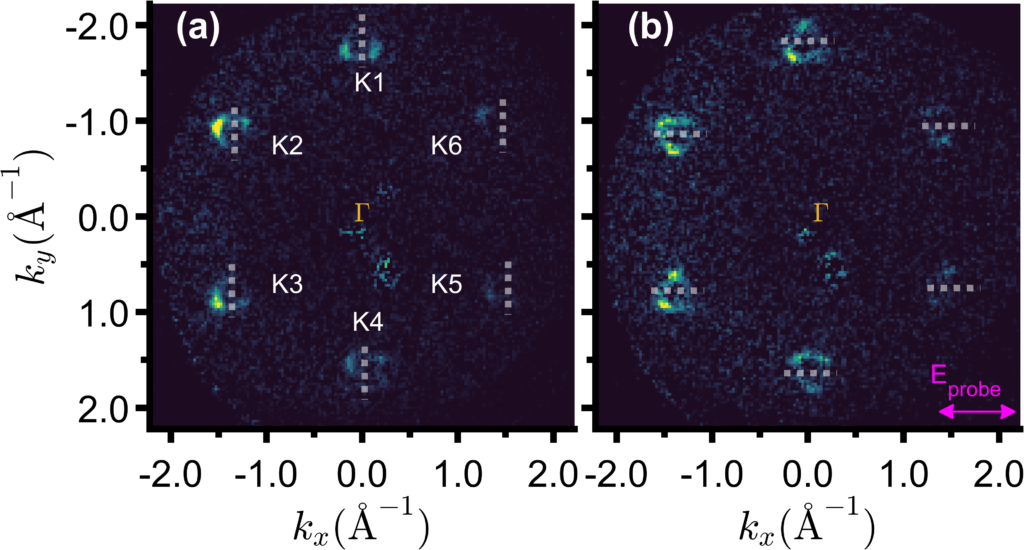
Professor Tom Allison leads an active research group at Stony Brook University focusing on ultrafast laser spectroscopy and nonlinear optics. His laboratory specializes in time- and angle-resolved photoemission spectroscopy (tr-ARPES) and frequency comb laser development for studying ultrafast dynamics in novel materials. His research interests center on understanding electron dynamics in two-dimensional materials, particularly graphene and transition metal dichalcogenides. Using sophisticated tr-ARPES instrumentation, his group investigates pseudospin dynamics, valley polarization, and exciton coupling with unprecedented momentum and energy resolution. The research bridges condensed matter physics, quantum materials, and ultrafast optical science. Professor Allison's recent publications demonstrate a strong focus on 2D materials physics, with particular attention to momentum-resolved phenomena in graphene and TMD heterostructures. His group combines cutting-edge experimental techniques with theoretical modeling to unravel complex ultrafast processes at the quantum level. Scientific Recognition: DOE Office of Science Highlight for work on valley polarization dynamics in monolayer WS2 NSF Major Research Instrumentation grant for developing high-power frequency combs Marie Skłodowskiej-Curie fellowship awarded to group member Grzegorz Professor Allison has successfully mentored multiple graduate students to completion of their degrees, including PhD candidates Jin Bakalis and Myles Silfies, and MS student Michael Wahl. His former postdoc Alice Kunin has secured an assistant professor position at Princeton University. Current research is supported by NSF funding for developing advanced frequency comb technology spanning from THz to soft x-ray regions.
Stefano Grivet Talocia is a Full Professor in the Department of Electronics and Telecommunications at Polytechnic University of Turin. He serves as Director of the Doctoral School, is a member of the Interdepartmental Center SmartData@PoliTO - Big Data and Data Science Laboratory, and holds positions on the University Committee for Research and the Commission for the Promotion of Library, Archive and Museum Heritage. He is also President of the Doctoral School Council. His educational background includes a Laurea degree (summa cum laude) in Electronic Engineering (1994) and a Ph.D. in Electronic and Communication Engineering (1998), both from Polytechnic University of Torino. From 1994 to 1996, he worked at NASA/Goddard Space Flight Center in Greenbelt, MD, USA. Professor Grivet Talocia's research focuses on passive macro-modeling of concentrated and distributed interconnect structures for Signal/Power Integrity, order reduction techniques, and modeling and simulation of fields, circuits, and their interactions. His work spans several key areas including fast simulation of transmission lines (TOPLine technique), macromodeling and model order reduction, simulation methods for fields and circuits, passivity enforcement of lumped macromodels, waveform relaxation techniques, and wavelet applications. His research has significant applications in electromagnetic compatibility and signal integrity verification of complex electronic systems. His recent publications demonstrate strong trends in model order reduction techniques applied to power integrity verification, advanced macromodeling for electromagnetic compatibility, nonlinear circuit analysis, uncertainty quantification in PCB design, and power electronics modeling. These works consistently address practical engineering challenges in high-speed electronic design with emphasis on computational efficiency and accuracy. URSI Young Scientist Award (1999) Best symposium paper (2006) Three IBM Shared University Research Awards (2007-2009) IEEE Transactions on Advanced Packaging Best Paper Award (2007) Best EPEP conference paper awards (2007, 2008) Best Associate Editor Award - IEEE Transactions (2020) Best Conference Paper Award (2020) Three Intel SRS Grants (2022-2024) IEEE Fellow (2018) Professor Grivet Talocia actively supervises PhD students working on cutting-edge topics including machine learning applications in signal integrity, model reduction techniques, and electromagnetic compatibility. He has secured significant research funding through competitive grants including PRIN projects and multiple industry-sponsored research contracts with major technology companies such as IBM, Intel, Nokia, Hitachi, and Infineon. His technology transfer activities include co-founding the spin-off IdemWorks (acquired by CST in 2016) and maintaining active collaborations with industry partners. He leads the EMC Group (Electromagnetic Compatibility) within the Department of Electronics and Telecommunications and has developed the autoCircuits web service for automated generation of circuit theory problems. His research has been recognized by inclusion in the top 2% worldwide researcher catalog (Stanford) since 2019.
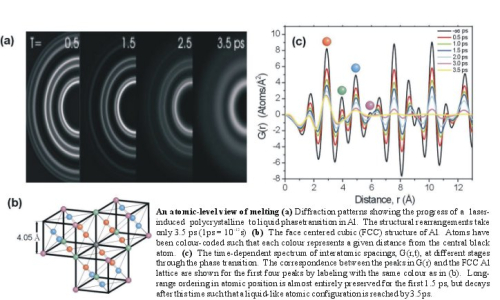
Bradley J. Siwick is an Associate Professor in the Department of Chemistry at McGill University, holding the Canada Research Chair in Ultrafast Science (Tier II). He specializes in developing ultrafast electron-based techniques to study atomic and molecular dynamics in materials and chemical systems. His work bridges chemical physics, materials science, and condensed matter physics, focusing on structural dynamics, phase transitions, and nonequilibrium states. Education: B.A.Sc. (Engineering Physics, University of Toronto, 1997), M.Sc. (Physics, 1998), Ph.D. (Physics, 2004). Postdoctoral training at FOM-AMOLF Amsterdam (2004–2006). Awards: NSERC Doctoral Prize (2005). Research interests include ultrafast electron diffraction/scattering, electron-phonon coupling, and imaging transient structural changes. Techniques developed in his lab combine electron microscopy with ultrafast laser spectroscopy to observe atomic motions on femtosecond timescales. Key areas of study are phase transitions in materials (e.g., VO₂, cuprates), nanocomposites, and extreme states of matter using facilities like the Advanced Laser Light Source (ALLS). Recent articles highlight advances in momentum-resolved phonon dynamics, polaron formation, and ultrafast imaging of 2D materials. His lab, based in Otto Maass and Rutherford buildings, collaborates on frontier projects in nonequilibrium materials science. Advising: Leads the Siwick Research Group, focusing on graduate students in chemical physics and materials science. Grants: Supported by NSERC and Canada Research Chairs funding. Labs and facilities: Otto Maass 25 laboratory and ALLS (Varennes, Quebec) for high-power laser experiments.
Natalie Banerji is a Full Professor in the Department of Chemistry and Biochemistry at the University of Bern, Switzerland. She previously held positions as Associate Professor (2015–2017) and Assistant Professor (2014–2015) at the University of Fribourg, and was an Ambizione Fellow at EPF Lausanne (2011–2014). Her research focuses on organic electronics, photovoltaic materials, and charge transport dynamics in conjugated polymers and perovskites. She has pioneered studies on electrochemical doping mechanisms, materials engineering for organic electrochemical transistors, and the interplay between material structure and optoelectronic properties. Education: PhD in Physical Chemistry (2009, University of Geneva), Diploma in Chemistry (2003, University of Geneva). Her work integrates advanced spectroscopic techniques like terahertz conductivity, transient absorption, and sum frequency generation to explore ultrafast charge dynamics. Key areas include optimizing polymer side-chain engineering for enhanced device stability and performance, and understanding charge separation in organic solar cells. Her recent articles emphasize advances in flexible electronics, biocompatible materials for bioelectronic devices, and perovskite-based optoelectronics. She has been funded by SNSF grants and collaborations with institutions like UCSB and EPFL.
Terese Løvås serves as Vice Dean of Research and Innovation at the Faculty of Engineering, Norwegian University of Science and Technology (NTNU), where she leads strategic development of research and innovation activities. She concurrently holds the position of Professor of Combustion and Thermodynamics within the Department of Energy and Process Engineering. Her leadership responsibilities include oversight of Centers of Excellence, Horizon Europe projects, and PhD researcher training. Her research focuses on combustion engineering and alternative fuel technologies , particularly investigating ammonia and hydrogen combustion for zero-emission engines, biomass gasification processes, and reactive multiphase flow modeling. She heads the Engine Lab at NTNU and teaches Thermodynamics, Heat, and Combustion courses. Her work bridges theoretical modeling with experimental validation in sustainable energy systems. Løvås actively contributes to major research initiatives including LowEmission (SFI center), ACTIVATE (ammonia-powered agricultural vehicles), AMAZE (ammonia zero-emission), and CAHEMA (marine ammonia/hydrogen engines). Her publications reveal strong trends in ammonia combustion chemistry , emissions reduction , and advanced computational modeling for sustainable fuel systems, with increasing focus on nitrogen oxide formation mechanisms and dual-fuel strategies. Member of the Board of Directors, Combustion Institute (2022–present) Joint Editor, Proceedings of the Combustion Institute (2019–present) Alumni Fellow in Engineering, Churchill College, Cambridge University As Vice Dean, she manages NTNU's Research and Innovation Committee and represents the faculty in NTNU's Research and Innovation Committee. She supervises multiple PhD candidates and leads international collaborations through projects funded by the Norwegian Research Council, Nordic Energy Research, and EU programs. Her laboratory work focuses on optical engine diagnostics and advanced combustion testing. Løvås maintains active industry engagement through her leadership in the ComKin Research Group and membership in the Institute of Physics and Scandinavian-Nordic Section of the Combustion Institute. Her current work emphasizes practical implementation of ammonia-fueled engine technologies for marine and agricultural applications.
Dr. Edouard Boujo is a Scientist and Lecturer at the Swiss Federal Institute of Technology Lausanne (EPFL) , affiliated with the School of Engineering (STI) and working in the Institute of Mechanical Engineering (IGM) and Laboratory of Fluid Mechanics and Instabilities (LFMI) . He also teaches in the SGM-ENS department of the School of Engineering. Scientist at EPFL STI IGM LFMI Lecturer at EPFL STI-SGM SGM-ENS His research focuses on Fluid Dynamics with expertise in Flow Stability , Flow Control , Aeroacoustics , Thermoacoustics , Fluid-Structure Interaction , and Coating Flow Dynamics . He employs advanced mathematical modeling and computational methods to study complex fluid behaviors. Recent publications highlight his work on stochastic modeling of fluid instabilities, adjoint-based optimization of flow systems, and nonlinear dynamics of coating flows. His 15 most recent papers cover topics ranging from symmetry-breaking bifurcations to spin coating optimization and noise-induced transitions in fluid systems. Dr. Boujo actively collaborates with institutions across Europe and New Zealand, mentoring PhD student Atharva Lagwankar . He has received research funding from the Swiss National Science Foundation for two PhD theses and contributes to major fluid dynamics conferences like the European Fluid Dynamics Conference and APS Division of Fluid Dynamics meetings. His laboratory work at LFMI involves experimental and computational studies of fluid instabilities, with applications in aerospace, mechanical engineering, and industrial coating processes. He develops adjoint-based control methods for optimizing flow systems and reducing drag in various fluid configurations.
Aswin Sankaranarayanan is a Professor in the Department of Electrical and Computer Engineering at Carnegie Mellon University (CMU) , where he leads the Image Science Lab . His research focuses on computational photography , 3D shape estimation , and novel imaging system design . He earned his Ph.D. in Electrical and Computer Engineering (2009) from the University of Maryland and completed a postdoctoral fellowship at Rice University (2012) . Research Themes: Developing imaging systems that exploit low-dimensional signal models to overcome traditional sensing limitations Co-design of optics and processing algorithms for efficient sensing Application of non-linear signal models to high-dimensional data Advancing compressed sensing and big data processing techniques Scientific Recognition: SIGGRAPH 2023 Best Paper Award (Split-Lohmann Multifocal Displays) CVPR 2019 Best Paper Award (Fermat Paths for NLOS Reconstruction) NSF CAREER Award (2017) Dean’s Early Career Fellowship (2018-2021) Herschel Rich Invention Award (2016) Technical Contributions: His recent publications reveal expertise in non-line-of-sight shape reconstruction , VR/AR display systems , and biomedical imaging . Collaborations span institutions like University College London and University of Toronto.
Dr. Peter Fokker is a Researcher at Utrecht University's Faculty of Geosciences, specifically within the Department of Earth Sciences and the Experimental Rock Deformation/HPT group. He is affiliated with the Research Programme in Earth Sciences Utrecht (DES/IVAU) and has been actively publishing in geomechanics, subsidence modeling, and induced seismicity for over three decades. His work primarily focuses on the application of geomechanical principles to understand and model subsurface processes related to resource extraction and geothermal energy. Dr. Fokker's research interests span several interconnected domains in geomechanics and subsurface engineering. His primary focus is on experimental rock deformation , studying how rocks behave under various stress conditions. He has made significant contributions to subsidence modeling , particularly in the context of gas field depletion in the Netherlands. His work on induced seismicity has helped understand the relationship between subsurface operations and seismic events. Additional interests include geothermal energy systems , reservoir engineering , and the application of data assimilation techniques to improve subsurface characterization. His research often bridges theoretical models with practical applications in energy resource management. An analysis of Dr. Fokker's recent publications (2020-2025) reveals a strong focus on practical applications of geomechanics to real-world challenges. His work increasingly integrates InSAR technology and data assimilation methods to monitor and model subsidence processes. There's a clear emphasis on geothermal energy applications , reflecting growing interest in sustainable energy solutions. His research also demonstrates a sophisticated approach to modeling complex reservoir behaviors across multiple scales, from laboratory experiments to field-scale operations. The interdisciplinary nature of his work is evident in collaborations spanning geology, engineering, and environmental science. Dr. Fokker has supervised multiple research projects and students throughout his career, as indicated by the "Supervised Work (4)" reference in his profile. His research has been supported by various grants focused on subsidence modeling, geomechanics of energy resources, and induced seismicity. He has been involved in significant collaborative efforts, including the Dutch National Scientific Research Program on Land Subsidence. Dr. Fokker is part of the Experimental Rock Deformation/HPT group at Utrecht University, which conducts laboratory experiments and develops theoretical models to understand rock behavior under various conditions. His work contributes to the broader research ecosystem focused on sustainable resource management and understanding subsurface processes, with particular relevance to the Dutch context of gas extraction and land subsidence.
Mary Lou Zeeman is the R. Wells Johnson Professor of Mathematics at Bowdoin College, specializing in geometric dynamical systems, mathematical biology, and climate modeling. Her work bridges theoretical mathematics with real-world applications in ecology, sustainability, and neuroendocrinology. Education: PhD in Mathematics from the University of California, Berkeley; MA and BA in Mathematics from the University of Oxford. Research focuses on population dynamics, resilience in ecosystems, and interdisciplinary approaches to sustainability. She co-leads initiatives like the Mathematics and Climate Research Network (MCRN) and contributed to the Mathematics of Planet Earth (MPE) 2013 initiative. Her teaching includes Biomathematics (MATH 1758/BIOL 1175) and Multivariate Calculus (MATH 1800). Key contributions include modeling hormone oscillations in the menstrual cycle, climate change impacts, and fisheries management policies. Her work emphasizes decision-support frameworks for environmental challenges. Grants and collaborations span NSF-funded projects on computational sustainability and climate change research, reflecting her commitment to applied interdisciplinary science.
Dr. Shahab Mehraeen is a Professor and holder of the Newton B Thomas Professorship in the Division of Electrical and Computer Engineering at Louisiana State University's College of Engineering. He directs the Renewable Energy and Smart Grid Laboratory, focusing on power systems stability, renewable energies integration, smart grid technologies, energy conversion, and nonlinear/adaptive/decentralized control systems. His research explores innovative solutions for modern power grids, including hybrid AC-DC systems, microgrid stability, and advanced protection mechanisms. He has developed experimental testbeds like the IEEE 14-bus power system and DC microgrid setups for validating control algorithms. Dr. Mehraeen's publications demonstrate consistent focus on renewable integration, grid protection, and smart grid innovations with recent emphasis on DC circuit breakers and co-simulation techniques. His work integrates theoretical development with practical implementation. Research Areas Power systems stability and control Renewable energy grid integration Smart grid technologies Microgrid design and optimization Advanced circuit protection systems Awards and Recognition National Science Foundation CAREER Award recipient Holder of a US patent for infrastructure inspection and rehabilitation Research Team Leads a team of 11 graduate students working on projects related to power systems, renewable energy integration, and smart grid technologies.