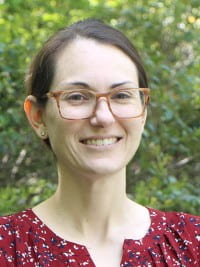
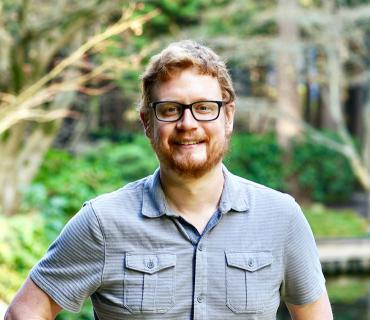
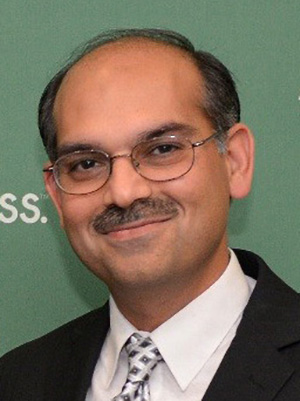
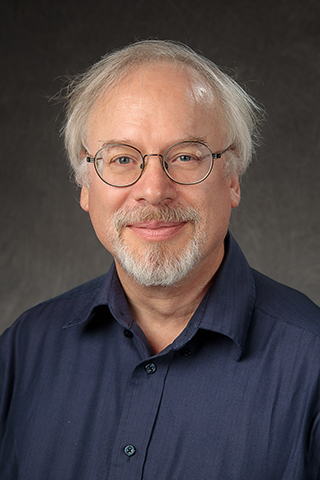
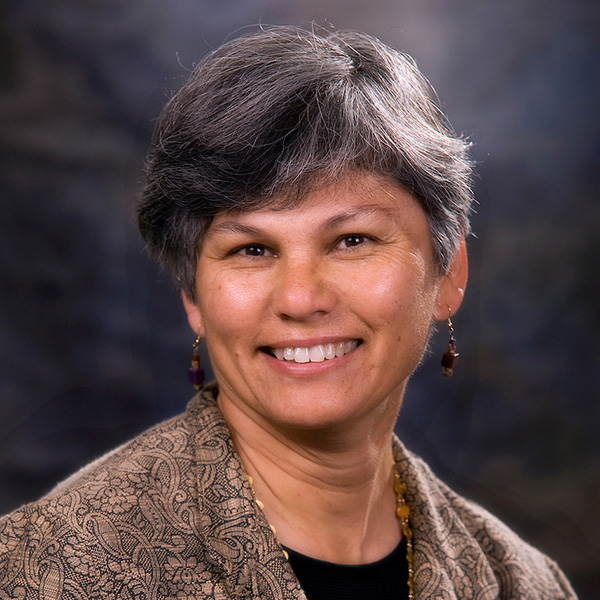
Carolyn Elya is an Assistant Professor at the Department of Molecular and Cellular Biology , Harvard University , focusing on parasitic behavioral manipulation and host-pathogen interactions. Her lab investigates the Entomophthora muscae -fruit fly system to uncover molecular and neural mechanisms behind 'zombie' behavior in insects. Developing transgenic techniques for fungal pathogen research Integrating molecular biology, genetics, and neuroscience Research Focus: The lab addresses four key questions: (1) Identifying effector molecules used by E. muscae ; (2) Determining fungal cell contributions to host manipulation; (3) Decoding circadian death timing; (4) Analyzing pathogen impacts on host circadian rhythms. Publication Trends: Recent work spans parasitology , neuroscience , and genetics , with studies on fungal genomics, neural circuits, and viral interactions. Articles frequently explore molecular mechanisms of pathogenesis and evolutionary implications of host manipulation. Awards & Collaborations: No explicit awards listed. Collaborates with institutions like University of Copenhagen and University of Bologna on fungal behavior and neuroimmunology projects. Labs & Teams: Leads the Elya Lab at Harvard's Biological Labs, developing experimental tools for parasitic systems. Partners with researchers in behavioral genetics and fungal ecology.
Georg Jander is the George L. McNew Distinguished Scientist at the Boyce Thompson Institute (BTI) and serves as an Adjunct Professor in the Section of Plant Biology within Cornell University's School of Integrative Plant Science. His research spans multiple graduate fields including Plant Biology, Entomology, and Plant Breeding. Dr. Jander's research focuses on the genetic and biochemical mechanisms mediating plant interactions with insect herbivores. His laboratory investigates natural variation in insect resistance, novel defense-related plant metabolites, and the genes and enzymes involved in their biosynthesis. Current research projects include maize-insect interactions (particularly with corn leaf aphids), Arabidopsis-aphid interactions, and the biosynthesis of cardiac glycosides in wallflowers and milkweeds. His work has significant implications for agricultural pest management and understanding plant defense evolution. Analysis of Dr. Jander's recent publications reveals a strong focus on plant chemical defenses, particularly specialized metabolites like benzoxazinoids in maize and cardiac glycosides in wallflowers and milkweeds. His research increasingly incorporates advanced genomic and metabolomic approaches, with growing emphasis on the co-evolution of plant defenses and insect counter-adaptations. Recent work shows particular interest in RNA interference techniques for pest control and the ecological functions of plant secondary metabolites. AAAS Fellow (2012) $1 million NSF EDGE award (2017) to develop genomic tools for studying milkweed DARPA Insect Allies Award for the VIPER project (Viruses and Insects as Plant Enhancement Resources) Dr. Jander has successfully secured substantial research funding including NSF and DARPA grants. His laboratory actively mentors undergraduate and graduate students through BTI's Plant Genome Research Program and other internship opportunities. The Jander lab maintains strong collaborative relationships with researchers worldwide, including Tobias Züst at the University of Bern for cardiac glycoside research. His work bridges fundamental plant science with practical agricultural applications, particularly in developing novel pest resistance strategies. The Jander lab operates within the Boyce Thompson Institute, a premier plant science research center affiliated with Cornell University. His team includes postdoctoral researchers, graduate students, and technicians working across multiple projects focused on plant-insect interactions. The laboratory utilizes advanced techniques including genetic mapping, mass spectrometry-based metabolite profiling, virus-induced gene silencing, and in vitro enzyme assays to investigate plant defense mechanisms.
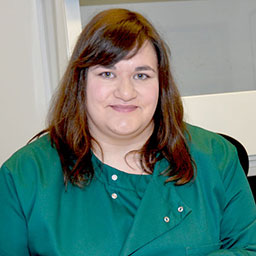
Dr. Sarah Irons is a Research Fellow in Cell Biology and Virology at the School of Biological and Medical Sciences, Oxford Brookes University . Her research focuses on virus-host interactions, particularly baculovirus transport mechanisms in insect cells and radiation-induced non-targeted effects in cellular systems. She employs advanced imaging techniques including fluorescent protein tagging and electron microscopy.
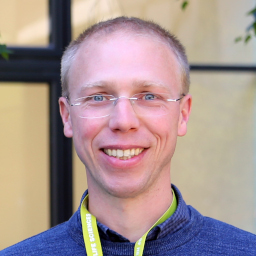
Sebastian Kittelmann is a Research Fellow at the School of Biological and Medical Sciences, Oxford Brookes University. His work focuses on transcriptional regulation, developmental biology, and evolutionary genetics using Drosophila and Tribolium as model systems. Methodologies include next-generation sequencing, molecular biology, and genetic analysis. Research Interests Transcription factor dynamics in tissue-specific gene regulation Evolution of gene regulatory networks Developmental constraints in morphological evolution MicroRNA-mediated developmental modulation Comparative genomics of insect model organisms Projects Evolving New Neural Circuits: Insect Lineages As Evolvable Modules (2022-2026, Leverhulme Trust) TFTag: A novel library of tagged transcription factors in Drosophila (2022-2027, BBSRC, £1,144,262 funding) Teaching Modules: Medical Genetics and Genomics (MSc, PGDip, PGCert), Interrogating Genomes (BIOL5002), Molecular Biology (BIOL5014), Data Carpentry (BIOL5017), Project (BIOS6010), The Practising Scientist (BIOL4004), Genome Science (BIOS7002)
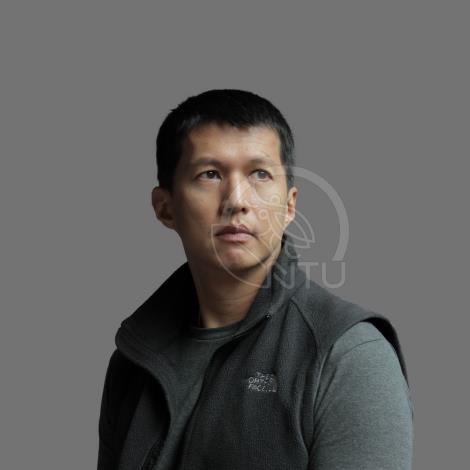
Professor Yueh-Lung Wu is a leading academic at the Department of Entomology, National Taiwan University. His research focuses on Insect Pathology, Insect Biotechnology, and RNA Interference (RNAi). He heads the Insect Pathology Laboratory, where his team investigates innovative pest control methods and bee health protection strategies. Ph.D. in Biotechnology, National Cheng Kung University (2008) M.S. in Life Science, National Central University (2001) B.S. in Forestry and Nature Conservation, Chinese Culture University (1999) His work explores miRNA applications in pest control, demonstrating how miRNAs can regulate viral infection cycles and enhance pest susceptibility to RNAi-based interventions. Additionally, his lab investigates histone deacetylase inhibitors (HDACi) to protect honeybees from pathogen-induced immune and neurological damage, showing that HDACi treatment increases gene expression related to immunity and memory, potentially benefiting the beekeeping industry. Recent publications highlight his expertise in RNAi efficiency for pest management, baculovirus engineering, and honeybee health. Collaborative studies with institutions like the University of Georgia and Academia Sinica underscore his interdisciplinary approach. Grants such as NSTC 111-2313-b-002-038-my3 and NSTC 110-2313-b-002-005 support his research. Professor Wu's lab, the Insect Pathology Laboratory, specializes in molecular mechanisms of host-parasite interactions, viral gene function, and epigenetic regulation in insect systems. His contributions extend to editorial roles in journals like Communications Biology and Scientific Reports .
Ben Matthews is an Assistant Professor in the Department of Zoology at the University of British Columbia's Faculty of Science, specializing in comparative physiology and mosquito behavior. His research explores how mosquito genomes encode adaptive behaviors like blood-feeding and egg-laying site selection. Aedes aegypti vector biology CRISPR genome editing techniques Mosquito neurobiology and sensory systems Arboviral disease transmission dynamics The lab employs multidisciplinary approaches spanning genomics, neurobiology, and behavioral analysis. Recent publications focus on mosquito chemosensation, thermal sensing, and CRISPR methodology. Scientific honors include: 2021 Scholar Award (Michael Smith Foundation for Health Research) 2021 Sloan Research Fellow Current lab members include 12 graduate researchers conducting studies on mosquito sensory systems and vector behavior.
Pawel Herzyk is an Honorary Senior Lecturer at the School of Molecular Biosciences , University of Glasgow. His work spans bioinformatics, structural biology, and stress response mechanisms in plants and biomedical systems. Education/Background : Not explicitly detailed in the provided text. Research Interests : Focused on -omics data analysis, structural bioinformatics, and molecular modeling of transmembrane proteins. Key themes include plant stress adaptation, epigenetic regulation, and gene expression dynamics in both model organisms and disease contexts. Article Trends : His publications highlight interdisciplinary approaches, merging computational biology with experimental validation in plant and human systems. Topics range from chromatin-level transcriptional control in Arabidopsis to metabolic adaptations in leukemia and neurodegenerative diseases. Labs/Teams : Collaborates with multidisciplinary groups in Glasgow Polyomics , Plant Molecular Biology , and Biomaterials Research , often linking bioinformatics with experimental models.
Georg Jander is an Adjunct Professor in the Section of Plant Biology at Cornell University's School of Integrative Plant Science , while serving as a lead scientist at the Boyce Thompson Institute (BTI). His research focuses on plant-insect interactions , chemical defense mechanisms , and genetic basis of herbivore resistance in economically important species like maize, Arabidopsis, and milkweeds. Affiliation: Cornell University, Boyce Thompson Institute (BTI) Key Research Areas: Plant defense metabolites, RNA interference for pest control, cardiac glycoside biosynthesis Research Highlights: The Jander lab combines genetic mapping , mass spectrometry , and enzyme assays to discover novel plant defense compounds and their biosynthetic pathways. They investigate how insects suppress plant defenses and develop CRISPR-based agricultural innovations for pest control, including the DARPA-funded VIPER project using insects as plant enhancement vectors. Scientific Impact: Recognized as an AAAS Fellow (2012), his work appears in top journals like Current Biology and Plant Cell. His team has received multiple grants including an NSF EDGE award for milkweed genomic tools and a $25M NSF CROPPS center for programmable plant systems. Lab Members: Kevin Ahern, Azam Noori, Alison Norton, and numerous interns Grants: NSF EDGE, DARPA Insect Allies, Schmittau-Novak Grants Program Infrastructure: Equipped with advanced high-resolution mass spectrometers , his lab investigates plant metabolomics and insect counter-adaptations. Their research on cardiac glycoside pathways in wallflowers and milkweeds has potential applications in both agriculture and pharmaceutical development.
Jyoti Shah serves as Distinguished Research Professor and Chair of the Department of Biological Science at the University of North Texas, where he leads research in plant defense mechanisms since joining in 2007 after rising to Associate Professor at Kansas State University. His educational background includes: B.Sc. in Microbiology and Biochemistry (1983) from University of Bombay M.Sc. in Microbiology (1985) from University of Bombay Ph.D. in Biology (1991) from University of Notre Dame under Mary J. Clancy Shah's research program centers on plant-pathogen and plant-insect interactions, with particular focus on lipid signaling in stress responses. His lab pioneered model systems for studying aphid resistance and discovered novel roles for diterpenoids like dehydroabietinal in plant immunity and reproductive development. Current applications target engineering Fusarium head blight resistance in wheat through oxylipin pathway manipulation. His 15 most recent publications (2018-2022) reveal consistent emphasis on lipid-mediated defense signaling across multiple stress contexts, with recurring themes in aphid resistance mechanisms, diterpenoid signaling, and translational crop protection strategies. The work predominantly utilizes Arabidopsis thaliana models while increasingly incorporating wheat pathology applications. Shah's honors include UNT's University Distinguished Research Professor title, reflecting his 100+ publications with 8000+ citations. He mentors graduate students through UNT's Biochemistry & Molecular Biology program and currently leads three major USDA-funded projects: Developing New Technologies for Fusarium Head Blight resistance ($221,256; 2021-2024) Facilitation of Fusarium graminearum invasiveness by plant 9-lipoxygenase ($493,867; 2020-2023) Generating pathogen-resistant non-GMO cotton ($296,000; 2021-2024) His laboratory specializes in lipidomic analysis of plant stress responses and has developed key tools for studying phloem-feeding insect interactions, maintaining active collaborations with USDA-ARS and cotton research programs.
Dr. Timothy Durrett is an Assistant Professor in the Department of Biochemistry & Molecular Biophysics at Kansas State University. His research focuses on the biochemistry of triacylglycerol biosynthesis, structure and function of membrane-bound acyltransferases, and genetic modification of seed oils for industrial and biofuel applications. Education A.B. 1999, Harvard University Ph.D. 2006, University of Missouri–Columbia Dr. Durrett's laboratory investigates the synthesis of triacylglycerols in seeds, particularly characterizing the enzyme EaDAcT (Euonymus alatus diacylglycerol acetyltransferase) to understand its substrate specificity and potential for industrial applications. His work bridges plant biochemistry with lipid metabolism and cancer-related signaling pathways through studies of membrane-bound O-acyltransferases (MBOATs). Recent publications highlight his contributions to metabolic engineering of seed oils, acyltransferase activity characterization, and plant-based production of industrial materials. Dr. Durrett employs biochemical, genomic, and transgenic approaches to explore lipid biosynthesis and its applications in biofuels and biotechnology. Contact Office: 174 Chalmers Hall Phone: 785-532-3139 Email: tdurrett@ksu.edu
Dr. Robert Grebenok is a Professor at Canisius University's College of Arts and Sciences, serving as Director of Medical Lab Science, Biology, Environmental Science, and Clinical Laboratory Science programs. His teaching philosophy emphasizes connecting molecular details to broader biological systems, focusing on the 'big picture' in biochemistry and physiology. Education: Ph.D. in Biochemistry (1993) and B.S. in Biology (1988) from Michigan Technological University His research centers on plant-steroid biochemistry and insect-plant interactions, particularly ecdysteroid biosynthesis and sterol regulation of photosynthesis. His work with transgenic tobacco and Arabidopsis has advanced understanding of crop defense mechanisms against herbivorous insects and photosynthetic efficiency. Over 25 years, his collaborations generated over $1.5M in grants and patents. Key publications highlight cross-institutional work with Texas A&M, Cornell, and University of Maryland, focusing on bee nutrition, herbivore dynamics, and transgenic plant applications. Scientific Awards: Elected to Alpha Sigma Nu Jesuit Honor Society Canisius University Freshmen Advisor of the Year (2010) Summer Research Fellowship at Michigan State University Advised 15 Howard Hughes Medical Institute-funded students Mentored recipient of American Society of Plant Physiologist Summer Undergraduate Fellowship Dr. Grebenok's laboratory supports undergraduate research teams and maintains long-term partnerships with institutions like Texas A&M and Cornell University, continuing to explore steroid biochemistry's role in plant-insect interactions and agricultural sustainability.
Christopher Schardl is a Professor in the Department of Plant Pathology at the University of Kentucky's Martin-Gatton College of Agriculture, Food and Environment. His research focuses on heritable mutualistic symbioses between plants and seed-borne fungal symbionts (endophytes), with particular emphasis on how these fungi protect plants from insects, drought, and other stresses through the production of protective alkaloids. Ph.D. in Biochemistry, University of California-Davis, 1983 B.S. in Biochemistry, Cornell University, 1978 Professor Schardl's research centers on plant-fungal symbiosis, particularly focusing on endophytes that live within grasses. His work has discovered genes for synthesis of protective alkaloids including ergot alkaloids used in numerous pharmaceuticals, and the broadly anti-insect loline and pyrrolizidine alkaloids. To understand the evolution of the endophytes and their alkaloid genes, his lab has identified and described dozens of endophyte species and sequenced dozens of genomes and transcriptomes. They are also using this information to understand the basis for host-endophyte compatibility and vertical (seed) transmissibility that are crucial for maintaining mutualistically beneficial symbioses. Schardl's recent publications demonstrate a continued focus on plant-fungal symbiosis, particularly examining the genetic and molecular mechanisms underlying endophyte-mediated plant protection. His work spans multiple disciplines including molecular biology, genomics, bioinformatics, and natural product chemistry. Recent research has explored transcriptomic responses to stress, CRISPR-based gene editing in endophytes, phylogenomic analysis methods, and the genetic diversity of Epichloë endophytes across different host grasses. Fellow, American Phytopathological Society Fellow, Mycological Society of America University of Kentucky President's Award for Diversity Honorable Order of Kentucky Colonels Harry E. Wheeler Chair in Plant Mycology Gamma Sigma Delta George Mitchell, Jr. Award for Outstanding Service to Graduate Students Thomas Poe Cooper Award for Research in Agriculture Professor Schardl has received continuous funding for his research on plant-fungal symbiosis from major agencies including NIH, NSF, and USDA. Current projects include 'Dimensions US-China: Collaborative Research: Impacts of heritable plant-fungus symbiosis on phylogenetic, genetic and functional diversity' (NSF DEB-2030225) and 'Improving Sustainability of Forage-based Production Systems' (USDA-ARS 2018-09140939). His lab has mentored numerous graduate students over his career, as evidenced by his receipt of the George Mitchell, Jr. Award for Outstanding Service to Graduate Students. The Schardl Lab at the University of Kentucky includes researchers like Patrick Calie (Professor), Simona Florea (Agriculture Research Specialist), and Padmaja Nagabhyru (Agriculture Research Specialist). The lab is part of the Department of Plant Pathology and collaborates with researchers across multiple institutions and disciplines on understanding the complex interactions between plants and their fungal endophytes.
Astri Wayadande is an Associate Professor and Assistant Director in the Department of Entomology & Plant Pathology at Oklahoma State University. Her research focuses on vector biology, particularly the transmission mechanisms of plant and human pathogens by insects. She employs electropenetrography (EPG) to study feeding behaviors of vectors such as leafhoppers, aphids, mosquitoes (Aedes aegypti), and sandflies (Phlebotomus papatasi). Education: B.S., Entomology, University of California, Davis M.S., Entomology, University of Missouri Ph.D., Entomology, Ohio State University Postdoctoral Research, Plant Pathology, Oklahoma State University Research Interests: Pathogen-vector interactions at organismal and cellular levels Development of rapid diagnostic tools for biosecurity Genetic basis of vector competence in leafhoppers Impact of transgenic insects on pathogen transmission Funding: National Science Foundation (GoLife) project on leafhopper genomics
Dr. Joe Roberts is a Reader in Integrated Pest Management at Harper Adams University, UK. His research focuses on chemical ecology, plant-insect interactions, and sustainable agricultural practices. He holds a PhD from Harper Adams University and is a Fellow of both the Royal Entomological Society (FRES) and the Higher Education Academy (FHEA). His work aligns with the United Nations' Sustainable Development Goal 2, aiming to reduce reliance on synthetic pesticides through innovative pest management tools. Education: BSc (Hons), PgC, MSc, PhD in entomology and related fields. Professional affiliations include membership in the Royal Entomological Society, Association of Applied Biologists, and Advance HE. He chairs the Royal Entomological Society's Education and Training Committee and serves on the Integrated Pest Management specialist interest group. Research interests include developing AI-driven crop pest monitoring, studying insect behavior, and promoting agroecology. Key achievements include advancing metrics to quantify insecticide compatibility with sustainable agriculture. His research publications explore topics like pest life cycles, aphid resistance, and vine weevil control strategies. Scientific Awards: FRES, FHEA Labs/Teams: Entomology Group, Agroecology for Sustainable Food Systems Grants: Funded projects on chemical ecology and pest management Contact: Office located in the Jean Jackson Entomology Building. Active on Twitter (@Dr_Joe_Roberts) and professional networks like ORCID.
Matthew Hudson is a Professor in Crop Sciences at the University of Illinois, with additional appointments at the National Center for Supercomputing Applications (NCSA) and as a Professor in Bioengineering. He is also an Affiliate at the Carl R. Woese Institute for Genomic Biology. His interdisciplinary work bridges plant genomics, computational biology, and agricultural science, leveraging high-performance computing to address critical challenges in crop improvement. Dr. Hudson's research focuses on plant genomics, particularly in soybean and other crops, with emphasis on understanding genetic resistance to pests like the soybean cyst nematode. His work spans multiple areas including genomics , plant-pathogen interactions , genome editing , and lipid metabolism in plants . He has made significant contributions to understanding the genetic basis of soybean cyst nematode resistance through studies of the Rhg1 locus and other quantitative trait loci. Analysis of Dr. Hudson's recent publications reveals a strong focus on applying advanced genomic technologies to crop improvement. His work increasingly integrates high-throughput genome engineering , automated phenotyping systems , and pangenome analyses to develop climate-resilient crops. A notable trend is the development of computational tools and databases like "FatPlants" that integrate genomic and metabolic pathway information to accelerate crop breeding. NACTA Educator Award (2010) While specific details about Dr. Hudson's advising and grant portfolio aren't explicitly mentioned in the available information, his extensive publication record (over 100 research outputs including articles, patents, and book chapters) suggests active mentorship of students and postdocs. His research likely involves significant grant funding given the computational and experimental scale of his projects, particularly those involving the National Center for Supercomputing Applications. Dr. Hudson's work appears to be highly collaborative, engaging with researchers across plant biology, computational science, and agricultural engineering. His affiliation with the National Center for Supercomputing Applications suggests involvement in developing and applying advanced computational approaches to genomic data analysis, potentially including machine learning and big data analytics for crop improvement.