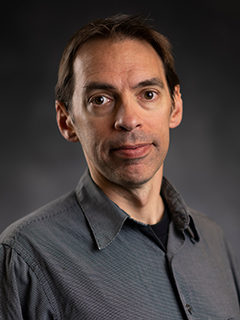
John Fosu-Nyarko is a Lecturer at Murdoch University's College of Environmental and Life Sciences, affiliated with the School of Agricultural Sciences and Centre for Crop and Food Innovation. As an agricultural biotechnologist, he researches plant-nematode interactions and develops genetic solutions for crop protection. Education includes: Bachelor of Science with Honours from University of Ghana Doctor of Philosophy from Murdoch University Fellow of the Higher Education Academy Research focuses on molecular mechanisms of plant-nematode relationships, employing next-generation sequencing, plant transformation, and gene editing technologies to enhance crop resilience against parasitic nematodes. His work has applications in sustainable agriculture and food security.
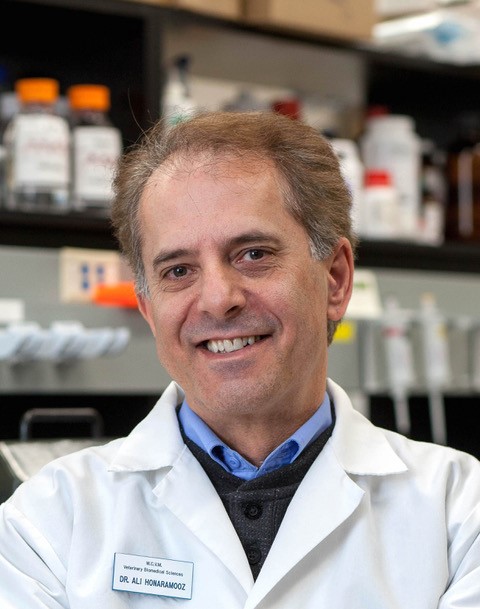
Ali Honaramooz is a Professor in the Department of Veterinary Biomedical Sciences at the University of Saskatchewan's Western College of Veterinary Medicine. His research focuses on reproductive biology and technology, particularly in spermatogenesis, male germline stem cells, and innovative models like testis tissue xenografting and testis regeneration. He holds a DVM from Shiraz University and a PhD from the University of Saskatchewan, with postdoctoral training and research associate experience. Education: DVM, Shiraz University PhD, University of Saskatchewan Postdoctoral training, University of Saskatchewan Research associate, University of Pennsylvania His research interests include developing breakthroughs such as germ cell transplantation, testis tissue xenografting for species conservation, and testis cell-aggregate implantation for studying testis formation. Notable contributions include producing the world’s first transgenic farm animals via germ cell transplantation and advancing testis organoid models for studying endocrine disruptors. Dr. Honaramooz’s work bridges basic and applied research, with applications in fertility preservation, endangered species conservation, and pediatric fertility protection. He collaborates with the One Reproductive Health team at the University of Saskatchewan and mentors students in graduate programs like VBMS 830.3 and VBMS 898.3.
Mark Belmonte is a Professor in the Department of Biological Sciences at the University of Manitoba. His laboratory investigates cellular and molecular mechanisms of plant development and pathogenesis, with emphasis on developing sustainable technologies to protect major Canadian crops including canola. Research employs cutting-edge RNA interference (RNAi) technologies and molecular profiling techniques. Current projects focus on combating fungal pathogens like Sclerotinia sclerotiorum through RNAi-based fungicides and genetic modifications. The lab utilizes laser microdissection and transcriptomics to characterize plant-pathogen interactions at cellular resolution. Field applications of RNAi technologies are being developed for practical crop protection. Dr. Belmonte teaches plant biotechnology and mentors graduate students in molecular plant pathology. His research has been recognized with the CD Nelson Award from the Canadian Society of Plant Biologists. Laboratory members include doctoral candidate Catrione Lee and master's students working on RNAi delivery optimization.
Ana Regina Campos is Professor of Interdisciplinary Science in the Department of Biology at McMaster University, Canada. Over four decades she has integrated developmental genetics, neurobiology and environmental toxicology, exploiting Drosophila melanogaster and Hydra models to uncover how genes regulate neural connectivity, behaviour, stress responses and regeneration. Education: Ph.D. Developmental Genetics, Brandeis University M.Sc. Molecular Biology, Federal University of Rio de Janeiro Research thrusts span (i) neural-specific gene expression and visual-system wiring in Drosophila , (ii) mitochondrial DNA polymerase function and organismal behaviour, (iii) menin-mediated stress signalling and genome stability, and (iv) eco-toxicological impacts of pharmaceuticals on cnidarian regeneration. Methodologically she combines classical mutagenesis, transgenic tools (UAS/GAL4, RNAi), kinematic behavioural assays and pharmacological screens. Her publication trajectory (41 works, 1975-2024) clusters in developmental biology, molecular biology methods, genetics and cellular neuroscience, with recent papers addressing environmental stressors and renal physiology. Teaching commitments are extensive: since 2018 she has instructed 20 different courses ranging from first-year inquiry to senior theses, laboratory methods, science communication, applied placements and a specialized fourth-year seminar on regeneration. No grants, doctoral students or major scientific awards are listed in the current repository extract; co-author networks at McMaster include Rodriguez-Moncalvo, O’Donnell, Bedard and Wilson.
Dr. Angela Meccariello is a Lecturer in the Department of Life Sciences at Imperial College London, affiliated with the Faculty of Natural Sciences. Her research focuses on developing genetic strategies to control agricultural pests, particularly the Mediterranean fruit fly (medfly) and olive fruit fly. She leads studies on CRISPR/Cas9-based genome editing, gene drive systems, and sex determination mechanisms to improve sterile insect techniques (SIT) for pest management. Dr. Meccariello completed her PhD under Prof. Giuseppe Saccone, identifying key genes like MoY in medfly sex determination. During her postdoc in Nikolai Windbichler’s lab, she established CRISPR systems for medfly germline editing and obtained regulatory licenses for pest research. She currently holds an Imperial College Research Fellowship (ICRF2020), supporting work on scalable genetic pest control methods. Her research spans genetics, molecular biology, and synthetic biology, with applications in agriculture and environmental science. Key areas include CRISPR applications, sex ratio distortion, and gene drive development. Her lab collaborates with institutions globally to advance sustainable pest control solutions. Notable achievements include pioneering DNA-free genome editing in medfly and discovering MoY’s role in male sex determination across fruit flies. She has published extensively on insect genetics and CRISPR tools, contributing to both academic and applied pest management fields. Dr. Meccariello’s work aligns with Imperial College’s focus on translational research, bridging basic science and real-world agricultural challenges. She actively participates in initiatives to monitor invasive species and improve pest control strategies through innovative biotechnological approaches.
Eirene Markenscoff-Papadimitriou is an Assistant Professor in the Department of Molecular Biology and Genetics at Cornell University's College of Agriculture and Life Sciences (CALS). Her research focuses on gene-regulatory mechanisms in brain development, particularly how chromatin regulation and genetic variants contribute to neurodevelopmental disorders like autism. She employs transgenic mice and human induced pluripotent stem cell-derived neurons to model developmental processes. Key areas include autism-associated genes, epigenetic mechanisms, and the functional impact of genetic variants. Education: BA from Harvard University; PhD from University of California, San Francisco. Honors include the Klingenstein-Simons Fellowship Award (2024) and SFARI Bridge to Independence Fellowship (2022). Research interests emphasize chromatin accessibility, synaptic gene expression, and the interplay between gene networks and neurodevelopmental disorders. Her lab uses cutting-edge techniques like spatial transcriptomics and epigenomics to study neuronal diversity. Recent work explores how non-coding RNA variants and human accelerated regions influence brain evolution and disease. Contact: Located in 249 Biotechnology Building, Ithaca, NY. Lab: Papadimitriou Lab (ecm253@cornell.edu), actively recruiting graduate students and postdocs. Open projects involve neurodevelopmental mechanisms, epigenetic regulation, and translational therapies for psychiatric disorders.
Karl Glastad is an Assistant Professor in the Department of Biology at the University of Rochester's School of Arts & Sciences. His research focuses on understanding the molecular mechanisms governing lifespan regulation, behavioral plasticity, and social caste determination in ants. He employs model systems such as Harpegnathos saltator and Camponotus floridanus to investigate epigenetic and hormonal pathways that underpin aging, stress responses, and caste-specific traits. Glastad's work combines experimental approaches like transgenic manipulation, neuronal culture studies, and in vivo ant research with interdisciplinary methods in molecular biology and genomics. Education: PhD (specific institution not listed). Current roles include accepting PhD students and postdoctoral researchers. His lab explores conserved and novel mechanisms of aging mitigation, blood-brain barrier regulation of behavior, and the evolutionary origins of social insect traits. Collaborations include work with Janko Gospocic and others on hormonal signaling pathways and epigenetic regulators such as HSF2 and CoREST. Key projects: Lifespan extension in reproductive ants, epigenetic disruption by SARS-CoV-2, and neurohormonal control of caste behavior. Methodologies: Transgenic manipulation, transcriptomic profiling, and comparative genomics. Future directions: Exploring convergent mechanisms in eusocial systems like termites and naked mole-rats.
Dr. Kevin Dudley is a Research Officer (Genomics) at Queensland University of Technology (QUT), affiliated with the School of Biology & Environmental Science within the Faculty of Science. His research focuses on epigenetics, genomics, and bioinformatics, with particular expertise in DNA methylation mechanisms across diverse organisms including insects, plants, and microbes. He leads projects investigating the developmental origins of disease, molecular mechanisms of learned behaviors, and applications of epigenetics in bioproduction and environmental sensing. Completed PhD at the University of Keele (UK) in cancer epigenetics Joined QUT's Central Analytical Research Facility in 2013 Research interests include: Epigenetic regulation in Helicoverpa armigera (agricultural pest) Development of bioinformatics pipelines for novel species Integration of omics datasets for molecular phenotyping Advocacy for FAIR data principles and metadata standards Supervision highlights include topics such as microbial plastic degradation, genome annotation of Helicoverpa armigera, and multi-omics strategies for health and behavior studies. He collaborates with the Centre for Agriculture and the Bioeconomy and the Centre for Genomics and Personalised Health. Publications span 2008–2024, emphasizing genomic tools, epigenetic mechanisms, and applications in agriculture and biotechnology. Active on LinkedIn and ORCID.
Dr. Brett Williams is a Senior Lecturer in Plant Science and Deputy Program Leader (Genetics and Molecular Biology) at Queensland University of Technology (QUT), based in the Faculty of Science's School of Biological and Environmental Sciences. He leads research on plant stress tolerance, focusing on resurrection plants like Tripogon loliiformis and crop improvement through genetic engineering. His roles include course coordination for the Bachelor of Science Advanced and supervision of doctoral research. Dr. Williams holds a PhD from QUT and has conducted postdoctoral work at Texas A&M University. His research has uncovered key roles for BAG proteins in programmed cell death, autophagy regulation in resilient species, and drought tolerance in transgenic chickpea. He has received prestigious fellowships, including the QUT Vice Chancellor’s and Advance QLD Research Fellowships. Research interests include energy metabolism in stress tolerance, desiccation tolerance mechanisms, and application of autophagy pathways to enhance crop resilience. His work bridges fundamental biology and agricultural innovation, with projects funded by Australian Competitive Grants. Dr. Williams teaches Plant Biotechnology, Plant Physiology, and Genomics courses. He has supervised over a dozen doctoral students, focusing on topics like resurrection plant biology, pest resistance in legumes, and molecular diagnostics for plant diseases. Awards include editorial roles at Frontiers in Cell Death Model Systems and leadership roles in research programs. His lab actively collaborates on projects like developing drought-tolerant rice and mustard using genes from resurrection plants.
Yen-Wen Kuo is Assistant Professor of Plant Pathology at UC Davis, focusing on plant virology and RNA interference mechanisms. Her research investigates viral pathogenesis in agricultural systems, particularly vector-mediated transmission and host immune responses. The Kuo Lab employs molecular techniques to develop innovative disease control strategies for economically significant crops. Research emphasizes Liberibacter-psyllid interactions and RNAi-based viral resistance. Current projects examine viral RNA structures facilitating infection persistence and artificial miRNA applications in crop protection. Collaborative field studies address emerging plant diseases across California agricultural systems.
Spence Behmer is a Professor in the Department of Entomology at Texas A&M University and Founding Chair of the Ecology & Evolutionary Biology PhD program. His research focuses on insect nutritional physiology, ecology, and plant-herbivore interactions, with emphasis on species like ants, aphids, grasshoppers, and honey bees. He has secured over $15M in federal funding and published 85 peer-reviewed articles, cited over 5,400 times. Behmer co-edits the Journal of Insect Physiology and serves on editorial boards for Current Opinion in Insect Science , Insect Science , and others. He has led national and international conferences, including the Gordon Research Conference on Plant-Herbivore Interactions. Education: B.S. Biology, University of Nebraska-Lincoln M.S. Biology/Ecology, University of Nebraska-Lincoln Ph.D. Entomology, University of Arizona Research Interests: Behmer’s work integrates in vitro and field studies to explore how insects regulate nutrient intake, adapt to dietary limitations, and interact with host plants. Key themes include sterol nutrition, Bt toxin susceptibility, and the ecological consequences of herbivore nutritional strategies. His lab develops novel pest management techniques leveraging nutritional and molecular insights. Recent Article Trends: Behmer’s recent publications emphasize RNAi-mediated pest control, plant-insect sterol dynamics, and nutritional regulation in social insects. Key innovations include using cricket powder in ant diets and exploring leaf-mining fly evolution to understand herbivory adaptations. Grants & Funding: Over $15M secured through USDA and NSF programs for projects on nutritional physiology, Bt toxin efficacy, and plant defense mechanisms. Current work includes sterol-modified crops and nano-pesticide interactions. Labs/Teams: Leads Texas A&M’s Entomology Nutrition Lab, collaborating with ecologists, geneticists, and agricultural engineers to bridge lab and field studies. Initiatives include the Schistocerca gregaria genome project and Bt toxin-nutrition interaction studies.
Raja Babu Kushwah is a Postdoctoral Research Associate in the Department of Entomology at Texas A&M University, working under Dr. Zach Adelman. His research focuses on vector-borne disease control, insecticide resistance mechanisms, and genetic control tools. He holds a Ph.D. in Life Sciences from Indira Gandhi National Open University, preceded by an M.S. in Biotechnology and a B.S. in Biology. His research interests include studying mosquitoes (Aedes spp.) and the global spread of infections they transmit, with a focus on developing interventions to combat insecticide resistance. Notable projects include analyzing knockdown resistance (kdr) mutations in Indian Aedes aegypti populations and demonstrating allelic-drive technology in Drosophila to reverse resistance. Current work in Adelman's lab involves making gene drives biodegradable for safer vector control. Publications highlight his expertise in vector genomics, gene drive systems, and insecticide resistance dynamics. His work bridges molecular biology, genetic engineering, and public health, addressing critical challenges in tropical disease mitigation. Collaborations include Prof. Ethan Bier's lab at UC San Diego, where he validated gene drive applications in Drosophila. Educations: B.S. Biology, Maharishi Dayanand University M.S. Biotechnology, Barakatullah University Ph.D. Life Sciences, Indira Gandhi National Open University Research trends in his articles emphasize kdr mutation studies, gene drive efficacy, and vector competence analysis. His transdisciplinary approach integrates molecular techniques, computational modeling, and field-based epidemiology to tackle global health threats posed by insect vectors.
Jeffery Tomberlin is a Professor and Texas A&M AgriLife Research Fellow in the Department of Entomology at Texas A&M University. He directs the NSF Center for Environmental Sustainability Through Insect Farming and leads the Forensic & Investigative Sciences Program. His roles include overseeing the F.L.I.E.S. Facility (forensicentomology.tamu.edu) and mentoring global scientists. With over 250 articles and 8 books, his work focuses on decomposition ecology, forensic entomology, and sustainable insect agriculture. Education: B.S. Biology (University of Georgia), M.S. Entomology (Clemson University), Ph.D. Entomology (University of Georgia). Research interests include black soldier fly applications in waste management, food security, and forensic science. His lab explores insect-based solutions for environmental sustainability, such as converting organic waste into protein and improving soil health through larval frass. Recent work emphasizes genomic tools and behavioral studies to optimize insect farming. Articles highlight advancements in circular bioeconomy models, larval physiology, and global insect agriculture. His research has been cited over 12,750 times, reflecting its impact. Scientific Awards: Texas A&M AgriLife Research Fellow, Presidential Impact Fellow. Advising: 22 Ph.D. and 22 M.S. students trained, including 7 Fulbright scholars. Grants include leadership of the NSF-funded Center for Environmental Sustainability through Insect Farming. Collaborations span international institutions. Labs/Teams: Forensic Laboratory for Investigative Entomological Sciences (F.L.I.E.S.), a hub for forensic entomology research and training.
Yukihiro Nagashima is a Postdoctoral Research Associate affiliated with the College of Agriculture & Life Sciences at Texas A&M University and the Texas A&M AgriLife Research program. His research focuses on plant molecular biology, with particular emphasis on protein trafficking, metabolomics, and stress response mechanisms in plants. He utilizes advanced techniques such as Raman microspectroscopy and genetic engineering to study plant development, metabolism, and defense systems. Key research areas include: protein glycosylation pathways, plant volatile emissions, fruit ripening dynamics, and the role of RNA metabolism in stress responses. His work spans model organisms like Arabidopsis thaliana and agriculturally significant crops such as melon (Cucumis melo), addressing both fundamental biological questions and practical agricultural challenges. Notable contributions include elucidating ER quality control mechanisms, uncovering genetic determinants of fruit metabolite profiles, and developing novel methods for plant protein analysis. His research intersects plant physiology, biochemistry, and genomics, with implications for improving crop resilience and nutritional quality.
Zach Adelman is a Professor and Endowed Chair of Agricultural Biotechnology in the Department of Entomology at Texas A&M University. He is also a Texas A&M AgriLife Research Fellow and Presidential Impact Fellow. His research focuses on developing novel gene editing approaches for disease vector mosquitoes, including safeguards for gene drive systems. He has authored/co-authored over 75 peer-reviewed publications and edited a book on genetic control of malaria and dengue. His work has been continuously funded by the NIH since 2007. Education: B.A. in Biochemistry, Ithaca College Ph.D. in Microbiology, Colorado State University Research interests include vector biology, gene editing, gene drive technology, and genomics. His studies address the development of genetic tools to control mosquito-borne diseases, including dengue and malaria. Key themes include CRISPR-based gene drives, RNA interference mechanisms, and the ethical governance of biotechnology. Recent articles highlight advancements in gene drive systems, circadian biology in mosquitoes, and public acceptance of biotechnology. His work emphasizes translational applications, such as improving mosquito population control strategies. Awards include the Texas A&M Presidential Impact Fellow and his roles in national advisory committees for biotechnology regulation. His grants and collaborations include NIH funding and federal advisory roles. Adelman’s lab, Zach Adelman Lab , focuses on genetic and molecular approaches to vector control. Ongoing projects aim to enhance understanding of mosquito physiology and develop scalable solutions for disease prevention.